
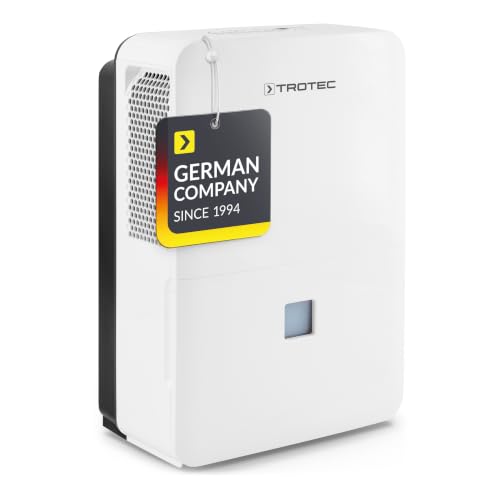
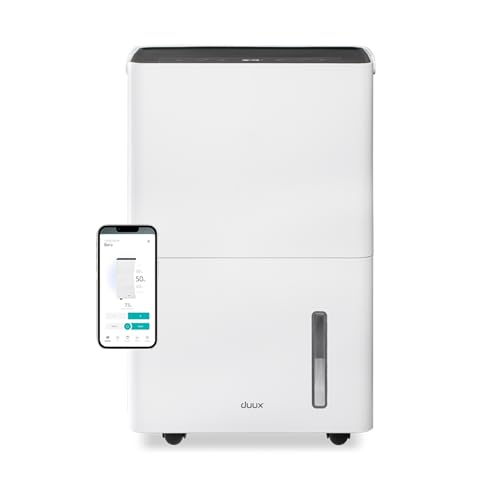
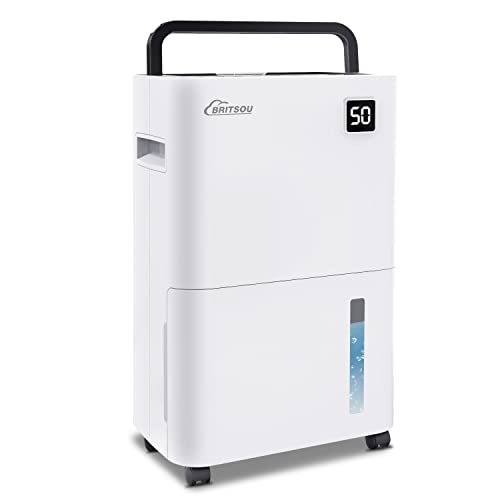
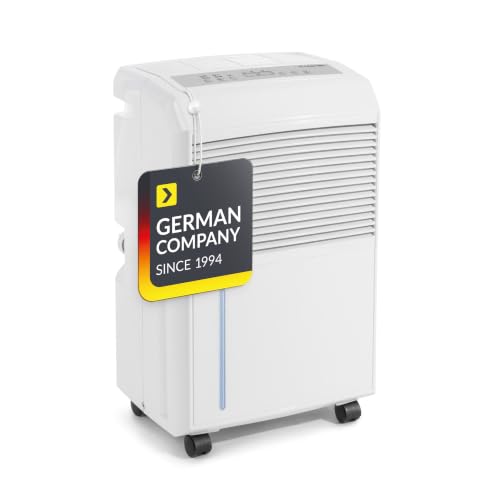


What makes a dehumidifier suitable for a basement?
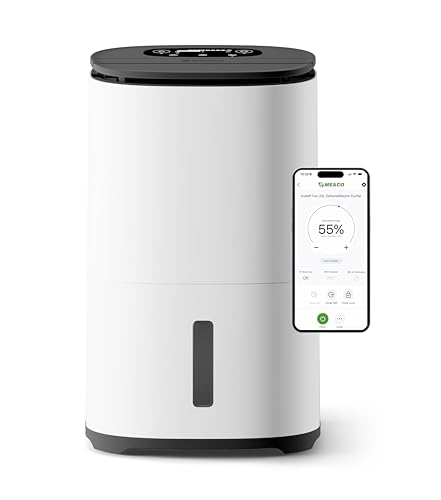
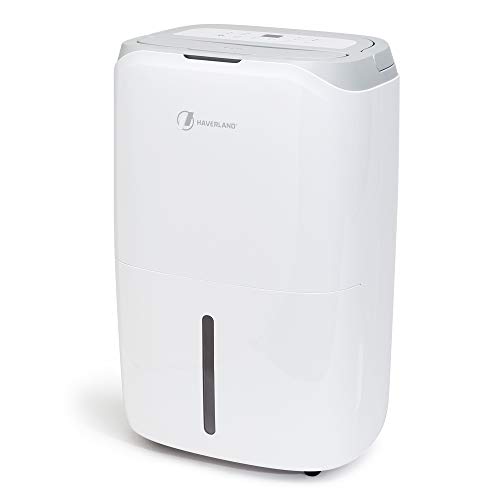
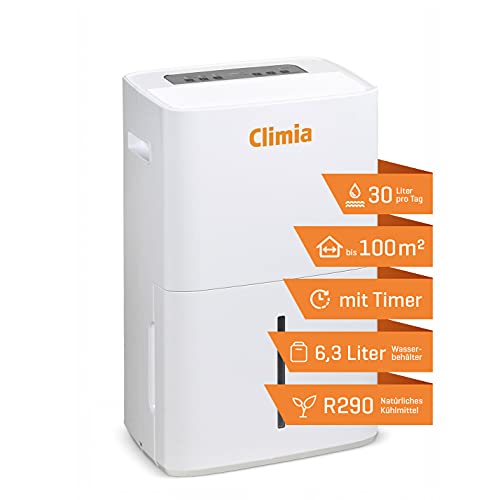
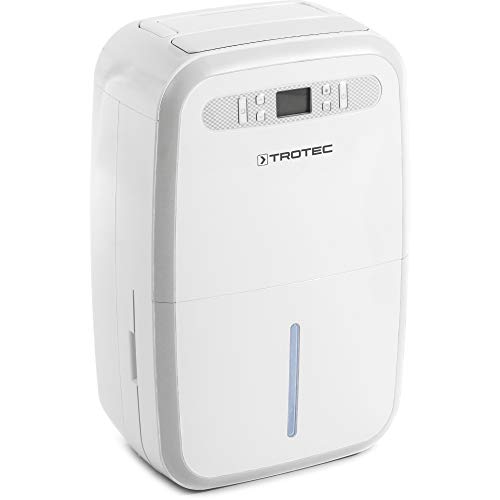
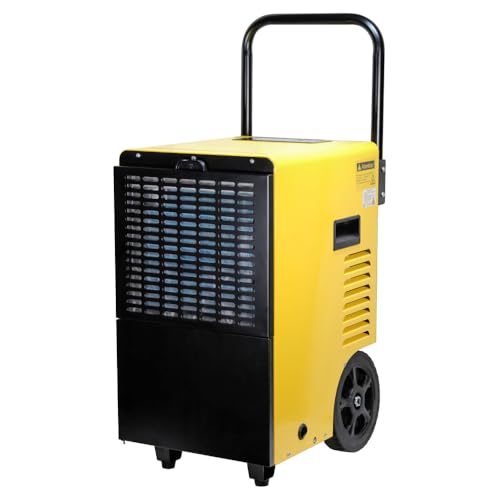
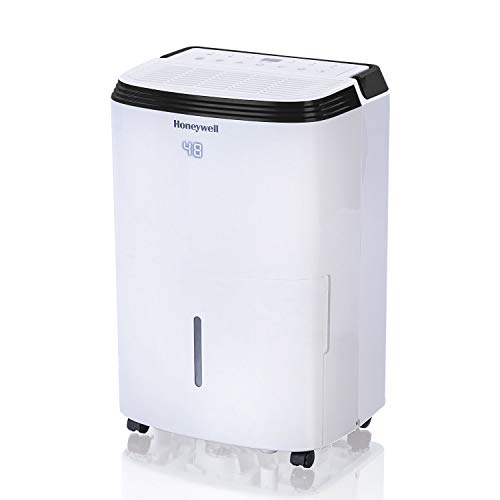
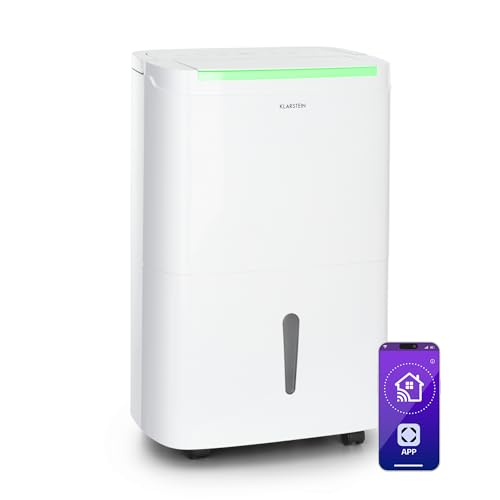
A basement dehumidifier is suitable when it can maintain the target humidity despite cool air, persistent moisture, and limited opportunities to empty the tank. For many basements, that means at least 12–20 L/day of rated extraction, an adjustable hygrostat, automatic defrost, and continuous drainage; larger or very damp spaces may need 20–25 L/day or more.
Temperature determines which technology performs best. Compressor models are usually efficient in heated basements, but extraction falls as the room becomes colder; a desiccant model is often the stronger choice in an unheated basement where temperatures regularly approach 5–10°C, even though it may consume more electricity.
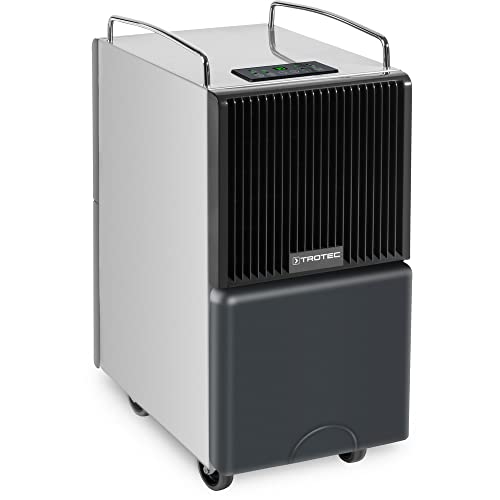
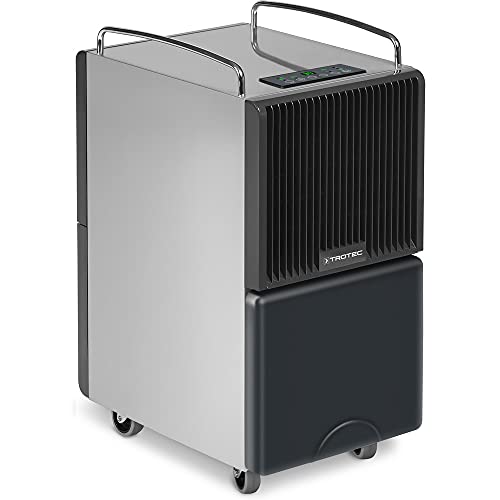
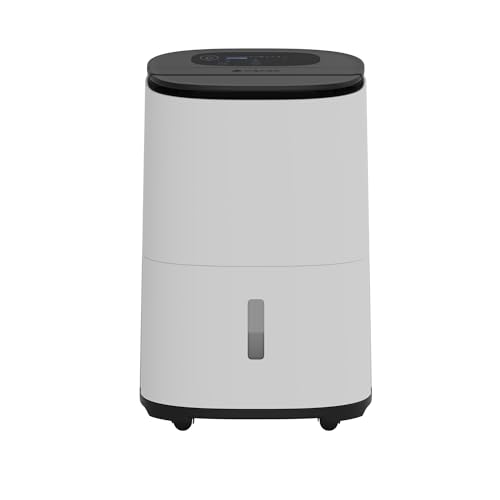
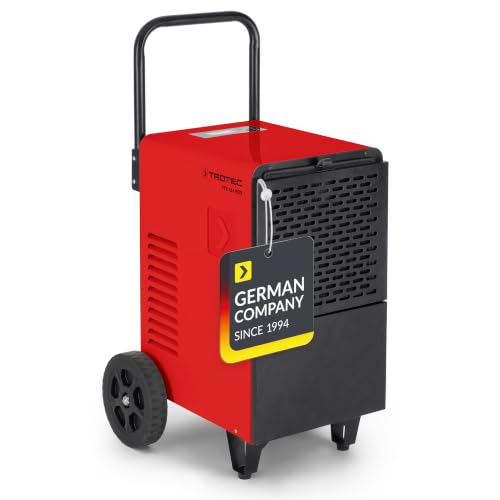
Basement suitability also depends on unattended operation. Auto restart, full-tank shut-off, a clear drain connection, and a washable filter reduce supervision, while casters and a handle help with placement. Leave clearance around the air inlet and outlet, and correct leaks, blocked gutters, or groundwater entry rather than expecting the machine to overcome a structural moisture source.