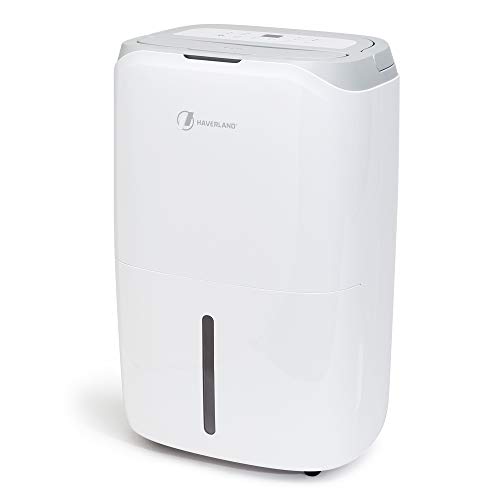

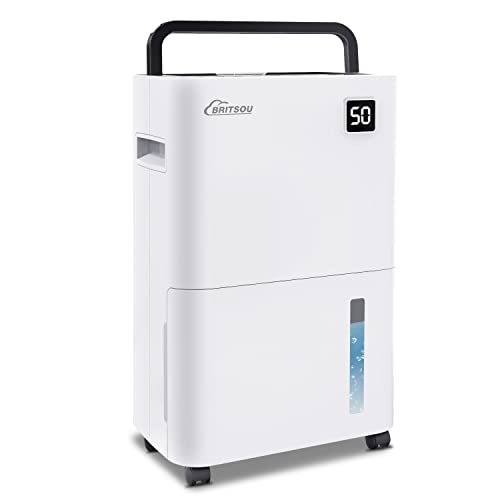
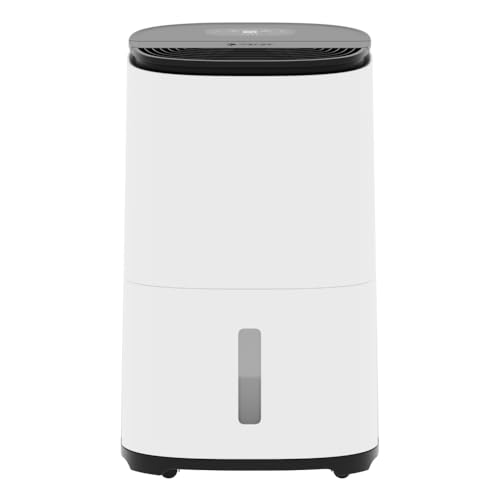
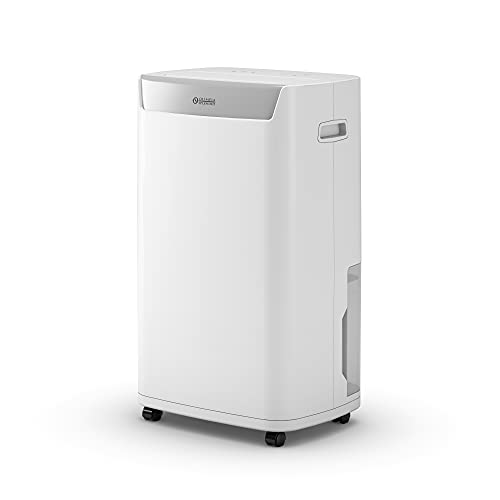

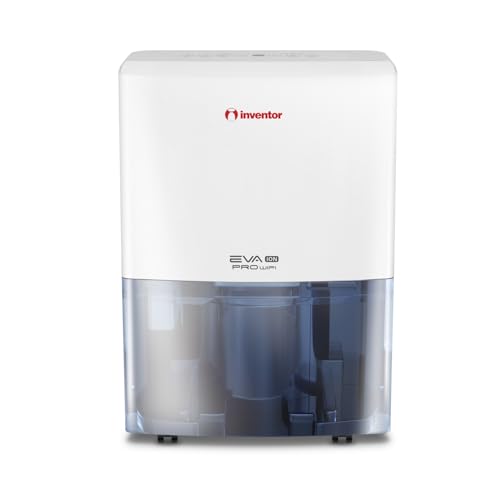
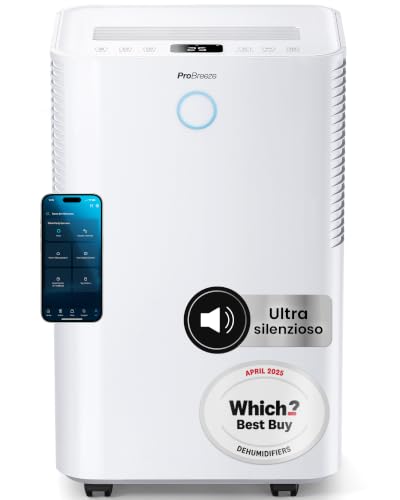
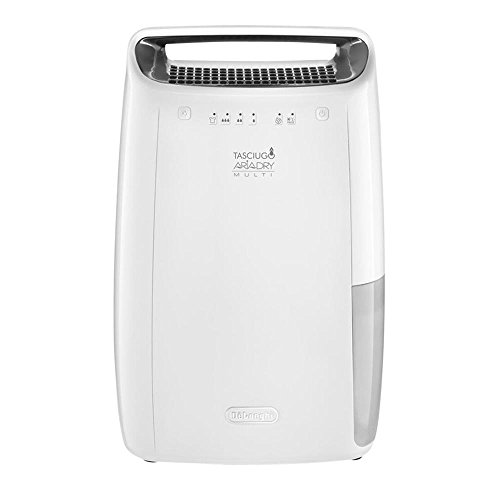
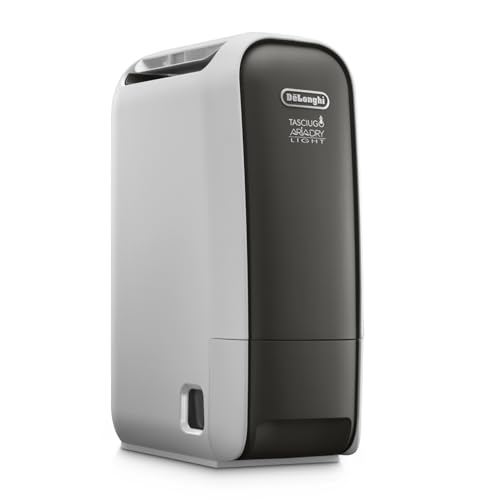
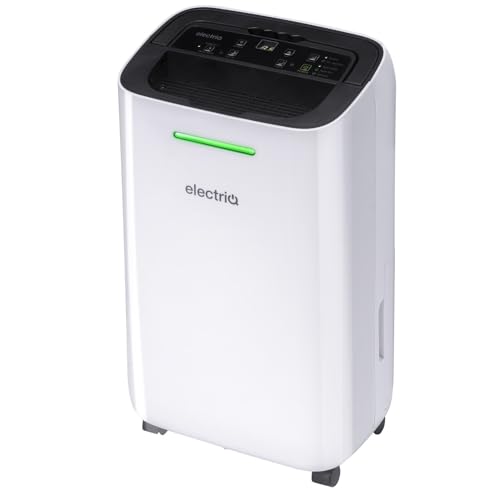
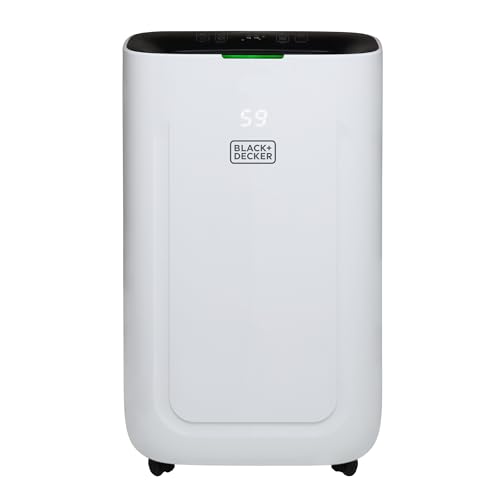
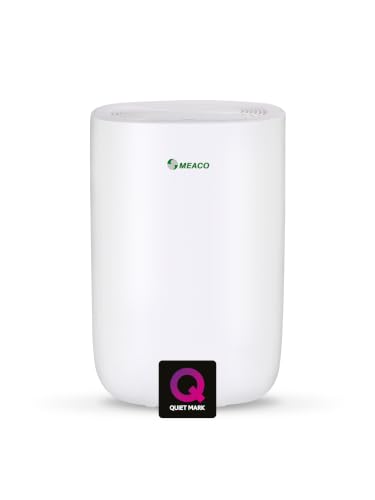
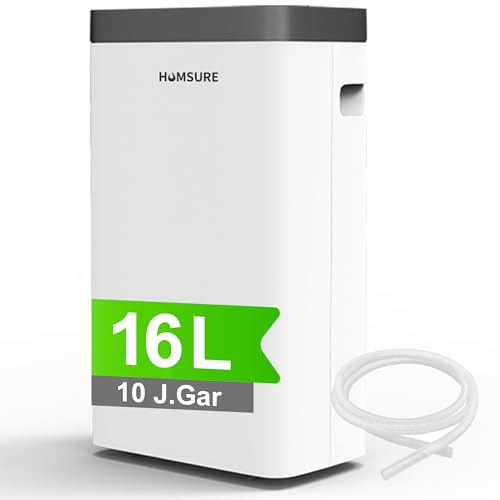
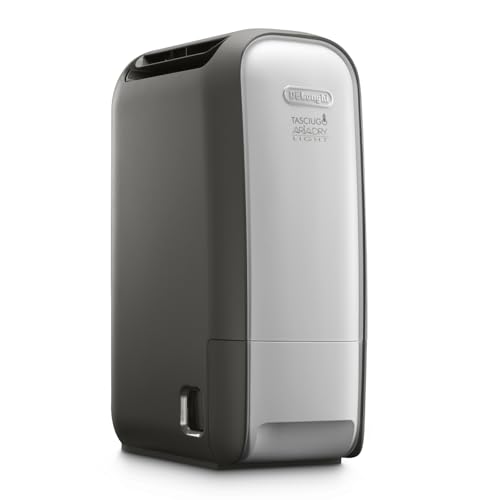
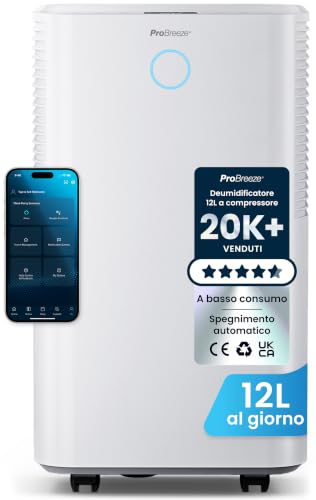
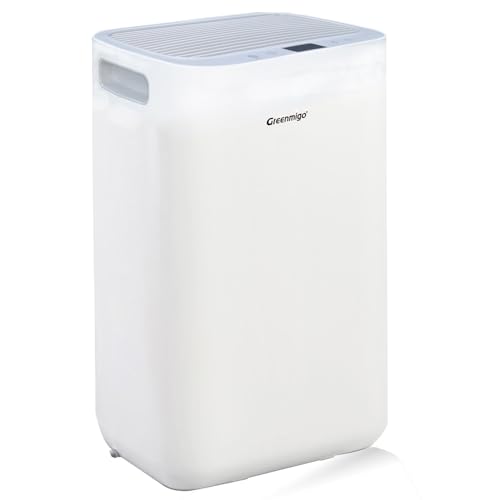
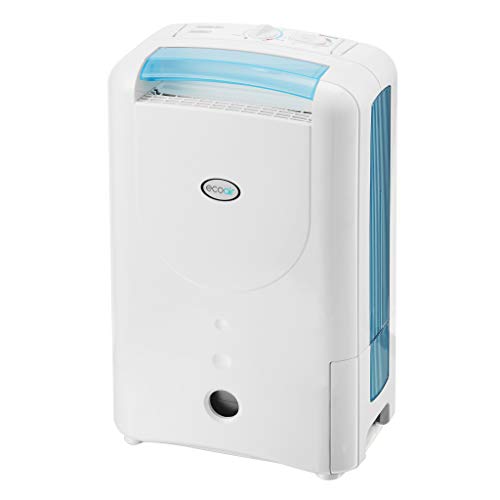


What is considered a quiet dehumidifier?
A quiet dehumidifier is generally one with a published maximum noise level of about 40–45 dB or less, although a low-speed or sleep-mode figure can be lower than the maximum. Models in the quieter range can still deliver useful extraction, but the capacity and operating temperature matter as much as the headline decibel number.
Fan speed, compressor cycling, vibration, and the surface underneath the machine all change perceived noise. A unit rated at 42 dB may sound less intrusive than a nominally quieter machine that vibrates on a hollow shelf, so place it on a solid, level floor and leave the air path unobstructed.
For bedrooms or adjoining living spaces, look for a low-speed mode around 35–40 dB, a dimmable display, quiet button sounds, and a timer or memory function. A hygrostat that stops the compressor at roughly 50–60% RH prevents unnecessary running after the room is dry.
Are quiet dehumidifiers less powerful than louder models?
Quiet dehumidifiers are not automatically less powerful than louder models, but the quietest compact formats often trade extraction capacity for lower fan speed, smaller compressors, or thermoelectric operation. A small thermoelectric unit may be very unobtrusive while removing only about 0.2–1 L/day, whereas a quiet compressor model can provide roughly 6–20 L/day with a larger airflow system.
Technology and room temperature affect the result. Compressor units can combine useful capacity with moderate noise in a heated room, while desiccant units may work more consistently in colder spaces but can use more electricity and produce additional heat. Compare capacity under stated test conditions instead of assuming that a lower decibel number means weaker moisture removal.
A larger tank, adjustable hygrostat, and automatic cycling can make a powerful model feel quieter in daily use because it does not need to run continuously. If the machine will serve a damp basement, laundry area, or several rooms, choose enough extraction first and then compare low-speed noise, vibration control, and placement options.