Xiaomi Redmi K Pad WiFi (12GB + 256GB) Review | 168 Data compared

double-arrow
  • Avg. price in UK: ~£330
  • Avg. price in US: ~$300
  • RAM capacity: 12 GB
  • Internal storage: 256 GB
  • Screen size: 8.8 inches
  • Chipset: MediaTek Dimensity 9400+

Xiaomi Redmi K Pad WiFi (12GB + 256GB) review. Compare 168 technical specifications and user reviews to see how it ranks among tablets and if it is worth buying.

8.2

Overall score

What it is: An overall evaluation of the smartphone's quality, based on technical analyses and user reviews.

When it matters: When you need a quick reference to identify the best Tablets on the market.

Score components:

90.0%

8.2

Technical Score

10.0%

?

User score

Excellent
8.2

Technical Score

What it is: An assessment of the smartphone's technical performance, covering eight key areas: performance & hardware, software, camera, connectivity, display, battery, audio, and design.

When it matters: When you want to compare Tablets based on technical performance and available features.

Score components:

22.0%

9.3

Performance

20.0%

8.7

Display

16.0%

8.3

Camera

14.0%

8.2

Battery

12.0%

5.6

Connectivity

8.0%

8.7

Software & Features

5.0%

7.2

Design

3.0%

7.4

Audio & Multimedia

Excellent
?

User score

What it is: A rating that combines user reviews and the total number of reviews received by the smartphone

When it matters: When you want to know how a smartphone handles daily tasks and how reliable it remains over time according to user feedback.

Score components:

70.0%

?

User reviews

30.0%

?

Popularity

No reviews for this version.

Check reviews from other versions.

  • 9.5
    Gaming

    Score components:

    25.0%

    10

    RAM capacity

    20.0%

    10

    Refresh rate

    20.0%

    10

    GPU frequency

    20.0%

    9.6

    Chipset

    15.0%

    7.1

    Battery capacity

  • 9.1
    School

    Score components:

    20.0%

    9.6

    Chipset

    20.0%

    8.8

    Battery life

    20.0%

    10

    RAM capacity

    10.0%

    10

    Weight

    10.0%

    10

    Internal storage

    10.0%

    10

    Keyboard accessory

    10.0%

    4.2

    Screen size

  • 8.6
    Work

    Score components:

    30.0%

    10

    RAM capacity

    25.0%

    9.6

    Chipset

    20.0%

    10

    Internal storage

    15.0%

    4.2

    Screen size

    5.0%

    10

    Keyboard accessory

    5.0%

    1.0

    Stylus included

  • 8.5
    Seniors

    Score components:

    20.0%

    4.2

    Screen size

    20.0%

    8.8

    Battery life

    20.0%

    10

    Weight

    20.0%

    10

    RAM capacity

    20.0%

    9.6

    Chipset

  • 8.6
    Kids

    Score components:

    25.0%

    7.1

    Battery capacity

    25.0%

    10

    RAM capacity

    15.0%

    10

    Weight

    15.0%

    10

    Internal storage

    10.0%

    4.2

    Screen size

    10.0%

    8.8

    Price

  • 7.4
    Travel

    Score components:

    20.0%

    10

    RAM capacity

    20.0%

    8.8

    Battery life

    15.0%

    9.6

    Chipset

    15.0%

    10

    Weight

    10.0%

    1.0

    Cellular module

    10.0%

    1.0

    5G connectivity

    5.0%

    1.0

    GPS

    5.0%

    10

    Internal storage

  • No image
No image

Best prices in UK

    N/A~ £330

Best rankings

?

Available: ranking among products currently available (including other versions of this product).
All: ranking among all products in the database.

Available versions:
Other versions:

Verdict

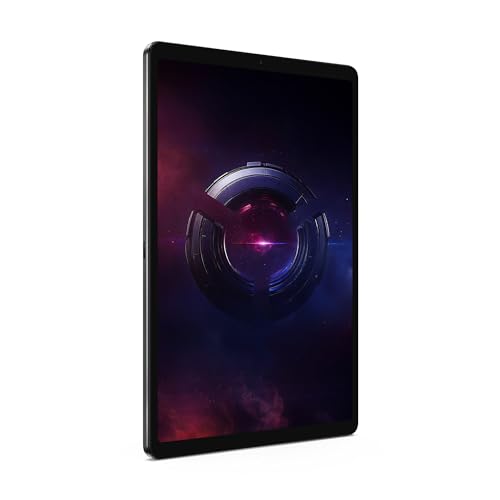
The Xiaomi Redmi K Pad is a high-performance compact tablet featuring a vibrant 8.8-inch 3K LCD display with a 165Hz refresh rate and 700 nits peak brightness. It is powered by the flagship-grade MediaTek Dimensity 9400+ chipset paired with 12GB of LPDDR5X RAM and 256GB of UFS 4.1 storage for seamless multitasking and gaming. Key highlights include a premium metal unibody design, a 7,500mAh battery with 67W fast charging, dual USB-C ports, and Xiaomi HyperOS 2 support. Main pros are its exceptionally powerful processor for its size, smooth high-refresh display, and portable 326g build. Notable cons include the lack of a 3.5mm headphone jack, no microSD card expansion, and the absence of a fingerprint sensor for biometric security.

Technical Specifications of tablet Xiaomi Redmi K Pad WiFi (12GB + 256GB)

Technical Score

What it is: An assessment of the smartphone's technical performance, covering eight key areas: performance & hardware, software, camera, connectivity, display, battery, audio, and design.

When it matters: When you want to compare Tablets based on technical performance and available features.

Score components:

22.0%

?

Performance

20.0%

?

Display

16.0%

?

Camera

14.0%

?

Battery

12.0%

?

Connectivity

8.0%

?

Software & Features

5.0%

?

Design

3.0%

?

Audio & Multimedia

8.2
Xiaomi Redmi K Pad WiFi (12GB + 256GB) has a technical score of 8.23 points, which is higher than 90.7% of Tablets.
User score

What it is: A rating that combines user reviews and the total number of reviews received by the smartphone

When it matters: When you want to know how a smartphone handles daily tasks and how reliable it remains over time according to user feedback.

Score components:

70.0%

0.0

User reviews

30.0%

1.0

Popularity

No reviews for this version.

Check reviews from other versions.

?
Popularity
What it is: An indicator based on the number of reviews received by the smartphone.
When it matters: When you prefer to purchase a product chosen and reviewed by many other consumers.
1.0
Xiaomi Redmi K Pad WiFi (12GB + 256GB) has a popularity of 1 points, which is higher than 0% of smartphones.
Ratio quality/price

What it is: An indicator that combines the smartphone's overall rating with its cost.

When it matters: When you are looking for a smartphone with a good balance between quality and price.

Score components:

60.0%

8.2

Overall score

40.0%

8.8

Price

8.4
Xiaomi Redmi K Pad WiFi (12GB + 256GB) has a quality-to-price ratio of 8.4 points, which is higher than 96.4% of smartphones.
Brand name
What it is: The manufacturer or brand of the product.
When it matters: When you prefer a specific ecosystem, support network, or design philosophy.

Importance: MEDIUM

Xiaomi
RAM capacity
What it is: The amount of volatile memory available for running apps and multitasking.
When it matters: When you use multiple apps at once or want smoother multitasking without reloads.

Importance: HIGH

Good value: >=8 GB

12 GB
Xiaomi Redmi K Pad WiFi (12GB + 256GB) has a RAM capacity of 12 GB which is larger than the RAM capacity of 90.1% of tablets and equal to that of 6.1% of tablets.
Process node
What it is: The size of the manufacturing process used to create the chip's transistors, measured in nanometers (nm). Smaller nodes generally indicate more advanced, power-efficient chips.
When it matters: When you want a chipset that is more power-efficient and generates less heat.

Importance: HIGH

Good value: <7 nm

3 nm
Xiaomi Redmi K Pad WiFi (12GB + 256GB) is built on a 3 nm nm process node, which is smaller than the node size used in 96.7% of tablets and equal to the node used in 3.3% of tablets.
Internal storage
What it is: The total built-in space available for apps, media, and files.
When it matters: When you keep large libraries of photos, videos, and apps directly on your device.

Importance: HIGH

Good value: >=128 GB

256 GB
Xiaomi Redmi K Pad WiFi (12GB + 256GB) has an internal storage capacity of 256 GB which is larger than the storage of 76.5% of tablets and equal to that of 15.7% of tablets.
Geekbench 6 single-core benchmark score
What it is: A cross-platform benchmark by Primate Labs that measures single-core CPU performance. It reflects how quickly a device handles everyday tasks that rely on a single processing core.
When it matters: When you want snappy responsiveness in everyday interactions and simple apps.

Importance: HIGH

Good value: >1300

2,549 points
Xiaomi Redmi K Pad WiFi (12GB + 256GB) scored 2,549 points in Geekbench 6 (single-core) which is higher than the score of 92.5% of tablets and equal to the score of 0.3% of tablets.
Show more
Screen resolution
What it is: The total number of pixels displayed on the screen, expressed as width x height, determining sharpness.
When it matters: When you want text and media to look sharper on a larger display.

Importance: HIGH

3008×1880
Xiaomi Redmi K Pad WiFi (12GB + 256GB) has a screen resolution of 3008×1880 which is higher than that of 95.8% of tablets and equal to that of 0.2% of tablets.
Refresh rate
What it is: The number of times per second the display updates the image, measured in Hertz (Hz); higher rates offer smoother motion.
When it matters: When you want scrolling to feel fluid and games to look smoother.

Importance: HIGH

Good value: >=120 Hz

165 Hz
Xiaomi Redmi K Pad WiFi (12GB + 256GB) supports a refresh rate of 165 Hz which is higher than in 98.8% of tablets and equal to that in 1.2% of tablets.
Display type
What it is: The specific technology used for the screen panel (e.g., OLED, IPS LCD), influencing contrast, color, and efficiency.
When it matters: When you care about vibrant colors, deep blacks, and battery efficiency.

Importance: HIGH

IPS LCD
Xiaomi Redmi K Pad WiFi (12GB + 256GB) uses a IPS LCD display type. 75.4% of tablets use this display technology.
Pixel density
What it is: The concentration of pixels on the display, measured in pixels per inch (PPI), affecting image clarity.
When it matters: When you read a lot, look at fine details, or want text and graphics to look cleaner at close range.

Importance: HIGH

Good value: >250 ppi

403 ppi
Xiaomi Redmi K Pad WiFi (12GB + 256GB) has a pixel density of 403 ppi which is higher than that of 99.7% of tablets and equal to that of 0.2% of tablets.
Display glass type
What it is: The specific brand or model of strengthened glass used to protect the screen from scratches and drops.
When it matters: When drops, scratches, or long-term screen wear are a concern in daily use.

Importance: HIGH

Corning Gorilla Glass 5
Xiaomi Redmi K Pad WiFi (12GB + 256GB) uses Corning Gorilla Glass 5 display glass which is stronger than that on 93.8% of tablets and equal to that on 5.8% of tablets.
Show more
Optical image stabilization
What it is: A hardware mechanism that physically moves the camera lens or sensor to counteract hand shakiness and reduce blur in photos and videos.
When it matters: When you want to reduce blur in photos and shake in videos, especially in low light.

Importance: HIGH

no
Xiaomi Redmi K Pad WiFi (12GB + 256GB) does not support optical image stabilization. 0.4% of tablets include OIS.
Main camera megapixels
What it is: The resolution of the primary rear camera sensor, measured in millions of pixels (MP). Higher megapixels can capture more detail.
When it matters: When you want to capture high-resolution images that can be cropped or printed large.

Importance: HIGH

13 MP
Xiaomi Redmi K Pad WiFi (12GB + 256GB) has a main camera resolution of 13 MP MP which is higher than that of 75% of tablets and equal to that of 20.8% of tablets.
Front camera megapixels
What it is: The resolution of the front-facing camera, measured in megapixels, determining the detail level of selfies.
When it matters: When you want detailed selfies or high-quality video for calls and streaming.

Importance: HIGH

Good value: >=8 MP

8 MP
Xiaomi Redmi K Pad WiFi (12GB + 256GB) has a front camera resolution of 8 MP MP which is higher than in 69.8% of tablets and equal to that in 19.4% of tablets.
Main camera aperture
What it is: The size of the lens opening (f-stop) that controls light entry. A lower f-number indicates a wider aperture, allowing better low-light shots.
When it matters: When you want better low-light performance or a natural background blur effect.

Importance: HIGH

f/2.2
Xiaomi Redmi K Pad WiFi (12GB + 256GB) has a main camera aperture of f/2.2 which is wider than that of 30% of tablets and equal to that of 27.6% of tablets.
Optical zoom
What it is: A true zoom feature that adjusts the camera lens to get closer to the subject without losing image quality, unlike digital zoom.
When it matters: When you want to get closer to a distant subject without losing image clarity.

Importance: HIGH

N/A
Xiaomi Redmi K Pad WiFi (12GB + 256GB) supports N/A x optical zoom which is lower than in 81.7% of tablets and equal to that in 18.3% of tablets.
Show more
Battery capacity
What it is: The amount of electric charge the battery can hold, measured in milliampere-hours (mAh).
When it matters: When you want a stronger chance of longer battery life, especially if you use the tablet heavily away from a charger.

Importance: HIGH

Good value: >8000 mAh

7,500 mAh
Xiaomi Redmi K Pad WiFi (12GB + 256GB) has a battery capacity of 7,500 mAh which is larger than the batteries in 63.2% of tablets and equal to those in 1.3% of tablets.
Charging speed
What it is: The maximum power input supported for wired charging, measured in Watts (W).
When it matters: When you are in a rush and need to top up your battery quickly.

Importance: HIGH

Good value: >30 W

67 W
Xiaomi Redmi K Pad WiFi (12GB + 256GB) supports charging speeds of 67 W which is faster than in 95.6% of tablets and equal to speeds in 1.9% of tablets.
Battery life
What it is: An estimate of how long the tablet can run on one charge.
When it matters: When you do not want to recharge the tablet too often.

Importance: HIGH

Good value: >10 hours

13 hours
Xiaomi Redmi K Pad WiFi (12GB + 256GB) has a battery life of 13 hours, which is longer than that of 76.1% of tablets and equal to that of 4.9% of tablets.
Wireless charging
What it is: The ability to charge the battery without cables by placing the device on a compatible charging pad.
When it matters: When you want to charge the tablet by placing it on a compatible pad.

Importance: MEDIUM

no
Xiaomi Redmi K Pad WiFi (12GB + 256GB) does not support wireless charging. 1.5% of tablets support wireless charging.
Fast charging
What it is: In the context of modern electronics, "Fast Charging" refers to any technology that delivers power significantly higher than the traditional USB baseline. While the industry standard for a basic charger is 5W (5V at 1A), a charger is generally classified as a fast charger if it provides at least 18W of power.
When it matters: When you want to minimize the time your tablet spends tethered to a wall outlet.

Importance: MEDIUM

yes
Xiaomi Redmi K Pad WiFi (12GB + 256GB) supports fast charging. 49.3% of tablets support fast charging.
Show more
LTE support
What it is: Support for Long-Term Evolution (4G) networks, providing high-speed mobile data.
When it matters: When you need reliable mobile internet coverage in areas where 5G isn't available.

Importance: HIGH

no
Xiaomi Redmi K Pad WiFi (12GB + 256GB) does not support LTE. 63.3% of tablets include LTE connectivity.
Wi-Fi connectivity
What it is: The ability to connect to wireless local area networks for internet access and local networking.
When it matters: When you want to save mobile data and connect to home or public networks.

Importance: HIGH

yes
Xiaomi Redmi K Pad WiFi (12GB + 256GB) supports Wi-Fi connectivity. 99.9% of tablets offer Wi-Fi support.
GPS
What it is: Support for the Global Positioning System to determine the device's precise location.
When it matters: When you need accurate navigation for driving, walking, or exploring new places.

Importance: HIGH

no
Xiaomi Redmi K Pad WiFi (12GB + 256GB) does not support GPS. 83.2% of tablets include GPS functionality.
5G connectivity
What it is: Support for the fifth generation of mobile network technology, offering significantly faster data speeds and lower latency.
When it matters: When you need the fastest possible mobile data speeds for streaming and downloading on the go.

Importance: MEDIUM

no
Xiaomi Redmi K Pad WiFi (12GB + 256GB) does not support 5G connectivity. 10.8% of tablets support 5G.
This version is Wi-Fi only and does not include a 5G cellular modem.
NFC
What it is: Near Field Communication technology that enables contactless payments, quick pairing, and data exchange over short distances.
When it matters: When you want to make contactless payments or quickly pair with compatible accessories.

Importance: MEDIUM

no
Xiaomi Redmi K Pad WiFi (12GB + 256GB) does not support NFC. 9.8% of tablets include NFC.
Show more
Operating system
What it is: The primary system software that manages the tablet's hardware and software resources.
When it matters: When you have a preference for the user interface and app ecosystem.

Importance: HIGH

Android
Xiaomi Redmi K Pad WiFi (12GB + 256GB) uses the Android operating system, which is more advanced than the one used by 23.7% of tablets.
Update support duration
What it is: The expected length of software update support for the tablet.
When it matters: When you care about how long the tablet should keep getting software updates.

Importance: HIGH

medium
Xiaomi Redmi K Pad WiFi (12GB + 256GB) offers medium update support, which is longer than the support period of 43.1% of tablets and equal to that of 36.1% of tablets.
Direct OS updates
What it is: Receives major operating system updates directly from the device maker or platform provider instead of waiting on extra intermediaries.
When it matters: When fast access to new Android or system features and security patches matters to you.

Importance: HIGH

yes
Xiaomi Redmi K Pad WiFi (12GB + 256GB) receives direct OS updates. 79.4% of tablets receive direct updates.
On-device AI
What it is: A tablet feature related to on-device ai.
When it matters: When you use smart writing, photo, voice, or search features and want them to work faster or more privately on the tablet itself.

Importance: MEDIUM

?
App tracking protection
What it is: A system-level feature that limits how apps track user behavior across other apps and services.
When it matters: When you want to stop apps from following your activity across other companies' apps and websites.

Importance: MEDIUM

no
Xiaomi Redmi K Pad WiFi (12GB + 256GB) does not include app tracking protection. 25.2% of tablets support this feature.
Show more
IP rating
What it is: A standardized code (Ingress Protection) indicating the device's resistance to dust and water intrusion.
When it matters: When you use the tablet around water, outdoors, or in dusty environments and want more durability.

Importance: MEDIUM

not rated
Xiaomi Redmi K Pad WiFi (12GB + 256GB) has an IP rating of not rated which is equal to that of 83% of tablets.
Weight
What it is: The total mass of the tablet, affecting how heavy it feels in the hand.
When it matters: When you want the tablet to be easier to carry and hold for longer sessions.

Importance: MEDIUM

Good value: <500 g

326 g
Xiaomi Redmi K Pad WiFi (12GB + 256GB) weighs 326 g which is lighter than 88.1% of tablets and equal to the weight of 0.2% of tablets.
Backlit keyboard
What it is: A keyboard with illuminated keys for easier typing in darker environments.
When it matters: When you type in dim rooms or low light.

Importance: MEDIUM

no
Xiaomi Redmi K Pad WiFi (12GB + 256GB) does not support a backlit keyboard. 8.9% of tablets support this accessory feature.
Keyboard accessory
What it is: Support for a keyboard accessory made for the tablet.
When it matters: When you want the tablet to work more like a small laptop.

Importance: MEDIUM

yes
Xiaomi Redmi K Pad WiFi (12GB + 256GB) supports a keyboard accessory. 83.4% of tablets support this option.
Pen latency
What it is: The delay between stylus input and the line or action appearing on screen, usually measured in milliseconds.
When it matters: When you want stylus input to feel quicker and more natural.

Importance: MEDIUM

Good value: <10 ms

?
Show more
Number of microphones
What it is: The total count of microphones on the device, used for audio recording, noise cancellation, and voice isolation.
When it matters: When you want clear audio recording and better noise cancellation during calls.

Importance: MEDIUM

Good value: >=2

?
aptX Adaptive
What it is: A Bluetooth codec that dynamically adjusts bitrate to balance audio quality and connection stability.
When it matters: When you use wireless headphones in changing environments and want better audio quality without sacrificing connection stability.

Importance: MEDIUM

yes
Xiaomi Redmi K Pad WiFi (12GB + 256GB) supports aptX Adaptive. 4.9% of tablets offer this codec.
Dolby Atmos support
What it is: Support for Dolby Atmos audio playback or processing.
When it matters: When you want more immersive sound from compatible movies, games, or music.

Importance: MEDIUM

yes
Xiaomi Redmi K Pad WiFi (12GB + 256GB) supports Dolby Atmos. 26.4% of tablets support this audio feature.
Supports Dolby Atmos audio.
N. of speakers
What it is: The number of built-in speakers used for audio playback.
When it matters: When you want fuller sound without always using headphones.

Importance: MEDIUM

Good value: >=4

4
Xiaomi Redmi K Pad WiFi (12GB + 256GB) includes 4 speakers, which is more than in 71.6% of tablets and equal to the number in 22.1% of tablets.
Quad speakers.
FM radio
What it is: A built-in receiver allowing users to listen to local FM radio stations using wired headphones as an antenna.
When it matters: When you want to listen to local radio stations without using mobile data.

Importance: LOW

no
Xiaomi Redmi K Pad WiFi (12GB + 256GB) does not include an FM radio. 14.9% of tablets offer FM radio functionality.
Show more

Xiaomi Redmi K Pad WiFi (12GB + 256GB) vs the average tablet

  • Better chipset
    Xiaomi Redmi K Pad WiFi (12GB + 256GB) uses the MediaTek Dimensity 9400+ chipset, while the average tablet uses MediaTek MT8169A.
    What it is: The official model name of the processor platform used in the tablet.
    When it matters: When you want the tablet to feel fast in everyday use, handle heavier apps smoothly, or stay capable for longer.

    Importance: HIGH

    Xiaomi Redmi K Pad WiFi (12GB + 256GB) uses the MediaTek Dimensity 9400+ chipset, while the average tablet uses MediaTek MT8169A.MediaTek Dimensity 9400+ vs MediaTek MT8169A
  • 2.75x higher refresh rate
    Xiaomi Redmi K Pad WiFi (12GB + 256GB) has a higher refresh rate than the average tablet (165 Hz vs 60 Hz). The average tablet has refresh rate of 60 Hz.
    What it is: The number of times per second the display updates the image, measured in Hertz (Hz); higher rates offer smoother motion.
    When it matters: When you want scrolling to feel fluid and games to look smoother.

    Importance: HIGH

    Good value: >=120 Hz

    Xiaomi Redmi K Pad WiFi (12GB + 256GB) has a higher refresh rate than the average tablet (165 Hz vs 60 Hz). The average tablet has refresh rate of 60 Hz.165 Hz vs 60 Hz
  • 86.5% higher CPU speed
    Xiaomi Redmi K Pad WiFi (12GB + 256GB) has a higher CPU speed than the average tablet (3.7 GHz vs 2 GHz). The average tablet has CPU speed of 2 GHz.
    What it is: The clock speeds used by the processor cores.
    When it matters: When you use demanding apps, multitask often, or want stronger day-to-day performance.

    Importance: MEDIUM

    Xiaomi Redmi K Pad WiFi (12GB + 256GB) has a higher CPU speed than the average tablet (3.7 GHz vs 2 GHz). The average tablet has CPU speed of 2 GHz.3.73 GHz vs 2 GHz
  • 8 GB more RAM
    Xiaomi Redmi K Pad WiFi (12GB + 256GB) has more RAM capacity than the average tablet (12 GB vs 4 GB). The average tablet has 4 GB of RAM.
    What it is: The amount of volatile memory available for running apps and multitasking.
    When it matters: When you use multiple apps at once or want smoother multitasking without reloads.

    Importance: HIGH

    Good value: >=8 GB

    Xiaomi Redmi K Pad WiFi (12GB + 256GB) has more RAM capacity than the average tablet (12 GB vs 4 GB). The average tablet has 4 GB of RAM.12 GB vs 4 GB
  • Higher screen resolution
    Xiaomi Redmi K Pad WiFi (12GB + 256GB) has a higher screen resolution than the average tablet (3008×1880 vs 1920×1200). The average tablet resolution is 1920×1200.
    What it is: The total number of pixels displayed on the screen, expressed as width x height, determining sharpness.
    When it matters: When you want text and media to look sharper on a larger display.

    Importance: HIGH

    Xiaomi Redmi K Pad WiFi (12GB + 256GB) has a higher screen resolution than the average tablet (3008×1880 vs 1920×1200). The average tablet resolution is 1920×1200.3008×1880 vs 1920×1200
  • 3.72x faster charging speed
    Xiaomi Redmi K Pad WiFi (12GB + 256GB) supports faster charging than the average tablet (67 W vs 18 W). The average tablet supports charging speed of 18 W.
    What it is: The maximum power input supported for wired charging, measured in Watts (W).
    When it matters: When you are in a rush and need to top up your battery quickly.

    Importance: HIGH

    Good value: >30 W

    Xiaomi Redmi K Pad WiFi (12GB + 256GB) supports faster charging than the average tablet (67 W vs 18 W). The average tablet supports charging speed of 18 W.67 W vs 18 W
  • 4x more storage
    Xiaomi Redmi K Pad WiFi (12GB + 256GB) has more internal storage than the average tablet (256 GB vs 64 GB). The average tablet provides 64 GB of internal storage.
    What it is: The total built-in space available for apps, media, and files.
    When it matters: When you keep large libraries of photos, videos, and apps directly on your device.

    Importance: HIGH

    Good value: >=128 GB

    Xiaomi Redmi K Pad WiFi (12GB + 256GB) has more internal storage than the average tablet (256 GB vs 64 GB). The average tablet provides 64 GB of internal storage.256 GB vs 64 GB
  • Has adaptive refresh rate
    Xiaomi Redmi K Pad WiFi (12GB + 256GB) has adaptive refresh rate, the average tablet does not. 17.9% of tablets support adaptive refresh rate.
    What it is: Support for automatically adjusting the display refresh rate based on what is on screen.
    When it matters: When you want smoother scrolling without using more battery than needed.

    Importance: MEDIUM

    Xiaomi Redmi K Pad WiFi (12GB + 256GB) has adaptive refresh rate, the average tablet does not. 17.9% of tablets support adaptive refresh rate.
  • Better chipset
    Xiaomi Redmi K Pad WiFi (12GB + 256GB) uses the MediaTek Dimensity 9400+ chipset, while the average tablet uses MediaTek MT8169A.
  • 86.5% higher CPU speed
    Xiaomi Redmi K Pad WiFi (12GB + 256GB) has a higher CPU speed than the average tablet (3.7 GHz vs 2 GHz). The average tablet has CPU speed of 2 GHz.
  • 8 GB more RAM
    Xiaomi Redmi K Pad WiFi (12GB + 256GB) has more RAM capacity than the average tablet (12 GB vs 4 GB). The average tablet has 4 GB of RAM.
  • 4x more storage
    Xiaomi Redmi K Pad WiFi (12GB + 256GB) has more internal storage than the average tablet (256 GB vs 64 GB). The average tablet provides 64 GB of internal storage.
  • 4.11x higher Geekbench 6 multi-core benchmark score
    Xiaomi Redmi K Pad WiFi (12GB + 256GB) achieves a higher Geekbench 6 multi-core benchmark score than the average tablet (7,697 points vs 1,872 points). The average tablet scores 1,872 points in Geekbench 6 multi-core.
  • Faster storage type
    Xiaomi Redmi K Pad WiFi (12GB + 256GB) uses UFS storage, while the average tablet uses eMMC. Storage technology still varies widely across tablets.
  • 3.5x higher Geekbench 6 single-core benchmark score
    Xiaomi Redmi K Pad WiFi (12GB + 256GB) achieves a higher Geekbench 6 single-core benchmark score than the average tablet (2,549 points vs 729 points). The average tablet scores 729 points in Geekbench 6 single-core.
  • Newer DDR memory version
    Xiaomi Redmi K Pad WiFi (12GB + 256GB) supports a newer DDR version than the average tablet (LPDDR5X vs LPDDR3). The average DDR version is LPDDR3.
  • 78.6% smaller process node
    Xiaomi Redmi K Pad WiFi (12GB + 256GB) uses a smaller process node than the average tablet (3 nm vs 14 nm). The average tablet uses a process node of 14 nm.
  • 2.48x faster GPU clock
    Xiaomi Redmi K Pad WiFi (12GB + 256GB) has a higher GPU frequency than the average tablet (1,612 MHz vs 650 MHz). The average tablet has GPU frequency of 650 MHz.
  • Includes neural engine
    Xiaomi Redmi K Pad WiFi (12GB + 256GB) includes a neural engine, the average tablet does not. 24.6% of tablets include a neural engine.
  • 8 more GPU execution units
    Xiaomi Redmi K Pad WiFi (12GB + 256GB) has more GPU execution units than the average tablet (12 vs 4). The average tablet has 4 GPU execution units.
  • 4x higher maximum RAM
    Xiaomi Redmi K Pad WiFi (12GB + 256GB) has more maximum RAM than the average tablet (16 GB vs 4 GB). The average tablet supports up to 4 GB of RAM.
  • 917 MHz higher GPU turbo clock
    Xiaomi Redmi K Pad WiFi (12GB + 256GB) has a higher GPU turbo speed than the average tablet (1,612 MHz vs 695 MHz). The average tablet has GPU turbo speed of 695 MHz.
  • 2 more CPU threads
    Xiaomi Redmi K Pad WiFi (12GB + 256GB) has more CPU threads than the average tablet (8 vs 6). The average tablet has 6 CPU threads.
  • 1,488 more shader units
    Xiaomi Redmi K Pad WiFi (12GB + 256GB) has more shader units than the average tablet (1,536 vs 48). The average tablet has 48 shader units.
  • 12x more L3 cache
    Xiaomi Redmi K Pad WiFi (12GB + 256GB) has more L3 cache than the average tablet (12 KB vs 1 KB). The average tablet has 1 KB of L3 cache.
  • 2,101 points higher PassMark benchmark
    Xiaomi Redmi K Pad WiFi (12GB + 256GB) achieves a higher PassMark benchmark result than the average tablet (4,512 points vs 2,411 points). The average tablet scores 2,411 points in PassMark.
  • 6,782.5 points higher Geekbench 5 multi-core benchmark score
    Xiaomi Redmi K Pad WiFi (12GB + 256GB) achieves a higher Geekbench 5 multi-core benchmark score than the average tablet (8,298 points vs 1,515.5 points). The average tablet scores 1,515.5 points in Geekbench 5 multi-core.
  • Supports external displays
    Xiaomi Redmi K Pad WiFi (12GB + 256GB) has more supported external displays than the average tablet (yes vs no). The average tablet supports no external displays.
  • 2x more L1
    Xiaomi Redmi K Pad WiFi (12GB + 256GB) has more L1 cache than the average tablet (128 KB vs 64 KB). The average tablet has 64 KB of L1 cache.
  • 2.75x higher refresh rate
    Xiaomi Redmi K Pad WiFi (12GB + 256GB) has a higher refresh rate than the average tablet (165 Hz vs 60 Hz). The average tablet has refresh rate of 60 Hz.
  • Higher screen resolution
    Xiaomi Redmi K Pad WiFi (12GB + 256GB) has a higher screen resolution than the average tablet (3008×1880 vs 1920×1200). The average tablet resolution is 1920×1200.
  • Has adaptive refresh rate
    Xiaomi Redmi K Pad WiFi (12GB + 256GB) has adaptive refresh rate, the average tablet does not. 17.9% of tablets support adaptive refresh rate.
  • 299 nits higher peak brightness
    Xiaomi Redmi K Pad WiFi (12GB + 256GB) has a higher peak brightness than the average tablet (700 nits vs 401 nits). The average tablet reaches 401 nits peak brightness.
  • 300 nits higher typical brightness
    Xiaomi Redmi K Pad WiFi (12GB + 256GB) has a higher typical brightness than the average tablet (700 nits vs 400 nits). The average tablet reaches 400 nits typical brightness.
  • Has anti-reflection coating
    Xiaomi Redmi K Pad WiFi (12GB + 256GB) has anti-reflection coating, the average tablet does not. 24.8% of tablets use anti-reflection coating.
  • 79.9% higher pixel density
    Xiaomi Redmi K Pad WiFi (12GB + 256GB) has a higher pixel density than the average tablet (403 ppi vs 224 ppi). The average tablet has pixel density of 224 ppi.
  • 2.58x higher touch sampling rate
    Xiaomi Redmi K Pad WiFi (12GB + 256GB) has a higher touch sampling rate than the average tablet (372 Hz vs 144 Hz). The average tablet has touch sampling rate of 144 Hz.
  • Supports HDR10 support
    Xiaomi Redmi K Pad WiFi (12GB + 256GB) supports HDR10, the average tablet does not. 21.1% of tablets are HDR10 compatible.
  • 179 ppi higher screen sharpness
    Xiaomi Redmi K Pad WiFi (12GB + 256GB) has a higher screen sharpness than the average tablet (403 ppi vs 224 ppi). The average tablet has screen sharpness of 224 ppi.
  • Supports Dolby Vision support
    Xiaomi Redmi K Pad WiFi (12GB + 256GB) supports Dolby Vision, the average tablet does not. 12.4% of tablets are Dolby Vision compatible.
  • Better display glass type
    Xiaomi Redmi K Pad WiFi (12GB + 256GB) uses better display glass than the average tablet (Corning Gorilla Glass 5 vs Corning Gorilla Glass). Display glass choice still varies across tablets.
  • Higher contrast ratio
    Xiaomi Redmi K Pad WiFi (12GB + 256GB) has a higher contrast ratio than the average tablet (1,500:1 vs 1,120:1). The average tablet contrast ratio is 1,120:1.
  • Better main-camera video
    Xiaomi Redmi K Pad WiFi (12GB + 256GB) supports better main-camera video recording than the average tablet (2160x30 fps vs 1080x30 fps). The average tablet supports 1080x30 fps main-camera video recording.
  • Supports PDAF
    Xiaomi Redmi K Pad WiFi (12GB + 256GB) supports PDAF, the average tablet does not. 26.3% of tablets support PDAF.
  • 5 MP higher main camera megapixels
    Xiaomi Redmi K Pad WiFi (12GB + 256GB) has a higher main camera resolution than the average tablet (13 MP vs 8 MP). The average tablet main camera has 8 MP megapixels.
  • Allows manual shutter speed
    Xiaomi Redmi K Pad WiFi (12GB + 256GB) allows manual shutter speed control, the average tablet does not. 18% of tablets include this.
  • 3 MP higher front camera megapixels
    Xiaomi Redmi K Pad WiFi (12GB + 256GB) has more front camera megapixels than the average tablet (8 MP vs 5 MP). The average tablet has 5 MP front camera resolution.
  • Allows manual focus
    Xiaomi Redmi K Pad WiFi (12GB + 256GB) allows manual focus control, the average tablet does not. 37% of tablets include manual focus.
  • Allows manual ISO
    Xiaomi Redmi K Pad WiFi (12GB + 256GB) allows manual ISO adjustment, the average tablet does not. 42.5% of tablets feature manual ISO.
  • Supports slow-motion recording
    Xiaomi Redmi K Pad WiFi (12GB + 256GB) supports slow-motion recording, the average tablet does not. 38% of tablets offer slow-mo.
  • Has a flash
    Xiaomi Redmi K Pad WiFi (12GB + 256GB) features a built-in flash, the average tablet does not. 45.2% of tablets include a flash.
  • 1 more flash LEDs
    Xiaomi Redmi K Pad WiFi (12GB + 256GB) has more flash LEDs than the average tablet (1 vs 0). The average tablet has 0 flash LEDs.
  • 3.72x faster charging speed
    Xiaomi Redmi K Pad WiFi (12GB + 256GB) supports faster charging than the average tablet (67 W vs 18 W). The average tablet supports charging speed of 18 W.
  • 3 hours longer battery life
    Xiaomi Redmi K Pad WiFi (12GB + 256GB) offers longer battery life than the average tablet (13 hours vs 10 hours). The average tablet offers 10 hours of battery life.
  • Supports fast charging
    Xiaomi Redmi K Pad WiFi (12GB + 256GB) supports fast charging, the average tablet does not. 49.3% of tablets feature fast charging.
  • Includes battery health monitoring
    Xiaomi Redmi K Pad WiFi (12GB + 256GB) features battery health monitoring, the average tablet does not. 34.7% of tablets include battery health tools.
  • 13.6% larger battery capacity
    Xiaomi Redmi K Pad WiFi (12GB + 256GB) has a higher battery capacity than the average tablet (7,500 mAh vs 6,600 mAh). The average tablet battery has capacity of 6,600 mAh.
  • More Wi-Fi bands
    Xiaomi Redmi K Pad WiFi (12GB + 256GB) supports more Wi-Fi bands than the average tablet (2.4GHz/5GHz/6GHz vs 2.4GHz/5GHz). The average tablet supports 2.4GHz/5GHz Wi-Fi bands.
  • Newer Bluetooth version
    Xiaomi Redmi K Pad WiFi (12GB + 256GB) supports a newer Bluetooth version than the average tablet (5.4 vs 5.0). The average tablet uses Bluetooth 5.0.
  • Has an infrared sensor
    Xiaomi Redmi K Pad WiFi (12GB + 256GB) includes an infrared sensor, the average tablet does not. 16.2% of tablets feature an IR blaster.
  • Supports live text recognition
    Xiaomi Redmi K Pad WiFi (12GB + 256GB) supports live text recognition, the average tablet does not. 31.7% of tablets can recognize text from images.
  • Supports full-page screenshots
    Xiaomi Redmi K Pad WiFi (12GB + 256GB) supports full-page screenshots, the average tablet does not. 49.5% of tablets support full-page screenshots.
  • Supports dynamic theme
    Xiaomi Redmi K Pad WiFi (12GB + 256GB) features dynamic themes, the average tablet does not. 29.1% of tablets offer dynamic theming.
  • Has clipboard warnings
    Xiaomi Redmi K Pad WiFi (12GB + 256GB) has clipboard warnings, the average tablet does not. 38% of tablets include clipboard warnings.
  • Has extra dim mode
    Xiaomi Redmi K Pad WiFi (12GB + 256GB) features extra dim mode, the average tablet does not. 33.4% of tablets support extra diming.
  • 33.5% lighter
    Xiaomi Redmi K Pad WiFi (12GB + 256GB) is lighter than the average tablet (326 g vs 490 g). The average tablet weighs 490 g.
  • Suitable for drawing
    Xiaomi Redmi K Pad WiFi (12GB + 256GB) is suitable for drawing, the average tablet is not. 40.3% of tablets are suitable for drawing.
  • 6 year/s newer release date
    Xiaomi Redmi K Pad WiFi (12GB + 256GB) has a newer release date than the average tablet (2025 vs 2019).
  • 1.54 mm thinner
    Xiaomi Redmi K Pad WiFi (12GB + 256GB) is thinner than the average tablet (6.5 mm vs 8 mm). The average tablet is 8 mm thick.
  • 46.5 mm narrower
    Xiaomi Redmi K Pad WiFi (12GB + 256GB) is narrower than the average tablet (132 mm vs 178.5 mm). The average tablet is 178.5 mm wide.
  • Supports Dolby Atmos
    Xiaomi Redmi K Pad WiFi (12GB + 256GB) supports Dolby Atmos, the average tablet does not. 26.4% of tablets support Dolby Atmos.
  • 2 more speakers
    Xiaomi Redmi K Pad WiFi (12GB + 256GB) has more speakers than the average tablet (4 vs 2). The average tablet has 2 speakers.
  • Supports LDAC
    Xiaomi Redmi K Pad WiFi (12GB + 256GB) supports LDAC, the average tablet does not. 16.9% of tablets support LDAC.
  • Supports aptX Adaptive
    Xiaomi Redmi K Pad WiFi (12GB + 256GB) supports aptX Adaptive, the average tablet does not. 4.9% of tablets include aptX Adaptive support.
  • Supports aptX Low Latency
    Xiaomi Redmi K Pad WiFi (12GB + 256GB) supports aptX Low Latency, the average tablet does not. 1.4% of tablets support aptX Low Latency.
  • No memory card slot
    Xiaomi Redmi K Pad WiFi (12GB + 256GB) does not have a memory card slot, the average tablet does. 78.6% of tablets feature expandable storage.
  • 1.3 inches smaller screen size
    Xiaomi Redmi K Pad WiFi (12GB + 256GB) has a lower screen size than the average tablet (8.8 inches vs 10.1 inches). The average tablet has screen size of 10.1 inches.
  • No continuous video AF
    Xiaomi Redmi K Pad WiFi (12GB + 256GB) does not support continuous video AF, the average tablet does. 55.4% of tablets support continuous video autofocus.
  • Narrower front camera aperture
    Xiaomi Redmi K Pad WiFi (12GB + 256GB) has a worse front camera aperture than the average tablet (f/2.3 vs f/2.2). The average tablet uses f/2.2 front camera aperture.
  • No LTE support
    Xiaomi Redmi K Pad WiFi (12GB + 256GB) does not support LTE, the average tablet does. 63.3% of tablets support LTE.
  • No GPS
    Xiaomi Redmi K Pad WiFi (12GB + 256GB) does not have GPS, the average tablet does. 83.2% of tablets feature GPS.
  • No cellular module
    Xiaomi Redmi K Pad WiFi (12GB + 256GB) does not have a cellular module, the average tablet does. 59.7% of tablets include a cellular module.
  • No 3.5 mm headphone jack
    Xiaomi Redmi K Pad WiFi (12GB + 256GB) does not have a 3.5 mm headphone jack, the average tablet does. 72.7% of tablets include a headphone jack.
  • No LTE support
    Xiaomi Redmi K Pad WiFi (12GB + 256GB) does not support LTE, the average tablet does. 63.3% of tablets support LTE.
    What it is: Support for Long-Term Evolution (4G) networks, providing high-speed mobile data.
    When it matters: When you need reliable mobile internet coverage in areas where 5G isn't available.

    Importance: HIGH

    Xiaomi Redmi K Pad WiFi (12GB + 256GB) does not support LTE, the average tablet does. 63.3% of tablets support LTE.
  • No continuous video AF
    Xiaomi Redmi K Pad WiFi (12GB + 256GB) does not support continuous video AF, the average tablet does. 55.4% of tablets support continuous video autofocus.
    What it is: Support for keeping focus updated automatically while recording video.
    When it matters: When you record moving subjects and want focus to keep up.

    Importance: LOW

    Xiaomi Redmi K Pad WiFi (12GB + 256GB) does not support continuous video AF, the average tablet does. 55.4% of tablets support continuous video autofocus.
  • No GPS
    Xiaomi Redmi K Pad WiFi (12GB + 256GB) does not have GPS, the average tablet does. 83.2% of tablets feature GPS.
    What it is: Support for the Global Positioning System to determine the device's precise location.
    When it matters: When you need accurate navigation for driving, walking, or exploring new places.

    Importance: HIGH

    Xiaomi Redmi K Pad WiFi (12GB + 256GB) does not have GPS, the average tablet does. 83.2% of tablets feature GPS.
  • No cellular module
    Xiaomi Redmi K Pad WiFi (12GB + 256GB) does not have a cellular module, the average tablet does. 59.7% of tablets include a cellular module.
    What it is: The hardware component capable of connecting to mobile cellular networks for voice and data.
    When it matters: When you need to stay connected to calls and internet away from Wi-Fi.

    Importance: LOW

    Xiaomi Redmi K Pad WiFi (12GB + 256GB) does not have a cellular module, the average tablet does. 59.7% of tablets include a cellular module.
  • No 3.5 mm headphone jack
    Xiaomi Redmi K Pad WiFi (12GB + 256GB) does not have a 3.5 mm headphone jack, the average tablet does. 72.7% of tablets include a headphone jack.
    What it is: A standard analog audio port for connecting wired headphones or auxiliary cables.
    When it matters: When you prefer using traditional wired headphones without dongles or adapters.

    Importance: LOW

    Xiaomi Redmi K Pad WiFi (12GB + 256GB) does not have a 3.5 mm headphone jack, the average tablet does. 72.7% of tablets include a headphone jack.
  • No memory card slot
    Xiaomi Redmi K Pad WiFi (12GB + 256GB) does not have a memory card slot, the average tablet does. 78.6% of tablets feature expandable storage.
    What it is: A physical slot, usually for microSD cards, allowing users to expand the device's storage capacity.
    When it matters: When you want to cheaply expand your storage for photos, music, and movies.

    Importance: LOW

    Xiaomi Redmi K Pad WiFi (12GB + 256GB) does not have a memory card slot, the average tablet does. 78.6% of tablets feature expandable storage.
  • Narrower front camera aperture
    Xiaomi Redmi K Pad WiFi (12GB + 256GB) has a worse front camera aperture than the average tablet (f/2.3 vs f/2.2). The average tablet uses f/2.2 front camera aperture.
    What it is: The f-stop value of the front camera lens, affecting light intake and background blur in selfies.
    When it matters: When you take selfies in low light and want them to appear brighter.

    Importance: MEDIUM

    Xiaomi Redmi K Pad WiFi (12GB + 256GB) has a worse front camera aperture than the average tablet (f/2.3 vs f/2.2). The average tablet uses f/2.2 front camera aperture.f/2.3 vs f/2.2
  • 1.3 inches smaller screen size
    Xiaomi Redmi K Pad WiFi (12GB + 256GB) has a lower screen size than the average tablet (8.8 inches vs 10.1 inches). The average tablet has screen size of 10.1 inches.
    What it is: The physical diagonal measurement of the display area, usually expressed in inches.
    When it matters: When you choose between easier portability and more room for reading, video, or multitasking.

    Importance: MEDIUM

    Good value: >=11 inches

    Xiaomi Redmi K Pad WiFi (12GB + 256GB) has a lower screen size than the average tablet (8.8 inches vs 10.1 inches). The average tablet has screen size of 10.1 inches.8.8 inches vs 10.1 inches

Graphic comparison of Xiaomi Redmi K Pad WiFi (12GB + 256GB) and other tablets

Attribute category
Attribute
No results found

Third-party reviews

What customers like about Xiaomi Redmi K Pad WiFi (12GB + 256GB)?

  • High-end 8.8-inch display with 165Hz refresh rate and 3K resolution providing very smooth visuals
  • Strong performance for gaming and multitasking powered by the Dimensity 9400+ chipset
  • Premium build quality with a slim 6.5mm metal unibody design
  • Impressive quad-speaker setup with Dolby Atmos support
  • Generous 7500mAh battery with relatively fast 67W charging
  • Dual USB-C ports, which is a rare and useful feature for its size class
  • Good value for money compared to other high-performance compact tablets

What customers dislike about Xiaomi Redmi K Pad WiFi (12GB + 256GB)?

  • Average to poor camera quality, particularly in low-light conditions
  • Lack of a fingerprint sensor for biometric security (uses facial recognition only)
  • Can experience heat buildup during intense, continuous usage sessions
  • HyperOS software still lacks some advanced 'PC-mode' or desktop-style features found in higher-end models
  • Limited availability in some global markets, often requiring importation
  • No built-in GPS on the WiFi-only models

Expert reviews

N
notebookcheck.com
02/08/2025

The Xiaomi Redmi K Pad is a 6.5 mm, 326g compact metal tablet featuring a MediaTek Dimensity 9400 Plus chipset and an 8.8-inch 3K 165Hz IPS display. Key pros include high-performance gaming, stylus support, dual USB ports, and fast 67W charging for the 7,500 mAh battery. Cons identified in the review include mediocre camera quality, lack of NFC/fingerprint sensor, and a short,...Read more

N
notebookcheck.biz
08/01/2025

The Xiaomi Redmi K Pad is an 8.8-inch, high-performance tablet aiming to rival the iPad Mini 7 with a MediaTek Dimensity 9400+ chipset and a 165 Hz 3K display. Key design features include an ultra-light, 326-gram aluminium body and a versatile dual USB-C port configuration tailored for gaming, supporting 67W charging and bypassing to reduce heat. While offering excellent haptic...Read more

N
notebookcheck.nl
08/12/2022

The Xiaomi Redmi Pad is a budget Android tablet featuring a high-quality metal unibody, a 10.61-inch 2K 90Hz display, and quad-speakers with Dolby Atmos. Powered by a MediaTek Helio G99, it delivers solid performance for daily tasks and boasts an 8,000 mAh battery with exceptional longevity, although charging is limited to 18W. Key advantages include the fluid screen, good audio,...Read more

W
want.nl
06/12/2022

The Xiaomi Redmi Pad is lauded as a high-value, mid-range tablet featuring a 10.61-inch 2K, 90Hz display, and robust quad-speaker audio, making it ideal for media consumption. Powered by the capable MediaTek Helio G99 chipset, the device boasts an aluminum unibody design and exceptional battery life, often lasting several days on a single charge. While performance is strong, notable...Read more

Video reviews

Compare Xiaomi Redmi K Pad WiFi (12GB + 256GB) with other tablets

VS
VS

Compare