Scored using Tablets Methodology v3.0
Tablets Methodology v3.0
Mathematical & Unbiased Scoring
Products in this category are scored under Frontum Tablets Methodology v3.0: the technical score from the specifications is the base, and independent expert and video reviews (up to ±0.5 points), owner opinions (up to ±0.3) and best-of lists (up to +0.3) move it up or down.
Explore Tablets Methodology v3.0

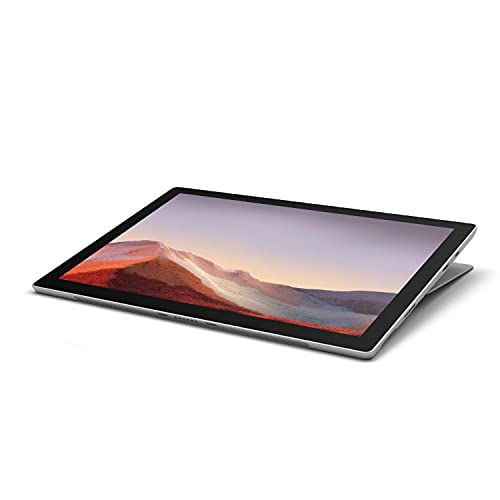
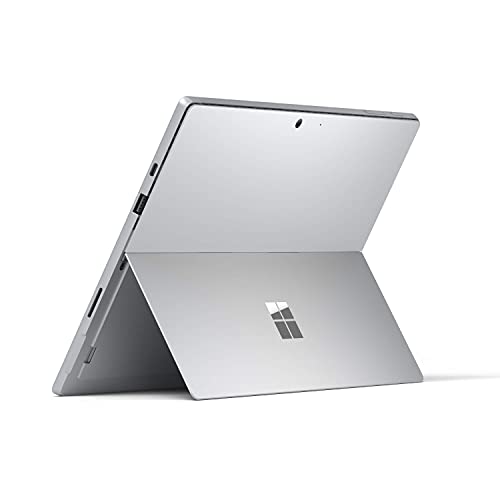
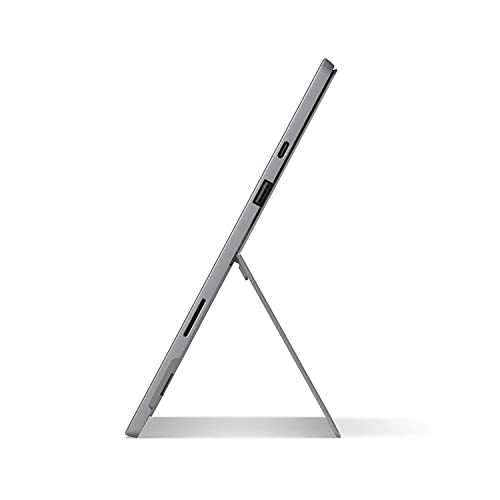
Microsoft Surface Pro 7 i3 (4GB + 128GB) review: 168 specs compared

Avg. price:~£570RAM capacity:4 GBInternal storage:128 GBScreen size:12.3 inchesChipset:Intel Core i3-1005G1

Microsoft Surface Pro 7 i3 (4GB + 128GB) Review: Compare 168 technical specifications and 17 expert and video reviews to see how this product ranks in the Tablets category and whether it is worth buying.

Microsoft Surface Pro 7 i3 (4GB + 128GB)
7.3/10

Overall score

Score
7.3/ 10
✕
What it is
Our main score for this model, 1–10. It combines specs, best-of lists, expert reviews and owners.
How we count it
Parts: Technical score 35%, List score 30%, Reviews score 25%, Sentiment score 10%
Marks: Each part gets a mark out of 10. For reviews, lists and owners, a typical model in this category gets about 8 and the best one gets 10.
No data yet: A part with no data shows "?". It counts as the mark of a weaker model in this category (4 in 5 models with data score higher). This way, models with reviews, lists and owners usually come out ahead.
Score distribution
â–¼
<55-66-77-88-99-10
Score components

35%

6.8

Technical score

30%

?

List scoreNot enough data yet, so we use 7.5, the mark of a weaker model in this category

25%

8.0

Reviews score

10%

?

Sentiment scoreNot enough data yet, so we use 6.9, the mark of a weaker model in this category

â–²Better than 64% of tablets
7.4

Value for money

Value for money
7.4/ 10
✕
What it is
An indicator that combines the tablet's overall rating with its cost.
When it matters
When you are looking for a tablet with a good balance between quality and price.
Score distribution
â–¼
<55-66-77-88-99-10
Score components

70%

7.3

Overall score

30%

7.5

Price

â–¼Worse than 62%
6.8

Technical score

Technical score
6.8/ 10
✕
What it is
How good the specs are compared with the other models in this category, 1–10.
How we count it
Areas: We rate the specs in each area against the other models in this category.
Weighting: The areas that matter most to buyers count more. The shares are shown under Score components.
Share: The technical score is 35% of the overall score.
Score distribution
â–¼
<55-66-77-88-99-10
Score components

22%

7.0

Performance

20%

6.0

Display

16%

7.2

Camera

14%

7.1

Battery

12%

7.0

Connectivity

8%

7.3

Software

5%

5.4

Design

3%

6.8

Audio

â–²Better than 64%
8.0

Reviews score

Reviews score
8.0/ 10
✕
What it is
Average grade from independent test sites, magazines and video reviewers, 1–10.
How we count it
Grades: Each review's own score is converted to 1–10; without one, we grade the review ourselves. Big test sites count more, short reviews half as much as full tests. A video review counts half.
Score: The average grade is 80% of the review mark; the number of reviews is the other 20% (1 review = 5, the typical number in this category = 8, the most-reviewed model = 10).
Enough data: With few reviews, the average grade is pulled toward the typical grade of this category. No reviews yet: 7.4 for now.
Share: Reviews count 25% of the overall score.
Score distribution
â–¼
<55-66-77-88-99-10

80%

8.0

Average grade

20%

8.2

Popularity

Grades by review (17)
12 reviews: 8 with a printed score, 4 estimated from the review. 5 video reviews, each counting half as much as a written test. Reviews count 25% of the overall score.
User ratings collected online are not part of this score.
â–²Better than 60%
?

List score

List score
7.5/ 10
✕
What it is
How often independent test sites, magazines and video reviewers put this model in their best-of lists for this category.
How we count it
Points: The model in the most lists of this category gets 10; the others get 8 to 10 in proportion. In no list yet: 7.5. Lists count 30% of the overall score.
Enough data: Every list counts, even a single one. With fewer than 5 best-of lists in the category, this part is left out.
Lists with this model (0)
Not in any best-of list yet, so this part counts as 7.5. Models in a list get 8 to 10.
Not in any best-of list yet
  • microsoft-surface-pro-7-i3-4gb-128gb
  • microsoft-surface-pro-7-i3-4gb-128gb
  • microsoft-surface-pro-7-i3-4gb-128gb
  • microsoft-surface-pro-7-i3-4gb-128gb
  • microsoft-surface-pro-7-i3-4gb-128gb
  • microsoft-surface-pro-7-i3-4gb-128gb
  • microsoft-surface-pro-7-i3-4gb-128gb
microsoft-surface-pro-7-i3-4gb-128gb
Where to buy
*As an Amazon Associate, we earn from qualifying purchases.
Best rankings
Available: ranking among products currently available (including other versions of this product).All: ranking among all products in the database.

What reviewers say about the Microsoft Surface Pro 7 i3 (4GB + 128GB)

Based on 12 · 5

Reviewers like the sharp screen and kickstand, but find the screen small and extras costly; battery life divides opinion.
Praised
Mixed views
Criticised
Pick a topic to see who said what
Loading...
Loading category ranking...

Technical Specifications of tablet Microsoft Surface Pro 7 i3 (4GB + 128GB)

Technical score
Technical score
6.8/ 10
✕
What it is
How good the specs are compared with the other models in this category, 1–10.
How we count it
Areas: We rate the specs in each area against the other models in this category.
Weighting: The areas that matter most to buyers count more. The shares are shown under Score components.
Share: The technical score is 35% of the overall score.
Score distribution
â–¼
<55-66-77-88-99-10
Score components:

22%

7.0

Performance

20%

6.0

Display

16%

7.2

Camera

14%

7.1

Battery

12%

7.0

Connectivity

8%

7.3

Software

5%

5.4

Design

3%

6.8

Audio

6.8
Reviews score
8.0
List score
?
Value for money
Value for money
7.4/ 10
✕
What it is
An indicator that combines the tablet's overall rating with its cost.
When it matters
When you are looking for a tablet with a good balance between quality and price.
Score distribution
â–¼
<55-66-77-88-99-10
Score components:

70%

7.3

Overall score

30%

7.5

Price

7.4
RAM capacity
4 GB
This tablet has 4 GB of RAM, which is more than 47.2% of tablets and equal to 17.8% of tablets.
Process node
10 nm
This tablet is built on a 10 nm process, which is smaller than 67.8% of tablets and equal to 1.4% of tablets.
Internal storage
128 GB
This tablet has 128 GB of internal storage, which is more than 56.2% of tablets and equal to 20% of tablets.
Geekbench 6 single-core score
1,286 points
This tablet scores 1,286 points in single-core tests, which is higher than 71.2% of tablets.
Chipset
Intel Core i3-1005G1
This tablet runs on Intel Core i3-1005G1, which is more advanced than 65.9% of tablets.
Show more
What reviewers say
Screen resolution
2736×1824
This tablet has a 2736×1824 screen, which is sharper than 88.5% of tablets and equal to 0.7% of tablets.
Refresh rate
60 Hz
This tablet has a 60 Hz screen, which is smoother than 0.1% of tablets and equal to 73.4% of tablets.
Display type
IPS LCD
This tablet uses a IPS LCD display type. 17% of tablets use this display technology.
Pixel density
267 ppi
This tablet has a pixel density of 267 ppi, which is higher than 77.5% of tablets and equal to 1.5% of tablets.
Display glass type
Corning Gorilla Glass 3
This tablet protects its screen with Corning Gorilla Glass 3, which is more durable than 80.2% of tablets and the same as 11.2% of tablets.
Show more
What reviewers say
Optical image stabilization
no
This tablet does not support optical stabilisation. 0.4% of tablets offer this.
Main camera megapixels
8 MP
This tablet has a rear camera with 8 MP resolution, which is higher than 36.4% of tablets and equal to 31.9% of tablets.
Front camera megapixels
5 MP
This tablet has a front camera with 5 MP resolution, which is higher than 48.6% of tablets and equal to 19.7% of tablets.
Main camera aperture
?
Optical zoom
1xxx
This tablet has 1xx optical zoom, which is stronger than 18.2% of tablets and equal to 80.9% of tablets.
Show more
Battery capacity
5,702 mAh
This tablet has 5,702 mAh battery capacity, which is smaller than 59.9% of tablets.
Charging speed
45 W
This tablet charges at 45 W, which is faster than 83.8% of tablets and equal to 6.7% of tablets.
Battery life
10.5 hours
This tablet has a battery life of 10.5 hours, which is longer than that of 60% of tablets and equal to that of 0.6% of tablets.
Wireless charging
no
This tablet does not support wireless charging. 1.5% of tablets offer this.
Fast charging
yes
This tablet supports fast charging. 43.2% of tablets offer this.
Show more
What reviewers say
LTE support
no
This tablet does not have built-in LTE. 42.9% of tablets offer this.
Wi-Fi connectivity
yes
This tablet connects to Wi-Fi. 0.2% of tablets offer this.
GPS
no
This tablet does not have built-in GPS. 82.9% of tablets offer this.
5G connectivity
no
This tablet does not support 5G. 8.1% of tablets offer this.
NFC
no
This tablet does not include NFC. 10.8% of tablets offer this.
Show more
What reviewers say
Operating system
Windows
This tablet uses the Windows operating system, which is less advanced than the one used by 84.2%.
Update support duration
short
This tablet offers short update support, which is shorter than the support period of 52.4% of tablets and equal to that of 47.6% of tablets.
Direct OS updates
yes
This tablet supports direct OS updates. 20.3% of tablets offer this.
On-device AI
no
This tablet does not support on-device AI. 28.3% of tablets support this capability.
App tracking protection
no
This tablet does not support app tracking protection. 28.4% of tablets offer this.
Show more
IP rating
not rated
This tablet's IP rating is not rated, which is less protected than 16.5% of tablets and the same as 83.6% of tablets.
Weight
775 g
This tablet weighs 775 g, which is heavier than 93% of tablets and equal to 0.1% of tablets.
Backlit keyboard
yes
This tablet supports a backlit keyboard. 90.4% of tablets support backlit keyboards.
Keyboard accessory
yes
This tablet supports a keyboard accessory. 15.8% of tablets support this option.
Pen latency
21 ms
This tablet has a pen latency of 21 ms, which is higher than that of 76.2% of tablets and equal to that of 4.9% of tablets.
Show more
What reviewers say
Number of microphones
2
This tablet has a microphone array of 2, which is more than 55.1% of tablets and equal to 32.7% of tablets.
aptX Adaptive
no
This tablet does not support aptX Adaptive. 6.9% of tablets offer this.
Dolby Atmos support
yes
This tablet supports Dolby Atmos. 68.7% of tablets support Dolby Atmos.
N. of speakers
2
This tablet includes 2 speakers, which is more than in 9.8% of tablets and equal to the number in 60.8% of tablets.
FM radio
no
This tablet does not include an FM radio. 19% of tablets offer this.
Show more

Microsoft Surface Pro 7 i3 (4GB + 128GB) vs the average tablet

246810TotalPerformanceDisplayCameraBatteryConnectivitySoftwareDesignAudio
  • Faster storage type
    This tablet uses NVMe storage, while the average tablet uses eMMC. Storage technology still varies widely across tablets.
    NVMe vs eMMC
  • 70% higher CPU speed
    This tablet has a higher CPU speed than the average tablet (3.4 GHz vs 2 GHz). The average tablet has CPU speed of 2 GHz.
    3.4 GHz vs 2 GHz
  • More advanced chipset
    This tablet has a more advanced chipset than the average tablet (Intel Core i3-1005G1 vs MediaTek MT8169A).
    Intel Core i3-1005G1 vs MediaTek MT8169A
  • 2.2 inches larger screen
    This tablet has a larger screen than the average tablet (12.3 inches vs 10.1 inches). The average tablet measures 10.1 inches.
    12.3 inches vs 10.1 inches
  • Sharper display
    This tablet has a sharper screen than the average tablet (2736×1824 vs 1920×1200).
    2,736×1,824 vs 1,920×1,200
  • 2.5x faster charging
    This tablet charges faster than the average tablet (45 W vs 18 W). The average tablet charges at 18 W.
    45 W vs 18 W
  • 4.01x more memory bandwidth
    This tablet has more memory bandwidth than the average tablet (59.7 GB/s vs 14.9 GB/s). The average tablet has 14.9 GB/s of memory bandwidth.
    59.7 GB/s vs 14.9 GB/s
  • Supports DisplayPort over USB-C
    This tablet supports DisplayPort over USB-C, the average tablet does not. 21.3% of tablets support DisplayPort over USB-C.
  • 14.3% higher review score
    Reviews score
    8.0/ 10
    ✕
    What it is
    Average grade from independent test sites, magazines and video reviewers, 1–10.
    How we count it
    Grades: Each review's own score is converted to 1–10; without one, we grade the review ourselves. Big test sites count more, short reviews half as much as full tests. A video review counts half.
    Score: The average grade is 80% of the review mark; the number of reviews is the other 20% (1 review = 5, the typical number in this category = 8, the most-reviewed model = 10).
    Enough data: With few reviews, the average grade is pulled toward the typical grade of this category. No reviews yet: 7.4 for now.
    Share: Reviews count 25% of the overall score.
    Score distribution
    â–¼
    <55-66-77-88-99-10

    80%

    8.0

    Average grade

    20%

    8.2

    Popularity

    Grades by review (17)
    12 reviews: 8 with a printed score, 4 estimated from the review. 5 video reviews, each counting half as much as a written test. Reviews count 25% of the overall score.
    User ratings collected online are not part of this score.
    8.0 vs 7.0
  • Faster storage type
    This tablet uses NVMe storage, while the average tablet uses eMMC. Storage technology still varies widely across tablets.
    NVMe vs eMMC
  • 70% higher CPU speed
    This tablet has a higher CPU speed than the average tablet (3.4 GHz vs 2 GHz). The average tablet has CPU speed of 2 GHz.
    3.4 GHz vs 2 GHz
  • More advanced chipset
    This tablet has a more advanced chipset than the average tablet (Intel Core i3-1005G1 vs MediaTek MT8169A).
    Intel Core i3-1005G1 vs MediaTek MT8169A
  • 4.01x more memory bandwidth
    This tablet has more memory bandwidth than the average tablet (59.7 GB/s vs 14.9 GB/s). The average tablet has 14.9 GB/s of memory bandwidth.
    59.7 GB/s vs 14.9 GB/s
  • More advanced memory type
    This tablet uses more advanced memory than the average tablet (LPDDR4X vs LPDDR3).
    LPDDR4X vs LPDDR3
  • 76.4% higher single-core score
    This tablet has a higher single-core score than the average tablet (1,286 points vs 729 points). The average tablet scores 729 points in single-core tests.
    1,286 points vs 729 points
  • 28 more GPU execution units
    This tablet has more GPU execution units than the average tablet (32 vs 4). The average tablet has 4 GPU execution units.
    32 vs 4
  • Supports multithreading
    This tablet supports multithreading, while the average tablet does not. 9.9% of tablets support multithreading.
  • 2x more internal storage
    This tablet has more internal storage than the average tablet (128 GB vs 64 GB). The average tablet has 64 GB of internal storage.
    128 GB vs 64 GB
  • 28.6% smaller process node
    This tablet has a smaller process node than the average tablet (10 nm vs 14 nm). The average tablet is built on 14 nm.
    10 nm vs 14 nm
  • 534 MHz faster RAM speed
    This tablet has a higher RAM speed than the average tablet (2,400 MHz vs 1,866 MHz). The average tablet has RAM speed of 1,866 MHz.
    2,400 MHz vs 1,866 MHz
  • 31.9% higher multi-core score
    This tablet has a higher multi-core score than the average tablet (2,494 points vs 1,891 points). The average tablet scores 1,891 points in multi-core tests.
    2,494 points vs 1,891 points
  • Sharper display
    This tablet has a sharper screen than the average tablet (2736×1824 vs 1920×1200).
    2,736×1,824 vs 1,920×1,200
  • 2.2 inches larger screen
    This tablet has a larger screen than the average tablet (12.3 inches vs 10.1 inches). The average tablet measures 10.1 inches.
    12.3 inches vs 10.1 inches
  • 20.8% sharper screen detail
    This tablet has sharper screen detail than the average tablet (267 ppi vs 221 ppi). The average tablet has a pixel density of 221 ppi.
    267 ppi vs 221 ppi
  • More durable glass
    This tablet has more durable glass than the average tablet (Corning Gorilla Glass 3 vs Corning Gorilla Glass). The average tablet uses Corning Gorilla Glass.
    Corning Gorilla Glass 3 vs Corning Gorilla Glass
  • 250 Hz higher PWM dimming frequency
    This tablet has a higher PWM dimming frequency than the average tablet (250 Hz vs 0 Hz). The average tablet has PWM dimming frequency of 0 Hz.
    250 Hz vs 0 Hz
  • Supports PDAF
    This tablet supports PDAF, the average tablet does not. 28% of tablets support PDAF.
  • 2.5x faster charging
    This tablet charges faster than the average tablet (45 W vs 18 W). The average tablet charges at 18 W.
    45 W vs 18 W
  • Monitors battery health
    This tablet monitors battery health, while the average tablet does not. 36.7% of tablets monitor battery health.
  • 0.5 hours longer battery life
    This tablet offers longer battery life than the average tablet (10.5 hours vs 10 hours). The average tablet offers 10 hours of battery life.
    10.5 hours vs 10 hours
  • Supports DisplayPort over USB-C
    This tablet supports DisplayPort over USB-C, the average tablet does not. 21.3% of tablets support DisplayPort over USB-C.
  • Newer Wi-Fi standard
    This tablet has a newer Wi-Fi standard than the average tablet (Wi-Fi 6 (802.11ax) vs Wi-Fi 5 (802.11ac)).
    Wi-Fi 6 (802.11ax) vs Wi-Fi 5 (802.11ac)
  • Faster USB ports
    This tablet has faster USB ports than the average tablet (USB 3.2 Gen 1 vs USB 2).
    USB 3.2 Gen 1 vs USB 2.0
  • Supports HDMI output
    This tablet supports HDMI output, while the average tablet does not. 49.8% of tablets offer this.
    via USB-C DisplayPort Alt Mode adapter
  • Supports app offloading
    This tablet supports app offloading, while the average tablet does not. 26.3% of tablets offer this.
  • Supports drawing
    This tablet is suitable for drawing, while the average tablet is not. 40% of tablets are suitable for drawing.
  • Includes backlit keyboard
    This tablet has a backlit keyboard, the average tablet does not. 9.6% of tablets offer a backlit keyboard.
  • Supports stylus tilt
    This tablet supports stylus tilt, the average tablet does not. 33.5% of tablets support stylus tilt.
  • Supports Dolby Atmos
    This tablet supports Dolby Atmos, the average tablet does not. 31.3% of tablets support Dolby Atmos.
  • 1 more microphones
    This tablet has more microphones than the average tablet (2 vs 1). The average tablet's microphone count is 1.
    2 vs 1
  • 4 fewer CPU threads
    This tablet has fewer CPU threads than the average tablet (4 vs 8). The average tablet has 8 CPU threads.
    4 vs 8
  • Shorter update support
    This tablet offers shorter update support than the average tablet (short vs medium). The average tablet gets medium of update support.
    short vs medium
  • Less advanced operating system
    This tablet runs on a less advanced operating system than the average tablet (Windows vs Android). Operating system choice shapes app support, updates, and ecosystem features.
    Windows vs Android
  • 58.2% heavier
    This tablet is heavier than the average tablet (775 g vs 490 g). The average tablet weighs 490 g.
    775 g vs 490 g
  • Less vivid contrast
    This tablet has less contrast than the average tablet (500:1 vs 1015:1). The average tablet has a contrast ratio of 1015:1.
    500:1 vs 1,015:1
  • No GPS
    This tablet does not include GPS, while the average tablet does. 82.9% of tablets include GPS.
  • 53.8% slower GPU clock
    This tablet runs its GPU slower than the average tablet (300 MHz vs 650 MHz). The average tablet runs its GPU at 650 MHz.
    300 MHz vs 650 MHz
  • No big.LITTLE architecture
    This tablet does not support big.LITTLE architecture, while the average tablet does. 51.7% of tablets support big.LITTLE architecture.
  • 2.19x more expensive
    Microsoft Surface Pro 7 i3 (4GB + 128GB) is more expensive than the average tablet (£570 vs £260).
    £570 vs £260
  • 4 fewer CPU threads
    This tablet has fewer CPU threads than the average tablet (4 vs 8). The average tablet has 8 CPU threads.
    4 vs 8
  • No big.LITTLE architecture
    This tablet does not support big.LITTLE architecture, while the average tablet does. 51.7% of tablets support big.LITTLE architecture.
  • 53.8% slower GPU clock
    This tablet runs its GPU slower than the average tablet (300 MHz vs 650 MHz). The average tablet runs its GPU at 650 MHz.
    300 MHz vs 650 MHz
  • Less vivid contrast
    This tablet has less contrast than the average tablet (500:1 vs 1015:1). The average tablet has a contrast ratio of 1015:1.
    500:1 vs 1,015:1
  • 1 nits dimmer screen
    This tablet is dimmer than the average tablet (400 nits vs 401 nits). The average tablet reaches 401 nits.
    400 nits vs 401 nits
  • 13.6% smaller battery capacity
    This tablet has a smaller battery capacity than the average tablet (5,702 mAh vs 6,600 mAh). The average tablet offers 6,600 mAh of battery capacity.
    5,702 mAh vs 6,600 mAh
  • No GPS
    This tablet does not include GPS, while the average tablet does. 82.9% of tablets include GPS.
  • Shorter update support
    This tablet offers shorter update support than the average tablet (short vs medium). The average tablet gets medium of update support.
    short vs medium
  • Less advanced operating system
    This tablet runs on a less advanced operating system than the average tablet (Windows vs Android). Operating system choice shapes app support, updates, and ecosystem features.
    Windows vs Android
  • No full-page screenshots
    This tablet does not support full-page screenshots, the average tablet does. 53% of tablets support full-page screenshots.
  • 58.2% heavier
    This tablet is heavier than the average tablet (775 g vs 490 g). The average tablet weighs 490 g.
    775 g vs 490 g
  • 12 ms higher pen latency
    This tablet has higher pen latency than the average tablet (21 ms vs 9 ms). The average tablet has pen latency of 9 ms.
    21 ms vs 9 ms
  • 116.7 mm wider
    This tablet is wider than the average tablet (292 mm vs 175.3 mm). The average tablet is 175.3 mm wide.
    292 mm vs 175.3 mm
  • 0.5 mm thicker
    This tablet is thicker than the average tablet (8.5 mm vs 8 mm). The average tablet is 8 mm thick.
    8.5 mm vs 8 mm

Video reviews

Hands-on testing, unboxing, and real-world video evaluations

9.0
Chet Tank
≈ estimated
22/03/2021
Full review · months of daily use
Verdict
Microsoft Surface Pro 7 i3 is great for drawing, notes and creative work, though the bezel and missing Thunderbolt are letdowns.
8.0
Tech Spurt
≈ estimated
13/02/2020
Hands-on review · used as personal laptop
Verdict
Microsoft Surface Pro 7 i3 is a solid convertible with a modest upgrade, but a dedicated laptop suits frequent travel better.
8.0
MobileTechReview
≈ estimated
30/10/2019
Review · upgrade check, battery, display and rivals
Verdict
Microsoft Surface Pro 7 i3 offers little reason to upgrade from the last model, but suits anyone coming from an older one.
Not graded
Overview video
Not graded
Not graded

Expert reviews

In-depth analysis and verdict from leading tech publications

8.0
theguardian.com
≈ estimated
23/03/2020
Full review · Windows 2-in-1 tablet
Verdict
The Surface Pro 7 is the best Windows tablet you can buy, but it is not a big leap over the Surface Pro 6 and lacks full Thunderbolt 3.
8.0
expertreviews.co.uk
✓ explicit
30/11/2022
Hands-on review · Windows 2-in-1 tablet
Verdict
The Surface Pro 7 is a strong 2-in-1 with a great keyboard, but it barely differs from the Pro 6, so buy the Pro 6 if it is discounted.
8.0
thurrott.com
≈ estimated
04/11/2019
Two-week test · Productivity 2-in-1
Verdict
The Surface Pro 7 is a versatile, portable 2-in-1 with an excellent keyboard and a silent Core i5 model, though battery life falls well short of Microsoft's claims.
9.0
laptopmedia.com
≈ estimated
22/01/2020
Detailed review · Convertible laptop
Verdict
The Surface Pro 7 is a light, portable convertible that works as a tablet or laptop, but the keyboard is sold separately.
9.0
connect.de
✓ explicit
14/02/2020
Hands-on test · Compact 2-in-1
Verdict
The Surface Pro 7 is a compact, sturdy tablet that becomes a laptop with its Type Cover, though battery life is modest and accessories cost extra.
8.3
giga.de
✓ explicit
08/12/2019
Two-week test · Laptop-tablet hybrid
Verdict
The Surface Pro 7 is a light Windows tablet that can stand in for a desktop, but without Thunderbolt 3 it cannot take an external graphics card.
8.6
chip.de
✓ explicit
06/04/2020
Lab test · Windows 2-in-1 tablet
Verdict
The Surface Pro 7 is fast and portable, but it only works as a true 2-in-1 with the keyboard, which costs extra and is not included.
7.4
computerbild.de
✓ explicit
21/06/2021
Lab test · Tablet and laptop hybrid
Verdict
The Surface Pro 7 is a fast, quiet hybrid with a sharp display, though it is heavy for a tablet and too weak for demanding games.
7.0
global.techradar.com
✓ explicit
07/02/2021
Hands-on review · Windows 2-in-1
Verdict
The Surface Pro 7 is a small step up from the Pro 6, with a USB-C port and Wi-Fi 6, but its battery and thick bezels hold it back.
8.0
profesionalreview.com
✓ explicit
09/03/2020
Hands-on review · Detachable 2-in-1
Verdict
The Surface Pro 7 is a configurable 2-in-1 with a keyboard and pen sold separately, a solid hinge, and wide bezels around the screen.
7.0
techradar.com
✓ explicit
07/02/2021
Full review · Windows tablet
Verdict
The Surface Pro 7 is a modest step up from the Surface Pro 6, and its USB-C port lacks Thunderbolt 3, so it is hard to recommend.
7.0
ilfattoquotidiano.it
≈ estimated
28/11/2019
Detailed review · Productivity tablet
Verdict
The Surface Pro 7 is still a benchmark tablet, but its short battery and reflective glass make it worth buying mainly if you need desktop software on the move.

Third-party reviews

What customers like about Microsoft Surface Pro 7 i3 (4GB + 128GB)

  • Excellent, high-resolution 12.3-inch PixelSense touchscreen display with accurate color reproduction.
  • Extremely portable, lightweight design (approx. 1.7 lbs without keyboard) suitable for travel.
  • Inclusion of both USB-C and USB-A ports for improved connectivity over previous models.
  • Versatile 2-in-1 form factor with a sturdy, well-implemented kickstand.
  • Quiet operation due to the fanless design of the Core i3 model.
  • Fast and reliable biometric login via Windows Hello face recognition.

What customers don't like about Microsoft Surface Pro 7 i3 (4GB + 128GB)

  • Limited multitasking performance due to the base model's 4GB of RAM and dual-core i3 processor.
  • Battery life is often reported as shorter than previous generations, averaging 6-8 hours of real-world use.
  • Essential Type Cover keyboard and Surface Pen are typically sold separately, significantly increasing the total cost.
  • Thick screen bezels and a design that remains largely unchanged from previous years.
  • The fanless i3 processor can lead to thermal throttling and noticeable heat under sustained heavy loads.
  • Lack of Thunderbolt support despite the addition of a USB-C port.

Verdict

The Microsoft Surface Pro 7 i3 model is a versatile 2-in-1 tablet featuring a 10th Gen dual-core Intel Core i3-1005G1 processor, 4GB of LPDDR4x RAM, and 128GB of SSD storage. It boasts a high-resolution 12.3-inch PixelSense touchscreen with 2736 x 1824 resolution, 3:2 aspect ratio, and includes both USB-C and USB-A ports for modern connectivity. Main pros include its ultra-lightweight magnesium-alloy build (approx. 775g), an integrated multi-angle kickstand, and fast-charging capabilities that reach 80% battery in just over an hour. However, notable cons include limited multitasking performance due to the 4GB RAM capacity, a design with relatively thick bezels, and the fact that the essential Type Cover keyboard and Surface Pen are typically sold separately.

Compare Microsoft Surface Pro 7 i3 (4GB + 128GB) with other tablets

1Product to compare no. 1
VS
2Product to compare no. 2
VS
3Product to compare no. 3 (optional)

Graphic comparison of Microsoft Surface Pro 7 i3 (4GB + 128GB) and other tablets

No results found