Scored using Tablets Methodology v1.0
Tablets Methodology v1.0
Mathematical & Unbiased Scoring
Products in this category are scored under Frontum Tablets Methodology v1.0: technical specifications plus authentic consumer ratings, with 0% commercial bias.
Explore Tablets Methodology v1.0

Asus Vivotab Rt WiFi (2GB + 64GB) Review | 168 Data compared

Avg. price:~£470RAM capacity:2 GBInternal storage:64 GBScreen size:10.1 inchesChipset:Nvidia Tegra 3

Asus Vivotab Rt WiFi (2GB + 64GB) Review: Compare 168 technical specifications and user reviews to see how this product ranks in the Tablets category and whether it is worth buying.
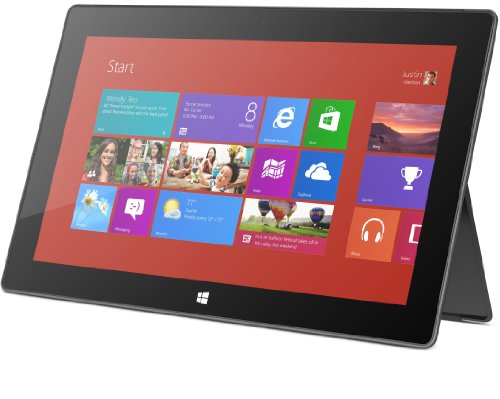
Asus Vivotab Rt WiFi (2GB + 64GB)
5.9/10

Overall score

Score
5.9/ 10
✕
What it is
An overall evaluation of the smartphone's quality, based on technical analyses and user reviews.
When it matters
When you need a quick reference to identify the best Tablets on the market.
Score distribution
â–¼
<55-66-77-88-99-10
Score components

90%

5.7

Technical score

10%

7.6

User score

â–¼Worse than 62% of tablets
6.5

Value for money

Value for money
6.5/ 10
✕
What it is
An indicator that combines the smartphone's overall rating with its cost.
When it matters
When you are looking for a smartphone with a good balance between quality and price.
Score distribution
â–¼
<55-66-77-88-99-10
Score components

70%

5.9

Overall score

30%

8.0

Price

â–¼Worse than 78%
5.7

Technical score

Technical score
5.7/ 10
✕
What it is
An assessment of the smartphone's technical performance, covering eight key areas: performance & hardware, software, camera, connectivity, display, battery, audio, and design.
When it matters
When you want to compare Tablets based on technical performance and available features.
Score distribution
â–¼
<55-66-77-88-99-10
Score components

22%

4.8

Performance

20%

5.7

Display

16%

5.7

Camera

14%

5.4

Battery

12%

6.2

Connectivity

8%

7.5

Software & Features

5%

5.7

Design

3%

5.5

Audio & Multimedia

â–¼Worse than 64%
7.6

User score

User score
7.6/ 10
✕
What it is
A rating that combines user reviews and the total number of reviews received by the smartphone
When it matters
When you want to know how a smartphone handles daily tasks and how reliable it remains over time according to user feedback.
Score distribution
â–¼
<55-66-77-88-99-10
Score components

70%

7.5

User ratings

30%

7.8

Number of reviews

â–¼Worse than 73%
  • asus-vivotab-rt-64gb-2gb-64gb-wifi
asus-vivotab-rt-64gb-2gb-64gb-wifi
Where to buy
*As an Amazon Associate, we earn from qualifying purchases.
Best rankings
Available: ranking among products currently available (including other versions of this product).All: ranking among all products in the database.
Available versions:
Loading...
Loading category ranking...

Technical Specifications of tablet Asus Vivotab Rt WiFi (2GB + 64GB)

Technical score
Technical score
5.7/ 10
✕
What it is
An assessment of the smartphone's technical performance, covering eight key areas: performance & hardware, software, camera, connectivity, display, battery, audio, and design.
When it matters
When you want to compare Tablets based on technical performance and available features.
Score distribution
â–¼
<55-66-77-88-99-10
Score components:

22%

4.8

Performance

20%

5.7

Display

16%

5.7

Camera

14%

5.4

Battery

12%

6.2

Connectivity

8%

7.5

Software & Features

5%

5.7

Design

3%

5.5

Audio & Multimedia

5.7
User score
User score
7.6/ 10
✕
What it is
A rating that combines user reviews and the total number of reviews received by the smartphone
When it matters
When you want to know how a smartphone handles daily tasks and how reliable it remains over time according to user feedback.
Score distribution
â–¼
<55-66-77-88-99-10
Score components

70%

7.5

User ratings

30%

7.8

Number of reviews

7.6
Popularity
Popularity
7.8/ 10
✕
What it is
An indicator based on the number of reviews received by the smartphone.
When it matters
When you prefer to purchase a product chosen and reviewed by many other consumers.
Score distribution
â–¼
<55-66-77-88-99-10
Popularity:
Asus Vivotab Rt WiFi (2GB + 64GB) has a user popularity of 7.8 points, which is lower than 76.2% of Tablets.
7.8
Value for money
Value for money
6.5/ 10
✕
What it is
An indicator that combines the smartphone's overall rating with its cost.
When it matters
When you are looking for a smartphone with a good balance between quality and price.
Score distribution
â–¼
<55-66-77-88-99-10
Score components:

70%

5.9

Overall score

30%

8.0

Price

6.5
RAM capacity
2 GB
This tablet has a RAM capacity of 2 GB which is smaller than the RAM capacity of 60.9% of tablets and equal to that of 15.6% of tablets.
Process node
40 nm
This tablet is built on a 40 nm process node, which is larger than the node size used in 86.8% of tablets and equal to the node used in 8% of tablets.
Internal storage
64 GB
This tablet has an internal storage capacity of 64 GB which is larger than the storage of 39.5% of tablets and equal to that of 17.1% of tablets.
Geekbench 6 single-core benchmark score
?
Chipset
Nvidia Tegra 3
This tablet uses the Nvidia Tegra 3 chipset, which is less advanced than the chipsets in 64.8% of tablets and equal to those in 2.9% of tablets.
Show more
Screen resolution
1366×768
This tablet has a screen resolution of 1366×768 which is lower than that of 65.6% of tablets and equal to that of 2.5% of tablets.
Refresh rate
60 Hz
This tablet supports a refresh rate of 60 Hz which is equal to that in 73.8% of tablets.
Display type
IPS LCD
This tablet uses a IPS LCD display type. 17% of tablets use this display technology.
Pixel density
155 ppi
This tablet has a pixel density of 155 ppi which is lower than that of 84.5% of tablets and equal to that of 2% of tablets.
Display glass type
?
Show more
Optical image stabilization
no
This tablet does not support optical image stabilization. 0.4% of tablets include OIS.
Main camera megapixels
8 MP
This tablet has a main camera resolution of 8 MP which is higher than that of 36.5% of tablets and equal to that of 31.8% of tablets.
Front camera megapixels
2 MP
This tablet has a front camera resolution of 2 MP which is lower than in 53.6% of tablets and equal to that in 25.5% of tablets.
Main camera aperture
f/2.2
This tablet has a main camera aperture of f/2.2 which is wider than that of 30.2% of tablets and equal to that of 27.3% of tablets.
Optical zoom
1xxx
This tablet supports 1xx optical zoom which is higher than in 18.4% of tablets and equal to that in 80.7% of tablets.
Show more
Battery capacity
5,950 mAh
This tablet has a battery capacity of 5,950 mAh which is smaller than the batteries in 58.1% of tablets.
Charging speed
18 W
This tablet supports charging speeds of 18 W which is faster than in 48% of tablets and equal to speeds in 12.3% of tablets.
Battery life
9 hours
This tablet has a battery life of 9 hours, which is shorter than that of 62.7% of tablets and equal to that of 6.8% of tablets.
Wireless charging
no
This tablet does not support wireless charging. 1.5% of tablets support wireless charging.
Fast charging
yes
This tablet supports fast charging. 50.4% of tablets support fast charging.
Show more
LTE support
no
This tablet does not support LTE. 63.3% of tablets include LTE connectivity.
Wi-Fi connectivity
yes
This tablet supports Wi-Fi connectivity. 0.2% of tablets offer Wi-Fi support.
GPS
yes
This tablet supports GPS. 17.3% of tablets include GPS functionality.
5G connectivity
no
This tablet does not support 5G connectivity. 11.1% of tablets support 5G.
NFC
yes
This tablet supports NFC. 89.1% of tablets support NFC.
Show more
Operating system
Windows
This tablet uses the Windows operating system, which is less advanced than the one used by 84.1%.
Update support duration
long
This tablet offers long update support, which is longer than the support period of 80% of tablets and equal to that of 20% of tablets.
Direct OS updates
yes
This tablet receives direct OS updates. 20.3% of tablets receive direct updates.
On-device AI
no
This tablet does not support on-device AI. 28.3% of tablets support this capability.
App tracking protection
no
This tablet does not include app tracking protection. 28.3% of tablets include app tracking protection.
Show more
IP rating
not rated
This tablet has an IP rating of not rated which is lower than that of 16.3% of tablets and equal to that of 83.7% of tablets.
Weight
525 g
This tablet weighs 525 g which is heavier than 61.1% of tablets and equal to the weight of 0.6% of tablets.
Backlit keyboard
no
This tablet does not support a backlit keyboard. 9.8% of tablets support backlit keyboards.
Keyboard accessory
yes
This tablet supports a keyboard accessory. 15.8% of tablets support this option.
Pen latency
N/A
Show more
Number of microphones
?
aptX Adaptive
no
This tablet does not support aptX Adaptive. 6.9% of tablets offer this codec.
Dolby Atmos support
no
This tablet does not support Dolby Atmos. 31.5% of tablets support Dolby Atmos.
N. of speakers
2
This tablet includes 2 speakers, which is more than in 9.8% of tablets and equal to the number in 60.9% of tablets.
FM radio
no
This tablet does not include an FM radio. 19% of tablets offer FM radio functionality.
Show more

Asus Vivotab Rt WiFi (2GB + 64GB) vs the average tablet

246810TotalPerformanceDisplayCameraBatteryConnectivitySoftware & FeaturesDesignAudio & Multimedia
  • 200 nits higher typical brightness
    This tablet has a higher typical brightness than the average tablet (600 nits vs 400 nits). The average tablet reaches 400 nits typical brightness.
    600 nits vs 400 nits
  • Supports fast charging
    This tablet supports fast charging, the average tablet does not. 49.7% of tablets feature fast charging.
  • Longer update support
    This tablet offers longer update support than the average tablet (long vs medium). The average tablet gets medium of update support.
    long vs medium
  • Supports NFC
    This tablet has NFC support, the average tablet does not. 10.9% of tablets include NFC.
  • Includes battery health monitoring
    This tablet features battery health monitoring, the average tablet does not. 37% of tablets include battery health tools.
  • More capable chipset
    This tablet uses the Nvidia Tegra 3 chipset, while the average tablet uses MediaTek MT8169A.
    Nvidia Tegra 3 vs MediaTek MT8169A
  • 8 more GPU execution units
    This tablet has more GPU execution units than the average tablet (12 vs 4). The average tablet has 4 GPU execution units.
    12 vs 4
  • 495 Hz higher PWM dimming frequency
    This tablet has a higher PWM dimming frequency than the average tablet (495 Hz vs 0 Hz). The average tablet has PWM dimming frequency of 0 Hz.
    Below 45% brightness only.
    495 Hz vs 0 Hz
  • More capable chipset
    This tablet uses the Nvidia Tegra 3 chipset, while the average tablet uses MediaTek MT8169A.
    Nvidia Tegra 3 vs MediaTek MT8169A
  • 8 more GPU execution units
    This tablet has more GPU execution units than the average tablet (12 vs 4). The average tablet has 4 GPU execution units.
    12 vs 4
  • 200 nits higher typical brightness
    This tablet has a higher typical brightness than the average tablet (600 nits vs 400 nits). The average tablet reaches 400 nits typical brightness.
    600 nits vs 400 nits
  • 495 Hz higher PWM dimming frequency
    This tablet has a higher PWM dimming frequency than the average tablet (495 Hz vs 0 Hz). The average tablet has PWM dimming frequency of 0 Hz.
    Below 45% brightness only.
    495 Hz vs 0 Hz
  • Includes flash
    This tablet features a built-in flash, the average tablet does not. 45.2% of tablets include a flash.
  • Supports fast charging
    This tablet supports fast charging, the average tablet does not. 49.7% of tablets feature fast charging.
  • Includes battery health monitoring
    This tablet features battery health monitoring, the average tablet does not. 37% of tablets include battery health tools.
  • Supports NFC
    This tablet has NFC support, the average tablet does not. 10.9% of tablets include NFC.
  • Longer update support
    This tablet offers longer update support than the average tablet (long vs medium). The average tablet gets medium of update support.
    long vs medium
  • No USB Type-C
    This tablet lacks a USB Type-C port, the average tablet includes one. 53.4% of tablets use USB Type-C.
  • Worse GPU
    This tablet uses the ULP GeForce GPU, while the average tablet uses the stronger Mali-G51. GPU choice is one of the main performance differences between tablets.
    ULP GeForce vs Mali-G51
  • 3 MP lower front camera megapixels
    This tablet has less front camera megapixels than the average tablet (2 MP vs 5 MP). The average tablet has 5 MP front camera resolution.
    2 MP vs 5 MP
  • Less advanced operating system
    This tablet runs on a less advanced operating system than the average tablet (Windows vs Android). Operating system choice shapes app support, updates, and ecosystem features.
    Windows vs Android
  • No LTE support
    This tablet does not support LTE, the average tablet does. 63.2% of tablets support LTE.
  • 2.86x larger process node
    This tablet uses a larger process node than the average tablet (40 nm vs 14 nm). The average tablet uses a process node of 14 nm.
    40 nm vs 14 nm
  • 30.8% lower pixel density
    This tablet has a lower pixel density than the average tablet (155 ppi vs 224 ppi). The average tablet has pixel density of 224 ppi.
    155 ppi vs 224 ppi
  • 35% lower CPU speed
    This tablet has a lower CPU speed than the average tablet (1.3 GHz vs 2 GHz). The average tablet has CPU speed of 2 GHz.
    1.3 GHz vs 2 GHz
  • 80.8% more expensive
    Asus Vivotab Rt WiFi (2GB + 64GB) is more expensive than the average tablet (£470 vs £260).
    £470 vs £260
  • 8.9% worse value for money
    Asus Vivotab Rt WiFi (2GB + 64GB) has worse value for money than the average tablet (6.52 vs 7.1).
    6.52 vs 7.1
  • 5.7% lower user score
    User score
    7.6/ 10
    ✕
    What it is
    A rating that combines user reviews and the total number of reviews received by the smartphone
    When it matters
    When you want to know how a smartphone handles daily tasks and how reliable it remains over time according to user feedback.
    Score distribution
    ▼▼
    <55-66-77-88-99-10
    Asus Vivotab Rt WiFi
    the average tablet
    Asus Vivotab Rt WiFi (2GB + 64GB) has a lower user score than the average tablet (7.57 vs 8.000).
    7.57 vs 8
  • Worse GPU
    This tablet uses the ULP GeForce GPU, while the average tablet uses the stronger Mali-G51. GPU choice is one of the main performance differences between tablets.
    ULP GeForce vs Mali-G51
  • 2.86x larger process node
    This tablet uses a larger process node than the average tablet (40 nm vs 14 nm). The average tablet uses a process node of 14 nm.
    40 nm vs 14 nm
  • 35% lower CPU speed
    This tablet has a lower CPU speed than the average tablet (1.3 GHz vs 2 GHz). The average tablet has CPU speed of 2 GHz.
    1.3 GHz vs 2 GHz
  • 2 GB less RAM
    This tablet has less RAM capacity than the average tablet (2 GB vs 4 GB). The average tablet has 4 GB of RAM.
    2 GB vs 4 GB
  • 2 fewer CPU threads
    This tablet has less CPU threads than the average tablet (4 vs 6). The average tablet has 6 CPU threads.
    4 vs 6
  • No big.LITTLE architecture
    This tablet does not use a big.LITTLE architecture, the average tablet does. 51.3% of tablets use a big.LITTLE architecture.
  • 366 MHz slower RAM speed
    This tablet has a lower RAM speed than the average tablet (1,500 MHz vs 1,866 MHz). The average tablet has RAM speed of 1,866 MHz.
    1,500 MHz vs 1,866 MHz
  • 20% slower GPU clock
    This tablet has a lower GPU frequency than the average tablet (520 MHz vs 650 MHz). The average tablet has GPU frequency of 650 MHz.
    520 MHz vs 650 MHz
  • 30.8% lower pixel density
    This tablet has a lower pixel density than the average tablet (155 ppi vs 224 ppi). The average tablet has pixel density of 224 ppi.
    155 ppi vs 224 ppi
  • 66 ppi lower screen sharpness
    This tablet has a lower screen sharpness than the average tablet (155 ppi vs 221 ppi). The average tablet has screen sharpness of 221 ppi.
    155 ppi vs 221 ppi
  • Lower screen resolution
    This tablet has a lower screen resolution than the average tablet (1366×768 vs 1920×1200). The average tablet has a resolution of 1920×1200.
    1366×768 vs 1920×1200
  • 3 MP lower front camera megapixels
    This tablet has less front camera megapixels than the average tablet (2 MP vs 5 MP). The average tablet has 5 MP front camera resolution.
    2 MP vs 5 MP
  • No continuous video AF
    This tablet does not support continuous video AF, the average tablet does. 57.7% of tablets support continuous video autofocus.
  • No manual exposure control
    This tablet does not offer manual exposure control, the average tablet does. 63.6% of tablets have manual exposure.
  • No HDR photo mode
    This tablet does not have HDR photo mode, the average tablet does. 79.6% of tablets support HDR photo mode.
  • No manual white balance
    This tablet does not allow manual white balance adjustments, the average tablet does. 51.6% of tablets include white balance controls.
  • 1 hours shorter battery life
    This tablet offers shorter battery life than the average tablet (9 hours vs 10 hours). The average tablet offers 10 hours of battery life.
    9 hours vs 10 hours
  • 9.6% smaller battery capacity
    This tablet has a lower battery capacity than the average tablet (5,950 mAh vs 6,580 mAh). The average tablet battery has capacity of 6,580 mAh.
    5,950 mAh vs 6,580 mAh
  • No USB Type-C
    This tablet lacks a USB Type-C port, the average tablet includes one. 53.4% of tablets use USB Type-C.
  • No LTE support
    This tablet does not support LTE, the average tablet does. 63.2% of tablets support LTE.
  • Older Wi-Fi version
    This tablet uses an older Wi-Fi version than the average tablet (Wi-Fi 4 (802.11n) vs Wi-Fi 5 (802.11ac)). The average tablet uses Wi-Fi Wi-Fi 5 (802.11ac).
    Wi-Fi 4 (802.11n) vs Wi-Fi 5 (802.11ac)
  • Older Bluetooth version
    This tablet uses an older Bluetooth version than the average tablet (4 vs 5). The average tablet uses Bluetooth 5.0.
    4.0 vs 5.0
  • No face recognition
    This tablet does not have face recognition, the average tablet does. 56% of tablets support face recognition.
  • Less advanced operating system
    This tablet runs on a less advanced operating system than the average tablet (Windows vs Android). Operating system choice shapes app support, updates, and ecosystem features.
    Windows vs Android
  • No picture-in-picture mode
    This tablet does not support picture-in-picture, the average tablet does. 61% of tablets support picture-in-picture.
  • No camera/mic privacy toggles
    This tablet lacks camera and microphone privacy toggles, the average tablet includes them. 56.2% of tablets offer these toggles.
  • No full-page screenshots
    This tablet does not support full-page screenshots, the average tablet does. 52.5% of tablets support full-page screenshots.
  • No dark mode
    This tablet does not support dark mode, the average tablet does. 57.2% of tablets have dark mode.
  • No offline voice recognition
    This tablet does not support offline voice recognition, the average tablet does. 76.1% of tablets support offline voice recognition.
  • 7 older release date
    This tablet is an older model than the average tablet (2012 vs 2019).
    October 2012
    2012 vs 2019
  • 7.1% heavier
    This tablet is heavier than the average tablet (525 g vs 490 g). The average tablet weighs 490 g.
    525 g vs 490 g

Video reviews

Hands-on testing, unboxing, and real-world video evaluations

Not graded yet
Not graded yet
Not graded yet
Not graded yet
Not graded yet
Not graded yet
Not graded yet
Not graded yet

Expert reviews

In-depth analysis and verdict from leading tech publications

theverge.com
23/10/2012
Hands-on test · Windows RT tablet
Verdict
The Asus VivoTab RT looks like Asus's Android Transformer tablets, but a thin Windows Store and a cramped dock hold it back.
laptopmag.com
22/10/2012
Lab test · Keyboard dock tablet
Verdict
The Asus VivoTab RT is a bright, light tablet with a long-lasting dock, but the Windows Store offers too few apps yet.
techradar.com
29/10/2012
Review · Windows RT tablet
Verdict
The Asus VivoTab RT is a good-looking, lightweight Windows RT tablet with a handy keyboard dock, but its proprietary ports and limited software hold it back.
arstechnica.com
23/10/2012
Hands-on review · Keyboard dock tablet
Verdict
The Asus VivoTab RT is well built, with a useful keyboard dock and Snap view multitasking, but its limited apps and bulky USB dongle hold it back.
pcworld.com
23/10/2012
Expert review · Windows RT tablet
Verdict
The Asus VivoTab RT is stylish, with a useful keyboard dock, but as a tablet it falls short of the iPad and Android rivals.
expertreviews.co.uk
22/01/2013
Review · Clamshell Windows tablet
Verdict
The Asus VivoTab RT is hard to recommend: its keyboard is cramped, build feels flimsy and apps are scarce, so Surface is the better buy.
uk.pcmag.com
16/05/2014
Review · Tablet with dock
Verdict
The Asus VivoTab RT suits people who mostly need the web and Office on the go, with long battery life, but its app choice is thin.
t3.com
06/09/2012
Hands-on preview · Dock tablet
Verdict
The Asus VivoTab RT looks slim and light, with a lower dock that feels more like a notebook, but real-world speed is still untested.
uk.pcmag.com
13/11/2012
Lab test · Keyboard dock tablet
Verdict
The Asus VivoTab RT is a light tablet whose keyboard dock adds long battery life and Office, but its thin app choice holds it back.
trustedreviews.com
30/08/2012
First look · Keyboard dock tablet
Verdict
The Asus VivoTab RT is a slim, sturdy Windows RT tablet with a bright screen, but no memory card slot and few ports hold it back.
chip.de
07/12/2012
Lab test · Tegra 3 tablet
Verdict
The Asus VivoTab RT is a good Windows RT tablet with an excellent screen and dock, but its mediocre battery and small app store hold it back.
pcwelt.de
05/11/2012
Lab test · Windows RT tablet
Verdict
The Asus VivoTab RT is a light, quick Windows RT tablet whose thin app choice and middling battery life hold it back.
C
computerwoche.de
14/11/2012
Summary of the review
sueddeutsche.de
18/11/2012
Hands-on review · Business-ready Windows RT
Verdict
The Asus VivoTab RT is a light, ultramobile Windows RT tablet that suits Microsoft users who need Office, but apps are still scarce.
connect.de
12/02/2013
Practical test · Windows RT tablet
Verdict
The Asus VivoTab RT is a light, well-equipped Windows RT tablet, but it has no USB port and only runs Windows Store apps.
futurezone.at
03/03/2013
Hands-on review · Long battery life
Verdict
The Asus VivoTab RT is a long-lasting, classic-shaped tablet whose dock adds battery life, but Android tablets offer more performance and apps.
heise.de
14/01/2013
Full test · Windows RT tablet
Verdict
The Asus VivoTab RT is a light tablet with a very bright screen whose keyboard dock suits Office work, but its app store is still thin.
spiegel.de
02/11/2012
Hands-on test · Windows RT tablet
Verdict
The Asus VivoTab RT is a long-lasting travel tablet whose keyboard dock makes it netbook-like, but it runs only Windows Store apps.
hardwareluxx.de
29/11/2012
Full test · Docking Windows tablet
Verdict
The Asus VivoTab RT is a sleek Windows RT tablet whose docking keyboard makes it more productive and longer lasting, though the 32GB model is too small.
computerwoche.de
10/04/2013
Lab test · Windows RT tablet
Verdict
The Asus VivoTab RT is a light, smooth tablet for Office and web use, but Windows RT blocks normal programs and battery life is mid-range.

Third-party reviews

What customers like about Asus Vivotab Rt WiFi (2GB + 64GB)

  • Exceptional battery life, reaching up to 16 hours with the mobile dock
  • Vibrant Super IPS+ display with high brightness (600 nits) and wide viewing angles
  • Lightweight and svelte design, weighing only 1.15 lbs (tablet only)
  • Pre-installed Microsoft Office Home & Student 2013 RT for productivity
  • Solid 8MP rear camera with LED flash that performs better than some competitors
  • Built-in NFC and highly accurate GPS sensors

What customers don't like about Asus Vivotab Rt WiFi (2GB + 64GB)

  • Windows RT operating system limits software to the Windows Store, lacking desktop app compatibility
  • Severely limited app selection in the Windows Store compared to iOS and Android
  • Keyboard dock is uncomfortably cramped for extended typing
  • Proprietary charging connector is awkward and can be difficult to plug in/out
  • Trackpad on the dock is small and occasionally finicky or non-responsive
  • Build quality concerns, including a plastic strip that some felt looked cheap

Verdict

The Asus VivoTab RT (TF600T) is a 10.1-inch Windows RT tablet featuring a quad-core 1.3GHz NVIDIA Tegra 3 processor, 2GB of RAM, and 64GB of internal storage. Its primary characteristics include a high-brightness Super IPS+ display with 1366 x 768 resolution, an 8MP rear camera with LED flash, and a slim 8.3mm profile weighing just 525g. Main pros include its exceptionally bright 600-nit screen, portability, and the inclusion of Microsoft Office RT, which is further enhanced by an optional keyboard dock that extends battery life up to 16 hours. However, cons include the limited app selection in the Windows Store, the inability to run standard x86 desktop applications, and reported hardware issues such as touchscreen 'ghost touches' or sensitivity problems.

Compare Asus Vivotab Rt WiFi (2GB + 64GB) with other tablets

1Product to compare no. 1
VS
2Product to compare no. 2
VS
3Product to compare no. 3 (optional)

Graphic comparison of Asus Vivotab Rt WiFi (2GB + 64GB) and other tablets

No results found