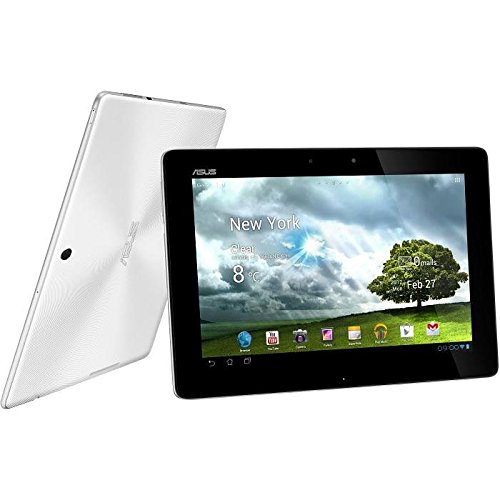
Asus Transformer Pad 300 3G (1GB + 32GB) Review | 168 Data compared

double-arrow
  • Avg. price in UK: ~£440
  • Avg. price in US: ~$400
  • RAM capacity: 1 GB
  • Internal storage: 32 GB
  • Screen size: 10.1 inches
  • Chipset: Nvidia Tegra 3

Asus Transformer Pad 300 3G (1GB + 32GB) review. Compare 168 technical specifications and user reviews to see how it ranks among tablets and if it is worth buying.

4.8

Overall score

What it is: An overall evaluation of the smartphone's quality, based on technical analyses and user reviews.

When it matters: When you need a quick reference to identify the best Tablets on the market.

Score components:

90.0%

4.8

Technical Score

10.0%

?

User score

Poor
4.8

Technical Score

What it is: An assessment of the smartphone's technical performance, covering eight key areas: performance & hardware, software, camera, connectivity, display, battery, audio, and design.

When it matters: When you want to compare Tablets based on technical performance and available features.

Score components:

22.0%

4.5

Performance

20.0%

5.4

Display

16.0%

5.7

Camera

14.0%

3.3

Battery

12.0%

5.1

Connectivity

8.0%

4.9

Software & Features

5.0%

4.0

Design

3.0%

4.5

Audio & Multimedia

Poor
?

User score

What it is: A rating that combines user reviews and the total number of reviews received by the smartphone

When it matters: When you want to know how a smartphone handles daily tasks and how reliable it remains over time according to user feedback.

Score components:

70.0%

?

User reviews

30.0%

?

Popularity

  • 5.2
    Gaming

    Score components:

    25.0%

    1.0

    RAM capacity

    20.0%

    9.0

    Refresh rate

    20.0%

    9.0

    GPU frequency

    20.0%

    6.1

    Chipset

    15.0%

    1.0

    Battery capacity

  • 4.7
    School

    Score components:

    20.0%

    6.1

    Chipset

    20.0%

    5.1

    Battery life

    20.0%

    1.0

    RAM capacity

    10.0%

    4.3

    Weight

    10.0%

    1.9

    Internal storage

    10.0%

    10

    Keyboard accessory

    10.0%

    6.6

    Screen size

  • 3.7
    Work

    Score components:

    30.0%

    1.0

    RAM capacity

    25.0%

    6.1

    Chipset

    20.0%

    1.9

    Internal storage

    15.0%

    6.6

    Screen size

    5.0%

    10

    Keyboard accessory

    5.0%

    1.0

    Stylus included

  • 4.6
    Seniors

    Score components:

    20.0%

    6.6

    Screen size

    20.0%

    5.1

    Battery life

    20.0%

    4.3

    Weight

    20.0%

    1.0

    RAM capacity

    20.0%

    6.1

    Chipset

  • 2.9
    Kids

    Score components:

    25.0%

    1.0

    Battery capacity

    25.0%

    1.0

    RAM capacity

    15.0%

    4.3

    Weight

    15.0%

    1.9

    Internal storage

    10.0%

    6.6

    Screen size

    10.0%

    8.2

    Price

  • 4.5
    Travel

    Score components:

    20.0%

    1.0

    RAM capacity

    20.0%

    5.1

    Battery life

    15.0%

    6.1

    Chipset

    15.0%

    4.3

    Weight

    10.0%

    10

    Cellular module

    10.0%

    1.0

    5G connectivity

    5.0%

    10

    GPS

    5.0%

    1.9

    Internal storage

  • asus-transformer-pad-300-32gb-1gb-32gb-3g
asus-transformer-pad-300-32gb-1gb-32gb-3g

Best prices in UK

    N/A~ £440

Best rankings

?

Available: ranking among products currently available (including other versions of this product).
All: ranking among all products in the database.

Other versions:
1GB + 32GB1GB + 16GB

Verdict

The ASUS Transformer Pad 300 3G (TF300TG) is a versatile 10.1-inch tablet featuring a 1280x800 IPS display and powered by an NVIDIA Tegra 3 quad-core processor clocked at 1.2GHz. This specific model is equipped with 1GB of RAM, 32GB of internal storage (expandable via microSD), and integrated 3G connectivity for mobile data access. Its primary strength lies in its convertible design, which allows it to pair with an optional keyboard dock that adds a full-size USB port, an SD card slot, and extends the battery life from 10 hours to up to 15 hours. Other notable features include an 8MP rear camera with 1080p video recording, a 1.2MP front camera, and ASUS SonicMaster audio. While it offers excellent value and smooth multitasking performance for its class, it has some drawbacks: the plastic build feels less premium than its aluminum predecessors, the screen lacks high brightness for outdoor use, and the rear camera lacks an LED flash.

Technical Specifications of tablet Asus Transformer Pad 300 3G (1GB + 32GB)

Technical Score

What it is: An assessment of the smartphone's technical performance, covering eight key areas: performance & hardware, software, camera, connectivity, display, battery, audio, and design.

When it matters: When you want to compare Tablets based on technical performance and available features.

Score components:

22.0%

?

Performance

20.0%

?

Display

16.0%

?

Camera

14.0%

?

Battery

12.0%

?

Connectivity

8.0%

?

Software & Features

5.0%

?

Design

3.0%

?

Audio & Multimedia

4.8
Asus Transformer Pad 300 3G (1GB + 32GB) has a technical score of 4.78 points, which is lower than 78.5% of Tablets.
User score

What it is: A rating that combines user reviews and the total number of reviews received by the smartphone

When it matters: When you want to know how a smartphone handles daily tasks and how reliable it remains over time according to user feedback.

Score components:

70.0%

0.0

User reviews

30.0%

1.0

Popularity

?
Popularity
What it is: An indicator based on the number of reviews received by the smartphone.
When it matters: When you prefer to purchase a product chosen and reviewed by many other consumers.
1.0
Asus Transformer Pad 300 3G (1GB + 32GB) has a popularity of 1 points, which is higher than 0% of products in this category.
Ratio quality/price

What it is: An indicator that combines the smartphone's overall rating with its cost.

When it matters: When you are looking for a smartphone with a good balance between quality and price.

Score components:

60.0%

4.8

Overall score

40.0%

8.2

Price

5.8
Asus Transformer Pad 300 3G (1GB + 32GB) has a quality-to-price ratio of 5.8 points, which is lower than 87.2% of products in this category.
Brand name
What it is: The manufacturer or brand of the product.
When it matters: When you prefer a specific ecosystem, support network, or design philosophy.

Importance: MEDIUM

Asus
RAM capacity
What it is: The amount of volatile memory available for running apps and multitasking.
When it matters: When you use multiple apps at once or want smoother multitasking without reloads.

Importance: HIGH

Good value: >=8 GB

1 GB
Asus Transformer Pad 300 3G (1GB + 32GB) has a RAM capacity of 1 GB which is smaller than the RAM capacity of 77.8% of tablets and equal to that of 19.3% of tablets.
Process node
What it is: The size of the manufacturing process used to create the chip's transistors, measured in nanometers (nm). Smaller nodes generally indicate more advanced, power-efficient chips.
When it matters: When you want a chipset that is more power-efficient and generates less heat.

Importance: HIGH

Good value: <7 nm

40 nm
Asus Transformer Pad 300 3G (1GB + 32GB) is built on a 40 nm nm process node, which is larger than the node size used in 86.8% of tablets and equal to the node used in 8% of tablets.
Internal storage
What it is: The total built-in space available for apps, media, and files.
When it matters: When you keep large libraries of photos, videos, and apps directly on your device.

Importance: HIGH

Good value: >=128 GB

32 GB
Asus Transformer Pad 300 3G (1GB + 32GB) has an internal storage capacity of 32 GB which is smaller than the storage of 60.5% of tablets and equal to that of 18% of tablets.
Geekbench 6 single-core benchmark score
What it is: A cross-platform benchmark by Primate Labs that measures single-core CPU performance. It reflects how quickly a device handles everyday tasks that rely on a single processing core.
When it matters: When you want snappy responsiveness in everyday interactions and simple apps.

Importance: HIGH

Good value: >1300

?
Show more
Screen resolution
What it is: The total number of pixels displayed on the screen, expressed as width x height, determining sharpness.
When it matters: When you want text and media to look sharper on a larger display.

Importance: HIGH

1280×800
Asus Transformer Pad 300 3G (1GB + 32GB) has a screen resolution of 1280×800 which is lower than that of 68.1% of tablets and equal to that of 21.6% of tablets.
Refresh rate
What it is: The number of times per second the display updates the image, measured in Hertz (Hz); higher rates offer smoother motion.
When it matters: When you want scrolling to feel fluid and games to look smoother.

Importance: HIGH

Good value: >=120 Hz

?
Display type
What it is: The specific technology used for the screen panel (e.g., OLED, IPS LCD), influencing contrast, color, and efficiency.
When it matters: When you care about vibrant colors, deep blacks, and battery efficiency.

Importance: HIGH

IPS LCD
Asus Transformer Pad 300 3G (1GB + 32GB) uses a IPS LCD display type. 75.4% of tablets use this display technology.
Pixel density
What it is: The concentration of pixels on the display, measured in pixels per inch (PPI), affecting image clarity.
When it matters: When you read a lot, look at fine details, or want text and graphics to look cleaner at close range.

Importance: HIGH

Good value: >250 ppi

149 ppi
Asus Transformer Pad 300 3G (1GB + 32GB) has a pixel density of 149 ppi which is lower than that of 86.9% of tablets and equal to that of 9.3% of tablets.
Display glass type
What it is: The specific brand or model of strengthened glass used to protect the screen from scratches and drops.
When it matters: When drops, scratches, or long-term screen wear are a concern in daily use.

Importance: HIGH

?
Show more
Optical image stabilization
What it is: A hardware mechanism that physically moves the camera lens or sensor to counteract hand shakiness and reduce blur in photos and videos.
When it matters: When you want to reduce blur in photos and shake in videos, especially in low light.

Importance: HIGH

no
Asus Transformer Pad 300 3G (1GB + 32GB) does not support optical image stabilization. 0.4% of tablets include OIS.
Main camera megapixels
What it is: The resolution of the primary rear camera sensor, measured in millions of pixels (MP). Higher megapixels can capture more detail.
When it matters: When you want to capture high-resolution images that can be cropped or printed large.

Importance: HIGH

8 MP
Asus Transformer Pad 300 3G (1GB + 32GB) has a main camera resolution of 8 MP MP which is higher than that of 38.5% of tablets and equal to that of 31% of tablets.
Front camera megapixels
What it is: The resolution of the front-facing camera, measured in megapixels, determining the detail level of selfies.
When it matters: When you want detailed selfies or high-quality video for calls and streaming.

Importance: HIGH

Good value: >=8 MP

1.2 MP
Asus Transformer Pad 300 3G (1GB + 32GB) has a front camera resolution of 1.2 MP MP which is lower than in 86.1% of tablets and equal to that in 4.8% of tablets.
Main camera aperture
What it is: The size of the lens opening (f-stop) that controls light entry. A lower f-number indicates a wider aperture, allowing better low-light shots.
When it matters: When you want better low-light performance or a natural background blur effect.

Importance: HIGH

f/2.2
Asus Transformer Pad 300 3G (1GB + 32GB) has a main camera aperture of f/2.2 which is wider than that of 30% of tablets and equal to that of 27.6% of tablets.
Optical zoom
What it is: A true zoom feature that adjusts the camera lens to get closer to the subject without losing image quality, unlike digital zoom.
When it matters: When you want to get closer to a distant subject without losing image clarity.

Importance: HIGH

1xx
Asus Transformer Pad 300 3G (1GB + 32GB) supports 1x x optical zoom which is higher than in 18.4% of tablets and equal to that in 80.7% of tablets.
Show more
Battery capacity
What it is: The amount of electric charge the battery can hold, measured in milliampere-hours (mAh).
When it matters: When you want a stronger chance of longer battery life, especially if you use the tablet heavily away from a charger.

Importance: HIGH

Good value: >8000 mAh

2,940 mAh
Asus Transformer Pad 300 3G (1GB + 32GB) has a battery capacity of 2940 mAh which is smaller than the batteries in 97.7% of tablets and equal to those in 0.2% of tablets.
Charging speed
What it is: The maximum power input supported for wired charging, measured in Watts (W).
When it matters: When you are in a rush and need to top up your battery quickly.

Importance: HIGH

Good value: >30 W

18 W
Asus Transformer Pad 300 3G (1GB + 32GB) supports charging speeds of 18 W which is faster than in 48% of tablets and equal to speeds in 12.3% of tablets.
Battery life
What it is: An estimate of how long the tablet can run on one charge.
When it matters: When you do not want to recharge the tablet too often.

Importance: HIGH

Good value: >10 hours

9.5 hours
Asus Transformer Pad 300 3G (1GB + 32GB) has a battery life of 9.5 hours, which is shorter than that of 61.5% of tablets and equal to that of 1.2% of tablets.
Wireless charging
What it is: The ability to charge the battery without cables by placing the device on a compatible charging pad.
When it matters: When you want to charge the tablet by placing it on a compatible pad.

Importance: MEDIUM

no
Asus Transformer Pad 300 3G (1GB + 32GB) does not support wireless charging. 1.5% of tablets support wireless charging.
Fast charging
What it is: In the context of modern electronics, "Fast Charging" refers to any technology that delivers power significantly higher than the traditional USB baseline. While the industry standard for a basic charger is 5W (5V at 1A), a charger is generally classified as a fast charger if it provides at least 18W of power.
When it matters: When you want to minimize the time your tablet spends tethered to a wall outlet.

Importance: MEDIUM

no
Asus Transformer Pad 300 3G (1GB + 32GB) does not support fast charging. 49.3% of tablets support fast charging.
Show more
LTE support
What it is: Support for Long-Term Evolution (4G) networks, providing high-speed mobile data.
When it matters: When you need reliable mobile internet coverage in areas where 5G isn't available.

Importance: HIGH

yes
Asus Transformer Pad 300 3G (1GB + 32GB) supports LTE. 63.3% of tablets include LTE connectivity.
Wi-Fi connectivity
What it is: The ability to connect to wireless local area networks for internet access and local networking.
When it matters: When you want to save mobile data and connect to home or public networks.

Importance: HIGH

yes
Asus Transformer Pad 300 3G (1GB + 32GB) supports Wi-Fi connectivity. 99.9% of tablets offer Wi-Fi support.
GPS
What it is: Support for the Global Positioning System to determine the device's precise location.
When it matters: When you need accurate navigation for driving, walking, or exploring new places.

Importance: HIGH

yes
Asus Transformer Pad 300 3G (1GB + 32GB) supports GPS. 83.2% of tablets include GPS functionality.
5G connectivity
What it is: Support for the fifth generation of mobile network technology, offering significantly faster data speeds and lower latency.
When it matters: When you need the fastest possible mobile data speeds for streaming and downloading on the go.

Importance: MEDIUM

no
Asus Transformer Pad 300 3G (1GB + 32GB) does not support 5G connectivity. 10.8% of tablets support 5G.
This version supports cellular data up to 4G/LTE or 3G, not 5G.
NFC
What it is: Near Field Communication technology that enables contactless payments, quick pairing, and data exchange over short distances.
When it matters: When you want to make contactless payments or quickly pair with compatible accessories.

Importance: MEDIUM

no
Asus Transformer Pad 300 3G (1GB + 32GB) does not support NFC. 9.8% of tablets include NFC.
Show more
Operating system
What it is: The primary system software that manages the tablet's hardware and software resources.
When it matters: When you have a preference for the user interface and app ecosystem.

Importance: HIGH

Android
Asus Transformer Pad 300 3G (1GB + 32GB) uses the Android operating system, which is more advanced than the one used by 23.7% of tablets.
Update support duration
What it is: The expected length of software update support for the tablet.
When it matters: When you care about how long the tablet should keep getting software updates.

Importance: HIGH

short
Asus Transformer Pad 300 3G (1GB + 32GB) offers short update support, which is shorter than the support period of 56.9% of tablets and equal to that of 43.1% of tablets.
Direct OS updates
What it is: Receives major operating system updates directly from the device maker or platform provider instead of waiting on extra intermediaries.
When it matters: When fast access to new Android or system features and security patches matters to you.

Importance: HIGH

yes
Asus Transformer Pad 300 3G (1GB + 32GB) receives direct OS updates. 79.4% of tablets receive direct updates.
On-device AI
What it is: A tablet feature related to on-device ai.
When it matters: When you use smart writing, photo, voice, or search features and want them to work faster or more privately on the tablet itself.

Importance: MEDIUM

no
Asus Transformer Pad 300 3G (1GB + 32GB) does not support on-device AI. 32.1% of tablets support this capability.
App tracking protection
What it is: A system-level feature that limits how apps track user behavior across other apps and services.
When it matters: When you want to stop apps from following your activity across other companies' apps and websites.

Importance: MEDIUM

no
Asus Transformer Pad 300 3G (1GB + 32GB) does not include app tracking protection. 25.2% of tablets support this feature.
Show more
IP rating
What it is: A standardized code (Ingress Protection) indicating the device's resistance to dust and water intrusion.
When it matters: When you use the tablet around water, outdoors, or in dusty environments and want more durability.

Importance: MEDIUM

not rated
Asus Transformer Pad 300 3G (1GB + 32GB) has an IP rating of not rated which is equal to that of 83% of tablets.
Weight
What it is: The total mass of the tablet, affecting how heavy it feels in the hand.
When it matters: When you want the tablet to be easier to carry and hold for longer sessions.

Importance: MEDIUM

Good value: <500 g

635 g
Asus Transformer Pad 300 3G (1GB + 32GB) weighs 635 g which is heavier than 82.5% of tablets and equal to the weight of 0.4% of tablets.
Backlit keyboard
What it is: A keyboard with illuminated keys for easier typing in darker environments.
When it matters: When you type in dim rooms or low light.

Importance: MEDIUM

no
Asus Transformer Pad 300 3G (1GB + 32GB) does not support a backlit keyboard. 8.9% of tablets support this accessory feature.
Keyboard accessory
What it is: Support for a keyboard accessory made for the tablet.
When it matters: When you want the tablet to work more like a small laptop.

Importance: MEDIUM

yes
Asus Transformer Pad 300 3G (1GB + 32GB) supports a keyboard accessory. 83.4% of tablets support this option.
Pen latency
What it is: The delay between stylus input and the line or action appearing on screen, usually measured in milliseconds.
When it matters: When you want stylus input to feel quicker and more natural.

Importance: MEDIUM

Good value: <10 ms

N/A
Show more
Number of microphones
What it is: The total count of microphones on the device, used for audio recording, noise cancellation, and voice isolation.
When it matters: When you want clear audio recording and better noise cancellation during calls.

Importance: MEDIUM

Good value: >=2

1
Asus Transformer Pad 300 3G (1GB + 32GB) includes 1 microphones, which is more than in 0.2% of tablets and equal to the number in 55.1% of tablets.
aptX Adaptive
What it is: A Bluetooth codec that dynamically adjusts bitrate to balance audio quality and connection stability.
When it matters: When you use wireless headphones in changing environments and want better audio quality without sacrificing connection stability.

Importance: MEDIUM

no
Asus Transformer Pad 300 3G (1GB + 32GB) does not support aptX Adaptive. 4.9% of tablets offer this codec.
No confirmed built-in aptX Adaptive Bluetooth codec support.
Dolby Atmos support
What it is: Support for Dolby Atmos audio playback or processing.
When it matters: When you want more immersive sound from compatible movies, games, or music.

Importance: MEDIUM

no
Asus Transformer Pad 300 3G (1GB + 32GB) does not support Dolby Atmos. 26.4% of tablets support this audio feature.
No confirmed Dolby Atmos audio support.
N. of speakers
What it is: The number of built-in speakers used for audio playback.
When it matters: When you want fuller sound without always using headphones.

Importance: MEDIUM

Good value: >=4

2
Asus Transformer Pad 300 3G (1GB + 32GB) includes 2 speakers, which is more than in 12.2% of tablets and equal to the number in 59.2% of tablets.
Dual speakers.
FM radio
What it is: A built-in receiver allowing users to listen to local FM radio stations using wired headphones as an antenna.
When it matters: When you want to listen to local radio stations without using mobile data.

Importance: LOW

no
Asus Transformer Pad 300 3G (1GB + 32GB) does not include an FM radio. 14.9% of tablets offer FM radio functionality.
No confirmed built-in FM radio support.
Show more

Asus Transformer Pad 300 3G (1GB + 32GB) vs the average tablet

  • Higher contrast ratio
    Asus Transformer Pad 300 3G (1GB + 32GB) has a higher contrast ratio than the average tablet (1504:1 vs 1120:1). The average tablet contrast ratio is 1120:1.
    What it is: The ratio between the luminance of the brightest white and the darkest black the display can produce.
    When it matters: When you want punchy colors and true blacks for an immersive viewing experience.

    Importance: MEDIUM

    Asus Transformer Pad 300 3G (1GB + 32GB) has a higher contrast ratio than the average tablet (1504:1 vs 1120:1). The average tablet contrast ratio is 1120:1.1,504:1 vs 1,120:1
  • Uses a BSI sensor
    Asus Transformer Pad 300 3G (1GB + 32GB) uses a BSI sensor, the average tablet does not. 30.7% of tablets include BSI sensors.
    What it is: Uses a back-side illuminated sensor design that improves light capture by moving wiring behind the photosensitive layer.
    When it matters: When you take photos in dim light and want the camera sensor to gather light more efficiently.

    Importance: LOW

    Asus Transformer Pad 300 3G (1GB + 32GB) uses a BSI sensor, the average tablet does not. 30.7% of tablets include BSI sensors.
  • 8 more GPU execution units
    Asus Transformer Pad 300 3G (1GB + 32GB) has more GPU execution units than the average tablet (12 vs 4). The average tablet has 4 GPU execution units.
    What it is: The number of graphics execution units available in the GPU.
    When it matters: When you play games, use graphics-heavy apps, or care about overall graphics capability.

    Importance: MEDIUM

    Good value: >8

    Asus Transformer Pad 300 3G (1GB + 32GB) has more GPU execution units than the average tablet (12 vs 4). The average tablet has 4 GPU execution units.12 vs 4
  • Better chipset
    Asus Transformer Pad 300 3G (1GB + 32GB) uses the Nvidia Tegra 3 chipset, while the average tablet uses MediaTek MT8,169A.
    What it is: The official model name of the processor platform used in the tablet.
    When it matters: When you want the tablet to feel fast in everyday use, handle heavier apps smoothly, or stay capable for longer.

    Importance: HIGH

    Asus Transformer Pad 300 3G (1GB + 32GB) uses the Nvidia Tegra 3 chipset, while the average tablet uses MediaTek MT8,169A.Nvidia Tegra 3 vs MediaTek MT8169A
  • Has HDMI output
    Asus Transformer Pad 300 3G (1GB + 32GB) supports HDMI output, the average tablet does not. 49.6% of tablets offer direct HDMI connectivity.
    via Mini DisplayPort adapter
    What it is: The ability to output video signals to an external display, often requiring a USB-C to HDMI adapter or specialized cable.
    When it matters: When you want to connect your tablet directly to a TV or projector via cable.

    Importance: LOW

    Asus Transformer Pad 300 3G (1GB + 32GB) supports HDMI output, the average tablet does not. 49.6% of tablets offer direct HDMI connectivity.
  • Supports external displays
    Asus Transformer Pad 300 3G (1GB + 32GB) has more supported external displays than the average tablet (yes vs no). The average tablet supports no external displays.
    What it is: Support for connecting the tablet to one or more external displays.
    When it matters: When you want to connect the tablet to a monitor, TV, or desktop setup.

    Importance: MEDIUM

    Asus Transformer Pad 300 3G (1GB + 32GB) has more supported external displays than the average tablet (yes vs no). The average tablet supports no external displays.
  • Newer DDR memory version
    Asus Transformer Pad 300 3G (1GB + 32GB) supports a newer DDR version than the average tablet (DDR3 vs LPDDR3). The average DDR version is LPDDR3.
    What it is: The generation of DDR (Double Data Rate) RAM used in the device (e.g., LPDDR4X, LPDDR5). Newer versions offer better speed and power efficiency.
    When it matters: When you want the tablet to combine better speed and efficiency in heavier or longer use.

    Importance: MEDIUM

    Good value: 5

    Asus Transformer Pad 300 3G (1GB + 32GB) supports a newer DDR version than the average tablet (DDR3 vs LPDDR3). The average DDR version is LPDDR3.DDR3 vs LPDDR3
  • 8 more GPU execution units
    Asus Transformer Pad 300 3G (1GB + 32GB) has more GPU execution units than the average tablet (12 vs 4). The average tablet has 4 GPU execution units.
  • Better chipset
    Asus Transformer Pad 300 3G (1GB + 32GB) uses the Nvidia Tegra 3 chipset, while the average tablet uses MediaTek MT8,169A.
  • Supports external displays
    Asus Transformer Pad 300 3G (1GB + 32GB) has more supported external displays than the average tablet (yes vs no). The average tablet supports no external displays.
  • Newer DDR memory version
    Asus Transformer Pad 300 3G (1GB + 32GB) supports a newer DDR version than the average tablet (DDR3 vs LPDDR3). The average DDR version is LPDDR3.
  • Higher contrast ratio
    Asus Transformer Pad 300 3G (1GB + 32GB) has a higher contrast ratio than the average tablet (1504:1 vs 1120:1). The average tablet contrast ratio is 1120:1.
  • Uses a BSI sensor
    Asus Transformer Pad 300 3G (1GB + 32GB) uses a BSI sensor, the average tablet does not. 30.7% of tablets include BSI sensors.
  • Has HDMI output
    Asus Transformer Pad 300 3G (1GB + 32GB) supports HDMI output, the average tablet does not. 49.6% of tablets offer direct HDMI connectivity.
  • 3 GB less RAM
    Asus Transformer Pad 300 3G (1GB + 32GB) has less RAM capacity than the average tablet (1 GB vs 4 GB). The average tablet has 4 GB of RAM.
  • 2.86x larger process node
    Asus Transformer Pad 300 3G (1GB + 32GB) uses a larger process node than the average tablet (40 nm vs 14 nm). The average tablet uses a process node of 14 nm.
  • 35% lower CPU speed
    Asus Transformer Pad 300 3G (1GB + 32GB) has a lower CPU speed than the average tablet (1.3 GHz vs 2 GHz). The average tablet has CPU speed of 2 GHz.
  • 64.4% lower memory bandwidth
    Asus Transformer Pad 300 3G (1GB + 32GB) has a lower memory bandwidth than the average tablet (5.3 GB/s vs 14.9 GB/s). The average tablet has memory bandwidth of 14.9 GB/s.
  • 2 fewer CPU threads
    Asus Transformer Pad 300 3G (1GB + 32GB) has less CPU threads than the average tablet (4 vs 6). The average tablet has 6 CPU threads.
  • 50% less storage
    Asus Transformer Pad 300 3G (1GB + 32GB) has less internal storage than the average tablet (32 GB vs 64 GB). The average tablet provides 64 GB of internal storage.
  • 533 MHz slower RAM speed
    Asus Transformer Pad 300 3G (1GB + 32GB) has a lower RAM speed than the average tablet (1,333 MHz vs 1,866 MHz). The average tablet has RAM speed of 1,866 MHz.
  • 75% lower maximum RAM capacity
    Asus Transformer Pad 300 3G (1GB + 32GB) has less maximum RAM than the average tablet (1 GB vs 4 GB). The average tablet supports up to 4 GB of RAM.
  • Supports older OpenGL ES version
    Asus Transformer Pad 300 3G (1GB + 32GB) supports a lower OpenGL ES version than the average tablet (2 vs 3.2). The average tablet supports OpenGL ES version 3.2.
  • 175 MHz lower GPU turbo clock
    Asus Transformer Pad 300 3G (1GB + 32GB) has a lower GPU turbo speed than the average tablet (520 MHz vs 695 MHz). The average tablet has GPU turbo speed of 695 MHz.
  • 1 fewer memory channels
    Asus Transformer Pad 300 3G (1GB + 32GB) has less memory channels than the average tablet (1 vs 2). The average tablet has 2 memory channels.
  • 33.5% lower pixel density
    Asus Transformer Pad 300 3G (1GB + 32GB) has a lower pixel density than the average tablet (149 ppi vs 224 ppi). The average tablet has pixel density of 224 ppi.
  • Lower screen resolution
    Asus Transformer Pad 300 3G (1GB + 32GB) has a lower screen resolution than the average tablet (1280×800 vs 1920×1200). The average tablet has a resolution of 1920×1200.
  • 75 ppi lower screen sharpness
    Asus Transformer Pad 300 3G (1GB + 32GB) has a lower screen sharpness than the average tablet (149 ppi vs 224 ppi). The average tablet has screen sharpness of 224 ppi.
  • 51 nits lower peak brightness
    Asus Transformer Pad 300 3G (1GB + 32GB) has a lower peak brightness than the average tablet (350 nits vs 401 nits). The average tablet reaches 401 nits peak brightness.
  • 50 nits lower typical brightness
    Asus Transformer Pad 300 3G (1GB + 32GB) has a lower typical brightness than the average tablet (350 nits vs 400 nits). The average tablet reaches 400 nits typical brightness.
  • 3.8 MP lower front camera megapixels
    Asus Transformer Pad 300 3G (1GB + 32GB) has less front camera megapixels than the average tablet (1.2 MP vs 5 MP). The average tablet has 5 MP front camera resolution.
  • No HDR photo mode
    Asus Transformer Pad 300 3G (1GB + 32GB) does not have HDR photo mode, the average tablet does. 80.2% of tablets support HDR photo mode.
  • 55.5% smaller battery capacity
    Asus Transformer Pad 300 3G (1GB + 32GB) has a lower battery capacity than the average tablet (2,940 mAh vs 6,600 mAh). The average tablet battery has capacity of 6,600 mAh.
  • 0.5 hours shorter battery life
    Asus Transformer Pad 300 3G (1GB + 32GB) offers shorter battery life than the average tablet (9.5 hours vs 10 hours). The average tablet offers 10 hours of battery life.
  • Lacks USB Type-C
    Asus Transformer Pad 300 3G (1GB + 32GB) lacks a USB Type-C port, the average tablet includes one. 51.8% of tablets use USB Type-C.
    USB Type-C port is not present.
  • Older Bluetooth version
    Asus Transformer Pad 300 3G (1GB + 32GB) uses an older Bluetooth version than the average tablet (3 vs 5.0). The average tablet uses Bluetooth 5.0.
    Bluetooth version: 3.0.
  • Fewer Wi-Fi bands
    Asus Transformer Pad 300 3G (1GB + 32GB) supports fewer Wi-Fi bands than the average tablet (2.4GHz vs 2.4GHz/5GHz). The average tablet supports 2.4GHz/5GHz Wi-Fi bands.
    Supported Wi-Fi bands: 2.4GHz.
  • Shorter update support
    Asus Transformer Pad 300 3G (1GB + 32GB) offers shorter update support than the average tablet (short vs medium). The average tablet gets medium of update support.
  • No split-screen
    Asus Transformer Pad 300 3G (1GB + 32GB) does not support split-screen, the average tablet does. 72.1% of tablets support split-screen.
    trusted_yes
  • No picture-in-picture
    Asus Transformer Pad 300 3G (1GB + 32GB) does not support picture-in-picture, the average tablet does. 61.1% of tablets support picture-in-picture.
  • No camera/mic privacy toggles
    Asus Transformer Pad 300 3G (1GB + 32GB) lacks camera and microphone privacy toggles, the average tablet includes them. 53% of tablets offer these toggles.
  • No location privacy controls
    Asus Transformer Pad 300 3G (1GB + 32GB) does not offer location privacy controls, the average tablet does. 75.2% of tablets include location privacy features.
    trusted_sources_support_yes
  • Lacks dark mode
    Asus Transformer Pad 300 3G (1GB + 32GB) does not support dark mode, the average tablet does. 56.6% of tablets have dark mode.
  • No offline voice recognition
    Asus Transformer Pad 300 3G (1GB + 32GB) does not support offline voice recognition, the average tablet does. 74% of tablets support offline voice recognition.
  • 29.6% heavier
    Asus Transformer Pad 300 3G (1GB + 32GB) is heavier than the average tablet (635 g vs 490 g). The average tablet weighs 490 g.
  • 1.9 mm thicker
    Asus Transformer Pad 300 3G (1GB + 32GB) is thicker than the average tablet (9.9 mm vs 8 mm). The average tablet is 8 mm thick.
  • 7 years older release date
    Asus Transformer Pad 300 3G (1GB + 32GB) is an older model than the average tablet (2,012 vs 2,019).
    May 2012
  • 84.5 mm wider
    Asus Transformer Pad 300 3G (1GB + 32GB) is wider than the average tablet (263 mm vs 178.5 mm). The average tablet is 178.5 mm wide.
  • 3.8 MP lower front camera megapixels
    Asus Transformer Pad 300 3G (1GB + 32GB) has less front camera megapixels than the average tablet (1.2 MP vs 5 MP). The average tablet has 5 MP front camera resolution.
    What it is: The resolution of the front-facing camera, measured in megapixels, determining the detail level of selfies.
    When it matters: When you want detailed selfies or high-quality video for calls and streaming.

    Importance: HIGH

    Good value: >=8 MP

    Asus Transformer Pad 300 3G (1GB + 32GB) has less front camera megapixels than the average tablet (1.2 MP vs 5 MP). The average tablet has 5 MP front camera resolution.1.2 MP vs 5 MP
  • Lacks USB Type-C
    Asus Transformer Pad 300 3G (1GB + 32GB) lacks a USB Type-C port, the average tablet includes one. 51.8% of tablets use USB Type-C.
    USB Type-C port is not present.
    What it is: A modern, reversible connector used for charging, data transfer, and sometimes audio or video output.
    When it matters: When you want a reversible cable that handles charging, data, and accessories universally.

    Importance: MEDIUM

    Asus Transformer Pad 300 3G (1GB + 32GB) lacks a USB Type-C port, the average tablet includes one. 51.8% of tablets use USB Type-C.
  • 3 GB less RAM
    Asus Transformer Pad 300 3G (1GB + 32GB) has less RAM capacity than the average tablet (1 GB vs 4 GB). The average tablet has 4 GB of RAM.
    What it is: The amount of volatile memory available for running apps and multitasking.
    When it matters: When you use multiple apps at once or want smoother multitasking without reloads.

    Importance: HIGH

    Good value: >=8 GB

    Asus Transformer Pad 300 3G (1GB + 32GB) has less RAM capacity than the average tablet (1 GB vs 4 GB). The average tablet has 4 GB of RAM.1 GB vs 4 GB
  • 55.5% smaller battery capacity
    Asus Transformer Pad 300 3G (1GB + 32GB) has a lower battery capacity than the average tablet (2,940 mAh vs 6,600 mAh). The average tablet battery has capacity of 6,600 mAh.
    What it is: The amount of electric charge the battery can hold, measured in milliampere-hours (mAh).
    When it matters: When you want a stronger chance of longer battery life, especially if you use the tablet heavily away from a charger.

    Importance: HIGH

    Good value: >8000 mAh

    Asus Transformer Pad 300 3G (1GB + 32GB) has a lower battery capacity than the average tablet (2,940 mAh vs 6,600 mAh). The average tablet battery has capacity of 6,600 mAh.2940 mAh vs 6600 mAh
  • 2.86x larger process node
    Asus Transformer Pad 300 3G (1GB + 32GB) uses a larger process node than the average tablet (40 nm vs 14 nm). The average tablet uses a process node of 14 nm.
    What it is: The size of the manufacturing process used to create the chip's transistors, measured in nanometers (nm). Smaller nodes generally indicate more advanced, power-efficient chips.
    When it matters: When you want a chipset that is more power-efficient and generates less heat.

    Importance: HIGH

    Good value: <7 nm

    Asus Transformer Pad 300 3G (1GB + 32GB) uses a larger process node than the average tablet (40 nm vs 14 nm). The average tablet uses a process node of 14 nm.40 nm vs 14 nm
  • 33.5% lower pixel density
    Asus Transformer Pad 300 3G (1GB + 32GB) has a lower pixel density than the average tablet (149 ppi vs 224 ppi). The average tablet has pixel density of 224 ppi.
    What it is: The concentration of pixels on the display, measured in pixels per inch (PPI), affecting image clarity.
    When it matters: When you read a lot, look at fine details, or want text and graphics to look cleaner at close range.

    Importance: HIGH

    Good value: >250 ppi

    Asus Transformer Pad 300 3G (1GB + 32GB) has a lower pixel density than the average tablet (149 ppi vs 224 ppi). The average tablet has pixel density of 224 ppi.149 ppi vs 224 ppi
  • Shorter update support
    Asus Transformer Pad 300 3G (1GB + 32GB) offers shorter update support than the average tablet (short vs medium). The average tablet gets medium of update support.
    What it is: The expected length of software update support for the tablet.
    When it matters: When you care about how long the tablet should keep getting software updates.

    Importance: HIGH

    Asus Transformer Pad 300 3G (1GB + 32GB) offers shorter update support than the average tablet (short vs medium). The average tablet gets medium of update support.short vs medium
  • 35% lower CPU speed
    Asus Transformer Pad 300 3G (1GB + 32GB) has a lower CPU speed than the average tablet (1.3 GHz vs 2 GHz). The average tablet has CPU speed of 2 GHz.
    What it is: The clock speeds used by the processor cores.
    When it matters: When you use demanding apps, multitask often, or want stronger day-to-day performance.

    Importance: MEDIUM

    Asus Transformer Pad 300 3G (1GB + 32GB) has a lower CPU speed than the average tablet (1.3 GHz vs 2 GHz). The average tablet has CPU speed of 2 GHz.1.3 GHz vs 2 GHz

Graphic comparison of Asus Transformer Pad 300 3G (1GB + 32GB) and other tablets

Attribute category
Attribute
No results found

Third-party reviews

What customers like about Asus Transformer Pad 300 3G (1GB + 32GB)?

  • Excellent value for money compared to premium tablets of its era
  • Strong quad-core Tegra 3 performance for gaming and 1080p video
  • Keyboard dock significantly extends battery life up to 14-15 hours total
  • IPS display provides wide viewing angles and good color representation
  • Expanded connectivity through the dock, including full-size USB and SD slots
  • Multiple color options (Red, White, Blue) available for the plastic casing

What customers dislike about Asus Transformer Pad 300 3G (1GB + 32GB)?

  • Plastic build quality feels cheaper and less sturdy than the metal Prime
  • Top-heavy design when docked makes it prone to tipping backwards
  • Screen brightness is lower than competitors and can be difficult to see in sunlight
  • Rear camera lacks an LED flash and struggles in low-light conditions
  • Single speaker placement results in thin, uninspiring audio quality
  • Software stability issues, including occasional app freezes and UI lag

Expert reviews

N
notebookcheck.net
11/07/2012

The Asus Transformer Pad TF300T serves as an affordable, high-performance alternative to the Transformer Prime, utilizing an Nvidia Tegra 3 processor and a 10.1-inch IPS display to deliver excellent gaming and display contrast. While the device handles demanding 3D tasks efficiently, it features a plastic shell rather than premium metal, and the display is less bright than...Read more

F
firstpost.com
26/04/2013

The Asus Transformer Pad TF300TG acts as an affordable alternative to the Transformer Prime, featuring a durable plastic chassis, Nvidia Tegra 3 quad-core processor, and built-in 3G support for on-the-go connectivity. Performance is robust, offering smooth 1080p video playback and an impressive battery life of up to 14.5 hours with the optional keyboard dock. The dock improves...Read more

T
tomshardware.com
24/04/2012

The Tom’s Hardware review positions the Asus Transformer Pad TF300T as a high-performance, cost-effective alternative to the Transformer Prime, utilizing a textured plastic shell that improves grip and resolves previous GPS issues, despite being slightly thicker. Powered by an Nvidia Tegra 3 processor and 1GB of RAM, the device delivers nearly identical real-world performance to its...Read more

A
avforums.com
19/07/2012

The AVForums review identifies the ASUS Transformer Pad TF300T as a high-value, capable tablet featuring a powerful Nvidia Tegra 3 processor and a versatile, battery-extending keyboard dock. While the device delivers strong performance comparable to higher-end models, compromises include a plastic chassis with noticeable flex and a significantly dimmer display than previous...Read more

P
pocket-lint.com
16/04/2013

The Asus Transformer Pad TF300T is presented by Pocket-lint as a value-driven alternative to the Transformer Prime, featuring a capable Nvidia Tegra 3 quad-core processor and a high-quality 10.1-inch IPS display. The optional keyboard dock is highlighted as a key advantage, extending battery life and adding functional USB/SD card slots, while the tablet delivers smooth performance...Read more

E
expertreviews.co.uk
11/05/2012

The Asus Transformer Pad TF300T, a "cut-down" version of the premium Transformer Prime, features a 10.1-inch IPS display and a powerful Nvidia Tegra 3 quad-core processor that delivers impressive 3D gaming performance. While the device swaps the Prime’s premium metal casing for a textured plastic finish, it retains a high-quality build that offers better grip, though it is slightly...Read more

C
cnet.com
22/04/2012

The Asus Transformer Pad TF300, reviewed by CNET, is positioned as a budget-friendly ($350–$400) alternative to the Transformer Prime, featuring a plastic design rather than a metal unibody, yet retaining the signature detachable keyboard dock. Performance is a key pro, as the Tegra 3 quad-core processor matches the higher-end Prime, while the plastic construction improves upon the...Read more

T
telegraph.co.uk
10/05/2012

The Telegraph describes the Asus Transformer Pad TF300 as an affordable, high-performance Android alternative to the iPad that effectively bridges the gap between tablet and laptop. Key pros include the Tegra 3 quad-core processor for smooth performance, exceptional battery life that extends up to 13 hours with the optional keyboard dock, and practical ports like Micro-HDMI and...Read more

I
ibtimes.co.uk
20/07/2012

The ASUS Transformer Pad 300 (TF300T) is a 10.1-inch Android 4.0 hybrid featuring a high-performance Nvidia Tegra 3 quad-core processor and a detachable keyboard dock that extends battery life to a combined 15 hours. While offering excellent multitasking and gaming capabilities, the device makes trade-offs for its £400 price point, including a cheaper-feeling textured plastic back...Read more

T
t3.com
09/05/2012

The ASUS Transformer Pad 300 is a high-performance, entry-level tablet that bridges the gap between tablets and netbooks with its detachable keyboard dock and quad-core Nvidia Tegra 3 processor. T3 highlights its value, offering double the storage of a base iPad and strong productivity, bolstered by the responsive keyboard. Pros include excellent gaming/video performance and...Read more

T
trustedreviews.com
08/05/2012

The Asus Transformer Pad 300 (TF300) is a high-performance, budget-friendly Android tablet featuring a plastic chassis and quad-core power. It provides an excellent, cost-effective alternative to premium models while maintaining capabilities for smooth 1080p video playback and 3D gaming. A key advantage is the optional keyboard dock, which offers improved tactile feedback over...Read more

U
uk.pcmag.com
14/06/2012

The Asus Transformer Pad TF300 is a value-focused 10.1-inch Android tablet that delivers high-tier performance by retaining the powerful Nvidia Tegra 3 quad-core processor while adopting a budget-friendly design. Key pros include excellent media capabilities, an 8-megapixel camera with solid low-light performance, and improved Wi-Fi/GPS reception due to its textured plastic chassis,...Read more

P
pcwelt.de
17/10/2012

The Asus Transformer Pad TF300 (TF300T) serves as a budget-friendly, high-performance alternative to the Transformer Prime, featuring the Nvidia Tegra 3 quad-core processor for smooth gaming. While it includes Android 4.0, a significant drawback is the plastic chassis, which feels less premium than its predecessor and is slightly thicker. The 10.1-inch IPS display offers good...Read more

H
hifitest.de
15/06/2012

The ASUS Transformer Pad TF300T is a value-oriented 10.1-inch tablet featuring an Nvidia Tegra 3 quad-core processor and an optional mobile dock that adds a keyboard, trackpad, and additional ports. Key strengths include exceptional battery life up to 15 hours, a solid 8-megapixel rear camera, and improved wireless connectivity compared to higher-end, metal-bodied alternatives....Read more

C
computerwoche.de
22/04/2012

The ASUS Transformer Pad TF300 offers high-end, quad-core NVIDIA Tegra 3 performance at a lower price point by utilizing a textured plastic casing instead of metal. While the 10.1-inch IPS display delivers good colors, it lacks the high brightness of more expensive models, and the device is plagued by software instabilities like screen flickering. A significant advantage is the...Read more

C
computerwoche.de
24/05/2012

The ASUS Transformer Pad TF300 delivers high-end performance with its Nvidia Tegra 3 processor at a competitive price point, acting as a value-focused alternative to the Transformer Prime. Key advantages include stable GPS/Wi-Fi and the optional keyboard dock, which boosts battery life to roughly 15 hours. However, the device compromises on build quality with a plastic chassis and...Read more

N
notebookcheck.com
14/06/2012

The Asus Transformer Pad TF300T is a 10.1-inch Android tablet featuring an Nvidia Tegra 3 quad-core processor that delivers strong performance for 3D gaming and multitasking. A key strength is the optional keyboard dock, which provides extra ports and extends battery life to over 10 hours, while the plastic construction improves GPS and Wi-Fi reception compared to metal...Read more

C
chip.de
09/06/2012

The Asus Eee Pad Transformer TF300T is a high-value, budget-friendly tablet featuring a quad-core NVIDIA Tegra 3 processor and a 10.1-inch IPS display, serving as a versatile alternative to more premium models. Its optional keyboard dock significantly improves productivity by extending battery life up to 15–16 hours and adding essential USB and SD card ports. Key pros include...Read more

N
netzwelt.de
21/05/2012

The Asus Transformer Pad TF300T serves as a high-performance, budget-friendly alternative to the Transformer Prime, featuring an Nvidia Tegra 3 quad-core processor that delivers strong 3D gaming and multitasking performance. While offering great value, the device compromises with a plastic chassis rather than aluminum, resulting in a less premium, occasionally creaky build,. The...Read more

H
hifitest.de
18/10/2012

The Asus Transformer Pad TF300T brings high-performance, quad-core Tegra 3 processing to a budget-friendly price point, offering a vivid 10.1-inch IPS display suitable for gaming and multimedia. Its primary strengths include excellent modularity via an optional keyboard dock that extends battery life up to 15 hours and adds crucial USB/SD connectivity, alongside strong performance,...Read more

C
connect-living.de
21/09/2012

The Asus Transformer Pad TF300T, as reviewed by connect-living.de, serves as a budget-friendly Android hybrid, substituting premium metal materials with a plastic chassis to lower costs. It boasts a powerful NVIDIA Tegra 3 quad-core processor and a 10.1-inch IPS display, offering high-end performance for gaming and multitasking. Key advantages include its versatile optional keyboard...Read more

A
android-mt.ouest-france.fr
10/02/2013

The Asus Transformer Pad TF300T serves as an affordable, high-performance alternative to the Transformer Prime, featuring a quad-core Nvidia Tegra 3 processor and 1GB of RAM for smooth 3D gaming. While switching to a plastic chassis reduces the premium feel, it resolves previous GPS and Wi-Fi connectivity issues found in aluminum models. Key advantages include its competitive price,...Read more

M
maximejohnson.com
22/04/2012

The Asus Transformer Pad TF300T serves as an affordable, plastic-bodied alternative to high-end models, providing solid performance with an Nvidia Tegra 3 quad-core processor and featuring a versatile optional keyboard dock. Key advantages include an 8-megapixel camera with good video quality and excellent functionality added by the dock's battery boost and full-sized USB port....Read more

L
lesnumeriques.com
20/03/2013

The Asus Transformer Pad TF300 with keyboard dock is reviewed by Les Numériques as a high-value, plastic-bodied alternative to premium tablets, featuring improved GPS/Wi-Fi reliability over metallic models. It boasts a capable 10.1-inch IPS screen, though it lacks high-brightness modes, paired with a powerful Nvidia Tegra 3 quad-core processor that ensures smooth performance. The...Read more

C
cnetfrance.fr
24/07/2012

The Asus Transformer Pad TF300T is a high-performance, budget-friendly alternative to the Transformer Prime, featuring an NVIDIA Tegra 3 quad-core processor and Android 4.0. It replaces the aluminum design with a plastic shell, which improves GPS and Wi-Fi performance, although the 10.1-inch IPS screen lacks the brightness required for optimal outdoor viewing. An optional keyboard...Read more

X
xatakandroid.com
24/04/2012

The ASUS Transformer Pad TF300 brings Nvidia Tegra 3 quad-core performance to a competitive price point, delivering a fluid Android 4.0 experience suitable for gaming and multitasking. While featuring a versatile detachable keyboard dock, the device opts for a textured plastic construction rather than metal, which improves wireless reception but feels less premium. Key advantages...Read more

X
xataka.com
24/04/2012

The ASUS Transformer Pad 300 (TF300T) offers high-end performance, specifically with its NVIDIA Tegra 3 quad-core processor and 10.1-inch IPS display, as a budget-friendly alternative to the Transformer Prime. Its optional keyboard dock enhances productivity with added ports, a trackpad, and extended battery life, while Android 4.0 delivers a responsive experience. However, to meet...Read more

F
fwd.nl
31/05/2012

The Asus Transformer Pad 300 (TF300) delivers high-end, quad-core Nvidia Tegra 3 performance and Android 4.0 functionality at a more accessible price point than the Transformer Prime. A key strength is its versatility, featuring an optional keyboard dock that extends battery life to roughly 12-15 hours and includes essential ports. The tablet also boasts a capable 8-megapixel rear...Read more

T
tweakers.net
23/04/2012

The Asus Transformer Pad 300T, as reviewed by Tweakers, acts as an affordable alternative to the Transformer Prime by substituting the premium metal chassis for a sturdy, plastic textured back that feels thicker. Despite the design changes, it retains high performance with an Nvidia Tegra 3 quad-core processor suitable for gaming and multitasking. The optional keyboard dock serves...Read more

N
notebookcheck.nl
11/05/2012

The Asus Eee Pad Transformer TF300 is a budget-friendly 10.1-inch Android 4.0 tablet featuring a quad-core Nvidia Tegra 3 processor and a 1280x800 IPS display, serving as a value-oriented alternative to the premium Transformer Prime. Key pros include excellent performance-to-price ratio, smooth 3D gaming capabilities, and an optional keyboard dock that extends battery life to...Read more

F
fwd.nl
25/08/2012

The Android 4.1 Jelly Bean update for the ASUS Transformer Pad TF300 delivers significant performance improvements, specifically enhancing system fluidness via "Project Butter" and reducing lag in demanding applications. While the IPS display offers good viewing angles and the optional keyboard dock boosts total battery life to roughly 15 hours, the device's plastic chassis feels...Read more

Video reviews

Compare Asus Transformer Pad 300 3G (1GB + 32GB) with other tablets

VS
VS

Compare