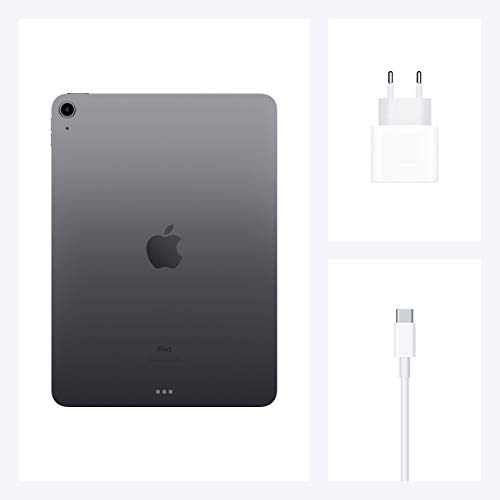
Apple iPad Air 2020 WiFi (4GB + 64GB) review. Compare 168 technical specifications and user reviews to see how it ranks among tablets and if it is worth buying.
Overall score
What it is: An overall evaluation of the smartphone's quality, based on technical analyses and user reviews.
When it matters: When you need a quick reference to identify the best Tablets on the market.
Score components:
90.0%
Technical Score
10.0%
User score
Technical Score
What it is: An assessment of the smartphone's technical performance, covering eight key areas: performance & hardware, software, camera, connectivity, display, battery, audio, and design.
When it matters: When you want to compare Tablets based on technical performance and available features.
Score components:
22.0%
Performance
20.0%
Display
16.0%
Camera
14.0%
Battery
12.0%
Connectivity
8.0%
Software & Features
5.0%
Design
3.0%
Audio & Multimedia
User score
What it is: A rating that combines user reviews and the total number of reviews received by the smartphone
When it matters: When you want to know how a smartphone handles daily tasks and how reliable it remains over time according to user feedback.
Score components:
70.0%
User reviews
30.0%
Popularity

Score components:
25.0%
RAM capacity
20.0%
Refresh rate
20.0%
GPU frequency
20.0%
Chipset
15.0%
Battery capacity
Score components:
20.0%
Chipset
20.0%
Battery life
20.0%
RAM capacity
10.0%
Weight
10.0%
Internal storage
10.0%
Keyboard accessory
10.0%
Screen size
Score components:
30.0%
RAM capacity
25.0%
Chipset
20.0%
Internal storage
15.0%
Screen size
5.0%
Keyboard accessory
5.0%
Stylus included
Score components:
20.0%
Screen size
20.0%
Battery life
20.0%
Weight
20.0%
RAM capacity
20.0%
Chipset
Score components:
25.0%
Battery capacity
25.0%
RAM capacity
15.0%
Weight
15.0%
Internal storage
10.0%
Screen size
10.0%
Price
Score components:
20.0%
RAM capacity
20.0%
Battery life
15.0%
Chipset
15.0%
Weight
10.0%
Cellular module
10.0%
5G connectivity
5.0%
GPS
5.0%
Internal storage
Available: ranking among products currently available (including other versions of this product).
All: ranking among all products in the database.
#24 in Best Apple Tablets
#29 in Best Tablets Under £300
#44 in Best 11-inch Tablets
#78 in Best Tablets With SIM Card
#82 in Best Tablets For Seniors
#108 in Best Tablets With Keyboard
#110 in Best Tablets For Drawing
#123 in Best Tablets For Students
#127 in Best Tablets
What it is: An assessment of the smartphone's technical performance, covering eight key areas: performance & hardware, software, camera, connectivity, display, battery, audio, and design.
When it matters: When you want to compare Tablets based on technical performance and available features.
Score components:
22.0%
Performance
20.0%
Display
16.0%
Camera
14.0%
Battery
12.0%
Connectivity
8.0%
Software & Features
5.0%
Design
3.0%
Audio & Multimedia
What it is: A rating that combines user reviews and the total number of reviews received by the smartphone
When it matters: When you want to know how a smartphone handles daily tasks and how reliable it remains over time according to user feedback.
Score components:
70.0%
User reviews
30.0%
Popularity
What it is: An indicator that combines the smartphone's overall rating with its cost.
When it matters: When you are looking for a smartphone with a good balance between quality and price.
Score components:
60.0%
Overall score
40.0%
Price
Importance: MEDIUM
Importance: HIGH
Good value: >=8 GB
Importance: HIGH
Good value: <7 nm
Importance: HIGH
Good value: >=128 GB
Importance: HIGH
Good value: >1300
Importance: HIGH
Importance: HIGH
Importance: HIGH
Importance: MEDIUM
Good value: >3500
Importance: MEDIUM
Good value: >=8 GB
Importance: MEDIUM
Good value: 5
Importance: MEDIUM
Good value: >20 GB/s
Importance: MEDIUM
Importance: MEDIUM
Good value: >7 W
Importance: MEDIUM
Good value: >2500
Importance: MEDIUM
Good value: >800
Importance: MEDIUM
Good value: >8
Importance: MEDIUM
Good value: >900 MHz
Importance: MEDIUM
Importance: MEDIUM
Good value: >3000
Importance: MEDIUM
Good value: >1200
Importance: MEDIUM
Good value: >3200 MHz
Importance: MEDIUM
Good value: >400
Importance: MEDIUM
Importance: MEDIUM
Good value: 8+
Importance: MEDIUM
Importance: MEDIUM
Good value: >800 MHz
Importance: MEDIUM
Importance: MEDIUM
Importance: MEDIUM
Good value: >10000 million
Importance: LOW
Good value: >=4 MB
Importance: LOW
Good value: >64 KB
Importance: LOW
Good value: >=1 MB
Importance: LOW
Importance: LOW
Good value: 4
Importance: LOW
Good value: >=512 GB
Importance: LOW
Good value: 2.0/3.0
Importance: LOW
Good value: 3.2
Importance: LOW
Good value: 3.3
Importance: HIGH
Importance: HIGH
Good value: >=120 Hz
Importance: HIGH
Importance: HIGH
Good value: >250 ppi
Importance: HIGH
Importance: MEDIUM
Good value: >500 nits
Importance: MEDIUM
Good value: >=11 inches
Importance: MEDIUM
Importance: MEDIUM
Good value: >120 Hz
Importance: MEDIUM
Importance: MEDIUM
Importance: MEDIUM
Importance: MEDIUM
Good value: >200 Hz
Importance: MEDIUM
Good value: >250 ppi
Importance: MEDIUM
Good value: >400 nits
Importance: MEDIUM
Importance: LOW
Importance: LOW
Importance: LOW
Importance: HIGH
Importance: HIGH
Importance: HIGH
Good value: >=8 MP
Importance: HIGH
Importance: HIGH
Importance: MEDIUM
Importance: MEDIUM
Importance: MEDIUM
Importance: MEDIUM
Importance: LOW
Importance: LOW
Importance: LOW
Importance: LOW
Importance: LOW
Importance: LOW
Importance: LOW
Importance: LOW
Importance: LOW
Importance: LOW
Importance: LOW
Importance: LOW
Importance: LOW
Importance: LOW
Importance: LOW
Importance: LOW
Importance: LOW
Importance: LOW
Importance: LOW
Importance: LOW
Importance: LOW
Importance: LOW
Importance: LOW
Importance: HIGH
Good value: >8000 mAh
Importance: HIGH
Good value: >30 W
Importance: HIGH
Good value: >10 hours
Importance: MEDIUM
Importance: MEDIUM
Importance: LOW
Importance: LOW
Importance: HIGH
Importance: HIGH
Importance: HIGH
Importance: MEDIUM
Importance: MEDIUM
Importance: MEDIUM
Importance: MEDIUM
Importance: MEDIUM
Importance: MEDIUM
Importance: MEDIUM
Importance: MEDIUM
Importance: MEDIUM
Importance: MEDIUM
Importance: LOW
Good value: >5.2
Importance: LOW
Importance: LOW
Importance: LOW
Good value: 3.1/3.2
Importance: LOW
Importance: LOW
Importance: LOW
Importance: LOW
Importance: LOW
Importance: LOW
Importance: LOW
Importance: LOW
Importance: LOW
Importance: HIGH
Importance: HIGH
Importance: HIGH
Importance: MEDIUM
Importance: MEDIUM
Importance: MEDIUM
Importance: MEDIUM
Importance: MEDIUM
Importance: MEDIUM
Importance: MEDIUM
Importance: MEDIUM
Importance: LOW
Importance: LOW
Importance: LOW
Importance: LOW
Importance: LOW
Importance: LOW
Importance: LOW
Importance: LOW
Importance: LOW
Importance: LOW
Importance: MEDIUM
Importance: MEDIUM
Good value: <500 g
Importance: MEDIUM
Importance: MEDIUM
Importance: MEDIUM
Good value: <10 ms
Importance: MEDIUM
Good value: >7
Importance: MEDIUM
Importance: MEDIUM
Importance: LOW
Good value: <7 mm
Importance: LOW
Importance: LOW
Importance: LOW
Importance: LOW
Importance: LOW
Importance: MEDIUM
Good value: >=2
Importance: MEDIUM
Importance: MEDIUM
Importance: MEDIUM
Good value: >=4
Importance: LOW
Importance: LOW
Importance: LOW
Importance: LOW
Importance: LOW
Importance: LOW
Importance: HIGH
Importance: HIGH
Importance: HIGH
Importance: MEDIUM
Importance: MEDIUM
Importance: MEDIUM
Importance: HIGH
Good value: >1300
Importance: MEDIUM
Importance: LOW
Importance: MEDIUM
Importance: LOW
Importance: LOW
Importance: LOW
Importance: HIGH
Importance: MEDIUM
Good value: >7
Importance: LOW
(Reviews last updated: May 2026)
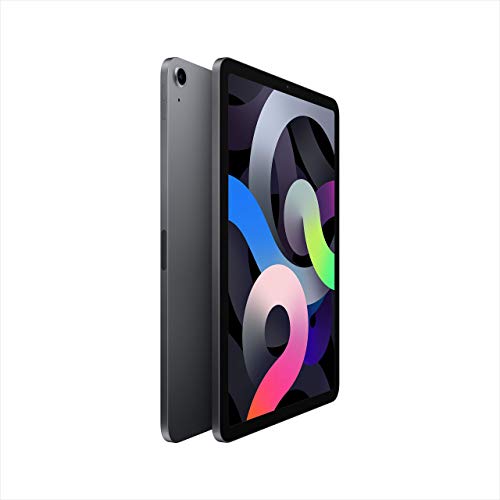
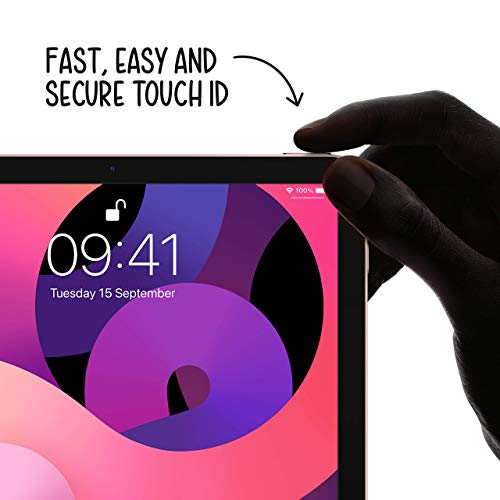
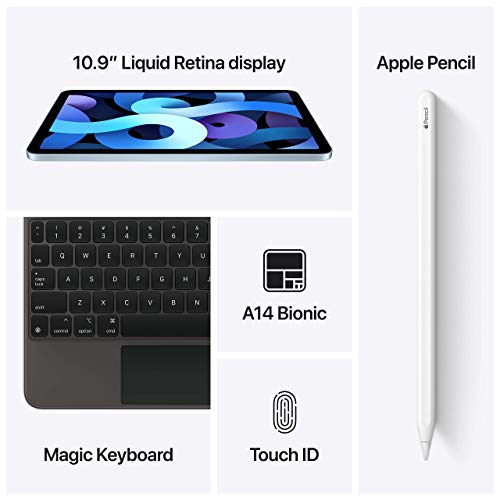
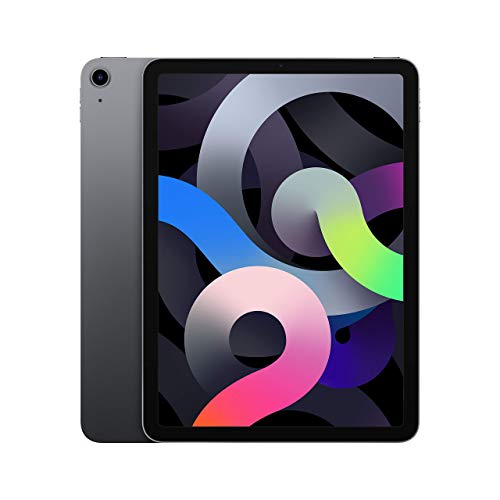
The iPad Air 4 (2020) brings high-end iPad Pro features to a more accessible price, featuring a modern flat-edge design, compatibility with the Magic Keyboard/Apple Pencil 2, and the high-performance A14 Bionic chip. Its 10.9-inch Liquid Retina display offers great brightness, though it lacks 120Hz ProMotion, and the integration of Touch ID into the power button works efficiently for security. While the device benefits from a switch to USB-C, it faces drawbacks including a 64GB base storage limit, lack of a headphone jack, and a battery life that falls slightly short of some competitors.
The T3 review of the 2020 iPad Air labels it the "tablet to beat," successfully closing the performance and design gap between budget models and the Pro lineup. It features a comprehensive design overhaul, including a 10.9-inch Liquid Retina display with slim bezels, five color options, and the integration of Touch ID into the power button. Performance is driven by the A14 Bionic chip, providing substantial speed for creative applications and general use, supported by USB-C connectivity and compatibility with the 2nd-gen Apple Pencil. Key pros highlighted by T3 include the modern, flat-edged aesthetic, superior performance, and versatile accessory support. Conversely, identified cons include a higher starting price compared to its predecessor and the lack of a 120Hz ProMotion screen, which means scrolling is not as smooth as on the Pro models. The review also notes that the camera capabilities are mediocre, featuring washed-out colors and an inconvenient, off-center placement for landscape video calls.
The iPad Air 4 (2020) features a modern, squared-edge design, adopting an all-screen front and moving the Touch ID sensor to the power button, alongside support for the second-generation Apple Pencil and Magic Keyboard. Powered by the A14 Bionic chip, the device delivers high-end performance on a 10.9-inch Liquid Retina display. However, key limitations include a standard 60Hz screen rather than 120Hz ProMotion, and a 64GB base storage option that may feel restricted. Additional considerations include a higher price point than its predecessor, an average 7MP front camera, and stereo, rather than quad, speakers.
The 4th-generation iPad Air (2020) adopts a modern, flat-edged design with a 10.9-inch Liquid Retina display and integrates Touch ID into the power button. Powered by the A14 Bionic chip, it offers performance rivaling Pro models and supports the 2nd-gen Apple Pencil and Magic Keyboard for increased versatility. While featuring a USB-C port, the device lacks a 120Hz ProMotion display and suffers from poor audio separation in portrait mode.
The Apple iPad Air 4 (2020) is lauded by Expert Reviews as a highly capable, "Pro-lite" productivity tablet featuring a modern, 10.9-inch Liquid Retina display and a powerful A14 Bionic chip. Key strengths include its USB-C connectivity, compatibility with the second-generation Apple Pencil and Magic Keyboard, and a bright, color-accurate screen (420cd/m², Delta E of 1.16). While offering an experience similar to the iPad Pro, it lacks a 120Hz ProMotion display and FaceID, relying instead on a TouchID sensor embedded in the power button. The review highlights that the 60Hz screen, while excellent, lacks the extreme fluidity of higher-end models, and the 64GB starting storage is considered modest. Ultimately deemed better value than the 11-inch iPad Pro, the Air 4's primary downsides are the high cost of essential accessories, which can significantly increase the total price. It is recommended for users seeking top-tier performance and accessory support without the premium price tag of the iPad Pro.
The Trusted Reviews iPad Air 4 review highlights the tablet as a significant, high-performance upgrade adopting a modern, all-screen design with Touch ID in the power button and a USB-C port. Powered by the A14 Bionic chip, the device features a sharp 10.9-inch Liquid Retina display and supports premium accessories like the Magic Keyboard and second-generation Apple Pencil. Key drawbacks noted include the lack of a 120Hz ProMotion screen, limited 64GB/256GB storage options, and the absence of a headphone jack.
The 2020 Apple iPad Air is positioned as a top choice for most users, offering near-Pro performance with a 10.9-inch Liquid Retina display, USB-C connectivity, and a Touch ID sensor embedded in the power button. Driven by the powerful A14 Bionic chip, the device supports premium accessories like the second-generation Apple Pencil and Magic Keyboard, enhancing its versatility as a laptop replacement. However, the review highlights shortcomings in battery longevity and a lack of 120Hz ProMotion display technology.
The 2020 Apple iPad Air features a significant redesign with a 10.9-inch display, offering high-end performance via the A14 Bionic chip at a lower price point than the Pro model. While USB-C support and good battery life are major positives, the device lacks a 120Hz refresh rate and uses Touch ID rather than Face ID. Despite having excellent video call capabilities, it faces criticism for its restrictive base 64GB storage and potentially high cost when combined with premium accessories.
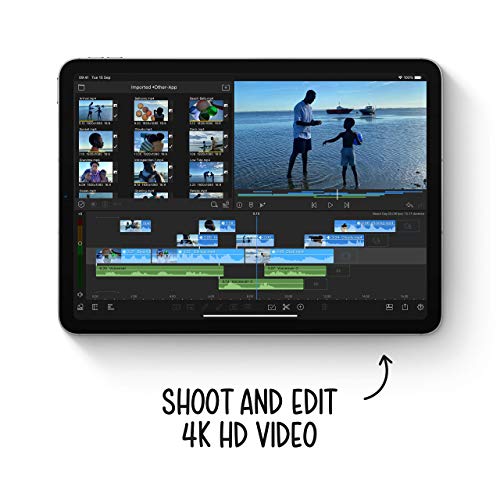
The 4th Generation iPad Air adopts a "spartan industrial design" similar to the iPad Pro, featuring a 10.9-inch Liquid Retina display, USB-C connectivity, and a, responsive Touch ID sensor integrated into the power button, replacing the physical home button. Powered by the A14 Bionic chip, the device delivers high-end performance suitable for professional tasks like 4K video editing, while supporting the second-generation Apple Pencil and Magic Keyboard. Pros include the impressive A14 performance, faster USB-C charging/peripheral support, and a premium, colorful design, with the, reviewer noting it acts as a "Pro-lite" workstation. However, cons highlighted include the lack of a 120Hz ProMotion display, no Face ID, and the absence of 5G, along with a slightly bezel-heavy design. Concluding the review, the iPad Air 4 is described as the "sweet spot" of price and performance, offering premium features at a lower cost than the Pro models. GadgetGuy
The Tech Advisor review highlights the 2020 iPad Air as a high-performance "Pro in Air’s clothing," featuring a modern 11-inch design, USB-C support, and the powerful A14 Bionic chip, which excels at demanding tasks. While the 10.9-inch Liquid Retina display offers excellent color and brightness, the device lacks 120Hz ProMotion technology, and the power-button Touch ID is less seamless than Face ID. Downsides include a restrictive 64GB base storage, a higher price point nearing the iPad Pro, and limited camera features.
The 2020 iPad Air is a "bundle of powerful joy" featuring a major redesign with flat edges and a 10.9-inch Liquid Retina display, adopting the Pro aesthetic while introducing Touch ID into the power button. It delivers immense performance via the A14 Bionic chip, supporting professional accessories like the second-gen Apple Pencil and Magic Keyboard, alongside a shift to USB-C for better connectivity. While it lacks the 120Hz ProMotion display and Face ID found on Pro models, and starts at a limiting 64GB, it is hailed as a high-performance, portable, and versatile "Goldilocks" tablet. Computerworld
The 2020 iPad Air is a high-performance, 10.9-inch tablet that adapts the premium design, slim bezels, and USB-C connectivity of the iPad Pro, featuring Touch ID integrated into the power button. Powered by the A14 Bionic chip, it offers exceptional speed and supports the Apple Pencil (2nd Gen) and Magic Keyboard, bridging the gap between standard and pro models. However, it lacks the 120Hz ProMotion screen, LiDAR sensor, and dual-camera setup of the Pro, while the base 64GB storage is limited and costs can rise quickly with accessories.
The 2020 iPad Air features a modern, iPad Pro-style design with a 10.9-inch Liquid Retina display, Touch ID in the power button, and a USB-C port, marking a significant, bezel-less upgrade. Driven by the A14 Bionic chip, the device delivers high-end performance for creative apps and gaming, while supporting the second-gen Apple Pencil and Magic Keyboard. However, the review notes disappointing battery life, a lack of 120Hz ProMotion technology, and continued limitations with iPadOS multitasking.
Engadget's review of the 2020 iPad Air highlights it as a "cheaper iPad Pro," adopting a modern flat-edge design, USB-C, and robust performance via the A14 Bionic chip. Pros include a vibrant 10.9-inch Liquid Retina display, compatibility with the Apple Pencil (2nd Gen) and Magic Keyboard, and a capable 7MP front camera, although the display lacks 120Hz ProMotion. Cons focus on the 64GB starting storage, the high cost of accessories, and the omission of Face ID in favor of Touch ID. While offering excellent battery life, the device still faces iPadOS limitations as a full laptop replacement.
The Hardware Canucks review positions the 2020 iPad Air as a significant, Pro-like upgrade, highlighting its thin design, 10.9-inch Liquid Retina display, and the powerful A14 Bionic chip that handles 4K editing with ease. Key pros include the shift to USB-C for broader accessory support and the adoption of the second-generation Apple Pencil and Magic Keyboard, turning it into a viable laptop alternative. Additionally, integrating Touch ID into the top button offers secure, efficient biometric authentication without needing Face ID. However, the tablet lacks the 120Hz ProMotion display found on the Pro models, which may be missed by some users. While performance is stellar, the base 64GB storage is deemed limiting for power users, and it lacks the U1 chip for precise location tracking.
The iPad Air 2020 is a "Pro-lite" device featuring a modern, thin-bezel design, USB-C connectivity, and the powerful A14 Bionic chip, making it a high-performance, versatile option for most users. Key strengths include an bright, color-accurate Liquid Retina display and highly responsive performance, although it lacks the 120Hz ProMotion technology found in pro models, leading to less fluid scrolling. While compatible with premium accessories like the Magic Keyboard and Apple Pencil, the device is held back by a 64GB base storage option and high accessory costs, positioning it as a powerful, yet expensive, all-rounder that fits between the budget iPad and the Pro series.
The 2020 iPad Air is considered the best all-around tablet for most users, adopting a modern, thin-bezel design and USB-C charging that bridges the gap between the base model and the Pro series. Key advantages include the powerful A14 Bionic chipset for high performance and support for premium accessories like the second-generation Apple Pencil and Magic Keyboard, turning the device into a versatile tool. However, the tablet lacks the 120Hz ProMotion display found on the Pro series and features a 64GB base storage option, which may be limiting. Other drawbacks mentioned include the use of Touch ID in the power button rather than Face ID and a dual-speaker system compared to the quad-speaker setup on higher-end models.
The Wired review describes the 2020 Apple iPad Air as a near-perfect, versatile tablet featuring a modern, thin-bezel design, the fast A14 Bionic chip, and compatibility with the second-generation Apple Pencil and Magic Keyboard. Notable pros include the 10.9-inch Liquid Retina display and the Touch ID sensor integrated into the top power button. However, the review cites cons such as the 60Hz display, which lacks the ProMotion fluidity found on the iPad Pro, alongside the lack of Face ID and awkward FaceTime camera placement for landscape use. Other drawbacks include limited storage options (64GB or 256GB), a lack of a rear ultrawide camera, and potential backlight bleed. Ultimately, the 2020 iPad Air is considered the best tablet for most users, delivering essential Pro features at a lower price point, despite a higher cost than its predecessor. It is highly rated for creative work, media consumption, and light productivity, making it a strong long-term investment.
Engadget describes the 2020 iPad Air as an ideal mid-range tablet, adopting a modern, flat-edged design with a 10.9-inch Liquid Retina display and shifting to a versatile USB-C port. Key pros include the high-performance A14 Bionic chip, support for the second-generation Apple Pencil and Magic Keyboard, and robust battery life. Despite these strengths, the review notes cons such as a higher $599 starting price, the lack of 120Hz ProMotion or Face ID, and iPadOS limitations that prevent it from fully replacing a laptop.
The Verge review identifies the 2020 iPad Air as the best tablet for most users, highlighting its adoption of a modern, thin-bezel design, the powerful A14 Bionic processor, and USB-C connectivity at a $599 starting price. Key pros include compatibility with the 2nd Gen Apple Pencil and Magic Keyboard, offering a high-end experience without the Pro model's cost. Conversely, the review notes cons including the absence of a 120Hz ProMotion display, replacing Face ID with a, at times, finicky power-button Touch ID, and the lack of a 128GB storage option. The device also lacks the Pro’s ultrawide camera, LiDAR scanner, and quad-speaker setup. Ultimately, while noting frustration with the base 64GB storage and the cost of upgrading, the review concludes the device offers an enjoyable, high-end experience.
The Coolblue expert review of the iPad Air (2020) highlights a redesigned chassis, echoing the iPad Pro with thin bezels, a 10.9-inch Liquid Retina display, and the addition of a USB-C port, though it lacks Face ID in favor of a power-button fingerprint scanner. Powered by the A14 Bionic chip, it delivers exceptional performance for creative tasks and gaming, positioning it as a powerful, cost-effective alternative to the Pro models. Key accessories like the magnetic Apple Pencil 2 enhance productivity, although the screen is limited to a 60Hz refresh rate compared to higher-end models.
Computer Bild’s review highlights the 2020 Apple iPad Air as a powerful alternative to the Pro series, featuring a redesigned flat-edged chassis and compatibility with the Apple Magic Keyboard and second-generation Apple Pencil. While the 10.9-inch Liquid Retina display offers high quality, it lacks the 120Hz ProMotion refresh rate found on the Pro models. Driven by the A14 Bionic chip, the tablet delivers rapid performance and adopts a USB-C port for improved connectivity, while Touch ID is integrated directly into the power button. Key pros include exceptional processing speed, a modern design, and quality stereo speakers. Conversely, the review identifies cons such as a roughly six-and-a-half-hour battery life under heavy use, the lack of a headphone jack, and the absence of a LiDAR sensor. Furthermore, the base 64GB storage may prove limiting for users, and costs rise quickly when adding accessories. For the full video review, visit Computer Bild.
The 2020 iPad Air 4 (reviewed here: adopts a modern, edge-to-edge design similar to the 11-inch iPad Pro and features the fast A14 Bionic chip, offering premium performance and USB-C connectivity. Its 10.9-inch Liquid Retina display is lauded for brightness and accuracy, though it is capped at a 60Hz refresh rate and lacks the 120Hz ProMotion feature of the Pro models. Key advantages include support for the second-generation Apple Pencil and Magic Keyboard, turning the device into a capable productivity tool, along with a responsive Touch ID sensor integrated into the power button. The speakers are high-quality, and the 12MP rear camera offers solid performance. Cons include the 60Hz screen, the absence of Face ID, and a 64GB base storage option that may be limiting for some users. Additionally, it lacks a headphone jack, and its 60Hz refresh rate is a limitation compared to the Pro line.
The iPad Air 4 (2020) features a significant redesign with a 10.9-inch Liquid Retina display, flat edges, and Touch ID integrated into the power button. Transitioning to USB-C, it offers high performance via the A14 Bionic chip, supporting the second-gen Apple Pencil and Magic Keyboard for laptop-like functionality. While praised for its, performance, and design, it lacks a 120Hz ProMotion display and Face ID, with 4GB of RAM sometimes limiting heavy multitasking. Base 64GB storage may feel restricted, but overall it offers Pro-level features at a lower price point. Copy
The 2020 iPad Air 4 bridges the gap between the standard iPad and Pro models, featuring a modern flat-edged design, the powerful A14 Bionic chip, and support for the Magic Keyboard and 2nd-gen Apple Pencil. Key pros include the USB-C port, a sharp 10.9-inch Liquid Retina display, and a fast, reliable Touch ID sensor in the power button, making it a versatile, high-performance option. However, the device lacks a 120Hz ProMotion display, features restrictive 64GB base storage, and lacks the quad-speaker setup of the Pro line. Copy
The Heise.de review describes the Apple iPad Air 4 as a high-performance tablet bridging the gap between standard and Pro models, featuring a modern design and the powerful A14 Bionic chip. Pros include the sharp 10.9-inch Liquid Retina display, Touch ID integrated into the power button, USB-C connectivity, and compatibility with the second-gen Apple Pencil and Magic Keyboard. Notable limitations highlighted in the review are the 64GB base storage, lack of 120Hz ProMotion, and absence of Face ID. Copy
The 2020 iPad Air 4 delivers top-tier performance with its A14 Bionic chip and features a modern design with a 10.9-inch Liquid Retina display, USB-C, and Apple Pencil 2 support. While offering Pro-level features, the device suffers from mediocre battery life, lacks a 120Hz ProMotion screen, and starts with limited 64GB storage. Despite these drawbacks, it serves as a strong, versatile, and more affordable alternative to the iPad Pro for most users. Copy
The Netzwelt review highlights the 2020 iPad Air as a compelling "mid-range" option, bridging the gap between standard and Pro models with its modern design and powerful A14 Bionic chip. Key pros include the edge-to-edge 10.9-inch display, USB-C support, and compatibility with top-tier accessories. However, cons center on the lack of Face ID, with users relying on a side-mounted Touch ID, and the absence of a 120Hz ProMotion display, which is limited to 60Hz. The review notes that the base 64GB storage is restrictive, making the higher-priced 256GB model more appealing for long-term use, though it ultimately delivers a 90% "Pro" experience for a lower price.
The 2024 iPad Pro (M4) is described as an "overpowered creative marvel" with a stunningly thin design and groundbreaking Tandem OLED display, offering unprecedented performance that nears laptop replacement capability. Key advantages include the raw power of the M4 chip, improved landscape camera, and the new Apple Pencil Pro, though the device is held back by the limitations of iPadOS. Significant drawbacks highlighted include an exorbitant price tag, especially when adding required accessories like the new, stain-prone Magic Keyboard, which brings the total weight up to that of a MacBook Air. Furthermore, the M4 chip's power is deemed largely excessive, as current software cannot fully utilize it, making the device a luxury item rather than a necessary tool for most users. Ultimately, while the iPad Pro is recommended for mobile creative professionals, the review suggests it is overkill for average users, who would be better served by the cheaper 2024 iPad Air. The device is seen as a technical triumph that is just short of being a true, practical replacement for a laptop. For more details, visit Galaxus.
The 2020 iGen.fr review highlights the fourth-generation iPad Air as a significant evolution, adopting a 10.9-inch Liquid Retina display, "all-screen" design, and USB-C connectivity while introducing Touch ID in the power button. Powered by the A14 Bionic chip, the device delivers exceptional performance and supports premium accessories like the second-gen Apple Pencil and Magic Keyboard, bridging the gap between standard tablets and the Pro lineup. However, key compromises compared to the Pro include the absence of 120Hz ProMotion technology, a low 64GB base storage option, and a reduced, dual-speaker system.
The iPad Air (2020) features a significant redesign based on the Pro line, offering an industrial aesthetic with flat edges and a 10.9-inch Liquid Retina display. Key improvements include vibrant color options, USB-C connectivity, and high performance from the A14 Bionic chip, though it lacks 120Hz ProMotion and faces potential storage limitations with a 64GB base model. The device, which supports the second-generation Apple Pencil and Magic Keyboard, replaces Face ID with a, fast and reliable, power-button-integrated Touch ID sensor.
The iPad Air 2020 review from Le Monde Informatique highlights the device as a "pro-level" offering due to the powerful 5nm A14 Bionic chip, which excels in single-core performance. Featuring a modern design, USB-C connectivity, and Touch ID in the power button, it bridges the gap with the Pro line while lacking ProMotion 120Hz display technology. Despite the high performance, the review points to restrictive 64GB base storage and a high price for upgraded models as key drawbacks that bring it close to Pro-level costs.
The 2020 iPad Air (4th gen) offers premium, pro-level performance and design at a more accessible price point compared to the iPad Pro, featuring a 10.9-inch Liquid Retina display, Touch ID in the power button, and a modern, flat-edged aesthetic. Powered by the A14 Bionic chip, it handles demanding tasks efficiently and supports high-end accessories like the second-generation Apple Pencil and Magic Keyboard, while switching to USB-C for enhanced versatility. While it lacks the 120Hz ProMotion screen of the Pro model and starts with a modest 64GB of storage, the device is characterized as an excellent value proposition that brings a "Pro-lite" experience to a broader user base.
The 2020 iPad Air (4th Gen) acts as a high-performance, mid-range "Goldilocks" device in Apple's lineup, featuring a modern, thin-bezel 10.9-inch Liquid Retina display and the powerful A14 Bionic chip. It offers a substantial performance boost over previous models, enabling efficient 4K video editing and high-end gaming capabilities. Key pros include the transition to a USB-C port, support for the 2nd generation Apple Pencil and Magic Keyboard, and a reliable 10-hour battery life, positioning it as a strong laptop alternative. However, the review highlights significant cons, including a 64GB starting storage that is deemed too low, with a, forcing a, jump to the expensive 256GB option. It also lacks the 120Hz "ProMotion" display technology found on the iPad Pro, which may disappoint users looking for maximum smoothness in scrolling. Other noted limitations include the absence of a headphone jack and the lack of user-friendly multi-user support in iPadOS.
The 2020 iPad Air review from Wired Italy positions the tablet as a powerful, cost-effective alternative to the Pro model, featuring a modern, flat-edged design with new color options. Key pros include the A14 Bionic chip's high performance and the introduction of USB-C for better connectivity, although the lack of Face ID and a lower 64GB base storage option are noted as cons. While supporting top-tier accessories like the Magic Keyboard, the overall cost and the absence of a 120Hz ProMotion display are considered drawbacks compared to the iPad Pro. Copy
Andrea Galeazzi reviews the 2020 iPad Air (4th Generation), positioning it as a powerful, modern, and cost-effective alternative to the Pro model featuring a USB-C port, a 10.9-inch Liquid Retina display, and a 2nd-gen Apple Pencil-compatible design. Key design improvements include the Touch ID sensor integrated into the power button, which is lauded for its convenience. Performance is driven by the A14 Bionic chip, ensuring high-end capabilities alongside high-quality stereo speakers and strong 8-10 hour battery life. Despite the high performance, Galeazzi notes that the base 64GB storage is too low for the price point, and the jump to 256GB diminishes its value proposition. The review highlights expensive, though optional, accessories like the Magic Keyboard, recommending third-party alternatives instead. Additionally, despite running iPadOS, some software limitations regarding window management are mentioned. Andrea GaleazziFor more details, visit Andrea Galeazzi. Copy
The 2020 iPad Air closes the gap with the Pro series by adopting a modern, flat-edged design with a 10.9-inch Liquid Retina display and relocating Touch ID to the top button [iPhoneItalia review]. It introduces USB-C for enhanced versatility, while the A14 Bionic chip provides top-tier performance for multitasking and editing [iPhoneItalia review]. Furthermore, the tablet supports the second-generation Apple Pencil and Magic Keyboard, alongside an improved 12MP rear camera [iPhoneItalia review]. Despite its strengths, the device lacks the 120Hz ProMotion display found in Pro models and misses the LiDAR scanner [iPhoneItalia review]. The 64GB base storage option is noted as a limitation, requiring potential users to spend more on upgrades [iPhoneItalia review]. Copy
The Vanity Fair Italia review hails the 2020 iPad Air as a near-"pro" device featuring a modern, bezel-less 10.9-inch Liquid Retina display, Touch ID integrated into the power button, and a USB-C port. Powered by the A14 Bionic chip, the tablet is praised for high-performance capability in creative tasks and its compatibility with the 2nd Gen Apple Pencil and Magic Keyboard, turning it into a capable laptop alternative. While the design is lauded, the review notes the absence of ProMotion (120Hz) and Face ID, which remain exclusive to the Pro line. The review highlights the elevated price point and the high cost of essential accessories as significant drawbacks. For the complete Italian review, read the article at Vanity Fair Italia. Copy
The iPad Air 2020 (4th generation) brings the high-end "Pro" aesthetic to a more accessible price point with a 10.9-inch Liquid Retina display, flat edges, and Touch ID integrated into the power button, according to a Malditech (Corriere) review. It features the powerful A14 Bionic chip, USB-C connectivity, and support for the 2nd Generation Apple Pencil and Magic Keyboard, making it a viable laptop replacement for many. However, compromises compared to the Pro model include the lack of a 120Hz ProMotion display, a 64GB base storage option, and slightly lower, though still solid, battery performance, as reported by Malditech (Corriere).
The iPad Air 4 (2020) features a modern, all-screen design with flat edges, a 10.9-inch display, and Touch ID integrated into the power button. Powered by the A14 Bionic chip, it offers high-performance computing, USB-C connectivity, and support for the Magic Keyboard and Apple Pencil 2. While offering a premium experience, limitations include the absence of a 120Hz ProMotion display, lack of Face ID, and a 64GB base storage option. For more details, visit iCreate Magazine.
The 2020 iPad Air (4th gen) adopts the premium, squared-off design of the iPad Pro, featuring a 10.9-inch Liquid Retina display with anti-reflective coating and a power button-integrated Touch ID sensor. Performance is driven by the A14 Bionic chip, making it highly capable for intensive tasks and gaming, while the shift to USB-C adds versatility for peripherals. The tablet boasts superior stereo speakers in landscape mode and an improved 7MP front camera, offering a "near-Pro" experience for a lower price point. What Hi-Fi? However, Tweakers notes this "NetNietPro" (Not Quite Pro) model lacks a 120Hz ProMotion display, resulting in less fluid screen interaction, and omits the rear ultra-wide camera, flash, and LiDAR sensor found on the Pro model. The 64GB base storage is considered limited, and the 256GB variant's price approaches that of the 11-inch iPad Pro, challenging its value proposition. Despite these limitations, it is praised as a refined, high-performance option for users not requiring top-tier features.
The 2020 iPad Air (4th Generation) introduces a 10.9-inch "all-screen" design with USB-C and Touch ID in the power button, closely resembling the Pro model aesthetics. Driven by the A14 Bionic chip, it offers high-end performance compatible with the second-gen Apple Pencil and Magic Keyboard, bridging the gap between standard and pro tablets. However, compromises include a 60Hz display (lacking 120Hz ProMotion), limited 64GB base storage, and the absence of Face ID. Overall, it is praised as a powerful "Goldilocks" option, despite lacking some premium audio and display features found in the Pro lineup.
The 2020 iPad Air brings a premium, bezel-less design and the fast A14 Bionic chip to a lower price point, utilizing a 10.9-inch Liquid Retina display and USB-C connectivity. Key advantages include support for the second-gen Apple Pencil and Magic Keyboard, a responsive Touch ID power button, and roughly 10 hours of battery life. However, cons include the lack of a 120Hz ProMotion screen, a 64GB base storage limitation, and a 256GB model price that approaches the iPad Pro.
The WANT.nl review characterizes the 2020 iPad Air as a "Pro-killer" due to its modern, high-end design, featuring a bezel-less 10.9-inch Liquid Retina display, flat edges, and a Touch ID sensor integrated into the power button. Significant pros include the high performance of the A14 Bionic chip, the adoption of USB-C for faster charging and accessory support, and compatibility with the second-generation Apple Pencil and Magic Keyboard, making it a capable, portable alternative to the Pro models. However, the review notes constraints, such as the 60Hz screen refresh rate, the lack of a centered front-facing camera, and limited base storage. WANT
Compare