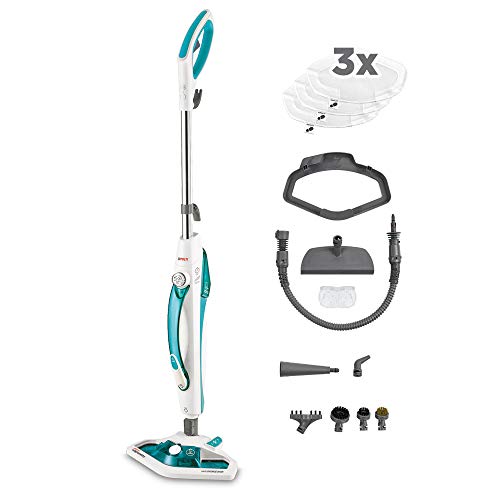
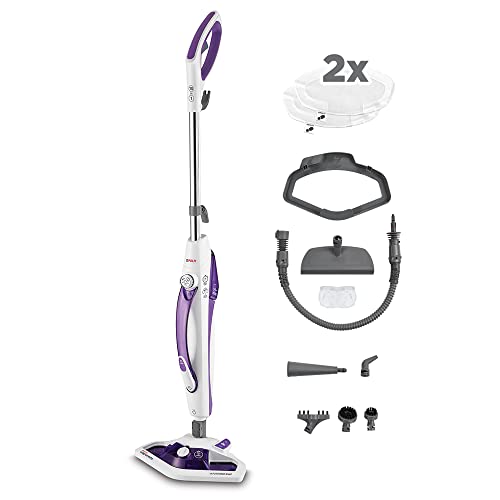
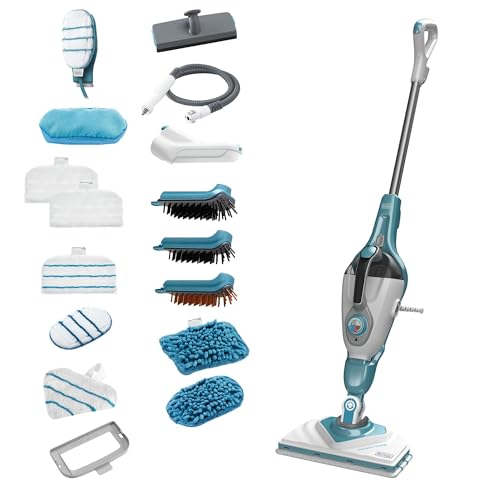
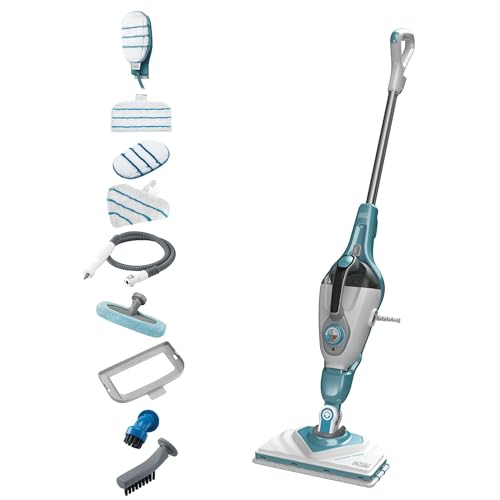
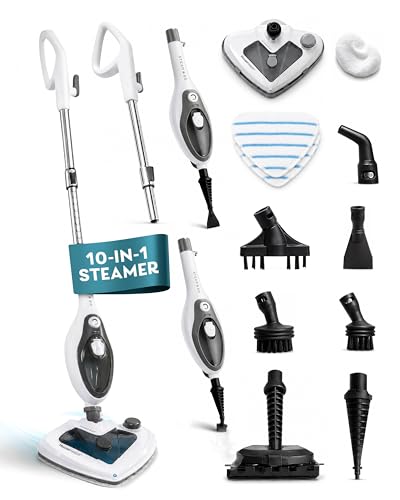
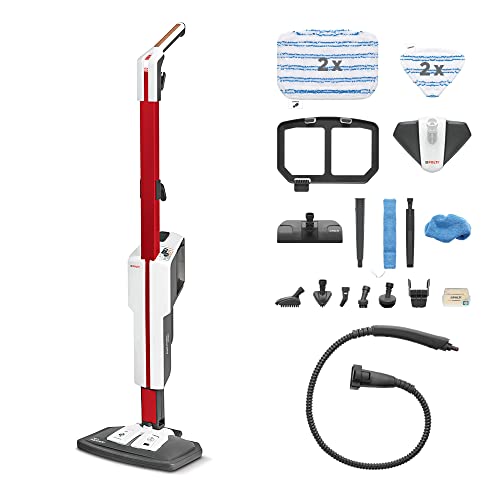
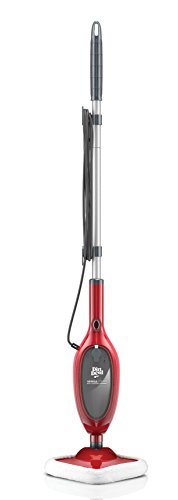
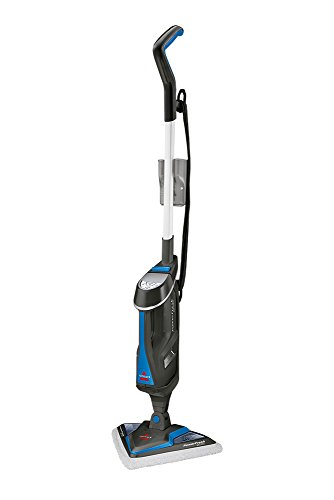
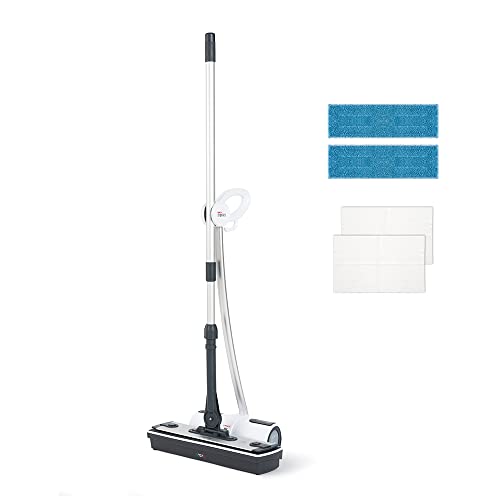
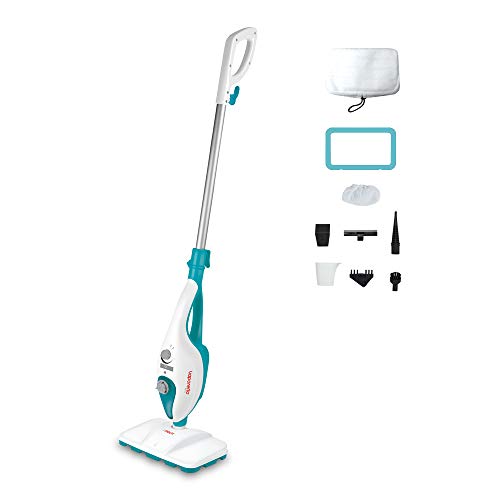
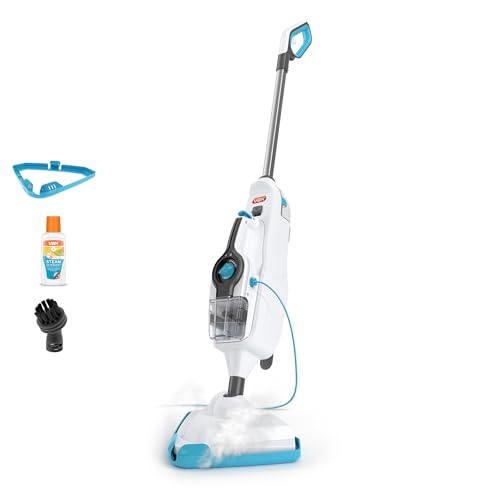
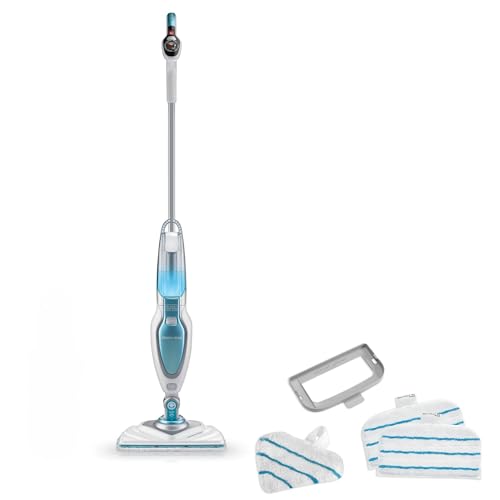
Which brands make the best steam mops?
The best steam mop brands by overall score are as follows:
- Polti (Average overall score: 7.7)
- Black+Decker (Average overall score: 7.5)
- Shark (Average overall score: 7.1)
The chart below compares steam mop brands by average overall score.
[horizontal-chart-07885914408599015098091233890081637158250334678480]
Which floors are steam mops best for?
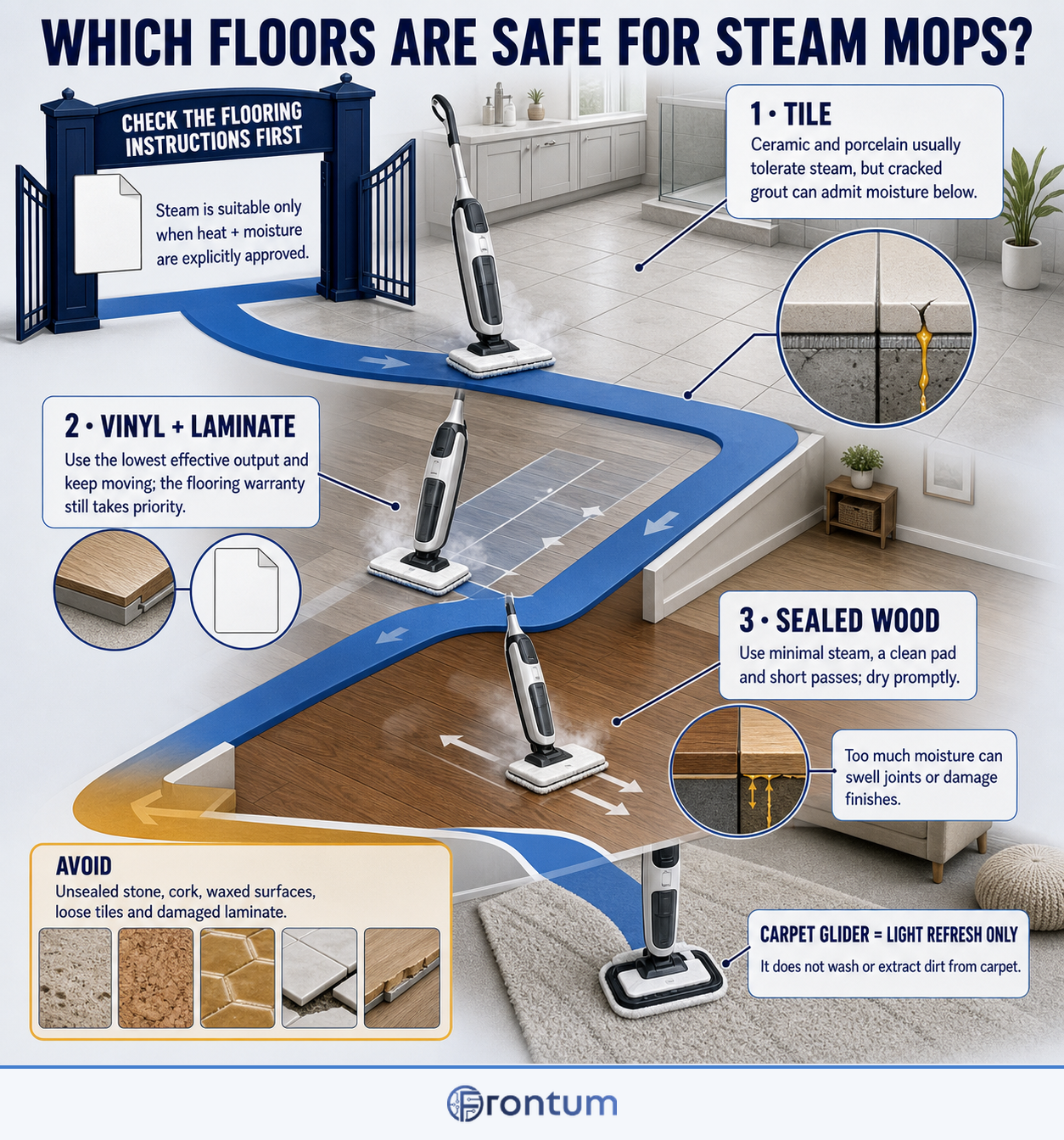
Steam mops are best for sealed hard floors that the flooring manufacturer explicitly approves for heat and moisture. The main floor groups are as follows:
- Sealed ceramic and porcelain tile: these robust surfaces usually tolerate steam well, and a moving floor head can loosen tracked-in dirt without chemical cleaner. Check that the grout is intact and sealed, because cracked joints can admit moisture below the tile.
- Steam-approved sealed vinyl and laminate: use the lowest effective output and keep the head moving in overlapping passes. Some warranties prohibit steam even on apparently sealed boards, so the flooring instructions take priority over a mop maker's general compatibility claim.
- Manufacturer-approved sealed wood: use minimal steam, a clean absorbent pad and short passes, then allow the floor to dry promptly. Avoid unsealed, waxed or damaged boards because heat and moisture can swell joints, whiten finishes or soften protective coatings.
- Floors to avoid: do not steam unsealed stone, cork, waxed surfaces, loose tiles, damaged laminate or any material excluded by its manufacturer. A carpet glider can lightly refresh compatible low-pile carpet, but it does not turn a steam mop into a carpet washer or extraction cleaner.

Which steam-mop features matter most?
The most important steam-mop features are as follows:
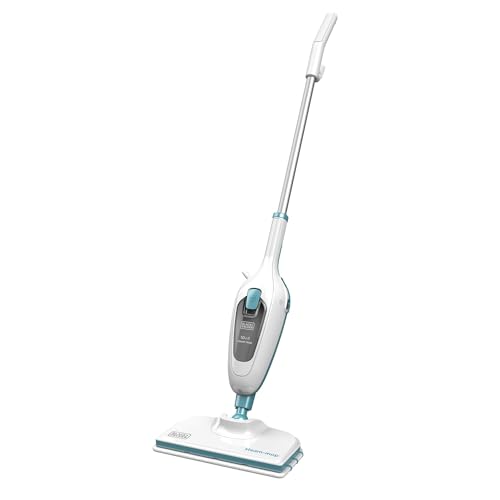
- Mop head: a swivel or flexible head helps follow chair legs and reach under furniture. A cleaning width around 30–40 cm covers floors efficiently without becoming awkward in narrow rooms.
- Steam control: adjustable output or a trigger helps reduce moisture on wood, laminate and delicate finishes. A fixed high setting is more suitable for robust sealed tile than for every floor type.
- Heat-up and runtime: about 10–30 seconds heat-up is common for steam mops, while continuous steam often lasts around 15–28 minutes. A quick start helps with touch-ups; longer runtime matters for several rooms.
- Tank capacity: about 200–700 ml is a useful reference range for steam mops. Larger tanks reduce refills but add weight, and a detachable tank is easier to fill.
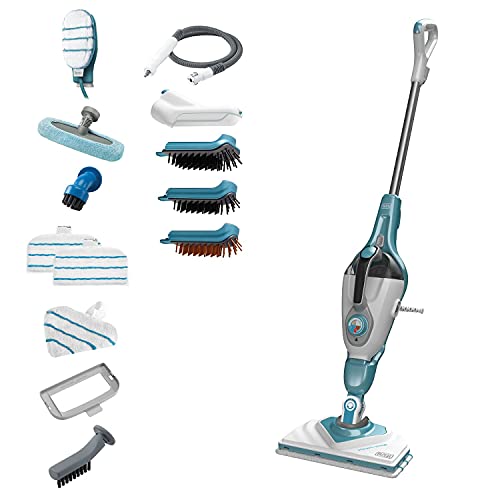
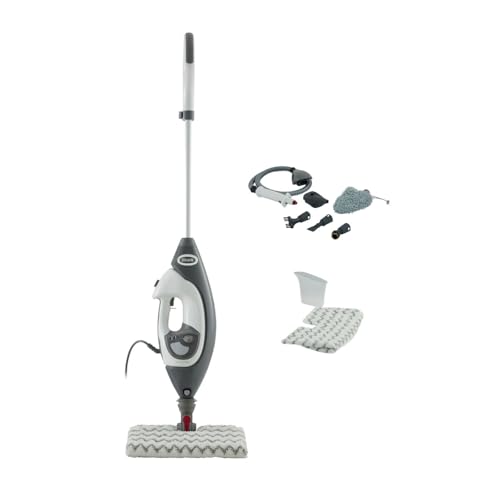
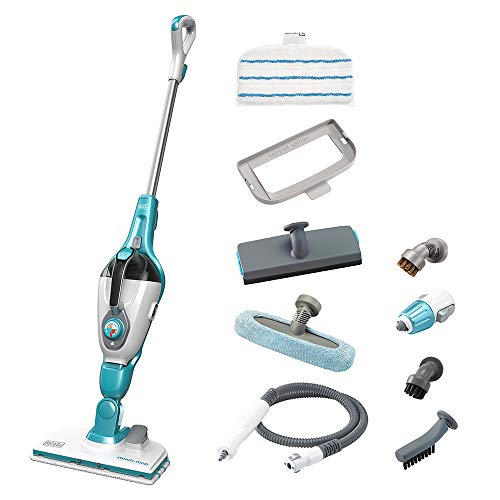
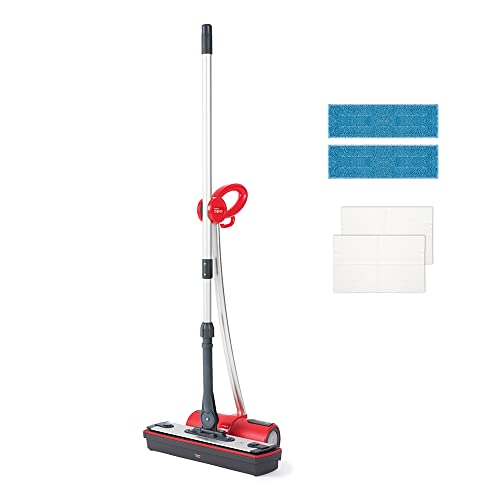
- Pads and floor tools: one or two washable mop pads are common, while carpet gliders or spare pads vary by model. Check the pad attachment and replacement cost because the floor head is central to the machine.
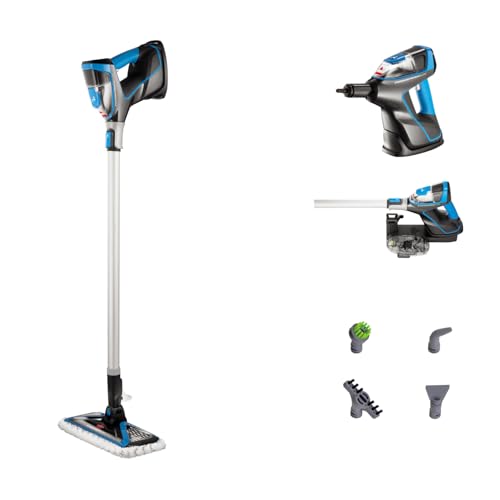
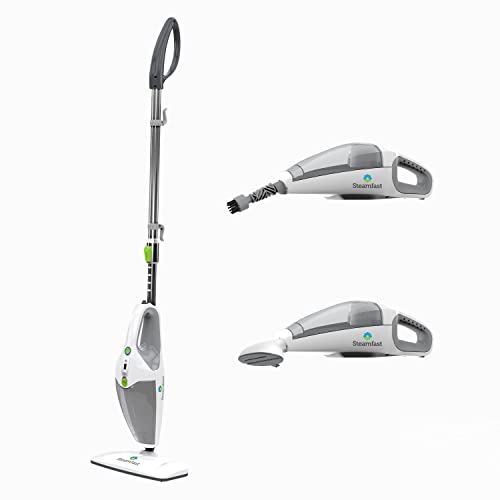
- 2-in-1 flexibility: a detachable handheld section adds value for grout, glass and small surfaces. It can also add weight and complexity, so do not pay for it if the mop will only clean floors.
The chart below shows the distribution of cleaning widths among steam mops.
[vertical-chart-17484776968820420955112379780859596876341646079911]
How much do steam mops cost?
Steam mops cost about £40-£170. Entry-level models around £40-£90 usually provide a basic floor head, a small tank and one or two pads. The £90-£130 middle range more often adds adjustable steam, better swivel movement, a wider cleaning head or easier tank and pad handling, while models around £130-£170 may add longer runtime, stronger construction or a detachable handheld section.
A cheaper mop is reasonable for occasional cleaning of approved sealed floors. If you clean several rooms regularly, compare runtime, heat-up time, pad replacement, floor compatibility and manoeuvrability before paying for extra accessories or a 2-in-1 design.
The chart below shows the price distribution of steam mops.
[vertical-chart-17938418607722135690002424272106046978153872413322]
What else should you consider when choosing a steam mop?
Consider the following when choosing a steam mop:
- Floor compatibility: confirm that each sealed tile, vinyl, laminate or wood floor is specifically approved for steam. Tile is generally more forgiving, while laminate and wood need lower output, a moving head and intact joints; a warranty restriction overrides a general compatibility claim.
- Head width and manoeuvrability: heads span roughly 25–40 cm. Around 30–35 cm is a practical all-round size, a 40 cm head reduces passes in open rooms, and a narrower swivel head is easier around chair legs, stairs and tight kitchen layouts.
- Steam control: adjustable output or an on-demand trigger gives more control over moisture on mixed flooring. Prefer at least a low and high setting when sensitive laminate or approved wood shares the home with robust tile, and avoid treating maximum output as the default.
- Tank, runtime and heat-up: 200–700 ml tanks typically support about 15–25 minutes of useful steam, while most mops are ready in 10–30 seconds. A 300–500 ml tank is a balanced starting point for ordinary rooms; choose more capacity for long sessions and a faster start for frequent touch-ups.
- Weight, reach and storage: most steam mops weigh around 1.5–3 kg, and corded models commonly provide about 5–8 m of cable. Check filled weight, cable routing, self-standing or parking support and whether the handle folds, because a light head can still be awkward if the body pulls at the wrist or will not store securely.
- Pads and maintenance: one or two washable pads are common, but some packages include up to four. Confirm replacement cost and attachment method, rotate pads before they become saturated, and follow the descaling instructions so mineral buildup does not reduce steam flow.
- Handheld conversion and extras: choose a 2-in-1 only if you will use its jet nozzle, brushes, squeegee or fabric tool away from the floor. The detachable unit adds versatility but can increase weight and complexity, while a carpet glider only refreshes compatible pile and does not extract embedded dirt.