Which brands make the best steam cleaners for grout?
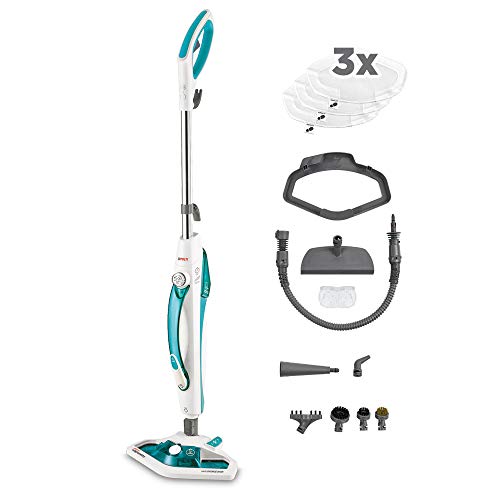
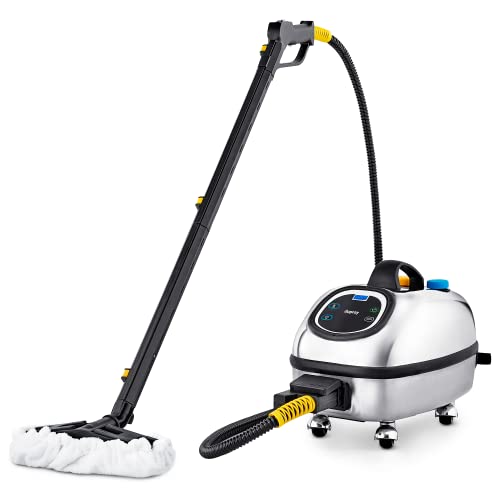
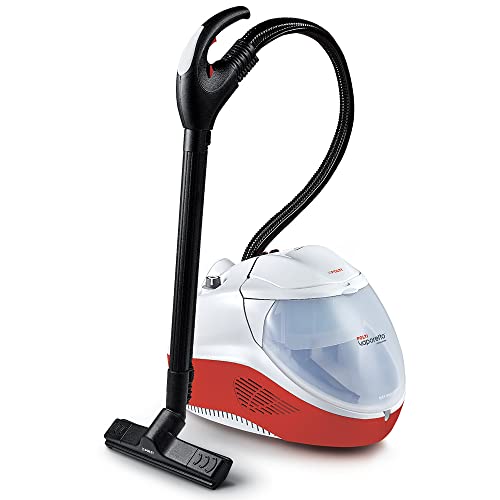
The best steam cleaner brands for grout by overall score are as follows:
- McCulloch (Average overall score: 8.3)
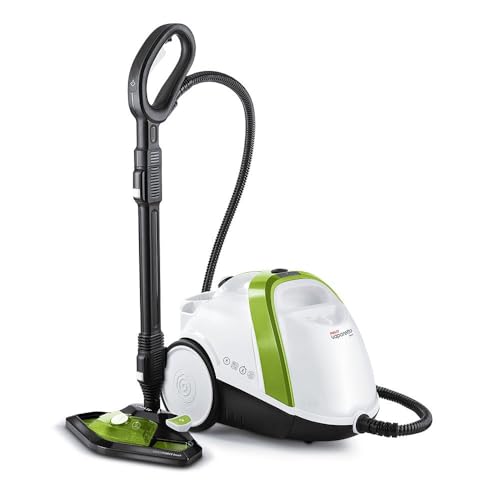
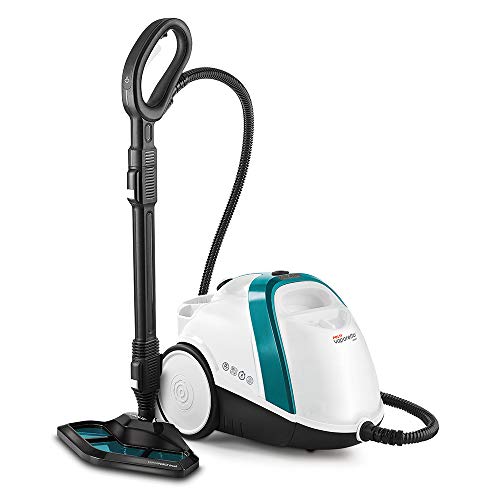
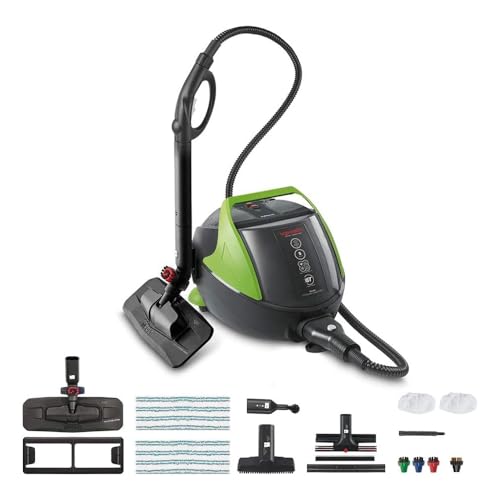
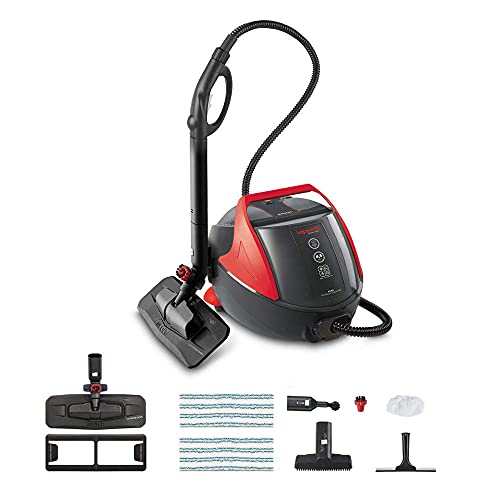
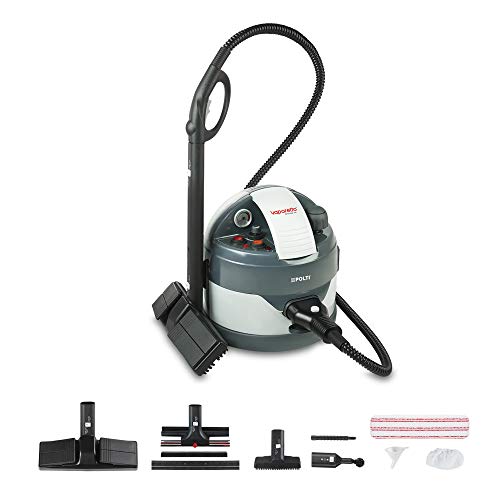
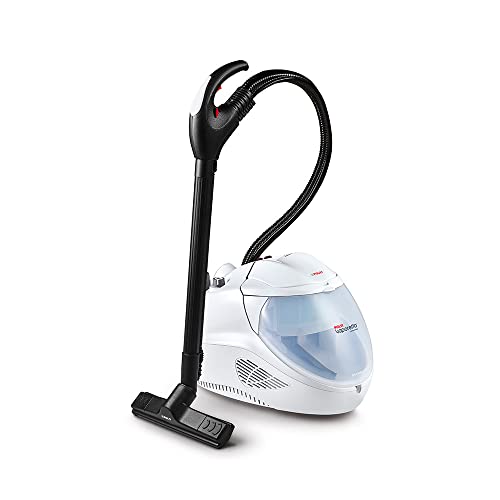
- Polti (Average overall score: 8.3)
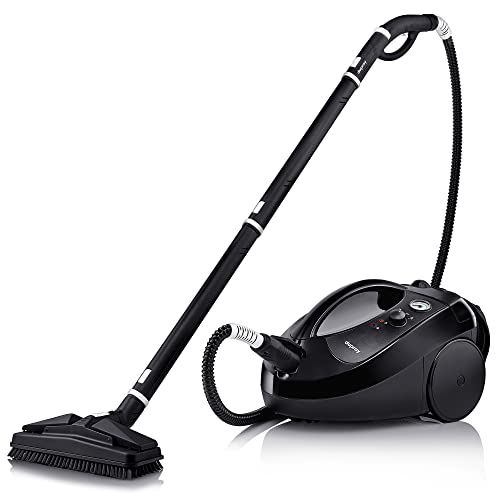
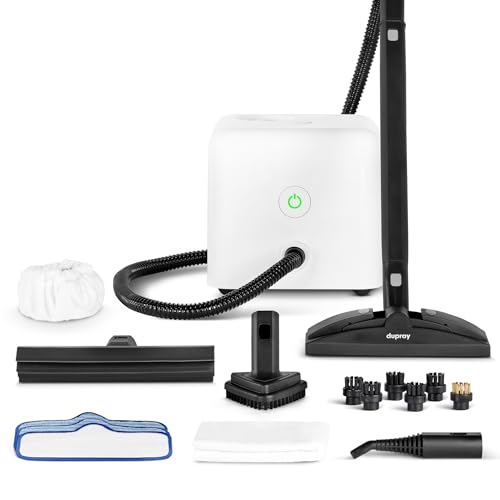
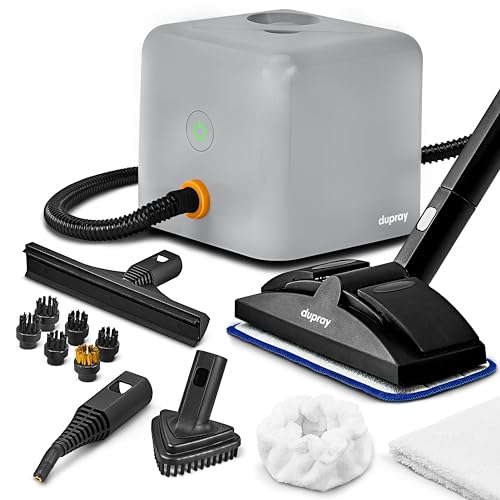
- Dupray (Average overall score: 8.3)
The chart below ranks steam cleaner brands for grout by their overall scores.
[horizontal-chart-18192313704889407987097515860630169075462243554722]
What makes a steam cleaner effective on grout?
A steam cleaner is effective on grout when it can direct controlled heat into the joint, loosen the deposit and let you wipe the residue away without damaging the sealant or surrounding tile. A jet nozzle gives the most concentrated stream, while a small nylon detail brush adds agitation where soap and grease cling to textured grout. Work in short sections rather than flooding the whole wall, then wipe immediately so dissolved dirt does not settle back into the joint.

Pressure around 3–5 bar is a useful working range, but the condition of the grout matters just as much. Steam can remove surface buildup; it cannot rebuild cracked joints, reverse missing sealant or fix water penetration. Test glazed tile, natural stone and the grout sealer separately, and use a softer tool when a metal brush could scratch the finish.
Which features matter most for grout cleaning?
The most important grout-cleaning features are as follows:
- Steam pressure and output control: Around 3–5 bar is a practical domestic range, with roughly 3 bar suitable for routine soap residue and stronger output useful for stubborn grease. Adjustable levels or an on-demand trigger help prevent splashing and reduce stress on weak sealant.
- Jet nozzle: A narrow angled tip concentrates steam inside the joint and reaches corners that a floor head misses. Check whether the nozzle can be used at different angles without forcing you to hold the machine body close to the hot, wet area.
- Replaceable detail brushes: Nylon brushes provide controlled agitation after steam softens the deposit and are safer than metal on many glazed surfaces. Replacement packs matter because worn bristles lose contact with narrow joints, while overly stiff brushes can scratch tile or erode weak grout.
- Hose and working radius: A hose around 1.5–2 m is useful for shower walls, steps and long floor edges, especially with a 3–5 kg canister that should remain on the floor. Handheld models are lighter, but holding even 1–2 kg at wall height becomes tiring during a full bathroom.
- Tank and refill system: A 200–500 ml tank is adequate for small spot jobs, whereas roughly 1–2 litres or continuous refill is better for several rooms. Compare usable steam time and cool-down requirements, since a sealed boiler may interrupt work even when the nominal tank looks large.
How much do steam cleaners for grout cost?
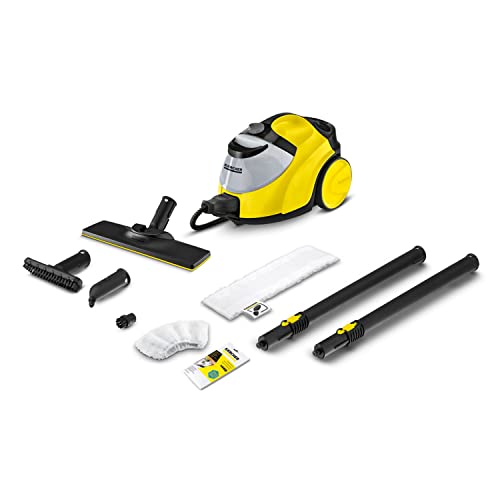
Steam cleaners for grout generally cost about £40-£430. Handheld models around £40-£90 suit a shower, splashback or occasional spot work when they include a pointed nozzle and replaceable nylon brushes. Canister cleaners around £100-£300 usually add adjustable output, a hose and a larger tank, while durable domestic or light-commercial systems can reach about £430.
Pay for control and usable tools before maximum pressure. A low-cost handheld is often enough for one bathroom; a larger system earns its price when a 1.5–2 m hose, longer steam sessions and easy brush replacement reduce refills, wrist strain and interruptions across several rooms.
The chart below shows the price distribution of steam cleaners suitable for grout.
[vertical-chart-13169225573673880647115703893468541649853878879989]
What else should you consider when choosing a steam cleaner for grout?
Consider the following when choosing a steam cleaner for grout:
- Joint condition: Steam-clean only grout that is intact and firmly bonded. Cracks, missing sections, loose sealant or signs of water penetration need repair first, because steam can expose an existing failure but cannot restore the joint.
- Pressure and control: Aim for roughly 3–5 bar with adjustable output or an on-demand trigger. Start lower on routine soap film and increase only when the grout, sealer and surrounding tile remain stable; a stronger jet is not a substitute for dwell time and brushing.
- Nozzle and brush fit: The jet tip and nylon brush should contact the joint without scraping the tile edges. Check the cost and availability of replacements, and avoid metal or very stiff bristles on polished finishes, soft grout or worn sealant.
- Machine format: A 200–500 ml handheld is convenient for a splashback or one shower, while roughly 1–2 litres or continuous refill suits large floors and several bathrooms. For wall work, balance the lighter body against shorter runtime and the effort of repeated refilling.
- Reach and handling: A hose around 1.5–2 m lets a canister remain on the floor while you work up a shower wall or along steps. If the main unit weighs 3–5 kg or more, wheels, a stable base and a carry handle make more difference than a small reduction in heat-up time.
- Surface compatibility: Test ceramic, porcelain, natural stone, painted trim and the grout sealer separately in an inconspicuous area. Stop if gloss, colour or joint material changes, and follow the surface maker's guidance where steam is restricted.
- Residue and maintenance: Work in short sections and wipe loosened dirt before it settles back into the joint. Descale the boiler as directed, rinse reusable tools and allow brushes and grout to dry before judging whether another pass is necessary.