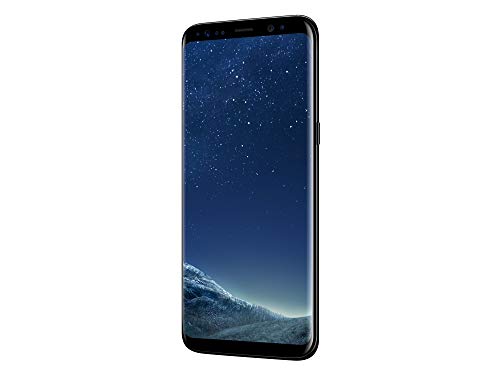
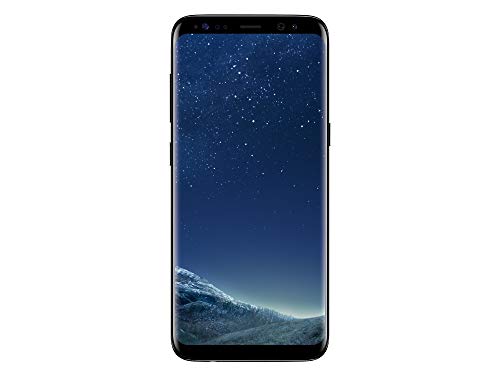
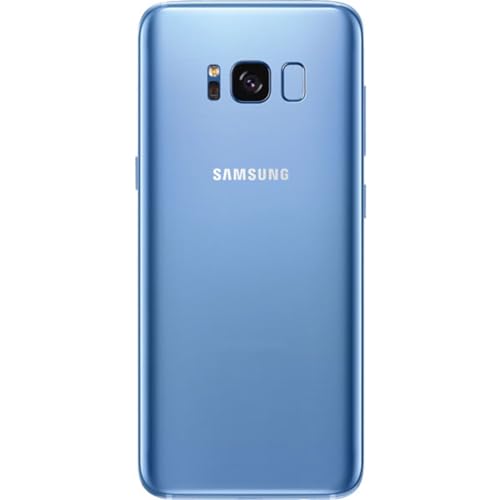
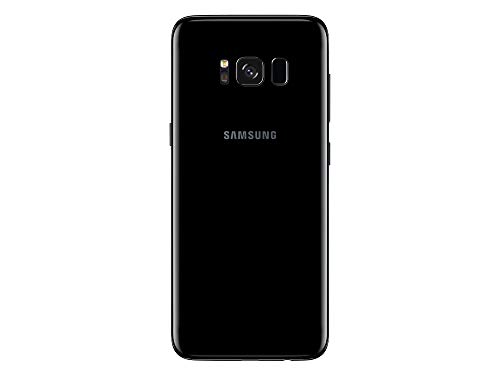
Samsung Galaxy S8+ (4GB + 64GB) review. Compare 197 technical specifications and user reviews to see how this product ranks in the Smartphones category and whether it is worth buying.
Overall score
What it is: An overall evaluation of the smartphone's quality, based on technical analyses and user reviews.
When it matters: When you need a quick reference to identify the best smartphones on the market.
Score components:
90.0%
Technical Score
10.0%
User score
Technical Score
What it is: An assessment of the smartphone's technical performance, covering eight key areas: performance & hardware, software, camera, connectivity, display, battery, audio, and design.
When it matters: When you want to compare smartphones based on technical performance and available features.
Score components:
25.0%
Performance & Hardware
18.0%
Camera
15.0%
Display
15.0%
Battery
10.0%
Software
10.0%
Connectivity
4.0%
Audio
3.0%
Design
User score
What it is: A rating that combines user reviews and the total number of reviews received by the smartphone
When it matters: When you want to know how a smartphone handles daily tasks and how reliable it remains over time according to user feedback.
Score components:
70.0%
User reviews
30.0%
Popularity
Available: ranking among products currently available (including other versions of this product).
All: ranking among all products in the database.
#55 in Best 6-Inch Smartphones
#99 in Best Samsung Phones
#810 in Best NFC Smartphones
#845 in Best Android Smartphones
#887 in Best AI Smartphones
#890 in Best Smartphones
What it is: An assessment of the smartphone's technical performance, covering eight key areas: performance & hardware, software, camera, connectivity, display, battery, audio, and design.
When it matters: When you want to compare smartphones based on technical performance and available features.
Score components:
25.0%
Performance & Hardware
18.0%
Camera
15.0%
Display
15.0%
Battery
10.0%
Software
10.0%
Connectivity
4.0%
Audio
3.0%
Design
What it is: A rating that combines user reviews and the total number of reviews received by the smartphone
When it matters: When you want to know how a smartphone handles daily tasks and how reliable it remains over time according to user feedback.
Score components:
70.0%
User reviews
30.0%
Popularity
What it is: An indicator that combines the smartphone's overall rating with its cost.
When it matters: When you are looking for a smartphone with a good balance between quality and price.
Score components:
60.0%
Overall score
40.0%
Price
Importance: LOW
Importance: HIGH
Importance: HIGH
Good value: >12 GB
Importance: MEDIUM
Good value: >256 GB
Importance: MEDIUM
Good value: >3.2 GHz
Importance: LOW
Importance: MEDIUM
Good value: >1500
Importance: LOW
Good value: >4000
Importance: LOW
Good value: 8+
Importance: LOW
Importance: LOW
Good value: >950 MHz
Importance: LOW
Good value: >700
Importance: LOW
Good value: >1000
Importance: LOW
Good value: >2500
Importance: MEDIUM
Good value: >6000
Importance: LOW
Good value: >8000
Importance: MEDIUM
Good value: >12000
Importance: LOW
Good value: >5000
Importance: LOW
Good value: >1800
Importance: LOW
Good value: >3200 MHz
Importance: LOW
Good value: 5
Importance: LOW
Good value: > 50 GB/s
Importance: LOW
Good value: 4
Importance: LOW
Good value: >16 GB
Importance: MEDIUM
Good value: <6 nm
Importance: MEDIUM
Good value: >9 W
Importance: LOW
Importance: LOW
Good value: >8192 KB
Importance: LOW
Good value: >2048 KB
Importance: LOW
Good value: >512 KB
Importance: LOW
Good value: >100000 million
Importance: LOW
Good value: 3.3
Importance: LOW
Good value: 3.2
Importance: LOW
Good value: 2.0/3.0
Importance: LOW
Importance: LOW
Importance: LOW
Importance: MEDIUM
Importance: LOW
Importance: LOW
Importance: LOW
Importance: LOW
Importance: LOW
Importance: LOW
Importance: LOW
Importance: LOW
Importance: LOW
Importance: LOW
Importance: LOW
Importance: LOW
Importance: LOW
Importance: LOW
Importance: LOW
Importance: LOW
Importance: LOW
Importance: LOW
Importance: LOW
Importance: LOW
Importance: LOW
Importance: LOW
Importance: LOW
Importance: LOW
Importance: LOW
Importance: LOW
Importance: LOW
Importance: LOW
Importance: LOW
Importance: LOW
Importance: LOW
Importance: LOW
Importance: LOW
Importance: MEDIUM
Good value: >50 MP
Importance: MEDIUM
Importance: HIGH
Good value: >60
Importance: LOW
Good value: ≥1.2 µm
Importance: MEDIUM
Good value: >2.5x
Importance: MEDIUM
Importance: LOW
Importance: LOW
Importance: LOW
Importance: LOW
Good value: ≥2
Importance: LOW
Importance: LOW
Importance: LOW
Importance: LOW
Good value: >16 MP
Importance: LOW
Importance: LOW
Importance: LOW
Importance: LOW
Importance: MEDIUM
Importance: LOW
Importance: LOW
Importance: LOW
Importance: LOW
Importance: LOW
Importance: LOW
Importance: LOW
Importance: LOW
Importance: LOW
Importance: LOW
Importance: LOW
Importance: LOW
Importance: LOW
Importance: LOW
Importance: LOW
Importance: LOW
Importance: LOW
Importance: LOW
Importance: LOW
Importance: LOW
Importance: LOW
Good value: >130
Importance: LOW
Good value: >120
Importance: LOW
Good value: ≥2
Importance: LOW
Importance: LOW
Importance: LOW
Importance: LOW
Importance: LOW
Importance: LOW
Good value: >5.2
Importance: LOW
Importance: LOW
Importance: LOW
Importance: LOW
Good value: 3.1/3.2
Importance: LOW
Importance: LOW
Importance: LOW
Good value: ≥2
Importance: LOW
Importance: LOW
Importance: LOW
Importance: LOW
Importance: LOW
Importance: LOW
Importance: LOW
Importance: LOW
Importance: LOW
Importance: LOW
Importance: LOW
Importance: LOW
Importance: LOW
Importance: LOW
Importance: LOW
Importance: LOW
Good value: ≥6.6 inches
Importance: MEDIUM
Importance: LOW
Good value: >400 ppi
Importance: MEDIUM
Importance: MEDIUM
Good value: ≥120 Hz
Importance: LOW
Importance: LOW
Good value: >300 Hz
Importance: LOW
Good value: >800 nits
Importance: LOW
Good value: >1300 nits
Importance: LOW
Good value: >1000 nits
Importance: LOW
Importance: LOW
Importance: LOW
Importance: LOW
Importance: LOW
Importance: LOW
Importance: LOW
Importance: LOW
Importance: HIGH
Good value: >5000 mAh
Importance: MEDIUM
Good value: >60 W
Importance: LOW
Importance: LOW
Good value: <45 min
Importance: LOW
Importance: LOW
Good value: >40 W
Importance: LOW
Importance: LOW
Good value: >10 W
Importance: LOW
Importance: LOW
Importance: MEDIUM
Importance: LOW
Good value: >800
Importance: LOW
Importance: LOW
Importance: LOW
Importance: LOW
Importance: LOW
Good value: ≥3
Importance: LOW
Importance: LOW
Importance: LOW
Importance: LOW
Importance: LOW
Importance: LOW
Importance: LOW
Good value: <162 mm
Importance: LOW
Good value: <75 mm
Importance: LOW
Good value: <8 mm
Importance: LOW
Good value: <190 g
Importance: LOW
Good value: <98cm³
Importance: LOW
Importance: LOW
Importance: LOW
Importance: LOW
Importance: LOW
Importance: LOW
Good value: ≥1.5 m
Importance: LOW
Importance: LOW
Good value: >8
Importance: LOW
Importance: LOW
Importance: MEDIUM
Importance: LOW
Importance: MEDIUM
Importance: LOW
Good value: ≥1.2 µm
Importance: LOW
Good value: >400 ppi
Importance: MEDIUM
Good value: >9 W
Importance: LOW
Importance: LOW
Importance: HIGH
Importance: MEDIUM
Good value: ≥120 Hz
Importance: MEDIUM
Good value: >256 GB
Importance: LOW
Importance: LOW
Good value: >950 MHz
Importance: MEDIUM
Good value: >50 MP
Importance: MEDIUM
Good value: >12000
Importance: HIGH
Good value: >5000 mAh
(Reviews last updated: August 2026)
The Samsung Galaxy S8 is lauded as a design masterpiece featuring an 83% screen-to-body ratio, a 3.5mm headphone jack, and high-quality AKG earphones, though its glass body attracts fingerprints and the rear fingerprint sensor is poorly placed. Powered by the Snapdragon 835, it delivers top-tier performance and gigabit-class LTE, but the Bixby assistant was found to be incomplete at launch and battery capacity remained stagnant. While the camera impresses with multi-frame processing and the iris scanner is noted, the latter can be finicky in sunlight and facial recognition is less secure.
The Consumer Reports review identifies the Samsung Galaxy S8 as a top-tier, high-performance device, praising its 5.8-inch "Infinity Display" for offering a large screen in a compact, manageable body. The 12-megapixel camera is highly rated for its low-light performance and color accuracy, while the device demonstrates excellent battery life and robust IP68 water resistance. However, the review notes significant cons, specifically citing the awkward, rear-mounted fingerprint scanner's placement next to the camera lens as a major usability flaw. The phone's design is described as slippery and fragile, with test results showing the screen is prone to breaking, and the Bixby voice assistant is deemed underdeveloped compared to alternatives. Overall, despite the ergonomic issues with the fingerprint scanner and the fragile glass design, the S8 is ranked among the best smartphones due to its superior display, camera, and performance.
The Android Authority review praises the Samsung Galaxy S8 Plus for its 6.2-inch "Infinity Display" and refined, ergonomic design, making it a top contender for its time. Powered by the Snapdragon 835 or Exynos 8895 with 4GB of RAM, the device delivers high-end performance, complemented by an excellent 12MP camera, IP68 water resistance, and included AKG headphones. Key cons identified include the inconvenient placement of the rear fingerprint scanner next to the camera, which leads to smudges, and the lack of a remappable Bixby button for the unpolished assistant software. Additionally, the phone's fragile all-glass construction necessitates a case, and it relies on a single bottom-firing speaker rather than stereo sound. Overall, the S8 Plus is lauded for its immersive display, solid battery life offering 4–5 hours of screen-on time, and fast, reliable performance. Despite the ergonomic issues, it is considered a premium, feature-packed flagship.
In a 2017 review, Time hails the Samsung Galaxy S8 as a stunning,,, "culmination of years of effort" that effectively rehabilitates the brand's image. Key pros include the immersive "Infinity Display," a premium, lightweight design, and a cleaner software experience. While praised for its impressive battery life, the review notes the awkward placement of the fingerprint scanner and the "half-baked" Bixby assistant as significant drawbacks. Despite these issues, the S8 is positioned as a compelling, top-tier choice due to its superior camera and screen technology.
In a 2017 review for The Verge, the Samsung Galaxy S8 and S8 Plus are described as a "triumph of design" that effectively rehabilitated Samsung's reputation with a stunning "Infinity Display" and, at the time, top-tier hardware. The device is highly praised for its comfortable, compact form factor and premium build, though the awkwardly placed, smudge-prone rear fingerprint sensor and underwhelming Bixby assistant are noted as significant cons. Despite these flaws and average battery life, the review concludes the S8 was the best Android phone available at launch, offering an unmatched combination of screen, performance, and, notably, a 3.5mm headphone jack.
Stuff.tv reviews the Samsung Galaxy S8 Plus, highlighting its 6.2-inch "Infinity Display" with an 18.5:9 aspect ratio as a key feature that allows for a large screen in a slender body. The review praises the vibrant Super AMOLED panel for its inky blacks and HDR support, making it excellent for mobile media consumption. The phone's elegant, nearly bezel-less design, exceptional screen quality, improved battery life, IP68 water resistance, capable camera, and 3.5mm headphone jack are considered pros. However, cons include a poorly positioned fingerprint sensor, the difficulty of one-handed use due to its size, the adjustment needed for the lack of a physical home button, and the fragility of the all-glass design.
The TechSpot review describes the Samsung Galaxy S8+ as having a "stunning" nearly bezel-less design with an Infinity Display, though its glass construction is noted as being a "fingerprint magnet" and fragile. It features a vibrant Super AMOLED display and strong internal specifications with 4GB RAM and expandable storage, but the Exynos processor version may throttle performance during intensive tasks. While the UI is cleaner, Bixby is considered underwhelming, the fingerprint sensor placement is awkward, and battery life is described inconsistently as both "great" and "mediocre".
According to a ZDNET review, after one month of use, the Samsung Galaxy S8 Plus is considered a top smartphone for work and play, highlighting its 6.2-inch Infinity Display and design featuring Gorilla Glass 5 and a Snapdragon 835 processor. Business-focused pros include the Samsung DeX desktop experience, Always On Display, IP68 water resistance, and Samsung's own productivity apps, alongside Samsung Pay with MST and the Gear VR/Gear S3 ecosystem. However, cons noted are the mono bottom-firing speaker and battery life that trails the iPhone 7 Plus, with the Bixby voice assistant's effectiveness unproven at the time due to a delayed launch and the fingerprint sensor placement being a minor ergonomic issue. Samsung Galaxy S8+ 64GB Black Unlocked Smartphone Sealed. Samsung. Black. Mobile & Smart Phones. 8806088708942.£142.504.6(9.5k)iPhone 7 Plus + 256GB / Matte Black£128.78($239.39)
The Samsung Galaxy S8 Plus features a highly-rated "Infinity Display" and premium design with IP68 water resistance, retaining the headphone jack. However, its glass construction is fragile, biometric security features like the fingerprint scanner and facial recognition are flawed, and the Bixby voice assistant was underdeveloped at launch. The device offers powerful performance, excellent camera quality particularly in low light, and reliable battery life with fast charging.
According to a Mashable review, the Samsung Galaxy S8+ is a well-designed phone featuring a 6.2-inch "Infinity Display" and powerful internal components like the Qualcomm Snapdragon 835 chip and 4GB of RAM. Pros include all-day battery life, fast wireless charging, and included Harman AKG earphones, while cons include a misplaced fingerprint sensor, a rear camera similar to the previous model, and less secure facial recognition.
PCMag describes the Samsung Galaxy S8+ as a highly capable Android phone with a stunning design and top components, essentially a larger S8 with a bigger battery and less manageable form factor. Pros include its exceptional 6.2-inch "Infinity Display" and smooth performance from the Snapdragon 835 processor and 4GB RAM, while the 12MP rear camera performs well, particularly in low light. Key features like IP68 water resistance, a microSD slot, fast and wireless charging, and a 3.5mm headphone jack are also noted. Cons include the single-lens rear camera lacking optical zoom or portrait mode, the inconveniently placed fingerprint sensor next to the camera lens, an unready Bixby at launch, and the potentially unwieldy large size.
CNET describes the Samsung Galaxy S8 Plus as a high-performance device with an industry-leading display, noting its sleek design fits a large screen into a manageable body despite some usability issues. Pros include the stunning 6.2-inch curved "Infinity Display", powerful processor, great camera, solid battery life, IP68 water resistance, a headphone jack, and expandable storage. Cons include the awkwardly placed fingerprint sensor, the "half-baked" Bixby assistant at launch, the fragile all-glass body, and issues with app/video aspect ratio compatibility.
The FAZ review spotlights the "Infinity Display" as the defining, futuristic feature of the Samsung Galaxy S8 and S8 Plus, praising the near-bezel-less design that packs large 5.8-inch and 6.2-inch screens into compact bodies. Key advantages highlighted include the stunning Super AMOLED display quality, IP68 water resistance, the retained 3.5mm headphone jack, and a fast, reliable 12-megapixel rear camera. Conversely, the review identifies critical drawbacks, most notably the awkward, high placement of the rear fingerprint scanner, the fragile all-glass construction, and the polarizing, often obstructive, dedicated Bixby button. For more details, visit FAZ.
The ComputerBase review of the Samsung Galaxy S8+ highlights the 6.2-inch "Infinity Display" and superior build quality as defining, high-end features, offering a nearly bezel-less, ergonomic design. Powered by the Exynos 8895, the device delivers high performance, complemented by a polished software experience, a refined camera, and functional, future-proof features like DeX. Key drawbacks include the poorly positioned rear fingerprint scanner, a frustratingly non-customizable Bixby button, and increased fragility due to its all-glass construction.
The Samsung Galaxy S8+ review from Verivox highlights its 6.2-inch Infinity Display as a design triumph, featuring an 18.5:9 aspect ratio and curved edges that make the large phone surprisingly manageable. It excels with top-tier performance from the Exynos 8895/Snapdragon 835, a superior 12-megapixel rear camera, and high-end features like IP68 water resistance. Key drawbacks include an awkwardly positioned, smudge-prone rear fingerprint sensor, a "half-baked" Bixby assistant, and a 3,500mAh battery that struggles under heavy usage.
The PC-WELT review highlights the Samsung Galaxy S8 as a design milestone featuring a 5.8-inch Super AMOLED "Infinity Display" with an 18.5:9 aspect ratio, which eliminates the traditional home button. While praised for its modern, near-bezel-less aesthetic and high-quality display, the design shifts the fingerprint sensor to an awkward, smudge-prone spot next to the camera. Internally, the phone offers strong performance via the Snapdragon 835/Exynos 8895, supplemented by features like IP68 water resistance and the Samsung DeX desktop mode, though the camera hardware remains largely unchanged from the previous model.
The Samsung Galaxy S8+ is a high-performance flagship featuring an impressive 6.2-inch Infinity Display, superior build quality, and a powerful processor. Its design is highly praised for its elegance, alongside solid, smooth performance across various applications. Critically, the review highlights the poorly positioned, inconvenient fingerprint scanner next to the camera lens. Other cons include the initially non-functional Bixby AI assistant and an underwhelming, only average, battery life, despite the device's large size. Positive, versatile aspects include the high-quality AKG-branded earbuds and the innovative DeX station functionality. Despite the camera being only an incremental upgrade from its predecessor, the overall package delivers high-end performance.
The Samsung Galaxy S8 is highly acclaimed by Les Numériques for its 5.8-inch "Infinity Display," offering exceptional brightness and color accuracy, paired with an elegant, compact design. Performance is top-tier with the Exynos 8895, while the camera remains excellent in low light, alongside practical features like IP68 water resistance. However, the review highlights drawbacks, specifically the inconveniently placed rear fingerprint sensor, underwhelming Bixby integration, and average battery life. Les Numé
The 01net review praises the Samsung Galaxy S8 Plus for its 6.2-inch Infinity Display, which provides an immersive, vibrant, and bright visual experience within a manageable frame. Performance is top-tier thanks to the Exynos 8895 processor, while the 3,500 mAh battery delivers excellent, long-lasting autonomy. 01net.comKey drawbacks highlighted include the awkward, high-placed rear fingerprint sensor, which often causes users to smudge the camera lens. Additionally, the Bixby AI assistant feels underdeveloped, and the 18.5:9 aspect ratio requires content optimization to avoid black bars. 01net.comOverall, the device is lauded for its impressive display and battery, despite the ergonomic flaws and Bixby's limited functionality.
The Samsung Galaxy S8 Plus features a 6.2-inch "Infinity Display" with an 18.5:9 aspect ratio, delivering exceptional brightness and contrast in a surprisingly ergonomic, sleek design. Pros include top-tier performance from the Exynos 8895 chip, a highly capable 12-megapixel rear camera with excellent low-light capabilities, IP68 water resistance, and the retention of the 3.5mm headphone jack. Key drawbacks highlighted in the review include the poor placement of the fingerprint sensor, which is positioned awkwardly next to the camera lens and prone to causing smudges. Furthermore, the 3500mAh battery provides only average endurance, while the Bixby assistant was found to be underdeveloped at launch, and the all-glass construction requires a protective case. Despite these issues, the S8 Plus is considered an industry-leading device for users prioritizing an immersive screen experience.
The Europe 1 review positions the Samsung Galaxy S8 as a high-performance device, characterized by its "Infinity Display" that offers an immersive 5.8-inch screen within a compact body. Pros include the vibrant QHD+ resolution, exceptional brightness, and a design that outpaces competitors, along with a fast f/1.7 lens that excels in low-light conditions. Conversely, the review identifies significant cons, notably the awkward rear fingerprint sensor placement that leads to smudging, and the "half-baked" Bixby assistant, which is hindered by a dedicated, often bothersome button. While the S8 boasts advanced features like Bluetooth 5.0 and the DeX desktop station, the 3,000 mAh battery is described as only adequate for a full day of heavy usage. The review concludes that despite its limitations in ergonomics and battery life, the S8 remains a landmark phone.
In its 2017 review, Journal du Geek hails the Samsung Galaxy S8 and S8+ as a major design leap featuring the "Infinity Display" and an 18.5:9 aspect ratio, which allows for large 5.8-inch and 6.2-inch screens in compact bodies. The premium glass-and-metal construction and minimized bezels are highlighted as key design advantages. Journal du GeekTechnically, the review praises the AMOLED panels for vibrant, HDR-certified visuals and the Exynos 8895 chipset for delivering top-tier, fluid performance. Additionally, the 12MP camera is considered a standout for its rapid dual-pixel autofocus and improved low-light noise reduction, while features like the headphone jack and IP68 water resistance are deemed significant pros. Journal du GeekHowever, the review cites the poorly positioned, high-mounted fingerprint sensor as a major ergonomic flaw, often leading to smudges. Other cons include, at the time of review, an incomplete Bixby assistant with a redundant physical button, and merely average battery life for both models. Journal du Geek
The Samsung Galaxy S8+ features a 6.2-inch "Infinity Display" with an 18.5:9 aspect ratio, offering superior build quality and ergonomics despite its size. Performance is a key pro, driven by the Exynos 8895 chipset, which ensures smooth operation for games and media. The device also boasts a fast 12MP camera, producing excellent image quality, along with high-quality AKG-tuned earphones. nextpitHowever, the phone suffers from a major design drawback: the awkwardly placed, hard-to-reach fingerprint scanner, which often leads to smudged camera lenses. Additionally, the 3500 mAh battery offers only average, single-day endurance, and the initial, incomplete state of the Bixby AI assistant was criticized. These factors, combined with a high launch price, limited the device's overall,, rating.
The Fnac Labo review highlights the Samsung Galaxy S8+ as a design "masterpiece," centered on its 6.2-inch Infinity Display, which boasts a nearly bezel-less 18.5:9 aspect ratio, vibrant color reproduction, and impressive brightness. Key advantages include the Exynos 8895 processor delivering high-end performance, an exceptional 12-megapixel camera with fast Dual Pixel autofocus, and retained features like IP68 water resistance and a 3.5mm headphone jack. L'É Despite these strengths, the review notes significant ergonomic flaws, specifically the inconvenient placement of the fingerprint sensor next to the camera lens. Furthermore, while the battery life is considered decent, it is only average compared to the previous model, and the device's heavy use of glass makes it fragile. Finally, the Bixby assistant is criticized for being underdeveloped compared to competitors at launch.
According to Frandroid, the Samsung Galaxy S8 Plus stands out for its 6.2-inch "Infinity Display," boasting an 84% screen-to-body ratio and a comfortable 18.5:9 aspect ratio, with a Super AMOLED panel reaching over 1,000 nits brightness. Performance is high-end thanks to the Exynos 8895, while the 3500 mAh battery delivers excellent, improved endurance, and the 12MP f/1.7 camera produces sharp images. Major drawbacks noted include the awkwardly placed rear fingerprint sensor, the high price, and a fragile, smudge-prone all-glass design.
The CNET France review highlights the Samsung Galaxy S8 Plus as an "XXL" version of the standard model, centered around an immersive 6.2-inch curved Super AMOLED Infinity Display. Featuring an Exynos 8895 processor and a 3,500mAh battery, the device offers top-tier performance, excellent camera quality, IP68 waterproofing, and a headphone jack. However, the, review notes significant drawbacks, including the awkward rear-mounted fingerprint scanner, a fragile all-glass design, and an underdeveloped Bixby assistant. CNET France
The Xataka review hails the Samsung Galaxy S8 as a revolutionary device featuring an "Infinity Display" that redefines design through a nearly bezel-less, curved Super AMOLED panel and the removal of the physical home button. While the compact, ergonomic, glass-and-metal construction is highly praised, the phone's "imperfect" nature is highlighted by the poor, smudge-prone placement of the rear fingerprint sensor. Although performance remains strong, the 3,000mAh battery is deemed average, frequently necessitating software optimizations to last a full day. Finally, the 12MP camera offers solid, albeit evolutionary, performance, while the new Bixby assistant and its dedicated button are criticized as half-baked.
The Samsung Galaxy S8, reviewed by Xataka, marks a significant design shift with its "Infinity Display," featuring drastically reduced bezels and a 5.8-inch Super AMOLED screen that offers excellent ergonomics. The device boasts a premium glass-and-metal build, IP68 water resistance, and a reliable 12MP camera, while retaining practical features like a 3.5mm headphone jack. However, the phone is hindered by the poor, smudge-prone placement of the fingerprint sensor and a non-removable Bixby button. Additionally, despite a 3,000 mAh battery, the software still requires further optimization to eliminate occasional lags.
The Samsung Galaxy S8+ is defined by its 6.2-inch "Infinity Display," featuring minimal bezels and a high screen-to-body ratio that offers an immersive viewing experience, backed by the strong performance of the Exynos 8895 processor. While praised for its premium glass-and-metal design, excellent camera quality, and inclusion of AKG headphones, the device faces ergonomic criticism due to the awkward, smudge-prone placement of the rear fingerprint sensor. Additional drawbacks highlighted in the review include the high fragility of the all-glass body, the intrusive nature of the dedicated Bixby button, and the lack of stereo speakers. For more details, visit MovilZona.
The ComputerHoy review highlights the Samsung Galaxy S8's 5.8-inch Infinity Display and refined, bezel-less design as major pros, offering an immersive, high-brightness experience. While praised for its performance, the device features a highly fragile glass build and a rear-mounted fingerprint sensor that is awkward to reach. Other notable features include IP68 water resistance, a headphone jack, and an advanced, albeit early, Bixby AI assistant. For the full, detailed analysis, visit ComputerHoy.
The Samsung Galaxy S8 introduces a 5.8-inch "Infinity Display" with an 18.5:9 aspect ratio, boasting premium build quality and an ergonomic design despite the glass back being a fingerprint magnet and the fingerprint sensor's awkward placement. Performance is driven by the Exynos 8895 processor, delivering a fluid experience, though the Bixby assistant is deemed incomplete and the biometric options (iris/face) can be inconsistent. Featuring an excellent 12MP camera, the device is held back by a merely adequate 3,000 mAh battery and a high price point. The review provides detailed insights at NextGenTech.
The Samsung Galaxy S8/S8+ marks a significant design evolution with its "Infinity Display," a nearly bezel-free Super AMOLED screen that eliminates physical buttons. Key positives include a comfortable 18.5:9 aspect ratio, high-performance Exynos 8895 processor, and an exceptional 12MP camera with enhanced low-light, alongside a 3.5mm headphone jack and IP68 water resistance. Conversely, the review identifies drawbacks like the poorly placed rear fingerprint sensor, inconsistent iris scanner, underwhelming 3,000 mAh battery on the smaller model, and an immature Bixby assistant. Watch the original video review on the Corriere della Sera website.
The Everyeye.it review describes the Samsung Galaxy S8 as a successful comeback for the company, driven by its innovative borderless Infinity Display and curved Super AMOLED screen, which redefined smartphone aesthetics. Key strengths include the stunning display quality, a highly refined camera, and powerful performance, all housed in a premium, manageable build. Conversely, the device is criticized for its awkwardly placed rear fingerprint sensor, the undeveloped Bixby assistant, high launch price, and the fragility of its all-glass construction.
The Samsung Galaxy S8 is recognized for its "Infinity Display," featuring a 5.8-inch curved AMOLED screen with an 18.5:9 aspect ratio, resulting in a compact, ergonomic design. Key pros include exceptional display brightness, the retention of the 3.5mm headphone jack, and high-quality AKG earbuds. It boasts strong performance with modern processors, along with top-tier camera capabilities, IP68 water resistance, and DeX station support. Despite these strengths, the device has notable cons, specifically the inconvenient, smudge-prone placement of the fingerprint sensor next to the camera lens. Its glass-on-glass construction makes it fragile and prone to damage. Furthermore, the 3,000 mAh battery struggles to last a full day at maximum resolution, and the Bixby assistant is considered underdeveloped compared to Google Assistant. For a detailed review, you can consult the original article on DDay.it.
The TuttoAndroid review highlights the Samsung Galaxy S8 Plus as a design milestone featuring a 6.2-inch "Infinity Display" with excellent brightness, QHD+ resolution, and a 18.5:9 aspect ratio. A major pro is the futuristic, ergonomic design, though the awkwardly placed fingerprint scanner, which causes frequent smudges, is a significant con. Performance is deemed "buttery smooth" thanks to the Exynos 8895, while the 3,500 mAh battery provides solid all-day longevity. The 12MP camera remains top-tier in low-light situations, though it lacked a dual-lens setup. The all-glass build, while premium, poses a durability risk as a notable con. The "Samsung Experience" software is praised for being modern and efficient, including useful features like the Always-On Display. However, the inclusion of Bixby—which was underdeveloped and lacked key voice features at launch—is considered a major software drawback.
The GalaxyClub.nl review highlights the Samsung Galaxy S8 Plus as a design milestone featuring a 6.2-inch Super AMOLED "Infinity Display" that remains relatively narrow despite its size. Key positives include top-tier performance from the Exynos 8895 processor, a 12MP dual-pixel camera, IP68 water resistance, and the retention of a 3.5mm headphone jack. Conversely, the review identifies the awkwardly placed, hard-to-reach fingerprint sensor and the unnecessary dedicated Bixby button as major drawbacks. Additionally, potential users are cautioned regarding the device's high launch price and overall fragility due to its all-glass construction.
The Androidworld.nl review praises the Samsung Galaxy S8 for its revolutionary "Infinity Display" and premium, compact, bezel-less design. Key strengths include the vibrant Super AMOLED screen, high-end Exynos 8895 performance, excellent low-light camera capabilities, IP68 water resistance, and the retention of a 3.5mm headphone jack. However, the review criticizes the "idiotic" placement of the fingerprint sensor, which frequently causes camera lens smudging. Other downsides include the lackluster, "half-baked" Bixby assistant with an unmappable button, and subpar battery life that struggles with the high-resolution display settings. Overall, the device is considered a design triumph with some ergonomic and functional flaws.
The Samsung Galaxy S8 and S8+ are defined by their "Infinity Display," offering a large, curved screen within a sleek, modern body. Key pros highlighted include the superb build quality, excellent screen, standard 64GB storage, and IP68 water resistance. However, the design makes the phones fragile and prone to fingerprints, with a major con being the awkward, smudge-prone placement of the fingerprint scanner. Performance is reliable, with a fast camera and generally smooth user experience, although the Bixby assistant felt unfinished at launch. While the battery life is considered good, it is not deemed exceptional compared to its predecessor. Overall, the review finds the S8 series a "faithful" and visually appealing device, despite requiring careful handling due to its construction.
The Galaxy S8 Plus features a 6.2-inch "Infinity Display" and a compact design, with a 3500mAh battery providing good endurance and a top-tier camera. The device includes premium features like 64GB storage, microSD support, and various security options. However, the rear fingerprint sensor is poorly placed, leading to smudges, and the glass body is fragile. For more details, visit GalaxyClub.nl.
The Samsung Galaxy S8+ is characterized by its 6.2-inch Infinity Display, offering a visually striking, narrow design with a stunning QHD+ Super AMOLED panel. While the design is a highlight, the glass body is noted as a fingerprint magnet, and the fingerprint scanner's placement next to the camera is criticized as awkward. Performance is driven by the Exynos 8895 processor, complemented by a refined software interface and a high-performing camera that excels in low-light conditions. The device is considered a high-end powerhouse with good battery life, though the Bixby button is seen as limited and the price point is high.
The Samsung Galaxy S8 Plus features a 6.2-inch "Infinity Display" with a bezel-less, 18.5:9 aspect ratio design that offers an excellent, compact, and modern feel, though the rear-mounted fingerprint sensor is considered poorly placed and difficult to reach. Powered by an Exynos 8895 processor and the cleaner "Samsung Experience" software, the device offers top-tier, smooth performance, but the 3500mAh battery raised some concerns regarding longevity for heavy users. While the camera continues to deliver exceptional low-light performance and fast autofocus, the device's high price and fragile, all-glass construction are notable downsides to consider.

Compare