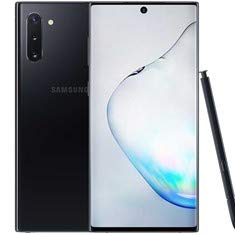
Samsung Galaxy Note 10 (8GB + 256GB) review. Compare 197 technical specifications and user reviews to see how this product ranks in the Smartphones category and whether it is worth buying.
Overall score
What it is: An overall evaluation of the smartphone's quality, based on technical analyses and user reviews.
When it matters: When you need a quick reference to identify the best smartphones on the market.
Score components:
90.0%
Technical Score
10.0%
User score
Technical Score
What it is: An assessment of the smartphone's technical performance, covering eight key areas: performance & hardware, software, camera, connectivity, display, battery, audio, and design.
When it matters: When you want to compare smartphones based on technical performance and available features.
Score components:
25.0%
Performance & Hardware
18.0%
Camera
15.0%
Display
15.0%
Battery
10.0%
Software
10.0%
Connectivity
4.0%
Audio
3.0%
Design
User score
What it is: A rating that combines user reviews and the total number of reviews received by the smartphone
When it matters: When you want to know how a smartphone handles daily tasks and how reliable it remains over time according to user feedback.
Score components:
70.0%
User reviews
30.0%
Popularity

#144 (#79) in Best Samsung Phones
#291 (#231) in Best Camera Smartphones
#623 (#260) in Best Wireless Charging Smartphones
#1082 (#852) in Best Battery Life Smartphones
What it is: An assessment of the smartphone's technical performance, covering eight key areas: performance & hardware, software, camera, connectivity, display, battery, audio, and design.
When it matters: When you want to compare smartphones based on technical performance and available features.
Score components:
25.0%
Performance & Hardware
18.0%
Camera
15.0%
Display
15.0%
Battery
10.0%
Software
10.0%
Connectivity
4.0%
Audio
3.0%
Design
What it is: A rating that combines user reviews and the total number of reviews received by the smartphone
When it matters: When you want to know how a smartphone handles daily tasks and how reliable it remains over time according to user feedback.
Score components:
70.0%
User reviews
30.0%
Popularity
What it is: An indicator that combines the smartphone's overall rating with its cost.
When it matters: When you are looking for a smartphone with a good balance between quality and price.
Score components:
60.0%
Overall score
40.0%
Price
Importance: LOW
Importance: HIGH
Importance: HIGH
Good value: >12 GB
Importance: MEDIUM
Good value: >256 GB
Importance: MEDIUM
Good value: >3.2 GHz
Importance: LOW
Importance: MEDIUM
Good value: >1500
Importance: LOW
Good value: >4000
Importance: LOW
Good value: 8+
Importance: LOW
Importance: LOW
Good value: >950 MHz
Importance: LOW
Good value: >700
Importance: LOW
Good value: >1000
Importance: LOW
Good value: >2500
Importance: MEDIUM
Good value: >6000
Importance: LOW
Good value: >8000
Importance: MEDIUM
Good value: >12000
Importance: LOW
Good value: >5000
Importance: LOW
Good value: >1800
Importance: LOW
Good value: >3200 MHz
Importance: LOW
Good value: 5
Importance: LOW
Good value: > 50 GB/s
Importance: LOW
Good value: 4
Importance: LOW
Good value: >16 GB
Importance: MEDIUM
Good value: <6 nm
Importance: MEDIUM
Good value: >9 W
Importance: LOW
Importance: LOW
Good value: >8192 KB
Importance: LOW
Good value: >2048 KB
Importance: LOW
Good value: >512 KB
Importance: LOW
Good value: >100000 million
Importance: LOW
Good value: 3.3
Importance: LOW
Good value: 3.2
Importance: LOW
Good value: 2.0/3.0
Importance: LOW
Importance: LOW
Importance: LOW
Importance: MEDIUM
Importance: LOW
Importance: LOW
Importance: LOW
Importance: LOW
Importance: LOW
Importance: LOW
Importance: LOW
Importance: LOW
Importance: LOW
Importance: LOW
Importance: LOW
Importance: LOW
Importance: LOW
Importance: LOW
Importance: LOW
Importance: LOW
Importance: LOW
Importance: LOW
Importance: LOW
Importance: LOW
Importance: LOW
Importance: LOW
Importance: LOW
Importance: LOW
Importance: LOW
Importance: LOW
Importance: LOW
Importance: LOW
Importance: LOW
Importance: LOW
Importance: LOW
Importance: LOW
Importance: LOW
Importance: MEDIUM
Good value: >50 MP
Importance: MEDIUM
Importance: HIGH
Good value: >60
Importance: LOW
Good value: ≥1.2 µm
Importance: MEDIUM
Good value: >2.5x
Importance: MEDIUM
Importance: LOW
Importance: LOW
Importance: LOW
Importance: LOW
Good value: ≥2
Importance: LOW
Importance: LOW
Importance: LOW
Importance: LOW
Good value: >16 MP
Importance: LOW
Importance: LOW
Importance: LOW
Importance: LOW
Importance: MEDIUM
Importance: LOW
Importance: LOW
Importance: LOW
Importance: LOW
Importance: LOW
Importance: LOW
Importance: LOW
Importance: LOW
Importance: LOW
Importance: LOW
Importance: LOW
Importance: LOW
Importance: LOW
Importance: LOW
Importance: LOW
Importance: LOW
Importance: LOW
Importance: LOW
Importance: LOW
Importance: LOW
Importance: LOW
Good value: >130
Importance: LOW
Good value: >120
Importance: LOW
Good value: ≥2
Importance: LOW
Importance: LOW
Importance: LOW
Importance: LOW
Importance: LOW
Importance: LOW
Good value: >5.2
Importance: LOW
Importance: LOW
Importance: LOW
Importance: LOW
Good value: 3.1/3.2
Importance: LOW
Importance: LOW
Importance: LOW
Good value: ≥2
Importance: LOW
Importance: LOW
Importance: LOW
Importance: LOW
Importance: LOW
Importance: LOW
Importance: LOW
Importance: LOW
Importance: LOW
Importance: LOW
Importance: LOW
Importance: LOW
Importance: LOW
Importance: LOW
Importance: LOW
Importance: LOW
Good value: ≥6.6 inches
Importance: MEDIUM
Importance: LOW
Good value: >400 ppi
Importance: MEDIUM
Importance: MEDIUM
Good value: ≥120 Hz
Importance: LOW
Importance: LOW
Good value: >300 Hz
Importance: LOW
Good value: >800 nits
Importance: LOW
Good value: >1300 nits
Importance: LOW
Good value: >1000 nits
Importance: LOW
Importance: LOW
Importance: LOW
Importance: LOW
Importance: LOW
Importance: LOW
Importance: LOW
Importance: LOW
Importance: HIGH
Good value: >5000 mAh
Importance: MEDIUM
Good value: >60 W
Importance: LOW
Importance: LOW
Good value: <45 min
Importance: LOW
Importance: LOW
Good value: >40 W
Importance: LOW
Importance: LOW
Good value: >10 W
Importance: LOW
Importance: LOW
Importance: MEDIUM
Importance: LOW
Good value: >800
Importance: LOW
Importance: LOW
Importance: LOW
Importance: LOW
Importance: LOW
Good value: ≥3
Importance: LOW
Importance: LOW
Importance: LOW
Importance: LOW
Importance: LOW
Importance: LOW
Importance: LOW
Good value: <162 mm
Importance: LOW
Good value: <75 mm
Importance: LOW
Good value: <8 mm
Importance: LOW
Good value: <190 g
Importance: LOW
Good value: <98cm³
Importance: LOW
Importance: LOW
Importance: LOW
Importance: LOW
Importance: LOW
Importance: LOW
Good value: ≥1.5 m
Importance: LOW
Importance: LOW
Good value: >8
Importance: LOW
Importance: LOW
Importance: HIGH
Good value: >60
Importance: LOW
Importance: MEDIUM
Good value: >2.5x
Importance: LOW
Good value: ≥1.2 µm
Importance: LOW
Good value: >512 KB
Importance: MEDIUM
Good value: >9 W
Importance: LOW
Good value: 5
Importance: LOW
Good value: ≥3
Importance: MEDIUM
Good value: ≥120 Hz
Importance: LOW
Importance: LOW
Importance: LOW
Importance: LOW
Good value: ≥6.6 inches
Importance: LOW
Importance: LOW
Good value: >16 GB
Importance: LOW
What it is: An overall evaluation of the smartphone's quality, based on technical analyses and user reviews.
When it matters: When you need a quick reference to identify the best smartphones on the market.
no rating assigned
?The Samsung Galaxy Note 10, reviewed by SamMobile, is designed as a compact flagship featuring a 6.3-inch Dynamic AMOLED display, top-tier performance with Exynos 9825/Snapdragon 855 processors, and refined One UI. Key pros include the S Pen with Air Actions, a versatile triple-camera setup with Live Focus video, fast 25W charging, and a premium design. Compromises against the Note...Read more
no rating assigned
?Digital Trends reviewed the Samsung Galaxy Note 10, highlighting its compact design suitable for one-handed use and its bright 6.3-inch Dynamic AMOLED display. However, the review notes several compromises compared to the larger Note 10 Plus, including a lower 1080p resolution, removal of the microSD card slot and headphone jack, and a smaller 3,500mAh battery. While powered by a...Read more
no rating assigned
?PCMag reviewed the Samsung Galaxy Note 10, highlighting its appeal for users prioritizing the S Pen and a compact design over the Note 10+'s extra features, but noting significant compromises compared to other flagship phones. Pros included high performance from the Snapdragon 855 processor (US model), a vibrant 6.3-inch Dynamic AMOLED screen, and an effective triple camera system,...Read more
no rating assigned
?According to Tom's Guide, the Samsung Galaxy Note 10 is a compact phablet with an attractive design and a bright, sharp display, although the "Aura Glow" color is a fingerprint magnet. The device offers swift performance with its Snapdragon 855 processor and features new S Pen "Air Actions" gestures, but software issues like cumbersome handwriting conversion and laggy DeX for PC are...Read more
no rating assigned
?CNET reviews the Samsung Galaxy Note 10 as the best all-around Galaxy phone at the time of review, citing its balance of compact size, price, and feature set. Pros include a gorgeous design, Snapdragon 855 processor, standard features like fast charging and IP68 water resistance, and the S Pen stylus with new Air Gestures. Cons involve the lack of a microSD card slot and 3.5mm...Read more
no rating assigned
?The GalaxyClub.nl review characterizes the Samsung Galaxy Note 10 as a compact flagship, praised for its slim, lightweight design and a stunning 6.3-inch Dynamic AMOLED display. Key advantages include the versatile S Pen with Bluetooth "Air Actions" and a high-end, premium feel that sets it apart from larger phones. Conversely, the device faces criticism for removing the 3.5mm...Read more
no rating assigned
?The Samsung Galaxy Note 10 redefines the flagship Note series by offering a compact, 6.3-inch design featuring a premium Dynamic AMOLED display. Performance is driven by a Snapdragon 855 processor, supported by the versatile S Pen with Air Actions, and a capable triple-camera system. Key drawbacks include the removal of the 3.5mm headphone jack, lack of microSD storage, a smaller...Read more
no rating assigned
?The Samsung Galaxy Note 10 features a compact design, a 6.3-inch FHD+ AMOLED display, and a centered punch-hole camera. Pros include powerful performance with a top-tier chipset, 8GB of RAM, and an S Pen with enhanced "Air Actions". Additionally, the versatile triple-camera system provides consistent, high-quality results. Tom' However, key cons include the removal of both the 3.5mm...Read more
no rating assigned
?The Samsung Galaxy Note 10 is highlighted for its compact, ergonomic design featuring a 6.3-inch display with minimal bezels and a punch-hole camera. Pros include the refined S Pen with "Air Actions" gesture controls, high-end performance via the Snapdragon 855/Exynos 9825 chipset, and 8GB of RAM. Tom' However, the smaller footprint involves compromises, such as the removal of the...Read more
no rating assigned
?The Heise review identifies the Samsung Galaxy Note 10 as a compact, stylus-equipped flagship favoring ergonomic usability with a 6.3-inch AMOLED display and a premium design. Performance, driven by the Exynos 9825, is solid, though the device lacks a 3.5mm headphone jack and microSD slot. While praised for its S Pen features and fast charging, the 3,500 mAh battery delivers only...Read more
no rating assigned
?The NextPit review of the Samsung Galaxy Note 10 highlights a shift toward a more compact, ergonomic design featuring a vibrant AMOLED display and improved S Pen functionality. Powered by the Exynos 9825, the device delivers fluid performance and a capable triple-camera system, although it falls slightly short of competitors in low-light and zoom capabilities. Despite these...Read more
no rating assigned
?The Hardwareluxx review highlights the Samsung Galaxy Note 10 as a compact flagship featuring a vibrant 6.3-inch Dynamic AMOLED display with a 1080p resolution, offering a more ergonomic alternative to larger devices. The signature S Pen introduces new gesture-based Air Actions for enhanced control, while performance remains strong with the Exynos 9825 processor and 8GB of RAM,...Read more
no rating assigned
?The teltarif.de review characterizes the Samsung Galaxy Note 10 as a compact, elegant shift for the series, highlighting its 6.3-inch Dynamic AMOLED display and high-quality build. Key advantages include the versatile triple-camera, strong performance, enhanced S Pen with Air Actions, and productive features like DeX and 25W charging. Conversely, the review notes the removal of the...Read more
no rating assigned
?The TechRadar review praises the Samsung Galaxy Note 10 as a solid, compact device with a manageable 6.3-inch display and an immersive "Infinity-O" screen, suitable for one-handed use. A key pro is the inclusion of the versatile S Pen, which includes advanced features like air gestures, alongside a fast, reliable under-display fingerprint scanner. However, the device is criticized...Read more
no rating assigned
?The Samsung Galaxy Note 10, reviewed by El Español (El Androide Libre), is highlighted as a unique, compact flagship featuring a 6.3-inch Dynamic AMOLED display, exceptional design, and the S Pen. Key advantages include its comfortable ergonomics, fast performance with the Exynos 9825, and 256GB of base storage. However, the smaller form factor comes with compromises, specifically...Read more
no rating assigned
?The Everyeye.it review describes the Samsung Galaxy Note 10 as a balanced, ergonomic device featuring a compact 6.3-inch Dynamic AMOLED display that prioritizes handling over raw size. Key pros include the premium "Aura Glow" design, improved S Pen Air Actions, and advanced DeX productivity tools, though the removal of the 3.5mm jack and microSD slot are noted as significant cons....Read more
no rating assigned
?Andrea Galeazzi's review highlights the Galaxy Note 10's exceptional ergonomics and compact, one-handed design, featuring a powerful Exynos 9825 processor and surprisingly sufficient battery life that outperforms the Note 9. Key advantages include an excellent Full HD display, the removal of the dedicated Bixby button, and the inclusion of "Air Actions" for the S Pen, paired with a...Read more
no rating assigned
?The Samsung Galaxy Note 10 introduces a compact, ergonomic design featuring a 6.3-inch Dynamic AMOLED display with a striking "Aura Glow" finish, aiming to make the Note series more accessible, though it drops to a Full HD+ resolution. Key pros include the upgraded S Pen with "Air Actions" for remote gestures and a highly versatile camera system that introduces new, creative video...Read more
no rating assigned
?The Samsung Galaxy Note 10, as reviewed by TechRadar, is presented as a compact, user-friendly S Pen device featuring a 6.3-inch Dynamic AMOLED display. While its manageable size is a major pro, the display is limited to 1080p resolution and a 60Hz refresh rate, lacking the QHD display of the Plus model. Performance remains solid with the Snapdragon 855/Exynos 9825 chipset, and the...Read more
no rating assigned
?The Samsung Galaxy Note 10, praised for its exceptional build quality and ergonomics, stands out for its compact, easily manageable design featuring a 6.3-inch Dynamic AMOLED screen. The device offers a versatile camera system with improved Night Mode, innovative "Audio Zoom" video capabilities, and an S Pen with enhanced Air Actions gesture controls. However, the review notes...Read more
no rating assigned
?The Samsung Galaxy Note 10, reviewed by SamMobile, is designed as a compact flagship featuring a 6.3-inch Dynamic AMOLED display, top-tier performance with Exynos 9825/Snapdragon 855 processors, and refined One UI. Key pros include the S Pen with Air Actions, a versatile triple-camera setup with Live Focus video, fast 25W charging, and a premium design. Compromises against the Note...Read more
no rating assigned
?Digital Trends reviewed the Samsung Galaxy Note 10, highlighting its compact design suitable for one-handed use and its bright 6.3-inch Dynamic AMOLED display. However, the review notes several compromises compared to the larger Note 10 Plus, including a lower 1080p resolution, removal of the microSD card slot and headphone jack, and a smaller 3,500mAh battery. While powered by a...Read more
no rating assigned
?PCMag reviewed the Samsung Galaxy Note 10, highlighting its appeal for users prioritizing the S Pen and a compact design over the Note 10+'s extra features, but noting significant compromises compared to other flagship phones. Pros included high performance from the Snapdragon 855 processor (US model), a vibrant 6.3-inch Dynamic AMOLED screen, and an effective triple camera system,...Read more
no rating assigned
?According to Tom's Guide, the Samsung Galaxy Note 10 is a compact phablet with an attractive design and a bright, sharp display, although the "Aura Glow" color is a fingerprint magnet. The device offers swift performance with its Snapdragon 855 processor and features new S Pen "Air Actions" gestures, but software issues like cumbersome handwriting conversion and laggy DeX for PC are...Read more
no rating assigned
?CNET reviews the Samsung Galaxy Note 10 as the best all-around Galaxy phone at the time of review, citing its balance of compact size, price, and feature set. Pros include a gorgeous design, Snapdragon 855 processor, standard features like fast charging and IP68 water resistance, and the S Pen stylus with new Air Gestures. Cons involve the lack of a microSD card slot and 3.5mm...Read more
no rating assigned
?The GalaxyClub.nl review characterizes the Samsung Galaxy Note 10 as a compact flagship, praised for its slim, lightweight design and a stunning 6.3-inch Dynamic AMOLED display. Key advantages include the versatile S Pen with Bluetooth "Air Actions" and a high-end, premium feel that sets it apart from larger phones. Conversely, the device faces criticism for removing the 3.5mm...Read more
no rating assigned
?The Samsung Galaxy Note 10 redefines the flagship Note series by offering a compact, 6.3-inch design featuring a premium Dynamic AMOLED display. Performance is driven by a Snapdragon 855 processor, supported by the versatile S Pen with Air Actions, and a capable triple-camera system. Key drawbacks include the removal of the 3.5mm headphone jack, lack of microSD storage, a smaller...Read more
no rating assigned
?The Samsung Galaxy Note 10 features a compact design, a 6.3-inch FHD+ AMOLED display, and a centered punch-hole camera. Pros include powerful performance with a top-tier chipset, 8GB of RAM, and an S Pen with enhanced "Air Actions". Additionally, the versatile triple-camera system provides consistent, high-quality results. Tom' However, key cons include the removal of both the 3.5mm...Read more
no rating assigned
?The Samsung Galaxy Note 10 is highlighted for its compact, ergonomic design featuring a 6.3-inch display with minimal bezels and a punch-hole camera. Pros include the refined S Pen with "Air Actions" gesture controls, high-end performance via the Snapdragon 855/Exynos 9825 chipset, and 8GB of RAM. Tom' However, the smaller footprint involves compromises, such as the removal of the...Read more
no rating assigned
?The Heise review identifies the Samsung Galaxy Note 10 as a compact, stylus-equipped flagship favoring ergonomic usability with a 6.3-inch AMOLED display and a premium design. Performance, driven by the Exynos 9825, is solid, though the device lacks a 3.5mm headphone jack and microSD slot. While praised for its S Pen features and fast charging, the 3,500 mAh battery delivers only...Read more
no rating assigned
?The NextPit review of the Samsung Galaxy Note 10 highlights a shift toward a more compact, ergonomic design featuring a vibrant AMOLED display and improved S Pen functionality. Powered by the Exynos 9825, the device delivers fluid performance and a capable triple-camera system, although it falls slightly short of competitors in low-light and zoom capabilities. Despite these...Read more
no rating assigned
?The Hardwareluxx review highlights the Samsung Galaxy Note 10 as a compact flagship featuring a vibrant 6.3-inch Dynamic AMOLED display with a 1080p resolution, offering a more ergonomic alternative to larger devices. The signature S Pen introduces new gesture-based Air Actions for enhanced control, while performance remains strong with the Exynos 9825 processor and 8GB of RAM,...Read more
no rating assigned
?The teltarif.de review characterizes the Samsung Galaxy Note 10 as a compact, elegant shift for the series, highlighting its 6.3-inch Dynamic AMOLED display and high-quality build. Key advantages include the versatile triple-camera, strong performance, enhanced S Pen with Air Actions, and productive features like DeX and 25W charging. Conversely, the review notes the removal of the...Read more
no rating assigned
?The TechRadar review praises the Samsung Galaxy Note 10 as a solid, compact device with a manageable 6.3-inch display and an immersive "Infinity-O" screen, suitable for one-handed use. A key pro is the inclusion of the versatile S Pen, which includes advanced features like air gestures, alongside a fast, reliable under-display fingerprint scanner. However, the device is criticized...Read more
no rating assigned
?The Samsung Galaxy Note 10, reviewed by El Español (El Androide Libre), is highlighted as a unique, compact flagship featuring a 6.3-inch Dynamic AMOLED display, exceptional design, and the S Pen. Key advantages include its comfortable ergonomics, fast performance with the Exynos 9825, and 256GB of base storage. However, the smaller form factor comes with compromises, specifically...Read more
no rating assigned
?The Everyeye.it review describes the Samsung Galaxy Note 10 as a balanced, ergonomic device featuring a compact 6.3-inch Dynamic AMOLED display that prioritizes handling over raw size. Key pros include the premium "Aura Glow" design, improved S Pen Air Actions, and advanced DeX productivity tools, though the removal of the 3.5mm jack and microSD slot are noted as significant cons....Read more
no rating assigned
?Andrea Galeazzi's review highlights the Galaxy Note 10's exceptional ergonomics and compact, one-handed design, featuring a powerful Exynos 9825 processor and surprisingly sufficient battery life that outperforms the Note 9. Key advantages include an excellent Full HD display, the removal of the dedicated Bixby button, and the inclusion of "Air Actions" for the S Pen, paired with a...Read more
no rating assigned
?The Samsung Galaxy Note 10 introduces a compact, ergonomic design featuring a 6.3-inch Dynamic AMOLED display with a striking "Aura Glow" finish, aiming to make the Note series more accessible, though it drops to a Full HD+ resolution. Key pros include the upgraded S Pen with "Air Actions" for remote gestures and a highly versatile camera system that introduces new, creative video...Read more
no rating assigned
?The Samsung Galaxy Note 10, as reviewed by TechRadar, is presented as a compact, user-friendly S Pen device featuring a 6.3-inch Dynamic AMOLED display. While its manageable size is a major pro, the display is limited to 1080p resolution and a 60Hz refresh rate, lacking the QHD display of the Plus model. Performance remains solid with the Snapdragon 855/Exynos 9825 chipset, and the...Read more
no rating assigned
?The Samsung Galaxy Note 10, praised for its exceptional build quality and ergonomics, stands out for its compact, easily manageable design featuring a 6.3-inch Dynamic AMOLED screen. The device offers a versatile camera system with improved Night Mode, innovative "Audio Zoom" video capabilities, and an S Pen with enhanced Air Actions gesture controls. However, the review notes...Read more

Compare