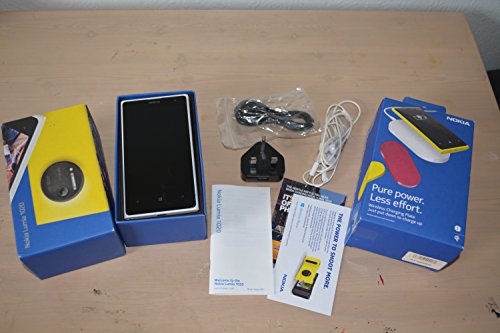
Nokia Lumia 1020 (2GB + 32GB) review. Compare 197 technical specifications and user reviews to see how this product ranks in the Smartphones category and whether it is worth buying.
Overall score
What it is: An overall evaluation of the smartphone's quality, based on technical analyses and user reviews.
When it matters: When you need a quick reference to identify the best smartphones on the market.
Score components:
90.0%
Technical Score
10.0%
User score
Technical Score
What it is: An assessment of the smartphone's technical performance, covering eight key areas: performance & hardware, software, camera, connectivity, display, battery, audio, and design.
When it matters: When you want to compare smartphones based on technical performance and available features.
Score components:
25.0%
Performance & Hardware
18.0%
Camera
15.0%
Display
15.0%
Battery
10.0%
Software
10.0%
Connectivity
4.0%
Audio
3.0%
Design
User score
What it is: A rating that combines user reviews and the total number of reviews received by the smartphone
When it matters: When you want to know how a smartphone handles daily tasks and how reliable it remains over time according to user feedback.
Score components:
70.0%
User reviews
30.0%
Popularity


Available: ranking among products currently available (including other versions of this product).
All: ranking among all products in the database.
#9 in Best Nokia Phones
#49 in Best Smartphones Under £100
#77 in Best Compact Smartphones
#358 in Best Smartphones Under £200
#505 in Best Smartphones Under £250
#611 in Best Smartphones Under £300
#754 in Best Smartphones Under £400
#828 in Best Smartphones Under £500
#862 in Best Value Smartphones
#940 in Best NFC Smartphones
#1056 in Best Smartphones
What it is: An assessment of the smartphone's technical performance, covering eight key areas: performance & hardware, software, camera, connectivity, display, battery, audio, and design.
When it matters: When you want to compare smartphones based on technical performance and available features.
Score components:
25.0%
Performance & Hardware
18.0%
Camera
15.0%
Display
15.0%
Battery
10.0%
Software
10.0%
Connectivity
4.0%
Audio
3.0%
Design
What it is: A rating that combines user reviews and the total number of reviews received by the smartphone
When it matters: When you want to know how a smartphone handles daily tasks and how reliable it remains over time according to user feedback.
Score components:
70.0%
User reviews
30.0%
Popularity
What it is: An indicator that combines the smartphone's overall rating with its cost.
When it matters: When you are looking for a smartphone with a good balance between quality and price.
Score components:
60.0%
Overall score
40.0%
Price
Importance: LOW
Importance: HIGH
Importance: HIGH
Good value: >12 GB
Importance: MEDIUM
Good value: >256 GB
Importance: MEDIUM
Good value: >3.2 GHz
Importance: LOW
Importance: MEDIUM
Good value: >1500
Importance: LOW
Good value: >4000
Importance: LOW
Good value: 8+
Importance: LOW
Importance: LOW
Good value: >950 MHz
Importance: LOW
Good value: >700
Importance: LOW
Good value: >1000
Importance: LOW
Good value: >2500
Importance: MEDIUM
Good value: >6000
Importance: LOW
Good value: >8000
Importance: MEDIUM
Good value: >12000
Importance: LOW
Good value: >5000
Importance: LOW
Good value: >1800
Importance: LOW
Good value: >3200 MHz
Importance: LOW
Good value: 5
Importance: LOW
Good value: > 50 GB/s
Importance: LOW
Good value: 4
Importance: LOW
Good value: >16 GB
Importance: MEDIUM
Good value: <6 nm
Importance: MEDIUM
Good value: >9 W
Importance: LOW
Importance: LOW
Good value: >8192 KB
Importance: LOW
Good value: >2048 KB
Importance: LOW
Good value: >512 KB
Importance: LOW
Good value: >100000 million
Importance: LOW
Good value: 3.3
Importance: LOW
Good value: 3.2
Importance: LOW
Good value: 2.0/3.0
Importance: LOW
Importance: LOW
Importance: LOW
Importance: MEDIUM
Importance: LOW
Importance: LOW
Importance: LOW
Importance: LOW
Importance: LOW
Importance: LOW
Importance: LOW
Importance: LOW
Importance: LOW
Importance: LOW
Importance: LOW
Importance: LOW
Importance: LOW
Importance: LOW
Importance: LOW
Importance: LOW
Importance: LOW
Importance: LOW
Importance: LOW
Importance: LOW
Importance: LOW
Importance: LOW
Importance: LOW
Importance: LOW
Importance: LOW
Importance: LOW
Importance: LOW
Importance: LOW
Importance: LOW
Importance: LOW
Importance: LOW
Importance: LOW
Importance: LOW
Importance: MEDIUM
Good value: >50 MP
Importance: MEDIUM
Importance: HIGH
Good value: >60
Importance: LOW
Good value: ≥1.2 µm
Importance: MEDIUM
Good value: >2.5x
Importance: MEDIUM
Importance: LOW
Importance: LOW
Importance: LOW
Importance: LOW
Good value: ≥2
Importance: LOW
Importance: LOW
Importance: LOW
Importance: LOW
Good value: >16 MP
Importance: LOW
Importance: LOW
Importance: LOW
Importance: LOW
Importance: MEDIUM
Importance: LOW
Importance: LOW
Importance: LOW
Importance: LOW
Importance: LOW
Importance: LOW
Importance: LOW
Importance: LOW
Importance: LOW
Importance: LOW
Importance: LOW
Importance: LOW
Importance: LOW
Importance: LOW
Importance: LOW
Importance: LOW
Importance: LOW
Importance: LOW
Importance: LOW
Importance: LOW
Importance: LOW
Good value: >130
Importance: LOW
Good value: >120
Importance: LOW
Good value: ≥2
Importance: LOW
Importance: LOW
Importance: LOW
Importance: LOW
Importance: LOW
Importance: LOW
Good value: >5.2
Importance: LOW
Importance: LOW
Importance: LOW
Importance: LOW
Good value: 3.1/3.2
Importance: LOW
Importance: LOW
Importance: LOW
Good value: ≥2
Importance: LOW
Importance: LOW
Importance: LOW
Importance: LOW
Importance: LOW
Importance: LOW
Importance: LOW
Importance: LOW
Importance: LOW
Importance: LOW
Importance: LOW
Importance: LOW
Importance: LOW
Importance: LOW
Importance: LOW
Importance: LOW
Good value: ≥6.6 inches
Importance: MEDIUM
Importance: LOW
Good value: >400 ppi
Importance: MEDIUM
Importance: MEDIUM
Good value: ≥120 Hz
Importance: LOW
Importance: LOW
Good value: >300 Hz
Importance: LOW
Good value: >800 nits
Importance: LOW
Good value: >1300 nits
Importance: LOW
Good value: >1000 nits
Importance: LOW
Importance: LOW
Importance: LOW
Importance: LOW
Importance: LOW
Importance: LOW
Importance: LOW
Importance: LOW
Importance: HIGH
Good value: >5000 mAh
Importance: MEDIUM
Good value: >60 W
Importance: LOW
Importance: LOW
Good value: <45 min
Importance: LOW
Importance: LOW
Good value: >40 W
Importance: LOW
Importance: LOW
Good value: >10 W
Importance: LOW
Importance: LOW
Importance: MEDIUM
Importance: LOW
Good value: >800
Importance: LOW
Importance: LOW
Importance: LOW
Importance: LOW
Importance: LOW
Good value: ≥3
Importance: LOW
Importance: LOW
Importance: LOW
Importance: LOW
Importance: LOW
Importance: LOW
Importance: LOW
Good value: <162 mm
Importance: LOW
Good value: <75 mm
Importance: LOW
Good value: <8 mm
Importance: LOW
Good value: <190 g
Importance: LOW
Good value: <98cm³
Importance: LOW
Importance: LOW
Importance: LOW
Importance: LOW
Importance: LOW
Importance: LOW
Good value: ≥1.5 m
Importance: LOW
Importance: LOW
Good value: >8
Importance: LOW
Importance: LOW
Importance: HIGH
Good value: >60
Importance: MEDIUM
Importance: LOW
Importance: LOW
Good value: ≥1.2 µm
Importance: LOW
Importance: LOW
Importance: LOW
Importance: LOW
Importance: HIGH
Importance: MEDIUM
Importance: MEDIUM
Good value: ≥120 Hz
Importance: MEDIUM
Good value: >256 GB
Importance: LOW
Importance: MEDIUM
Good value: <6 nm
Importance: LOW
Good value: >950 MHz
Importance: HIGH
Good value: >12 GB
(Reviews last updated: August 2026)
PCMag's review of the Nokia Lumia 1020 (AT&T) highlights its advanced 41-megapixel camera as its main advantage, capable of producing sharp and detailed photos, particularly in low light. Key features include optical image stabilization, a Xenon flash, and lossless digital zoom via high-resolution cropping. The review notes, however, that significant drawbacks include slow shot-to-shot time, limiting its use for capturing action, and the Windows Phone OS's limited app ecosystem compared to competitors.
CNET describes the Nokia Lumia 1020 as primarily defined by its 41-megapixel PureView camera, which offers high-resolution images, lossless zoom, and excellent low-light performance with a Xenon flash. However, the large lens creates a significant rear bulge, processing times for the camera are slow (up to six seconds per shot), and the device lacks a microSD card slot. The review positions the device as a niche product best suited for serious photographers due to its specialized camera features and drawbacks like multiple confusing camera apps, a high launch price, and the limitations of the Windows Phone 8 ecosystem.
The Nokia Lumia 1020 is primarily characterized by its 41-megapixel sensor, which enables detailed photos and lossless digital zoom but results in a bulky design and slow camera processing. While the device features a sturdy build and the Nokia Pro Camera app offers extensive manual controls, the Windows Phone 8 ecosystem is limited by a significant "app gap". Overall, the review positions the Lumia 1020 as a specialist camera tool with excellent image quality but hindered by its physical design, speed issues, and restrictive software ecosystem. More information is available on The Verge's website.
The Nokia Lumia 1020, as reviewed by Expert Reviews, is a pioneering smartphone defined by its 41-megapixel sensor, designed to act as a direct replacement for a compact camera. Key pros include exceptional image quality, superior low-light performance, and robust optical image stabilization (OIS), alongside a bright AMOLED display and a dedicated physical shutter button. Furthermore, the Nokia Pro Cam app provides extensive manual, professional-level control over photography, while the PureView technology allows for significant, high-quality cropping. Conversely, the device faces performance and design drawbacks, most notably a sluggish shot-to-shot speed that hinders capturing fast action, and a prominent camera hump that adds significant, uneven weight. Other cons include the reliance on the limited Windows Phone 8 app ecosystem, the lack of expandable storage, and a higher price point.
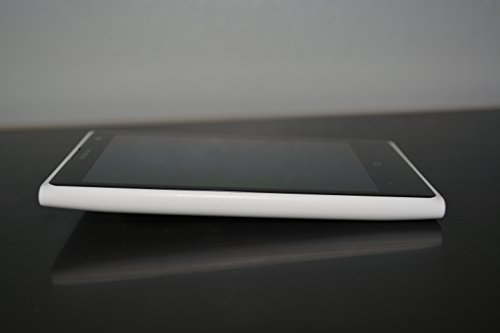
The Nokia Lumia 1020 features a standout 41-megapixel PureView camera with Xenon flash that produces exceptional detail via pixel oversampling, though the substantial camera hump prevents it from lying flat. While the polycarbonate unibody is durable, the square edges can be uncomfortable during extended use. Significant, however, are the performance bottlenecks, as the dual-core processor causes up to 5-second delays between shots, and the 2,000mAh battery drains rapidly with heavy camera use. The 4.5-inch AMOLED ClearBlack display offers vibrant visuals, but the 720p resolution is considered insufficient for a high-end camera phone. Software, specifically Windows Phone 8, limits the experience due to a lack of popular apps and a poor browser experience. Despite its camera prowess, the high £600 price point and niche limitations result in a 7/10 rating. Totally Dubbed
The Nokia Lumia 1020, reviewed by ETCentric, is defined by its 41-megapixel sensor that utilizes oversampling for detailed 5-megapixel images. Key pros include the Pro Cam app for manual DSLR-like controls, a powerful Xenon flash, and optical image stabilization (OIS). However, the device is hindered by a bulky design, slow shot-to-shot times, and limited third-party app availability on the Windows Phone platform. While promising for photography enthusiasts, it may be too niche for the average user.
According to The Globe and Mail, the Nokia Lumia 1020 is a "beast" of a camera packed inside a merely "adequate" smartphone. It features an industry-leading 41-megapixel sensor, Xenon flash, and granular manual controls, allowing it to produce exceptional low-light images and "lossless" zoom that rivals dedicated compact cameras. However, the device is constrained by aging dual-core internals, a lack of expandable storage, and the limited Windows Phone 8 app ecosystem. While featuring a sturdy design and vibrant AMOLED display, its bulkiness, sluggish shot-to-shot times, and high battery consumption during intensive photography are noted downsides. Ultimately, it is described as a niche, high-performance imaging tool that may disappoint users seeking a top-tier modern smartphone experience.
A 2013 review in The Oklahoman hails the Nokia Lumia 1020 as having the best smartphone camera available at the time, featuring a 41-megapixel sensor that offers excellent, high-resolution imagery and lossless zoom. While the hardware is praised for its superior camera capabilities, clear call quality, and decent battery life, it is limited by a fixed 32GB of nonexpandable storage, making high-resolution photo management challenging. The device's primary drawback is identified as the inadequate Windows Phone 8 app ecosystem, which lacks a robust, official social media presence, notably an official Instagram app. The review notes that third-party alternatives are buggy and slow, significantly hindering the user experience for photography enthusiasts wanting to share their work. Ultimately, the Lumia 1020 is described as a strong, specialized device for mobile photography that fails to provide a competitive, all-around smartphone experience due to its limited app ecosystem. At a $200 on-contract price point, it is positioned as a compelling, yet niche, choice for those who prioritize imaging above all other smartphone features.
The TechRadar review of the Nokia Lumia 1020 highlights its 41MP PureView sensor, Xenon flash, and optical image stabilization (OIS), which together deliver unparalleled camera performance with "lossless" 3x zoom and superior low-light imaging. Despite these advantages, the device is criticized for running Windows Phone 8, which suffers from a limited app ecosystem, alongside a sluggish camera interface and underpowered internal specifications compared to its contemporaries. With a, bulky design and high cost, the 3.5-star rated device is deemed a specialized tool for photography enthusiasts, rather than a top-tier general-purpose smartphone.
The AllThingsD review by Lauren Goode positions the Nokia Lumia 1020 as a significant advancement in smartphone photography, featuring a 41-megapixel sensor that utilizes "oversampling" for superior image quality. With optical image stabilization (OIS) and a backside-illuminated sensor, the device excels in low-light conditions and offers lossless digital zoom, setting a new standard for camera capabilities at the time. The Pros include exceptional image clarity and versatile zooming, along with high-quality integrated mapping software, which makes it a strong choice for photography-focused users. However, notable drawbacks exist, such as a significant camera hump, slow shot-to-shot times, and a limited app ecosystem on Windows Phone 8. Ultimately, it is described as a high-performing but niche device.
The HotHardware review of the Nokia Lumia 1020 highlights its revolutionary 41-megapixel camera as the device's standout feature, utilizing oversampling technology to deliver exceptional image quality and digital zoom capability. Proved with a 4.5-inch AMOLED display and 2GB of RAM, the phone offers a solid, well-built experience, though the large camera housing creates a bulky design that cannot sit flat. While lauded for its photography, the review notes cons including slow shot-to-shot times, limited app availability in the Windows Phone 8 ecosystem, and fast battery drain under heavy use.
The 2013 Nokia Lumia 1020 established a new benchmark for smartphone photography, featuring a 41-megapixel sensor with Carl Zeiss optics, optical image stabilization, and a Xenon flash to produce high-detail, low-noise 5-megapixel images via oversampling. Its key advantage is the capability for 3x lossless digital zoom and superior low-light performance, though the large camera hump creates a polarizing, bulky design that prevents the device from lying flat. While the phone boasts a sturdy polycarbonate build and an excellent AMOLED display, significant drawbacks include slow shot-to-shot processing speeds, a lack of app ecosystem depth in Windows Phone 8, and a high price point that limits its appeal to photography enthusiasts. For more details, visit Arstechnica.
The DPReview of the Nokia Lumia 1020 characterizes the device as a groundbreaking, camera-centric smartphone featuring a 41-megapixel sensor, a six-element Zeiss lens, and optical image stabilization (OIS). It utilizes oversampling to produce high-detail 5MP images, offering top-tier, low-light performance and 2.7x zoom capability. Key pros include the robust Nokia Pro Cam app with comprehensive manual controls, a powerful Xenon flash, excellent AMOLED screen visibility, and superior stabilized video. The build is described as a solid, ergonomic unibody design. However, the device suffers from significant cons, including slow shot-to-shot times, long camera app startup, and some image softness in extreme corners. Additionally, the Windows Phone 8 ecosystem limits app availability.
The IT Pro review highlights the Nokia Lumia 1020's groundbreaking 41-megapixel PureView camera, featuring a Carl Zeiss lens, Optical Image Stabilisation (OIS), and a Xenon flash for superior, professional-grade photography and low-light performance. While praising its imaging capabilities, the review notes the device's 4.5-inch AMOLED display lacks Full HD, and the 1.5GHz processor is paired with a limited 32GB non-expandable storage. The device is also criticized for being bulky, weighing 158g with a noticeable 3mm camera hump, and having limited app availability via the Windows Phone 8 ecosystem.
The Nokia Lumia 1020 is a groundbreaking camera phone featuring a 41-megapixel sensor, Carl Zeiss optics, and optical image stabilization, delivering unmatched detail and low-light performance. Its standout, "lossless" 3x zoom and high-quality 5-megapixel output are supported by the intuitive Pro Cam app, which offers manual control over ISO, shutter speed, and exposure. However, the device suffers from significant, slow shot-to-shot times, a slightly bulky design, and a limited app ecosystem, all of which hinder its overall usability compared to contemporary alternatives.
The Nokia Lumia 1020 is presented as a significant advancement in smartphone photography due to its 41-megapixel PureView sensor, enabling "lossless" digital zoom and offering precise manual controls through the Nokia Pro Cam app. However, the device's specialized camera results in a bulky design and a slow shot-to-shot time. While its imaging capabilities, including low-light performance, blur the line between a phone and a point-and-shoot camera, its high price and niche focus make it less practical for casual users compared to alternatives.
According to a 2013 Techland review, the Nokia Lumia 1020 was a "landmark" for mobile photography due to its 41-megapixel sensor, Carl Zeiss lens, and optical image stabilization, which delivered exceptional detail and low-light performance. However, the device suffered from significant drawbacks as a standard smartphone, including slow image processing times, a sluggish software experience, and the limitations of the Windows Phone 8 ecosystem's app availability, making it suitable mainly for "genuine enthusiasts".
The Windows Central review highlights the Nokia Lumia 1020 as a significant device within the Windows Phone ecosystem, primarily due to its sophisticated 41-megapixel PureView camera featuring a large sensor, Zeiss optics, and OIS, capable of producing high-quality images with "lossless" zoom. While its design is bold with an improved AMOLED display, the large camera housing creates an imbalance. Key drawbacks noted include the slow-loading camera app and the absence of an SD card slot, limiting storage despite its appeal to photography enthusiasts.
The Heise review compares the camera capabilities of the Nokia Lumia 1020, Samsung Galaxy S4 Zoom, and HTC One, highlighting distinct approaches to mobile photography ranging from high-resolution sensors to optical zoom. The Lumia 1020 excels in detail and low-light performance with its 41MP sensor, though it suffers from slow processing and large file sizes. Conversely, the Galaxy S4 Zoom offers a unique 10x optical zoom lens, but its bulky, camera-like design limits everyday usability, while the HTC One focuses on a 4MP "UltraPixel" sensor for speed, sacrificing high-resolution detail.
The Nokia Lumia 1020 distinguishes itself with a 41-megapixel PureView sensor and optical image stabilization, offering top-tier image quality and lossless zoom capabilities. Key features include the Pro Camera app for manual adjustments and a dual-capture mode that produces both high-resolution and shareable images. While the design is durable, the device is bulky, and users may face slow shot-to-shot times and significant battery drain. For a detailed look at the camera performance, see the analysis
The Nokia Lumia 1020 is defined by its 41-megapixel PureView camera, offering exceptional image quality, lossless zoom, and a powerful Xenon flash that competes with compact cameras. While the Pro Camera app provides extensive manual control, the device suffers from slow shot-to-shot times and a sluggish camera startup. The device features a robust 4.5-inch AMOLED display with high sunlight readability and supports glove operation, housed in a polycarbonate unibody that is somewhat hindered by a top-heavy camera hump. Running Windows Phone 8, the interface remains smooth, although the platform lacks the extensive app ecosystem of competitors. Battery life is generally adequate for a full day, but heavy photography drains it quickly, and the device lacks expandable microSD storage.
The Nokia Lumia 1020, launched in 2013, is defined by its revolutionary 41-megapixel PureView camera, which uses oversampling to produce detailed 5-megapixel images. Key pros include exceptional low-light performance, effective 3x lossless zoom, and the intuitive Nokia Pro Cam app, which provides robust manual control. The device effectively bridges the gap between smartphone and dedicated compact However, the device has notable cons, including a bulky design with a pronounced camera hump, which makes it unbalanced in hand. While the polycarbonate build is durable, the 1.5GHz processor is underpowered for the demanding imaging software, leading to sluggish photo processing times. Furthermore, the user experience is hindered by the limited Windows Phone 8 ecosystem, which lacks the app variety found on competing platforms. Other drawbacks include rapid battery drain during intense usage and a lack of microSD storage, making it a niche device designed primarily for photography enthusiasts rather than casual users.
The Nokia Lumia 1020 is defined by its revolutionary 41-megapixel PureView camera, which provides nearly lossless digital zoom and exceptional detail, bolstered by Optical Image Stabilisation (OIS) and a Xenon flash for superior low-light performance. While the 4.5-inch AMOLED screen offers excellent brightness, the device is notably bulky and top-heavy, with the camera module creating ergonomic issues. Performance is hindered by slow shot-to-shot times and a limited app ecosystem on Windows Phone 8, making it a niche device that prioritizes image quality over modern smartphone versatility. Pros include the unmatched 41MP sensor, excellent low-light capabilities, a vibrant display, and sturdy construction.
The Nokia Lumia 1020 acts as a hybrid device bridging smartphones and high-end compact cameras, defined by its 41-megapixel PureView sensor and Zeiss optics. While offering unmatched image detail and low-light performance with Xenon flash, the device suffers from a bulky design with a pronounced camera hump that prevents it from resting flat. Performance is a key downside, with the camera experiencing significant lag in start-up and shot-to-shot times. However, the Nokia Pro Camera app allows for extensive manual control, and the 4.5-inch AMOLED display provides excellent visibility, creating a top-tier imaging experience.
The Nokia Lumia 1020 is hailed as a specialized, industry-leading device for night photography, built around a massive 41-megapixel sensor that utilizes oversampling for detailed, low-noise imagery. Pros include the Pro Cam app, which offers extensive manual controls, excellent build quality, and superior low-light performance. However, the device is hindered by significant, up to 6-second, shot-to-shot lag, a bulky camera hump, and a limited Windows Phone 8 app ecosystem.
The Nokia Lumia 1020 is defined by its revolutionary 41-megapixel PureView camera, which offers unmatched detail, superior low-light performance with a Xenon flash, and effective "lossless" zoom, setting it apart as a premier camera-phone hybrid. However, the device suffers from significant ergonomic issues due to its bulky, off-balance design and frustratingly slow, 5-6 second processing times between high-resolution shots. Despite a bright AMOLED screen, the aging 1.5GHz processor struggles with the intensive camera software, and the limited Windows Phone 8 app ecosystem hampers overall usability for non-photographers.
The Nokia Lumia 1020 is highlighted as an unparalleled camera-centric smartphone, boasting a 41-megapixel sensor, Xenon flash, and, despite significant 4-6 second shutter lag,, it remains a strong alternative to compact cameras for photography. While the device features a durable polycarbonate design and a bright 4.5-inch AMOLED screen, it is bulky, lacks a microSD slot, and suffers from rapid battery drain. Running Windows Phone 8, the phone offers a smooth interface, but is limited by a restricted app ecosystem and an aging dual-core processor.
The Nokia Lumia 1020 review by Les Numériques identifies the device as a groundbreaking "photophone" featuring a 41-megapixel sensor with PureView technology for exceptional image quality. Key advantages include superior low-light performance with the Xenon flash, lossless digital zoom, and the versatile Nokia Pro Cam app, though it suffers from slow, 3-4 second shot-to-shot processing times. Physically, the device boasts a 4.5-inch AMOLED screen with great sunlight visibility, but it is marred by a bulky, prominent camera hump that prevents it from lying flat. Furthermore, the lack of microSD storage expansion and a limited, non-removable 2000mAh battery are significant drawbacks, especially for a camera-centric device. While powered by a 1.5GHz dual-core processor and 2GB of RAM, the overall performance is considered adequate, although it struggles with heavy tasks. Ultimately, the review concludes that while the camera capability is unmatched for its era, the high price point and limited Windows Phone 8 ecosystem position the device as a specialized niche tool rather than a mass-market smartphone.
The Clubic review highlights the Nokia Lumia 1020 as a groundbreaking camera phone, centered around a 41-megapixel PureView sensor that delivers superior image quality and advanced zoom capabilities. The Pro Cam application provides extensive manual controls for photography enthusiasts, while the addition of a Xenon flash and high-quality microphones elevates the overall multimedia experience. Despite these strengths, the device has notable drawbacks, including a significant camera bump, a slow processing time between shots, and a 2000 mAh battery that struggles with intensive use. Furthermore, the Windows Phone 8 ecosystem is noted for its lack of app depth compared to competitors, and the dual-core processor was considered somewhat outdated at the time. The review concludes that the Lumia 1020 is unrivaled for photography, but its high cost and niche focus limit its appeal as an all-around daily driver.
The Nokia Lumia 1020 is a "camera-phone" hybrid designed to challenge compact cameras with its 41-megapixel PureView sensor, which utilizes oversampling to create sharp, noise-free 5-megapixel images. Key advantages include the high level of detail, excellent low-light performance, and the intuitive "Pro Camera" interface. However, the device suffers from significant cons, specifically a slow camera app with high shot-to-shot latency and a bulky, awkward design due to the prominent rear camera housing. Les Numé While the 4.5-inch AMOLED screen is lauded for its quality, the Windows Phone 8 operating system feels dated and suffers from a lack of apps. The phone’s processor is underpowered for its price, and intensive photography quickly drains the 2000mAh battery. Ultimately, the device is considered the best camera-phone for enthusiasts, but its specialized focus makes it impractical for the average user, notes Les Numériques.
The CNET France review highlights the Nokia Lumia 1020 as a niche "mobile UFO" featuring a 41-megapixel sensor that offers exceptional photo quality, a 1/1.5-inch backlit sensor, and a robust polycarbonate design. Key advantages include superior bokeh, a constant f/2.2 aperture, and a, high-performance, dual-microphone system for professional-grade audio. Conversely, the device suffers from slow camera startup and autofocus, occasional, yellow-leaning color inaccuracies, and a lack of microSD card support, limiting storage for large images. Its physical bulk and, heavy, camera module design make it less pocket-friendly than competitors. Ultimately positioned as a premium, niche, product for photography enthusiasts, the €699 device features advanced manual controls via the Pro Camera app. Despite, a, maturing Windows Phone 8 platform, it acts more as a, photography, showcase than a, mainstream, smartphone,.
The Xataka review highlights the Nokia Lumia 1020 as a premier camera-focused smartphone, defined by its 41-megapixel PureView sensor and a robust polycarbonate unibody. The device boasts exceptional photographic capabilities, including a 1/1.5-inch sensor and the intuitive Nokia Pro Camera app, though it suffers from a significant, bulky camera "hump" and a slow processing speed when saving high-resolution images. While the Windows Phone 8 system is smooth and supported by 2GB of RAM, the phone is constrained by a limited app ecosystem and a dual-core processor that falls behind competitors. Overall, the review positions it as the best camera phone on the market, albeit a niche choice tailored for photography enthusiasts. CNET
review ": Poderío Total" highlights the device’ -megapixel PureView camera as a revolutionary feature, delivering professional-grade photography with lossless zoom capabilities. The phone -inch AMOLED display and a durable, "solidly built" polycarbonate design. However, the bulky camera housing prevents it from lying flat, while a sometimes underpowered processor creates lag between shots and ecosystem offers limited app options. Read the original review at juancmmartin.wordpress.com. YouTube +6
The Gizmodo review defines the Nokia Lumia 1020 as a groundbreaking device merging a high-end camera with a smartphone, driven by its 41-megapixel sensor, Xenon flash, and exceptional image quality. Pros include the superior PureView camera with professional-grade manual controls via the Nokia Pro Camera app, excellent low-light performance, and a vibrant 4.5-inch display. However, the device is constrained by the limited Windows Phone 8 ecosystem, slow processing times between shots, a lack of microSD storage, and a high price point.
The Xataka review highlights the Nokia Lumia 1020 as a bold, specialized smartphone featuring a 41-megapixel sensor with PureView technology, Xenon flash, and Optical Image Stabilization (OIS) for superior image quality. Its main advantages include exceptional low-light performance and the highly capable Nokia Pro Camera app, though it suffers from significant shutter lag and a bulky design with a pronounced camera hump. Despite a quality 4.5-inch AMOLED screen, the device is considered a niche, high-priced, and hardware-constrained product limited by the Windows Phone 8 app ecosystem.
The Nokia Lumia 1020 is presented as a groundbreaking, photography-focused smartphone, defined by its exceptional 41-megapixel PureView sensor that delivers unmatched detail, lossless zoom, and effective Xenon flash performance, effectively challenging dedicated compact cameras. However, the device features a bulky design with a significant camera hump that compromises ergonomics, while its older dual-core processor causes noticeable shutter lag and slow processing speeds when handling large image files. While the build quality and 4.5-inch AMOLED display are praised, the lack of expandable storage and a non-removable 2000mAh battery, which drains quickly during heavy use, mark it as a specialized "cameraphone" rather than a balanced daily driver.
The Nokia Lumia 1020 is a groundbreaking smartphone featuring a 41-megapixel PureView sensor that uses oversampling for high-quality images and lossless 3x zoom. While the matte polycarbonate unibody is praised for its solid build, the large rear camera hump prevents the device from lying flat. Pros include top-tier low-light performance via a 1/1.5-inch sensor and OIS, supported by a 4.5-inch AMOLED display and a dedicated physical shutter button for manual "Pro Cam" controls. Cons include slow camera processing speeds and a limited Windows Phone 8 app ecosystem. Additionally, battery life is weak, requiring the optional camera grip for extended, intensive use.
The JuzaPhoto review identifies the Nokia Lumia 1020 as a landmark device for mobile photography, highlighting its 41-megapixel sensor and the ability to shoot in true RAW format to bypass aggressive JPEG processing. While praised for its effective Optical Image Stabilization (OIS), the device is criticized for having a slow, sluggish camera interface and noticeable corner softness in its images. Despite these, the 1020 is deemed a superior professional tool over its predecessor due to its advanced manual controls and versatile, lossless zoom.
The Nokia Lumia 1020 is highlighted by Everyeye Tech as a premier mobile imaging device, featuring a 41-megapixel PureView sensor, Carl Zeiss optics, and Optical Image Stabilization (OIS). Key pros include exceptional low-light performance, a dedicated Xenon flash, and the Nokia Pro Camera app, which enables granular, manual control over photo settings. The device, which boasts a durable, polycarbonate unibody design and a 4.5-inch AMOLED ClearBlack display, offers a fluid, responsive user experience on Windows Phone 8, even with its dual-core processor. The 41MP sensor enables the creation of high-quality 5MP images alongside full-resolution 38MP, although it causes a prominent camera bump. Significant cons identified in the review include long,, laggy shot-to-shot times for 41MP files and the lack of expandable microSD storage. Furthermore, the limited app ecosystem and average battery life, particularly under intense camera usage, detract from the overall package, often requiring the optional camera grip accessory.
The Multiplayer.it review characterizes the Nokia Lumia 1020 as a groundbreaking device blending a 41-megapixel PureView sensor with a smartphone, offering unparalleled,, noise-free images through oversampling. Key pros include exceptional photographic capabilities, such as lossless 3x zoom and comprehensive manual controls via the Pro Camera app. However, notable cons include significant, unbalanced bulk, a prominent camera hump, and a slight shutter lag, along with the absence of expandable storage. Running Windows Phone 8, the Lumia 1020 is presented as a specialized, high-performance camera tool for enthusiasts rather than a balanced option for average users.
The DDay.it review highlights the Nokia Lumia 1020 as a hybrid device focusing on its 41-megapixel sensor. Key advantages include superior image quality, effective optical image stabilization, a genuine Xenon flash, and comprehensive manual controls via the Nokia Pro Camera app. Conversely, the device suffers from a bulky design, slow processing speeds between shots, and limitations due to the Windows Phone 8 ecosystem.
The Nokia Lumia 1020 is highlighted as an innovative device designed to replace traditional digital cameras, featuring a 41-megapixel PureView sensor that delivers unmatched, sharp image quality, especially in low-light conditions with its Xenon flash. Its robust polycarbonate unibody and high-quality "Pro Cam" manual controls are significant pros, offering a near-DSLR experience, though the device suffers from a notable "camera hump" and heavy battery drain. Despite these, the phone suffers from a significant 4-to-5-second delay between shots, along with a limited Windows Phone 8 app ecosystem.
The Nokia Lumia 1020 is a groundbreaking camera-centric smartphone featuring a 41-megapixel sensor with PureView technology, offering exceptional low-light performance, optical image stabilization, and detailed 5-megapixel oversampled images. Its Nokia Pro Camera app provides advanced manual controls similar to a DSLR, while a 4.5-inch AMOLED display ensures good outdoor visibility. However, the device suffers from a 4-to-6 second lag between shots, a bulky design with a pronounced camera hump, and a limited app ecosystem under Windows Phone 8.
The Nokia Lumia 1020 is a specialized camera-centric smartphone featuring a 41-megapixel sensor, Carl Zeiss optics, and Xenon flash, offering superior low-light performance and "lossless" zoom via PureView technology. Despite its imaging prowess, the device is hindered by sluggish, four-second shot-to-shot times and a bulky design, often requiring a dedicated, cumbersome camera grip. Running Windows Phone 8, the handset suffers from limited app availability and premium, niche pricing, focusing heavily on photo quality over general smartphone performance.
The Nokia Lumia 1020 bridges the gap between smartphone and professional camera, featuring a 41-megapixel sensor with Carl Zeiss optics, Xenon flash, and oversampling technology for exceptional detail and low-light performance. The device boasts a sturdy polycarbonate design, a responsive 4.5-inch AMOLED display, and a dedicated Pro Cam app for manual controls, with an optional camera grip for enhanced handling. However, it suffers from significant shot-to-shot lag, lack of expandable storage, and a limited app ecosystem on the Windows Phone 8 platform, making it less versatile for fast-action photography.
A Techzine review of eight high-end smartphone cameras identifies the Huawei Pura 70 Ultra and Xiaomi 14 Ultra as top contenders, with the Huawei excelling in low-light and portrait photography thanks to its retractable 1-inch sensor, though it lacks native Google services. The Xiaomi 14 Ultra is highlighted as a versatile, albeit bulky, option with excellent color reproduction and an optional Leica photography kit, though some units have reported camera fogging issues. While the Samsung Galaxy S24 Ultra leads in zoom capabilities despite aggressive image processing, the iPhone 15 Pro Max remains superior for consistent video, notes the analysis.
The Bright.nl review characterizes the Nokia Lumia 1020 as a groundbreaking device bridging the gap between smartphones and dedicated compact cameras, highlighting its 41-megapixel PureView sensor for exceptional detail and "lossless" digital zoom. Key advantages include the Nokia Pro Camera app, which provides professional-grade manual controls, alongside a vibrant 4.5-inch AMOLED display. Physically, the device features a durable polycarbonate unibody, though it is described as top-heavy due to the large camera housing. While the, the camera setup results in a bulky design that cannot lie flat, the optional camera grip accessory is highly recommended to improve ergonomics and battery life during heavy use. Major drawbacks include the limited Windows Phone 8 app ecosystem compared to iOS and Android, and the slow, several-second processing time for high-resolution images. Additionally, the lack of expandable storage makes the 64GB model more practical for handling large 38MP files.
The Tweakers review characterizes the Nokia Lumia 1020 as a high-end camera paired with a midrange phone, highlighted by a 41-megapixel PureView sensor that enables exceptional detail and lossless digital zoom. Key advantages include superior image and video quality, effective optical image stabilization, and a Xenon flash, making it a top choice for mobile photography. However, the device suffers from a bulky design with a significant camera hump and limited performance due to a dual-core processor that struggles with 41MP file processing, causing slow shot-to-shot times. Furthermore, the experience is hindered by the limited Windows Phone 8 ecosystem and a lack of expandable storage. Despite these drawbacks, it is considered the best camera phone of its time.
According to GadgetGear.nl, is a landmark device that brings professional-grade, -megapixel photography to the Windows Phone platform. It features a solid, high-quality polycarbonate -inch AMOLED ClearBlack display, with the Nokia Pro Camera app providing excellent manual controls for photography enthusiasts. However, the device is hindered by a significant camera hump, potential performance lag due to its dual-core processor, and a smaller application ecosystem compared to competitors. GadgetGear.nl +4

Compare