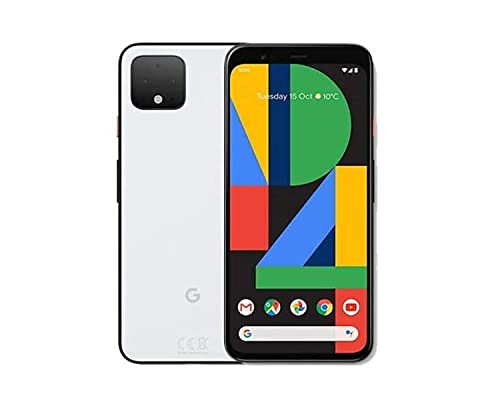
Google Pixel 3 (4GB + 64GB) review. Compare 197 technical specifications and user reviews to see how this product ranks in the Smartphones category and whether it is worth buying.
Overall score
What it is: An overall evaluation of the smartphone's quality, based on technical analyses and user reviews.
When it matters: When you need a quick reference to identify the best smartphones on the market.
Score components:
90.0%
Technical Score
10.0%
User score
Technical Score
What it is: An assessment of the smartphone's technical performance, covering eight key areas: performance & hardware, software, camera, connectivity, display, battery, audio, and design.
When it matters: When you want to compare smartphones based on technical performance and available features.
Score components:
25.0%
Performance & Hardware
18.0%
Camera
15.0%
Display
15.0%
Battery
10.0%
Software
10.0%
Connectivity
4.0%
Audio
3.0%
Design
User score
What it is: A rating that combines user reviews and the total number of reviews received by the smartphone
When it matters: When you want to know how a smartphone handles daily tasks and how reliable it remains over time according to user feedback.
Score components:
70.0%
User reviews
30.0%
Popularity
Available: ranking among products currently available (including other versions of this product).
All: ranking among all products in the database.
#24 in Best Google Phones
#59 in Best Compact Smartphones
#829 in Best NFC Smartphones
#867 in Best Android Smartphones
#910 in Best AI Smartphones
#913 in Best Smartphones
What it is: An assessment of the smartphone's technical performance, covering eight key areas: performance & hardware, software, camera, connectivity, display, battery, audio, and design.
When it matters: When you want to compare smartphones based on technical performance and available features.
Score components:
25.0%
Performance & Hardware
18.0%
Camera
15.0%
Display
15.0%
Battery
10.0%
Software
10.0%
Connectivity
4.0%
Audio
3.0%
Design
What it is: A rating that combines user reviews and the total number of reviews received by the smartphone
When it matters: When you want to know how a smartphone handles daily tasks and how reliable it remains over time according to user feedback.
Score components:
70.0%
User reviews
30.0%
Popularity
What it is: An indicator that combines the smartphone's overall rating with its cost.
When it matters: When you are looking for a smartphone with a good balance between quality and price.
Score components:
60.0%
Overall score
40.0%
Price
Importance: LOW
Importance: HIGH
Importance: HIGH
Good value: >12 GB
Importance: MEDIUM
Good value: >256 GB
Importance: MEDIUM
Good value: >3.2 GHz
Importance: LOW
Importance: MEDIUM
Good value: >1500
Importance: LOW
Good value: >4000
Importance: LOW
Good value: 8+
Importance: LOW
Importance: LOW
Good value: >950 MHz
Importance: LOW
Good value: >700
Importance: LOW
Good value: >1000
Importance: LOW
Good value: >2500
Importance: MEDIUM
Good value: >6000
Importance: LOW
Good value: >8000
Importance: MEDIUM
Good value: >12000
Importance: LOW
Good value: >5000
Importance: LOW
Good value: >1800
Importance: LOW
Good value: >3200 MHz
Importance: LOW
Good value: 5
Importance: LOW
Good value: > 50 GB/s
Importance: LOW
Good value: 4
Importance: LOW
Good value: >16 GB
Importance: MEDIUM
Good value: <6 nm
Importance: MEDIUM
Good value: >9 W
Importance: LOW
Importance: LOW
Good value: >8192 KB
Importance: LOW
Good value: >2048 KB
Importance: LOW
Good value: >512 KB
Importance: LOW
Good value: >100000 million
Importance: LOW
Good value: 3.3
Importance: LOW
Good value: 3.2
Importance: LOW
Good value: 2.0/3.0
Importance: LOW
Importance: LOW
Importance: LOW
Importance: MEDIUM
Importance: LOW
Importance: LOW
Importance: LOW
Importance: LOW
Importance: LOW
Importance: LOW
Importance: LOW
Importance: LOW
Importance: LOW
Importance: LOW
Importance: LOW
Importance: LOW
Importance: LOW
Importance: LOW
Importance: LOW
Importance: LOW
Importance: LOW
Importance: LOW
Importance: LOW
Importance: LOW
Importance: LOW
Importance: LOW
Importance: LOW
Importance: LOW
Importance: LOW
Importance: LOW
Importance: LOW
Importance: LOW
Importance: LOW
Importance: LOW
Importance: LOW
Importance: LOW
Importance: LOW
Importance: MEDIUM
Good value: >50 MP
Importance: MEDIUM
Importance: HIGH
Good value: >60
Importance: LOW
Good value: ≥1.2 µm
Importance: MEDIUM
Good value: >2.5x
Importance: MEDIUM
Importance: LOW
Importance: LOW
Importance: LOW
Importance: LOW
Good value: ≥2
Importance: LOW
Importance: LOW
Importance: LOW
Importance: LOW
Good value: >16 MP
Importance: LOW
Importance: LOW
Importance: LOW
Importance: LOW
Importance: MEDIUM
Importance: LOW
Importance: LOW
Importance: LOW
Importance: LOW
Importance: LOW
Importance: LOW
Importance: LOW
Importance: LOW
Importance: LOW
Importance: LOW
Importance: LOW
Importance: LOW
Importance: LOW
Importance: LOW
Importance: LOW
Importance: LOW
Importance: LOW
Importance: LOW
Importance: LOW
Importance: LOW
Importance: LOW
Good value: >130
Importance: LOW
Good value: >120
Importance: LOW
Good value: ≥2
Importance: LOW
Importance: LOW
Importance: LOW
Importance: LOW
Importance: LOW
Importance: LOW
Good value: >5.2
Importance: LOW
Importance: LOW
Importance: LOW
Importance: LOW
Good value: 3.1/3.2
Importance: LOW
Importance: LOW
Importance: LOW
Good value: ≥2
Importance: LOW
Importance: LOW
Importance: LOW
Importance: LOW
Importance: LOW
Importance: LOW
Importance: LOW
Importance: LOW
Importance: LOW
Importance: LOW
Importance: LOW
Importance: LOW
Importance: LOW
Importance: LOW
Importance: LOW
Importance: LOW
Good value: ≥6.6 inches
Importance: MEDIUM
Importance: LOW
Good value: >400 ppi
Importance: MEDIUM
Importance: MEDIUM
Good value: ≥120 Hz
Importance: LOW
Importance: LOW
Good value: >300 Hz
Importance: LOW
Good value: >800 nits
Importance: LOW
Good value: >1300 nits
Importance: LOW
Good value: >1000 nits
Importance: LOW
Importance: LOW
Importance: LOW
Importance: LOW
Importance: LOW
Importance: LOW
Importance: LOW
Importance: LOW
Importance: HIGH
Good value: >5000 mAh
Importance: MEDIUM
Good value: >60 W
Importance: LOW
Importance: LOW
Good value: <45 min
Importance: LOW
Importance: LOW
Good value: >40 W
Importance: LOW
Importance: LOW
Good value: >10 W
Importance: LOW
Importance: LOW
Importance: MEDIUM
Importance: LOW
Good value: >800
Importance: LOW
Importance: LOW
Importance: LOW
Importance: LOW
Importance: LOW
Good value: ≥3
Importance: LOW
Importance: LOW
Importance: LOW
Importance: LOW
Importance: LOW
Importance: LOW
Importance: LOW
Good value: <162 mm
Importance: LOW
Good value: <75 mm
Importance: LOW
Good value: <8 mm
Importance: LOW
Good value: <190 g
Importance: LOW
Good value: <98cm³
Importance: LOW
Importance: LOW
Importance: LOW
Importance: LOW
Importance: LOW
Importance: LOW
Good value: ≥1.5 m
Importance: LOW
Importance: LOW
Good value: >8
Importance: LOW
Importance: LOW
Importance: MEDIUM
Importance: LOW
Importance: LOW
Importance: LOW
Good value: ≥1.2 µm
Importance: MEDIUM
Good value: >9 W
Importance: LOW
Importance: LOW
Importance: LOW
Good value: >400 ppi
Importance: MEDIUM
Good value: ≥120 Hz
Importance: MEDIUM
Good value: >256 GB
Importance: LOW
Importance: MEDIUM
Importance: HIGH
Good value: >5000 mAh
Importance: MEDIUM
Good value: >50 MP
Importance: LOW
Good value: ≥6.6 inches
Importance: HIGH
Good value: >12 GB
(Reviews last updated: August 2026)
TechRadar's review of the Google Pixel 3 highlights its exceptional 12.2MP rear camera and dual front cameras as significant advantages, along with a cleaner, bezel-reduced design and crisp OLED display. However, the device's main drawbacks include underwhelming battery life and a relatively low 4GB of RAM compared to competitors. The review concludes that the Pixel 3 is a "quietly excellent" phone prioritizing software and camera quality, making it a strong option for those valuing photos and a compact size despite hardware omissions.
The Gizmodo review describes the Google Pixel 3 as a "software-first" device excelling in photography through exceptional HDR+ processing and AI, despite having a single rear camera. Pros include fast wireless charging, improved haptics, and AI tools like Call Screen and Night Sight, while Cons cite the limited 4GB of RAM and questionable quality control issues like disappearing texts and photos failing to save. More details are available at Gizmodo.
In a 2018 review, the Google Pixel 3 and 3 XL were lauded for their premium build quality, vibrant OLED displays, and fluid Android 9 Pie software with an improved haptic engine. The camera system, featuring Super Res Zoom, Top Shot, and dual front cameras, was considered a standout despite poor video and audio quality and occasional app closures due to limited RAM. The Pixel 3 XL's large notch and mediocre battery life were cited as cons, as was the limitation of fast wireless charging to "Made for Google" accessories.
The New York Times review describes the Google Pixel 3 as a superior Android phone that prioritizes software intelligence, particularly highlighting its single-lens camera and AI features like "Top Shot" and sophisticated bokeh effects. While its colors may not be as lifelike as an iPhone's, its interface and camera smarts make it a strong competitor to Samsung devices. The Pixel 3 features a glass body for wireless charging, a 5.5-inch screen, water resistance, and a "Call Screen" feature using AI to manage spam. However, the review notes hardware frustrations, such as the rear-mounted fingerprint sensor. Key pros include the AI camera, pure Android interface, and unlimited full-resolution photo storage, but cons include the lack of expandable memory and headphone jack, and limited RAM for its price. The reviewer ultimately suggested the Pixel 3A might offer better value for most users.
WIRED's review notes that the Google Pixel 3 and 3 XL prioritize software and AI over revolutionary hardware, featuring a faster Snapdragon 845 processor and upgraded OLED displays, as well as wireless charging capabilities. While praised for its computational photography, wide-angle selfie lens, and Super Res Zoom, the camera can exhibit aggressive face smoothing and its Top Shot feature doesn't always perform as expected. Despite strengths like the optimized Android OS and Call Screen feature, cons include the Pixel 3 XL's large notch, the matte glass back's susceptibility to scratches, and the absence of a headphone jack.
PCMag describes the Google Pixel 3 as an "uncomplicatedly brilliant" 5.5-inch device, praised for its manageable, notch-free OLED display and premium, waterproof build. The camera is a standout feature, utilizing a single 12.2MP rear sensor and advanced software like Super Res Zoom and Night Sight to deliver top-tier, computational photography. While performance is excellent due to the Snapdragon 845, the device lacks a headphone jack, expandable storage, and possesses only 4GB of RAM, with average battery life compared to larger competitors.
CNET's 2019 review described the Google Pixel 3 as a top Android device due to its camera and software, highlighting its exceptional low-light photos with Night Sight and AI tools like Call Screen despite having a single rear lens. Pros included its photography performance, dual front cameras for wide-angle selfies, wireless charging, water resistance, unlimited full-resolution Google Photos storage, and a fast, pure Android interface. Cons included the lack of expandable memory and a headphone jack, reported sluggish camera performance and RAM issues, and merely satisfactory battery life that trailed competitors.
The Google Pixel 3 is a 5.5-inch OLED flagship with a "faultless" display and a 27% faster Snapdragon 845 processor, delivering a "quietly excellent" experience focused on software over hardware. Its standout camera is deemed "phenomenal" for its exceptional AI-driven dynamic range and dual front-facing lenses, despite using a single 12.2MP rear sensor. However, the device suffers from subpar, below-one-day battery life, lacking 4K 60fps recording, and featuring somewhat dated design bezels.
In a 2018 review for The Guardian, the Google Pixel 3 is described as a refined device featuring a superior 5.5-inch OLED display and a luxurious glass-backed design. The camera remains a standout, utilizing advanced AI-driven software for exceptional photo quality, alongside dual front-facing cameras for improved selfies. However, the phone is constrained by underwhelming, barely-all-day battery life and relatively large bezels, while 4GB of RAM sometimes leads to aggressive app management.
The Google Pixel 3 is highlighted as a "smart, quick, and powerful" compact flagship, emphasizing a natural, one-handed user experience powered by intelligent software rather than just hardware specifications. Key pros include the exceptional 12.2 MP single-lens camera, the intuitive "Active Edge" squeeze feature for Google Assistant, and the convenience of unlimited, full-resolution Google Photos storage. While praised for its clean Android 9 Pie interface, the review notes drawbacks such as the absence of a headphone jack, lack of expandable storage, and the omission of higher RAM capacities for better future-proofing. Despite these limitations, the device is recommended for users seeking a refined, high-performance experience in a smaller form factor.
The Google Pixel 3 prioritizes AI-driven software over raw hardware, featuring a refined glass design with a single 12.2-megapixel rear camera that utilizes advanced HDR+ for exceptional image quality. Key pros include the innovative "Top Shot" feature, intelligent "Call Screen" assistant, and a new wide-angle front camera for selfies. Conversely, the device suffers from mediocre battery life, the lack of a headphone jack, and performance benchmarks that lag behind competitors due to only 4GB of RAM.
Digital Trends describes the Google Pixel 3 as a compact flagship that prioritizes AI-driven software over raw hardware, featuring a 5.5-inch OLED display and a fast Snapdragon 845 processor. The phone's primary strengths include its exceptional 12.2-megapixel camera, which delivers superior low-light performance with Night Sight and useful AI features like Call Screen. Conversely, the device suffers from mediocre battery life and a dated design with large bezels, lacking a headphone jack and expandable storage. For more details, visit Digital Trends.
The Google Pixel 3 is defined by its compact, refined design, featuring a 5.5-inch OLED display and a soft-touch glass back that supports wireless charging and IP68 water resistance. Its standout feature is a top-tier single-lens rear camera enhanced by AI tools like Top Shot and Night Sight, paired with dual front cameras for versatile photography. While offering a clean software experience and excellent haptics, the device is limited by mediocre battery life and only 4GB of RAM, which can affect heavy multitasking.
The Google Pixel 3 review from deathmetalmods.de highlights a compact, "handy" device featuring a high-quality OLED display and an exceptional 12.2 MP single-lens camera capable of surpassing competitors through advanced Night Sight and HDR+ algorithms. While praised for its pure, bloat-free Android experience and fast updates, the handset faces criticism for its limited 4GB of RAM, modest 2,915 mAh battery life, and dated large bezels. Despite these performance drawbacks, the review primarily focuses on disappointing customer service, noting that technical issues like Bluetooth and network failures were exacerbated by poor support.
The Google Pixel 3 is highlighted as a masterclass in software-driven hardware, delivering a premium "Pure Android" experience with a 5.5-inch OLED display and a durable, matte-textured glass back. Its 12.2MP rear camera, featuring "Night Sight," and dual front-facing lenses are standout pros, while performance is driven by the Snapdragon 845 chipset and 4GB of RAM. Key cons include subpar battery life from the 2915 mAh cell and dated, thick top/bottom bezels, alongside a lack of a headphone jack and no expandable storage.
The Süddeutsche Zeitung review positions the Google Pixel 3 as a top-tier contender utilizing superior software optimization over hardware. While boasting a single rear camera that rivals the iPhone XS, the device caters to those wanting a pure Android experience, though the XL model features a divisive, non-elegant screen notch. Key pros include best-in-class photography, seamless AI/Google Assistant integration, and a bloatware-free Android experience with immediate updates. Conversely, significant cons involve a high entry price near 1,000 euros and modest 4GB RAM specs compared to competitors. Furthermore, durability concerns were raised regarding the scratch-prone back and overall aesthetic of the device.
The Google Pixel 3 is a compact, high-end smartphone featuring a "brilliant" 5.5-inch OLED display and a powerful Snapdragon 845 chipset, according to reviews. The device highlights a "pure" Android experience with long-term software support, though it is hindered by prominent front bezels and a lack of expandable storage. A standout feature is the 12.2MP single-lens camera, which utilizes advanced machine learning for superior, detail-rich photos and includes unique "Top Shot" functionality. However, significant drawbacks include sub-par battery life from its small 2,915mAh battery and the absence of a 3.5mm headphone jack.
The Google Pixel 3, as analyzed in the 01net review, is a compact 5.5-inch flagship lauded for its superior software-driven performance, OLED display, and premium, IP68-rated design without a display notch. Its primary strength lies in the 12.2MP camera, featuring exceptional "Night Sight" low-light capabilities, AI-enhanced portrait modes, and a useful wide-angle selfie lens. However, the device falls short with a disappointing 2,915mAh battery, large, dated-looking bezels, a lack of 4K/60fps video, and limited 4GB of RAM.
The Google Pixel 3, evaluated by The Good Life, is presented as a photography-focused flagship that defies the multi-lens trend by relying on AI to maximize the capabilities of its single rear and front cameras. Key pros include the "Top Shot" feature for finding the best image, improved Portrait Mode with adjustable depth of field, and integrated Google Lens for real-time identification. Conversely, cons include the lack of a dedicated optical zoom, a design that feels less evolutionary, and weak battery life that struggles with intensive use.
The Google Pixel 3 is a high-end, compact smartphone featuring a premium matte-glass design, a quality 5.5-inch OLED display, and a 12.2 MP camera that excels in photography via AI-driven "Night Sight". While performance is smooth with Android 9 Pie, the device is limited by 4GB of RAM, leading to aggressive background app management, and it features a dated design with large bezels. The primary drawbacks include poor battery life from the 2,915 mAh cell and a lack of both a 3.5mm headphone jack and expandable storage.
Frandroid’s review highlights the Google Pixel 3 as a software-driven photography masterclass, praised for its exceptional 12.2MP camera, AI features like Night Sight, and a functional dual front-facing camera. While the design is noted for its compact, high-quality glass finish and impressive POLED display, the device is constrained by limited 4GB RAM, no microSD slot, and large bezels. Ultimately, the Pixel 3 is deemed a "photographic genius" for its superior imaging and clean software, though it suffers from mediocre battery life and a high launch price.
A year after launch, the Everyeye.it review finds that the Pixel 3 maintains its premium feel with a solid Snapdragon 845 performance and excellent camera, though it suffers from underwhelming battery life. Conversely, the budget-friendly Pixel 3a is deemed the smarter purchase for most, offering nearly identical camera performance and superior battery life, despite having a plastic body and lacking wireless charging. Both devices are praised for their longevity, driven by clean software and continued, rapid updates from Google.
The Google Pixel 3 is a compact flagship prioritizing software, featuring a 5.5-inch OLED screen, refined glass design, and a standout 12.2MP camera with Night Sight. Key advantages include top-tier AI-driven photography and a comfortable, one-handed form factor without a notch. However, the device suffers from underwhelming battery life and is limited by 4GB of RAM, while lacking a headphone jack and microSD slot.
The Google Pixel 3 is a compact, premium 5.5-inch device that relies on superior software and AI, featuring a high-quality OLED display and a durable glass design. Its primary strength lies in the 12.2MP rear camera, which delivers exceptional photo quality through advanced computational photography, including an impressive "Night Sight" mode and versatile dual front-facing cameras. Key cons identified include an underwhelming 2915 mAh battery, lack of expandable storage, and only 4GB of RAM, which can lead to aggressive background app management.
The Google Pixel 3 is a high-quality, compact smartphone that shines through its software-driven experience and exceptional OLED display, offering a pure, fast Android experience with features like Call Screen. Its 12.2MP rear camera is considered best-in-class, featuring impressive Night Sight low-light performance and a versatile dual-selfie camera. However, the device is held back by sub-par battery life, an dated design with large bezels, and only 4GB of RAM, while lacking a 3.5mm headphone jack.
The Google Pixel 3 is a compact, refined flagship featuring a matte glass finish and wireless charging, though its design is dated by large top and bottom bezels. Its 12.2MP camera remains a top performer, enhanced by computational features like Night Sight and Top Shot, paired with a fast Snapdragon 845 processor and 4GB of RAM. While the P-OLED display is accurate, notable drawbacks include subpar battery life, limited maximum brightness, and the lack of a headphone jack or expandable storage.
According to the GQ Italia review, the Google Pixel 3 is a "Clark Kent" device with "Superman" performance, prioritizing exceptional software-driven camera capabilities and AI over flashy hardware. Pros highlight its best-in-class single-lens photography, utilizing Night Sight and Super Res Zoom, alongside a clean Android 9 Pie experience and comfortable, compact ergonomics. Conversely, cons focus on dated, large-bezel design, limited 4GB RAM, lack of storage expansion, and only average battery life.
In his Pixel 3 review, Andrea Galeazzi highlights the device's premium build quality, exceptional ergonomics, and the 'sexy' satin finish on the glass back. The compact 5.5-inch OLED display is described as vibrant, with HDR technology ensuring excellent image quality. Performance is a major strength, as the Snapdragon 845 processor and optimized software deliver a top-tier Android experience despite only 4GB of RAM. The camera is a standout feature, competing effectively with multi-lens devices through superior computational photography, while dual front-facing cameras allow for wide-angle selfies. However, the review notes drawbacks, including the limited 64GB base storage without expandable memory and an average battery life. Additionally, the device features a somewhat dated design with visible bezels and lacks a headphone jack.
The Google Pixel 3 offers excellent overall performance with a high-quality 5.5-inch OLED display and top-tier 12.2-megapixel camera, according to Consumer Reports. However, the device is considered fragile, having failed tumble tests, and it possesses one of the shortest battery lifespans tested, lasting 15.5 hours. Despite limited storage and no SD card support, it remains a viable, user-friendly choice if found at a budget-friendly price point.
The Google Pixel 3 is a compact, one-hand-friendly flagship featuring a refined glass design, wireless charging, and a high-quality 5.5-inch OLED display without a notch. Pros include excellent software, great haptics, and the cleanest Android experience, though it lacks a headphone jack and microSD slot. The single 12.2MP rear camera utilizes advanced machine learning for superior low-light performance with Night Sight and Super Res Zoom, complemented by a dual-lens front camera system. However, cons include the lack of a telephoto lens and no 4K 60fps video. Performance from the Snapdragon 845 is fast, but the 4GB of RAM may limit long-term performance, and the 2,915mAh battery often requires midday charging. Overall, the device is ideal for users prioritizing software and camera performance in a small form factor.
Bright.nl's review of the Google Pixel 9 highlights a design shift with flat, iPhone-like sides and a bright, 120Hz 6.3-inch Actua display that offers superior scrolling smoothness compared to the standard iPhone 16. The review strongly emphasizes AI capabilities, such as the "Add Me" photo feature and the Pixel Screenshots app, along with an upgraded 48MP ultra-wide camera and a seven-year software update promise. Key drawbacks include the Tensor G4 chip's lag in raw performance for intensive gaming, relatively slow 27W charging, and a higher €899 price point that increases competition.
The Hardware.info review highlights the Google Pixel 3 as a refined, compact 5.5-inch OLED device with a premium matte-etched glass design and Qi wireless charging, though its large bezels are noted as a design con. Performance is driven by the Snapdragon 845, offering a responsive experience, but the 4GB of RAM and limited 2,915mAh battery are considered significant drawbacks for power users. The single 12.2MP camera is praised for Night Sight and AI capabilities, despite lacking 4K 60fps video, while the dual front cameras provide excellent group selfie capabilities.
The Tweakers review highlights that the Google Pixel 3 offers a superior software experience, emphasizing its clean Android interface, fast updates, compact form factor, and excellent camera capabilities. Key camera strengths include computational photography, effective Night Sight, and Super Res Zoom, while the device also features a high-quality OLED display and capable stereo speakers. Conversely, significant hardware drawbacks include sub-par battery life, dated design with large bezels, limited 4GB of RAM for longevity, and the lack of a headphone jack or expandable storage.

Compare