Samsung Galaxy S9 (4GB + 64GB) review. Compare 197 technical specifications and user reviews to see how this product ranks in the Smartphones category and whether it is worth buying.
Overall score
What it is: An overall evaluation of the smartphone's quality, based on technical analyses and user reviews.
When it matters: When you need a quick reference to identify the best smartphones on the market.
Score components:
90.0%
Technical Score
10.0%
User score
Technical Score
What it is: An assessment of the smartphone's technical performance, covering eight key areas: performance & hardware, software, camera, connectivity, display, battery, audio, and design.
When it matters: When you want to compare smartphones based on technical performance and available features.
Score components:
25.0%
Performance & Hardware
18.0%
Camera
15.0%
Display
15.0%
Battery
10.0%
Software
10.0%
Connectivity
4.0%
Audio
3.0%
Design
User score
What it is: A rating that combines user reviews and the total number of reviews received by the smartphone
When it matters: When you want to know how a smartphone handles daily tasks and how reliable it remains over time according to user feedback.
Score components:
70.0%
User reviews
30.0%
Popularity

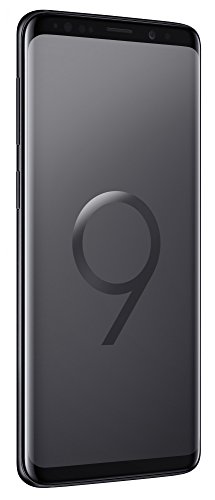
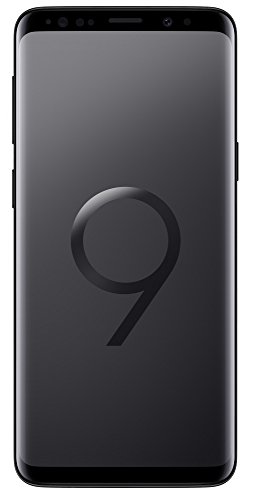
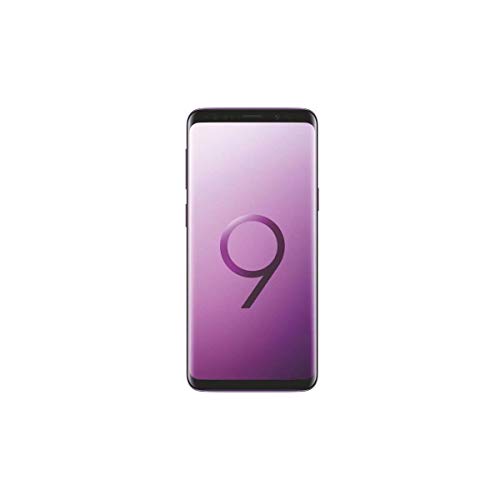
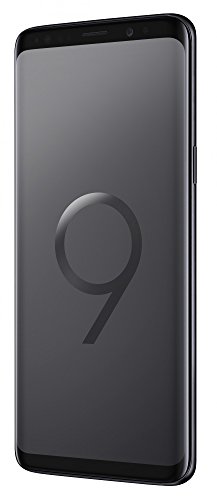
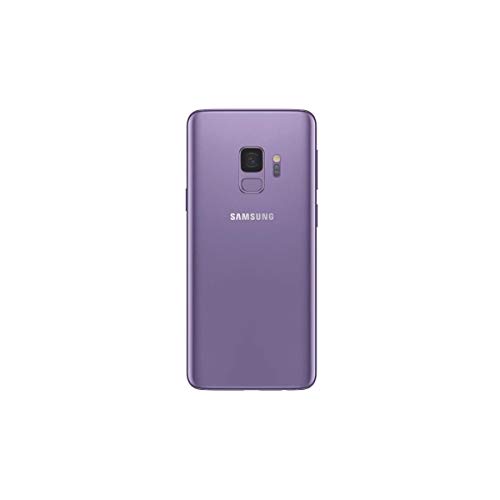
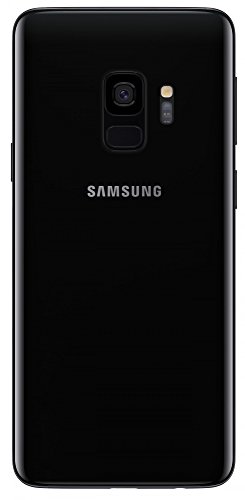
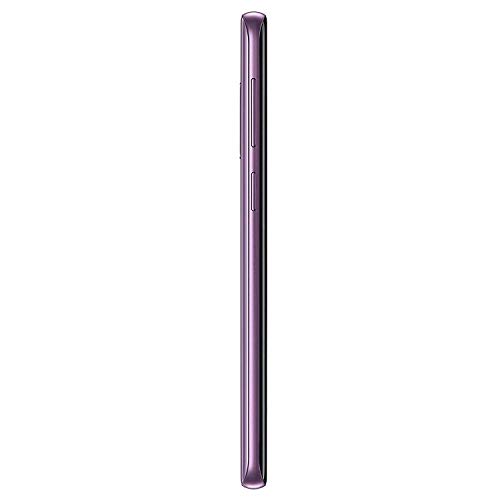
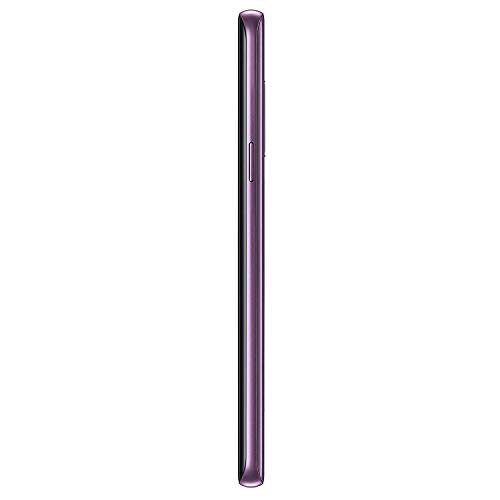
#65 (#43) in Best Compact Smartphones
#72 (#46) in Best 6-Inch Smartphones
#154 (#83) in Best Samsung Phones
#632 (#268) in Best Wireless Charging Smartphones
What it is: An assessment of the smartphone's technical performance, covering eight key areas: performance & hardware, software, camera, connectivity, display, battery, audio, and design.
When it matters: When you want to compare smartphones based on technical performance and available features.
Score components:
25.0%
Performance & Hardware
18.0%
Camera
15.0%
Display
15.0%
Battery
10.0%
Software
10.0%
Connectivity
4.0%
Audio
3.0%
Design
What it is: A rating that combines user reviews and the total number of reviews received by the smartphone
When it matters: When you want to know how a smartphone handles daily tasks and how reliable it remains over time according to user feedback.
Score components:
70.0%
User reviews
30.0%
Popularity
What it is: An indicator that combines the smartphone's overall rating with its cost.
When it matters: When you are looking for a smartphone with a good balance between quality and price.
Score components:
60.0%
Overall score
40.0%
Price
Importance: LOW
Importance: HIGH
Importance: HIGH
Good value: >12 GB
Importance: MEDIUM
Good value: >256 GB
Importance: MEDIUM
Good value: >3.2 GHz
Importance: LOW
Importance: MEDIUM
Good value: >1500
Importance: LOW
Good value: >4000
Importance: LOW
Good value: 8+
Importance: LOW
Importance: LOW
Good value: >950 MHz
Importance: LOW
Good value: >700
Importance: LOW
Good value: >1000
Importance: LOW
Good value: >2500
Importance: MEDIUM
Good value: >6000
Importance: LOW
Good value: >8000
Importance: MEDIUM
Good value: >12000
Importance: LOW
Good value: >5000
Importance: LOW
Good value: >1800
Importance: LOW
Good value: >3200 MHz
Importance: LOW
Good value: 5
Importance: LOW
Good value: > 50 GB/s
Importance: LOW
Good value: 4
Importance: LOW
Good value: >16 GB
Importance: MEDIUM
Good value: <6 nm
Importance: MEDIUM
Good value: >9 W
Importance: LOW
Importance: LOW
Good value: >8192 KB
Importance: LOW
Good value: >2048 KB
Importance: LOW
Good value: >512 KB
Importance: LOW
Good value: >100000 million
Importance: LOW
Good value: 3.3
Importance: LOW
Good value: 3.2
Importance: LOW
Good value: 2.0/3.0
Importance: LOW
Importance: LOW
Importance: LOW
Importance: MEDIUM
Importance: LOW
Importance: LOW
Importance: LOW
Importance: LOW
Importance: LOW
Importance: LOW
Importance: LOW
Importance: LOW
Importance: LOW
Importance: LOW
Importance: LOW
Importance: LOW
Importance: LOW
Importance: LOW
Importance: LOW
Importance: LOW
Importance: LOW
Importance: LOW
Importance: LOW
Importance: LOW
Importance: LOW
Importance: LOW
Importance: LOW
Importance: LOW
Importance: LOW
Importance: LOW
Importance: LOW
Importance: LOW
Importance: LOW
Importance: LOW
Importance: LOW
Importance: LOW
Importance: LOW
Importance: MEDIUM
Good value: >50 MP
Importance: MEDIUM
Importance: HIGH
Good value: >60
Importance: LOW
Good value: ≥1.2 µm
Importance: MEDIUM
Good value: >2.5x
Importance: MEDIUM
Importance: LOW
Importance: LOW
Importance: LOW
Importance: LOW
Good value: ≥2
Importance: LOW
Importance: LOW
Importance: LOW
Importance: LOW
Good value: >16 MP
Importance: LOW
Importance: LOW
Importance: LOW
Importance: LOW
Importance: MEDIUM
Importance: LOW
Importance: LOW
Importance: LOW
Importance: LOW
Importance: LOW
Importance: LOW
Importance: LOW
Importance: LOW
Importance: LOW
Importance: LOW
Importance: LOW
Importance: LOW
Importance: LOW
Importance: LOW
Importance: LOW
Importance: LOW
Importance: LOW
Importance: LOW
Importance: LOW
Importance: LOW
Importance: LOW
Good value: >130
Importance: LOW
Good value: >120
Importance: LOW
Good value: ≥2
Importance: LOW
Importance: LOW
Importance: LOW
Importance: LOW
Importance: LOW
Importance: LOW
Good value: >5.2
Importance: LOW
Importance: LOW
Importance: LOW
Importance: LOW
Good value: 3.1/3.2
Importance: LOW
Importance: LOW
Importance: LOW
Good value: ≥2
Importance: LOW
Importance: LOW
Importance: LOW
Importance: LOW
Importance: LOW
Importance: LOW
Importance: LOW
Importance: LOW
Importance: LOW
Importance: LOW
Importance: LOW
Importance: LOW
Importance: LOW
Importance: LOW
Importance: LOW
Importance: LOW
Good value: ≥6.6 inches
Importance: MEDIUM
Importance: LOW
Good value: >400 ppi
Importance: MEDIUM
Importance: MEDIUM
Good value: ≥120 Hz
Importance: LOW
Importance: LOW
Good value: >300 Hz
Importance: LOW
Good value: >800 nits
Importance: LOW
Good value: >1300 nits
Importance: LOW
Good value: >1000 nits
Importance: LOW
Importance: LOW
Importance: LOW
Importance: LOW
Importance: LOW
Importance: LOW
Importance: LOW
Importance: LOW
Importance: HIGH
Good value: >5000 mAh
Importance: MEDIUM
Good value: >60 W
Importance: LOW
Importance: LOW
Good value: <45 min
Importance: LOW
Importance: LOW
Good value: >40 W
Importance: LOW
Importance: LOW
Good value: >10 W
Importance: LOW
Importance: LOW
Importance: MEDIUM
Importance: LOW
Good value: >800
Importance: LOW
Importance: LOW
Importance: LOW
Importance: LOW
Importance: LOW
Good value: ≥3
Importance: LOW
Importance: LOW
Importance: LOW
Importance: LOW
Importance: LOW
Importance: LOW
Importance: LOW
Good value: <162 mm
Importance: LOW
Good value: <75 mm
Importance: LOW
Good value: <8 mm
Importance: LOW
Good value: <190 g
Importance: LOW
Good value: <98cm³
Importance: LOW
Importance: LOW
Importance: LOW
Importance: LOW
Importance: LOW
Importance: LOW
Good value: ≥1.5 m
Importance: LOW
Importance: LOW
Good value: >8
Importance: LOW
Importance: LOW
Importance: MEDIUM
Importance: LOW
Importance: MEDIUM
Importance: LOW
Good value: ≥1.2 µm
Importance: LOW
Good value: >400 ppi
Importance: LOW
Good value: >512 KB
Importance: LOW
Importance: MEDIUM
Good value: >3.2 GHz
Importance: MEDIUM
Good value: ≥120 Hz
Importance: MEDIUM
Good value: >256 GB
Importance: LOW
Importance: MEDIUM
Good value: >50 MP
Importance: LOW
Good value: >950 MHz
Importance: HIGH
Good value: >5000 mAh
Importance: LOW
Good value: ≥6.6 inches
Importance: HIGH
Good value: >12 GB
What it is: An overall evaluation of the smartphone's quality, based on technical analyses and user reviews.
When it matters: When you need a quick reference to identify the best smartphones on the market.
no rating assigned
?Two years after its 2018 release, the Samsung Galaxy S9 is lauded for its "ultra-modern," premium design, which is complemented by a vibrant Super AMOLED display, IP68 water resistance, and a 3.5mm headphone jack. The update to One UI 2 (Android 10) significantly improved performance, making the device feel as fast as the newer Galaxy S20. However, significant drawbacks include poor...Read more
no rating assigned
?Android Central's review characterizes the Samsung Galaxy S9 as a refined, iterative flagship, boasting a top-tier 5.8-inch curved Super AMOLED display and a corrected,, more ergonomic rear fingerprint sensor. Key pros include the versatile, dual-aperture camera for superior low-light shots, the high-performance Snapdragon 845 processor, stereo speakers, and the retained 3.5mm...Read more
no rating assigned
?In a March 2018 review by The Verge, the Samsung Galaxy S9 Plus is characterized as a polished flagship, featuring a 6.2-inch AMOLED display, improved stereo speakers, and a relocated, more accessible fingerprint scanner. The device introduces a versatile dual-aperture camera (f/1.5 or f/2.4) for enhanced low-light photography, paired with 6GB of RAM for a fast, top-tier...Read more
no rating assigned
?Consumer Reports ranked the Samsung Galaxy S9 and S9+ at the top of their smartphone list, highlighting significant improvements in durability, speed, and audio, with the devices surviving 100 drops in tests and featuring a faster Snapdragon 845 processor. Key pros include superior AKG-tuned stereo speakers, an improved fingerprint scanner, and strong low-light camera capabilities....Read more
no rating assigned
?The Wall Street Journal’s review describes the Samsung Galaxy S9 as an "impressive and infuriating" device that combines top-tier hardware with frustrating software. Key pros include the industry-leading Super AMOLED Infinity Display, fast performance, and a new 12-megapixel rear camera featuring dual-aperture technology for improved low-light photography. However, the review notes...Read more
no rating assigned
?The Samsung Galaxy S9 is characterized as a refined, incremental update to the S8, featuring a nearly identical design with its signature "Infinity Display" and superior internal components. The review highlights the camera's dual-aperture lens as a significant, market-leading improvement for low-light photography, allowing the device to outperform rivals like the iPhone X in darker...Read more
no rating assigned
?Digital Trends describes the Samsung Galaxy S9 as a well-sized phone balancing performance and premium hardware, featuring a high-quality Super AMOLED display ideal for media consumption. Pros include a fast Snapdragon 845 processor, a camera with a dual aperture for improved low-light photos and a slow-motion mode, and the retention of a 3.5mm headphone jack and Dolby Atmos stereo...Read more
no rating assigned
?TechRadar describes the as a refinement of its predecessor, highlighting its low-light camera, powerful performance, relocated fingerprint scanner, and stereo speakers as key strengths. However, the review notes drawbacks including unimproved battery life, uninspiring AR Emoji software, and a frustrating, non-remappable Bixby button. The device features an excellent Super AMOLED...Read more
no rating assigned
?According to Reviewed.com, the Samsung Galaxy S9 is a high-performance flagship smartphone that refines the design of its predecessor, offering strong speed, a premium build, and excellent low-light camera performance. Pros include the Snapdragon 845 processor, 4GB of RAM, and generally all-day battery life, while cons include minimal upgrades for S8 owners, potentially insufficient...Read more
no rating assigned
?According to Consumer Reports, the Samsung Galaxy S9 excels in durability, performance (thanks to the Snapdragon 845 processor), and its Super AMOLED display. It also features improved ergonomics, stereo speakers, and intelligent security options. However, the review notes a decrease in battery life compared to its predecessor and criticizes the camera's tendency to oversharpen...Read more
no rating assigned
?The Samsung Galaxy S9 is considered a refined iteration of its predecessor, offering a premium build and a 5.8-inch Super AMOLED screen, identified as a powerful one-handed device upon release. Key improvements included a more ergonomic, centrally located fingerprint sensor and enhanced audio quality from dual stereo speakers tuned by AKG. Technical pros feature superior network...Read more
no rating assigned
?According to Wired, the Samsung Galaxy S9 is a refined flagship phone with a superb Super AMOLED display, improved stereo speakers, and a retained headphone jack, offering an enhanced multimedia experience. While its variable aperture camera is a pro for low-light photography, cons include unconvincing AR Emoji, finicky Super Slow-mo, Samsung's software bloatware, and a lackluster...Read more
no rating assigned
?The Samsung Galaxy S9 is described as a refined, powerful device featuring a bright 5.8-inch Super AMOLED display and driven by the Snapdragon 845 processor, retaining features like a headphone jack and wireless charging. Its standout dual-aperture 12-megapixel camera performs well in good light but inconsistently in low light, producing overexposed or blurry images compared to...Read more
no rating assigned
?Evelien from Fotografille highlights the Samsung Galaxy S9 camera's innovative dual aperture (f/1.5 and f/2.4) as a major technical leap, delivering exceptional performance in low-light conditions. The camera excels in speed and dynamic range, successfully managing high-contrast scenes without losing detail. Key advantages include the versatile Pro mode for manual control, effective...Read more
no rating assigned
?The Samsung Galaxy S9 acts as a refined, incremental update to the S8, featuring a premium glass-and-metal design with improved ergonomics, specifically a repositioned, more accessible fingerprint sensor. It boasts an industry-leading 5.8-inch Super AMOLED display and delivers top-tier performance via the Exynos 9810 or Snapdragon 845 processors, complemented by new stereo speakers...Read more
no rating assigned
?Bright describes the Samsung Galaxy S9 as a refined, "predictable top-class" smartphone that prioritizes hardware improvements like a faster processor, stereo speakers, and a better fingerprint scanner location over radical design changes. Key pros include an industry-leading Super AMOLED display and a versatile, variable-aperture camera that excels in low light, although it may...Read more
no rating assigned
?The Samsung Galaxy S9 is presented as an evolutionary, rather than revolutionary, successor to the S8, featuring a refined design with a better-positioned fingerprint sensor and a stunning 5.8-inch Super AMOLED display. Key highlights include the Exynos 9810 processor, improved audio, and a standout dual-aperture camera capable of exceptional low-light shots, though the AR Emoji...Read more
no rating assigned
?The La Tercera Mouse review describes the Samsung Galaxy S9 and S9+ as a conservative, iterative update that focuses on internal refinements over a radical redesign, making the experience very familiar to S8 users. Key pros highlighted include the superior "Infinity Display" and significantly improved, smooth performance, while the main con is the lack of aesthetic innovation and...Read more
no rating assigned
?Xataka México describes the Samsung Galaxy S9 as a refined, "predictable evolution" of the S8, featuring an exceptional 5.8-inch Super AMOLED display, improved stereo speakers, and a retained 3.5mm headphone jack. Key pros include the ergonomic, lower-placed fingerprint sensor, robust performance from the Snapdragon 845, and a variable aperture camera (f/1.5-f/2.4) that offers great...Read more
no rating assigned
?The Forbes Mexico review hails the 2018 Samsung Galaxy S9 as a refined, incremental upgrade, highlighting its durable design, improved Infinity Display, and a crucial ergonomic correction by moving the fingerprint sensor below the camera. A standout feature is the innovative dual-aperture (f/1.5 and f/2.4) camera, which offers superior low-light performance, alongside a 960 fps...Read more
no rating assigned
?The Xataka review highlights the Samsung Galaxy S9 and S9+ as iterative refinements of the S8, featuring a corrected, lower-placed fingerprint sensor and improved stereo speakers. Pros include stunning AMOLED displays, while cons note the lack of substantial design changes. The camera, featuring a dual-aperture lens, is a major focus, with the S9+ offering superior zoom and portrait...Read more
no rating assigned
?The Gizmodo review labels the Samsung Galaxy S9 as a refined Android flagship, featuring a 15% brighter "Infinity Display," superior AKG-tuned stereo speakers, and a crucial ergonomic fix with a better-placed rear fingerprint sensor. The device's standout feature is a dual-aperture camera that excels in low-light conditions (f/1.5), paired with high-performance specs, a, headphone...Read more
no rating assigned
?The Samsung Galaxy S9 refines its predecessor with a 5.8-inch Super AMOLED Infinity Display, fast Snapdragon 845/Exynos 9810 performance, and upgraded AKG-tuned stereo speakers. A major highlight is the dual-aperture camera (f/1.5 and f/2.4) that excels in low-light, alongside a 960 fps Super Slow-Mo mode. While praised for its, design, and improved fingerprint sensor placement, the...Read more
no rating assigned
?The Corriere della Sera video review positions the Samsung Galaxy S9 as an evolutionary refinement of the S8, featuring a nearly identical design but correcting the fingerprint sensor placement to a more ergonomic spot below the camera. It retains a premium feel with a 5.8-inch Infinity Display, noted for exceptional vibrancy and sharpness. Key camera improvements, such as the...Read more
no rating assigned
?The 2018 Wired Italy review positions the Samsung Galaxy S9+ as a refined, iterative update to the S8+, boasting a top-tier 6.2-inch Infinity Display and a more ergonomic, centralized fingerprint scanner. Powered by the Exynos 9810 and 6GB of RAM, the device delivers high-speed performance, though it retains a design that is susceptible to fingerprints. The camera, featuring a...Read more
no rating assigned
?The Samsung Galaxy S9 is described as a refined, iterative successor to the S8, featuring a vibrant 5.8-inch Super AMOLED display and the powerful Exynos 9810 processor. Its primary strengths lie in the innovative dual-aperture camera system (f/1.5-f/2.4) for enhanced low-light photography, impressive stereo speakers tuned by AKG, and an improved, ergonomic fingerprint sensor...Read more
no rating assigned
?Gianluca Gentile’s review of the Samsung Galaxy S9 praises its premium, ergonomic design and the 5.8-inch Super AMOLED "Infinite Display," which offers exceptional color accuracy. The relocated, centrally-placed fingerprint sensor is noted as a significant improvement, while the dual-aperture camera system enables superior low-light performance. Key features highlighted include the...Read more
no rating assigned
?Andrea Galeazzi's review highlights the Samsung Galaxy S9 as a compact, ergonomic device featuring a high-quality 5.8-inch Super AMOLED display, excellent AKG-tuned stereo speakers, and a retained 3.5mm headphone jack. While powered by the efficient Exynos 9810 with 4GB RAM, the single rear camera lacks the telephoto lens found on the S9+, despite offering a versatile f/1.5-f/2.4...Read more
no rating assigned
?The DDay.it review characterizes the Galaxy S9 as a perfected "S8 2018," featuring minor design tweaks, including a more ergonomic, centered fingerprint scanner. Key pros highlighted include the superb 1440p Super AMOLED display, high-quality AKG-tuned stereo speakers, and the retention of a 3.5mm headphone jack and microSD slot. While the build is premium, the 3,000 mAh battery is...Read more
no rating assigned
?TuttoAndroid calls the Samsung Galaxy S9 a polished, iterative upgrade featuring an exceptional 5.8-inch Super AMOLED display and the powerful Exynos 9810 processor. Key advantages include the innovative dual-aperture camera with 960fps slow-motion, significantly improved stereo speakers, better ergonomics, and robust, secure unlocking features. However, the 3000mAh battery proves...Read more
no rating assigned
?The Samsung Galaxy S9 is characterized as a refined, incremental update featuring an iconic design, a superior Super AMOLED display, improved fingerprint sensor ergonomics, and the retention of the 3.5mm headphone jack. The camera system stands out with a variable aperture (f/1.5-f/2.4) for improved low-light shots, 960fps super slow-motion, and 4K 60fps video, though it can...Read more
no rating assigned
?Two years after its 2018 release, the Samsung Galaxy S9 is lauded for its "ultra-modern," premium design, which is complemented by a vibrant Super AMOLED display, IP68 water resistance, and a 3.5mm headphone jack. The update to One UI 2 (Android 10) significantly improved performance, making the device feel as fast as the newer Galaxy S20. However, significant drawbacks include poor...Read more
no rating assigned
?Android Central's review characterizes the Samsung Galaxy S9 as a refined, iterative flagship, boasting a top-tier 5.8-inch curved Super AMOLED display and a corrected,, more ergonomic rear fingerprint sensor. Key pros include the versatile, dual-aperture camera for superior low-light shots, the high-performance Snapdragon 845 processor, stereo speakers, and the retained 3.5mm...Read more
no rating assigned
?In a March 2018 review by The Verge, the Samsung Galaxy S9 Plus is characterized as a polished flagship, featuring a 6.2-inch AMOLED display, improved stereo speakers, and a relocated, more accessible fingerprint scanner. The device introduces a versatile dual-aperture camera (f/1.5 or f/2.4) for enhanced low-light photography, paired with 6GB of RAM for a fast, top-tier...Read more
no rating assigned
?Consumer Reports ranked the Samsung Galaxy S9 and S9+ at the top of their smartphone list, highlighting significant improvements in durability, speed, and audio, with the devices surviving 100 drops in tests and featuring a faster Snapdragon 845 processor. Key pros include superior AKG-tuned stereo speakers, an improved fingerprint scanner, and strong low-light camera capabilities....Read more
no rating assigned
?The Wall Street Journal’s review describes the Samsung Galaxy S9 as an "impressive and infuriating" device that combines top-tier hardware with frustrating software. Key pros include the industry-leading Super AMOLED Infinity Display, fast performance, and a new 12-megapixel rear camera featuring dual-aperture technology for improved low-light photography. However, the review notes...Read more
no rating assigned
?The Samsung Galaxy S9 is characterized as a refined, incremental update to the S8, featuring a nearly identical design with its signature "Infinity Display" and superior internal components. The review highlights the camera's dual-aperture lens as a significant, market-leading improvement for low-light photography, allowing the device to outperform rivals like the iPhone X in darker...Read more
no rating assigned
?Digital Trends describes the Samsung Galaxy S9 as a well-sized phone balancing performance and premium hardware, featuring a high-quality Super AMOLED display ideal for media consumption. Pros include a fast Snapdragon 845 processor, a camera with a dual aperture for improved low-light photos and a slow-motion mode, and the retention of a 3.5mm headphone jack and Dolby Atmos stereo...Read more
no rating assigned
?TechRadar describes the as a refinement of its predecessor, highlighting its low-light camera, powerful performance, relocated fingerprint scanner, and stereo speakers as key strengths. However, the review notes drawbacks including unimproved battery life, uninspiring AR Emoji software, and a frustrating, non-remappable Bixby button. The device features an excellent Super AMOLED...Read more
no rating assigned
?According to Reviewed.com, the Samsung Galaxy S9 is a high-performance flagship smartphone that refines the design of its predecessor, offering strong speed, a premium build, and excellent low-light camera performance. Pros include the Snapdragon 845 processor, 4GB of RAM, and generally all-day battery life, while cons include minimal upgrades for S8 owners, potentially insufficient...Read more
no rating assigned
?According to Consumer Reports, the Samsung Galaxy S9 excels in durability, performance (thanks to the Snapdragon 845 processor), and its Super AMOLED display. It also features improved ergonomics, stereo speakers, and intelligent security options. However, the review notes a decrease in battery life compared to its predecessor and criticizes the camera's tendency to oversharpen...Read more
no rating assigned
?The Samsung Galaxy S9 is considered a refined iteration of its predecessor, offering a premium build and a 5.8-inch Super AMOLED screen, identified as a powerful one-handed device upon release. Key improvements included a more ergonomic, centrally located fingerprint sensor and enhanced audio quality from dual stereo speakers tuned by AKG. Technical pros feature superior network...Read more
no rating assigned
?According to Wired, the Samsung Galaxy S9 is a refined flagship phone with a superb Super AMOLED display, improved stereo speakers, and a retained headphone jack, offering an enhanced multimedia experience. While its variable aperture camera is a pro for low-light photography, cons include unconvincing AR Emoji, finicky Super Slow-mo, Samsung's software bloatware, and a lackluster...Read more
no rating assigned
?The Samsung Galaxy S9 is described as a refined, powerful device featuring a bright 5.8-inch Super AMOLED display and driven by the Snapdragon 845 processor, retaining features like a headphone jack and wireless charging. Its standout dual-aperture 12-megapixel camera performs well in good light but inconsistently in low light, producing overexposed or blurry images compared to...Read more
no rating assigned
?Evelien from Fotografille highlights the Samsung Galaxy S9 camera's innovative dual aperture (f/1.5 and f/2.4) as a major technical leap, delivering exceptional performance in low-light conditions. The camera excels in speed and dynamic range, successfully managing high-contrast scenes without losing detail. Key advantages include the versatile Pro mode for manual control, effective...Read more
no rating assigned
?The Samsung Galaxy S9 acts as a refined, incremental update to the S8, featuring a premium glass-and-metal design with improved ergonomics, specifically a repositioned, more accessible fingerprint sensor. It boasts an industry-leading 5.8-inch Super AMOLED display and delivers top-tier performance via the Exynos 9810 or Snapdragon 845 processors, complemented by new stereo speakers...Read more
no rating assigned
?Bright describes the Samsung Galaxy S9 as a refined, "predictable top-class" smartphone that prioritizes hardware improvements like a faster processor, stereo speakers, and a better fingerprint scanner location over radical design changes. Key pros include an industry-leading Super AMOLED display and a versatile, variable-aperture camera that excels in low light, although it may...Read more
no rating assigned
?The Samsung Galaxy S9 is presented as an evolutionary, rather than revolutionary, successor to the S8, featuring a refined design with a better-positioned fingerprint sensor and a stunning 5.8-inch Super AMOLED display. Key highlights include the Exynos 9810 processor, improved audio, and a standout dual-aperture camera capable of exceptional low-light shots, though the AR Emoji...Read more
no rating assigned
?The La Tercera Mouse review describes the Samsung Galaxy S9 and S9+ as a conservative, iterative update that focuses on internal refinements over a radical redesign, making the experience very familiar to S8 users. Key pros highlighted include the superior "Infinity Display" and significantly improved, smooth performance, while the main con is the lack of aesthetic innovation and...Read more
no rating assigned
?Xataka México describes the Samsung Galaxy S9 as a refined, "predictable evolution" of the S8, featuring an exceptional 5.8-inch Super AMOLED display, improved stereo speakers, and a retained 3.5mm headphone jack. Key pros include the ergonomic, lower-placed fingerprint sensor, robust performance from the Snapdragon 845, and a variable aperture camera (f/1.5-f/2.4) that offers great...Read more
no rating assigned
?The Forbes Mexico review hails the 2018 Samsung Galaxy S9 as a refined, incremental upgrade, highlighting its durable design, improved Infinity Display, and a crucial ergonomic correction by moving the fingerprint sensor below the camera. A standout feature is the innovative dual-aperture (f/1.5 and f/2.4) camera, which offers superior low-light performance, alongside a 960 fps...Read more
no rating assigned
?The Xataka review highlights the Samsung Galaxy S9 and S9+ as iterative refinements of the S8, featuring a corrected, lower-placed fingerprint sensor and improved stereo speakers. Pros include stunning AMOLED displays, while cons note the lack of substantial design changes. The camera, featuring a dual-aperture lens, is a major focus, with the S9+ offering superior zoom and portrait...Read more
no rating assigned
?The Gizmodo review labels the Samsung Galaxy S9 as a refined Android flagship, featuring a 15% brighter "Infinity Display," superior AKG-tuned stereo speakers, and a crucial ergonomic fix with a better-placed rear fingerprint sensor. The device's standout feature is a dual-aperture camera that excels in low-light conditions (f/1.5), paired with high-performance specs, a, headphone...Read more
no rating assigned
?The Samsung Galaxy S9 refines its predecessor with a 5.8-inch Super AMOLED Infinity Display, fast Snapdragon 845/Exynos 9810 performance, and upgraded AKG-tuned stereo speakers. A major highlight is the dual-aperture camera (f/1.5 and f/2.4) that excels in low-light, alongside a 960 fps Super Slow-Mo mode. While praised for its, design, and improved fingerprint sensor placement, the...Read more
no rating assigned
?The Corriere della Sera video review positions the Samsung Galaxy S9 as an evolutionary refinement of the S8, featuring a nearly identical design but correcting the fingerprint sensor placement to a more ergonomic spot below the camera. It retains a premium feel with a 5.8-inch Infinity Display, noted for exceptional vibrancy and sharpness. Key camera improvements, such as the...Read more
no rating assigned
?The 2018 Wired Italy review positions the Samsung Galaxy S9+ as a refined, iterative update to the S8+, boasting a top-tier 6.2-inch Infinity Display and a more ergonomic, centralized fingerprint scanner. Powered by the Exynos 9810 and 6GB of RAM, the device delivers high-speed performance, though it retains a design that is susceptible to fingerprints. The camera, featuring a...Read more
no rating assigned
?The Samsung Galaxy S9 is described as a refined, iterative successor to the S8, featuring a vibrant 5.8-inch Super AMOLED display and the powerful Exynos 9810 processor. Its primary strengths lie in the innovative dual-aperture camera system (f/1.5-f/2.4) for enhanced low-light photography, impressive stereo speakers tuned by AKG, and an improved, ergonomic fingerprint sensor...Read more
no rating assigned
?Gianluca Gentile’s review of the Samsung Galaxy S9 praises its premium, ergonomic design and the 5.8-inch Super AMOLED "Infinite Display," which offers exceptional color accuracy. The relocated, centrally-placed fingerprint sensor is noted as a significant improvement, while the dual-aperture camera system enables superior low-light performance. Key features highlighted include the...Read more
no rating assigned
?Andrea Galeazzi's review highlights the Samsung Galaxy S9 as a compact, ergonomic device featuring a high-quality 5.8-inch Super AMOLED display, excellent AKG-tuned stereo speakers, and a retained 3.5mm headphone jack. While powered by the efficient Exynos 9810 with 4GB RAM, the single rear camera lacks the telephoto lens found on the S9+, despite offering a versatile f/1.5-f/2.4...Read more
no rating assigned
?The DDay.it review characterizes the Galaxy S9 as a perfected "S8 2018," featuring minor design tweaks, including a more ergonomic, centered fingerprint scanner. Key pros highlighted include the superb 1440p Super AMOLED display, high-quality AKG-tuned stereo speakers, and the retention of a 3.5mm headphone jack and microSD slot. While the build is premium, the 3,000 mAh battery is...Read more
no rating assigned
?TuttoAndroid calls the Samsung Galaxy S9 a polished, iterative upgrade featuring an exceptional 5.8-inch Super AMOLED display and the powerful Exynos 9810 processor. Key advantages include the innovative dual-aperture camera with 960fps slow-motion, significantly improved stereo speakers, better ergonomics, and robust, secure unlocking features. However, the 3000mAh battery proves...Read more
no rating assigned
?The Samsung Galaxy S9 is characterized as a refined, incremental update featuring an iconic design, a superior Super AMOLED display, improved fingerprint sensor ergonomics, and the retention of the 3.5mm headphone jack. The camera system stands out with a variable aperture (f/1.5-f/2.4) for improved low-light shots, 960fps super slow-motion, and 4K 60fps video, though it can...Read more

Compare