Reviews worth watching before you buy. A video loads only when you press play.
Tests of each product by expert websites, with what they liked and missed.
The radar shows each spec group. Next to it: only the specs that differ, the better value ticked. Open a row for the explanation.
Ranks in independent best-of lists from test sites, magazines and YouTube. Click a list to open it.
Topics that expert and video reviewers praise or criticise. Open a topic to read what they wrote.
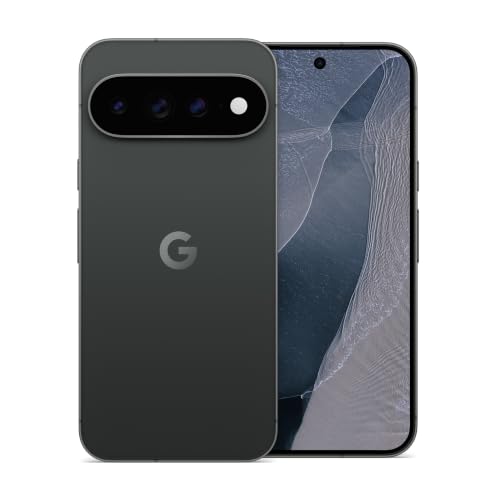
Reviewers praise the excellent image quality and software, but criticise performance, poor value and limited storage, while charging divides opinion.
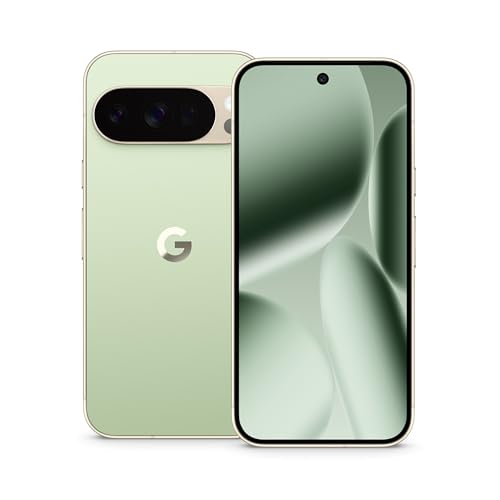
Reviewers praise fast performance, good battery life and a comfortable size, but say charging is slow and upgrades over last year are minimal.
Green = reviewers praise it, red = they criticise it. Counts are reviews that mention the topic.
From owners' comments under review videos. Open a topic to read what owners report.
Owners praise polished software, cameras and compact design, while battery drain, overheating, bugs and high prices undermine the experience.
Owners praise the compact design, fast performance, long battery, and bright display, while camera quality and software quirks draw criticism.
| Winner | ||
|---|---|---|
Price | ||
Overall score | 8.6 | 8.5 |
Technical score | 8.7 Google Pixel 10 Pro (16GB + 256GB) has the highest technical score. | 8.7 Samsung Galaxy S25+ (12GB + 512GB) has the highest technical score. |
Popularity | 8.9 | 9.1 Samsung Galaxy S25+ (12GB + 512GB) is the most popular. |
Reviews score | 8.0 | 8.3 Samsung Galaxy S25+ (12GB + 512GB): Reviews score |
Value for money | 7.8 Google Pixel 10 Pro (16GB + 256GB) has the best value for money. | 7.6 |
Gaming and performance | 9.6 | 8.9 |
Camera and photography | 9.4 | 9.4 |
Battery and charging | 6.5 | 7.0 |
Display and multimedia | 9.7 | 9.6 |
Daily portability and build | 7.9 | 9.2 |
Software and longevity | 8.8 | 8.3 |
Performance | 8.9 | 9.2 |
Processor model | Google Tensor G5 What it is The central System-on-Chip (SoC) that houses the CPU, GPU, modem, and other core processing components. When it matters When you want to know the specific engine powering your device's speed and features. Google Pixel 10 Pro (16GB + 256GB) uses the Google Tensor G5 processor which is faster than processors in 92.4% of smartphones and equal to processors in 0.4% of smartphones. Priority: HIGH | Qualcomm Snapdragon 8 Elite What it is The central System-on-Chip (SoC) that houses the CPU, GPU, modem, and other core processing components. When it matters When you want to know the specific engine powering your device's speed and features. Samsung Galaxy S25+ (12GB + 512GB) uses the Qualcomm Snapdragon 8 Elite processor which is faster than processors in 95.1% of smartphones and equal to processors in 2% of smartphones. Priority: HIGH Samsung Galaxy S25+ (12GB + 512GB) uses the most advanced processor model. |
Storage type | ? | UFS 4.1 What it is The flash memory standard used for the phone's built-in storage, which sets how fast data can be read and written. When it matters When you install large games, shoot 4K video, or notice apps taking longer to launch after a few months of use. Samsung Galaxy S25+ (12GB + 512GB) uses UFS 4.1 storage, which is faster than the storage in 90% of smartphones and the same as in 6.2% of smartphones. Priority: MEDIUM |
RAM capacity | 16 GB What it is The amount of volatile memory available for running apps and multitasking. When it matters When you use multiple apps at once or want smoother multitasking without reloads. Google Pixel 10 Pro (16GB + 256GB) has a RAM capacity of 16 GB which is larger than the RAM capacity of 83.9% of smartphones and equal to that of 11.5% of smartphones. Good value: 🎯 >12 GB Priority: HIGH Google Pixel 10 Pro (16GB + 256GB) has the largest RAM capacity. | 12 GB What it is The amount of volatile memory available for running apps and multitasking. When it matters When you use multiple apps at once or want smoother multitasking without reloads. Samsung Galaxy S25+ (12GB + 512GB) has a RAM capacity of 12 GB which is larger than the RAM capacity of 59.7% of smartphones and equal to that of 23.9% of smartphones. Good value: 🎯 >12 GB Priority: HIGH |
Internal storage | 256 GB What it is The total built-in space available for apps, media, and files. When it matters When you keep large libraries of photos, videos, and apps directly on your device. Google Pixel 10 Pro (16GB + 256GB) has an internal storage capacity of 256 GB which is larger than the storage of 39.5% of smartphones and equal to that of 38.3% of smartphones. Good value: 🎯 >256 GB Priority: MEDIUM | 512 GB What it is The total built-in space available for apps, media, and files. When it matters When you keep large libraries of photos, videos, and apps directly on your device. Samsung Galaxy S25+ (12GB + 512GB) has an internal storage capacity of 512 GB which is larger than the storage of 77.8% of smartphones and equal to that of 16.8% of smartphones. Good value: 🎯 >256 GB Priority: MEDIUM Samsung Galaxy S25+ (12GB + 512GB) has the largest internal storage. |
CPU boost clock speed | 3.78 GHz What it is The maximum speed the processor can achieve temporarily under heavy load. When it matters When you run demanding apps or games that require short bursts of peak performance. The CPU boost clock speed of Google Pixel 10 Pro (16GB + 256GB) is 3.78 GHz which is higher than the boost speed of 94.1% of smartphones and equal to that of 0.4% of smartphones. Good value: 🎯 ≥3.2 GHz Priority: MEDIUM | 4.47 GHz What it is The maximum speed the processor can achieve temporarily under heavy load. When it matters When you run demanding apps or games that require short bursts of peak performance. The CPU boost clock speed of Samsung Galaxy S25+ (12GB + 512GB) is 4.47 GHz which is higher than the boost speed of 97.8% of smartphones and equal to that of 0.4% of smartphones. Good value: 🎯 ≥3.2 GHz Priority: MEDIUM Samsung Galaxy S25+ (12GB + 512GB) has the highest CPU boost clock speed. |
CPU base clock speed | 1x 3.78 GHz & 5x 3.05 GHz & 2x 2.25 GHz What it is The processor’s standard operating frequency under normal conditions, measured in GHz. When it matters When you want consistent, reliable performance for standard daily tasks like browsing or messaging. The CPU base clock speed of Google Pixel 10 Pro (16GB + 256GB) is 1x3.78 GHz & 5x3.05 GHz & 2x2.25 GHz which is higher than the base speed of 94.5% of smartphones and equal to that of 0.4% of smartphones. Priority: LOW | 2x 4.47 GHz & 6x 3.53 GHz What it is The processor’s standard operating frequency under normal conditions, measured in GHz. When it matters When you want consistent, reliable performance for standard daily tasks like browsing or messaging. The CPU base clock speed of Samsung Galaxy S25+ (12GB + 512GB) is 2x4.47 GHz & 6x3.53 GHz which is higher than the base speed of 98% of smartphones and equal to that of 0.4% of smartphones. Priority: LOW Samsung Galaxy S25+ (12GB + 512GB) has the highest CPU base clock speed. |
Geekbench 6 single-core benchmark score | 2,296 What it is A cross-platform benchmark by Primate Labs that measures single-core CPU performance. It reflects how quickly a device handles everyday tasks that rely on a single processing core. When it matters When you want snappy responsiveness in everyday interactions and simple apps. Google Pixel 10 Pro (16GB + 256GB) scored 2,296 in Geekbench 6 (single-core) which is higher than the score of 92.6% of smartphones and equal to the score of 0.5% of smartphones. Good value: 🎯 >1500 Priority: MEDIUM | 3,068 What it is A cross-platform benchmark by Primate Labs that measures single-core CPU performance. It reflects how quickly a device handles everyday tasks that rely on a single processing core. When it matters When you want snappy responsiveness in everyday interactions and simple apps. Samsung Galaxy S25+ (12GB + 512GB) scored 3,068 in Geekbench 6 (single-core) which is higher than the score of 94.4% of smartphones and equal to the score of 2.1% of smartphones. Good value: 🎯 >1500 Priority: MEDIUM Samsung Galaxy S25+ (12GB + 512GB) has the highest Geekbench 6 single-core score. |
Geekbench 6 multi-core benchmark score | 6,173 What it is A cross-platform benchmark by Primate Labs that evaluates multi-core CPU performance. It simulates real-world workloads to measure how efficiently a device handles multitasking and parallel processing. When it matters When you perform heavy multitasking or run pro-level apps like video editors. Google Pixel 10 Pro (16GB + 256GB) scored 6,173 in Geekbench 6 (multi-core) which is higher than the score of 88.5% of smartphones and equal to the score of 0.5% of smartphones. Good value: 🎯 >4000 Priority: LOW | 9,559 What it is A cross-platform benchmark by Primate Labs that evaluates multi-core CPU performance. It simulates real-world workloads to measure how efficiently a device handles multitasking and parallel processing. When it matters When you perform heavy multitasking or run pro-level apps like video editors. Samsung Galaxy S25+ (12GB + 512GB) scored 9,559 in Geekbench 6 (multi-core) which is higher than the score of 95.1% of smartphones and equal to the score of 1.7% of smartphones. Good value: 🎯 >4000 Priority: LOW Samsung Galaxy S25+ (12GB + 512GB) has the highest Geekbench 6 multi-core score. |
CPU threads | 8 What it is The total number of processing threads that the CPU can execute simultaneously. When it matters When you run complex apps that split tasks into multiple parallel processes for efficiency. Google Pixel 10 Pro (16GB + 256GB) has 8 CPU threads, which is more than the number in 4.5% of smartphones and equal to the number in 93.6% of smartphones. Good value: 🎯 ≥8 Priority: LOW | 8 What it is The total number of processing threads that the CPU can execute simultaneously. When it matters When you run complex apps that split tasks into multiple parallel processes for efficiency. Samsung Galaxy S25+ (12GB + 512GB) has 8 CPU threads, which is more than the number in 4.5% of smartphones and equal to the number in 93.6% of smartphones. Good value: 🎯 ≥8 Priority: LOW |
Multithreading | yes What it is Indicates whether the CPU can handle multiple threads per core to improve multitasking. When it matters When you want better efficiency and speed while running background tasks alongside active apps. Google Pixel 10 Pro (16GB + 256GB) supports multithreading. 81.6% of smartphones have this feature. Priority: LOW | yes What it is Indicates whether the CPU can handle multiple threads per core to improve multitasking. When it matters When you want better efficiency and speed while running background tasks alongside active apps. Samsung Galaxy S25+ (12GB + 512GB) supports multithreading. 81.6% of smartphones have this feature. Priority: LOW |
GPU frequency | 1,100 MHz What it is The operating speed of the graphics processing unit, which affects rendering and gaming. When it matters When you want smoother frame rates in games and faster rendering in graphics apps. Google Pixel 10 Pro (16GB + 256GB) has a GPU frequency of 1,100 MHz which is higher than the GPU frequency of 82.6% of smartphones and equal to that of 3.7% of smartphones. Good value: 🎯 >950 MHz Priority: LOW | 1,100 MHz What it is The operating speed of the graphics processing unit, which affects rendering and gaming. When it matters When you want smoother frame rates in games and faster rendering in graphics apps. Samsung Galaxy S25+ (12GB + 512GB) has a GPU frequency of 1,100 MHz which is higher than the GPU frequency of 82.6% of smartphones and equal to that of 3.7% of smartphones. Good value: 🎯 >950 MHz Priority: LOW |
N. of shading units | 1,536 What it is GPU components responsible for rendering effects like lighting and shading in graphics. When it matters When you play games with complex lighting, shadows, and realistic visual effects. Google Pixel 10 Pro (16GB + 256GB) has 1,536 shading units, which is more than in 85.2% of smartphones and equal to the number in 14.8% of smartphones. Good value: 🎯 >700 Priority: LOW | 1,536 What it is GPU components responsible for rendering effects like lighting and shading in graphics. When it matters When you play games with complex lighting, shadows, and realistic visual effects. Samsung Galaxy S25+ (12GB + 512GB) has 1,536 shading units, which is more than in 85.2% of smartphones and equal to the number in 14.8% of smartphones. Good value: 🎯 >700 Priority: LOW |
3DMark Steel Nomad benchmark | 1,012 What it is A next-generation GPU benchmark developed by UL Solutions to test mobile device graphics performance. It includes modern rendering techniques and provides a more rigorous stress test for mobile GPUs. When it matters When you are interested in next-gen gaming performance with advanced rendering features. Google Pixel 10 Pro (16GB + 256GB) achieved a 3DMark Steel Nomad score of 1,012 which is higher than the score of 66.2% of smartphones and equal to that of 0.9% of smartphones. Good value: 🎯 >1000 Priority: LOW | 2,478 What it is A next-generation GPU benchmark developed by UL Solutions to test mobile device graphics performance. It includes modern rendering techniques and provides a more rigorous stress test for mobile GPUs. When it matters When you are interested in next-gen gaming performance with advanced rendering features. Samsung Galaxy S25+ (12GB + 512GB) achieved a 3DMark Steel Nomad score of 2,478 which is higher than the score of 91.4% of smartphones and equal to that of 4.2% of smartphones. Good value: 🎯 >1000 Priority: LOW Samsung Galaxy S25+ (12GB + 512GB) has the best 3DMark Steel Nomad score. |
3DMark Wild Life Extreme benchmark | 3,400 What it is A high-intensity version of the 3DMark Wild Life benchmark developed by UL Solutions. It pushes the GPU to its limits with more graphically demanding tests, useful for evaluating high-end gaming performance. When it matters When you play high-end games with demanding graphics settings. Google Pixel 10 Pro (16GB + 256GB) achieved a 3DMark Wild Life Extreme score of 3,400 which is better than the score of 79.9% of smartphones and equal to that of 0.1% of smartphones. Good value: 🎯 >2500 Priority: LOW | 5,597 What it is A high-intensity version of the 3DMark Wild Life benchmark developed by UL Solutions. It pushes the GPU to its limits with more graphically demanding tests, useful for evaluating high-end gaming performance. When it matters When you play high-end games with demanding graphics settings. Samsung Galaxy S25+ (12GB + 512GB) achieved a 3DMark Wild Life Extreme score of 5,597 which is better than the score of 91.9% of smartphones. Good value: 🎯 >2500 Priority: LOW Samsung Galaxy S25+ (12GB + 512GB) has the best 3DMark Wild Life Extreme score. |
3DMark Wild Life benchmark | ? | ? |
3DMark Wild Life Unlimited benchmark | ? | 25,439 What it is An off-screen version of the 3DMark Wild Life benchmark by UL Solutions. It evaluates GPU performance without being affected by the device’s screen resolution, providing a more consistent and comparable score. When it matters When you want to compare raw graphical power across different devices without screen limitations. Samsung Galaxy S25+ (12GB + 512GB) achieved a 3DMark Wild Life Unlimited score of 25,439 which is higher than the score of 95.6% of smartphones and equal to that of 4% of smartphones. Good value: 🎯 >8000 Priority: LOW |
PCMark Work 3.0 Performance benchmark | 16,027 What it is A performance benchmark for Android developed by UL Solutions. It simulates everyday tasks such as web browsing, photo editing, and document writing to measure how well a device handles common productivity workloads. When it matters When you use your phone for productivity tasks like document editing and data manipulation. Google Pixel 10 Pro (16GB + 256GB) achieved a PCMark Work 3.0 Performance score of 16,027 which is higher than the score of 90.3% of smartphones and equal to that of 0.3% of smartphones. Good value: 🎯 >12000 Priority: MEDIUM | ? |
Memory speed | 4,800 MHz What it is The rate at which the device’s RAM can transfer data, measured in MHz or GB/s. When it matters When you need faster app loading times and snappier overall system responsiveness. Google Pixel 10 Pro (16GB + 256GB) has a memory speed of 4,800 MHz which is faster than the memory speed of 87.1% of smartphones and equal to that of 4.1% of smartphones. Good value: 🎯 >3200 MHz Priority: LOW | 5,300 MHz What it is The rate at which the device’s RAM can transfer data, measured in MHz or GB/s. When it matters When you need faster app loading times and snappier overall system responsiveness. Samsung Galaxy S25+ (12GB + 512GB) has a memory speed of 5,300 MHz which is faster than the memory speed of 91.2% of smartphones and equal to that of 2.9% of smartphones. Good value: 🎯 >3200 MHz Priority: LOW Samsung Galaxy S25+ (12GB + 512GB) offers the fastest memory speed. |
DDR memory version | 5 What it is The generation of DDR (Double Data Rate) RAM used in the device (e.g., LPDDR4X, LPDDR5). Newer versions offer better speed and power efficiency. When it matters When you want the latest balance of high speed and improved power efficiency. Google Pixel 10 Pro (16GB + 256GB) uses DDR5 memory, which is a newer version than that used in 53.4% of smartphones and equal to the version used in 46.6% of smartphones. Good value: 🎯 5 Priority: LOW | 5 What it is The generation of DDR (Double Data Rate) RAM used in the device (e.g., LPDDR4X, LPDDR5). Newer versions offer better speed and power efficiency. When it matters When you want the latest balance of high speed and improved power efficiency. Samsung Galaxy S25+ (12GB + 512GB) uses DDR5 memory, which is a newer version than that used in 53.4% of smartphones and equal to the version used in 46.6% of smartphones. Good value: 🎯 5 Priority: LOW |
Memory bandwidth | ? | 85.1 GB/s What it is The maximum rate at which data can be transferred between the RAM and processor. Higher bandwidth improves performance in memory-intensive tasks. When it matters When you run graphics-intensive games or record high-resolution video that moves lots of data. Samsung Galaxy S25+ (12GB + 512GB) has a memory bandwidth of 85.1 GB/s which is higher than that of 96.7% of smartphones and equal to that of 2.1% of smartphones. Good value: 🎯 >50 GB/s Priority: LOW |
Memory channels | 4 What it is The number of independent data paths between the RAM and CPU. Dual-channel or more can enhance memory throughput and multitasking efficiency. When it matters When you want reduced latency and faster data access for the CPU. Google Pixel 10 Pro (16GB + 256GB) uses 4 memory channels, which is more than in 70.2% of smartphones and equal to the number in 29.3% of smartphones. Good value: 🎯 ≥4 Priority: LOW Google Pixel 10 Pro (16GB + 256GB) supports the highest number of memory channels. | 2 What it is The number of independent data paths between the RAM and CPU. Dual-channel or more can enhance memory throughput and multitasking efficiency. When it matters When you want reduced latency and faster data access for the CPU. Samsung Galaxy S25+ (12GB + 512GB) uses 2 memory channels, which is more than in 7.1% of smartphones and equal to the number in 63.1% of smartphones. Good value: 🎯 ≥4 Priority: LOW |
Maximum RAM | 16 GB What it is The highest amount of RAM that the device’s chipset or architecture can support, regardless of how much is actually installed. When it matters When you are considering the long-term potential of the hardware platform. Google Pixel 10 Pro (16GB + 256GB) supports up to 16 GB of RAM, which is more than the maximum supported by 55.3% of smartphones and equal to the maximum supported by 34% of smartphones. Good value: 🎯 ≥16 GB Priority: LOW | 24 GB What it is The highest amount of RAM that the device’s chipset or architecture can support, regardless of how much is actually installed. When it matters When you are considering the long-term potential of the hardware platform. Samsung Galaxy S25+ (12GB + 512GB) supports up to 24 GB of RAM, which is more than the maximum supported by 90% of smartphones and equal to the maximum supported by 9.5% of smartphones. Good value: 🎯 ≥16 GB Priority: LOW Samsung Galaxy S25+ (12GB + 512GB) supports the highest maximum RAM. |
Process node | 3 nm What it is The size of the manufacturing process used to create the chip's transistors, measured in nanometers (nm). Smaller nodes generally indicate more advanced, power-efficient chips. When it matters When you want a chipset that is more power-efficient and generates less heat. Google Pixel 10 Pro (16GB + 256GB) is built on a 3 nm process node, which is smaller than the node size used in 93.4% of smartphones and equal to the node used in 6.4% of smartphones. Good value: 🎯 <6 nm Priority: MEDIUM | 3 nm What it is The size of the manufacturing process used to create the chip's transistors, measured in nanometers (nm). Smaller nodes generally indicate more advanced, power-efficient chips. When it matters When you want a chipset that is more power-efficient and generates less heat. Samsung Galaxy S25+ (12GB + 512GB) is built on a 3 nm process node, which is smaller than the node size used in 93.4% of smartphones and equal to the node used in 6.4% of smartphones. Good value: 🎯 <6 nm Priority: MEDIUM |
TDP (Thermal design power) | ? | ? |
big.LITTLE Architecture | yes What it is A heterogeneous CPU design that combines high-performance cores ("big") with energy-efficient cores ("LITTLE") to balance performance and power consumption. When it matters When you want a balance of battery life for light tasks and power for heavy tasks. Google Pixel 10 Pro (16GB + 256GB) uses a big.LITTLE architecture. 98.5% of smartphones use this architecture. Priority: LOW yes | yes What it is A heterogeneous CPU design that combines high-performance cores ("big") with energy-efficient cores ("LITTLE") to balance performance and power consumption. When it matters When you want a balance of battery life for light tasks and power for heavy tasks. Samsung Galaxy S25+ (12GB + 512GB) uses a big.LITTLE architecture. 98.5% of smartphones use this architecture. Priority: LOW |
L3 cache | 8,192 KB What it is A larger, slower cache shared among processor cores. It stores data used across tasks and improves performance in multi-core workloads. When it matters When you multitask heavily and need efficient data sharing between processor cores. Google Pixel 10 Pro (16GB + 256GB) has an L3 cache of 8,192 KB which is larger than the L3 cache of 78.2% of smartphones and equal to that of 15.2% of smartphones. Good value: 🎯 ≥8192 KB Priority: LOW | 8,192 KB What it is A larger, slower cache shared among processor cores. It stores data used across tasks and improves performance in multi-core workloads. When it matters When you multitask heavily and need efficient data sharing between processor cores. Samsung Galaxy S25+ (12GB + 512GB) has an L3 cache of 8,192 KB which is larger than the L3 cache of 78.2% of smartphones and equal to that of 15.2% of smartphones. Good value: 🎯 ≥8192 KB Priority: LOW |
L2 cache | ? | ? |
L1 cache | ? | 192 KB What it is The smallest and fastest level of cache memory located inside the CPU core. It stores frequently accessed data for rapid access by the processor. When it matters When you need the processor to access its most immediate instructions instantly. Samsung Galaxy S25+ (12GB + 512GB) has an L1 cache of 192 KB which is larger than the L1 cache of 84.9% of smartphones and equal to that of 6.1% of smartphones. Good value: 🎯 >128 KB Priority: LOW |
OpenGL ES version | 3.2 What it is A mobile-specific subset of OpenGL used for embedded systems. It defines the device’s compatibility with mobile graphics APIs and game engines. When it matters When you play modern mobile games that rely on standard embedded graphics APIs. Google Pixel 10 Pro (16GB + 256GB) supports OpenGL ES version 3.2 which is newer than that supported by 4.9% of smartphones and equal to that of 95.1% of smartphones. Good value: 🎯 3.2 Priority: LOW | 3.2 What it is A mobile-specific subset of OpenGL used for embedded systems. It defines the device’s compatibility with mobile graphics APIs and game engines. When it matters When you play modern mobile games that rely on standard embedded graphics APIs. Samsung Galaxy S25+ (12GB + 512GB) supports OpenGL ES version 3.2 which is newer than that supported by 4.9% of smartphones and equal to that of 95.1% of smartphones. Good value: 🎯 3.2 Priority: LOW |
OpenCL version | 3 What it is The supported version of the Open Computing Language, used for general-purpose computations on GPUs and CPUs. It enables parallel processing tasks. When it matters When you use apps that offload general computation tasks to the graphics processor. Google Pixel 10 Pro (16GB + 256GB) supports OpenCL version 3 which is newer than that supported by 93.3% of smartphones and equal to that of 6.6% of smartphones. Good value: 🎯 2.0/3.0 Priority: LOW | 3 What it is The supported version of the Open Computing Language, used for general-purpose computations on GPUs and CPUs. It enables parallel processing tasks. When it matters When you use apps that offload general computation tasks to the graphics processor. Samsung Galaxy S25+ (12GB + 512GB) supports OpenCL version 3 which is newer than that supported by 93.3% of smartphones and equal to that of 6.6% of smartphones. Good value: 🎯 2.0/3.0 Priority: LOW |
ECC memory support | no What it is Indicates whether the device’s memory system includes Error-Correcting Code (ECC) support, which can detect and correct data corruption, typically used in mission-critical or enterprise environments. When it matters When you need protection against data corruption, usually in specialized or enterprise scenarios. Google Pixel 10 Pro (16GB + 256GB) does not support ECC memory. 2.2% of smartphones offer this. Priority: LOW | yes What it is Indicates whether the device’s memory system includes Error-Correcting Code (ECC) support, which can detect and correct data corruption, typically used in mission-critical or enterprise environments. When it matters When you need protection against data corruption, usually in specialized or enterprise scenarios. Samsung Galaxy S25+ (12GB + 512GB) supports ECC memory. 2.2% of smartphones support ECC memory. Priority: LOW Samsung Galaxy S25+ (12GB + 512GB) supports ECC memory. |
ARM TrustZone | yes What it is A hardware-based security feature of ARM processors that creates a secure execution environment to protect sensitive operations and data. When it matters When you perform secure transactions or store sensitive biometric data. Google Pixel 10 Pro (16GB + 256GB) supports ARM TrustZone. 98.1% of smartphones support this feature. Priority: LOW | yes What it is A hardware-based security feature of ARM processors that creates a secure execution environment to protect sensitive operations and data. When it matters When you perform secure transactions or store sensitive biometric data. Samsung Galaxy S25+ (12GB + 512GB) supports ARM TrustZone. 98.1% of smartphones support this feature. Priority: LOW |
NX Bit | yes What it is A security feature that marks certain areas of memory as non-executable, preventing malicious code from running in those regions. When it matters When you want hardware-level protection against certain types of malicious software attacks. Google Pixel 10 Pro (16GB + 256GB) supports NX Bit. 95% of smartphones include this feature. Priority: LOW | yes What it is A security feature that marks certain areas of memory as non-executable, preventing malicious code from running in those regions. When it matters When you want hardware-level protection against certain types of malicious software attacks. Samsung Galaxy S25+ (12GB + 512GB) supports NX Bit. 95% of smartphones include this feature. Priority: LOW |
Release date | 2025 What it is The specific month and year the smartphone was officially launched or became available for purchase. When it matters When you want to know if the technology inside is current or aging. Google Pixel 10 Pro (16GB + 256GB) was released in 2025, which is newer than 64.2% of smartphones and from the same year as 32.3% of smartphones. Good value: 🎯 ≥2025 Priority: LOW August 2025 | 2025 What it is The specific month and year the smartphone was officially launched or became available for purchase. When it matters When you want to know if the technology inside is current or aging. Samsung Galaxy S25+ (12GB + 512GB) was released in 2025, which is newer than 64.2% of smartphones and from the same year as 32.3% of smartphones. Good value: 🎯 ≥2025 Priority: LOW February 2025 |
Brand name | Google | Samsung |
Software | 9.9 | 9.2 |
Operating system | Android What it is The primary system software that manages the smartphone's hardware and software resources. When it matters When you have a preference for the user interface and app ecosystem. Google Pixel 10 Pro (16GB + 256GB) runs Android, which is more mainstream than the system in 4.8% of smartphones and the same as in 95.2% of smartphones. Priority: MEDIUM Android 16 | Android What it is The primary system software that manages the smartphone's hardware and software resources. When it matters When you have a preference for the user interface and app ecosystem. Samsung Galaxy S25+ (12GB + 512GB) runs Android, which is more mainstream than the system in 4.8% of smartphones and the same as in 95.2% of smartphones. Priority: MEDIUM Android 15 |
Android version | Android 16 What it is The specific generation number of the Android operating system installed on the device. When it matters When you want to ensure app compatibility and access to the latest software features. Google Pixel 10 Pro (16GB + 256GB) runs Android version Android 16 which is newer than that found in 94.2% of smartphones and equal to that in 5.7% of smartphones. Priority: LOW Google Pixel 10 Pro (16GB + 256GB) runs the latest Android version. | Android 15 What it is The specific generation number of the Android operating system installed on the device. When it matters When you want to ensure app compatibility and access to the latest software features. Samsung Galaxy S25+ (12GB + 512GB) runs Android version Android 15 which is newer than that found in 68.9% of smartphones and equal to that in 25.3% of smartphones. Priority: LOW |
Direct OS updates | yes What it is Indicates whether the device receives operating system updates directly from the manufacturer or Google, ensuring timely security and feature updates. When it matters When you want the fastest access to new features and security patches. Google Pixel 10 Pro (16GB + 256GB) receives direct OS updates. 19.8% of smartphones receive direct updates. Priority: LOW Google Pixel 10 Pro (16GB + 256GB) supports direct OS updates. | no What it is Indicates whether the device receives operating system updates directly from the manufacturer or Google, ensuring timely security and feature updates. When it matters When you want the fastest access to new features and security patches. Samsung Galaxy S25+ (12GB + 512GB) does not support direct OS updates. 19.8% of smartphones offer this. Priority: LOW |
Promised software updates | 7 years What it is The number of years the manufacturer has pledged to provide security and operating system updates after release. When it matters If you plan to keep a phone for four or five years, a longer promise means it stays secure and compatible with new apps for longer. Google Pixel 10 Pro (16GB + 256GB) promises 7 years of software updates, which is longer than 68.5% of smartphones and equal to 30.5% of smartphones. Good value: 🎯 ≥5 years Priority: LOW | 7 years What it is The number of years the manufacturer has pledged to provide security and operating system updates after release. When it matters If you plan to keep a phone for four or five years, a longer promise means it stays secure and compatible with new apps for longer. Samsung Galaxy S25+ (12GB + 512GB) promises 7 years of software updates, which is longer than 68.5% of smartphones and equal to 30.5% of smartphones. Good value: 🎯 ≥5 years Priority: LOW |
Open-source OS | yes What it is Shows whether the device’s operating system is based on open-source code, allowing community contributions and greater transparency. When it matters When you value transparency and potential community-driven modifications. Google Pixel 10 Pro (16GB + 256GB) runs an open-source operating system. 5.3% of smartphones offer this. Priority: LOW | yes What it is Shows whether the device’s operating system is based on open-source code, allowing community contributions and greater transparency. When it matters When you value transparency and potential community-driven modifications. Samsung Galaxy S25+ (12GB + 512GB) runs an open-source operating system. 5.3% of smartphones offer this. Priority: LOW |
Dark mode | yes What it is A display option that uses dark backgrounds to reduce eye strain and save battery on OLED screens. When it matters When you want to reduce eye strain at night or save battery on OLED screens. Google Pixel 10 Pro (16GB + 256GB) offers dark mode. 96.1% of smartphones support this feature. Priority: LOW | yes What it is A display option that uses dark backgrounds to reduce eye strain and save battery on OLED screens. When it matters When you want to reduce eye strain at night or save battery on OLED screens. Samsung Galaxy S25+ (12GB + 512GB) offers dark mode. 96.1% of smartphones support this feature. Priority: LOW |
Extra dim mode | yes What it is A screen brightness setting that dims the display beyond the standard minimum for comfortable use in very dark environments. When it matters When you use your phone in very dark rooms and find minimum brightness still too harsh. Google Pixel 10 Pro (16GB + 256GB) includes an extra dim mode. 83.8% of smartphones include similar accessibility features. Priority: LOW | yes What it is A screen brightness setting that dims the display beyond the standard minimum for comfortable use in very dark environments. When it matters When you use your phone in very dark rooms and find minimum brightness still too harsh. Samsung Galaxy S25+ (12GB + 512GB) includes an extra dim mode. 83.8% of smartphones include similar accessibility features. Priority: LOW |
Theme customization | yes What it is Customization options that allow users to change the device’s appearance, such as icons, fonts, and accent colors. When it matters When you want the look of your phone's interface to match your personal style. Google Pixel 10 Pro (16GB + 256GB) offers theme customization. 94.5% of smartphones include theme customization options. Priority: LOW | yes What it is Customization options that allow users to change the device’s appearance, such as icons, fonts, and accent colors. When it matters When you want the look of your phone's interface to match your personal style. Samsung Galaxy S25+ (12GB + 512GB) offers theme customization. 94.5% of smartphones include theme customization options. Priority: LOW |
Dynamic theme | yes What it is A feature that adapts the system’s theme and colors automatically based on wallpaper or background content. When it matters When you want your system colors to automatically match your wallpaper for a cohesive look. Google Pixel 10 Pro (16GB + 256GB) supports dynamic themes. 82.9% of smartphones support this feature. Priority: LOW | yes What it is A feature that adapts the system’s theme and colors automatically based on wallpaper or background content. When it matters When you want your system colors to automatically match your wallpaper for a cohesive look. Samsung Galaxy S25+ (12GB + 512GB) supports dynamic themes. 82.9% of smartphones support this feature. Priority: LOW |
Notification customization | yes What it is Settings that let users personalize how and when they receive notifications, including sound, priority, and appearance. When it matters When you want to control which alerts interrupt you and how they appear. Google Pixel 10 Pro (16GB + 256GB) supports notification customization. 99.1% of smartphones support this feature. Priority: LOW | yes What it is Settings that let users personalize how and when they receive notifications, including sound, priority, and appearance. When it matters When you want to control which alerts interrupt you and how they appear. Samsung Galaxy S25+ (12GB + 512GB) supports notification customization. 99.1% of smartphones support this feature. Priority: LOW |
Multi-user mode | yes What it is The ability to create and manage separate user profiles on the same device, useful for sharing while maintaining privacy. When it matters When you share your device with family members or keep work and personal profiles separate. Google Pixel 10 Pro (16GB + 256GB) supports multiple users. 96.1% of smartphones support this feature. Priority: LOW | yes What it is The ability to create and manage separate user profiles on the same device, useful for sharing while maintaining privacy. When it matters When you share your device with family members or keep work and personal profiles separate. Samsung Galaxy S25+ (12GB + 512GB) supports multiple users. 96.1% of smartphones support this feature. Priority: LOW |
Split-screen | yes What it is A multitasking feature that lets users run two apps side by side on the screen at the same time. When it matters When you need to reference one app while typing or working in another. Google Pixel 10 Pro (16GB + 256GB) supports split-screen multitasking. 96.2% of smartphones support this functionality. Priority: LOW | yes What it is A multitasking feature that lets users run two apps side by side on the screen at the same time. When it matters When you need to reference one app while typing or working in another. Samsung Galaxy S25+ (12GB + 512GB) supports split-screen multitasking. 96.2% of smartphones support this functionality. Priority: LOW |
Picture-in-picture (PiP) | yes What it is A feature that lets users view a small, resizable video window while using other apps. When it matters When you want to watch videos or navigate while using other apps simultaneously. Google Pixel 10 Pro (16GB + 256GB) supports picture-in-picture mode. 98.8% of smartphones include this feature. Priority: LOW | yes What it is A feature that lets users view a small, resizable video window while using other apps. When it matters When you want to watch videos or navigate while using other apps simultaneously. Samsung Galaxy S25+ (12GB + 512GB) supports picture-in-picture mode. 98.8% of smartphones include this feature. Priority: LOW |
Desktop mode | yes What it is A feature that transforms the smartphone interface into a desktop-like experience when connected to an external monitor, keyboard, and mouse. When it matters When you want to use your phone as a PC replacement with a monitor and keyboard. Google Pixel 10 Pro (16GB + 256GB) supports a desktop mode. 9.4% of smartphones include desktop-like modes. Priority: LOW | yes What it is A feature that transforms the smartphone interface into a desktop-like experience when connected to an external monitor, keyboard, and mouse. When it matters When you want to use your phone as a PC replacement with a monitor and keyboard. Samsung Galaxy S25+ (12GB + 512GB) supports a desktop mode. 9.4% of smartphones include desktop-like modes. Priority: LOW |
Focus mode | yes What it is A feature that helps users reduce distractions by filtering notifications, limiting app access, or customizing the interface during specific activities or time periods. When it matters When you need to silence distractions to concentrate on work or rest. Google Pixel 10 Pro (16GB + 256GB) includes a Focus mode. 64.5% of smartphones include similar productivity features. Priority: LOW | yes What it is A feature that helps users reduce distractions by filtering notifications, limiting app access, or customizing the interface during specific activities or time periods. When it matters When you need to silence distractions to concentrate on work or rest. Samsung Galaxy S25+ (12GB + 512GB) includes a Focus mode. 64.5% of smartphones include similar productivity features. Priority: LOW |
On-Device AI | yes What it is AI-powered functionality that processes tasks directly on the device—such as text recognition or voice commands—without needing a cloud connection. When it matters When you want faster AI features like translation or voice typing with better privacy and no internet. Google Pixel 10 Pro (16GB + 256GB) includes on-device AI. 99.3% of smartphones support some form of on-device AI. Priority: LOW Magic Cue, Gemini Nano, Voice Translate, Call Notes with Actions, Personal Journal | yes What it is AI-powered functionality that processes tasks directly on the device—such as text recognition or voice commands—without needing a cloud connection. When it matters When you want faster AI features like translation or voice typing with better privacy and no internet. Samsung Galaxy S25+ (12GB + 512GB) includes on-device AI. 99.3% of smartphones support some form of on-device AI. Priority: LOW Cross App Action, AI Select, Now Brief, Now Bar, Circle to Search, Live Translate, Generative Edit, ProScaler |
Voice commands | yes What it is The capability to control the smartphone using spoken commands through integrated voice assistants like Siri, Google Assistant, or Bixby. When it matters When you need hands-free control over your device or smart home. Google Pixel 10 Pro (16GB + 256GB) supports voice commands. 99% of smartphones include voice command functionality. Priority: LOW | yes What it is The capability to control the smartphone using spoken commands through integrated voice assistants like Siri, Google Assistant, or Bixby. When it matters When you need hands-free control over your device or smart home. Samsung Galaxy S25+ (12GB + 512GB) supports voice commands. 99% of smartphones include voice command functionality. Priority: LOW |
Offline voice commands | yes What it is The ability to process and respond to voice commands without requiring an internet connection, using on-device speech recognition. When it matters When you need to control basic phone functions without an internet connection. Google Pixel 10 Pro (16GB + 256GB) supports offline voice commands. 91.3% of smartphones support offline voice control. Priority: LOW | yes What it is The ability to process and respond to voice commands without requiring an internet connection, using on-device speech recognition. When it matters When you need to control basic phone functions without an internet connection. Samsung Galaxy S25+ (12GB + 512GB) supports offline voice commands. 91.3% of smartphones support offline voice control. Priority: LOW |
Live text recognition | yes What it is A feature that can identify and extract text from images, camera viewfinder, or documents in real-time for copying, translating, or other actions. When it matters When you need to quickly copy text from a physical document or sign using your camera. Google Pixel 10 Pro (16GB + 256GB) supports live text recognition. 53% of smartphones include this capability. Priority: LOW | yes What it is A feature that can identify and extract text from images, camera viewfinder, or documents in real-time for copying, translating, or other actions. When it matters When you need to quickly copy text from a physical document or sign using your camera. Samsung Galaxy S25+ (12GB + 512GB) supports live text recognition. 53% of smartphones include this capability. Priority: LOW |
Instant markup | yes What it is A tool that allows users to quickly annotate screenshots, images, or documents with text, shapes, arrows, and drawings. When it matters When you need to quickly draw on or sign a screenshot before sharing it. Google Pixel 10 Pro (16GB + 256GB) includes instant markup tools. 52.5% of smartphones support similar tools. Priority: LOW | yes What it is A tool that allows users to quickly annotate screenshots, images, or documents with text, shapes, arrows, and drawings. When it matters When you need to quickly draw on or sign a screenshot before sharing it. Samsung Galaxy S25+ (12GB + 512GB) includes instant markup tools. 52.5% of smartphones support similar tools. Priority: LOW |
Scrolling screenshots | yes What it is The ability to capture extended screenshots that include content beyond what's visible on screen by automatically scrolling and stitching images together. When it matters When you want to capture a full webpage or long chat log in a single image. Google Pixel 10 Pro (16GB + 256GB) supports scrolling screenshots. 89.3% of smartphones support this feature. Priority: LOW | yes What it is The ability to capture extended screenshots that include content beyond what's visible on screen by automatically scrolling and stitching images together. When it matters When you want to capture a full webpage or long chat log in a single image. Samsung Galaxy S25+ (12GB + 512GB) supports scrolling screenshots. 89.3% of smartphones support this feature. Priority: LOW |
Camera/mic privacy | yes What it is A privacy control that restricts or notifies users about apps accessing the camera or microphone. When it matters When you want assurance that no app is secretly recording you. Google Pixel 10 Pro (16GB + 256GB) includes camera and microphone privacy controls. 87.6% of smartphones include these protections. Priority: LOW | yes What it is A privacy control that restricts or notifies users about apps accessing the camera or microphone. When it matters When you want assurance that no app is secretly recording you. Samsung Galaxy S25+ (12GB + 512GB) includes camera and microphone privacy controls. 87.6% of smartphones include these protections. Priority: LOW |
Location privacy | yes What it is A privacy feature that allows users to control which apps have access to location data and when they can use it. When it matters When you want to control exactly when and how apps track your physical movements. Google Pixel 10 Pro (16GB + 256GB) offers enhanced location privacy. 92.7% of smartphones provide similar privacy features. Priority: LOW | yes What it is A privacy feature that allows users to control which apps have access to location data and when they can use it. When it matters When you want to control exactly when and how apps track your physical movements. Samsung Galaxy S25+ (12GB + 512GB) offers enhanced location privacy. 92.7% of smartphones provide similar privacy features. Priority: LOW |
Location tracking | yes What it is The ability to determine and monitor the device's geographic position using GPS, cellular towers, Wi-Fi networks, and other positioning technologies. When it matters When you need to navigate, tag photos, or find a lost device. Google Pixel 10 Pro (16GB + 256GB) supports location tracking. 100% of smartphones support this capability. Priority: LOW | yes What it is The ability to determine and monitor the device's geographic position using GPS, cellular towers, Wi-Fi networks, and other positioning technologies. When it matters When you need to navigate, tag photos, or find a lost device. Samsung Galaxy S25+ (12GB + 512GB) supports location tracking. 100% of smartphones support this capability. Priority: LOW |
App tracking protection | yes What it is A system-level feature that limits how apps track user behavior across other apps and services. When it matters When you want to stop apps from following your activity across other companies' apps and websites. Google Pixel 10 Pro (16GB + 256GB) includes app tracking protection. 71.7% of smartphones support this feature. Priority: LOW | yes What it is A system-level feature that limits how apps track user behavior across other apps and services. When it matters When you want to stop apps from following your activity across other companies' apps and websites. Samsung Galaxy S25+ (12GB + 512GB) includes app tracking protection. 71.7% of smartphones support this feature. Priority: LOW |
Cross-site tracking protection | yes What it is A privacy safeguard that prevents websites from tracking users across different domains and services. When it matters When you browse the web and want to prevent advertisers from following your digital footprint. Google Pixel 10 Pro (16GB + 256GB) includes cross-site tracking protection. 31.2% of smartphones support this feature. Priority: LOW | yes What it is A privacy safeguard that prevents websites from tracking users across different domains and services. When it matters When you browse the web and want to prevent advertisers from following your digital footprint. Samsung Galaxy S25+ (12GB + 512GB) includes cross-site tracking protection. 31.2% of smartphones support this feature. Priority: LOW |
Fast boot | yes What it is The time it takes for the smartphone to power on and become fully operational. When it matters When you restart your phone and want to get back to using it quickly. Google Pixel 10 Pro (16GB + 256GB) offers fast boot times. 22.9% of smartphones offer similar boot performance. Priority: LOW Google Pixel 10 Pro (16GB + 256GB) boots the fastest. | no What it is The time it takes for the smartphone to power on and become fully operational. When it matters When you restart your phone and want to get back to using it quickly. Samsung Galaxy S25+ (12GB + 512GB) does not support fast boot. 22.9% of smartphones offer this. Priority: LOW |
App offloading | yes What it is The ability to remove unused apps from the device while preserving their data for later reinstallation. When it matters When you are low on space but want to keep app data for the future. Google Pixel 10 Pro (16GB + 256GB) supports app offloading. 52.7% of smartphones offer similar storage optimization. Priority: LOW | yes What it is The ability to remove unused apps from the device while preserving their data for later reinstallation. When it matters When you are low on space but want to keep app data for the future. Samsung Galaxy S25+ (12GB + 512GB) supports app offloading. 52.7% of smartphones offer similar storage optimization. Priority: LOW |
Battery health monitoring | yes What it is A system that tracks and reports the battery's condition, capacity degradation, and overall health over time to help users understand performance changes. When it matters When you want to know if your battery is degrading and needs replacement. Google Pixel 10 Pro (16GB + 256GB) includes battery health monitoring. 67.4% of smartphones offer similar battery tools. Priority: LOW | yes What it is A system that tracks and reports the battery's condition, capacity degradation, and overall health over time to help users understand performance changes. When it matters When you want to know if your battery is degrading and needs replacement. Samsung Galaxy S25+ (12GB + 512GB) includes battery health monitoring. 67.4% of smartphones offer similar battery tools. Priority: LOW |
Play while downloading | yes What it is The ability to start using or viewing media and apps while they are still being downloaded. When it matters When you are eager to start a new game before the full download completes. Google Pixel 10 Pro (16GB + 256GB) supports playing content while downloading. 78.8% of smartphones support this feature. Priority: LOW | yes What it is The ability to start using or viewing media and apps while they are still being downloaded. When it matters When you are eager to start a new game before the full download completes. Samsung Galaxy S25+ (12GB + 512GB) supports playing content while downloading. 78.8% of smartphones support this feature. Priority: LOW |
Wi-Fi password sharing | yes What it is The capability to securely share Wi-Fi network credentials with nearby devices or contacts without revealing the actual password. When it matters When you want to let friends join your network without typing out complex passwords. Google Pixel 10 Pro (16GB + 256GB) supports Wi-Fi password sharing. 58.5% of smartphones include this feature. Priority: LOW | yes What it is The capability to securely share Wi-Fi network credentials with nearby devices or contacts without revealing the actual password. When it matters When you want to let friends join your network without typing out complex passwords. Samsung Galaxy S25+ (12GB + 512GB) supports Wi-Fi password sharing. 58.5% of smartphones include this feature. Priority: LOW |
AirPlay | no What it is Apple's wireless streaming technology that allows users to mirror their screen or stream audio/video content to compatible devices like Apple TV or speakers. When it matters When you want to stream content seamlessly to Apple TV or compatible speakers. Google Pixel 10 Pro (16GB + 256GB) does not support AirPlay. 2.4% of smartphones offer this. Priority: LOW | no What it is Apple's wireless streaming technology that allows users to mirror their screen or stream audio/video content to compatible devices like Apple TV or speakers. When it matters When you want to stream content seamlessly to Apple TV or compatible speakers. Samsung Galaxy S25+ (12GB + 512GB) does not support AirPlay. 2.4% of smartphones offer this. Priority: LOW |
Shareplay | no What it is A feature that enables users to share media experiences like watching videos or listening to music together with others over video calls. When it matters When you want to watch movies or listen to music in sync with friends over a call. Google Pixel 10 Pro (16GB + 256GB) does not support SharePlay. 2.2% of smartphones offer this. Priority: LOW | no What it is A feature that enables users to share media experiences like watching videos or listening to music together with others over video calls. When it matters When you want to watch movies or listen to music in sync with friends over a call. Samsung Galaxy S25+ (12GB + 512GB) does not support SharePlay. 2.2% of smartphones offer this. Priority: LOW |
Camera | 9.3 | 8.8 |
Multi-lens main camera | yes What it is Indicates that the rear camera system includes multiple lenses (e.g., wide, ultra-wide, telephoto) for versatile shooting options. When it matters When you want versatility to shoot wide landscapes, standard shots, and zoomed details. Google Pixel 10 Pro (16GB + 256GB) includes a multi-lens main camera system. 93.9% of smartphones include multi-lens setups. Priority: LOW | yes What it is Indicates that the rear camera system includes multiple lenses (e.g., wide, ultra-wide, telephoto) for versatile shooting options. When it matters When you want versatility to shoot wide landscapes, standard shots, and zoomed details. Samsung Galaxy S25+ (12GB + 512GB) includes a multi-lens main camera system. 93.9% of smartphones include multi-lens setups. Priority: LOW |
Main camera megapixels | 50 MP & 48 MP & 48 MP What it is The resolution of the primary rear camera sensor, measured in millions of pixels (MP). Higher megapixels can capture more detail. When it matters When you want to capture high-resolution images that can be cropped or printed large. Google Pixel 10 Pro (16GB + 256GB) has a main camera resolution of 50 MP & 48 MP & 48 MP which is higher than that of 65.9% of smartphones and equal to that of 0.7% of smartphones. Good value: 🎯 >50 MP Priority: MEDIUM Google Pixel 10 Pro (16GB + 256GB) has the highest main camera resolution. | 50 MP & 12 MP & 10 MP What it is The resolution of the primary rear camera sensor, measured in millions of pixels (MP). Higher megapixels can capture more detail. When it matters When you want to capture high-resolution images that can be cropped or printed large. Samsung Galaxy S25+ (12GB + 512GB) has a main camera resolution of 50 MP & 12 MP & 10 MP which is higher than that of 59.1% of smartphones and equal to that of 0.5% of smartphones. Good value: 🎯 >50 MP Priority: MEDIUM |
Main camera aperture | f/1.68 & f/1.7 & f/2.8 What it is The size of the lens opening (f-stop) that controls light entry. A lower f-number indicates a wider aperture, allowing better low-light shots. When it matters When you want better low-light performance or a natural background blur effect. Google Pixel 10 Pro (16GB + 256GB) has a main camera aperture of f/1.68 & f/1.7 & f/2.8 which is wider than that of 89% of smartphones and equal to that of 0.5% of smartphones. Priority: MEDIUM Google Pixel 10 Pro (16GB + 256GB) has the widest main camera aperture. | f/1.8 & f/2.2 & f/2.4 What it is The size of the lens opening (f-stop) that controls light entry. A lower f-number indicates a wider aperture, allowing better low-light shots. When it matters When you want better low-light performance or a natural background blur effect. Samsung Galaxy S25+ (12GB + 512GB) has a main camera aperture of f/1.8 & f/2.2 & f/2.4 which is wider than that of 53.7% of smartphones and equal to that of 10.8% of smartphones. Priority: MEDIUM |
Main camera sensor area | 72 mm² What it is The total physical surface area of the camera sensor (calculated by multiplying the number of megapixels by the square of the individual pixel size). A larger area captures more light, resulting in better night photos and less digital noise. When it matters When you want to capture clear, detailed photos in low-light conditions with minimal grain and achieve a natural, professional-looking background blur for portraits. Google Pixel 10 Pro (16GB + 256GB) has a main camera sensor area of 72 mm² which is larger than the main camera sensor area of 90.6% of smartphones and equal to that of 4.5% of smartphones. Good value: 🎯 >45 mm² Priority: MEDIUM Google Pixel 10 Pro (16GB + 256GB) has the largest main camera sensor area. | 50 mm² What it is The total physical surface area of the camera sensor (calculated by multiplying the number of megapixels by the square of the individual pixel size). A larger area captures more light, resulting in better night photos and less digital noise. When it matters When you want to capture clear, detailed photos in low-light conditions with minimal grain and achieve a natural, professional-looking background blur for portraits. Samsung Galaxy S25+ (12GB + 512GB) has a main camera sensor area of 50 mm² which is larger than the main camera sensor area of 65.5% of smartphones and equal to that of 16.5% of smartphones. Good value: 🎯 >45 mm² Priority: MEDIUM |
Main camera pixel size | 1.2 µm What it is The physical size of individual pixels on the camera sensor, measured in micrometers. Larger pixels typically capture more light for better low-light performance. When it matters When you shoot in low light and want reduced noise in your photos. Google Pixel 10 Pro (16GB + 256GB) has a main camera pixel size of 1.2 µm which is larger than in 83.9% of smartphones and equal to the size in 4.9% of smartphones. Good value: 🎯 ≥1.2 µm Priority: LOW Google Pixel 10 Pro (16GB + 256GB) has the largest main camera pixel size. | 1.0 µm What it is The physical size of individual pixels on the camera sensor, measured in micrometers. Larger pixels typically capture more light for better low-light performance. When it matters When you shoot in low light and want reduced noise in your photos. Samsung Galaxy S25+ (12GB + 512GB) has a main camera pixel size of 1 µm which is larger than in 57.5% of smartphones and equal to the size in 19.9% of smartphones. Good value: 🎯 ≥1.2 µm Priority: LOW 2 binned |
Optical zoom | 5xx What it is A true zoom feature that adjusts the camera lens to get closer to the subject without losing image quality, unlike digital zoom. When it matters When you want to get closer to a distant subject without losing image clarity. Google Pixel 10 Pro (16GB + 256GB) supports 5x optical zoom which is higher than in 95.9% of smartphones and equal to that in 3.4% of smartphones. Good value: 🎯 >2.5x Priority: MEDIUM Google Pixel 10 Pro (16GB + 256GB) features optical zoom. | 3xx What it is A true zoom feature that adjusts the camera lens to get closer to the subject without losing image quality, unlike digital zoom. When it matters When you want to get closer to a distant subject without losing image clarity. Samsung Galaxy S25+ (12GB + 512GB) supports 3x optical zoom which is higher than in 84.6% of smartphones and equal to that in 7.6% of smartphones. Good value: 🎯 >2.5x Priority: MEDIUM |
Optical image stabilization | yes What it is A hardware mechanism that physically moves the camera lens or sensor to counteract hand shakiness and reduce blur in photos and videos. When it matters When you want to reduce blur in photos and shake in videos, especially in low light. Google Pixel 10 Pro (16GB + 256GB) supports optical image stabilization. 47.7% of smartphones include OIS. Priority: MEDIUM | yes What it is A hardware mechanism that physically moves the camera lens or sensor to counteract hand shakiness and reduce blur in photos and videos. When it matters When you want to reduce blur in photos and shake in videos, especially in low light. Samsung Galaxy S25+ (12GB + 512GB) supports optical image stabilization. 47.7% of smartphones include OIS. Priority: MEDIUM |
BSI sensor | yes What it is Indicates the use of a Back-Side Illuminated sensor, which arranges the wiring behind the light-receiving surface to improve low-light sensitivity. When it matters When you take photos in dim environments and need better light sensitivity. Google Pixel 10 Pro (16GB + 256GB) uses a BSI sensor. 39.5% of smartphones use BSI sensors. Priority: LOW | yes What it is Indicates the use of a Back-Side Illuminated sensor, which arranges the wiring behind the light-receiving surface to improve low-light sensitivity. When it matters When you take photos in dim environments and need better light sensitivity. Samsung Galaxy S25+ (12GB + 512GB) uses a BSI sensor. 39.5% of smartphones use BSI sensors. Priority: LOW |
CMOS sensor | yes What it is Complementary Metal-Oxide-Semiconductor technology used in image sensors for its low power consumption and high readout speeds. When it matters When you want a camera that balances high image quality with power efficiency. Google Pixel 10 Pro (16GB + 256GB) uses a CMOS sensor. 100% of smartphones use CMOS sensors. Priority: LOW | yes What it is Complementary Metal-Oxide-Semiconductor technology used in image sensors for its low power consumption and high readout speeds. When it matters When you want a camera that balances high image quality with power efficiency. Samsung Galaxy S25+ (12GB + 512GB) uses a CMOS sensor. 100% of smartphones use CMOS sensors. Priority: LOW |
Flash | yes What it is Indicates the presence of an integrated light source to illuminate subjects in low-light conditions. When it matters When you need to take photos in total darkness or use the phone as a flashlight. Google Pixel 10 Pro (16GB + 256GB) includes a camera flash feature. 99.9% of smartphones have a flash. Priority: LOW | yes What it is Indicates the presence of an integrated light source to illuminate subjects in low-light conditions. When it matters When you need to take photos in total darkness or use the phone as a flashlight. Samsung Galaxy S25+ (12GB + 512GB) includes a camera flash feature. 99.9% of smartphones have a flash. Priority: LOW |
Number of flash LEDs | 2 What it is The count of individual Light Emitting Diodes used in the camera flash module, often to provide brighter light or better color balance. When it matters When you need brighter, more even illumination for your photos in dark settings. Google Pixel 10 Pro (16GB + 256GB) has 2 flash LEDs, which is more than in 57.1% of smartphones and equal to the number in 37.5% of smartphones. Good value: 🎯 ≥2 Priority: LOW | 2 What it is The count of individual Light Emitting Diodes used in the camera flash module, often to provide brighter light or better color balance. When it matters When you need brighter, more even illumination for your photos in dark settings. Samsung Galaxy S25+ (12GB + 512GB) has 2 flash LEDs, which is more than in 57.1% of smartphones and equal to the number in 37.5% of smartphones. Good value: 🎯 ≥2 Priority: LOW |
Dual-tone LED flash | yes What it is A flash module combining cool and warm colored LEDs to produce more natural skin tones and accurate color balance. When it matters When you want flash photos with more natural skin tones and accurate colors. Google Pixel 10 Pro (16GB + 256GB) uses a dual-tone LED flash, enhancing color accuracy. 40% of smartphones offer this. Priority: LOW | yes What it is A flash module combining cool and warm colored LEDs to produce more natural skin tones and accurate color balance. When it matters When you want flash photos with more natural skin tones and accurate colors. Samsung Galaxy S25+ (12GB + 512GB) uses a dual-tone LED flash, enhancing color accuracy. 40% of smartphones offer this. Priority: LOW |
RGB LED flash | no What it is A customizable notification light or specialized flash that can emit different colors. When it matters When you need specific color correction or use the light for notifications. Google Pixel 10 Pro (16GB + 256GB) does not have an RGB LED flash. 3.6% of smartphones offer this. Priority: LOW | no What it is A customizable notification light or specialized flash that can emit different colors. When it matters When you need specific color correction or use the light for notifications. Samsung Galaxy S25+ (12GB + 512GB) does not have an RGB LED flash. 3.6% of smartphones offer this. Priority: LOW |
Front camera | yes What it is Indicates the presence of a camera on the front face of the device, primarily used for selfies and video calls. When it matters When you take selfies or make video calls. Google Pixel 10 Pro (16GB + 256GB) includes a front camera. 99.9% of smartphones include a front-facing camera. Priority: LOW | yes What it is Indicates the presence of a camera on the front face of the device, primarily used for selfies and video calls. When it matters When you take selfies or make video calls. Samsung Galaxy S25+ (12GB + 512GB) includes a front camera. 99.9% of smartphones include a front-facing camera. Priority: LOW |
Ultrawide rear camera | yes What it is A rear camera with a wider field of view than the main lens, for fitting groups and landscapes into one frame. When it matters When shooting group photos at close range, in tight interiors, or wide landscapes where the main lens cuts off too much. Google Pixel 10 Pro (16GB + 256GB) has an ultrawide rear camera. 38.1% of smartphones offer this. Priority: LOW | yes What it is A rear camera with a wider field of view than the main lens, for fitting groups and landscapes into one frame. When it matters When shooting group photos at close range, in tight interiors, or wide landscapes where the main lens cuts off too much. Samsung Galaxy S25+ (12GB + 512GB) has an ultrawide rear camera. 38.1% of smartphones offer this. Priority: LOW |
Front camera megapixels | 42 MP What it is The resolution of the front-facing camera, measured in megapixels, determining the detail level of selfies. When it matters When you want detailed selfies or high-quality video for calls and streaming. Google Pixel 10 Pro (16GB + 256GB) has a front camera resolution of 42 MP which is higher than in 91.6% of smartphones and equal to that in 0.5% of smartphones. Good value: 🎯 >16 MP Priority: LOW Google Pixel 10 Pro (16GB + 256GB) has the highest front camera resolution. | 12 MP What it is The resolution of the front-facing camera, measured in megapixels, determining the detail level of selfies. When it matters When you want detailed selfies or high-quality video for calls and streaming. Samsung Galaxy S25+ (12GB + 512GB) has a front camera resolution of 12 MP which is lower than in 61.4% of smartphones and equal to that in 3.2% of smartphones. Good value: 🎯 >16 MP Priority: LOW |
Front camera aperture | f/2.2 What it is The f-stop value of the front camera lens, affecting light intake and background blur in selfies. When it matters When you take selfies in low light and want them to appear brighter. Google Pixel 10 Pro (16GB + 256GB) has a front camera aperture of f/2.2 which is wider than that of 31.4% of smartphones and equal to that of 27% of smartphones. Priority: LOW 2.2 | f/2.2 What it is The f-stop value of the front camera lens, affecting light intake and background blur in selfies. When it matters When you take selfies in low light and want them to appear brighter. Samsung Galaxy S25+ (12GB + 512GB) has a front camera aperture of f/2.2 which is wider than that of 31.4% of smartphones and equal to that of 27% of smartphones. Priority: LOW |
Multi-lens front camera | no What it is Indicates that the front camera setup includes more than one lens, often for wide-angle selfies or depth sensing. When it matters When you need wide-angle selfies for groups or depth data for portrait effects. Google Pixel 10 Pro (16GB + 256GB) does not have a multi-lens front camera. 6.9% of smartphones offer this. Priority: LOW | no What it is Indicates that the front camera setup includes more than one lens, often for wide-angle selfies or depth sensing. When it matters When you need wide-angle selfies for groups or depth data for portrait effects. Samsung Galaxy S25+ (12GB + 512GB) does not have a multi-lens front camera. 6.9% of smartphones offer this. Priority: LOW |
Under-display front camera | no What it is A camera technology where the front sensor is placed beneath the screen panel, providing a seamless display without notches or punch-holes. When it matters When you prioritize an uninterrupted screen display over ultimate selfie quality. Google Pixel 10 Pro (16GB + 256GB) does not have an under-display front camera. 1.3% of smartphones offer this. Priority: LOW | no What it is A camera technology where the front sensor is placed beneath the screen panel, providing a seamless display without notches or punch-holes. When it matters When you prioritize an uninterrupted screen display over ultimate selfie quality. Samsung Galaxy S25+ (12GB + 512GB) does not have an under-display front camera. 1.3% of smartphones offer this. Priority: LOW |
Front LED flash | no What it is A dedicated physical flash unit for the front-facing camera to improve selfie lighting. When it matters When you take selfies in low-light clubs or parties and want your face clearly illuminated. Google Pixel 10 Pro (16GB + 256GB) does not have a front LED flash. 7.3% of smartphones offer this. Priority: LOW | no What it is A dedicated physical flash unit for the front-facing camera to improve selfie lighting. When it matters When you take selfies in low-light clubs or parties and want your face clearly illuminated. Samsung Galaxy S25+ (12GB + 512GB) does not have a front LED flash. 7.3% of smartphones offer this. Priority: LOW |
Main camera video | 2160x 60 fps What it is The maximum resolution and frame rate at which the main rear camera can record video. When it matters When you want to record memories or content in high definition or 4K. Google Pixel 10 Pro (16GB + 256GB) supports 2160x60 fps video recording on the main camera which is higher quality than in 70.4% of smartphones and equal to that in 16.4% of smartphones. Priority: MEDIUM | 4320x 30 fps What it is The maximum resolution and frame rate at which the main rear camera can record video. When it matters When you want to record memories or content in high definition or 4K. Samsung Galaxy S25+ (12GB + 512GB) supports 4320x30 fps video recording on the main camera which is higher quality than in 92.1% of smartphones and equal to that in 8% of smartphones. Priority: MEDIUM Samsung Galaxy S25+ (12GB + 512GB) records the highest resolution video. |
Slow-motion recording | yes What it is A video mode that captures footage at a high frame rate and plays it back at normal speed to create a slow-motion effect. When it matters When you want to capture fast action sequences to see details invisible to the naked eye. Google Pixel 10 Pro (16GB + 256GB) supports slow-motion video recording. 90.6% of smartphones offer this feature. Priority: LOW | yes What it is A video mode that captures footage at a high frame rate and plays it back at normal speed to create a slow-motion effect. When it matters When you want to capture fast action sequences to see details invisible to the naked eye. Samsung Galaxy S25+ (12GB + 512GB) supports slow-motion video recording. 90.6% of smartphones offer this feature. Priority: LOW |
Timelapse video | yes What it is A recording mode that captures frames at long intervals to accelerate the passage of time in the final video. When it matters When you want to condense long events like sunsets or traffic into short, dynamic clips. Google Pixel 10 Pro (16GB + 256GB) supports time-lapse video. 92.7% of smartphones offer this feature. Priority: LOW | yes What it is A recording mode that captures frames at long intervals to accelerate the passage of time in the final video. When it matters When you want to condense long events like sunsets or traffic into short, dynamic clips. Samsung Galaxy S25+ (12GB + 512GB) supports time-lapse video. 92.7% of smartphones offer this feature. Priority: LOW |
HDR10 video recording | yes What it is The ability to record video in High Dynamic Range (HDR10) format, offering a wider range of colors and brightness levels. When it matters When you want videos with more vibrant colors and higher contrast on supported displays. Google Pixel 10 Pro (16GB + 256GB) supports HDR10 video recording. 35.7% of smartphones support HDR10. Priority: LOW | yes What it is The ability to record video in High Dynamic Range (HDR10) format, offering a wider range of colors and brightness levels. When it matters When you want videos with more vibrant colors and higher contrast on supported displays. Samsung Galaxy S25+ (12GB + 512GB) supports HDR10 video recording. 35.7% of smartphones support HDR10. Priority: LOW |
Dolby Vision video recording | yes What it is Support for recording video in the Dolby Vision HDR format, which uses dynamic metadata to optimize picture quality frame by frame. When it matters When you want professional-grade dynamic range and color in your videos. Google Pixel 10 Pro (16GB + 256GB) supports Dolby Vision recording. 10.1% of smartphones support this technology. Priority: LOW Google Pixel 10 Pro (16GB + 256GB) supports Dolby Vision video recording. | no What it is Support for recording video in the Dolby Vision HDR format, which uses dynamic metadata to optimize picture quality frame by frame. When it matters When you want professional-grade dynamic range and color in your videos. Samsung Galaxy S25+ (12GB + 512GB) does not record Dolby Vision video. 10.1% of smartphones offer this. Priority: LOW |
Phase-detection autofocus (PDAF) | yes What it is An autofocus technology that splits incoming light into pairs of images to calculate the exact distance of the subject for rapid focusing. When it matters When you need the camera to lock focus instantly on moving subjects. Google Pixel 10 Pro (16GB + 256GB) supports phase-detection autofocus. 97.8% of smartphones include PDAF. Priority: LOW | yes What it is An autofocus technology that splits incoming light into pairs of images to calculate the exact distance of the subject for rapid focusing. When it matters When you need the camera to lock focus instantly on moving subjects. Samsung Galaxy S25+ (12GB + 512GB) supports phase-detection autofocus. 97.8% of smartphones include PDAF. Priority: LOW |
Laser autofocus | yes What it is A focusing system that emits a laser beam to measure the distance to the subject, ensuring fast and accurate focus even in low light. When it matters When you need fast and accurate focusing in very low-light conditions or for close-ups. Google Pixel 10 Pro (16GB + 256GB) supports laser autofocus. 20.4% of smartphones support this feature. Priority: LOW Google Pixel 10 Pro (16GB + 256GB) has laser autofocus. | no What it is A focusing system that emits a laser beam to measure the distance to the subject, ensuring fast and accurate focus even in low light. When it matters When you need fast and accurate focusing in very low-light conditions or for close-ups. Samsung Galaxy S25+ (12GB + 512GB) does not have laser autofocus. 20.4% of smartphones offer this. Priority: LOW |
Touch autofocus | yes What it is Allows the user to tap a specific area on the viewfinder screen to set the focus point manually. When it matters When you want creative control to decide exactly which part of the image should be sharp. Google Pixel 10 Pro (16GB + 256GB) supports touch autofocus. 99.8% of smartphones include this feature. Priority: LOW | yes What it is Allows the user to tap a specific area on the viewfinder screen to set the focus point manually. When it matters When you want creative control to decide exactly which part of the image should be sharp. Samsung Galaxy S25+ (12GB + 512GB) supports touch autofocus. 99.8% of smartphones include this feature. Priority: LOW |
Continuous autofocus in video recording | yes What it is The camera's ability to automatically adjust focus on moving subjects while recording video without user intervention. When it matters When you record moving subjects and need them to stay sharp throughout the clip. Google Pixel 10 Pro (16GB + 256GB) supports continuous autofocus during video. 94.6% of smartphones offer this capability. Priority: LOW | yes What it is The camera's ability to automatically adjust focus on moving subjects while recording video without user intervention. When it matters When you record moving subjects and need them to stay sharp throughout the clip. Samsung Galaxy S25+ (12GB + 512GB) supports continuous autofocus during video. 94.6% of smartphones offer this capability. Priority: LOW |
HDR mode | yes What it is High Dynamic Range mode for photos, which combines multiple exposures to retain detail in both shadows and highlights. When it matters When you take photos in high-contrast scenes, like a bright sky against a dark landscape. Google Pixel 10 Pro (16GB + 256GB) includes an HDR mode. 97.3% of smartphones include HDR. Priority: LOW 0 | yes What it is High Dynamic Range mode for photos, which combines multiple exposures to retain detail in both shadows and highlights. When it matters When you take photos in high-contrast scenes, like a bright sky against a dark landscape. Samsung Galaxy S25+ (12GB + 512GB) includes an HDR mode. 97.3% of smartphones include HDR. Priority: LOW |
Panorama mode | yes What it is A feature that stitches together multiple images taken while panning the camera to create a wide-angle scenic shot. When it matters When you want to capture a vast landscape or scene that is too wide for a single shot. Google Pixel 10 Pro (16GB + 256GB) supports panorama mode. 99.8% of smartphones include panorama features. Priority: LOW yes | yes What it is A feature that stitches together multiple images taken while panning the camera to create a wide-angle scenic shot. When it matters When you want to capture a vast landscape or scene that is too wide for a single shot. Samsung Galaxy S25+ (12GB + 512GB) supports panorama mode. 99.8% of smartphones include panorama features. Priority: LOW |
360° panorama | yes What it is A camera mode that captures a complete spherical view of the surroundings by stitching together multiple images. When it matters When you want to capture the full immersive environment around you in a single interactive image. Google Pixel 10 Pro (16GB + 256GB) supports 360° panoramas, a feature available on 24.5%. Priority: LOW Google Pixel 10 Pro (16GB + 256GB) supports 360° panorama mode. | no What it is A camera mode that captures a complete spherical view of the surroundings by stitching together multiple images. When it matters When you want to capture the full immersive environment around you in a single interactive image. Samsung Galaxy S25+ (12GB + 512GB) does not support 360° panorama. 24.5% of smartphones offer this. Priority: LOW |
3D photo/video | no What it is The ability to capture images or footage with depth information, creating a stereoscopic effect for compatible displays. When it matters When you want to create spatial content for VR headsets or 3D displays. Google Pixel 10 Pro (16GB + 256GB) does not support 3D photo or video. 1.6% of smartphones offer this. Priority: LOW | no What it is The ability to capture images or footage with depth information, creating a stereoscopic effect for compatible displays. When it matters When you want to create spatial content for VR headsets or 3D displays. Samsung Galaxy S25+ (12GB + 512GB) does not support 3D photo or video. 1.6% of smartphones offer this. Priority: LOW |
Burst mode | yes What it is A shooting mode that captures a rapid sequence of photos when the shutter button is held down, ideal for moving subjects. When it matters When you are photographing sports, pets, or kids and don't want to miss the perfect moment. Google Pixel 10 Pro (16GB + 256GB) supports burst mode. 98.2% of smartphones support burst photography. Priority: LOW | yes What it is A shooting mode that captures a rapid sequence of photos when the shutter button is held down, ideal for moving subjects. When it matters When you are photographing sports, pets, or kids and don't want to miss the perfect moment. Samsung Galaxy S25+ (12GB + 512GB) supports burst mode. 98.2% of smartphones support burst photography. Priority: LOW |
Pro camera setup | yes What it is Indicates the presence of advanced hardware or software features geared towards photography enthusiasts, such as manual controls or large sensors. When it matters When you are a photography enthusiast who wants advanced controls and superior sensor capabilities. Google Pixel 10 Pro (16GB + 256GB) offers a pro camera setup. 9.4% of smartphones include pro-level camera features. Priority: LOW Google Pixel 10 Pro (16GB + 256GB) features a pro camera setup. | no What it is Indicates the presence of advanced hardware or software features geared towards photography enthusiasts, such as manual controls or large sensors. When it matters When you are a photography enthusiast who wants advanced controls and superior sensor capabilities. Samsung Galaxy S25+ (12GB + 512GB) does not have pro camera setup. 9.4% of smartphones offer this. Priority: LOW |
RAW photo capture | yes What it is The ability to save images in an uncompressed RAW format, preserving all sensor data for advanced post-processing. When it matters When you plan to edit your photos professionally and need the most data possible. Google Pixel 10 Pro (16GB + 256GB) supports RAW photo capture. 40.3% of smartphones support RAW formats. Priority: LOW | yes What it is The ability to save images in an uncompressed RAW format, preserving all sensor data for advanced post-processing. When it matters When you plan to edit your photos professionally and need the most data possible. Samsung Galaxy S25+ (12GB + 512GB) supports RAW photo capture. 40.3% of smartphones support RAW formats. Priority: LOW |
Manual focus | yes What it is A pro mode feature that allows the user to manually adjust the focus distance using a slider. When it matters When the autofocus struggles or you want a specific creative artistic effect. Google Pixel 10 Pro (16GB + 256GB) offers manual focus controls. 91.8% of smartphones include manual focus modes. Priority: LOW | yes What it is A pro mode feature that allows the user to manually adjust the focus distance using a slider. When it matters When the autofocus struggles or you want a specific creative artistic effect. Samsung Galaxy S25+ (12GB + 512GB) offers manual focus controls. 91.8% of smartphones include manual focus modes. Priority: LOW |
Manual ISO | yes What it is Allows the user to manually set the camera's light sensitivity (ISO) to control exposure and noise levels. When it matters When you want to control the camera's light sensitivity to minimize grain or capture fast motion. Google Pixel 10 Pro (16GB + 256GB) offers manual ISO controls. 98.6% of smartphones include this feature. Priority: LOW | yes What it is Allows the user to manually set the camera's light sensitivity (ISO) to control exposure and noise levels. When it matters When you want to control the camera's light sensitivity to minimize grain or capture fast motion. Samsung Galaxy S25+ (12GB + 512GB) offers manual ISO controls. 98.6% of smartphones include this feature. Priority: LOW |
Manual shutter speed | yes What it is Allows the user to control how long the camera shutter remains open, useful for capturing motion or low-light shots. When it matters When you want to freeze fast action or create long-exposure light trails. Google Pixel 10 Pro (16GB + 256GB) offers manual shutter speed control. 40.8% of smartphones include this feature. Priority: LOW | yes What it is Allows the user to control how long the camera shutter remains open, useful for capturing motion or low-light shots. When it matters When you want to freeze fast action or create long-exposure light trails. Samsung Galaxy S25+ (12GB + 512GB) offers manual shutter speed control. 40.8% of smartphones include this feature. Priority: LOW |
Manual exposure | yes What it is Gives the user control over the overall brightness of the image by adjusting exposure compensation values. When it matters When the automatic settings make the image too bright or too dark for your taste. Google Pixel 10 Pro (16GB + 256GB) offers manual exposure control. 94.5% of smartphones include this feature. Priority: LOW | yes What it is Gives the user control over the overall brightness of the image by adjusting exposure compensation values. When it matters When the automatic settings make the image too bright or too dark for your taste. Samsung Galaxy S25+ (12GB + 512GB) offers manual exposure control. 94.5% of smartphones include this feature. Priority: LOW |
Manual white balance | yes What it is Allows the user to adjust color temperature settings to ensure accurate color reproduction in different lighting conditions. When it matters When you need to correct color casts caused by artificial lighting. Google Pixel 10 Pro (16GB + 256GB) offers manual white balance control. 98.6% of smartphones include this feature. Priority: LOW | yes What it is Allows the user to adjust color temperature settings to ensure accurate color reproduction in different lighting conditions. When it matters When you need to correct color casts caused by artificial lighting. Samsung Galaxy S25+ (12GB + 512GB) offers manual white balance control. 98.6% of smartphones include this feature. Priority: LOW |
DxOMark Mobile score | ? | ? |
Connectivity | 9.1 | 8.6 |
Number of SIM slots | 2 What it is The number of physical SIM cards or eSIM profiles the device can support simultaneously. When it matters When you need to manage two different phone numbers or travel internationally with a local SIM. Google Pixel 10 Pro (16GB + 256GB) has 2 SIM slots, which is more than in 3.7% of smartphones and equal to the number in 96.3% of smartphones. Good value: 🎯 ≥2 Priority: LOW 1 nano-SIM + 1 eSIM (US models are eSIM only) | 2 What it is The number of physical SIM cards or eSIM profiles the device can support simultaneously. When it matters When you need to manage two different phone numbers or travel internationally with a local SIM. Samsung Galaxy S25+ (12GB + 512GB) has 2 SIM slots, which is more than in 3.7% of smartphones and equal to the number in 96.3% of smartphones. Good value: 🎯 ≥2 Priority: LOW |
Cellular module | yes What it is The hardware component capable of connecting to mobile cellular networks for voice and data. When it matters When you need to stay connected to calls and internet away from Wi-Fi. Google Pixel 10 Pro (16GB + 256GB) includes a cellular module. 100% of smartphones include cellular modules. Priority: LOW | yes What it is The hardware component capable of connecting to mobile cellular networks for voice and data. When it matters When you need to stay connected to calls and internet away from Wi-Fi. Samsung Galaxy S25+ (12GB + 512GB) includes a cellular module. 100% of smartphones include cellular modules. Priority: LOW |
eSIM support | yes What it is Lets the phone use a digital SIM profile downloaded from a carrier instead of a physical card. When it matters When you switch carriers often, run a second line, or want to activate a plan without visiting a shop. Google Pixel 10 Pro (16GB + 256GB) has eSIM support. 79.4% of smartphones offer this. Priority: LOW | yes What it is Lets the phone use a digital SIM profile downloaded from a carrier instead of a physical card. When it matters When you switch carriers often, run a second line, or want to activate a plan without visiting a shop. Samsung Galaxy S25+ (12GB + 512GB) has eSIM support. 79.4% of smartphones offer this. Priority: LOW |
5G connectivity | yes What it is Support for the fifth generation of mobile network technology, offering significantly faster data speeds and lower latency. When it matters When you need the fastest possible mobile data speeds for streaming and downloading on the go. Google Pixel 10 Pro (16GB + 256GB) supports 5G connectivity. 65.8% of smartphones support 5G. Priority: LOW | yes What it is Support for the fifth generation of mobile network technology, offering significantly faster data speeds and lower latency. When it matters When you need the fastest possible mobile data speeds for streaming and downloading on the go. Samsung Galaxy S25+ (12GB + 512GB) supports 5G connectivity. 65.8% of smartphones support 5G. Priority: LOW |
LTE support | yes What it is Support for Long-Term Evolution (4G) networks, providing high-speed mobile data. When it matters When you need reliable mobile internet coverage in areas where 5G isn't available. Google Pixel 10 Pro (16GB + 256GB) supports LTE. 99.7% of smartphones include LTE connectivity. Priority: LOW | yes What it is Support for Long-Term Evolution (4G) networks, providing high-speed mobile data. When it matters When you need reliable mobile internet coverage in areas where 5G isn't available. Samsung Galaxy S25+ (12GB + 512GB) supports LTE. 99.7% of smartphones include LTE connectivity. Priority: LOW |
Wi-Fi connectivity | yes What it is The ability to connect to wireless local area networks for internet access and local networking. When it matters When you want to save mobile data and connect to home or public networks. Google Pixel 10 Pro (16GB + 256GB) supports Wi-Fi connectivity. 100% of smartphones offer Wi-Fi support. Priority: LOW | yes What it is The ability to connect to wireless local area networks for internet access and local networking. When it matters When you want to save mobile data and connect to home or public networks. Samsung Galaxy S25+ (12GB + 512GB) supports Wi-Fi connectivity. 100% of smartphones offer Wi-Fi support. Priority: LOW |
Wi-Fi version | Wi-Fi 7 (802.11be), Wi-Fi 6E (802.11ax), Wi-Fi 6 (802.11ax), Wi-Fi 5 (802.11ac), Wi-Fi 4 (802.11n) What it is The specific generation of Wi-Fi standards supported (e.g., Wi-Fi 6, Wi-Fi 7), determining maximum speed and efficiency. When it matters When you have a high-speed router and want faster downloads with less congestion. Google Pixel 10 Pro (16GB + 256GB) uses Wi-Fi version Wi-Fi 7 (802.11be), Wi-Fi 6E (802.11ax), Wi-Fi 6 (802.11ax), Wi-Fi 5 (802.11ac), Wi-Fi 4 (802.11n) which is newer than that of 87% of smartphones and equal to that of 13% of smartphones. Priority: LOW | Wi-Fi 7 (802.11be), Wi-Fi 6E (802.11ax), Wi-Fi 6 (802.11ax), Wi-Fi 5 (802.11ac), Wi-Fi 4 (802.11n) What it is The specific generation of Wi-Fi standards supported (e.g., Wi-Fi 6, Wi-Fi 7), determining maximum speed and efficiency. When it matters When you have a high-speed router and want faster downloads with less congestion. Samsung Galaxy S25+ (12GB + 512GB) uses Wi-Fi version Wi-Fi 7 (802.11be), Wi-Fi 6E (802.11ax), Wi-Fi 6 (802.11ax), Wi-Fi 5 (802.11ac), Wi-Fi 4 (802.11n) which is newer than that of 87% of smartphones and equal to that of 13% of smartphones. Priority: LOW |
Bluetooth version | 6.0 What it is The generation of Bluetooth technology supported for wireless communication with peripherals like headphones and smartwatches. When it matters When you want a stable, low-latency connection to your headphones or smartwatch. Google Pixel 10 Pro (16GB + 256GB) supports Bluetooth version 6 which is newer than that supported by 96.1% of smartphones and equal to that of 3.9% of smartphones. Good value: 🎯 >5.2 Priority: LOW Google Pixel 10 Pro (16GB + 256GB) supports the latest Bluetooth version. | 5.4 What it is The generation of Bluetooth technology supported for wireless communication with peripherals like headphones and smartwatches. When it matters When you want a stable, low-latency connection to your headphones or smartwatch. Samsung Galaxy S25+ (12GB + 512GB) supports Bluetooth version 5.4 which is newer than that supported by 78.2% of smartphones and equal to that of 17.8% of smartphones. Good value: 🎯 >5.2 Priority: LOW |
NFC | yes What it is Near Field Communication technology that enables contactless payments, quick pairing, and data exchange over short distances. When it matters When you want to make contactless payments or quickly pair with compatible accessories. Google Pixel 10 Pro (16GB + 256GB) supports NFC, a feature offered by 82.9%. Priority: LOW | yes What it is Near Field Communication technology that enables contactless payments, quick pairing, and data exchange over short distances. When it matters When you want to make contactless payments or quickly pair with compatible accessories. Samsung Galaxy S25+ (12GB + 512GB) supports NFC, a feature offered by 82.9%. Priority: LOW |
Infrared sensor | no What it is A component often used as an IR blaster, allowing the phone to act as a remote control for TVs and appliances. When it matters When you want to use your phone as a universal remote for your TV or air conditioner. Google Pixel 10 Pro (16GB + 256GB) does not have an infrared sensor. 36.7% of smartphones offer this. Priority: LOW | no What it is A component often used as an IR blaster, allowing the phone to act as a remote control for TVs and appliances. When it matters When you want to use your phone as a universal remote for your TV or air conditioner. Samsung Galaxy S25+ (12GB + 512GB) does not have an infrared sensor. 36.7% of smartphones offer this. Priority: LOW |
USB Type-C | yes What it is A modern, reversible connector used for charging, data transfer, and sometimes audio or video output. When it matters When you want a reversible cable that handles charging, data, and accessories universally. Google Pixel 10 Pro (16GB + 256GB) features USB Type-C. 97.1% of smartphones use USB-C ports. Priority: LOW | yes What it is A modern, reversible connector used for charging, data transfer, and sometimes audio or video output. When it matters When you want a reversible cable that handles charging, data, and accessories universally. Samsung Galaxy S25+ (12GB + 512GB) features USB Type-C. 97.1% of smartphones use USB-C ports. Priority: LOW |
USB version | 3.2 What it is The data transfer standard (e.g., USB 2.0, 3.1) supported by the port, affecting file transfer speeds. When it matters When you transfer large files to a computer and don't want to wait long. Google Pixel 10 Pro (16GB + 256GB) supports USB version 3.2 which is faster than that of 90.9% of smartphones and equal to that of 9.1% of smartphones. Good value: 🎯 3.1/3.2 Priority: LOW | 3.2 What it is The data transfer standard (e.g., USB 2.0, 3.1) supported by the port, affecting file transfer speeds. When it matters When you transfer large files to a computer and don't want to wait long. Samsung Galaxy S25+ (12GB + 512GB) supports USB version 3.2 which is faster than that of 90.9% of smartphones and equal to that of 9.1% of smartphones. Good value: 🎯 3.1/3.2 Priority: LOW |
Memory card slot | no What it is A physical slot, usually for microSD cards, allowing users to expand the device's storage capacity. When it matters When you want to cheaply expand your storage for photos, music, and movies. Google Pixel 10 Pro (16GB + 256GB) does not have a memory card slot. 54.2% of smartphones offer this. Priority: LOW | no What it is A physical slot, usually for microSD cards, allowing users to expand the device's storage capacity. When it matters When you want to cheaply expand your storage for photos, music, and movies. Samsung Galaxy S25+ (12GB + 512GB) does not have a memory card slot. 54.2% of smartphones offer this. Priority: LOW |
HDMI output | yes What it is The ability to output video signals to an external display, often requiring a USB-C to HDMI adapter or specialized cable. When it matters When you want to connect your phone directly to a TV or projector via cable. Google Pixel 10 Pro (16GB + 256GB) includes HDMI output. 5.4% of smartphones support video-out features. Priority: LOW Google Pixel 10 Pro (16GB + 256GB) supports HDMI output. | no What it is The ability to output video signals to an external display, often requiring a USB-C to HDMI adapter or specialized cable. When it matters When you want to connect your phone directly to a TV or projector via cable. Samsung Galaxy S25+ (12GB + 512GB) does not have HDMI output. 5.4% of smartphones offer this. Priority: LOW |
External display support | 1 What it is The capability to connect to and drive external monitors or screens for productivity or entertainment. When it matters When you want to use your phone as a computer or media center on a larger screen. Google Pixel 10 Pro (16GB + 256GB) has an external display count of 1, which is higher than 14.1% of smartphones and equal to 64% of smartphones. Good value: 🎯 ≥2 Priority: LOW | 2 What it is The capability to connect to and drive external monitors or screens for productivity or entertainment. When it matters When you want to use your phone as a computer or media center on a larger screen. Samsung Galaxy S25+ (12GB + 512GB) has an external display count of 2, which is higher than 78.3% of smartphones and equal to 21.1% of smartphones. Good value: 🎯 ≥2 Priority: LOW Samsung Galaxy S25+ (12GB + 512GB) supports external display connectivity. |
Fingerprint scanner | yes What it is A biometric sensor that reads fingerprints for secure device unlocking and authentication. When it matters When you want a fast, secure, and convenient way to unlock your phone. Google Pixel 10 Pro (16GB + 256GB) includes a fingerprint scanner. 96.4% of smartphones provide this security feature. Priority: LOW | yes What it is A biometric sensor that reads fingerprints for secure device unlocking and authentication. When it matters When you want a fast, secure, and convenient way to unlock your phone. Samsung Galaxy S25+ (12GB + 512GB) includes a fingerprint scanner. 96.4% of smartphones provide this security feature. Priority: LOW |
3D facial recognition | no What it is A secure biometric authentication method that maps the user's face in three dimensions, often used for unlocking and payments. When it matters When you want top-tier security for unlocking your phone, even in the dark. Google Pixel 10 Pro (16GB + 256GB) does not have 3D facial recognition. 4% of smartphones offer this. Priority: LOW | no What it is A secure biometric authentication method that maps the user's face in three dimensions, often used for unlocking and payments. When it matters When you want top-tier security for unlocking your phone, even in the dark. Samsung Galaxy S25+ (12GB + 512GB) does not have 3D facial recognition. 4% of smartphones offer this. Priority: LOW |
Iris scanner | no What it is A biometric security feature that scans the unique patterns of the user's iris for authentication. When it matters When you want a high-security biometric option that works even if your hands are wet or dirty. Google Pixel 10 Pro (16GB + 256GB) does not have an iris scanner. 0.7% of smartphones offer this. Priority: LOW uses face unlock via camera and ultrasonic fingerprint | no What it is A biometric security feature that scans the unique patterns of the user's iris for authentication. When it matters When you want a high-security biometric option that works even if your hands are wet or dirty. Samsung Galaxy S25+ (12GB + 512GB) does not have an iris scanner. 0.7% of smartphones offer this. Priority: LOW |
GPS | yes What it is Support for the Global Positioning System to determine the device's precise location. When it matters When you need accurate navigation for driving, walking, or exploring new places. Google Pixel 10 Pro (16GB + 256GB) supports GPS. 100% of smartphones include GPS functionality. Priority: LOW | yes What it is Support for the Global Positioning System to determine the device's precise location. When it matters When you need accurate navigation for driving, walking, or exploring new places. Samsung Galaxy S25+ (12GB + 512GB) supports GPS. 100% of smartphones include GPS functionality. Priority: LOW |
Galileo support | yes What it is Support for the European Union's global navigation satellite system for improved positioning accuracy. When it matters When you need more precise positioning, particularly in Europe and urban environments. Google Pixel 10 Pro (16GB + 256GB) supports Galileo navigation. 98.9% of smartphones support this satellite system. Priority: LOW | yes What it is Support for the European Union's global navigation satellite system for improved positioning accuracy. When it matters When you need more precise positioning, particularly in Europe and urban environments. Samsung Galaxy S25+ (12GB + 512GB) supports Galileo navigation. 98.9% of smartphones support this satellite system. Priority: LOW |
Compass | yes What it is A digital magnetometer that determines the device's orientation relative to the Earth's magnetic north. When it matters When you are hiking or navigating on foot and need to know which direction you are facing. Google Pixel 10 Pro (16GB + 256GB) includes a compass sensor. 93.4% of smartphones a compass. Priority: LOW | yes What it is A digital magnetometer that determines the device's orientation relative to the Earth's magnetic north. When it matters When you are hiking or navigating on foot and need to know which direction you are facing. Samsung Galaxy S25+ (12GB + 512GB) includes a compass sensor. 93.4% of smartphones a compass. Priority: LOW |
Satellite SOS | yes What it is An emergency feature that allows messaging or location sharing via satellite networks when cellular coverage is unavailable. When it matters When you are exploring remote wilderness areas without cellular service and need a safety net. Google Pixel 10 Pro (16GB + 256GB) supports satellite SOS. 7.9% of smartphones provide this safety feature. Priority: LOW Google Pixel 10 Pro (16GB + 256GB) supports satellite SOS. | no What it is An emergency feature that allows messaging or location sharing via satellite networks when cellular coverage is unavailable. When it matters When you are exploring remote wilderness areas without cellular service and need a safety net. Samsung Galaxy S25+ (12GB + 512GB) does not support satellite SOS. 7.9% of smartphones offer this. Priority: LOW |
Crash detection | yes What it is A safety feature that uses sensors to detect a vehicle accident and automatically call emergency services. When it matters When you want your phone to automatically call for help in a severe car accident. Google Pixel 10 Pro (16GB + 256GB) supports crash detection. 5.7% of smartphones include crash detection systems. Priority: LOW Google Pixel 10 Pro (16GB + 256GB) features crash detection. | no What it is A safety feature that uses sensors to detect a vehicle accident and automatically call emergency services. When it matters When you want your phone to automatically call for help in a severe car accident. Samsung Galaxy S25+ (12GB + 512GB) does not support crash detection. 5.7% of smartphones offer this. Priority: LOW |
Accelerometer | yes What it is A sensor that measures proper acceleration, used for screen rotation, step counting, and motion detection. When it matters When you want the screen to rotate automatically or track your steps. Google Pixel 10 Pro (16GB + 256GB) includes an accelerometer. 100% of smartphones include this sensor. Priority: LOW | yes What it is A sensor that measures proper acceleration, used for screen rotation, step counting, and motion detection. When it matters When you want the screen to rotate automatically or track your steps. Samsung Galaxy S25+ (12GB + 512GB) includes an accelerometer. 100% of smartphones include this sensor. Priority: LOW |
Gyroscope | yes What it is A sensor that measures the device's orientation and rotation, essential for gaming and image stabilization. When it matters When you play motion-controlled games or use VR apps that track your orientation. Google Pixel 10 Pro (16GB + 256GB) includes a gyroscope. 84.8% of smartphones a gyroscope. Priority: LOW | yes What it is A sensor that measures the device's orientation and rotation, essential for gaming and image stabilization. When it matters When you play motion-controlled games or use VR apps that track your orientation. Samsung Galaxy S25+ (12GB + 512GB) includes a gyroscope. 84.8% of smartphones a gyroscope. Priority: LOW |
Barometer | yes What it is A sensor that measures atmospheric pressure, often used to determine altitude or aid in GPS positioning. When it matters When you want more accurate elevation data for hiking or fitness tracking. Google Pixel 10 Pro (16GB + 256GB) includes a barometer. 20.4% of smartphones a barometer. Priority: LOW | yes What it is A sensor that measures atmospheric pressure, often used to determine altitude or aid in GPS positioning. When it matters When you want more accurate elevation data for hiking or fitness tracking. Samsung Galaxy S25+ (12GB + 512GB) includes a barometer. 20.4% of smartphones a barometer. Priority: LOW |
Motion tracking | yes What it is The ability to track the device's position and movement in space, often used for AR and VR applications. When it matters When you use AR apps or games that need to understand device movement in space. Google Pixel 10 Pro (16GB + 256GB) supports motion tracking. 25.5% of smartphones include this capability. Priority: LOW Google Pixel 10 Pro (16GB + 256GB) supports motion tracking. | no What it is The ability to track the device's position and movement in space, often used for AR and VR applications. When it matters When you use AR apps or games that need to understand device movement in space. Samsung Galaxy S25+ (12GB + 512GB) does not support motion tracking. 25.5% of smartphones offer this. Priority: LOW |
Optical tracking | yes What it is A tracking method using cameras to monitor movement or environment, often for AR applications. When it matters When you use specialized AR or VR applications that map the environment. Google Pixel 10 Pro (16GB + 256GB) supports optical tracking. 11.8% of smartphones offer this feature. Priority: LOW Google Pixel 10 Pro (16GB + 256GB) supports optical tracking. | no What it is A tracking method using cameras to monitor movement or environment, often for AR applications. When it matters When you use specialized AR or VR applications that map the environment. Samsung Galaxy S25+ (12GB + 512GB) does not support optical tracking. 11.8% of smartphones offer this. Priority: LOW |
Heart rate monitor | no What it is A sensor specifically designed to measure the user's pulse, typically located on the back of the device. When it matters When you want to check your pulse quickly without putting on a smartwatch. Google Pixel 10 Pro (16GB + 256GB) does not have a heart rate monitor. 4.3% of smartphones offer this. Priority: LOW | no What it is A sensor specifically designed to measure the user's pulse, typically located on the back of the device. When it matters When you want to check your pulse quickly without putting on a smartwatch. Samsung Galaxy S25+ (12GB + 512GB) does not have a heart rate monitor. 4.3% of smartphones offer this. Priority: LOW |
ANT+ | no What it is A wireless protocol mainly used for connecting to sports and fitness sensors like heart rate straps and bike power meters. When it matters When you connect to specialized sports sensors like bike power meters or heart rate straps. Google Pixel 10 Pro (16GB + 256GB) does not support ANT+. 5.5% of smartphones offer this. Priority: LOW | yes What it is A wireless protocol mainly used for connecting to sports and fitness sensors like heart rate straps and bike power meters. When it matters When you connect to specialized sports sensors like bike power meters or heart rate straps. Samsung Galaxy S25+ (12GB + 512GB) supports ANT+. 5.5% of smartphones include ANT+ connectivity. Priority: LOW Samsung Galaxy S25+ (12GB + 512GB) supports ANT+. |
Display | 8.7 | 8.9 |
Screen size | 6.3 inches What it is The physical diagonal measurement of the display area, usually expressed in inches. When it matters When you choose between a compact phone for one-handed use or a large screen for media. Google Pixel 10 Pro (16GB + 256GB) has a screen size of 6.3 inches which is smaller than the screens of 88.3% of smartphones and equal to those of 2% of smartphones. Good value: 🎯 ≥6.6 inches Priority: LOW | 6.7 inches What it is The physical diagonal measurement of the display area, usually expressed in inches. When it matters When you choose between a compact phone for one-handed use or a large screen for media. Samsung Galaxy S25+ (12GB + 512GB) has a screen size of 6.7 inches which is larger than the screens of 51.8% of smartphones and equal to those of 9.9% of smartphones. Good value: 🎯 ≥6.6 inches Priority: LOW Samsung Galaxy S25+ (12GB + 512GB) has the largest screen size. |
Screen resolution | 1280x 2856 px What it is The total number of pixels displayed on the screen, expressed as width x height, determining sharpness. When it matters When you want crisp text and sharp details in photos and videos. Google Pixel 10 Pro (16GB + 256GB) has a screen resolution of 1280x2856 px which is higher than that of 89.6% of smartphones and equal to that of 0.2% of smartphones. Priority: MEDIUM | 1440x 3120 px What it is The total number of pixels displayed on the screen, expressed as width x height, determining sharpness. When it matters When you want crisp text and sharp details in photos and videos. Samsung Galaxy S25+ (12GB + 512GB) has a screen resolution of 1440x3120 px which is higher than that of 94% of smartphones and equal to that of 0.9% of smartphones. Priority: MEDIUM Samsung Galaxy S25+ (12GB + 512GB) has the highest screen resolution. |
Pixel density | 495 ppi What it is The concentration of pixels on the display, measured in pixels per inch (PPI), affecting image clarity. When it matters When you want the image to look perfectly smooth with no visible pixels. Google Pixel 10 Pro (16GB + 256GB) has a pixel density of 495 ppi which is higher than that of 92.9% of smartphones and equal to that of 0.2% of smartphones. Good value: 🎯 >400 ppi Priority: LOW | 513 ppi What it is The concentration of pixels on the display, measured in pixels per inch (PPI), affecting image clarity. When it matters When you want the image to look perfectly smooth with no visible pixels. Samsung Galaxy S25+ (12GB + 512GB) has a pixel density of 513 ppi which is higher than that of 94.8% of smartphones and equal to that of 0.3% of smartphones. Good value: 🎯 >400 ppi Priority: LOW Samsung Galaxy S25+ (12GB + 512GB) has the highest pixel density. |
Display type | OLED/AMOLED What it is The specific technology used for the screen panel (e.g., OLED, IPS LCD), influencing contrast, color, and efficiency. When it matters When you care about vibrant colors, deep blacks, and battery efficiency. Google Pixel 10 Pro (16GB + 256GB) uses a OLED/AMOLED display type. 57.8% of smartphones use this display technology. Priority: MEDIUM LTPO OLED | OLED/AMOLED What it is The specific technology used for the screen panel (e.g., OLED, IPS LCD), influencing contrast, color, and efficiency. When it matters When you care about vibrant colors, deep blacks, and battery efficiency. Samsung Galaxy S25+ (12GB + 512GB) uses a OLED/AMOLED display type. 57.8% of smartphones use this display technology. Priority: MEDIUM |
Refresh rate | 120 Hz What it is The number of times per second the display updates the image, measured in Hertz (Hz); higher rates offer smoother motion. When it matters When you want scrolling to feel fluid and games to look smoother. Google Pixel 10 Pro (16GB + 256GB) supports a refresh rate of 120 Hz which is higher than in 34.9% of smartphones and equal to that in 55.3% of smartphones. Good value: 🎯 ≥120 Hz Priority: MEDIUM | 120 Hz What it is The number of times per second the display updates the image, measured in Hertz (Hz); higher rates offer smoother motion. When it matters When you want scrolling to feel fluid and games to look smoother. Samsung Galaxy S25+ (12GB + 512GB) supports a refresh rate of 120 Hz which is higher than in 34.9% of smartphones and equal to that in 55.3% of smartphones. Good value: 🎯 ≥120 Hz Priority: MEDIUM |
Touchscreen | yes What it is Indicates that the display acts as an input device, recognizing touch gestures. When it matters When you interact with your device using intuitive taps and gestures. Google Pixel 10 Pro (16GB + 256GB) includes a touchscreen. 100% of smartphones support touchscreen input. Priority: LOW | yes What it is Indicates that the display acts as an input device, recognizing touch gestures. When it matters When you interact with your device using intuitive taps and gestures. Samsung Galaxy S25+ (12GB + 512GB) includes a touchscreen. 100% of smartphones support touchscreen input. Priority: LOW |
Touch sampling rate | ? | 240 Hz What it is The frequency at which the screen scans for touch input, with higher rates reducing input lag in games. When it matters When you play competitive games and need your inputs to register instantly. Samsung Galaxy S25+ (12GB + 512GB) has a touch sampling rate of 240 Hz which is faster than in 24.1% of smartphones and equal to that of 38% of smartphones. Good value: 🎯 >300 Hz Priority: LOW |
Screen brightness | 2,200 nits What it is The highest sustained brightness level the screen can achieve to remain visible under direct sunlight. When it matters When you need to read your screen clearly under direct sunlight. Google Pixel 10 Pro (16GB + 256GB) reaches a screen brightness of 2,200 nits which is brighter than 99.6% of smartphones and equal to that of 0.3% of smartphones. Good value: 🎯 >800 nits Priority: LOW | ? |
Peak brightness | 3,300 nits What it is The absolute maximum brightness a small portion of the screen can achieve briefly, usually when displaying HDR content. When it matters When you watch HDR content and want highlights like explosions or sunlight to look realistic. Google Pixel 10 Pro (16GB + 256GB) has a peak brightness of 3,300 nits which is higher than that of 88.1% of smartphones and equal to that of 0.3% of smartphones. Good value: 🎯 >1300 nits Priority: LOW Google Pixel 10 Pro (16GB + 256GB) has the highest peak brightness. | 2,600 nits What it is The absolute maximum brightness a small portion of the screen can achieve briefly, usually when displaying HDR content. When it matters When you watch HDR content and want highlights like explosions or sunlight to look realistic. Samsung Galaxy S25+ (12GB + 512GB) has a peak brightness of 2,600 nits which is higher than that of 80.7% of smartphones and equal to that of 1.5% of smartphones. Good value: 🎯 >1300 nits Priority: LOW |
GSMArena max display brightness | ? | 1,449 nits What it is The actual maximum brightness measured during independent testing by GSMArena. When it matters When you want an independently verified measure of how bright the screen actually gets. Samsung Galaxy S25+ (12GB + 512GB) achieved 1,449 nits max display brightness in GSMArena tests, which is higher than 90.8% of smartphones. Good value: 🎯 >1000 nits Priority: LOW |
Contrast ratio | 2000000:1 What it is The ratio between the luminance of the brightest white and the darkest black the display can produce. When it matters When you want punchy colors and true blacks for an immersive viewing experience. Google Pixel 10 Pro (16GB + 256GB) has a contrast ratio of 2000000:1 which is higher than that of 56% of smartphones and equal to that of 12% of smartphones. Priority: LOW Google Pixel 10 Pro (16GB + 256GB) has the highest contrast ratio. | 1000000:1 What it is The ratio between the luminance of the brightest white and the darkest black the display can produce. When it matters When you want punchy colors and true blacks for an immersive viewing experience. Samsung Galaxy S25+ (12GB + 512GB) has a contrast ratio of 1000000:1 which is higher than that of 19.7% of smartphones and equal to that of 36% of smartphones. Priority: LOW AMOLED/OLED displays have an effectively infinite contrast ratio |
HDR10 support | yes What it is Compatibility with the HDR10 format for displaying high dynamic range video content. When it matters When you stream compatible movies and want to see richer colors and dynamic contrast. Google Pixel 10 Pro (16GB + 256GB) supports HDR10. 45.2% of smartphones offer HDR10 support. Priority: LOW | yes What it is Compatibility with the HDR10 format for displaying high dynamic range video content. When it matters When you stream compatible movies and want to see richer colors and dynamic contrast. Samsung Galaxy S25+ (12GB + 512GB) supports HDR10. 45.2% of smartphones offer HDR10 support. Priority: LOW |
HDR10+ support | yes What it is Enhanced HDR format support that uses dynamic metadata to optimize brightness and contrast scene by scene. When it matters When you want the best possible picture quality with scene-by-scene optimization in supported video. Google Pixel 10 Pro (16GB + 256GB) supports HDR10+. 30.4% of smartphones support HDR10+. Priority: LOW | yes What it is Enhanced HDR format support that uses dynamic metadata to optimize brightness and contrast scene by scene. When it matters When you want the best possible picture quality with scene-by-scene optimization in supported video. Samsung Galaxy S25+ (12GB + 512GB) supports HDR10+. 30.4% of smartphones support HDR10+. Priority: LOW |
Dolby Vision support | no What it is A proprietary HDR format that provides superior color depth and dynamic scene optimization for supported content. When it matters When you watch premium streaming content and want cinema-quality color and brightness. Google Pixel 10 Pro (16GB + 256GB) does not support Dolby Vision. 17% of smartphones offer this. Priority: LOW | no What it is A proprietary HDR format that provides superior color depth and dynamic scene optimization for supported content. When it matters When you watch premium streaming content and want cinema-quality color and brightness. Samsung Galaxy S25+ (12GB + 512GB) does not support Dolby Vision. 17% of smartphones offer this. Priority: LOW |
Always-on display | yes What it is A feature that keeps a portion of the screen active to show time, date, and notifications while the device is asleep. When it matters When you want to glance at the time or notifications without touching the phone. Google Pixel 10 Pro (16GB + 256GB) supports always-on display. 48.4% of smartphones include this feature. Priority: LOW | yes What it is A feature that keeps a portion of the screen active to show time, date, and notifications while the device is asleep. When it matters When you want to glance at the time or notifications without touching the phone. Samsung Galaxy S25+ (12GB + 512GB) supports always-on display. 48.4% of smartphones include this feature. Priority: LOW |
Curved display | no What it is A screen design where the edges curve over the sides of the device for aesthetics and edge gestures. When it matters When you prefer a futuristic look and edge gestures, despite potential accidental touches. Google Pixel 10 Pro (16GB + 256GB) does not have a curved display. 23.3% of smartphones offer this. Priority: LOW | no What it is A screen design where the edges curve over the sides of the device for aesthetics and edge gestures. When it matters When you prefer a futuristic look and edge gestures, despite potential accidental touches. Samsung Galaxy S25+ (12GB + 512GB) does not have a curved display. 23.3% of smartphones offer this. Priority: LOW |
Secondary display | no What it is An additional screen, often found on the outside of foldable phones or the back of standard phones. When it matters When you need to check notifications or take selfies with the main camera on a foldable phone. Google Pixel 10 Pro (16GB + 256GB) does not have a secondary display. 6.5% of smartphones offer this. Priority: LOW | no What it is An additional screen, often found on the outside of foldable phones or the back of standard phones. When it matters When you need to check notifications or take selfies with the main camera on a foldable phone. Samsung Galaxy S25+ (12GB + 512GB) does not have a secondary display. 6.5% of smartphones offer this. Priority: LOW |
Display glass type | Corning Gorilla Glass Victus 2 What it is The specific brand or model of strengthened glass used to protect the screen from scratches and drops. When it matters When you want reassurance that your screen can withstand drops and scratches. Google Pixel 10 Pro (16GB + 256GB) uses Corning Gorilla Glass Victus 2 display glass which is stronger than that on 83.6% of smartphones and equal to that on 6.7% of smartphones. Priority: LOW | Corning Gorilla Glass Victus 2 What it is The specific brand or model of strengthened glass used to protect the screen from scratches and drops. When it matters When you want reassurance that your screen can withstand drops and scratches. Samsung Galaxy S25+ (12GB + 512GB) uses Corning Gorilla Glass Victus 2 display glass which is stronger than that on 83.6% of smartphones and equal to that on 6.7% of smartphones. Priority: LOW |
Battery | 6.8 | 7.1 |
Battery capacity | 4,870 mAh What it is The amount of electric charge the battery can hold, measured in milliampere-hours (mAh). When it matters When you want a general idea of how large the battery is physically. Google Pixel 10 Pro (16GB + 256GB) has a battery capacity of 4,870 mAh which is smaller than the batteries in 72.1% of smartphones and equal to those in 0.1% of smartphones. Good value: 🎯 >5000 mAh Priority: HIGH | 4,900 mAh What it is The amount of electric charge the battery can hold, measured in milliampere-hours (mAh). When it matters When you want a general idea of how large the battery is physically. Samsung Galaxy S25+ (12GB + 512GB) has a battery capacity of 4,900 mAh which is smaller than the batteries in 71.6% of smartphones and equal to those in 0.4% of smartphones. Good value: 🎯 >5000 mAh Priority: HIGH Samsung Galaxy S25+ (12GB + 512GB) has the largest battery capacity. |
Charging speed | 30 W What it is The maximum power input supported for wired charging, measured in Watts (W). When it matters When you are in a rush and need to top up your battery quickly. Google Pixel 10 Pro (16GB + 256GB) supports charging speeds of 30 W which is slower than in 60.2% of smartphones and equal to speeds in 4.8% of smartphones. Good value: 🎯 >60 W Priority: MEDIUM | 45 W What it is The maximum power input supported for wired charging, measured in Watts (W). When it matters When you are in a rush and need to top up your battery quickly. Samsung Galaxy S25+ (12GB + 512GB) supports charging speeds of 45 W which is faster than in 57.1% of smartphones and equal to speeds in 7% of smartphones. Good value: 🎯 >60 W Priority: MEDIUM Samsung Galaxy S25+ (12GB + 512GB) has the fastest charging speed. |
Fast charging | yes What it is In the context of modern electronics, "Fast Charging" refers to any technology that delivers power significantly higher than the traditional USB baseline. While the industry standard for a basic charger is 5W (5V at 1A), a charger is generally classified as a fast charger if it provides at least 18W of power. When it matters When you want to minimize the time your phone spends tethered to a wall outlet. Google Pixel 10 Pro (16GB + 256GB) supports fast charging. 93.4% of smartphones support fast charging. Priority: LOW | yes What it is In the context of modern electronics, "Fast Charging" refers to any technology that delivers power significantly higher than the traditional USB baseline. While the industry standard for a basic charger is 5W (5V at 1A), a charger is generally classified as a fast charger if it provides at least 18W of power. When it matters When you want to minimize the time your phone spends tethered to a wall outlet. Samsung Galaxy S25+ (12GB + 512GB) supports fast charging. 93.4% of smartphones support fast charging. Priority: LOW |
GSMArena full wired charge time | ? | ? |
Wireless charging | yes What it is The ability to charge the battery without cables by placing the device on a compatible charging pad. When it matters When you prefer the convenience of dropping your phone on a pad without fumbling with cables. Google Pixel 10 Pro (16GB + 256GB) supports wireless charging. 24.8% of smartphones support wireless charging. Priority: LOW | yes What it is The ability to charge the battery without cables by placing the device on a compatible charging pad. When it matters When you prefer the convenience of dropping your phone on a pad without fumbling with cables. Samsung Galaxy S25+ (12GB + 512GB) supports wireless charging. 24.8% of smartphones support wireless charging. Priority: LOW |
Magnetic wireless charging | yes What it is Whether the phone has magnets that align it with a matching charger for wireless charging. When it matters When you use a car mount or stand and want the phone to snap into the right position every time. Google Pixel 10 Pro (16GB + 256GB) supports magnetic wireless charging. 98.1% of smartphones support magnetic wireless charging. Priority: LOW Google Pixel 10 Pro (16GB + 256GB) supports magnetic wireless charging. | no What it is Whether the phone has magnets that align it with a matching charger for wireless charging. When it matters When you use a car mount or stand and want the phone to snap into the right position every time. Samsung Galaxy S25+ (12GB + 512GB) does not support magnetic wireless charging. 2% of smartphones support magnetic wireless charging. Priority: LOW |
Wireless charging speed | 15 W What it is The maximum power input supported for wireless charging, measured in Watts (W). When it matters When you want the convenience of wireless charging without the slow speeds. Google Pixel 10 Pro (16GB + 256GB) supports wireless charging speeds of 15 W which is slower than 51.8% of smartphones and equal to that of 34.3% of smartphones. Good value: 🎯 >40 W Priority: LOW | 15 W What it is The maximum power input supported for wireless charging, measured in Watts (W). When it matters When you want the convenience of wireless charging without the slow speeds. Samsung Galaxy S25+ (12GB + 512GB) supports wireless charging speeds of 15 W which is slower than 51.8% of smartphones and equal to that of 34.3% of smartphones. Good value: 🎯 >40 W Priority: LOW |
Reverse wireless charging | no What it is A feature that allows the smartphone to act as a wireless charging pad for other devices like earbuds. When it matters When your earbuds or smartwatch die and you need to charge them using your phone. Google Pixel 10 Pro (16GB + 256GB) does not support reverse wireless charging. 22.8% of smartphones support reverse wireless charging. Priority: LOW | yes What it is A feature that allows the smartphone to act as a wireless charging pad for other devices like earbuds. When it matters When your earbuds or smartwatch die and you need to charge them using your phone. Samsung Galaxy S25+ (12GB + 512GB) supports reverse wireless charging. 22.8% of smartphones include reverse wireless charging. Priority: LOW Samsung Galaxy S25+ (12GB + 512GB) supports reverse wireless charging. |
Reverse wireless charging speed | N/A | 4.5 W What it is The power output rate when using the phone to wirelessly charge other devices. When it matters When you want to quickly share power with accessories or a friend's phone. Samsung Galaxy S25+ (12GB + 512GB) supports reverse wireless charging speeds of 4.5 W which is slower than in 78.8% of smartphones and equal to that in 19.2% of smartphones. Good value: 🎯 ≥10 W Priority: LOW |
Reverse wired charging | yes What it is The ability to use the smartphone's battery to charge another device via a USB cable. When it matters When you want to use your phone as a power bank to charge another device via cable. Google Pixel 10 Pro (16GB + 256GB) supports reverse wired charging. 62.3% of smartphones include this capability. Priority: LOW | yes What it is The ability to use the smartphone's battery to charge another device via a USB cable. When it matters When you want to use your phone as a power bank to charge another device via cable. Samsung Galaxy S25+ (12GB + 512GB) supports reverse wired charging. 62.3% of smartphones include this capability. Priority: LOW |
GSMArena battery life score | 12:06 hour/s What it is A standardized rating representing the device's battery endurance under a specific active use testing protocol. When it matters When you want a reliable, real-world estimate of how long the battery lasts in active use. Google Pixel 10 Pro (16GB + 256GB) achieved a GSMArena battery life score of 12:06 hour/s which is lower than the score of 70.2% of smartphones and equal to that of 2.5% of smartphones. Priority: LOW | ? |
GSMArena battery life endurance score | ? | ? |
PCMark Work 3.0 battery benchmark | 987 min What it is A synthetic benchmark that measures battery life by simulating continuous productivity tasks until depletion. When it matters When you want to compare battery endurance under continuous productivity workloads. Google Pixel 10 Pro (16GB + 256GB) reached 987 min in the PCMark Work 3.0 battery benchmark which is higher than 70.9% of smartphones and equal to 1.3% of smartphones. Good value: 🎯 >800 Priority: LOW | ? |
Ultra power-saving mode | yes What it is A software mode that restricts background processes and limits app usage to drastically extend battery life. When it matters When your battery is critically low and you need to keep the phone alive for emergencies. Google Pixel 10 Pro (16GB + 256GB) includes an ultra power-saving mode. 93.7% of smartphones offer this feature. Priority: LOW | yes What it is A software mode that restricts background processes and limits app usage to drastically extend battery life. When it matters When your battery is critically low and you need to keep the phone alive for emergencies. Samsung Galaxy S25+ (12GB + 512GB) includes an ultra power-saving mode. 93.7% of smartphones offer this feature. Priority: LOW |
Battery indicator | yes What it is A visual element in the user interface that displays the current remaining battery charge. When it matters When you need to know exactly how much power you have left. Google Pixel 10 Pro (16GB + 256GB) provides a battery indicator. 100% of smartphones include battery indicators. Priority: LOW | yes What it is A visual element in the user interface that displays the current remaining battery charge. When it matters When you need to know exactly how much power you have left. Samsung Galaxy S25+ (12GB + 512GB) provides a battery indicator. 100% of smartphones include battery indicators. Priority: LOW |
Audio | 8.0 | 8.3 |
Stereo speakers | yes What it is A setup involving two or more speakers to create a left-right audio separation for immersive sound. When it matters When you watch videos or play games without headphones and want immersive sound. Google Pixel 10 Pro (16GB + 256GB) includes stereo speakers. 63.6% of smartphones provide stereo audio. Priority: LOW | yes What it is A setup involving two or more speakers to create a left-right audio separation for immersive sound. When it matters When you watch videos or play games without headphones and want immersive sound. Samsung Galaxy S25+ (12GB + 512GB) includes stereo speakers. 63.6% of smartphones provide stereo audio. Priority: LOW |
3.5 mm headphone jack | no What it is A standard analog audio port for connecting wired headphones or auxiliary cables. When it matters When you prefer using traditional wired headphones without dongles or adapters. Google Pixel 10 Pro (16GB + 256GB) does not have a headphone jack. 45.3% of smartphones offer this. Priority: LOW | no What it is A standard analog audio port for connecting wired headphones or auxiliary cables. When it matters When you prefer using traditional wired headphones without dongles or adapters. Samsung Galaxy S25+ (12GB + 512GB) does not have a headphone jack. 45.3% of smartphones offer this. Priority: LOW |
Number of microphones | 3 What it is The total count of microphones on the device, used for audio recording, noise cancellation, and voice isolation. When it matters When you want clear audio recording and better noise cancellation during calls. Google Pixel 10 Pro (16GB + 256GB) includes 3 microphones, which is more than in 77.2% of smartphones and equal to the number in 19.5% of smartphones. Good value: 🎯 ≥3 Priority: LOW | 3 What it is The total count of microphones on the device, used for audio recording, noise cancellation, and voice isolation. When it matters When you want clear audio recording and better noise cancellation during calls. Samsung Galaxy S25+ (12GB + 512GB) includes 3 microphones, which is more than in 77.2% of smartphones and equal to the number in 19.5% of smartphones. Good value: 🎯 ≥3 Priority: LOW |
FM radio | no What it is A built-in receiver allowing users to listen to local FM radio stations using wired headphones as an antenna. When it matters When you want to listen to local radio stations without using mobile data. Google Pixel 10 Pro (16GB + 256GB) does not have an FM radio. 34.9% of smartphones offer this. Priority: LOW | no What it is A built-in receiver allowing users to listen to local FM radio stations using wired headphones as an antenna. When it matters When you want to listen to local radio stations without using mobile data. Samsung Galaxy S25+ (12GB + 512GB) does not have an FM radio. 34.9% of smartphones offer this. Priority: LOW |
aptX Lossless | no What it is A Bluetooth technology designed to deliver CD-quality audio without data loss during transmission. When it matters When you demand CD-quality audio over Bluetooth with no loss of detail. Google Pixel 10 Pro (16GB + 256GB) does not support aptX Lossless Bluetooth audio. 12.1% of smartphones offer this. Priority: LOW | no What it is A Bluetooth technology designed to deliver CD-quality audio without data loss during transmission. When it matters When you demand CD-quality audio over Bluetooth with no loss of detail. Samsung Galaxy S25+ (12GB + 512GB) does not support aptX Lossless Bluetooth audio. 12.1% of smartphones offer this. Priority: LOW |
LDAC | yes What it is A high-quality Bluetooth audio codec developed by Sony that supports high-resolution audio streaming. When it matters When you have high-end Sony headphones and want the best possible wireless audio quality. Google Pixel 10 Pro (16GB + 256GB) supports LDAC. 59% of smartphones support LDAC audio. Priority: LOW may have stability issues at highest quality settings | yes What it is A high-quality Bluetooth audio codec developed by Sony that supports high-resolution audio streaming. When it matters When you have high-end Sony headphones and want the best possible wireless audio quality. Samsung Galaxy S25+ (12GB + 512GB) supports LDAC. 59% of smartphones support LDAC audio. Priority: LOW |
aptX | yes What it is A widely used Bluetooth codec that offers better audio quality and lower latency than the standard SBC codec. When it matters When you want better sound quality than standard Bluetooth audio allows. Google Pixel 10 Pro (16GB + 256GB) supports aptX. 49.2% of smartphones include aptX codec support. Priority: LOW | yes What it is A widely used Bluetooth codec that offers better audio quality and lower latency than the standard SBC codec. When it matters When you want better sound quality than standard Bluetooth audio allows. Samsung Galaxy S25+ (12GB + 512GB) supports aptX. 49.2% of smartphones include aptX codec support. Priority: LOW |
aptX Adaptive | no What it is A Bluetooth codec that dynamically adjusts bitrate to balance audio quality and connection stability. When it matters When you want audio that automatically balances quality and stability based on your environment. Google Pixel 10 Pro (16GB + 256GB) does not support aptX Adaptive audio. 32.7% of smartphones offer this. Priority: LOW | yes What it is A Bluetooth codec that dynamically adjusts bitrate to balance audio quality and connection stability. When it matters When you want audio that automatically balances quality and stability based on your environment. Samsung Galaxy S25+ (12GB + 512GB) supports aptX Adaptive. 32.6% of smartphones offer this codec. Priority: LOW Samsung Galaxy S25+ (12GB + 512GB) supports aptX Adaptive. |
aptX HD | yes What it is A Bluetooth codec capable of transmitting high-definition (24-bit) audio wirelessly. When it matters When you want to stream high-definition music over Bluetooth. Google Pixel 10 Pro (16GB + 256GB) supports aptX HD. 46.3% of smartphones include aptX HD. Priority: LOW Google Pixel 10 Pro (16GB + 256GB) supports aptX HD. | no What it is A Bluetooth codec capable of transmitting high-definition (24-bit) audio wirelessly. When it matters When you want to stream high-definition music over Bluetooth. Samsung Galaxy S25+ (12GB + 512GB) does not support aptX HD audio. 46.3% of smartphones offer this. Priority: LOW |
Design | 8.9 | 9.1 |
Height | 152.8 mm What it is The vertical dimension of the device. When it matters When you are concerned about whether the phone will fit in your pocket or purse. Google Pixel 10 Pro (16GB + 256GB) has a height of 152.8 mm which is shorter than 92.6% of smartphones and equal to that of 0.4% of smartphones. Good value: 🎯 <162 mm Priority: LOW Google Pixel 10 Pro (16GB + 256GB) is the shortest. | 158.4 mm What it is The vertical dimension of the device. When it matters When you are concerned about whether the phone will fit in your pocket or purse. Samsung Galaxy S25+ (12GB + 512GB) has a height of 158.4 mm which is shorter than 84% of smartphones and equal to that of 0.3% of smartphones. Good value: 🎯 <162 mm Priority: LOW |
Width | 72.0 mm What it is The horizontal dimension of the device when held in portrait orientation. When it matters When you care about how easy the phone is to grip and use with one hand. Google Pixel 10 Pro (16GB + 256GB) has a width of 72 mm which is narrower than 92% of smartphones and equal to that of 0.9% of smartphones. Good value: 🎯 <75 mm Priority: LOW Google Pixel 10 Pro (16GB + 256GB) is the narrowest. | 75.8 mm What it is The horizontal dimension of the device when held in portrait orientation. When it matters When you care about how easy the phone is to grip and use with one hand. Samsung Galaxy S25+ (12GB + 512GB) has a width of 75.8 mm which is narrower than 53.9% of smartphones and equal to that of 2.8% of smartphones. Good value: 🎯 <75 mm Priority: LOW |
Thickness | 8.5 mm What it is The depth of the device profile, excluding the camera bump unless specified. When it matters When you prefer a sleek, slim profile that slides easily into tight pockets. Google Pixel 10 Pro (16GB + 256GB) has a thickness of 8.5 mm which is thicker than 59.7% of smartphones and equal to that of 4.3% of smartphones. Good value: 🎯 <8 mm Priority: LOW | 7.3 mm What it is The depth of the device profile, excluding the camera bump unless specified. When it matters When you prefer a sleek, slim profile that slides easily into tight pockets. Samsung Galaxy S25+ (12GB + 512GB) has a thickness of 7.3 mm which is thinner than 94% of smartphones and equal to that of 1.3% of smartphones. Good value: 🎯 <8 mm Priority: LOW Samsung Galaxy S25+ (12GB + 512GB) is the thinnest. |
Weight | 207 g What it is The total mass of the smartphone, affecting how heavy it feels in the hand. When it matters When you want a phone that feels light in your pocket or substantial in your hand. Google Pixel 10 Pro (16GB + 256GB) weighs 207 g which is heavier than 68.2% of smartphones and equal to the weight of 1.1% of smartphones. Good value: 🎯 <190 g Priority: LOW | 190 g What it is The total mass of the smartphone, affecting how heavy it feels in the hand. When it matters When you want a phone that feels light in your pocket or substantial in your hand. Samsung Galaxy S25+ (12GB + 512GB) weighs 190 g which is lighter than 63.6% of smartphones and equal to the weight of 4.3% of smartphones. Good value: 🎯 <190 g Priority: LOW Samsung Galaxy S25+ (12GB + 512GB) is the lightest. |
Device volume | 94 cm³ What it is The calculated total volume of the device's physical body. When it matters When you want to understand the overall physical bulk of the device. Google Pixel 10 Pro (16GB + 256GB) has a device volume of 94 cm³ which is smaller than 79.7% of smartphones and equal to that of 2.8% of smartphones. Good value: 🎯 <98 cm³ Priority: LOW | 88 cm³ What it is The calculated total volume of the device's physical body. When it matters When you want to understand the overall physical bulk of the device. Samsung Galaxy S25+ (12GB + 512GB) has a device volume of 88 cm³ which is smaller than 91.7% of smartphones and equal to that of 1.2% of smartphones. Good value: 🎯 <98 cm³ Priority: LOW Samsung Galaxy S25+ (12GB + 512GB) has the smallest device volume. |
Foldable | no What it is A form factor featuring a flexible display and hinge mechanism, allowing the device to fold open or closed. When it matters When you want a massive screen that can fold down to a compact size. Google Pixel 10 Pro (16GB + 256GB) does not have a foldable screen. 3.9% of smartphones offer this. Priority: LOW | no What it is A form factor featuring a flexible display and hinge mechanism, allowing the device to fold open or closed. When it matters When you want a massive screen that can fold down to a compact size. Samsung Galaxy S25+ (12GB + 512GB) does not have a foldable screen. 3.9% of smartphones offer this. Priority: LOW |
Physical QWERTY keyboard | no What it is A hardware keyboard integrated into the device for tactile typing. When it matters When you prefer tactile feedback for typing emails and messages. Google Pixel 10 Pro (16GB + 256GB) does not have a physical QWERTY keyboard. 0% of smartphones offer this. Priority: LOW | no What it is A hardware keyboard integrated into the device for tactile typing. When it matters When you prefer tactile feedback for typing emails and messages. Samsung Galaxy S25+ (12GB + 512GB) does not have a physical QWERTY keyboard. 0% of smartphones offer this. Priority: LOW |
Stylus included | no What it is Indicates that a digital pen is bundled with the smartphone, often with a dedicated storage slot. When it matters When you like to draw, take handwritten notes, or edit documents with precision. Google Pixel 10 Pro (16GB + 256GB) does not include a stylus. 1.3% of smartphones offer this. Priority: LOW | no What it is Indicates that a digital pen is bundled with the smartphone, often with a dedicated storage slot. When it matters When you like to draw, take handwritten notes, or edit documents with precision. Samsung Galaxy S25+ (12GB + 512GB) does not include a stylus. 1.3% of smartphones offer this. Priority: LOW |
Rugged design | no What it is A build reinforced with shock-absorbing materials to withstand drops, extreme temperatures, and harsh environments. When it matters When you work in construction or outdoors and need a phone that can take a beating. Google Pixel 10 Pro (16GB + 256GB) does not have a rugged design. 8.3% of smartphones offer this. Priority: LOW | no What it is A build reinforced with shock-absorbing materials to withstand drops, extreme temperatures, and harsh environments. When it matters When you work in construction or outdoors and need a phone that can take a beating. Samsung Galaxy S25+ (12GB + 512GB) does not have a rugged design. 8.3% of smartphones offer this. Priority: LOW |
IP rating | IP68 What it is A standardized code (Ingress Protection) indicating the device's resistance to dust and water intrusion. When it matters When you want to know if your phone can survive a splash, a dunk, or a dusty environment. Google Pixel 10 Pro (16GB + 256GB) has an IP rating of IP68 which is higher than that of 52.7% of smartphones and equal to that of 35.5% of smartphones. Priority: LOW | IP68 What it is A standardized code (Ingress Protection) indicating the device's resistance to dust and water intrusion. When it matters When you want to know if your phone can survive a splash, a dunk, or a dusty environment. Samsung Galaxy S25+ (12GB + 512GB) has an IP rating of IP68 which is higher than that of 52.7% of smartphones and equal to that of 35.5% of smartphones. Priority: LOW |
Waterproof depth rating | 1.5 m What it is The maximum depth of water the device is certified to withstand for a specific duration. When it matters When you take your phone near pools or deep water and want to know its limits. Google Pixel 10 Pro (16GB + 256GB) has a waterproof depth rating of 1.5 m which is better than that of 55.7% of smartphones and equal to that of 33.8% of smartphones. Good value: 🎯 ≥1.5 m Priority: LOW | 1.5 m What it is The maximum depth of water the device is certified to withstand for a specific duration. When it matters When you take your phone near pools or deep water and want to know its limits. Samsung Galaxy S25+ (12GB + 512GB) has a waterproof depth rating of 1.5 m which is better than that of 55.7% of smartphones and equal to that of 33.8% of smartphones. Good value: 🎯 ≥1.5 m Priority: LOW |
Suitable for seniors | ? | ? |
French repairability index | ? | 8.5 What it is A score mandated in France that rates how easily the device can be repaired, based on documentation and spare part availability. When it matters When you care about how easy and affordable it will be to fix your phone if it breaks. Samsung Galaxy S25+ (12GB + 512GB) has a French repairability index of 8.5 which is higher than that of 81.3% of smartphones and equal to that of 3.3% of smartphones. Good value: 🎯 >8 Priority: LOW |
Brand origin | United States What it is The country where the smartphone manufacturer's headquarters is located. When it matters When you prefer supporting companies from specific regions. Google Pixel 10 Pro (16GB + 256GB) comes from a less reputable brand origin. Priority: LOW | South Korea What it is The country where the smartphone manufacturer's headquarters is located. When it matters When you prefer supporting companies from specific regions. Samsung Galaxy S25+ (12GB + 512GB) comes from a less reputable brand origin. Priority: LOW Samsung Galaxy S25+ (12GB + 512GB) is from a reputable brand origin. |
Other models worth a look, with one reason each against the Google Pixel 10 Pro (16GB + 256GB) and Samsung Galaxy S25+ (12GB + 512GB).
The Google Pixel 10 Pro (16GB + 256GB) scores 8.6 overall against 8.5 for the Samsung Galaxy S25+ (12GB + 512GB).
The Google Pixel 10 Pro (16GB + 256GB): £890 against £960 for the Samsung Galaxy S25+ (12GB + 512GB).
The Samsung Galaxy S25+ (12GB + 512GB): 9.2 against 7.9 out of 10 on our daily portability and build score.