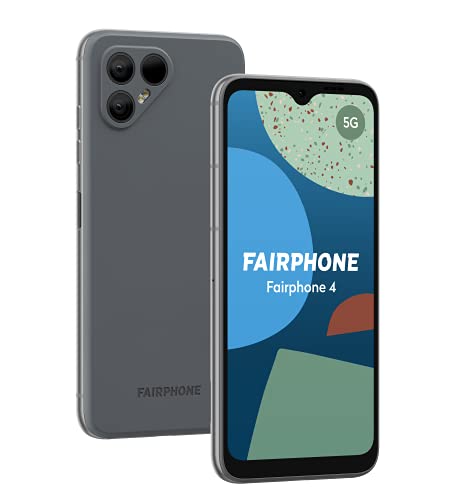
Fairphone 4 (8GB + 256GB) review. Compare 197 technical specifications and user reviews to see how this product ranks in the Smartphones category and whether it is worth buying.
Overall score
What it is: An overall evaluation of the smartphone's quality, based on technical analyses and user reviews.
When it matters: When you need a quick reference to identify the best smartphones on the market.
Score components:
90.0%
Technical Score
10.0%
User score
Technical Score
What it is: An assessment of the smartphone's technical performance, covering eight key areas: performance & hardware, software, camera, connectivity, display, battery, audio, and design.
When it matters: When you want to compare smartphones based on technical performance and available features.
Score components:
25.0%
Performance & Hardware
18.0%
Camera
15.0%
Display
15.0%
Battery
10.0%
Software
10.0%
Connectivity
4.0%
Audio
3.0%
Design
User score
What it is: A rating that combines user reviews and the total number of reviews received by the smartphone
When it matters: When you want to know how a smartphone handles daily tasks and how reliable it remains over time according to user feedback.
Score components:
70.0%
User reviews
30.0%
Popularity
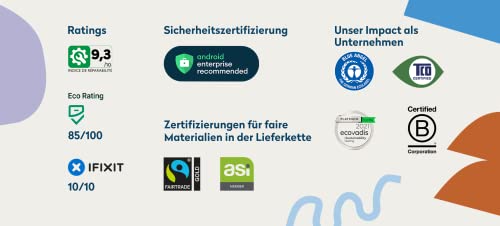
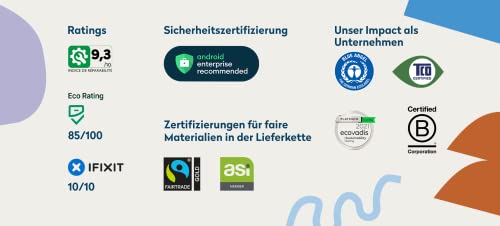
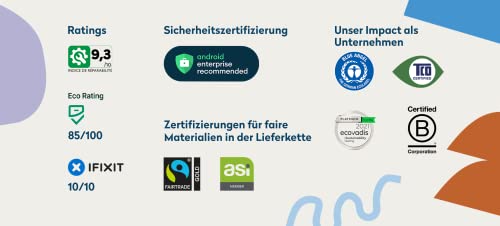
Available: ranking among products currently available (including other versions of this product).
All: ranking among all products in the database.
#286 in Best Mid-Range Smartphones
#721 in Best Smartphones Under £400
#740 in Best 5G Smartphones
#793 in Best Smartphones Under £500
#916 in Best NFC Smartphones
#971 in Best Android Smartphones
#1018 in Best AI Smartphones
#1021 in Best Smartphones
#1139 in Best Value Smartphones
What it is: An assessment of the smartphone's technical performance, covering eight key areas: performance & hardware, software, camera, connectivity, display, battery, audio, and design.
When it matters: When you want to compare smartphones based on technical performance and available features.
Score components:
25.0%
Performance & Hardware
18.0%
Camera
15.0%
Display
15.0%
Battery
10.0%
Software
10.0%
Connectivity
4.0%
Audio
3.0%
Design
What it is: A rating that combines user reviews and the total number of reviews received by the smartphone
When it matters: When you want to know how a smartphone handles daily tasks and how reliable it remains over time according to user feedback.
Score components:
70.0%
User reviews
30.0%
Popularity
What it is: An indicator that combines the smartphone's overall rating with its cost.
When it matters: When you are looking for a smartphone with a good balance between quality and price.
Score components:
60.0%
Overall score
40.0%
Price
Importance: LOW
Importance: HIGH
Importance: HIGH
Good value: >12 GB
Importance: MEDIUM
Good value: >256 GB
Importance: MEDIUM
Good value: >3.2 GHz
Importance: LOW
Importance: MEDIUM
Good value: >1500
Importance: LOW
Good value: >4000
Importance: LOW
Good value: 8+
Importance: LOW
Importance: LOW
Good value: >950 MHz
Importance: LOW
Good value: >700
Importance: LOW
Good value: >1000
Importance: LOW
Good value: >2500
Importance: MEDIUM
Good value: >6000
Importance: LOW
Good value: >8000
Importance: MEDIUM
Good value: >12000
Importance: LOW
Good value: >5000
Importance: LOW
Good value: >1800
Importance: LOW
Good value: >3200 MHz
Importance: LOW
Good value: 5
Importance: LOW
Good value: > 50 GB/s
Importance: LOW
Good value: 4
Importance: LOW
Good value: >16 GB
Importance: MEDIUM
Good value: <6 nm
Importance: MEDIUM
Good value: >9 W
Importance: LOW
Importance: LOW
Good value: >8192 KB
Importance: LOW
Good value: >2048 KB
Importance: LOW
Good value: >512 KB
Importance: LOW
Good value: >100000 million
Importance: LOW
Good value: 3.3
Importance: LOW
Good value: 3.2
Importance: LOW
Good value: 2.0/3.0
Importance: LOW
Importance: LOW
Importance: LOW
Importance: MEDIUM
Importance: LOW
Importance: LOW
Importance: LOW
Importance: LOW
Importance: LOW
Importance: LOW
Importance: LOW
Importance: LOW
Importance: LOW
Importance: LOW
Importance: LOW
Importance: LOW
Importance: LOW
Importance: LOW
Importance: LOW
Importance: LOW
Importance: LOW
Importance: LOW
Importance: LOW
Importance: LOW
Importance: LOW
Importance: LOW
Importance: LOW
Importance: LOW
Importance: LOW
Importance: LOW
Importance: LOW
Importance: LOW
Importance: LOW
Importance: LOW
Importance: LOW
Importance: LOW
Importance: LOW
Importance: MEDIUM
Good value: >50 MP
Importance: MEDIUM
Importance: HIGH
Good value: >60
Importance: LOW
Good value: ≥1.2 µm
Importance: MEDIUM
Good value: >2.5x
Importance: MEDIUM
Importance: LOW
Importance: LOW
Importance: LOW
Importance: LOW
Good value: ≥2
Importance: LOW
Importance: LOW
Importance: LOW
Importance: LOW
Good value: >16 MP
Importance: LOW
Importance: LOW
Importance: LOW
Importance: LOW
Importance: MEDIUM
Importance: LOW
Importance: LOW
Importance: LOW
Importance: LOW
Importance: LOW
Importance: LOW
Importance: LOW
Importance: LOW
Importance: LOW
Importance: LOW
Importance: LOW
Importance: LOW
Importance: LOW
Importance: LOW
Importance: LOW
Importance: LOW
Importance: LOW
Importance: LOW
Importance: LOW
Importance: LOW
Importance: LOW
Good value: >130
Importance: LOW
Good value: >120
Importance: LOW
Good value: ≥2
Importance: LOW
Importance: LOW
Importance: LOW
Importance: LOW
Importance: LOW
Importance: LOW
Good value: >5.2
Importance: LOW
Importance: LOW
Importance: LOW
Importance: LOW
Good value: 3.1/3.2
Importance: LOW
Importance: LOW
Importance: LOW
Good value: ≥2
Importance: LOW
Importance: LOW
Importance: LOW
Importance: LOW
Importance: LOW
Importance: LOW
Importance: LOW
Importance: LOW
Importance: LOW
Importance: LOW
Importance: LOW
Importance: LOW
Importance: LOW
Importance: LOW
Importance: LOW
Importance: LOW
Good value: ≥6.6 inches
Importance: MEDIUM
Importance: LOW
Good value: >400 ppi
Importance: MEDIUM
Importance: MEDIUM
Good value: ≥120 Hz
Importance: LOW
Importance: LOW
Good value: >300 Hz
Importance: LOW
Good value: >800 nits
Importance: LOW
Good value: >1300 nits
Importance: LOW
Good value: >1000 nits
Importance: LOW
Importance: LOW
Importance: LOW
Importance: LOW
Importance: LOW
Importance: LOW
Importance: LOW
Importance: LOW
Importance: HIGH
Good value: >5000 mAh
Importance: MEDIUM
Good value: >60 W
Importance: LOW
Importance: LOW
Good value: <45 min
Importance: LOW
Importance: LOW
Good value: >40 W
Importance: LOW
Importance: LOW
Good value: >10 W
Importance: LOW
Importance: LOW
Importance: MEDIUM
Importance: LOW
Good value: >800
Importance: LOW
Importance: LOW
Importance: LOW
Importance: LOW
Importance: LOW
Good value: ≥3
Importance: LOW
Importance: LOW
Importance: LOW
Importance: LOW
Importance: LOW
Importance: LOW
Importance: LOW
Good value: <162 mm
Importance: LOW
Good value: <75 mm
Importance: LOW
Good value: <8 mm
Importance: LOW
Good value: <190 g
Importance: LOW
Good value: <98cm³
Importance: LOW
Importance: LOW
Importance: LOW
Importance: LOW
Importance: LOW
Importance: LOW
Good value: ≥1.5 m
Importance: LOW
Importance: LOW
Good value: >8
Importance: LOW
Importance: LOW
Importance: MEDIUM
Importance: LOW
Importance: LOW
Good value: ≥3
Importance: LOW
Importance: MEDIUM
Importance: LOW
Good value: ≥2
Importance: LOW
Importance: LOW
Importance: MEDIUM
Importance: MEDIUM
Good value: ≥120 Hz
Importance: HIGH
Good value: >5000 mAh
Importance: LOW
Importance: LOW
Good value: ≥6.6 inches
Importance: LOW
Good value: >800 nits
Importance: MEDIUM
Good value: >12000
Importance: LOW
(Reviews last updated: August 2026)
(Reviews last updated: August 2026)
(Reviews last updated: August 2026)
The Voxel Hub review highlights the Fairphone 4 as a champion of sustainability, featuring a modular design that facilitates easy repairs and boasts a perfect 10/10 iFixit score. Key benefits include exceptional durability, strong battery life, 5G connectivity, and a commitment to longevity that significantly reduces environmental impact. However, the review notes a few drawbacks: the 6.3-inch LCD screen lacks the vibrancy of OLED competitors, the design is relatively "chunky," and the camera system is described as merely "decent". Additionally, the device omits a 3.5mm headphone jack, and users might find the camera quality inferior to mainstream flagships. Ultimately, the Fairphone 4 is recommended for users prioritizing sustainability and repairability over cutting-edge performance.
The Fairphone 4 is a modular, sustainable device focusing on ethical production, user repairability, and a five-year warranty, rather than cutting-edge specifications. Its key pros include a easily replaceable battery, a robust modular design requiring only a screwdriver, and the use of fair-trade materials, making it a top choice for environmentally conscious consumers. Conversely, the device faces cons due to its design, featuring a heavy, thick chassis and a dated 60Hz LCD display with thick bezels, placing it behind competitors in display technology. While the Snapdragon 750G processor handles daily tasks adequately, the €579+ price point is high for its performance, and the dual-camera system can struggle with low-light, despite a capable selfie camera. Ultimately, NextPit rates the Fairphone 4 at 4 out of 5 stars, highlighting that users pay a premium for ethical labor and sustainability rather than raw hardware, making it a functional, long-lasting daily driver. It is presented as a crucial, eco-friendly alternative to mainstream, disposable smartphones. www.nextpit.com
The DXOMARK camera review for the Fairphone 4 highlights a device prioritizing ethics over top-tier imaging, earning a 69 overall score. While praised for low noise levels and accurate white balance in bright light, the device suffers from significant limitations including frequent underexposure, limited dynamic range, and a lack of detail in low-light conditions. Additional drawbacks include unnatural skin tones, poor zoom performance, and the absence of a dedicated bokeh mode. Video performance is adequate in static, well-lit scenes, yet falls behind due to autofocus instability and sharpness issues during movement.
Based on the review, here is a three-paragraph summary of the Fairphone 4: The Fairphone 4 is highlighted as a durable, long-lasting alternative to mainstream smartphones, specifically designed to combat planned obsolescence. The reviewer praises its repairability, noting that users can easily replace parts like the screen or battery using only a screwdriver. Beyond its hardware longevity, Fairphone commits to five years of software updates, far exceeding the industry standard for budget or mid-range devices. Additionally, the device is commended for its ethical manufacturing, utilizing recycled materials and providing bonuses to assembly line workers. In terms of hardware performance, the phone is described as well-built and solid, though it is nearly twice as thick as some competitors to accommodate its modular design. Key pros include a screen that is easily readable in bright sunlight and a long battery life that can last a couple of days on a single charge. However, the reviewer notes some minor cons, such as a back cover that rattles slightly when tapped and a tinny speaker at high volumes. Despite these small trade-offs, the camera...
The Fairphone 4 is presented as a device prioritizing ethical production and longevity, featuring modular design for easy repair and components like a Snapdragon 750G processor and 6.3-inch FHD+ LCD. Pros include its durable build, five-year warranty, long-term software support, 5G connectivity, and use of recycled materials. However, cons such as mediocre camera performance, bulky design, lack of a headphone jack and wireless charging are noted.
The Fairphone 4 balances ethical manufacturing with modern smartphone features through its modular design, which allows for easy component replacement, supported by a five-year warranty and extended software updates. Powered by a Snapdragon 750G chipset, it offers reliable mid-range performance with 5G, a clear 6.3-inch LCD, and impressive battery life, running a clean version of Android 11. However, its sustainable build results in a bulkier design, lack of premium features like an OLED screen or wireless charging, and notably poor camera quality, making it a more expensive option relative to its hardware.
According to a ZDNET review, the Fairphone 4 5G is a mid-range smartphone prioritizing ethical sourcing and longevity over technical power, featuring a modular design for easy parts replacement and an industry-leading five-year warranty and up to six years of software support. Pros include its sustainable construction, 5G connectivity, clean Android software, microSD card slot, and physical SIM/eSIM dual setup. However, cons include its chunky build, relatively high price for its specs, merely "serviceable" camera quality, and lack of a 3.5mm headphone jack and wireless charging.
The LB Tech Reviews assessment of the Fairphone 4 characterizes it as a device prioritizing ethical production and sustainability, featuring a modular design for easy repairs but comes at a premium price compared to competitors with stronger internal hardware. The phone is praised for its unparalleled repairability with easily swappable components, ethical construction using recycled materials, and strong support including a five-year warranty and promised software updates until at least 2027. However, the review notes significant drawbacks including outdated performance from the Snapdragon 750G processor, subpar camera quality, a compromised 60Hz LCD display lacking contrast, a bulky design, and the absence of a headphone jack or included charger.
The Fairphone 4 is described as a significant step for the company, bridging the gap between an ethical project and a modern smartphone through its unique modular design allowing easy component swaps. Pros include a high-quality build with recycled plastic and IP54 rating, consistently good performance for daily tasks with a Snapdragon 750G chipset and bloatware-free Android, and a battery lasting over a day. Cons involve hardware compromises like an outdated 60Hz LCD screen with large bezels, a weak dual 48MP camera system struggling with focus and low light, and the removal of the headphone jack.
According to a Forbes review by Ewan Spence, the Fairphone 4 represents a significant evolution for the brand, offering a modular design, sustainable features like a removable battery, and modern specifications including a Snapdragon 750G chipset and 5G. However, the device has notable drawbacks, including a high price relative to its performance, a camera that struggles in certain conditions, a thick build, and the removal of the headphone jack. Spence concludes that despite these compromises, the Fairphone 4 is a successful blend of ethical principles and practical technology, backed by a five-year warranty and extended software support, making it the first Fairphone he would generally recommend.
According to TechRadar, the Fairphone 4 balances ethical manufacturing with a functional mid-range experience, featuring a highly repairable, modular "tank-like" design. The device offers a5-year warranty, long-term software support, and a durable, eco-conscious design. However, the phone is considered heavy and "chunky" at 225g, featuring a 60Hz LCD display with thick bezels that lacks a premium feel. Performance-wise, the Snapdragon 750G 5G chipset handles daily tasks, but the 48MP cameras often produce dull, desaturated images compared to competitors. While charging is slow at 20W, the 3,905mAh battery provides impressive longevity, making it a sustainable, albeit dated-feeling, option for users.
The Fairphone 4, reviewed by The Guardian, is highlighted as a significant upgrade focused on ethical production and repairability, featuring a £499 price point, an aluminium body, and a recycled plastic back. Key advantages include an industry-leading five-year warranty and modular design allowing easy part replacement. However, the device is described as chunky and heavy, with a mid-range processor offering average performance, and notable cons like the lack of a headphone socket and weaker reception compared to competitors. The camera system, despite having dual 48-megapixel sensors, is identified as the biggest weakness, producing "muddy" or grainy images in challenging conditions, ultimately concluding that while great for those prioritizing sustainability, it lacks the polish of mainstream rivals.
The Fairphone 4 represents a modern leap for the brand, prioritizing a competitive design and unmatched modularity that earned a 10/10 repairability score, allowing users to easily replace components like the screen and battery. Pros include a sustainable five-year warranty and promised long-term software support, though it is notably heavier and thicker than competitors. The device also features a 60Hz LCD display, lacks a headphone jack, and utilizes a mid-range Snapdragon 750G processor that may struggle over its intended lifespan. While the dual 48MP camera is considered a weak point, producing mediocre images, the Fairphone 4 is recommended for users prioritizing ethical manufacturing and longevity over top-tier performance.
The Fairphone 4 establishes a new standard for sustainable technology by combining ethical manufacturing, a modular design for easy repairability, and 5G connectivity. Key strengths include a five-year warranty and a sustainable, repair-friendly design, though the device features a thicker, heavier chassis and lacks features like a headphone jack. While performance and the 60Hz LCD display are considered adequate, they lag behind competitors in the same price range, and camera performance is merely average.
The Watson.ch review positions the Fairphone 4 as a viable, compromise-heavy daily driver that successfully moves beyond niche status to prioritize sustainability through modular design, 5-year warranty, and easy, user-led repairs. While lauded for its ethical supply chain, the device faces performance-related cons, specifically underwhelming camera quality, a bulky design, and an outdated 60Hz LCD screen compared to similarly priced, mainstream competitors. Ultimately, the review finds that while the Snapdragon 750G-powered device is the best iteration yet, it is an expensive choice requiring consumers to prioritize repairability over high-end performance.
The Bluewin.ch review highlights the Fairphone 4 as a, sustainable, and highly repairable device, featuring a modular design that allows users to replace parts like the screen and battery with a standard screwdriver. Key advantages include 5G connectivity, a robust five-year warranty, and extensive software support, positioning it as an ethical alternative to traditional smartphones. Conversely, the review notes significant drawbacks, specifically a underwhelming camera performance that struggles in low light and produces limited detail. Additionally, the phone is described as bulky and heavy, while the LCD display lacks the vibrancy and high refresh rates of competitors in the same price range. Ultimately, the Fairphone 4 is characterized as a "purpose-built" tool for ethical consumers rather than a high-performance flagship. While the Snapdragon 750G processor is adequate for daily tasks, the device requires paying a premium for sustainability, sacrificing the refined hardware, OLED displays, and headphone jacks found on rivals.
The Süddeutsche Zeitung review highlights the Fairphone 4 as a major, competitive step forward for the modular, sustainable, and ethical smartphone market, featuring eight user-replaceable parts and a 100% recycled plastic backplate. The device, which offers a 5G-enabled Snapdragon 750G processor and a 5-year warranty, is described as a solid, if slightly heavy, mid-range performer with a 60Hz LCD, despite lacking flagship-level display tech. While camera performance is only considered average and the headphone jack is missing, the review concludes that the Fairphone 4 is an unmatched, eco-conscious choice for long-term usage. For more details, visit Sueddeutsche Zeitung.
Der Spiegel’s review highlights the Fairphone 4 as a milestone for sustainable, repairable technology, featuring a modular design that allows for easy battery and screen replacements without specialized tools. Pros include high ethical standards, a 5-year warranty, and a long software support lifespan aimed at reducing electronic waste. However, the device is criticized for being bulky, featuring a mediocre 60Hz LCD screen, and lacking a headphone jack, which compromises its usability as a modern smartphone. SpiegelPerformance is deemed sufficient for daily tasks via the Snapdragon 750G, but the camera system falls short, producing underwhelming images compared to competitors, say reports referencing this review. While the phone is not designed to compete with top-tier flagships, it offers a unique, guilt-free, and long-lasting alternative for environmentally conscious users.
The Fairphone 4, as reviewed by Connect.de, represents a major advancement in combining ethical manufacturing with modern smartphone standards, highlighting a highly modular design allowing for easy component replacement. Key advantages include a five-year warranty, long-term software support, 5G connectivity, and a serviceable 3,905 mAh battery. Conversely, the device is criticized for its heavy, 10.5mm thick construction, lack of a 3.5mm headphone jack, no wireless charging, and a 60Hz screen refresh rate. Technically a mid-range device with a Snapdragon 750G processor, the phone compromises on raw performance for its sustainable design, with cameras that produce average results often lacking detail in challenging lighting. The review concludes that the roughly €579 price point is justified for consumers prioritizing ethical sourcing and repairability over top-tier specs.
The VirtuaLabs review highlights the Fairphone 6 as an ethical, modular device, praising its industry-leading repairability with easily replaceable parts, a five-year warranty, and eight years of software support. However, the phone’s sustainability comes with performance compromises, including a mid-range Snapdragon 7s Gen 3 chipset that may struggle with demanding apps and a camera system that often produces dull, washed-out images compared to competitors. Ultimately, while it lacks features like wireless charging and has a "chunky" design, it offers a "near-vanilla" Android experience or /e/OS, making it a viable, long-lasting choice for environmentally conscious users.
The Digitec review presents the Fairphone 4 as a major leap forward for sustainable technology, balancing ethical manufacturing with 5G connectivity. Its key pros include a highly durable, modular design allowing for easy, user-led repairs and component replacements, alongside a five-year warranty. Conversely, the review highlights cons such as a 60Hz LCD screen that lacks the vibrancy of OLED alternatives and a "chunky" design that adds significant weight and thickness. The device also lacks a 3.5mm headphone jack, a trade-off for its IP54 rating. Performance-wise, the Snapdragon 750G processor is adequate for daily tasks but struggles with high-end gaming, while the camera underperforms in low-light conditions. Ultimately, the review finds that for users prioritizing sustainability over top-tier specs, the Fairphone 4 is a solid, albeit premium, choice.
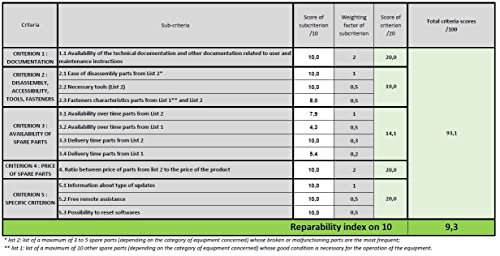
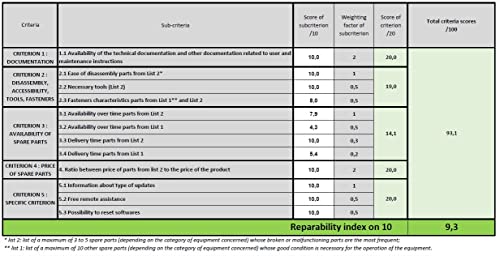
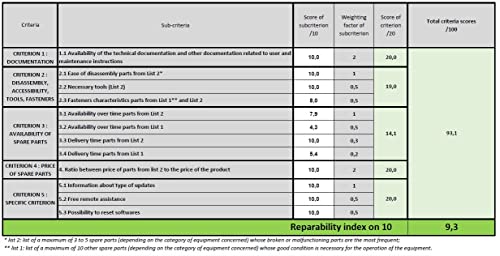
The Fairphone 4 review by Bouygues Telecom highlights the device as a sustainable, modular smartphone featuring an industry-leading 9.3/10 repairability score, a 5-year warranty, and easy, screw-free component replacement. The device offers solid mid-range performance with a 6.3-inch FHD+ LCD screen, a Snapdragon 750G 5G processor, and a durable 3,905 mAh battery, although it lacks a high-refresh-rate display and OLED, relying instead on a standard 60Hz rate. While the dual 48MP camera setup performs well in daylight, it suffers from digital noise in low light, and the package excludes a charger and headphone jack for environmental reasons.
The Fairphone 4, reviewed by L’Éclaireur Fnac, emphasizes exceptional modularity with a 9.3/10 repairability score, allowing users to easily replace components like the battery and screen with a standard screwdriver. This focus on longevity is supported by a five-year warranty and software updates until 2026, positioning it as a sustainable, ethical alternative to mainstream devices. L'É Technically, the device features a decent 6.3-inch LCD screen, though it lacks the contrast of OLED panels, and is powered by a Snapdragon 750G processor suitable for daily tasks. However, the phone can feel bulky, experiences overheating during high-end gaming, and lacks both a headphone jack and wireless charging, note reviewers. While the dual 48MP camera system is improved, it still underperforms in low light compared to competitors. L'É Ultimately, the Fairphone 4 is recommended for its commitment to a circular economy, with the review concluding that the device's,, environmental benefits outweigh its minor technical compromises. The full, in-depth analysis is available at L’Éclaireur Fnac. L'É
The Frandroid review hails the Fairphone 4 as a major evolutionary step, featuring a modern, "tank-like" modular design with a 5-year warranty and easy repairability. It boasts solid mid-range performance with a Snapdragon 750G and 5G connectivity, although it is criticized for a lackluster 60Hz LCD screen and a lack of a headphone jack. While battery life is strong, camera performance is noted as a significant drawback with muddy, low-light photos, making it a device that prioritizes ethical sustainability over top-tier multimedia performance.
The July 2023 Le Particulier review spotlights the Fairphone 4 as a modular, sustainable device allowing easy, tool-driven user repairs and featuring a durable, recycled-material design. Key benefits include an industry-leading five-year warranty and long-term software support, though the device is notably heavy (225g) with a dated 60Hz LCD screen and mediocre Snapdragon 750G performance. Despite poor camera quality, lack of a headphone jack, and a high price-to-performance ratio, the phone is recommended for eco-conscious users prioritizing repairability and ethical sourcing.
The Fairphone 4 is a mid-range 5G smartphone that prioritizes sustainability and extreme repairability, featuring a modular, user-disassemblable design with a 10/10 repairability score. Pros include a robust construction, a five-year warranty, and a clean software experience, though the device is relatively bulky and lacks an IP68 water resistance rating. Performance-wise, the Snapdragon 750G chipset efficiently handles daily tasks, supported by a user-replaceable battery, but the device is held back by a 60Hz LCD screen rather than a more modern 90Hz/120Hz display. The camera system is considered a weak point, with dual 48MP sensors producing inconsistent results in low light and high-contrast scenarios.
The Fairphone 4 represents a significant, modern design shift for the sustainable, modular brand, achieving a 9.2/10 repairability score. Featuring easily replaceable components like the battery and camera, the device is designed for longevity, supported by a promise of spare parts for at least Technically, the handset includes 5G capabilities via a Snapdragon 750G processor and a respectable 6.3-inch Full HD+ LCD screen. Pros include robust IP54 durability, a responsive fingerprint sensor, and a clean, long-term supported Android experience. However, the device is relatively heavy and thick, with cameras that sometimes produce subpar, "washed-out" images. Cons also include the lack of a 3.5mm jack, wireless charging, and high-refresh-rate display, making it less competitive purely on hardware specs.
Louis Derrac’s review highlights the combination of the Fairphone 4 and /e/OS (Murena) as a powerful, ethical alternative to mainstream tech that promotes digital sovereignty. While transitioning from a high-end device reveals a less fluid experience, the /e/OS system proves remarkably stable without bugs, freezes, or reboots. Key advantages include a privacy-focused, open-source environment featuring a minimalist interface, the ability to use browser extensions like uBlock Origin, and integrated encrypted messaging via Signal. Despite the benefits, the review outlines that the Fairphone 4 hardware feels slower than modern flagships, showing less fluid app launches and transitions. Users must also accept a "no-frills" camera experience that lacks the advanced processing of competitors. Ultimately, Derrac positions this setup as a functional, ethical trade-off that, while requiring adaptation to lower performance, delivers on its privacy-focused promise.
This six-month review of the Fairphone highlights a shift toward sustainable, ethical, and modular technology, sacrificing top-tier performance for longevity and repairability. The device provides peace of mind through ethically sourced materials and up to eight years of software support, with the primary advantage being easy, user-led repairs of components like batteries and screens. However, the user must compromise on hardware, as the phone features a bulkier, less premium design with a camera system and screen quality that fall behind flagship competitors. While the processor handles daily tasks, it lacks the raw power found in similarly priced alternatives. Ultimately, the review argues that the phone offers superior, long-term, and ethical reliability in exchange for cutting-edge specs.
Andrea Galeazzi's review of the Fairphone 4 highlights its modular, ethical design, featuring a 10.5mm thick, 225-gram body with a removable back cover for easy battery, SIM, and storage access. The device boasts an IP54 rating for durability, driven by a Snapdragon 750G 5G processor and 6GB of RAM, which provides a smooth, "concrete" daily performance, though the 6.3-inch IPS LCD lacks the vibrant blacks of AMOLED panels. While the 3,905mAh battery offers better-than-expected endurance (finishing a high-stress day with 24% left), the 48MP camera system is considered a weakness, with noticeable noise in low-light conditions. Other drawbacks noted are a buzzy vibration motor, the absence of a 3.5mm headphone jack, and a higher price point (starting at €579) compared to similar-spec devices. Ultimately, the Fairphone 4 is positioned as a long-term, sustainable investment, backed by a 5-year warranty and a commitment to extensive software support. The device is praised for its repairability, making it a conscious choice over a top-tier multimedia powerhouse.
The Wired Italy review highlights the Fairphone 4 as a significant, mature step forward for the brand, balancing ethical, sustainable production with a competitive design. Key benefits include exceptional modularity, a 5-year warranty, 5G capabilities, and a durable, 100% recycled plastic construction. While repairing the device is straightforward with a screwdriver, the performance, 60Hz LCD screen, and photo quality are considered modest compared to competitors in its price range. Despite improvements, limitations include a thick 10.5mm design, lack of a headphone jack, and a 48MP camera that struggles in low light. The device prioritizes environmental ethics and long-term repairability over cutting-edge specifications. Ultimately, it is described as a "no-fuss" choice for eco-conscious users willing to trade high-end flair for sustainability.
The Fairphone 4 (128GB/6GB) is a modular mid-range smartphone prioritizing ethics and longevity, featuring a 10/10 repairability score, a sturdy, thick design, and a 6.3-inch Full HD+ LCD screen. Performance is driven by the Snapdragon 750G, with pros including a user-replaceable battery, 5G connectivity, and a five-year warranty, while cons are a 60Hz display, slow 20W–30W charging, and no included charger. The dual-48MP camera is considered a weak point, producing average, often grainy images in low-light, making this device best for users prioritizing sustainability over top-tier performance or photography. Read a detailed review of the Fairphone 4 at Consumentenbond.
The Fairphone 4 represents a significant, modern upgrade for the Dutch manufacturer, focusing on exceptional sustainability and repairability with a modular design and a five-year warranty. While designed for longevity, the device is notably heavy and features a 60Hz LCD screen, placing it behind competitors in raw hardware performance. Furthermore, the camera produces mediocre, sometimes dull, photos, and the mid-range processor may not offer the longevity promised by its physical components.
The Fairphone 4 establishes itself as a competitive, ethical, and highly repairable mid-range smartphone, featuring a sustainable modular design that allows for easy user-led component replacement. Pros include a solid build with a recycled plastic back, long-term software support exceeding five years, and decent performance for daily tasks. However, the device is notably heavy and thick, and it lacks modern amenities like a headphone jack and wireless charging. Additionally, the display is limited to a 60Hz LCD, and the camera performance often lags behind competitors in low-light scenarios. Despite these compromises, the device is ideal for users prioritizing longevity and sustainability, as noted in the analysis at The Guardian.
The Fairphone 4 balances a sustainable, modular design with modern smartphone standards, offering easy repairs, a five-year warranty, and long-term software support. While the design is a major pro for repairability, the device faces technical limitations, including a lackluster 6.3-inch LCD screen, a mid-range Snapdragon 750G processor, and a heavy, bulky chassis. Camera performance is inconsistent, suffering from slow processing and poor low-light results, yet the phone remains a compelling, ethical choice for users prioritizing longevity over top-tier specs.
The Fairphone 4 prioritizes sustainability and repairability, featuring a modular design for easy component replacement, a 6.3-inch LCD screen, and 5G connectivity. It is designed for longevity, promising up to five years of software support to combat the disposable electronics cycle. The device faces trade-offs, including a bulky, utilitarian design, lack of an OLED screen, a mediocre camera system, and the absence of a headphone jack or included charger. It delivers a clean, stock Android experience but lags in performance and camera quality compared to similarly priced, non-modular smartphones. The Fairphone 4 is a "statement" device ideal for eco-conscious users valuing the Right to Repair over top-tier hardware. While it offers long-term reliability, its high price point may be difficult to justify for those prioritizing a premium camera or slim, modern aesthetics.
The Fairphone 4 is a modular 5G smartphone designed for longevity, featuring a unique five-year warranty and exceptional repairability with a 9.3/10 repairability score. As an "electronic waste neutral" device, it emphasizes ethical sourcing, using recycled plastics and Fairtrade gold while supporting user-led repairs. Pros include its sustainable, repairable design and long-term software support, though it is limited by a mid-range Snapdragon 750G chipset, mediocre camera performance, and a bulky, heavy design.
The Fairphone 4 5G is a mid-range, modular smartphone designed for sustainability and longevity, featuring a five-year warranty and user-replaceable components. It provides 5G connectivity, a 6.3-inch LCD screen, and a durable design, though it lacks a 3.5mm headphone jack. While the Snapdragon 750G processor ensures smooth, everyday performance, the camera quality and 60Hz screen feel dated compared to competitors. Despite these limitations, the device offers strong, multi-day battery life, though it does not come with a charger to reduce waste. Read more about this device on The Verge.
The Fairphone 4 delivers a modern mid-range experience centered on extreme modularity, allowing for easy, screwdriver-only repairs and ethical, conflict-free sourcing. Key highlights include a 3,905mAh replaceable battery, 48MP camera, 6.3-inch display, and an industry-leading five-year warranty promising longevity. However, the device has a chunky, 225g build and a 60Hz LCD screen with a dated teardrop notch, along with only IP54 splash resistance. While the Snapdragon 750G ensures 5G and smooth daily performance, it lags in high-end gaming, and the cameras produce mediocre, washed-out images in low light compared to competitors.
The Fairphone 4, reviewed by Tweakers, is a highly sustainable device featuring an easy-to-repair modular design, a five-year warranty, and ethical sourcing, marking a significant leap with 5G and IP54 rating. Despite its solid build quality, the phone is relatively heavy (225g) and requires trade-offs, including a 60Hz LCD screen and a mediocre camera that struggles in low light. Positioned as an ethical, long-term choice rather than a performance leader, the device uses a mid-range Snapdragon 750G, lacks a headphone jack, and features slower charging compared to competitors.

Compare