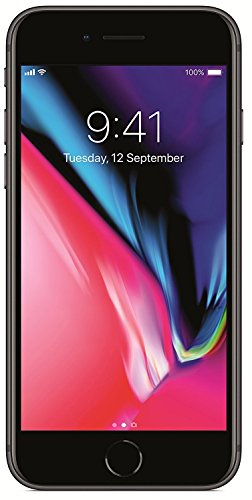
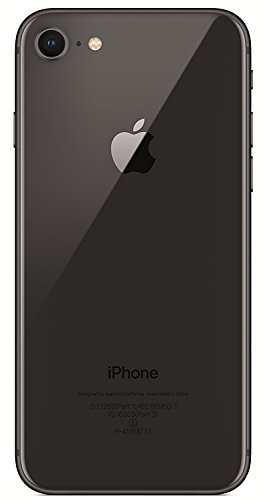
Apple iPhone 8 (64GB) review. Compare 197 technical specifications and user reviews to see how this product ranks in the Smartphones category and whether it is worth buying.
Overall score
What it is: An overall evaluation of the smartphone's quality, based on technical analyses and user reviews.
When it matters: When you need a quick reference to identify the best smartphones on the market.
Score components:
90.0%
Technical Score
10.0%
User score
Technical Score
What it is: An assessment of the smartphone's technical performance, covering eight key areas: performance & hardware, software, camera, connectivity, display, battery, audio, and design.
When it matters: When you want to compare smartphones based on technical performance and available features.
Score components:
25.0%
Performance & Hardware
18.0%
Camera
15.0%
Display
15.0%
Battery
10.0%
Software
10.0%
Connectivity
4.0%
Audio
3.0%
Design
User score
What it is: A rating that combines user reviews and the total number of reviews received by the smartphone
When it matters: When you want to know how a smartphone handles daily tasks and how reliable it remains over time according to user feedback.
Score components:
70.0%
User reviews
30.0%
Popularity

(Reviews last updated: August 2026)
Available: ranking among products currently available (including other versions of this product).
All: ranking among all products in the database.
#34 in Best Apple Smartphones
#116 in Best Compact Smartphones
#461 in Best Smartphones Under £200
#612 in Best Smartphones Under £250
#720 in Best Smartphones Under £300
#864 in Best Smartphones Under £400
#940 in Best Smartphones Under £500
#1025 in Best NFC Smartphones
#1073 in Best Value Smartphones
#1175 in Best AI Smartphones
#1182 in Best Smartphones
What it is: An assessment of the smartphone's technical performance, covering eight key areas: performance & hardware, software, camera, connectivity, display, battery, audio, and design.
When it matters: When you want to compare smartphones based on technical performance and available features.
Score components:
25.0%
Performance & Hardware
18.0%
Camera
15.0%
Display
15.0%
Battery
10.0%
Software
10.0%
Connectivity
4.0%
Audio
3.0%
Design
What it is: A rating that combines user reviews and the total number of reviews received by the smartphone
When it matters: When you want to know how a smartphone handles daily tasks and how reliable it remains over time according to user feedback.
Score components:
70.0%
User reviews
30.0%
Popularity
(Reviews last updated: August 2026)
What it is: An indicator that combines the smartphone's overall rating with its cost.
When it matters: When you are looking for a smartphone with a good balance between quality and price.
Score components:
60.0%
Overall score
40.0%
Price
Importance: LOW
Importance: HIGH
Importance: HIGH
Good value: >12 GB
Importance: MEDIUM
Good value: >256 GB
Importance: MEDIUM
Good value: >3.2 GHz
Importance: LOW
Importance: MEDIUM
Good value: >1500
Importance: LOW
Good value: >4000
Importance: LOW
Good value: 8+
Importance: LOW
Importance: LOW
Good value: >950 MHz
Importance: LOW
Good value: >700
Importance: LOW
Good value: >1000
Importance: LOW
Good value: >2500
Importance: MEDIUM
Good value: >6000
Importance: LOW
Good value: >8000
Importance: MEDIUM
Good value: >12000
Importance: LOW
Good value: >5000
Importance: LOW
Good value: >1800
Importance: LOW
Good value: >3200 MHz
Importance: LOW
Good value: 5
Importance: LOW
Good value: > 50 GB/s
Importance: LOW
Good value: 4
Importance: LOW
Good value: >16 GB
Importance: MEDIUM
Good value: <6 nm
Importance: MEDIUM
Good value: >9 W
Importance: LOW
Importance: LOW
Good value: >8192 KB
Importance: LOW
Good value: >2048 KB
Importance: LOW
Good value: >512 KB
Importance: LOW
Good value: >100000 million
Importance: LOW
Good value: 3.3
Importance: LOW
Good value: 3.2
Importance: LOW
Good value: 2.0/3.0
Importance: LOW
Importance: LOW
Importance: LOW
Importance: MEDIUM
Importance: LOW
Importance: LOW
Importance: LOW
Importance: LOW
Importance: LOW
Importance: LOW
Importance: LOW
Importance: LOW
Importance: LOW
Importance: LOW
Importance: LOW
Importance: LOW
Importance: LOW
Importance: LOW
Importance: LOW
Importance: LOW
Importance: LOW
Importance: LOW
Importance: LOW
Importance: LOW
Importance: LOW
Importance: LOW
Importance: LOW
Importance: LOW
Importance: LOW
Importance: LOW
Importance: LOW
Importance: LOW
Importance: LOW
Importance: LOW
Importance: LOW
Importance: LOW
Importance: LOW
Importance: MEDIUM
Good value: >50 MP
Importance: MEDIUM
Importance: HIGH
Good value: >60
Importance: LOW
Good value: ≥1.2 µm
Importance: MEDIUM
Good value: >2.5x
Importance: MEDIUM
Importance: LOW
Importance: LOW
Importance: LOW
Importance: LOW
Good value: ≥2
Importance: LOW
Importance: LOW
Importance: LOW
Importance: LOW
Good value: >16 MP
Importance: LOW
Importance: LOW
Importance: LOW
Importance: LOW
Importance: MEDIUM
Importance: LOW
Importance: LOW
Importance: LOW
Importance: LOW
Importance: LOW
Importance: LOW
Importance: LOW
Importance: LOW
Importance: LOW
Importance: LOW
Importance: LOW
Importance: LOW
Importance: LOW
Importance: LOW
Importance: LOW
Importance: LOW
Importance: LOW
Importance: LOW
Importance: LOW
Importance: LOW
Importance: LOW
Good value: >130
Importance: LOW
Good value: >120
Importance: LOW
Good value: ≥2
Importance: LOW
Importance: LOW
Importance: LOW
Importance: LOW
Importance: LOW
Importance: LOW
Good value: >5.2
Importance: LOW
Importance: LOW
Importance: LOW
Importance: LOW
Good value: 3.1/3.2
Importance: LOW
Importance: LOW
Importance: LOW
Good value: ≥2
Importance: LOW
Importance: LOW
Importance: LOW
Importance: LOW
Importance: LOW
Importance: LOW
Importance: LOW
Importance: LOW
Importance: LOW
Importance: LOW
Importance: LOW
Importance: LOW
Importance: LOW
Importance: LOW
Importance: LOW
Importance: LOW
Good value: ≥6.6 inches
Importance: MEDIUM
Importance: LOW
Good value: >400 ppi
Importance: MEDIUM
Importance: MEDIUM
Good value: ≥120 Hz
Importance: LOW
Importance: LOW
Good value: >300 Hz
Importance: LOW
Good value: >800 nits
Importance: LOW
Good value: >1300 nits
Importance: LOW
Good value: >1000 nits
Importance: LOW
Importance: LOW
Importance: LOW
Importance: LOW
Importance: LOW
Importance: LOW
Importance: LOW
Importance: LOW
Importance: HIGH
Good value: >5000 mAh
Importance: MEDIUM
Good value: >60 W
Importance: LOW
Importance: LOW
Good value: <45 min
Importance: LOW
Importance: LOW
Good value: >40 W
Importance: LOW
Importance: LOW
Good value: >10 W
Importance: LOW
Importance: LOW
Importance: MEDIUM
Importance: LOW
Good value: >800
Importance: LOW
Importance: LOW
Importance: LOW
Importance: LOW
Importance: LOW
Good value: ≥3
Importance: LOW
Importance: LOW
Importance: LOW
Importance: LOW
Importance: LOW
Importance: LOW
Importance: LOW
Good value: <162 mm
Importance: LOW
Good value: <75 mm
Importance: LOW
Good value: <8 mm
Importance: LOW
Good value: <190 g
Importance: LOW
Good value: <98cm³
Importance: LOW
Importance: LOW
Importance: LOW
Importance: LOW
Importance: LOW
Importance: LOW
Good value: ≥1.5 m
Importance: LOW
Importance: LOW
Good value: >8
Importance: LOW
Importance: LOW
Importance: MEDIUM
Importance: LOW
Importance: LOW
Importance: LOW
Good value: ≥1.2 µm
Importance: LOW
Good value: >2048 KB
Importance: LOW
Importance: LOW
Importance: LOW
Importance: MEDIUM
Importance: MEDIUM
Good value: ≥120 Hz
Importance: MEDIUM
Good value: >256 GB
Importance: LOW
Importance: MEDIUM
Importance: MEDIUM
Importance: MEDIUM
Good value: <6 nm
Importance: MEDIUM
Good value: >50 MP
(Reviews last updated: August 2026)
According to an Ars Technica review, the iPhone 8 and 8 Plus were described as highly refined phones with leading A11 Bionic processors but retained a design from the iPhone 6 era, including large bezels and a home button. Pros included wireless charging, a capable camera with 4K 60fps video, and improved stereo speakers, while cons included a "clunky" design, durability concerns with the glass back, and the absence of a headphone jack and fast charger in the box.
According to a 2017 WIRED review, the iPhone 8 and 8 Plus are described as "virtually perfect" but "already obsolete" due to the impending release of the iPhone X. Pros include an improved glass-back design supporting wireless charging and a powerful A11 Bionic chip, while cons highlight the dated design with large bezels and an iOS 11 interface that can obscure features. The review concludes that the 8 and 8 Plus are excellent choices for those seeking a reliable, high-performance iPhone without the experimental aspects of the iPhone X, with the 8 Plus specifically noted for its superior camera and battery.
The TIME review describes the iPhone 8 Plus as an iterative update offering strong performance via the A11 Bionic chip and features like a True Tone display and wireless charging. Its dual 12-megapixel cameras are praised for realistic skin tones and a new Portrait Lighting feature, though the latter can produce artificial results. The main criticisms highlight its design, which is largely unchanged from the iPhone 7 with noticeable bezels, and the glass back is prone to smudges and potential durability issues.
According to a WIRED review, the iPhone 8 is considered the "last, best version" of the classic iPhone design, featuring a new glass back that enables Qi-standard wireless charging and a True Tone display for better color accuracy. Pros include the powerful A11 Bionic chip, which enables high-end camera features like 4K 60fps video and 1080p 240fps slow-motion. Cons noted are an "outdated" design with large bezels, incremental upgrades over the iPhone 7, and only "average" battery life that is quickly depleted by AR apps.
CNET reviews the iPhone 8 as a "status quo upgrade" offering powerful internal components like the A11 Bionic processor, Qi-compatible wireless charging via a glass back, and camera improvements like 4K 60fps video. However, it retains a dated design, lacks the dual camera system features of the 8 Plus and X, and does not have a headphone jack.
According to Tech Advisor, the iPhone 8 offers incremental updates like wireless charging, a powerful A11 Bionic processor, and improved base storage, making it a solid upgrade for users with older iPhones. However, the review notes its high price, dated design, and lack of significant innovation compared to contemporary rivals, particularly advising against upgrading from the iPhone 7.
Consumer Reports describes the iPhone 8 and 8 Plus as high-performing but incremental updates, excelling in camera quality and processing power with the A11 Bionic chip. Pros include the fastest processor evaluated by testers at the time, 4K video recording at 60 fps, and Qi-standard wireless charging, though wired charging is faster. Cons include a dated "boring" design with large bezels and a traditional home button, lacking the edge-to-edge screens and OLED contrast of competitors, and a glass back prone to cracking despite general durability. Battery life showed moderate improvement, and the 8 Plus dual-lens camera offers 2x optical zoom and Portrait Mode, but the absence of a 3.5mm headphone jack remains a drawback for some users. Apple iPhone 8£99.994.4(30.4k)Apple iPhone 8 Plus£150.00& more prices4.5(17k)
Trusted Reviews describes the iPhone 8 as a highly capable "forgotten child" overshadowed by the iPhone X launch, representing the peak of Apple's classic design with glass-backed Qi wireless charging and an A11 Bionic chip. Pros include the refined build, enhanced True Tone display, "blazingly fast" performance, and a significantly improved 12MP camera with 4K 60fps video. Cons highlight the outdated aesthetic with "chunky bezels," lack of a dual camera and Portrait Mode, battery life requiring "babysitting" during intensive use, and the absence of a fast charger in the box.
The iPhone 8 is an ergonomic smartphone featuring a glass back for a secure grip, enabling Qi wireless charging. It boasts a fast A11 Bionic chipset and a 4.7-inch True Tone display, alongside an improved 12MP camera capable of 4K video at 60fps. However, its design with thick bezels feels dated compared to the iPhone X, and the smaller model lacks a headphone jack and the dual-camera system found on the Plus version.
According to a 2017 review by The Guardian, the iPhone 8 was considered the "best iPhone released to date" at the time, featuring impressive battery life, a significantly improved 12-megapixel rear camera with optical image stabilisation, wireless charging, and the A11 Bionic chip. However, the review found the design "inherently boring" due to its resemblance to older models and noted the absence of a headphone jack and fast charger, adding that the new glass back enabling wireless charging was difficult and expensive to repair. Priced at £699, the iPhone 8 was seen as occupying an "awkward middle ground" and was ultimately recommended primarily for those preferring a compact phone.
The iPhone 8 is described as a powerful yet conservative update to Apple's lineup, retaining a design similar to the iPhone 7 but incorporating a glass back for wireless charging and adding True Tone technology to the display. Its key strength is the A11 Bionic processor, offering desktop-class performance suitable for augmented reality applications, although its single rear camera limits AR capabilities compared to models like the iPhone 8 Plus or iPhone X. PCMag highlights the device's pros as its processor, wireless charging, and camera, while listing cons such as its dated design with large bezels, lack of a headphone jack, and the single camera setup.
The TechRadar review describes the iPhone 8 as a highly capable but iterative device, adding a glass back for wireless charging but retaining a dated design with large bezels. It features a powerful A11 Bionic chip for performance and advanced features like AR and 4K video, alongside a True Tone display, but suffers from mediocre battery life and lacks a headphone jack. Key pros include compact usability and Touch ID, while cons include the fingerprint-prone glass back and the exclusion of a fast charger.
CNET as a "status quo upgrade," combining a familiar design with powerful internal technology. Pros include Bionic processor, wireless charging, louder speakers, GB base storage. Cons highlight the dated design with large bezels, an older LCD screen, lack of a dual camera ( Plus), no headphone jack, and average battery life. The review as a "safe pick" offering solid improvements like a True fps video, suitable for those preferring Touch ID over Face ID.
According to a 2017 review by The Verge, the iPhone 8 and 8 Plus were positioned as reliable upgrades for users not opting for the more expensive iPhone X, despite having a design considered "dated" since the iPhone 6. Key pros included a new glass back enabling wireless charging, the "lightning-fast" A11 Bionic processor, and improved cameras with impressive low-light performance and the standout Portrait Lighting feature on the Plus model. Cons highlighted in the review were the continued use of an LCD panel with large bezels, the glass back's tendency to attract fingerprints and its perceived fragility, making it feel like a safe, iterative update overshadowed by the iPhone X. Apple iPhone 8 64GB Space Grey Unlocked£185.99& more prices4.5(17k)Apple iPhone 8 Plus SIM Unlocked (Brand New)£769.004.5(17k)
The Alza.at review highlights the iPhone 8 as a refined, powerful device featuring a glass back for wireless charging and the highly capable A11 Bionic chip. It offers an excellent 12 MP camera with improved, professional-quality low-light performance and a True Tone display for better color accuracy. While pros include top-tier performance and 4K 60fps video, the review notes cons like a dated, recycled design, lack of a headphone jack, and missing Portrait Mode features found on the Plus model.
In a 2017 review for Der Spiegel, the iPhone 8 and 8 Plus are identified as top-performing devices powered by the A11 Bionic chip, which enables advanced Augmented Reality (AR) capabilities. Key improvements include a glass back for wireless charging, True Tone display technology, and better low-light photography via an updated image processor. The 8 Plus model is highlighted for its superior screen and dual-lens system. Conversely, the review notes the aging design as a drawback, with the phones appearing nearly identical to the iPhone 7, complete with large bezels and a physical home button. Furthermore, the camera improvements are minimal in standard lighting, making the upgrade less compelling for current iPhone 7 users. Ultimately, while praised for their speed and functional additions, the devices are presented as iterative updates rather than groundbreaking new tech.
The RP Online review defines the iPhone 8 as an iterative update closely resembling the iPhone 7, featuring a new glass back for wireless charging. While deemed a high-quality compact device, its traditional design appears dated compared to emerging bezel-less alternatives. Performance is a key strength, powered by the A11 Bionic chip that provides substantial power for demanding tasks, alongside a True Tone display that adjusts to ambient light. The camera offers improved low-light performance and better video, though daytime photo gains over the previous model are subtle. Cons include a battery that requires daily charging and the absence of a dual-camera system found on the Plus model. Ultimately, the review concludes it is a refined, powerful device that may not justify an upgrade for users already owning the iPhone 7.
The iPhone 8 Plus is characterized by Connect.de as a high-performance "top smartphone" housed in an aging design, featuring a durable glass-and-aluminum build that enables wireless charging. Technical performance is unrivaled due to the A11 Bionic chip, while the dual-camera system excels with 4K/60fps video, Portrait Lighting, and strong low-light results. Despite superior battery life, the device is criticized for its large, dated bezels, lack of a headphone jack, and a high price point that excludes fast-charging accessories.
The iPhone 8 review from inside digital highlights a shift to a premium glass design, maintaining the traditional, albeit dated, silhouette of its predecessor. Driven by the A11 Bionic chip, the device delivers exceptional performance, with wireless charging introduced as a major functional upgrade. While the 12-megapixel camera offers reliable sharpness and excellent 4K/60fps video, it lacks the dual-lens portrait capabilities of the Plus model. Pros include superior processing power, strong camera performance in auto mode, and the addition of wireless charging. Cons, however, center on the outdated, bezel-heavy design, the absence of a headphone jack, and limited camera zoom functionality. The analysis deems the device a solid, yet conventional, step in the Apple ecosystem at the time of release.
The Heise review describes the iPhone 8 as a high-quality, conservative upgrade featuring the powerful A11 Bionic chip and a fast-focusing camera with 4K at 60 fps capabilities. Despite these technical strengths, the device is criticized for its dated design,, average battery life, and high price point. The review concludes that while it is a solid device, it lacks a "wow factor" and is better suited for users upgrading from much older models rather than from an iPhone 7. heise online
According to Stern, the iPhone 8 marks a transition to a new design era for Apple, featuring a premium glass back that enables wireless charging while maintaining the familiar, yet somewhat outdated, front design with large bezels. The device boasts superior performance via the A11 Bionic chip and introduces True Tone technology for better display quality, though its design feels repetitive compared to competitors. While the camera offers high-quality 12-megapixel photos and 4K video recording, the standard model lacks the dual-camera features like Portrait Mode found on the larger 8 Plus. Key pros include the fast processor and wireless charging capability, whereas the main drawbacks are the dated, bezel-heavy aesthetic and the lack of advanced, dual-camera features.
The CNET France review characterizes the iPhone 8 as a high-performance "status quo" device that offers a massive speed boost over older models due to the A11 Bionic chip. While maintaining a familiar, dated design with thick bezels and a 4.7-inch screen, it introduces significant updates including True Tone technology and a glass back for Qi-standard wireless charging. Key pros include the superior 12MP camera with enhanced 4K video, improved low-light capabilities, and doubled base storage to 64GB. However, the device faces criticism for retaining the design language of the 2014 iPhone 6, lacking the dual-camera system and Portrait Mode found on the 8 Plus, and omitting the headphone jack. Additionally, the battery life does not show a marked improvement over the iPhone 7, and the LCD panel feels outdated compared to newer OLED technology.
The Labo Fnac review of the Apple iPhone 8 highlights a device that excels in technical performance while offering minimal aesthetic innovation, functioning essentially as an "iPhone 7S" with a new glass back. Key pros include the immense power of the A11 Bionic chip, excellent 4.7-inch Retina HD screen with True Tone technology, and a capable 12-megapixel camera, alongside solid, reliable battery life. Conversely, the review notes significant cons such as the dated design with large bezels, increased fragility due to the glass back, and the continued absence of a headphone jack. Ultimately, it is recommended as a strong, reliable choice for users upgrading from much older models, rather than those seeking modern, bezel-free design. For the full, in-depth analysis, read the Leclaireur Fnac. L'É
TF1 Info positions the iPhone 8 and 8 Plus as high-performance "transitional" devices that refine the classic, familiar design with powerful A11 Bionic chips, wireless charging, and improved cameras, while awaiting the radical shift of the iPhone X. Pros include top-tier speed, the new glass back design, and a solid camera system that features 4K video at 60 fps, though a notable con is the dated, bezel-heavy aesthetic compared to modern, edge-to-edge competitors. Ultimately, the review finds these models to be "affordable" (starting at $699/$799) and ideal for users who prefer Touch ID, despite the lack of a headphone jack and the inclusion of a slow 5W charger.
The Tom’s Guide FR review characterizes the iPhone 8 and 8 Plus as exceptionally powerful, driven by the A11 Bionic chip, and highlights the addition of Qi wireless charging and True Tone display technology. The 8 Plus is specifically lauded for its dual-camera system, which features impressive, albeit sometimes inconsistent, Portrait Lighting effects. Despite the high performance, the review notes a dated design with significant bezels that lack the, then-new, edge-to-edge aesthetic found on competitors like the Samsung Galaxy S8. Furthermore, while the LCD displays are high quality, they do not offer the deep blacks found in OLED panels, and the absence of a headphone jack is mentioned as a persistent drawback. Ultimately, the review positions the iPhone 8 and 8 Plus as a secure, high-performance choice for users prioritizing the traditional home button and Touch ID over the newer Face ID system. These models are identified as a significant, worthy upgrade for owners of an iPhone 6s or older, balancing improved speed and camera capabilities.
The Mac4Ever review positions the iPhone 8 and 8 Plus as powerful, classic upgrades featuring the A11 Bionic chip, which excels at handling intensive 3D gaming and AR applications. The new glass back design enables long-awaited wireless charging, while the displays now incorporate True Tone technology for more natural color rendering. Cameras are a major strength, featuring the first 4K 60 FPS video recording and improved Portrait Mode/Lighting on the Plus model. Despite these improvements, the design is considered dated due to large bezels and the physical Home button, making them feel less modern than the iPhone X. The shift to glass, while enabling wireless charging, resulted in a heavier device, and the lack of a fast-charging adapter included in the box is highlighted as a negative.
Les Numériques characterizes the Apple iPhone 8 as a "safe bet" focusing on internal upgrades rather than design innovation, noting a "stagnant" aesthetic with large bezels but excellent ergonomics and compact, one-handed usability. The device is powered by the A11 Bionic chip, offering high-performance, True Tone display technology, and the introduction of wireless charging, along with a 12-megapixel camera capable of 4K 60fps video. Key pros include raw performance and the reliable Touch ID, while cons include the dated design, a small 1,821mAh battery, and the lack of a dual-camera system. Les Numé
This 2017 review highlights the iPhone 8's powerful A11 Bionic chip and new wireless charging as key pros, despite its dated design, which was overshadowed by the looming iPhone X. The Apple Watch Series 3 is praised for its faster processor and altimeter, though the lack of cellular functionality in Spain at launch was a major drawback. Finally, the Apple TV 4K offers a seamless HDR experience, making it a strong, albeit niche, choice for 4K television owners.
The iPhone 8 retains a traditional design with thick bezels, upgrading to a glass back to facilitate Qi wireless charging. The 4.7-inch display features True Tone for better color accuracy, while the A11 Bionic chip delivers high-end performance for apps and games. Key improvements include improved low-light photography, 4K 60fps video, and 25% louder stereo speakers, though the dated aesthetic, fragile glass body, and average battery life are notable drawbacks.
The iPhone 8, as reviewed in Forbes México, marks a design shift with a reinforced glass back to enable Qi wireless charging, though this adds slight weight and thickness. Key improvements include the A11 Bionic chip for superior, efficient performance in gaming and AR, alongside an enhanced 12-megapixel camera and louder speakers. However, the device is criticized for retaining large bezels, lacking an OLED display, excluding a fast charger in the box, and offering only incremental upgrades for a high price. Forbes Mé
The ADSLZone review advises against purchasing the iPhone 8, calling it an outdated "placeholder" device due to its unchanged, bezel-heavy design from 2014, suggesting the iPhone 7 or X instead. While the A11 Bionic chip offers industry-leading performance and the glass back enables wireless charging, these features are overshadowed by slow, out-of-the-box charging speeds and stagnant battery life. Ultimately, the review concludes that the high price for a lack of innovation makes the device an obsolete choice compared to the contemporaneously released iPhone X.
According to Spider-Mac, the iPhone 8 and 8 Plus serve as the pinnacle of Apple's classic design, offering familiar ergonomics, a new glass back enabling Qi wireless charging, and the high-performance A11 Bionic chip. While the 8 Plus camera shines with Portrait Lighting and 4K 60fps video, and True Tone display technology improves viewing, the devices suffer from a dated look with large bezels and a high repair cost for the glass, note the reviewers. Further criticisms include the lack of a headphone jack and the slow 5W charger included in the box.
The 2017 review from Corriere della Sera positions the iPhone 8 and 8 Plus as powerful, iterative updates featuring a familiar design with a new glass back that enables Qi wireless charging. Key performance improvements include the A11 Bionic chip for superior speed and advanced Augmented Reality capabilities, while the 8 Plus introduces Portrait Lighting and 4K 60fps video recording. Consistently noted drawbacks include the aging design with large bezels, increased fragility, the absence of a headphone jack, and a high price point for minor exterior changes.
The Multiplayer.it review positions the iPhone 8 and 8 Plus as refined, traditional alternatives to the iPhone X, praising their glass-backed design for enabling wireless charging while noting it makes them heavier and more fragile. Critics highlight the dated design with large bezels, yet appreciate the robust build quality. Performance is top-tier due to the A11 Bionic chip, which supports advanced augmented reality and high-end gaming, complemented by True Tone IPS displays. The camera system shines with 4K 60 fps video recording, and the 8 Plus offers superior Portrait Lighting and 2x optical zoom, standing out as significant pros. Conversely, cons include the absence of a headphone jack and the need for a separate, expensive adapter for fast charging. Overall, the review deems them the best traditional iPhones, despite missing the bezel-less design trend.
The SmartWorld.it review describes the iPhone 8 as a powerful, iterative update featuring the A11 Bionic chip, a new glass back, and wireless charging, while retaining a familiar design. It highlights improved 12MP camera performance, 4K video at 60 fps, and louder speakers, though notes the outdated, large-bezel display. Pros include top-tier performance and wireless charging, while cons include the dated design, lack of a 3.5mm jack, and absence of portrait mode.
Andrea Galeazzi defines the iPhone 8 as a refined, more compact successor to the iPhone 7, featuring a glass back for wireless charging and improved grip. Key technical enhancements include the powerful A11 Bionic chip and the superior True Tone LCD display. However, the device includes a slow 5W charger, and the single camera lacks the portrait capabilities found on the Plus model. While daily performance is nearly identical to the iPhone 7, Galeazzi notes the camera improvements are minimal, making the upgrade less compelling for current 7 users. The device maintains the, now standard, lack of a headphone jack. Consequently, he recommends the iPhone 8 for those preferring one-handed usability, while suggesting the 8 Plus for better battery and camera features. For budget-conscious users, the iPhone 7 remains a viable alternative given the minor improvements in the 8 series. Ultimately, the iPhone 8 is considered a solid, incremental update over its predecessor.
The iPhone 8 is described as a highly refined "legacy" device, featuring a glass back for wireless charging, the powerful A11 Bionic chip, and a True Tone display, though its design is considered conservative with outdated, large bezels. Key advantages include a superior 12-megapixel camera with advanced image processing, 4K video at 60fps, and louder, clearer stereo speakers. Ultimately, it is deemed a reliable, high-performance option with Touch ID that lacks the "wow factor" and, despite improvements, still requires daily charging.
review by iPhoneItalia, is a reliable, iterative update featuring a new glass back for wireless charging and Bionic chip. While the design feels dated due to large bezels, the device offers top-tier performance, enhanced True Tone display, improved speakers, fps video recording. The review concludes that while it is an excellent upgrade for users coming from older s, the incremental changes make it a difficult owners. iPhone Italia +4
Tweakers characterizes the iPhone 8 Plus as a highly capable but iterative device, serving as an enhanced version of the iPhone 7 Plus rather than a true innovator. While technically sound, its appeal is tempered by a design that remained largely unchanged for four generations, making it feel less exciting than the then-upcoming iPhone X. It is considered a solid choice for users upgrading from much older models. Key pros highlighted include the significant performance boost from the A11 Bionic chip, the improved camera system with "Portrait Lighting," and the addition of wireless charging enabled by the new glass back. The device maintains a reputation for excellent battery life and features a True Tone display for better color reproduction. Conversely, the cons focus on the dated, bulky design with large bezels compared to modern competitors. Further drawbacks include the lack of a headphone jack and the need for an additional investment to utilize fast charging, as the necessary charger is not included in the box.
The iPhone 8 and 8 Plus (2017) are identified as the final iterations of Apple's classic design, utilizing a durable glass back to enable Qi wireless charging. While the glass enables a premium feel and better radio transparency, it increases weight, thickness, and fragility compared to previous metal models. Key pros include top-tier performance from the A11 Bionic chip, the introduction of True Tone displays, and upgraded 4K 60fps video recording.
According to Test-Aankoop, the iPhone 8 is a refined, conservative update featuring a glass back for wireless charging and the powerful A11 Bionic chip. The device boasts a high-quality 12-megapixel camera with optical image stabilization (OIS) and 4K video recording, alongside a True Tone display and improved stereo speakers. Despite these advantages, the phone features an outdated design with large bezels, relatively short battery life, a fragile glass body, and lacks the dual-camera setup found on larger models.
According to the 2020 review by iPhoned.nl, the iPhone 8 remains a reliable and fast entry-level device, offering a compact 4.7-inch design and the capable A11 Bionic chip. Pros include the convenience of Touch ID, a premium glass-and-aluminum build with wireless charging, and continued software support with iOS 14. Conversely, the device suffers from a limited single-lens camera lacking modern features and a weak 1821mAh battery that often requires charging before the end of the day. The dated design with thick bezels further highlights its age compared to newer models.
The Techzine.nl review characterizes the Apple iPhone 8 and 8 Plus as powerful, conservative updates featuring the top-tier A11 Bionic chip, wireless charging, and improved True Tone displays. Key pros include the immense processing power for gaming and AR, along with the 8 Plus’s standout, 4K 60fps-capable dual-lens camera system. Conversely, the primary cons highlighted are the dated design with large, old-fashioned bezels and a high price point. Additionally, the devices lack the modern aesthetics and features of the simultaneously released iPhone X, and the Plus model is considered relatively bulky, with slow 5W charging. Ultimately, the review describes the 8-series as a high-performance, refined update for those not ready for the iPhone X, though it risks feeling dated due to its recycled design.
The iPhone 8 and 8 Plus feature upgraded 12-megapixel sensors and a new ISP that deliver excellent color accuracy, high dynamic range, and superior video capabilities like 4K at 60 fps. The 8 Plus introduces Portrait Mode and Portrait Lighting, which create impressive, albeit occasionally flawed, depth-of-field effects and studio lighting simulations. While low-light performance is improved, the cameras represent an evolutionary step with noticeable noise in dark environments and limited, non-stabilized zoom capabilities on the Plus model.
The iPhone 8 features a durable glass back for wireless charging and a familiar, yet somewhat dated, 4.7-inch LCD design with True Tone technology, making it a "safe" choice for users who prefer Touch ID. The A11 Bionic chip delivers exceptional performance for AR and multitasking, paired with improved camera capabilities, including a larger sensor for better low-light shots and 4K video at 60fps. While supporting fast charging, the device lacks the "wow factor" and dual-lens camera system found in the larger Plus or X models.
The TechRadar review describes the iPhone 8 as a powerful but iterative update, functioning more as an "iPhone 7S" with familiar Touch ID and a compact design rather than a revolutionary leap. It offers top-tier performance via the A11 Bionic chip, introduces a glass back with wireless charging, and features a True Tone display and strong 4K camera capabilities. However, the device suffers from a dated design with large bezels, average battery life, lack of Portrait Mode on the standard model, and the requirement for extra accessories to use fast charging.
The iPhone 8 is characterized by iPhoned.nl as a solid, evolutionary successor featuring the powerful A11 Bionic chip, a glass back design enabling wireless charging, and an improved 12-megapixel camera capable of 4K at 60fps. Pros include the upgraded True Tone display, reliable Touch ID, and increased base storage, though it retains the dated design of previous models. Key cons involve large display bezels, the absence of a headphone jack, and the lack of a dual-camera system, making it an incremental update compared to the iPhone X.
The iCulture review characterizes the iPhone 8 as a secure, powerful upgrade, balancing a familiar design with modern, high-end components. Key design shifts include a durable, premium glass back that introduces wireless charging, while internal upgrades like the A11 Bionic chip provide performance rivalling the iPhone X. However, the, device inherits the, older iPhone 6/7 aesthetic with large bezels, lacks a headphone jack, and does not feature the dual-camera setup of the 8 Plus.
The Tweakers review characterizes the iPhone 8 as a powerful, evolutionary device, focusing on internal upgrades rather than design innovation. Key improvements include the glass-backed design supporting Qi wireless charging, the inclusion of True Tone technology for the 4.7-inch display, and enhanced camera capabilities featuring 4K at 60fps. While praised for its industry-leading A11 Bionic chip speed, the phone is criticized for maintaining an antiquated, bezel-heavy design and for lack of significant innovation over the iPhone 7.
The c't.nl review defines the iPhone 8 Plus as the final iteration of Apple's traditional, large-bezel design, featuring a glass back for wireless charging and the high-performance A11 Bionic chip. Key advantages highlighted include the excellent dual-camera system with 4K 60fps video, 3GB of RAM for smooth performance, and the retained Touch ID sensor. Conversely, the review notes the dated, heavy design, lack of a fast charger in the box, and a high launch price that made it less appealing than the simultaneous iPhone X.

Compare