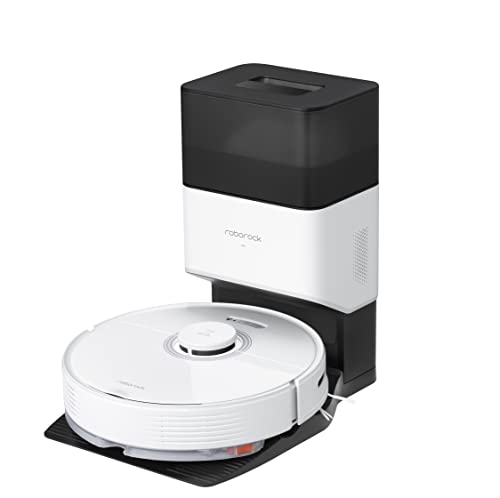
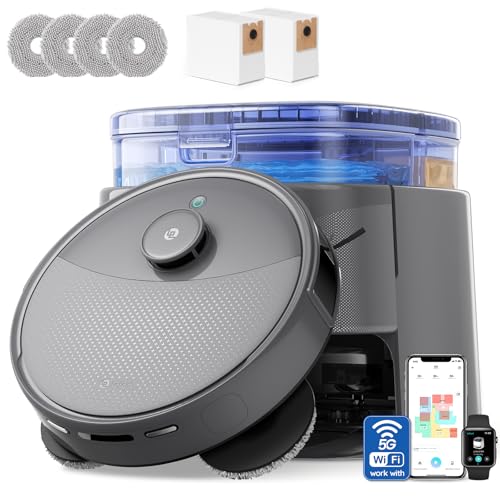
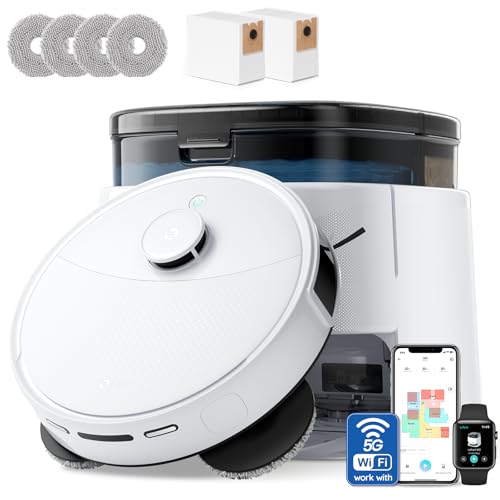
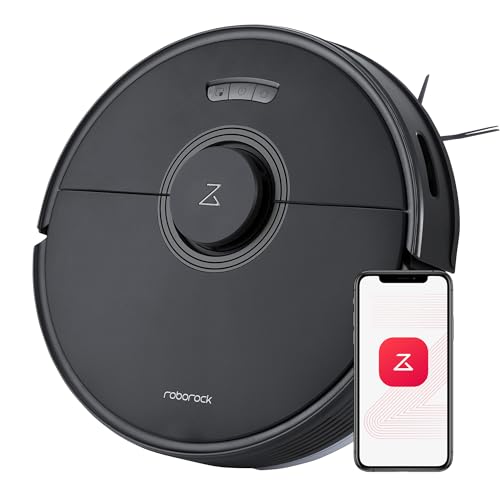
Roborock Q7 Max+ Review | 118 Data compared

double-arrow
  • Avg. price: ~£330
  • Max suction power: 3000 Pa
  • Runtime: 180 min
  • Dustbin capacity: 470 mL
  • Max threshold height: 20 mm

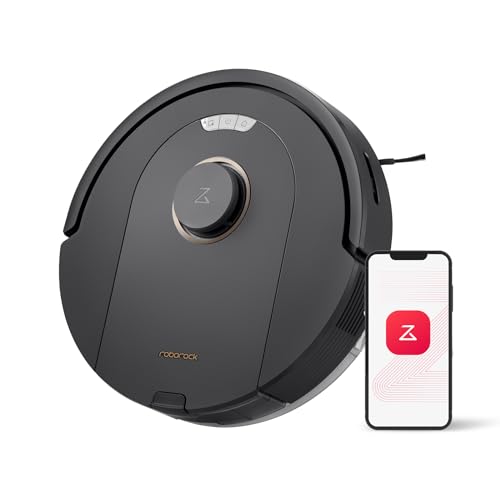
Roborock Q7 Max+ review. Compare 118 technical specifications and user reviews to see how this product ranks in the Robot Vacuums category and whether it is worth buying.

7.3

Overall score

What it is: An overall evaluation of the robot vacuum's quality, based on technical analyses and user reviews.

When it matters: When you need a quick reference to identify the best robot vacuums on the market.

Score components:

80.0%

7.2

Technical Score

20.0%

7.6

User score

Very good
7.2

Technical Score

What it is: An assessment of robot-vacuum performance across cleaning, navigation, mopping, battery life, filtration, brush design, smart features, and dimensions.

When it matters: When you want to compare robot vacuums based on technical performance and available features.

Score components:

30.0%

6.7

Cleaning

23.0%

8.5

Navigation

18.0%

5.9

Mopping

12.0%

8.2

Battery

10.0%

8.9

Smart Features

7.0%

4.9

Design

Very good
7.6

User score

What it is: A rating that combines user reviews and the total number of reviews received by the robot vacuum

When it matters: When you want to know how a robot vacuum handles daily tasks and how reliable it remains over time according to user feedback.

Score components:

70.0%

7.4

User reviews

30.0%

8.2

Popularity

User score:
United States
Amazon_logo.png
3.7
(621)

(Reviews last updated: July 2026)

Very good
  • 5.6
    Mopping

    Score components:

    35.0%

    5.2

    Mopping system type

    25.0%

    4.0

    Mop lifting

    20.0%

    4.0

    Auto water refill

    20.0%

    10

    Water tank capacity

  • 5.5
    Pet homes

    Score components:

    35.0%

    4.0

    Anti-tangle technology

    30.0%

    3.4

    Max suction power

    20.0%

    10

    Carpet boost

    15.0%

    6.9

    Dustbin capacity

  • 6.5
    Navigation and mapping

    Score components:

    30.0%

    8.5

    Primary navigation technology

    30.0%

    5.7

    Obstacle avoidance technology

    20.0%

    1.0

    Object recognition

    20.0%

    10

    Real-time mapping

  • roborock-q7-max-plus
  • roborock-q7-max-plus
  • roborock-q7-max-plus
  • roborock-q7-max-plus
  • roborock-q7-max-plus
  • roborock-q7-max-plus
  • roborock-q7-max-plus
  • roborock-q7-max-plus
  • roborock-q7-max-plus
  • roborock-q7-max-plus
  • roborock-q7-max-plus
  • roborock-q7-max-plus
  • roborock-q7-max-plus
  • roborock-q7-max-plus
  • roborock-q7-max-plus
  • roborock-q7-max-plus
roborock-q7-max-plus

Best prices in UK

    N/A~ £330

Best rankings

?

Available: ranking among products currently available (including other versions of this product).
All: ranking among all products in the database.

Verdict

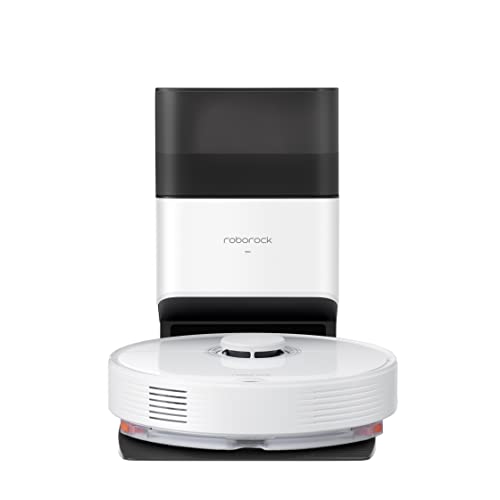
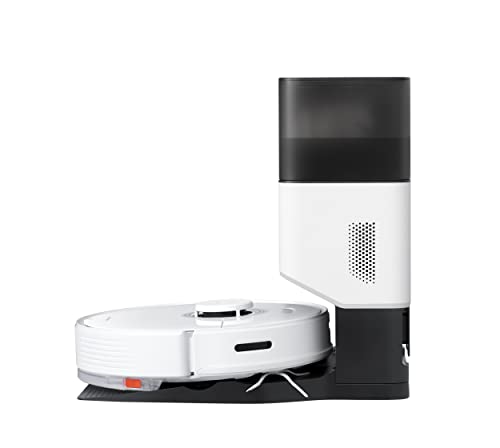
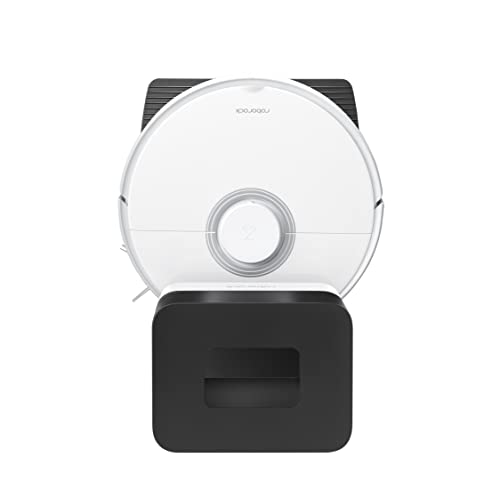
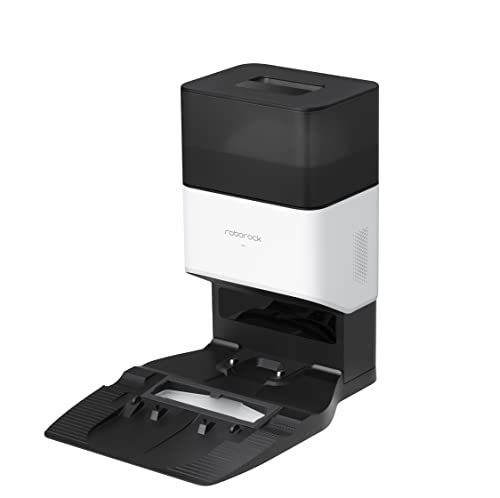
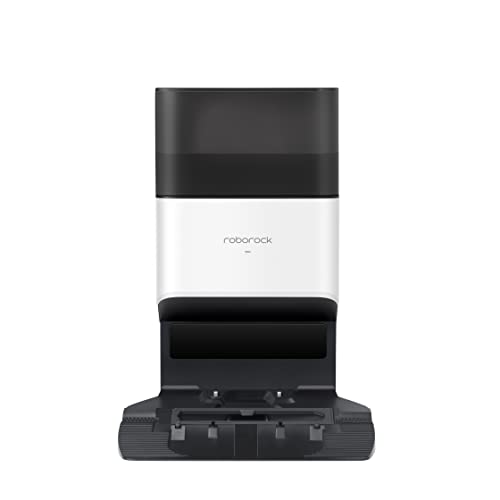
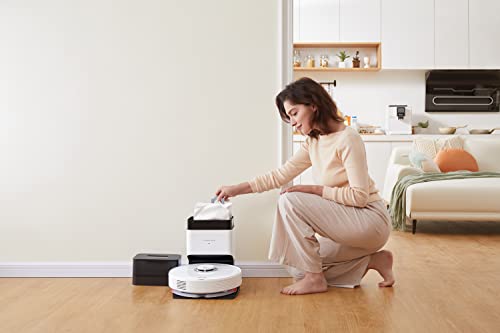
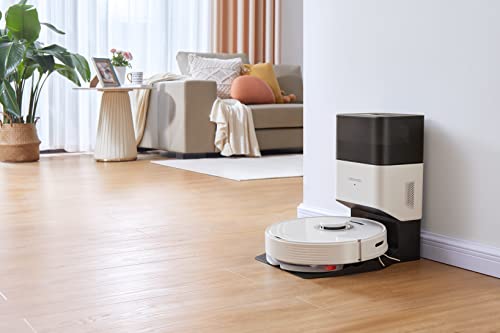
The Roborock Q7 Max+ is a mid-tier robot vacuum and mop hybrid featuring a powerful 4200 Pa suction motor, a 5200 mAh battery delivering up to 180 minutes of runtime, and a PreciSense LiDAR navigation system for advanced 3D mapping. Key advantages include an automated Auto-Empty Dock Pure with a 2.5-liter dust bag that stores up to 7 weeks of debris, a multi-directional floating all-rubber brush that minimizes hair tangles, and a combined 470 ml dustbin and 350 ml electronic water tank with 30 customizable water flow levels. However, notable drawbacks include its lack of a dedicated carpet sensor, the absence of real-time front obstacle avoidance technology, and a basic, non-vibrating passive mopping mechanism that struggle with stubborn stains.

Technical Specifications of robot vacuum Roborock Q7 Max+

Technical Score

What it is: An assessment of robot-vacuum performance across cleaning, navigation, mopping, battery life, filtration, brush design, smart features, and dimensions.

When it matters: When you want to compare robot vacuums based on technical performance and available features.

Score components:

30.0%

6.7

Cleaning

23.0%

8.5

Navigation

18.0%

5.9

Mopping

12.0%

8.2

Battery

10.0%

8.9

Smart Features

7.0%

4.9

Design

7.2
Roborock Q7 Max+ has a technical score of 7.23, higher than that of 59.2% of robot vacuums.
User score

What it is: A rating that combines user reviews and the total number of reviews received by the robot vacuum

When it matters: When you want to know how a robot vacuum handles daily tasks and how reliable it remains over time according to user feedback.

Score components:

70.0%

7.4

User reviews

30.0%

8.2

Popularity

User score:
United States
Amazon_logo.png
3.7
(621)

(Reviews last updated: July 2026)

7.6
Roborock Q7 Max+ has a user score of 7.63, lower than that of 71.7% of robot vacuums.
Popularity
What it is: An indicator based on the number of reviews received by the robot vacuum.
When it matters: When you prefer to purchase a product chosen and reviewed by many other consumers.
8.2
Roborock Q7 Max+ has a popularity of 8.2 points, which is higher than 62.2% of products in this category.
Ratio quality/price

What it is: An indicator that combines the robot vacuum's overall rating with its cost.

When it matters: When you are looking for a robot vacuum with a good balance between quality and price.

Score components:

60.0%

7.3

Overall score

40.0%

8.8

Price

7.8
Roborock Q7 Max+ has a quality-to-price ratio of 7.8 points, which is higher than 64.8% of products in this category.
Max suction power
What it is: Maximum suction power is the highest pressure the vacuum motor is rated to produce, measured in pascals.
When it matters: Higher figures can help lift embedded debris from carpet, but brush design and airflow also determine real cleaning performance.

Importance: HIGH

3,000 Pa
Roborock Q7 Max+ delivers 3,000 Pa of suction power, which is weaker than that of 52.5% of robot vacuums and equal to that of 8.6% of robot vacuums.
N. of suction power levels
What it is: The number of suction levels shows how many power settings can be selected.
When it matters: More levels give finer control over noise, battery use and cleaning strength on different floors.

Importance: MEDIUM

4
Roborock Q7 Max+ has a suction-level count of 4, which is higher than that of 49.4% of robot vacuums and the same as that of 44% of robot vacuums.
Motor type
What it is: Motor type identifies whether the suction motor uses a brushed or brushless design.
When it matters: Brushless motors generally offer better efficiency and durability, although complete airflow design still determines performance.

Importance: LOW

brushless
Roborock Q7 Max+ uses a motor type considered more efficient than those in 2.7% of robot vacuums and matched by 97.3% of robot vacuums.
Power
What it is: Power is the electrical input rating of the robot or its charging system.
When it matters: It describes energy demand, but it should not be treated as a direct measure of suction or floor-cleaning ability.

Importance: LOW

35 W
Cleaning modes
What it is: Cleaning modes are the distinct automatic or targeted cleaning programs available on the robot.
When it matters: A wider choice makes it easier to match cleaning behavior to rooms, spills, edges or quiet periods.

Importance: MEDIUM

4
Roborock Q7 Max+ offers 4 cleaning modes, which is more than 38.2% of robot vacuums and as many as 47.5% of robot vacuums.
Show more
Mopping capability
What it is: Mopping capability means the robot can wipe hard floors with a damp pad or active mop system.
When it matters: It is useful for fine dust and light marks, but it does not automatically mean the robot can replace deep manual mopping.

Importance: MEDIUM

yes
Roborock Q7 Max+ can mop floors. This feature is available on 78.9% of robot vacuums.
Mopping system type
What it is: The mopping system type describes how the robot applies motion and pressure to its mop, such as a static pad, vibrating pad, rotating pads or roller.
When it matters: Active systems generally scrub dried marks better, while pad lifting and dock washing determine how practical they are on mixed floors.

Importance: HIGH

static pad
Roborock Q7 Max+ uses static pad for mopping, a system that is more effective than those in 20.4% of robot vacuums and matched by 46.3% of robot vacuums.
Mop pad type
What it is: Mop pad type describes the pad shape and attachment used by the mopping system.
When it matters: It affects floor contact, edge reach, replacement availability and whether the pads can be washed easily.

Importance: LOW

semi-circular
Mop pad material
What it is: Mop pad material is the fabric or fibre used to wipe and absorb dirt from the floor.
When it matters: It influences absorption, scrubbing action, durability and how easily the pad releases dirt when washed.

Importance: LOW

microfiber
Mop pressure
What it is: Mop pressure is the downward force the mopping system applies to the floor.
When it matters: More controlled pressure can improve removal of dried marks, although pad motion and moisture delivery also matter.

Importance: LOW

300 g
Roborock Q7 Max+ applies 300 g of mop pressure, which is lower than that of 89.2% of robot vacuums and equal to that of 10.8% of robot vacuums.
Show more
Primary navigation technology
What it is: The primary navigation technology is the main sensor system the robot uses to understand its position and plan a route.
When it matters: It affects route efficiency, coverage and how reliably the robot returns to its dock, especially in larger or more complex homes.

Importance: HIGH

LiDAR
Roborock Q7 Max+ uses LiDAR as its primary navigation system, which is more capable than the systems in 34.7% of robot vacuums and matched by 60.4% of robot vacuums.
Mapping capability
What it is: Mapping capability lets the robot create a floor plan instead of cleaning only from moment-to-moment sensor reactions.
When it matters: A saved map is important for room selection, no-go zones and predictable coverage.

Importance: MEDIUM

yes
Roborock Q7 Max+ maps the floor. This feature is available on 74% of robot vacuums.
Real-time mapping
What it is: Real-time mapping updates the floor plan and the robot's route while a cleaning run is in progress.
When it matters: It helps you follow progress, spot missed areas and see where the robot is if it becomes stuck.

Importance: LOW

yes
Roborock Q7 Max+ updates its map in real time. This feature is available on 68.5% of robot vacuums.
Grounded yes from data_scrape2/data_scrape4 (agreement or one clear yes with other source empty/noisy).
Multiple map storage
What it is: Multiple map storage keeps separate floor plans for more than one level or cleaning area.
When it matters: It is useful in multi-storey homes because the robot does not need to rebuild the map each time it changes floors.

Importance: LOW

yes
Roborock Q7 Max+ stores multiple maps. This feature is available on 56.5% of robot vacuums.
Map editing
What it is: Map editing lets you divide, merge, name and adjust rooms in the app.
When it matters: Accurate room boundaries make room-by-room schedules and targeted cleaning easier to use.

Importance: LOW

yes
Roborock Q7 Max+ lets you edit maps. This feature is available on 63.9% of robot vacuums.
Grounded yes from data_scrape2/data_scrape4 (agreement or one clear yes with other source empty/noisy).
Show more
App control
What it is: App control lets you operate and configure the robot from a smartphone application.
When it matters: It is needed for maps, room selection, schedules and many advanced settings on modern robot vacuums.

Importance: LOW

yes
Roborock Q7 Max+ supports app control. This feature is available on 94.4% of robot vacuums.
App name
What it is: App name identifies the manufacturer's mobile application used to control the robot.
When it matters: It helps you check phone compatibility, account requirements and user feedback for the correct app before buying.

Importance: LOW

?
Wi-Fi connectivity
What it is: Wi-Fi connectivity links the robot to its app and cloud services through the home network.
When it matters: It enables remote control and updates, but setup quality depends on router compatibility and signal coverage.

Importance: LOW

yes
Roborock Q7 Max+ connects to Wi-Fi. This feature is available on 93.7% of robot vacuums.
Supported Wi-Fi bands
What it is: Supported Wi-Fi bands identify the wireless frequencies the robot can use, commonly 2.4 GHz and sometimes 5 GHz.
When it matters: Band support matters during setup because many robot vacuums connect only to a 2.4 GHz network.

Importance: LOW

2.4 GHz
Bluetooth connectivity
What it is: Bluetooth connectivity provides a short-range wireless link, often used during initial setup.
When it matters: It can simplify pairing but usually does not replace Wi-Fi for remote app control.

Importance: LOW

yes
Roborock Q7 Max+ connects via Bluetooth. This feature is available on 64.5% of robot vacuums.
Show more
Battery capacity
What it is: Battery capacity is the amount of electrical charge the battery can store, measured in milliamp-hours.
When it matters: More capacity can support longer cleaning runs, but motor power, mopping and navigation also affect actual runtime.

Importance: MEDIUM

5,200 mAh
Roborock Q7 Max+ has a battery capacity of 5,200 mAh; it is higher than that of 65.2% of robot vacuums and equal to that of 28.2% of robot vacuums.
Grounded current sources converge on 5200 mAh battery capacity.
Battery type
What it is: Battery type identifies the battery chemistry used by the robot.
When it matters: It affects weight, service life and charging behavior, with lithium-ion now being the common modern design.

Importance: LOW

Li-ion
Battery voltage
What it is: Battery voltage is the nominal electrical voltage of the robot's battery pack.
When it matters: It is mainly useful for checking replacement-battery compatibility and does not by itself indicate runtime.

Importance: LOW

14.4
Runtime
What it is: Runtime is how long the robot is rated to clean on one charge under the stated test mode.
When it matters: Longer runtime matters on large floors, while recharge-and-resume can compensate for a smaller battery.

Importance: MEDIUM

180 min
Roborock Q7 Max+ runs for 180 min per charge; this is longer than 63.7% of robot vacuums and equal to 13% of robot vacuums.
Recharge and resume
What it is: Recharge and resume sends the robot back to charge and then returns it to the unfinished part of the map.
When it matters: It allows large cleaning jobs to finish without manual intervention when one battery charge is not enough.

Importance: LOW

yes
Roborock Q7 Max+ resumes cleaning after charging. This feature is available on 83.1% of robot vacuums.
Show more
Shape
What it is: Shape describes the robot's body outline, most commonly round or D-shaped.
When it matters: Shape influences corner reach and manoeuvring, although brush placement and route planning are equally important.

Importance: LOW

round
Height
What it is: Height is the vertical clearance required by the robot.
When it matters: A lower body can clean under more sofas, beds and cabinets, but measure the furniture gap before relying on it.

Importance: LOW

96.52 mm
Roborock Q7 Max+ is 96.52 mm tall; this is higher than 62.7% of robot vacuums and equal to 0.4% of robot vacuums.
Width
What it is: Width is the side-to-side size of the robot.
When it matters: It determines whether the robot can pass between chair legs, furniture and other narrow spaces.

Importance: LOW

350 mm
Roborock Q7 Max+ is 350 mm wide; this is wider than 63.5% of robot vacuums and equal to 20.3% of robot vacuums.
Length
What it is: Length is the front-to-back size of the robot.
When it matters: Together with width and shape, it affects turning space and access around closely placed furniture.

Importance: LOW

353 mm
Roborock Q7 Max+ is 353 mm long; this is longer than 85.3% of robot vacuums and equal to 9.7% of robot vacuums.
Weight
What it is: Weight is the mass of the robot itself, excluding its dock.
When it matters: A lighter robot is easier to carry between floors, while weight has little direct connection to cleaning quality.

Importance: LOW

3.8 kg
Roborock Q7 Max+ weighs 3.8 kg; this is more than 64% of robot vacuums and equal to 2.7% of robot vacuums.
Show more

Roborock Q7 Max+ vs the average robot vacuum

  • Empties its dustbin automatically
    Roborock Q7 Max+ empties its dustbin automatically, while the average robot vacuum requires manual dustbin emptying.
    What it is: Auto-empty capability lets the dock remove dry debris from the robot's bin after cleaning.
    When it matters: It reduces daily emptying and is especially useful for pet hair, large homes and frequent schedules.

    Importance: LOW

    Roborock Q7 Max+ empties its dustbin automatically, while the average robot vacuum requires manual dustbin emptying.
  • Adjusts its cleaning height automatically
    Roborock Q7 Max+ adjusts its cleaning height automatically, while the average robot vacuum uses a fixed cleaning height.
    What it is: Automatic height adjustment changes the cleaning-head position to maintain contact with different floor surfaces.
    When it matters: It can improve pickup when the robot moves between hard floors, rugs and uneven surfaces.

    Importance: LOW

    Roborock Q7 Max+ adjusts its cleaning height automatically, while the average robot vacuum uses a fixed cleaning height.
  • 120 m² more cleaning coverage
    Roborock Q7 Max+ can clean up to 300 m² per charge, compared with 180 m² for the average robot vacuum.
    What it is: Maximum cleaning area is the largest floor area the robot is rated to cover in one cleaning task.
    When it matters: It helps indicate whether the robot suits a large layout, although obstacles, power mode and mopping can reduce coverage.

    Importance: LOW

    Roborock Q7 Max+ can clean up to 300 m² per charge, compared with 180 m² for the average robot vacuum.300 m² vs 180 m²
  • 2,000 mAh more battery capacity
    Roborock Q7 Max+ has a battery capacity of 5,200 mAh, compared with 3,200 mAh for the average robot vacuum.
    Grounded current sources converge on 5200 mAh battery capacity.
    What it is: Battery capacity is the amount of electrical charge the battery can store, measured in milliamp-hours.
    When it matters: More capacity can support longer cleaning runs, but motor power, mopping and navigation also affect actual runtime.

    Importance: MEDIUM

    Roborock Q7 Max+ has a battery capacity of 5,200 mAh, compared with 3,200 mAh for the average robot vacuum.5200 mAh vs 3200 mAh
  • 110 mL larger water tank
    Roborock Q7 Max+ has a water tank capacity of 350 mL, compared with 240 mL for the average robot vacuum.
    What it is: Water tank capacity is the amount of mopping water carried inside the robot.
    When it matters: A larger tank can cover more hard floor before refilling, though dock-based automatic refill can reduce this limitation.

    Importance: LOW

    Roborock Q7 Max+ has a water tank capacity of 350 mL, compared with 240 mL for the average robot vacuum.350 mL vs 240 mL
  • 27 more water-flow levels
    The number of water-flow levels on Roborock Q7 Max+ is 30, compared with 3 on the average robot vacuum.
    30 selectable water flow levels
    What it is: The number of water-flow levels shows how many moisture settings are available for mopping.
    When it matters: More levels provide finer control for different floor materials, room sizes and amounts of dirt.

    Importance: LOW

    The number of water-flow levels on Roborock Q7 Max+ is 30, compared with 3 on the average robot vacuum.30 vs 3
  • Includes a child lock
    Roborock Q7 Max+ includes a child lock, while the average robot vacuum has no child lock.
    What it is: A child lock disables selected buttons or controls to prevent accidental operation.
    When it matters: It is useful where children or pets may touch the robot or dock controls.

    Importance: LOW

    Roborock Q7 Max+ includes a child lock, while the average robot vacuum has no child lock.
  • 30 min longer runtime
    Roborock Q7 Max+ runs for 180 min per charge, compared with 150 min for the average robot vacuum.
    What it is: Runtime is how long the robot is rated to clean on one charge under the stated test mode.
    When it matters: Longer runtime matters on large floors, while recharge-and-resume can compensate for a smaller battery.

    Importance: MEDIUM

    Roborock Q7 Max+ runs for 180 min per charge, compared with 150 min for the average robot vacuum.180 min vs 150 min
  • 120 m² more cleaning coverage
    Roborock Q7 Max+ can clean up to 300 m² per charge, compared with 180 m² for the average robot vacuum.
  • 2,000 mAh more battery capacity
    Roborock Q7 Max+ has a battery capacity of 5,200 mAh, compared with 3,200 mAh for the average robot vacuum.
  • 30 min longer runtime
    Roborock Q7 Max+ runs for 180 min per charge, compared with 150 min for the average robot vacuum.
  • Supports off-peak charging
    Roborock Q7 Max+ supports off-peak charging, while the average robot vacuum does not support off-peak charging.
  • 1.1 W lower standby use
    Roborock Q7 Max+ uses 0.9 W in standby, compared with 2 W for the average robot vacuum.
  • 0.5 h faster charging
    Roborock Q7 Max+ takes 4 h to charge, compared with 4.5 h for the average robot vacuum.
  • 2 dB quieter operation
    Roborock Q7 Max+ produces 63 dB of noise, compared with 65 dB for the average robot vacuum.
  • Includes a child lock
    Roborock Q7 Max+ includes a child lock, while the average robot vacuum has no child lock.
  • Supports more languages
    Roborock Q7 Max+ supports 30 languages, compared with 17 on the average robot vacuum.
  • Empties its dustbin automatically
    Roborock Q7 Max+ empties its dustbin automatically, while the average robot vacuum requires manual dustbin emptying.
  • Adjusts its cleaning height automatically
    Roborock Q7 Max+ adjusts its cleaning height automatically, while the average robot vacuum uses a fixed cleaning height.
  • 70 mL larger dustbin
    Roborock Q7 Max+ has a dustbin capacity of 470 mL, compared with 400 mL for the average robot vacuum.
  • 110 mL larger water tank
    Roborock Q7 Max+ has a water tank capacity of 350 mL, compared with 240 mL for the average robot vacuum.
  • 27 more water-flow levels
    The number of water-flow levels on Roborock Q7 Max+ is 30, compared with 3 on the average robot vacuum.
  • Supports cleaning solution
    Roborock Q7 Max+ supports cleaning solution, while the average robot vacuum does not support cleaning solution.
  • 13 mm longer body
    Roborock Q7 Max+ is 353 mm long, compared with 340 mm for the average robot vacuum.
  • 11.35 mm wider body
    Roborock Q7 Max+ is 350 mm wide, compared with 338.65 mm for the average robot vacuum.
  • 0.27 kg heavier robot
    Roborock Q7 Max+ weighs 3.8 kg, compared with 3.53 kg for the average robot vacuum.
  • Older model
    Roborock Q7 Max+ was released in 2022, compared with 2023 for the average robot vacuum.
    April 2022
  • 2.52 mm taller body
    Roborock Q7 Max+ is 96.5 mm tall, compared with 94 mm for the average robot vacuum.
  • 8.2 cm taller base station
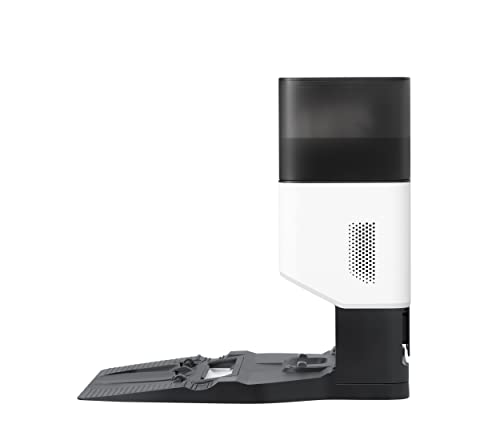
    Roborock Q7 Max+ has a base station that is 42.5 cm tall, compared with 34.3 cm for the average robot vacuum.
  • More basic obstacle avoidance
    Roborock Q7 Max+ uses LiDAR obstacle avoidance, while the average robot vacuum uses hybrid.
  • Does not detect carpets automatically
    Roborock Q7 Max+ does not detect carpets automatically, while the average robot vacuum detects carpets automatically.
  • 4 % Lower filtration efficiency
    Roborock Q7 Max+ has a lower filtration efficiency than the average robot vacuum (95% vs 99%).
    Source 2 is supported by another source at 95%.
  • 0.5 L smaller dust bag
    Roborock Q7 Max+ has a 2.5 L auto-empty dust bag, compared with 3 L on the average robot vacuum.
  • 1,000 Pa weaker suction
    Roborock Q7 Max+ delivers 3,000 Pa, compared with 4,000 Pa for the average robot vacuum.
  • Does not include a cleaning tool
    Roborock Q7 Max+ does not include a cleaning tool, while the average robot vacuum includes a cleaning tool.
  • 13 mm narrower main brush
    Roborock Q7 Max+ uses a main brush measuring 165 mm, compared with 178 mm for the average robot vacuum.
  • Has a non-washable dustbin
    Roborock Q7 Max+ has a non-washable dustbin, while the average robot vacuum has a washable dustbin.
    Resolved from fallback washable/rinsable wording.
  • 312 g less mop pressure
    Roborock Q7 Max+ applies 300 g, compared with 612 g for the average robot vacuum.
  • More basic obstacle avoidance
    Roborock Q7 Max+ uses LiDAR obstacle avoidance, while the average robot vacuum uses hybrid.
    What it is: Obstacle avoidance technology uses sensors, cameras, LiDAR or structured light to detect objects and route around them.
    When it matters: More capable systems reduce contact with cables, shoes, pet bowls and other clutter, so the robot needs fewer rescues.

    Importance: HIGH

    Roborock Q7 Max+ uses LiDAR obstacle avoidance, while the average robot vacuum uses hybrid.LiDAR vs hybrid
  • Does not detect carpets automatically
    Roborock Q7 Max+ does not detect carpets automatically, while the average robot vacuum detects carpets automatically.
    What it is: Carpet detection allows the robot to recognize when it moves from hard flooring onto carpet or a rug.
    When it matters: It enables carpet-specific actions such as suction boost, mop lifting or carpet avoidance.

    Importance: MEDIUM

    Roborock Q7 Max+ does not detect carpets automatically, while the average robot vacuum detects carpets automatically.
  • 4 % Lower filtration efficiency
    Roborock Q7 Max+ has a lower filtration efficiency than the average robot vacuum (95% vs 99%).
    Source 2 is supported by another source at 95%.
    What it is: Filter efficiency is the stated percentage of particles the filter can retain under its specified test conditions.
    When it matters: It matters for fine dust and allergens, although leakage around the filter can reduce whole-machine performance.

    Importance: MEDIUM

    Roborock Q7 Max+ has a lower filtration efficiency than the average robot vacuum (95% vs 99%).95 % vs 99 %
  • 0.5 L smaller dust bag
    Roborock Q7 Max+ has a 2.5 L auto-empty dust bag, compared with 3 L on the average robot vacuum.
    What it is: Auto-empty dust-bag capacity is the amount of debris the station's disposable bag can hold.
    When it matters: A larger bag extends the time between changes, especially in homes with pets or frequent cleaning.

    Importance: LOW

    Roborock Q7 Max+ has a 2.5 L auto-empty dust bag, compared with 3 L on the average robot vacuum.2.5 L vs 3 L
  • 312 g less mop pressure
    Roborock Q7 Max+ applies 300 g, compared with 612 g for the average robot vacuum.
    What it is: Mop pressure is the downward force the mopping system applies to the floor.
    When it matters: More controlled pressure can improve removal of dried marks, although pad motion and moisture delivery also matter.

    Importance: LOW

    Roborock Q7 Max+ applies 300 g, compared with 612 g for the average robot vacuum.300 g vs 612 g
  • 1,000 Pa weaker suction
    Roborock Q7 Max+ delivers 3,000 Pa, compared with 4,000 Pa for the average robot vacuum.
    What it is: Maximum suction power is the highest pressure the vacuum motor is rated to produce, measured in pascals.
    When it matters: Higher figures can help lift embedded debris from carpet, but brush design and airflow also determine real cleaning performance.

    Importance: HIGH

    Roborock Q7 Max+ delivers 3,000 Pa, compared with 4,000 Pa for the average robot vacuum.3000 Pa vs 4000 Pa
  • Does not include a cleaning tool
    Roborock Q7 Max+ does not include a cleaning tool, while the average robot vacuum includes a cleaning tool.
    What it is: A cleaning tool is a small brush or cutter supplied for removing hair and debris from the robot.
    When it matters: It makes routine brush and filter maintenance easier, particularly in homes with pets.

    Importance: LOW

    Roborock Q7 Max+ does not include a cleaning tool, while the average robot vacuum includes a cleaning tool.
  • 13 mm narrower main brush
    Roborock Q7 Max+ uses a main brush measuring 165 mm, compared with 178 mm for the average robot vacuum.
    What it is: Main brush width is the working width of the central debris-collecting roller.
    When it matters: A wider brush can cover more floor per pass, while edge design and navigation still affect total coverage.

    Importance: LOW

    Roborock Q7 Max+ uses a main brush measuring 165 mm, compared with 178 mm for the average robot vacuum.165 mm vs 178 mm

Graphic comparison of Roborock Q7 Max+ and other robot vacuums

Attribute category
Attribute
No results found

Third-party reviews

United States

(Reviews last updated: July 2026)

What customers like about Roborock Q7 Max+?

  • Excellent suction works effectively on both hard floors and carpets.
  • The large self-emptying dock is very convenient.
  • Precise LiDAR navigation maps the home efficiently.
  • Long battery life suits even large apartments.
  • The app provides excellent integration and supports voice assistants.

What customers dislike about Roborock Q7 Max+?

  • The basic mopping function is unsuitable for stubborn stains or large areas.
  • There is no object-recognition and avoidance system, so curtains, cables, or small objects can cause blockages.
  • The mop does not lift when crossing carpets.
  • The rubber brush can struggle somewhat with large quantities of pet hair.

Video reviews

Compare Roborock Q7 Max+ with other robot vacuums

VS
VS

Compare