Scored using Fitness trackers Methodology v3.0
Fitness trackers Methodology v3.0
Mathematical & Unbiased Scoring
Products in this category are scored under Frontum Fitness trackers Methodology v3.0: the technical score from the specifications is the base, and independent expert and video reviews (up to ±0.5 points), owner opinions (up to ±0.3) and best-of lists (up to +0.3) move it up or down.
Explore Fitness trackers Methodology v3.0

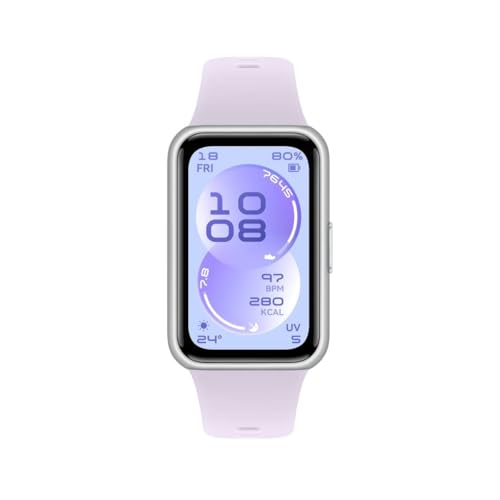
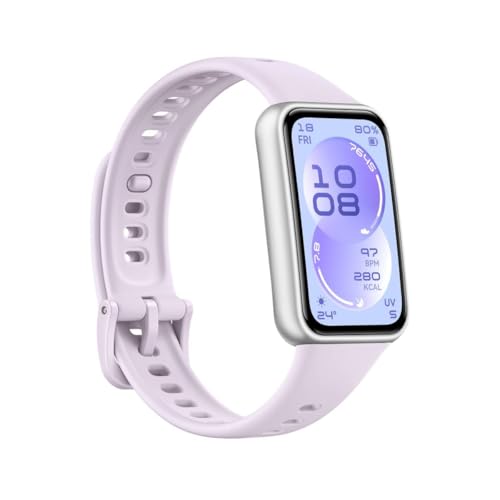
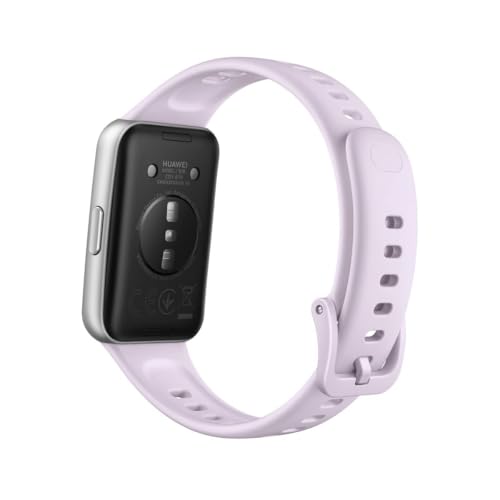
Huawei Band 11 review: 163 specs compared

Avg. price:~£45Battery life:14 daysScreen size:1.62 inchHeart rate monitor:yesGPS:noWaterproof depth rating:50 m

Huawei Band 11 Review: Compare 168 technical specifications, 11 expert and video reviews and 4 best-of lists to see how this product ranks in the Fitness trackers category and whether it is worth buying.
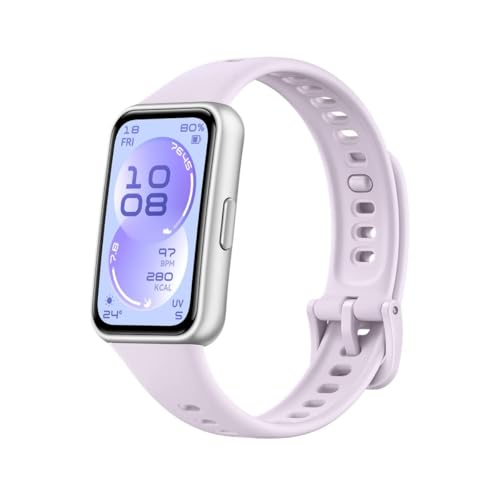
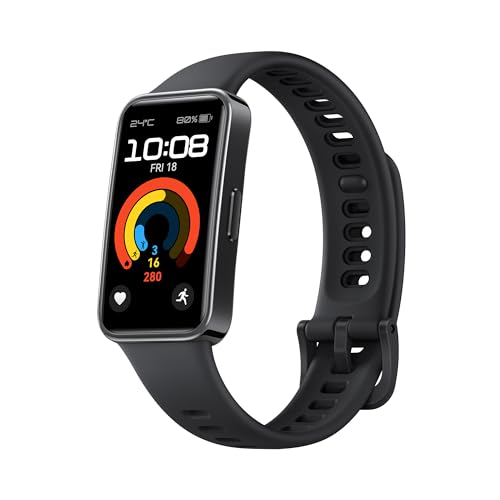
Huawei Band 11
8.3/10

Overall score

Score
8.3/ 10
✕
What it is
Our main score for this model, 1–10. It combines specs, best-of lists, expert reviews and owners.
How we count it
Parts: Technical score 35%, List score 30%, Reviews score 25%, Sentiment score 10%
Marks: Each part gets a mark out of 10. For reviews, lists and owners, a typical model in this category gets about 8 and the best one gets 10.
No data yet: A part with no data shows "?". It counts as the mark of a weaker model in this category (4 in 5 models with data score higher). This way, models with reviews, lists and owners usually come out ahead.
Score distribution
▼
<55-66-77-88-99-10
Score components

35%

8.6

Technical score

30%

8.3

List score

25%

7.8

Reviews score

10%

9.1

Sentiment score

★Better than 94% of fitness trackers
8.8

Value for money

Value for money
8.8/ 10
✕
What it is
An indicator that combines the fitness tracker's overall rating with its cost.
When it matters
When you are looking for a fitness tracker with a good balance between quality and price.
Score distribution
▼
<55-66-77-88-99-10
Score components

70%

8.3

Overall score

30%

10

Price

★Better than 92%
8.6

Technical score

Technical score
8.6/ 10
✕
What it is
How good the specs are compared with the other models in this category, 1–10.
How we count it
Areas: We rate the specs in each area against the other models in this category.
Weighting: The areas that matter most to buyers count more. The shares are shown under Score components.
Share: The technical score is 35% of the overall score.
Score distribution
▼
<55-66-77-88-99-10
Score components

20%

9.1

Sports

20%

5.8

Battery

18%

9.6

Health

18%

9.4

Display

8%

9.3

Smart functions

8%

9.7

Wellness

4%

7.8

Connectivity

4%

9.3

Design

★Better than 96%
7.8

Reviews score

Reviews score
7.8/ 10
✕
What it is
Average grade from independent test sites, magazines and video reviewers, 1–10.
How we count it
Grades: Each review's own score is converted to 1–10; without one, we grade the review ourselves. Big test sites count more, short reviews half as much as full tests. A video review counts half.
Score: The average grade is 80% of the review mark; the number of reviews is the other 20% (1 review = 5, the typical number in this category = 8, the most-reviewed model = 10).
Enough data: With few reviews, the average grade is pulled toward the typical grade of this category. No reviews yet: 7.2 for now.
Share: Reviews count 25% of the overall score.
Score distribution
▼
<55-66-77-88-99-10

80%

7.9

Average grade

20%

7.4

Popularity

Grades by review (11)
11 video reviews, each counting half as much as a written test. Reviews count 25% of the overall score.
User ratings collected online are not part of this score.
▲Better than 56%
8.3

List score

List score
8.3/ 10
✕
What it is
How often independent test sites, magazines and video reviewers put this model in their best-of lists for this category.
How we count it
Points: The model in the most lists of this category gets 10; the others get 8 to 10 in proportion. In no list yet: 7.5. Lists count 30% of the overall score.
Enough data: Every list counts, even a single one. With fewer than 5 best-of lists in the category, this part is left out.
Lists with this model (4)
List score: in 4 of 49 lists (8%)
▲Better than 89%
  • huawei-band-11
  • huawei-band-11
  • huawei-band-11
  • huawei-band-11
huawei-band-11
huawei-band-11
huawei-band-11
huawei-band-11
Best prices
*As an Amazon Associate, we earn from qualifying purchases.
Best rankings
Available: ranking among products currently available (including other versions of this product).All: ranking among all products in the database.

What reviewers say about the Huawei Band 11

Based on 0 · 13

Reviewers love the light, comfortable fit, sleek design and sharp display, but slam the weak GPS, and battery life splits opinion.
Praised
Mixed views
Criticised
Pick a topic to see who said what

What owners say about the Huawei Band 11

Based on 85 owners sharing their experience in online comments

47%positive24%mixed29%negative

Owners praise its polished screen, useful tracking and value, while battery life and inconsistent readings draw the most complaints.

What owners dislike

  • Health and workout readings can be inaccurate11
  • Owners say battery life often falls well short of the advertised 14 days, lasting around 3 to 7 days with normal use and less with always-on display or workouts.7
  • Owners say pairing with iPhones is limited, with many settings missing, and some report trouble connecting to Huawei phones or the Huawei Health app.5
  • GPS features are limited and phone dependent5
  • Owners say some notifications are skipped, especially WhatsApp on iPhone, and other apps show only plain text without quick replies or useful details.4
  • Owners say the Huawei Health app often fails to download or install, showing device information errors or failing to load the site, even with a VPN.4

Points mentioned by at least 3 owners, most mentioned first.

Loading...
Loading category ranking...

Fitness trackers model ranking

Ranked #16 of 238 models in Fitness trackers (Overall score)

Technical Specifications of fitness tracker Huawei Band 11

Technical score
Technical score
8.6/ 10
✕
What it is
How good the specs are compared with the other models in this category, 1–10.
How we count it
Areas: We rate the specs in each area against the other models in this category.
Weighting: The areas that matter most to buyers count more. The shares are shown under Score components.
Share: The technical score is 35% of the overall score.
Score distribution
▼
<55-66-77-88-99-10
Score components:

20%

9.1

Sports

20%

5.8

Battery

18%

9.6

Health

18%

9.4

Display

8%

9.3

Smart functions

8%

9.7

Wellness

4%

7.8

Connectivity

4%

9.3

Design

8.6
Reviews score
7.8
List score
8.3
Value for money
Value for money
8.8/ 10
✕
What it is
An indicator that combines the fitness tracker's overall rating with its cost.
When it matters
When you are looking for a fitness tracker with a good balance between quality and price.
Score distribution
▼
<55-66-77-88-99-10
Score components:

70%

8.3

Overall score

30%

10

Price

8.8
Heart rate monitor
yes
This fitness tracker supports heart rate monitoring. 36.2% of fitness trackers support heart rate monitoring.
Resting heart rate
yes
This fitness tracker supports Resting heart rate. 47.5% of fitness trackers support Resting heart rate.
Fast/slow heart rate alerts
yes
This fitness tracker supports high and low heart rate alerts. 63.9% of fitness trackers support high and low heart rate alerts.
Irregular heart rate alerts
yes
This fitness tracker supports irregular heart rate alerts. 86.8% of fitness trackers support irregular heart rate alerts.
Blood oxygen sensor
yes
This fitness tracker has a blood oxygen sensor. 68.2% of fitness trackers have a blood oxygen sensor.
Show more
GPS
no
This fitness tracker does not have GPS. 12.7% of fitness trackers have GPS.
Satellite systems supported
N/A
GNSS bands supported
N/A
Galileo support
N/A
Acquires GPS faster
N/A
Show more
What reviewers say
Notifications
yes
This fitness tracker supports notifications. 27.8% of fitness trackers support notifications.
Vibrating alerts
yes
This fitness tracker supports vibration alerts. 14.3% of fitness trackers support vibration alerts.
Call control
yes
This fitness tracker supports call controls. 59.7% of fitness trackers support call controls.
Call answering
no
This fitness tracker does not support call answering. 0.9% of fitness trackers support call answering.
Calendar sync
yes
This fitness tracker supports calendar sync. 79.9% of fitness trackers support calendar sync.
Show more
What reviewers say
Activity reports
yes
This fitness tracker supports activity reports. 5% of fitness trackers support activity reports.
Goal setting
yes
This fitness tracker supports goal setting. 2.5% of fitness trackers support goal setting.
Achievements
yes
This fitness tracker supports achievements. 23.8% of fitness trackers support achievements.
Inactivity alerts
yes
This fitness tracker supports inactivity alerts. 21.4% of fitness trackers support inactivity alerts.
Coaching
yes
This fitness tracker supports coaching. 64% of fitness trackers support coaching.
Show more
Bluetooth version
6
This fitness tracker supports Bluetooth 6 which is newer than in 99.5% of fitness trackers and equal to that in 0.5% of fitness trackers.
Maximum Bluetooth range
10 m
This fitness tracker offers a Bluetooth range of 10 m which is higher than that of 14.9% of fitness trackers and equal to that of 64.5% of fitness trackers.
NFC
no
This fitness tracker does not have NFC. 11.8% of fitness trackers have NFC.
Wi-Fi connectivity
no
This fitness tracker does not support Wi-Fi. 2.5% of fitness trackers support Wi-Fi.
Wi-Fi version
no
This fitness tracker does not support modern Wi-Fi. 0.9% of fitness trackers support modern Wi-Fi.
Show more
What reviewers say
Battery life
14 days
This fitness tracker offers a battery life of 14 days which is longer than that of 59.7% of fitness trackers and equal to that of 14.5% of fitness trackers.
Battery life with GPS on
N/A
Battery life in training mode
?
Power-saving battery life
?
Battery capacity
300 mAh
This fitness tracker has a battery capacity of 300 mAh which is higher than that of 95.3% of fitness trackers and equal to that of 2.9% of fitness trackers.
Show more
What reviewers say
Display
yes
This fitness tracker has a display. 26.3% of fitness trackers have a display.
Screen size
1.62 inch
This fitness tracker has a screen size of 1.62 inch which is larger than that of 89.2% of fitness trackers and equal to that of 3.2% of fitness trackers.
Display type
AMOLED
This fitness tracker uses AMOLED display technology which is more advanced than that of 74.1% of fitness trackers and the same as that of 25.9% of fitness trackers.
Screen resolution
?
Pixel density
347 ppi
This fitness tracker has a pixel density of 347 ppi which is higher than that of 97.4% of fitness trackers and equal to that of 0.9% of fitness trackers.
Show more
What reviewers say
Form factor
wristband
Hybrid design
no
This fitness tracker does not support Hybrid design. 2.1% of fitness trackers support Hybrid design.
Designed for kids
no
This fitness tracker is not designed for kids. 3.3% of fitness trackers are designed for kids.
Replaceable watch band
yes
This fitness tracker has a replaceable watch band. 23.4% of fitness trackers have a replaceable watch band.
Band width
16 mm
Show more
What reviewers say

Huawei Band 11 vs the average fitness tracker

246810TotalHealthSportsBatteryDisplayConnectivitySmart functionsDesignWellness
  • 3.33x higher screen brightness
    This fitness tracker has a higher screen brightness than the average fitness tracker (1500 nits vs 450 nits). The average fitness tracker has screen brightness of 450 nits.
    1,500 nits vs 450 nits
  • 2.4x larger battery capacity
    This fitness tracker has a higher battery capacity than the average fitness tracker (300 mAh vs 125 mAh). The average fitness tracker has 125 mAh of battery capacity.
    300 mAh vs 125 mAh
  • Blood oxygen monitoring
    This fitness tracker has a blood oxygen sensor, while the average fitness tracker does not. 32.1% of fitness trackers have a blood oxygen sensor.
  • Always-on display
    This fitness tracker has an always-on display, while the average fitness tracker does not. 25.6% of fitness trackers have an always-on display.
  • Measures VO2 max
    This fitness tracker supports VO2 max tracking, while the average fitness tracker does not. 23.6% of fitness trackers support VO2 max tracking.
  • Tracks HRV
    This fitness tracker supports HRV tracking, while the average fitness tracker does not. 15.1% of fitness trackers support HRV tracking.
  • 0.56 inch larger screen size
    This fitness tracker has a higher screen size than the average fitness tracker (1.6 inch vs 1.06 inch). The average fitness tracker has a screen size of 1.06 inch.
    1.62 inch vs 1.06 inch
  • Smart alarm
    This fitness tracker supports a smart alarm, while the average fitness tracker does not. 30.8% of fitness trackers support a smart alarm.
  • 9.6% better value for money
    Huawei Band 11 has a higher value-for-money score than the average fitness tracker (8.84 vs 8.1).
    8.84 vs 8.07
  • 6.8% higher review score
    Reviews score
    7.8/ 10
    ✕
    What it is
    Average grade from independent test sites, magazines and video reviewers, 1–10.
    How we count it
    Grades: Each review's own score is converted to 1–10; without one, we grade the review ourselves. Big test sites count more, short reviews half as much as full tests. A video review counts half.
    Score: The average grade is 80% of the review mark; the number of reviews is the other 20% (1 review = 5, the typical number in this category = 8, the most-reviewed model = 10).
    Enough data: With few reviews, the average grade is pulled toward the typical grade of this category. No reviews yet: 7.2 for now.
    Share: Reviews count 25% of the overall score.
    Score distribution
    ▼
    <55-66-77-88-99-10

    80%

    7.9

    Average grade

    20%

    7.4

    Popularity

    Grades by review (11)
    11 video reviews, each counting half as much as a written test. Reviews count 25% of the overall score.
    User ratings collected online are not part of this score.
    7.8 vs 7.3
  • 15.2% higher sentiment score
    9.1 vs 7.9
  • Blood oxygen monitoring
    This fitness tracker has a blood oxygen sensor, while the average fitness tracker does not. 32.1% of fitness trackers have a blood oxygen sensor.
  • Tracks HRV
    This fitness tracker supports HRV tracking, while the average fitness tracker does not. 15.1% of fitness trackers support HRV tracking.
  • Measures VO2 max
    This fitness tracker supports VO2 max tracking, while the average fitness tracker does not. 23.6% of fitness trackers support VO2 max tracking.
  • Heart rate alerts
    This fitness tracker supports high and low heart rate alerts, while the average fitness tracker does not. 36.4% of fitness trackers support high and low heart rate alerts.
  • Tracks respiration rate
    This fitness tracker supports respiratory rate tracking, while the average fitness tracker does not. 16% of fitness trackers support respiratory rate tracking.
  • Continuous SpO₂ monitoring
    This fitness tracker supports continuous SpO₂ monitoring, while the average fitness tracker does not. 16.3% of fitness trackers support continuous SpO₂ monitoring.
  • Irregular heart rate alerts
    This fitness tracker supports irregular heart rate alerts, while the average fitness tracker does not. 13.6% of fitness trackers support irregular heart rate alerts.
  • Tracks menstrual cycle
    This fitness tracker supports menstrual cycle tracking, while the average fitness tracker does not. 45.2% of fitness trackers support menstrual cycle tracking.
  • Period notifications
    This fitness tracker has period notifications, while the average fitness tracker does not. 34.6% of fitness trackers have period notifications.
  • Fertile window notifications
    This fitness tracker displays fertile window notifications, while the average fitness tracker does not. 25.1% of fitness trackers display fertile window notifications.
  • Ovulation prediction
    This fitness tracker predicts ovulation, while the average fitness tracker does not. 44.1% of fitness trackers predict ovulation.
  • Cycle start prediction
    This fitness tracker predicts the start date, while the average fitness tracker does not. 45.8% of fitness trackers predict the start date.
  • 9 years newer release date
    This fitness tracker was released more recently than the average fitness tracker (2026 vs 2017). The average fitness tracker was released in 2017.
    2026 vs 2017
  • Multi-sport mode
    This fitness tracker supports multi-sport mode, while the average fitness tracker does not. 14.5% of fitness trackers support multi-sport mode.
  • Swim stroke counter
    This fitness tracker supports swim stroke counting, while the average fitness tracker does not. 22.3% of fitness trackers support swim stroke counting.
  • Recovery time advisor
    This fitness tracker supports recovery time guidance, while the average fitness tracker does not. 14% of fitness trackers support recovery time guidance.
  • Tracks training load
    This fitness tracker supports training load tracking, while the average fitness tracker does not. 19.9% of fitness trackers support training load tracking.
  • Built-in gyroscope
    This fitness tracker has a gyroscope, while the average fitness tracker does not. 28.7% of fitness trackers have a gyroscope.
  • Built-in compass
    This fitness tracker has a compass, while the average fitness tracker does not. 6.9% of fitness trackers have a compass.
  • 91.5 more exercise modes
    This fitness tracker has more exercise modes than the average fitness tracker (100 vs 8.5). The average fitness tracker offers 8.5 exercise modes.
    100 vs 8.5
  • 2.4x larger battery capacity
    This fitness tracker has a higher battery capacity than the average fitness tracker (300 mAh vs 125 mAh). The average fitness tracker has 125 mAh of battery capacity.
    300 mAh vs 125 mAh
  • 4 days longer battery life
    This fitness tracker has a higher battery life than the average fitness tracker (14 days vs 10 days). The average fitness tracker has 10 days of battery life.
    14 days vs 10 days
  • Low power mode
    This fitness tracker supports low power mode, while the average fitness tracker does not. 23.2% of fitness trackers support low power mode.
  • 3.33x higher screen brightness
    This fitness tracker has a higher screen brightness than the average fitness tracker (1500 nits vs 450 nits). The average fitness tracker has screen brightness of 450 nits.
    1,500 nits vs 450 nits
  • Always-on display
    This fitness tracker has an always-on display, while the average fitness tracker does not. 25.6% of fitness trackers have an always-on display.
  • 0.56 inch larger screen size
    This fitness tracker has a higher screen size than the average fitness tracker (1.6 inch vs 1.06 inch). The average fitness tracker has a screen size of 1.06 inch.
    1.62 inch vs 1.06 inch
  • 40.5% higher pixel density
    This fitness tracker has a higher pixel density than the average fitness tracker (347 ppi vs 247 ppi). The average fitness tracker has a pixel density of 247 ppi.
    347 ppi vs 247 ppi
  • Touchscreen
    This fitness tracker has a touchscreen, while the average fitness tracker does not. 46.7% of fitness trackers have a touchscreen.
  • Color display
    This fitness tracker has a color display, while the average fitness tracker does not. 39.1% of fitness trackers have a color display.
  • Ambient light sensor
    This fitness tracker has an ambient light sensor, while the average fitness tracker does not. 16.9% of fitness trackers have an ambient light sensor.
  • Modern Bluetooth version
    This fitness tracker supports a newer Bluetooth version than the average fitness tracker (6 vs 4.1). The average fitness tracker supports Bluetooth 4.1.
    6.0 vs 4.1
  • Smart alarm
    This fitness tracker supports a smart alarm, while the average fitness tracker does not. 30.8% of fitness trackers support a smart alarm.
  • Passcode protection
    This fitness tracker supports passcode protection, while the average fitness tracker does not. 17.6% of fitness trackers support passcode protection.
  • Call control
    This fitness tracker supports call controls, while the average fitness tracker does not. 40.6% of fitness trackers support call controls.
  • Music playback
    This fitness tracker supports music playback, while the average fitness tracker does not. 2.1% of fitness trackers support music playback.
  • Calendar sync
    This fitness tracker supports calendar sync, while the average fitness tracker does not. 20.4% of fitness trackers support calendar sync.
  • Gesture control
    This fitness tracker supports gesture controls, while the average fitness tracker does not. 39.6% of fitness trackers support gesture controls.
  • Camera remote control
    This fitness tracker supports camera remote control, while the average fitness tracker does not. 40.6% of fitness trackers support camera remote control.
  • 29.2% lighter
    This fitness tracker is lighter than the average fitness tracker (17 g vs 24 g). The average fitness tracker weighs 24 g.
    17 g vs 24 g
  • 2.01 mm thinner design
    This fitness tracker is thinner than the average fitness tracker (9 mm vs 11 mm). The average fitness tracker has a thickness of 11 mm.
    8.99 mm vs 11 mm
  • Coaching features
    This fitness tracker supports coaching, while the average fitness tracker does not. 36.3% of fitness trackers support coaching.
  • Water intake tracking
    This fitness tracker supports water intake tracking, while the average fitness tracker does not. 40.9% of fitness trackers support water intake tracking.
  • 1.5 hours longer charging time
    This fitness tracker has a higher charging time than the average fitness tracker (3 hours vs 1.5 hours). The average fitness tracker needs 1.5 hours to charge.
    3 hours vs 1.5 hours
  • 1.5 hours longer charging time
    This fitness tracker has a higher charging time than the average fitness tracker (3 hours vs 1.5 hours). The average fitness tracker needs 1.5 hours to charge.
    3 hours vs 1.5 hours

Video reviews

Hands-on testing, unboxing, and real-world video evaluations

8.0
Techperiments
≈ estimated
10/08/2026
Hands-on review · battery, health features and connectivity
Verdict
Huawei Band 11 has strong health features for the price, but connecting it on iOS in India is a serious drawback.
4.0
The Quantified Scientist
≈ estimated
12/04/2026
Scientific review · heart rate and sleep stage tests
Verdict
Huawei Band 11 is not recommended for health and sports tracking, mainly because its sleep stage results are weak.
9.0
Smartwatch Specifications
≈ estimated
31/03/2026
Hands-on test · step counter accuracy against two rival bands
Verdict
Huawei Band 11 stayed close to the reference step count and was rated very good overall.
6.0
Smartwatch Specifications
≈ estimated
11/03/2026
Hands-on demo · call notifications and quick replies
Verdict
Huawei Band 11 handles call alerts well, but you can't set custom quick replies for incoming calls.
8.0
HardReset.Info
≈ estimated
10/03/2026
First look · unboxing and hardware
Verdict
Huawei Band 11 is a budget fitness band that will do the job, with GPS only on the Pro version.
9.0
Smartwatch Specifications
≈ estimated
02/03/2026
First look · unboxing, published figures check and design measurements
Verdict
Huawei Band 11 is a light, slim fitness tracker with a wide screen and broad health features.
Hands-on video, no verdict
Overview video
Overview video
Hands-on video, no verdict
Shop video

Third-party reviews

What we like about Huawei Band 11

  • The 1500 nits screen stays readable in bright sun.
  • At 17 g it is light enough to sleep in.
  • A 5 ATM rating covers swimming.
  • The 1.62 inch AMOLED screen looks sharp and bright.
  • Its 100 exercise modes cover gym and outdoor sessions.
  • Find my phone and vibrating alerts are built in.

What we don't like about Huawei Band 11

  • A full charge takes 3 hours.
  • There is no built-in GPS, so distance on longer runs is less precise.
  • Real battery life falls short of the rated 14 days.
  • Sleep stage tracking is only average.
  • Heart rate readings can differ from other devices in some sessions.

Verdict

Buyers who want a bright screen on a very light band should look at the Huawei Band 11. The 1.62 inch AMOLED screen is sharp and bright, at 1500 nits, and it stays readable outdoors. At 17 g and under 9 mm thick, it is comfortable enough to wear in bed. Its sleep and heart rate tracking are solid for the price, and it covers 100 workout types. It also has a 5 ATM rating, so swimming is no problem. The trade-offs are the lack of GPS, which rules out serious runners, and a charge that takes 3 hours. The battery is rated 14 days, but tests showed about 7 to 10 days. It suits someone who wants a bright, light tracker for everyday activity and sleep, not for serious training.

Compare Huawei Band 11 with other products in the Fitness trackers category

1Product to compare no. 1
VS
2Product to compare no. 2
VS
3Product to compare no. 3 (optional)

Graphic comparison of Huawei Band 11 and other products in the Fitness trackers category

No results found