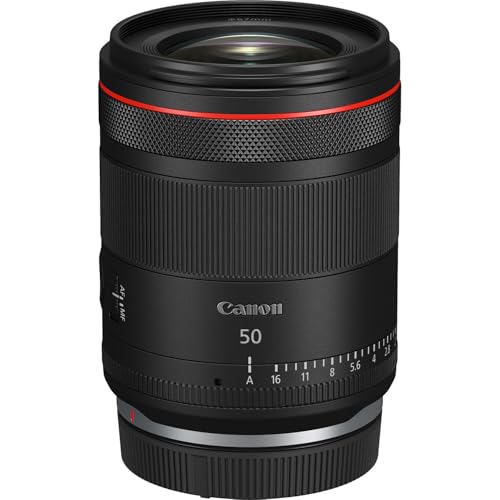

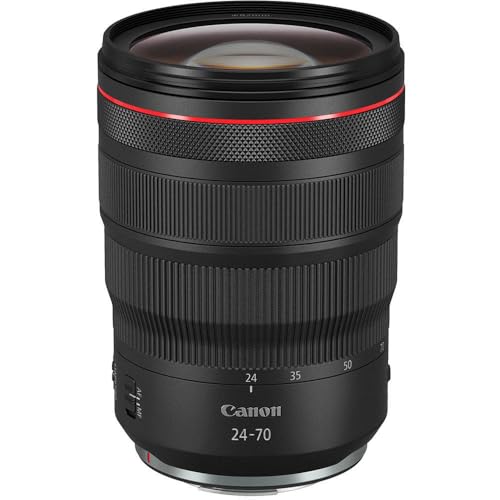
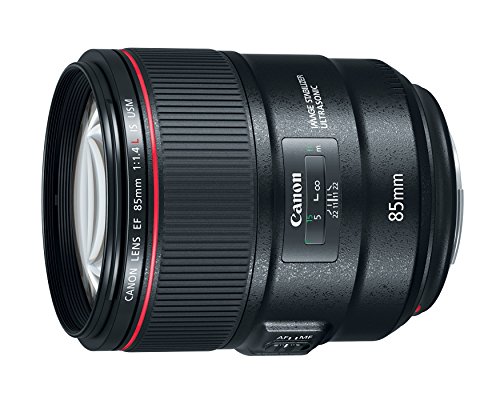
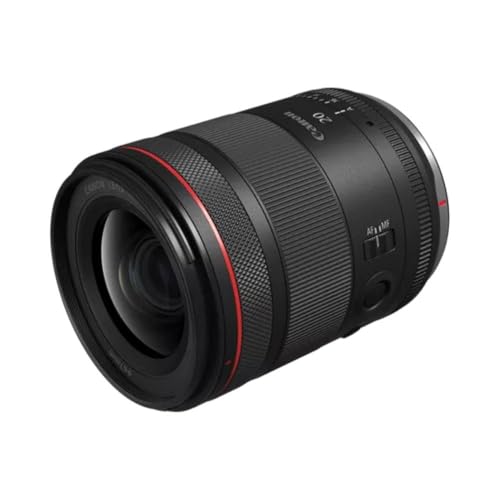
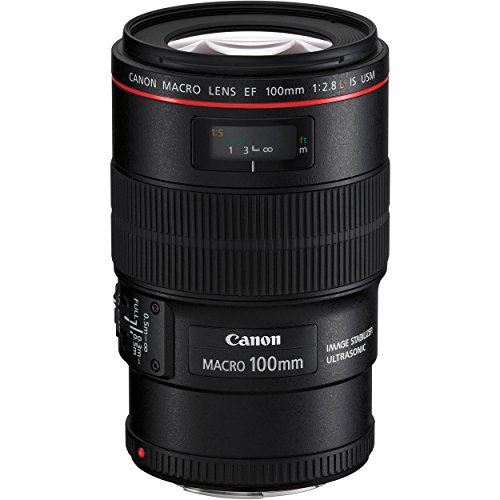
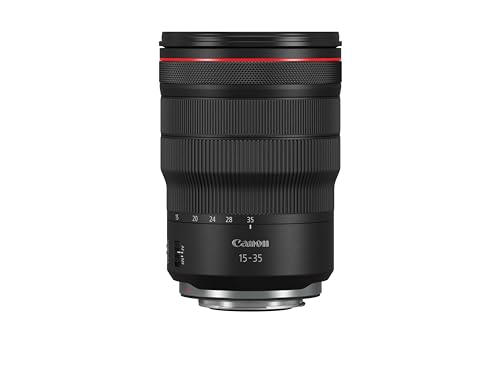
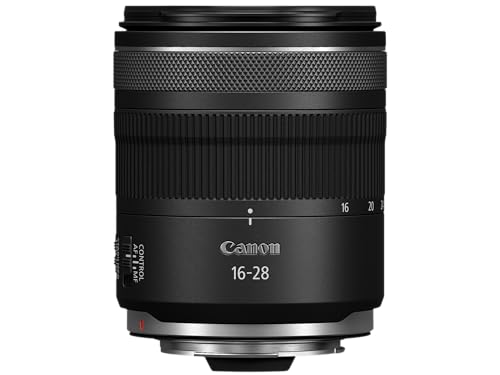
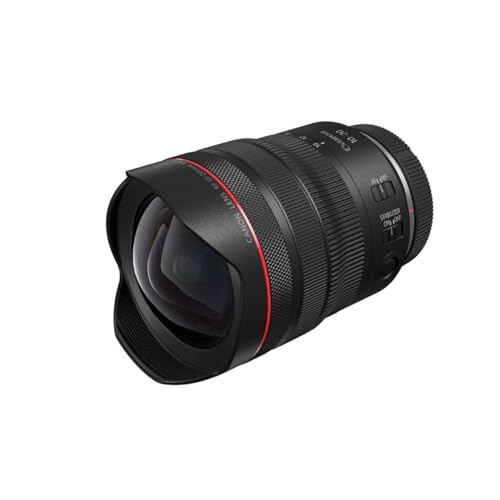
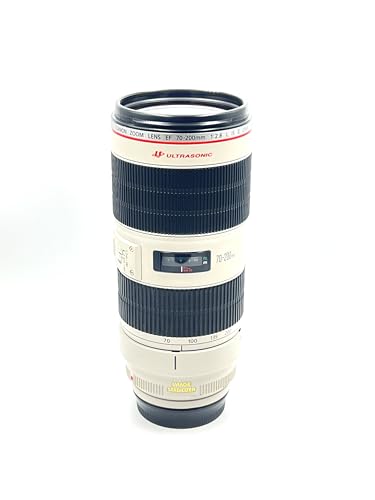
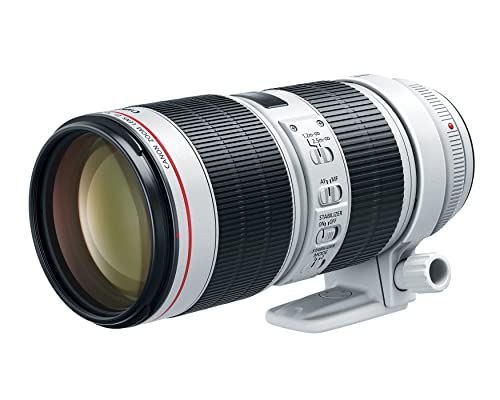
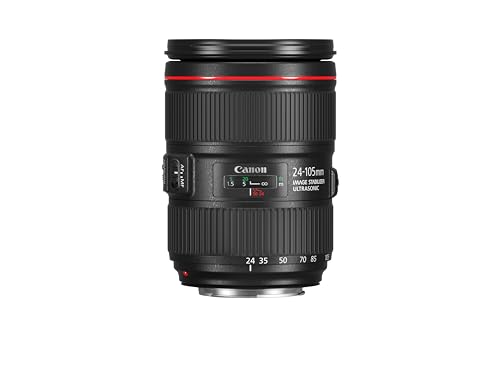
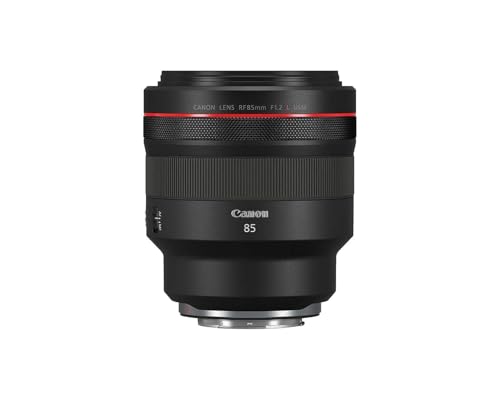
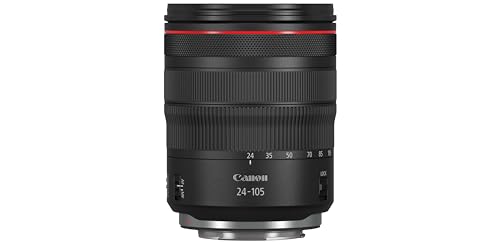
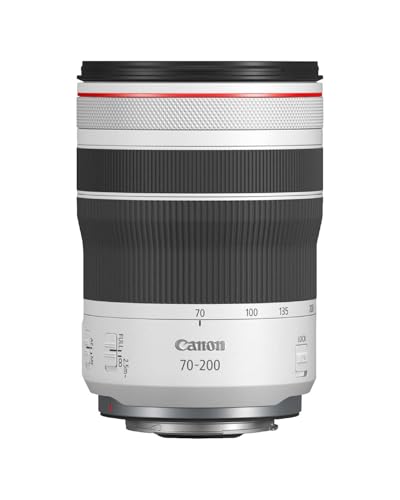
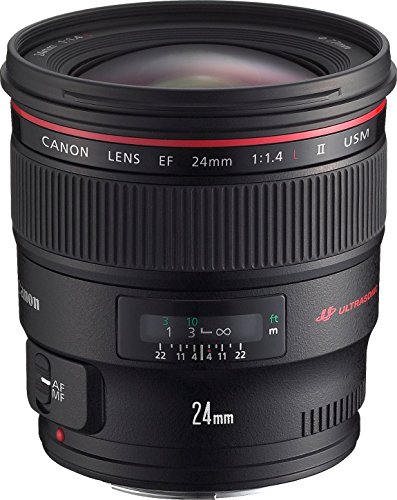
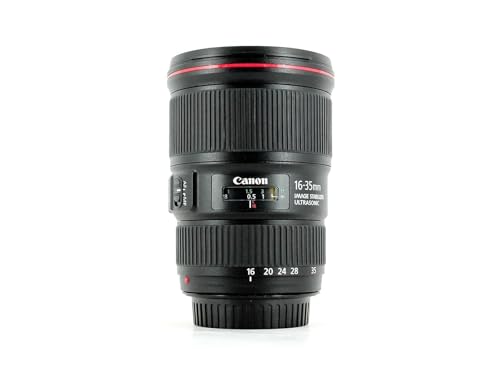
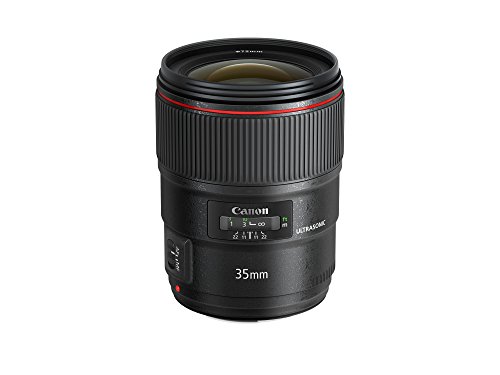
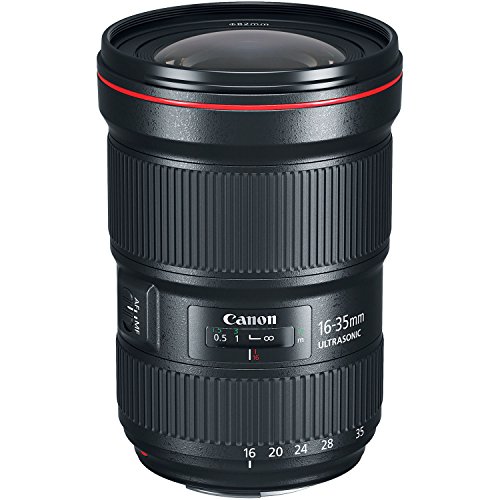
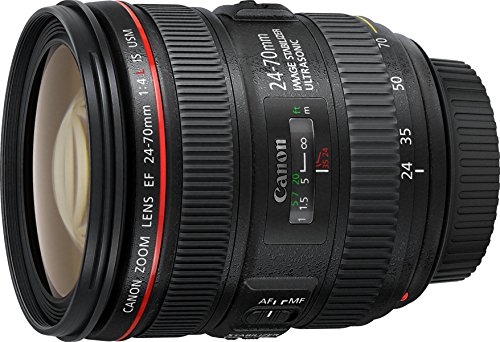
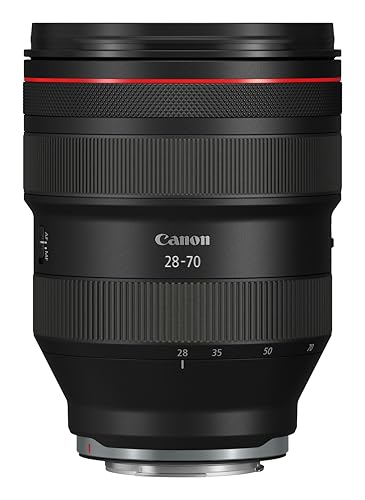
Are Canon camera lenses good?
Canon camera lenses have an average overall score of 8.2, ranking #4 among comparable camera lens brands, and a user rating of 9.5, placing them at #1 based on user reviews.
Canon camera lenses are a strong choice for EOS photographers because native RF and RF-S models integrate closely with autofocus, in-camera corrections, stabilization, and lens controls. The range spans compact primes and everyday zooms through f/2.8 L zooms, macros, and super-telephotos.
An EF–EOS R adapter also keeps many EF and EF-S lenses useful on EOS R bodies, although EF-S lenses use a cropped image area. The main drawbacks are limited third-party RF autofocus choice, high prices and weight for many L lenses, and incompatible RF, RF-S, EF, EF-S, and EF-M mounts.
The chart below compares Canon with other camera lens brands by average overall score.
[horizontal-chart-11494132347064144310168291166362011234964167001587]


Who are Canon camera lenses best for?
The following photographers should consider Canon camera lenses:
- New EOS R owners: Compact RF and RF-S STM primes and zooms provide straightforward native autofocus, stabilization options, and camera correction without an adapter.
- Existing Canon DSLR users: An EF-EOS R adapter can preserve the usefulness of EF and EF-S lenses while the photographer moves gradually to an EOS R body.
- Event and portrait professionals: Fast RF L zooms, bright L primes, and established EF alternatives cover dependable autofocus, shallow depth of field, and weather-resistant working kits.
- Wildlife and sports photographers: Canon offers lightweight consumer telephotos, 100-500 mm and 200-800 mm zooms, and specialist super-telephoto primes for very different budgets and carrying limits.
- Hybrid photo-video creators: STM, Nano USM, and newer VCM lenses provide quieter focus behavior and, on selected models, aperture or control-ring operation designed for smoother video use.
How do Canon camera lenses compare with lenses from other brands?
Canon camera lenses differ mainly through tight EOS integration, the unusually adaptable EF legacy, and a current RF range that spans very small consumer optics to highly specialized professional lenses. Native RF designs can exchange focus, correction, stabilization, and control data directly with EOS R bodies, while selected stabilized lenses coordinate with in-body stabilization. Canon also uses recognizable motor families: STM favors smooth compact operation, ring or Nano USM emphasizes rapid response, and newer VCM primes are designed with hybrid stills and video work in mind.
Compared with Sony E and Nikon Z, Canon's first-party range is especially broad at the professional telephoto end and includes distinctive products such as the RF 10-20mm F4 L IS STM, RF 24-105mm F2.8 L IS USM Z, 200-800mm zoom, high-magnification macro designs, and dual-fisheye VR lenses. The trade-off is that native RF autofocus choice from independent makers remains less extensive than Sony E, so a Canon buyer may have fewer low-cost third-party equivalents at a particular focal length or aperture.
Compatibility is less forgiving than the common brand name suggests. RF and RF-S share the EOS R mount, although RF-S lenses crop full-frame bodies; EF and EF-S require an EF-EOS R adapter; and EF-M lenses cannot be used on EOS R cameras. A Canon lens is therefore best compared by mount, sensor coverage, and intended camera body before comparing sharpness or price with another brand's alternative.
What are the main series of Canon camera lenses?
The main Canon camera lens series and families are as follows:
- RF and RF-S mirrorless lenses: RF is Canon's current full-frame EOS R family, ranging from compact RF 16mm and 50mm STM primes to f/2.8 L zooms, macro lenses, VCM hybrid primes, and professional super-telephotos; RF-S designs such as the 10-18mm, 18-45mm, 18-150mm, and 55-210mm are smaller lenses intended primarily for APS-C EOS R bodies. Both fit the same physical mount, but RF-S lenses crop the image on a full-frame body, while an RF lens can be used normally on either sensor format.
- EF L professional lenses: Red-ring EF L lenses were Canon's premium DSLR family and include 16-35mm, 24-70mm, 70-200mm, 100-400mm, fast primes, tilt-shifts, macros, and large-aperture super-telephotos. Many remain optically and mechanically capable on EOS R bodies through a genuine EF-EOS R adapter, but they are often larger than newer RF alternatives and availability now varies because the EF system is no longer Canon's active development platform.
- EF and EF-S consumer lenses: Non-L EF lenses cover full-frame DSLR staples such as affordable 50mm and 85mm primes, general zooms, macros, and 70-300mm telephotos, while EF-S lenses were built for APS-C EOS DSLRs and include compact kit zooms, 10-18mm wide angles, 18-135mm travel zooms, and 55-250mm telephotos. Both can be adapted electronically to EOS R, but EF-S lenses use a cropped sensor area and neither family should be confused with native RF or RF-S designs.
- EF-M legacy and specialist lines: EF-M lenses were made only for the discontinued EOS M mirrorless system, with compact models such as the 22mm F2, 32mm F1.4, 11-22mm, 15-45mm, and 55-200mm; they cannot be adapted to EOS R bodies. Separate specialist Canon lines include TS-E tilt-shift lenses for perspective control, MP-E high-magnification macro optics, CN-E cinema lenses, and RF dual-fisheye VR lenses, each requiring a much more specific camera and workflow check than an ordinary photographic lens.
The following chart shows how Canon lenses are distributed across lens mounts.
[pie-chart-15936176890327246807013182005210679559000153237081]
How much do Canon camera lenses cost?
Current new Canon camera lenses generally cost about £150-£20,600, but most RF and RF-S buyers shop between £170 and £3,000. The five-figure ceiling is limited to specialist super-telephoto primes.
Compact RF primes, RF-S zooms, and basic telephotos typically cost £150-£600; stronger consumer zooms, macros, and brighter non-L primes are often £400-£1,100. Professional L primes and zooms commonly sit around £1,200-£3,100.
Large-aperture wildlife and sports lenses can rise to £12,000-£20,600. Compare current RF products by warranty, mount, stabilization, aperture, and intended use; older EF and EF-S stock can have erratic pricing and may require an adapter.
What should you consider when choosing a Canon camera lens?
Consider the following factors while choosing a Canon camera lens:
- Mount and camera compatibility: Confirm the exact camera mount before comparing optics: RF and RF-S fit EOS R bodies, EF and EF-S need an EF-EOS R adapter on EOS R, and EF-M fits only EOS M. RF-S or adapted EF-S lenses use a cropped image area on a full-frame EOS R body, while EF-M cannot be adapted to RF.
- Focal length and sensor crop: Choose the angle of view for the camera's sensor, not from the printed focal length alone. On an APS-C Canon body, multiply by about 1.6, so a 50 mm lens frames like roughly 80 mm on full frame and an RF-S 10-18 mm behaves more like a 16-29 mm equivalent.
- Maximum aperture and zoom behavior: Check whether the stated aperture is constant or becomes smaller while zooming; an f/2.8 zoom keeps the same maximum throughout its range, whereas an f/4-7.1 lens gathers less light at the long end. A faster lens improves low-light shutter speed and subject separation but usually adds substantial size, weight, and cost.
- Stabilization strategy: Look for IS in the lens if the camera lacks in-body stabilization or the intended focal length makes shake especially visible. Compatible RF lenses and stabilized EOS R bodies can coordinate correction, but stabilization does not freeze subject movement and cannot replace a fast shutter for sport or wildlife.
- Autofocus motor and video controls: STM is commonly compact and smooth, ring or Nano USM is chosen for faster responsive focusing, and selected VCM lenses add hybrid-oriented focus and aperture behavior. Video users should also check focus breathing, audible operating noise, aperture-ring restrictions, and whether the camera firmware supports every lens control.
- Size, balance, sealing, and support: Compare actual weight and length on the intended body, especially for f/2.8 zooms and long telephotos that may need a tripod collar or monopod. Canon weather-resistant L construction is useful only as part of a suitably sealed camera-and-lens combination, and a hood or protective filter is not a substitute for proper handling.
- Optical priorities and total system value: Decide whether edge sharpness, flare resistance, close-focus magnification, smooth rendering, low distortion, or teleconverter support matters most for the assignment. Compare the native RF option with an adapted EF lens only after adding the adapter, evaluating autofocus and balance, and considering whether the older lens still provides the better long-term fit.