Which brands make the best wide-angle lenses?
The wide-angle lens brands with the highest average overall scores are as follows:
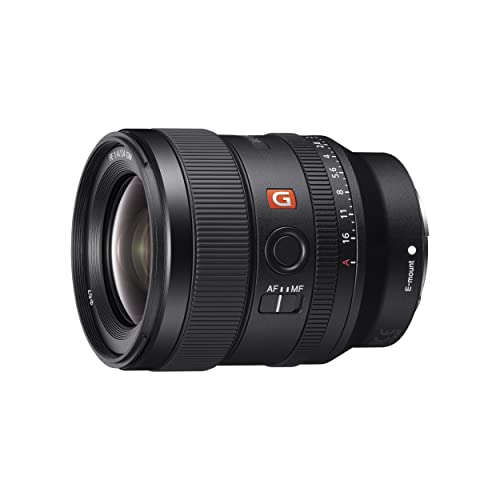
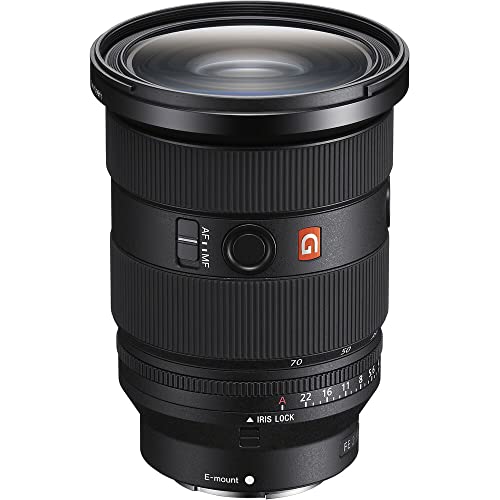
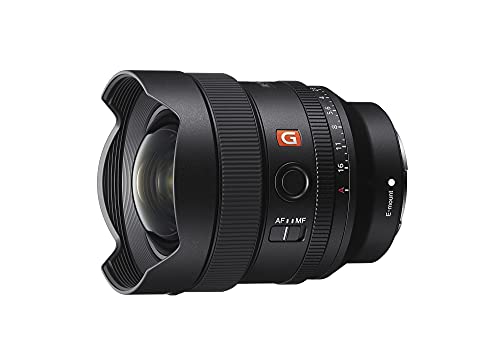
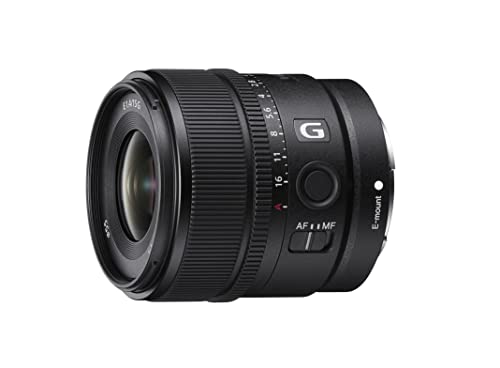
- Sony (Average overall score: 8.1)
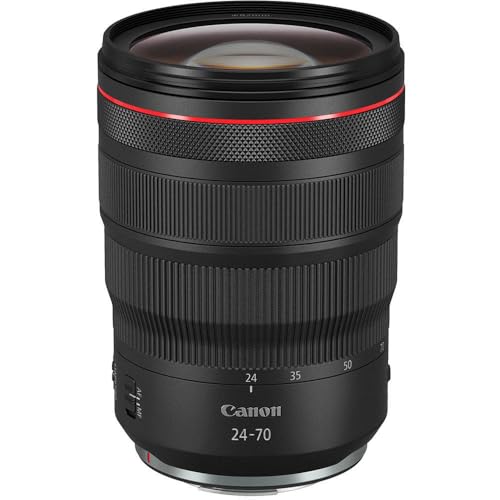
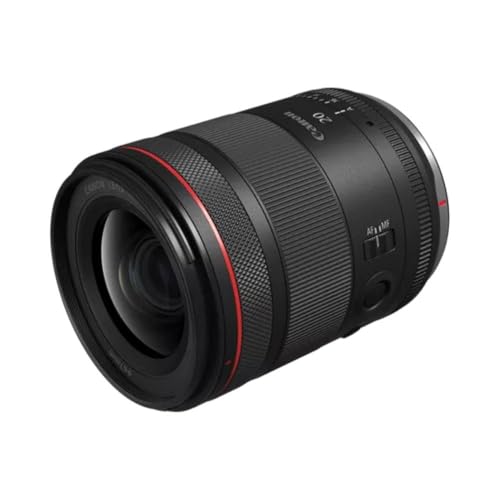
- Canon (Average overall score: 8.1)
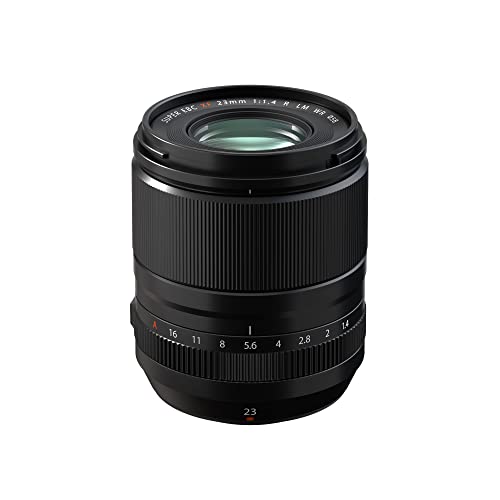
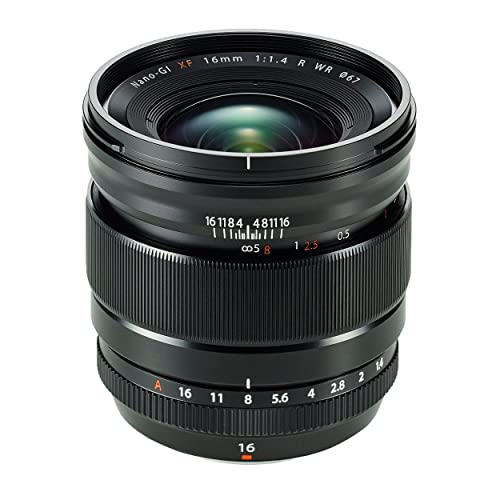
- Fujifilm (Average overall score: 8)
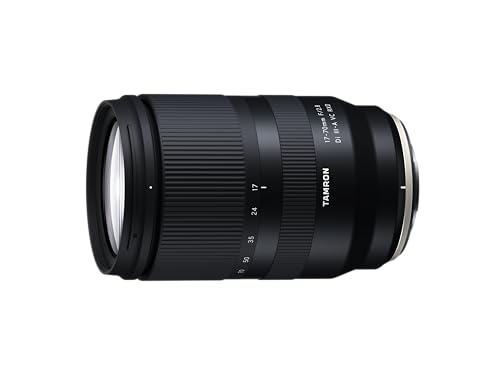
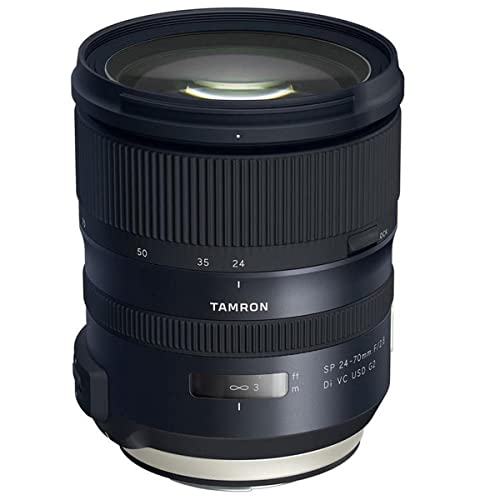
- Tamron (Average overall score: 8)
The chart below compares wide-angle lens brands by average overall score.
[horizontal-chart-15541511027071126165034171453342560865011067594074]
What is a wide-angle lens?
A wide-angle lens uses a short focal length to capture a broader field of view than a standard lens. On full frame, focal lengths around 24–35 mm are moderately wide, 14–24 mm are ultra-wide, and lenses below about 14 mm create increasingly dramatic perspective.
Sensor size changes the result. A 16 mm lens behaves as an ultra-wide on full frame but gives a field of view closer to 24 mm on a 1.5× APS-C camera. Always compare the focal length with the sensor format rather than relying on the number alone.
Wide-angle rendering emphasizes the distance between near and far objects. That effect can add depth to landscapes and interiors, but it also requires careful camera position to avoid stretched people, leaning buildings, and empty foregrounds.
How do wide-angle lenses differ from standard lenses?
Wide-angle lenses differ from standard lenses by including more of the scene and exaggerating spatial relationships. A nearby object appears much larger relative to the background, while a standard lens gives a more neutral balance between foreground and distance. The wider view is useful in confined spaces, but it makes the position of every edge and foreground object more important.
Wide lenses also demand stronger correction of barrel distortion, corner stretching, vignetting, and oblique light rays. Their deep apparent depth of field helps landscapes and interiors, but a tilted camera can produce converging buildings and people near the frame edge can appear unnaturally stretched. A standard lens is generally easier when natural facial proportions and background separation are the priority.
Choose a wide angle when the environment is part of the subject or when physical space prevents stepping back. Choose a standard lens when the main subject should dominate without dramatic foreground emphasis. Moving the camera changes perspective, so cropping a wide image later is not always equivalent to composing with a standard focal length from a different position.
What are wide-angle lenses best suited for?
Wide-angle lenses are best suited to the following uses:
- Landscapes and cityscapes: A broad view can connect a strong foreground with the horizon and sky, creating a clear sense of depth. Good corner sharpness, flare resistance, and filter compatibility are often more important than autofocus speed for this work.
- Architecture and interiors: Short focal lengths fit buildings and rooms into the frame when the photographer cannot step farther back. Low optical distortion helps preserve straight lines, while a level camera or a tilt-shift design reduces converging verticals.
- Travel and documentary work: Compact wide primes and zooms show people together with their surroundings and make confined streets, vehicles, and rooms easier to photograph. Moderate focal lengths around 24–35 mm are usually more natural for people than extreme ultra-wide views.
- Astrophotography: Bright ultra-wide lenses combine a large field of view with exposure times long enough to record the Milky Way before obvious star trails appear. Low coma, low sagittal flare, and usable corner sharpness at the widest aperture matter more than daytime center sharpness alone.
- Environmental portraits and video: A wide view includes context and works well in small studios, handheld video, vlogging, and establishing shots. Faces should be kept away from the frame edges, and video users should also check stabilization, focus breathing, and how heavily electronic distortion correction crops the image.
How important are focal length and distortion when choosing a wide-angle lens?
Focal length determines how broad the view feels, while distortion determines how faithfully shapes are rendered. Moving from 24 mm to 16 mm captures much more of the scene and intensifies foreground perspective; moving below about 14 mm creates a highly specialized ultra-wide look.
Optical distortion is not the same as perspective distortion. Barrel distortion bends straight lines because of the lens design, while converging buildings and stretched edge subjects usually result from camera position and tilt. Software can correct barrel distortion, but heavy correction may crop the image and reduce corner detail.
Architecture benefits from low optical distortion and a level camera. Landscapes can tolerate more character if edge sharpness and flare resistance remain strong, while astrophotography also requires low coma so stars near the corners retain their shape.
Choose the widest focal length that solves the framing problem without making composition unnecessarily difficult. Moderate wide angles are more versatile; extreme lenses reward careful foreground placement and disciplined edge control.
The chart below shows the range of maximum angles of view among wide-angle lenses.
[vertical-chart-02969444724781517624141632369445741682253366791535]
How much do wide-angle lenses cost?
New wide-angle lenses commonly cost about £130-£1,500, although simple manual-focus primes can cost less and premium zooms, tilt-shift lenses, or cine optics can exceed £2,600.
Entry models around £130-£430 often have slower apertures or heavier software correction. The £400-£1,000 tier adds better autofocus, coatings, corner quality, sealing, or brighter apertures, while premium designs target architecture, events, and professional video.
Check filter costs before buying: bulbous ultra-wide lenses may need a large specialist holder, whereas compact f/2.8 or f/4 primes that accept standard filters are usually cheaper and easier to carry.
What should you check before buying a wide-angle lens?
Consider the following factors before buying a wide-angle lens:
- Mount, sensor format, and crop factor: Confirm the exact native mount, sensor coverage, and electronic compatibility. A 16 mm lens is ultra-wide on full frame but behaves more like a 24 mm lens on a 1.5× APS-C body, so the same focal-length label can produce a very different composition. Also verify whether automatic distortion corrections and in-camera stabilization are available for that lens.
- Focal-length range: Decide whether the subject needs a versatile 24–35 mm view, an ultra-wide 14–20 mm perspective, or an extreme lens below 14 mm. Wider is not automatically better because foreground exaggeration, empty corners, and stretched edge subjects become harder to control. A zoom is flexible for interiors and travel, while a prime can offer a brighter aperture or smaller size.
- Distortion and correction profiles: Examine straight-line rendering, moustache distortion, profile dependence, and the crop applied after software correction. Architecture requires more disciplined distortion control than creative landscapes, and heavy digital correction can reduce the final angle of view and soften corners. Check both corrected and uncorrected samples so the optical compromise is clear.
- Corner quality and maximum aperture: Compare corner sharpness, vignetting, coma, astigmatism, and flare at the apertures you expect to use. Astrophotography benefits from f/1.4–f/2.8 and clean star shapes near the frame edges, while daylight landscapes can prioritize even performance around f/5.6–f/11. A bright headline aperture is less useful if the corners need substantial stopping down.
- Autofocus and manual controls: Travel, events, and video benefit from quiet, decisive autofocus, while architecture and night work may value a precise manual-focus scale and repeatable focus movement. Video users should check focus breathing, motor noise, linear-response options, and whether stabilization or electronic correction changes the crop. Confirm that electronic aperture control and lens metadata work on the intended body.
- Filters and physical design: Bulbous front elements may prevent ordinary screw-in filters and require a large holder system for neutral-density or graduated filters. Compare filter diameter, hood protection, sealing, size, weight, and flare resistance from light sources just outside the frame. Include the holder and filters in both the budget and the bag-space calculation.
- Price and intended use: Pay for extreme width, a bright aperture, tilt-shift movements, or cinema mechanics only when the subject requires them. A moderate wide-angle lens that accepts normal filters and fits the camera bag often provides better long-term value than the most dramatic specification. Compare total cost, correction dependence, and carrying practicality rather than choosing solely by the lowest focal-length number.