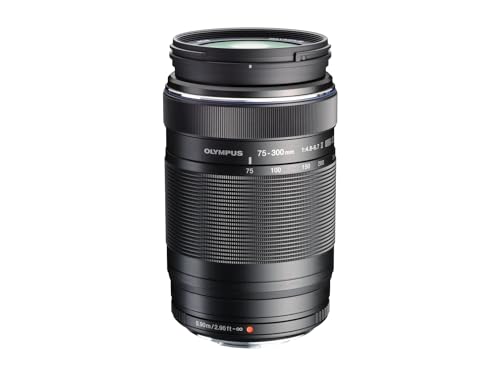
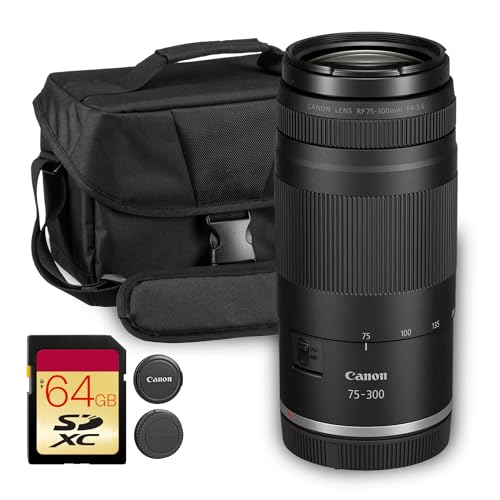
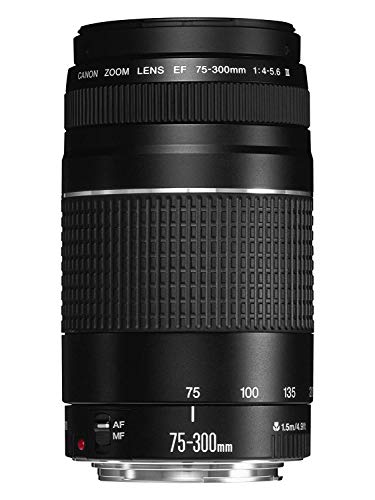
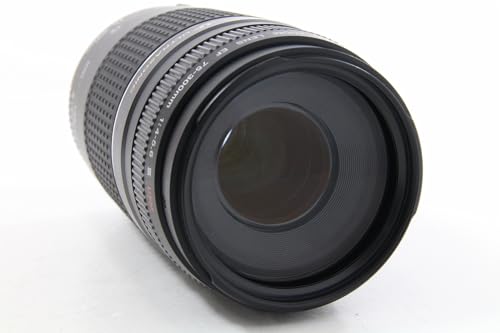
A 75–300 mm lens is useful because it combines portrait-friendly short telephoto framing with enough reach for outdoor sport, wildlife, aircraft, and distant details. The range is broader than a 70–200 mm lens at the long end, yet these designs are usually lighter and more affordable than professional 100–400 mm or 150–600 mm zooms.
The compromise is speed. Most 75–300 mm lenses use a variable aperture that becomes considerably slower near 300 mm, so they work best in daylight or with stationary subjects. Autofocus and sharpness can also weaken at the longest setting.
For occasional telephoto use, that trade-off is reasonable. A 75–300 mm zoom can be a practical first long lens when budget and portability matter more than low-light action performance.
What are 75–300 mm lenses best suited for?
75–300 mm lenses are best suited to the following uses:
- Daylight wildlife: The 300 mm endpoint provides useful reach for larger animals, zoo photography, and birds at moderate distances. These lenses work best in open daylight because their long-end aperture and entry-level autofocus can struggle at dawn, dusk, or beneath dense tree cover.
- Outdoor family sport: The zoom range can follow action across a football pitch, athletics field, or school sports ground when light supports fast shutter speeds. A body with dependable subject tracking helps compensate for the relatively modest focusing systems found in many lenses of this type.
- Travel and sightseeing: A compact telephoto zoom can capture landmarks, mountain details, boats, and animals without the bulk of a professional super-telephoto lens. Its low weight makes it practical as an occasional second lens, although stabilization is valuable when shooting static subjects near 300 mm.
- Portraits and candid photographs: The short end provides comfortable working distance and background compression for outdoor portraits. Depth of field is less pronounced than with an f/1.8 prime or 70–200 mm f/2.8 zoom, so good subject-to-background distance becomes more important.
- Learning telephoto technique: The affordable range is useful for practicing tracking, panning, support, and long-lens composition before investing in heavier equipment. It also teaches the practical limits of slow apertures and camera shake, helping the photographer decide whether a future upgrade needs better stabilization, autofocus, or reach.