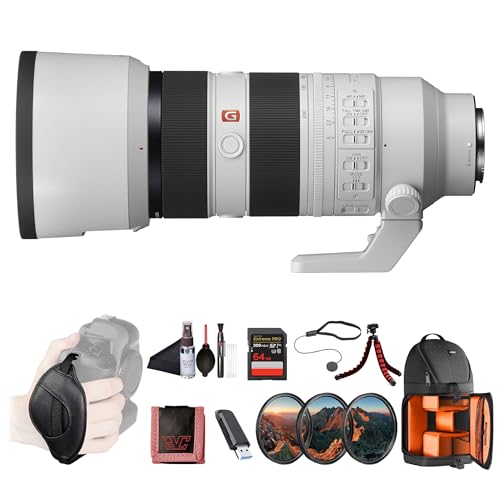
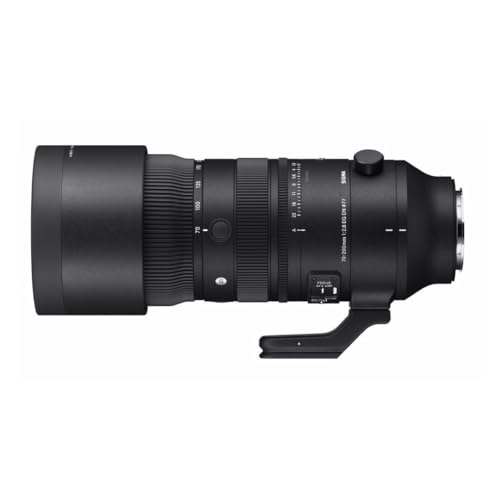
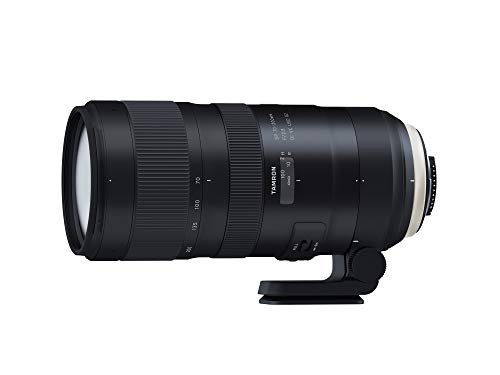
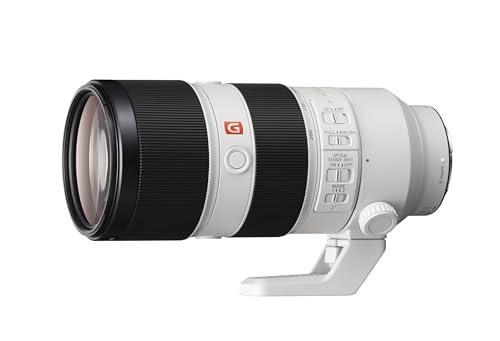
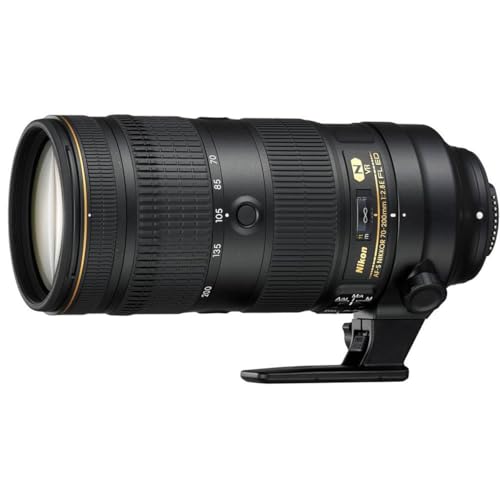
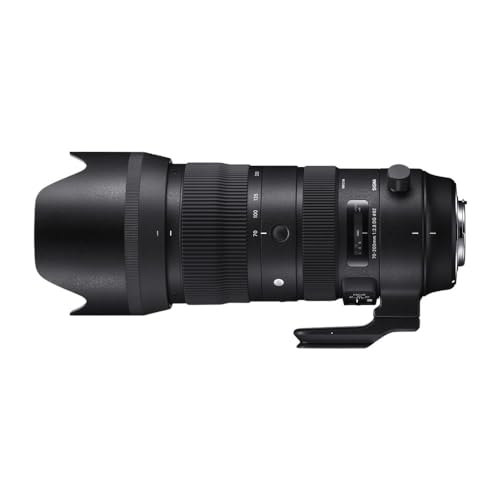
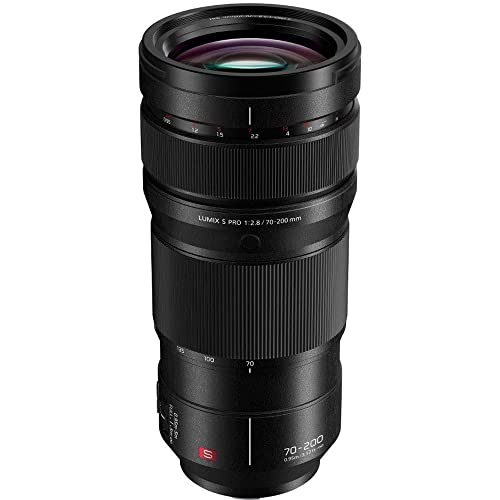
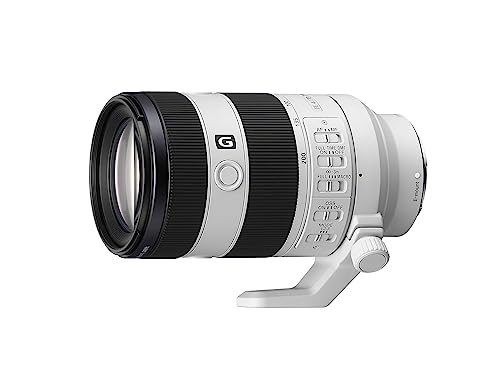
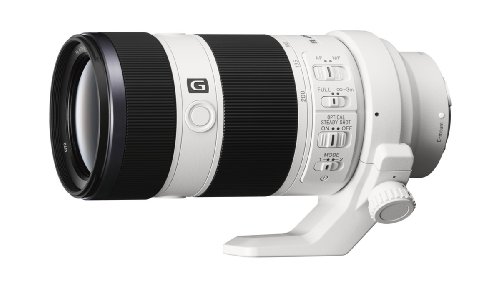
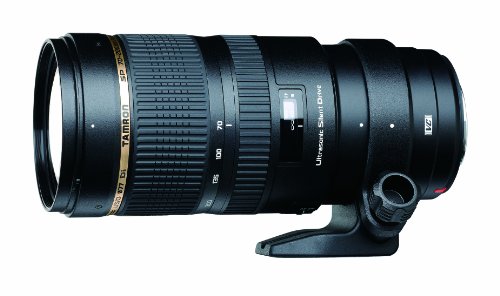
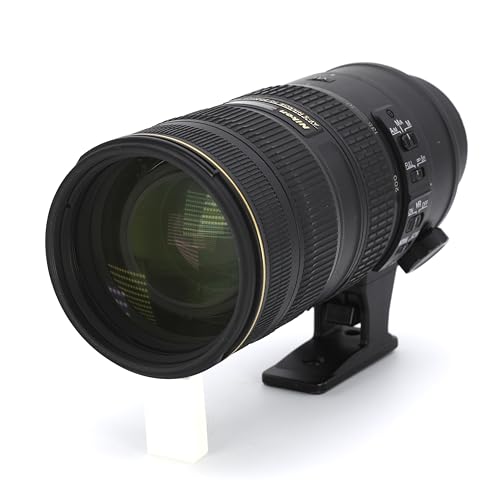
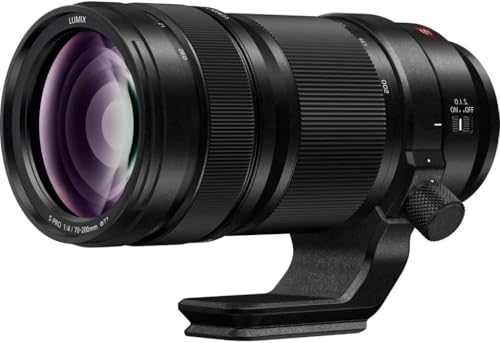
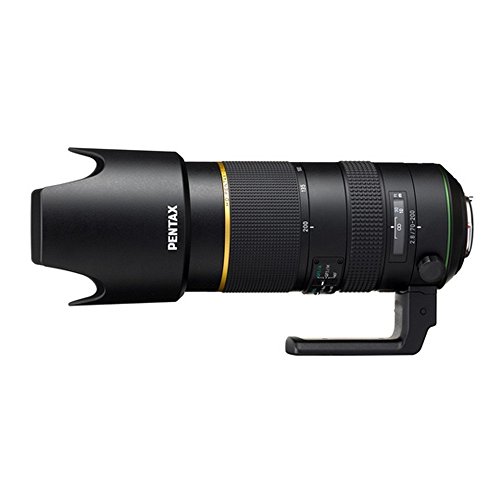
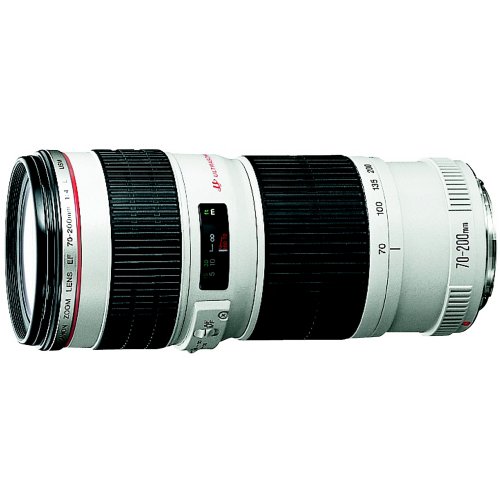
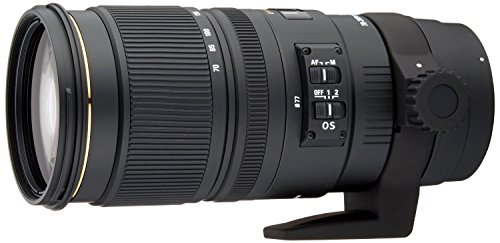
Aperture and stabilization strongly affect how versatile a 70–200 mm lens is. An f/2.8 model admits twice as much light as f/4, supporting faster shutter speeds indoors and shallower depth of field for portraits.
The brighter design is also larger, heavier, and more expensive. An f/4 lens can be the better choice for travel, landscapes, and daylight sport where portability matters more than one extra stop.
Optical stabilization helps with static subjects, panning, and handheld composition near 200 mm. It does not stop subject movement, so action still requires a fast shutter speed.
For many buyers, a stabilized f/4 lens is the most comfortable all-day option, while f/2.8 is justified by low-light events, indoor sport, or stronger background separation.
The chart below shows how optical stabilization is distributed among 70–200 mm lenses.
[pie-chart-06425603319467895296174985120186022435733548608576]