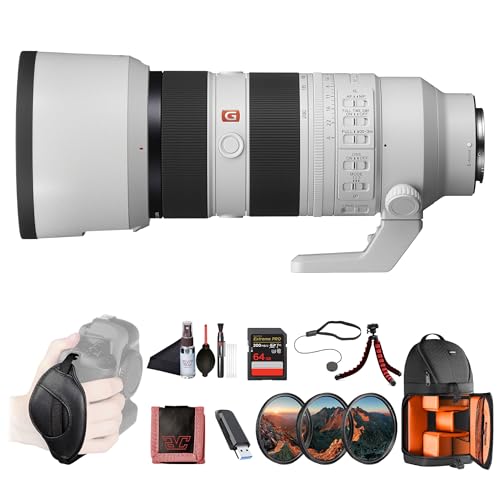

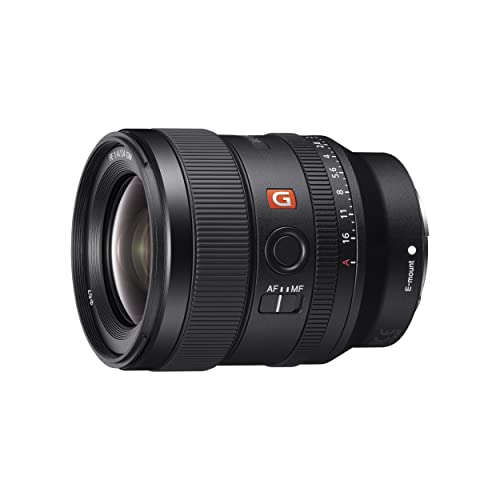
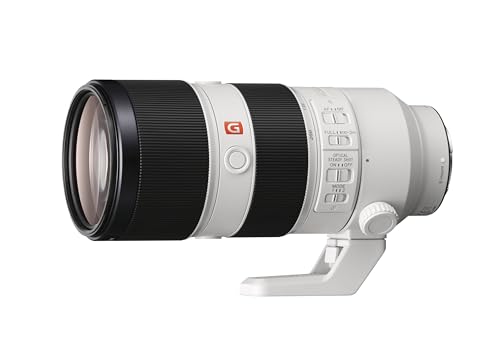
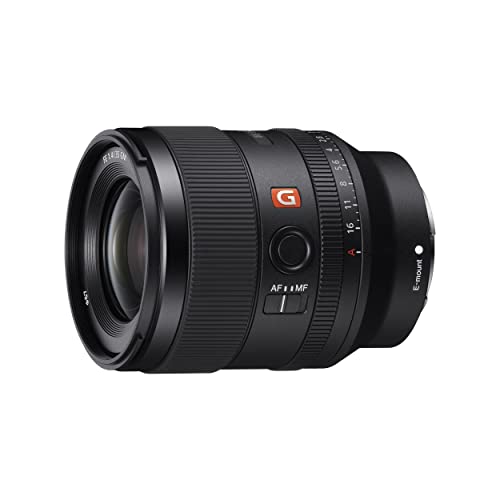
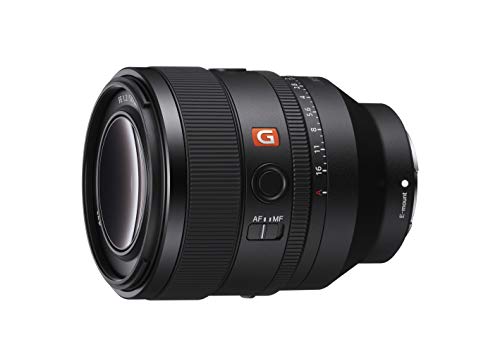
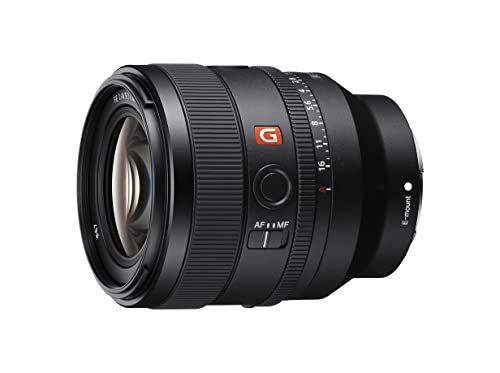
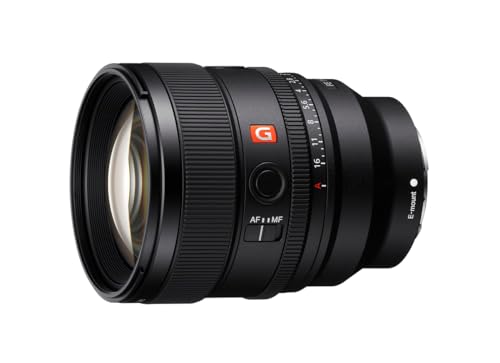
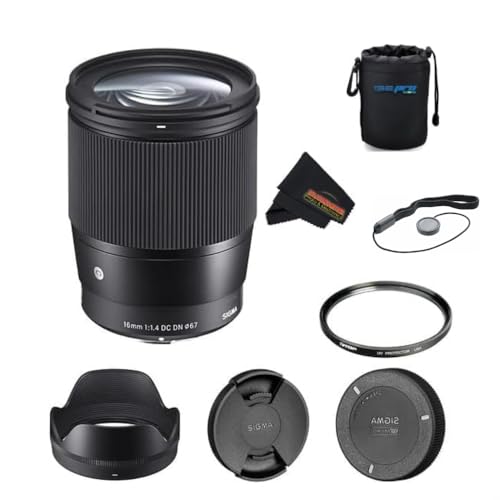
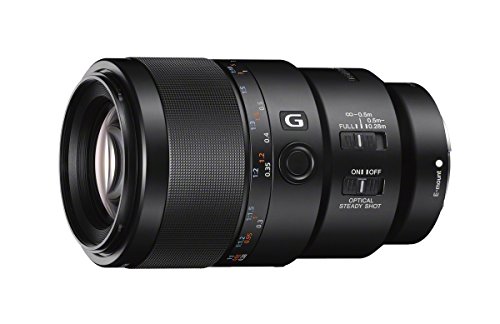
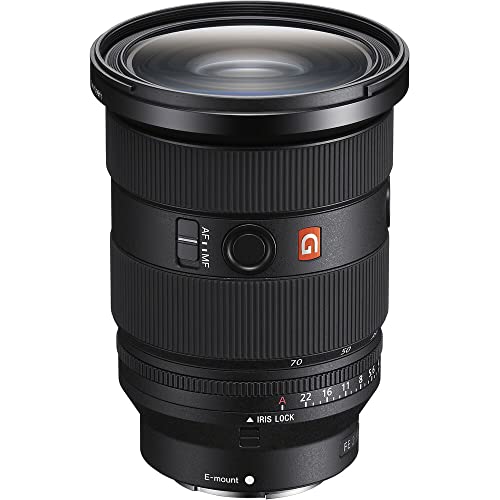
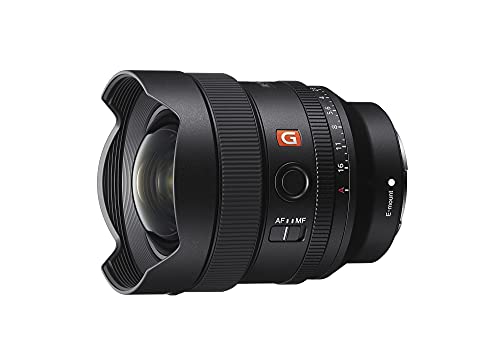
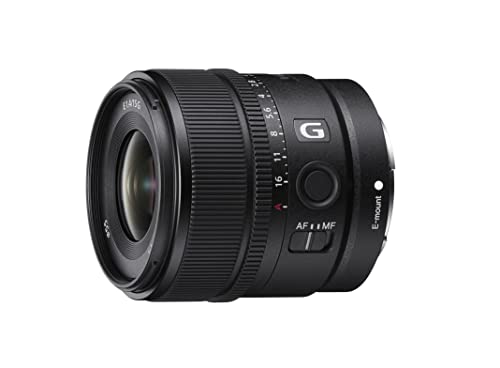
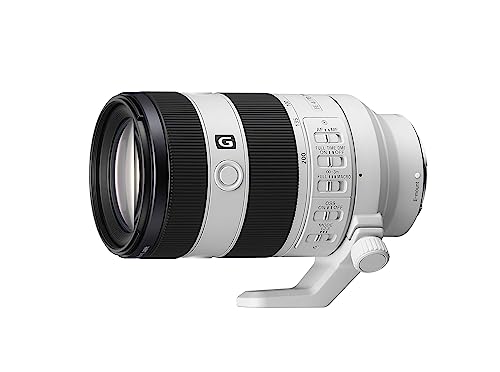
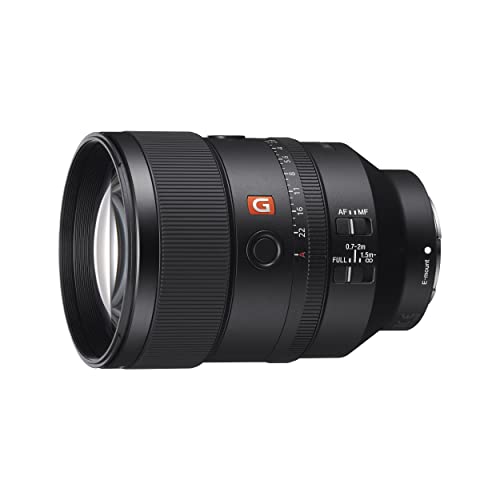
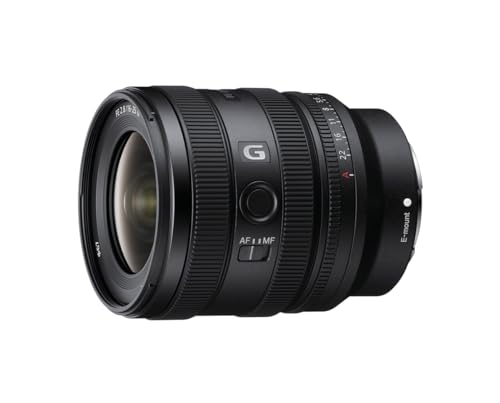
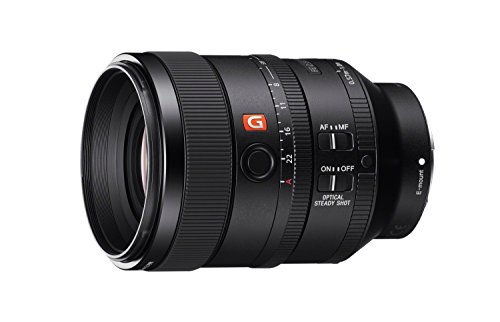
Are Sony camera lenses good?
Sony camera lenses have an average overall score of 8.3, ranking #1 among comparable camera lens brands, and an average user rating of 9.2, placing them at #8 based on user reviews.
Sony lenses are particularly strong for Alpha photographers and filmmakers because E-mount supports fast subject tracking, in-camera corrections, focus-hold controls, and coordinated stabilization where available. The range spans compact FE primes, G Master zooms and primes, macros, and long telephotos.
The main limitation is variation across generations: older ZA, first-generation GM, APS-C kit, and A-mount lenses can differ greatly in autofocus, weight, controls, and correction dependence. Match the mount, sensor format, generation, and focal length to the intended Alpha body rather than choosing by badge alone.
The chart below compares Sony with other camera lens brands by average overall score.
[horizontal-chart-11494132347064144310168291166362011234964167001587]


Who are Sony camera lenses best for?
The following photographers and filmmakers should consider Sony camera lenses:
- Sony Alpha mirrorless owners: Native E-mount lenses provide the most direct autofocus, correction, control, and firmware integration with Sony bodies.
- Hybrid photo and video creators: Newer G and G Master lenses often combine quiet linear motors, controlled focus breathing, aperture controls, and focal lengths useful for both stills and motion.
- Sports and wildlife photographers: Sony offers fast telephoto zooms and primes, including 70–200 mm, 100–400 mm, 200–600 mm, 300 mm, 400 mm, and 600 mm options, with several supporting optical stabilization or teleconverters.
- Travel and street photographers: Compact FE primes, the 28–60 mm zoom, and smaller APS-C E lenses keep an Alpha kit lighter than the professional zoom families.
- Portrait, wedding, and event photographers: Bright 35 mm, 50 mm, 85 mm, and 135 mm primes plus f/2.8 zooms provide low-light capability and strong subject separation, although the premium models are relatively expensive.
- Existing A-mount users: Legacy Sony and Zeiss A-mount lenses can still make sense for compatible DSLR or SLT bodies, but they should not be confused with current E-mount lenses and may require an adapter on mirrorless cameras.
How do Sony camera lenses compare with lenses from other brands?
Sony camera lenses differ mainly through close integration with Alpha bodies, a mature native E-mount range, and unusually clear first-party tiers from compact lenses to G and G Master optics. Current designs can use Sony-specific autofocus communication, in-camera distortion and vignetting profiles, focus-hold buttons, aperture rings, and coordinated stabilization, although the exact feature set varies by lens and camera generation.
Compared with Canon RF and Nikon Z, Sony E-mount has had more time to build out both first-party and third-party choices. Sony itself covers compact primes, conventional zooms, video-oriented power zooms, macro lenses, and an extensive professional telephoto range; the same physical E mount also serves APS-C and full-frame bodies, but an APS-C lens crops the image on a full-frame camera.
The range is less uniform than its branding can suggest. Some newer lenses are designed around digital correction to stay compact, many primes omit Optical SteadyShot because stabilized bodies can compensate, and older ZA or first-generation GM models may be larger or slower-focusing than recent replacements. Sony therefore stands out for system breadth and body integration rather than for one universal optical or value advantage.
What are the main series of Sony camera lenses?
The main Sony camera lens series and families are as follows:
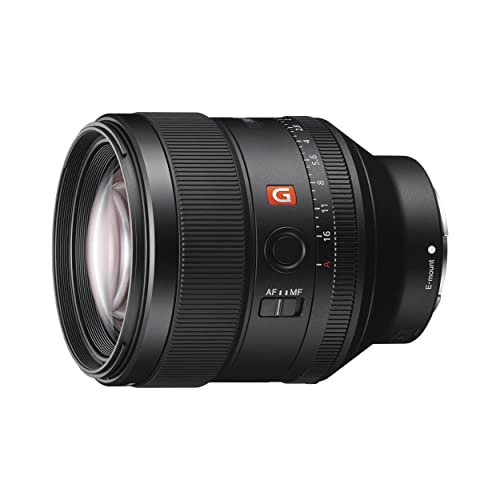
- FE G Master: G Master is Sony's premium full-frame E-mount family, including lenses such as the 16–35 mm F2.8 GM II, 24–70 mm F2.8 GM II, 70–200 mm F2.8 GM OSS II, 35 mm F1.4 GM, 85 mm F1.4 GM II, and professional super-telephoto primes. These lenses prioritize high resolution, smooth rendering, fast autofocus, and stronger controls or sealing; they suit demanding professional work but are normally the most expensive Sony choices.
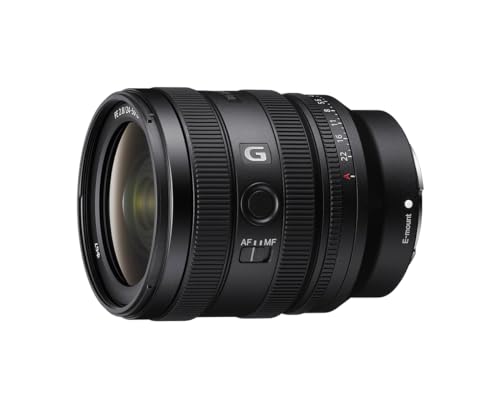
- FE G: Full-frame G lenses sit below or beside G Master and often emphasize a more practical balance of performance, size, and specialist function. The family ranges from compact 24 mm, 40 mm, and 50 mm primes to the 20–70 mm F4 G, 70–200 mm F4 Macro G OSS II, 90 mm Macro G OSS, and 200–600 mm G OSS, making it especially broad for travel, macro, video, and wildlife users who do not always need an f/2.8 or ultra-bright GM design.
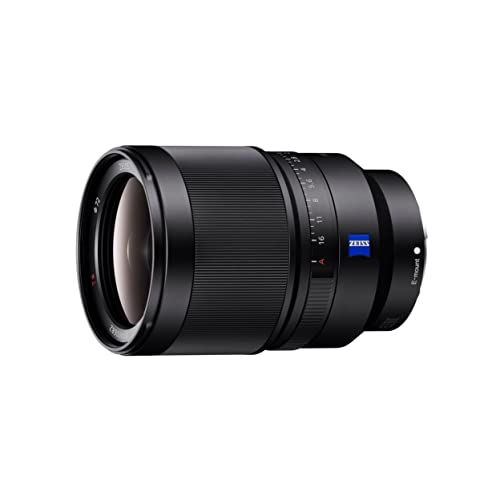
- Zeiss-branded FE ZA: ZA lenses such as the 35 mm F1.4, 35 mm F2.8, 55 mm F1.8, 16–35 mm F4, and 24–70 mm F4 belong mainly to the earlier full-frame E-mount generation and carry Sony-Zeiss optical branding. Several remain compact or distinctive, but buyers should compare their autofocus, controls, correction, and price against newer Sony G and GM alternatives because the ZA badge does not automatically mean a newer or higher-performing design.
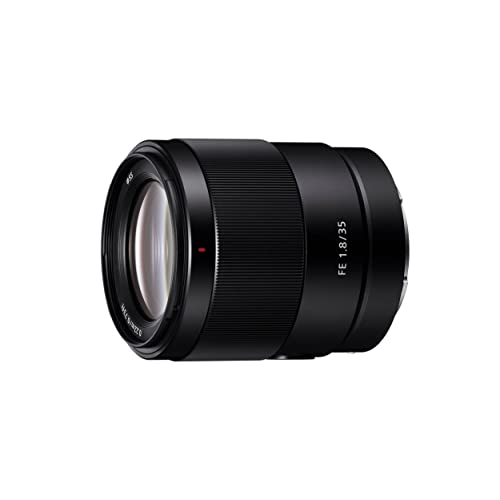
- Compact and standard FE: Non-G full-frame lenses cover accessible and lightweight options such as the FE 28–60 mm, 28–70 mm OSS, 35 mm F1.8, 50 mm F1.8, 85 mm F1.8, and 50 mm Macro. They are the sensible entry route for general photography and small kits, although autofocus motors, aperture controls, sealing, and optical consistency can be simpler than in the G families.
- APS-C E: Sony's APS-C E lenses are built for Alpha 6000-series and related crop-sensor cameras, with examples including the 10–20 mm F4 PZ G, 11 mm F1.8, 15 mm F1.4 G, 16–55 mm F2.8 G, 18–135 mm OSS, 55–210 mm OSS, and 70–350 mm G OSS. They produce a smaller system and use the same physical E mount as FE lenses, but mounting an APS-C lens on a full-frame body normally engages a crop and reduces the recorded image area.
- A-mount and DT legacy: Sony A-mount full-frame and DT APS-C lenses include older SSM, SAM, screw-drive, and Zeiss-branded designs such as the 16–35 mm F2.8 ZA SSM II, 50 mm F1.4 ZA, DT 16–50 mm F2.8 SSM, and DT 55–300 mm. These lenses are relevant mainly to existing Sony DSLR or SLT owners and adapted-lens specialists; they do not mount directly on E-mount cameras, and adapter choice can affect autofocus and compatibility.
The chart below shows how Sony camera lenses are divided between E-mount and A-mount designs.
[pie-chart-04139898782324366073116726732694256898312743248596]
How much do Sony camera lenses cost?
New Sony camera lenses generally cost about £150-£12,000, although most buyers shop well below the specialist telephoto ceiling. Entry FE and APS-C lenses commonly cost £150-£560 and cover compact primes, kit zooms, and useful travel options.
From about £520 to £1,000, Sony offers many G, macro, power-zoom, and versatile zoom lenses. G Master primes and professional zooms generally cost £1,100-£2,300, where the premium pays for brighter apertures, faster autofocus, stronger correction, and higher-grade controls.
Specialist telephoto and cinema lenses can rise from £2,600 to £12,000. Treat unusually priced A-mount, ZA, kit, or first-generation stock cautiously, because historical availability is not a reliable guide to the cost of a current equivalent.
What should you consider when choosing a Sony camera lens?
Consider the following points while choosing a Sony camera lens:
- Mount and sensor coverage: Confirm whether the lens is Sony E or legacy Sony A mount before comparing anything else; the two are not directly interchangeable. On E-mount, an FE lens covers full frame and also works on APS-C, while an APS-C E lens normally forces a cropped image area on a full-frame body.
- Focal length and real field of view: Match the focal range to both the subject and sensor size. An APS-C body applies about a 1.5× field-of-view crop, so a 16–55 mm lens frames roughly like 24–82.5 mm on full frame, while a 70–350 mm reaches a field of view similar to 105–525 mm.
- Aperture and size trade-off: Decide whether you genuinely need f/1.2, f/1.4, or an f/2.8 zoom for low light and subject separation. Brighter Sony G Master lenses are usually larger and more expensive, whereas f/4 zooms and compact f/2.5–f/2.8 primes can be easier to carry without sacrificing the focal length you use most.
- Autofocus generation and video behavior: Look for newer linear or XD Linear motor designs when subject tracking, quiet focusing, or fast direction changes matter. Filmmakers should also check focus breathing, aperture-ring de-clicking, power zoom, and whether the camera body supports breathing compensation with that exact lens.
- Stabilization strategy: Do not assume every Sony lens includes Optical SteadyShot; many primes and shorter professional zooms rely on the camera's in-body stabilization. OSS matters more on unstabilized APS-C bodies and long telephotos, but it still cannot freeze a moving athlete, animal, or performer.
- Handling, sealing, and controls: Check weight, filter thread, minimum focus distance, focus-hold buttons, aperture ring, tripod collar, internal zoom, and weather sealing on the exact model. These details can matter more in daily use than a small laboratory sharpness difference, especially with heavy telephotos, gimbals, filters, or wet outdoor work.
- Generation, accessories, and system path: Distinguish current E-mount lenses from older ZA, first-generation GM, and A-mount designs with similar names. Verify teleconverter compatibility, hood or collar inclusion, firmware support, and adapter requirements before buying, because not every Sony telephoto accepts a converter and adapted A-mount autofocus depends on both the lens and adapter.