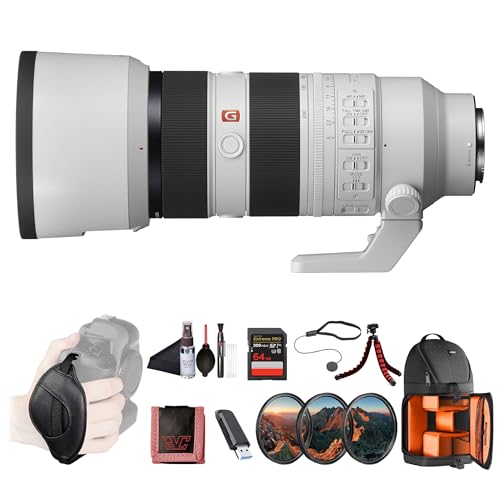
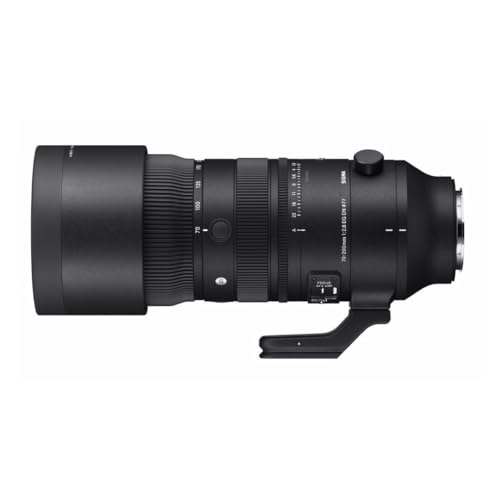
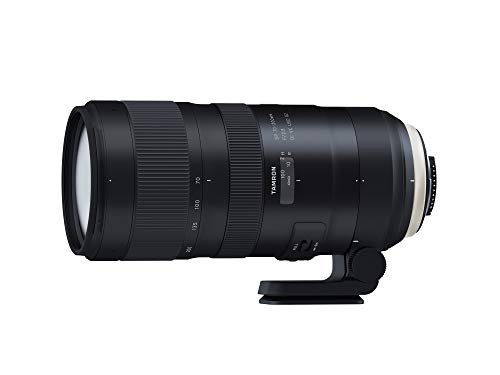
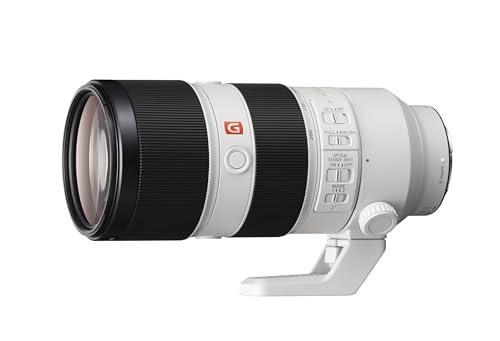
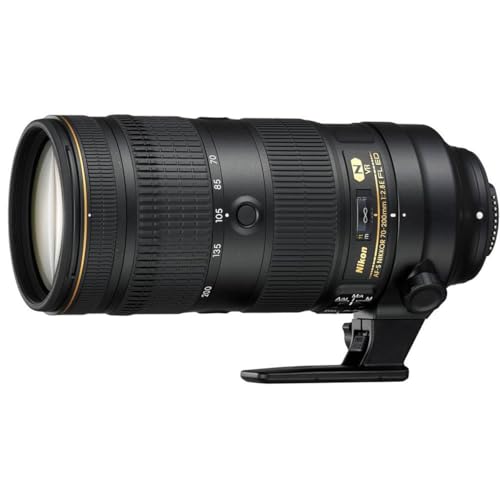
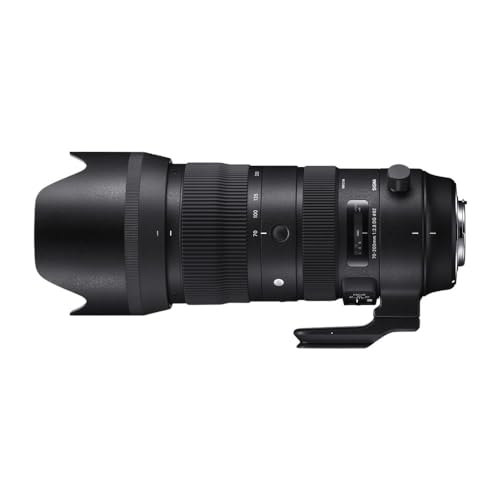
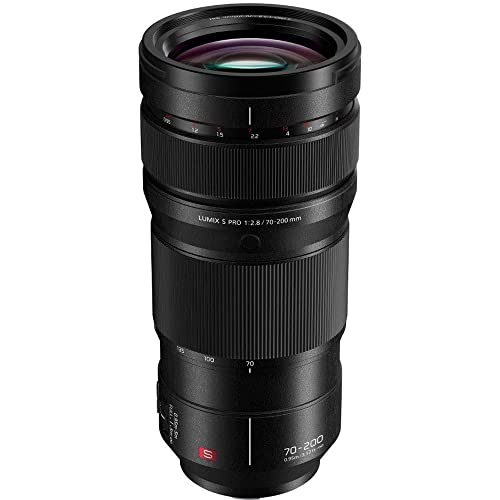
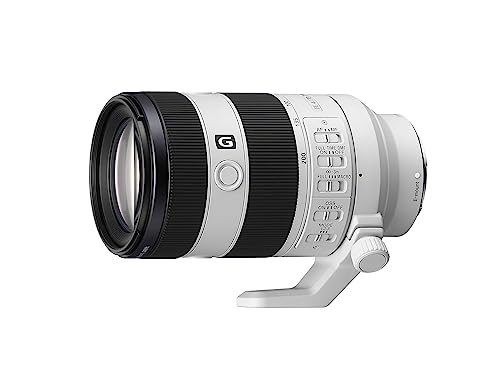
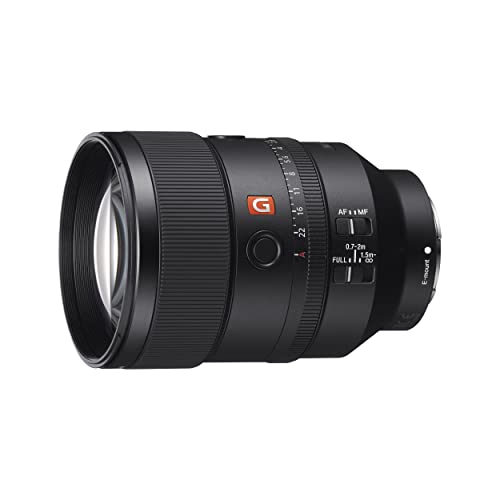
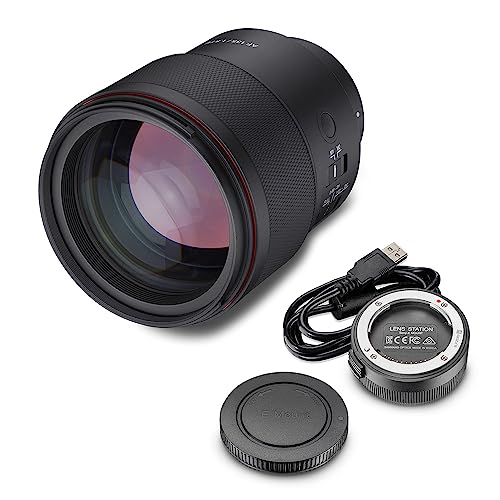
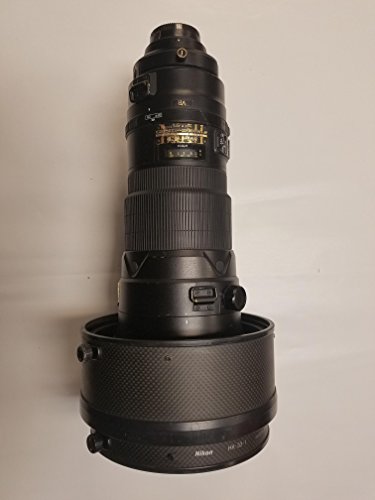
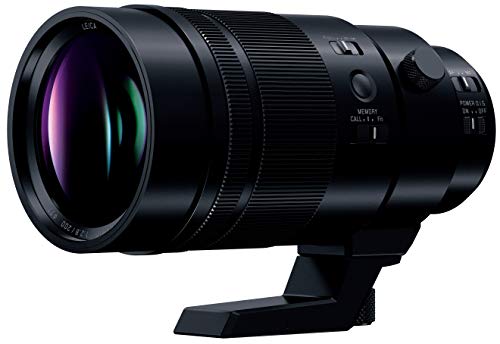
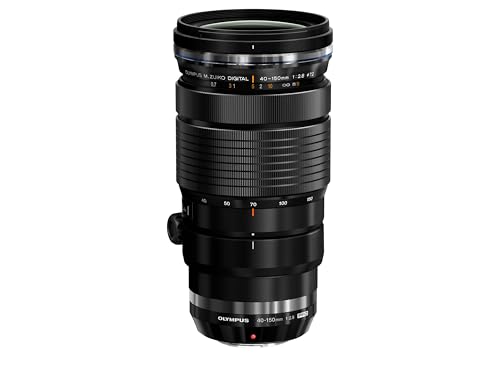
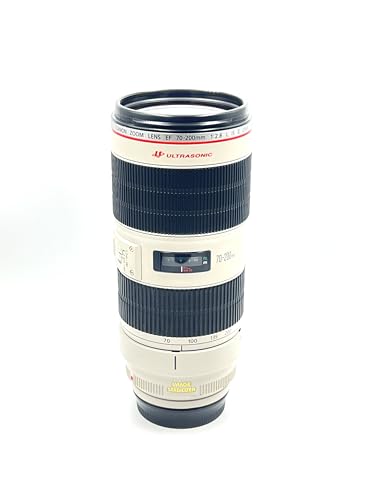
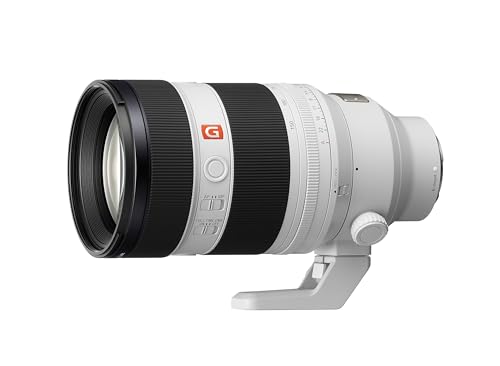
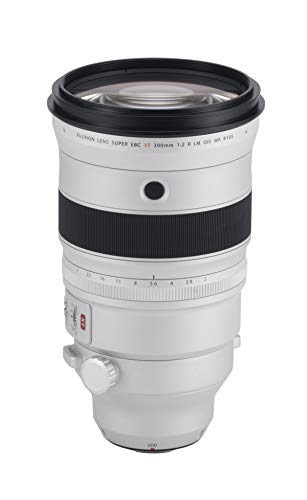
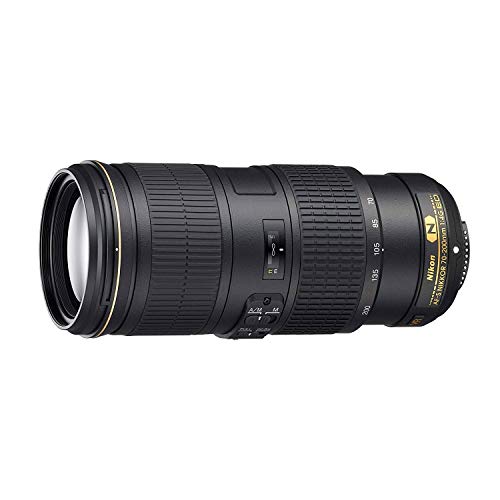
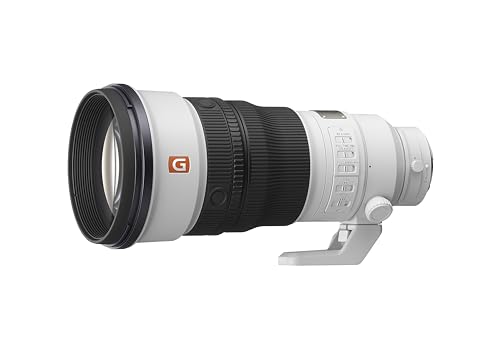
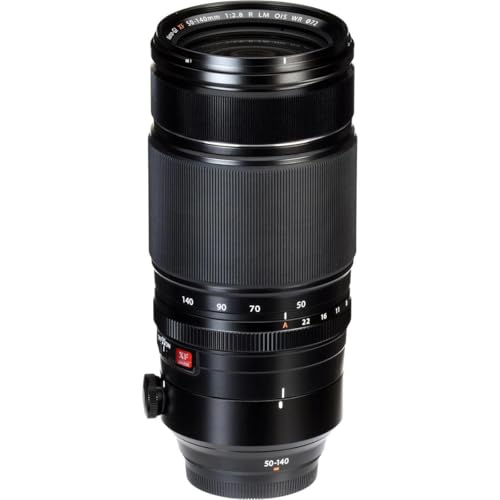
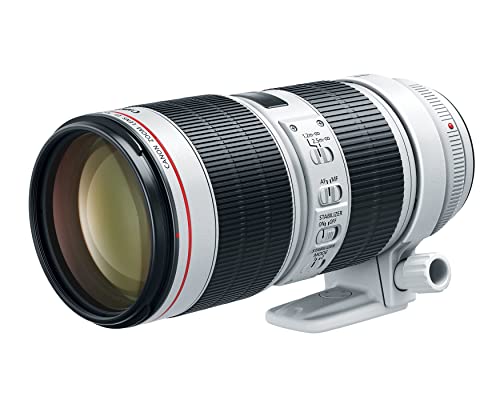
A telephoto lens uses a longer focal length to give distant subjects a larger presence in the frame and to produce a narrower angle of view. For this guide, telephoto lenses are models reaching at least 135 mm, a range that begins with short telephoto portrait and event lenses and extends to super-telephoto optics intended for wildlife, sport, and other distant subjects.
Focal length does not create physical magnification in isolation; sensor size, subject distance, and final cropping also affect how large the subject appears. A 200 mm lens on APS-C gives a tighter field of view than the same lens on full frame, while Micro Four Thirds narrows it further. That crop can be useful for reach, but it does not change the lens aperture or improve its ability to resolve fine detail.
How do telephoto lenses differ from standard lenses?
Telephoto lenses differ from standard lenses mainly through their narrower field of view, greater working distance, and stronger perspective compression. A standard lens shows a more natural amount of the scene, while a telephoto isolates a smaller area and makes background elements appear larger relative to the subject.
The longer focal length also amplifies visible camera shake and makes subject tracking more demanding. Telephoto photography therefore benefits more from fast autofocus, stabilization, high shutter speeds, monopods, or tripod collars than ordinary everyday photography.
Physical size and aperture become harder engineering problems as focal length increases. A 70–200 mm f/2.8 zoom is considerably larger than a standard kit zoom, and a fast 400 mm or 600 mm lens can require professional support and transport. Slower telephoto zooms reduce that burden but need more light and provide less background blur.
What are telephoto lenses best suited for?
Telephoto lenses are best suited to the following subjects and situations:
- Wildlife and birds: Long focal lengths let you fill the frame without approaching or disturbing the subject. Fast autofocus, stabilization, and manageable weight are often more useful than maximum reach alone.
- Field and indoor sports: Telephoto lenses isolate action from the sidelines and help follow subjects across a large venue. Indoor work favors brighter apertures, while outdoor sport can make good use of lighter variable-aperture zooms.
- Portraits and events: Short telephoto focal lengths provide flattering perspective, comfortable working distance, and strong background separation. A 70–200 mm zoom is especially versatile for ceremonies, performances, and candid portraits.
- Stage, aviation, and motorsport: Distance or restricted access makes longer lenses necessary. Reliable tracking, panning behavior, and support equipment matter because subjects move quickly and framing opportunities are brief.
- Compressed landscapes and details: Telephoto lenses can isolate mountain layers, architectural details, and patterns that disappear in a wide view. The narrow angle of view simplifies compositions and emphasizes apparent compression between distant elements.