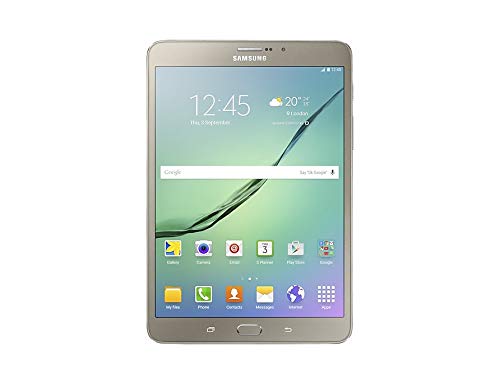
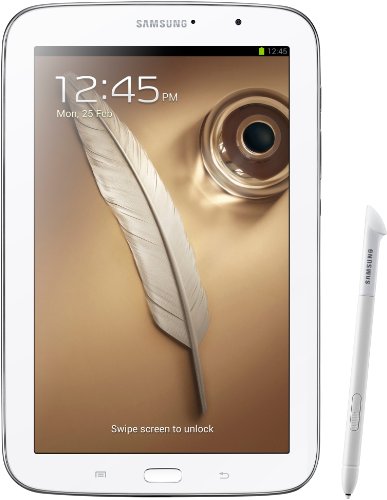
Samsung Galaxy Tab 3 4G (1GB + 32GB) review. Compare 168 technical specifications and user reviews to see how this product ranks in the Tablets category and whether it is worth buying.
Overall score
What it is: An overall evaluation of the smartphone's quality, based on technical analyses and user reviews.
When it matters: When you need a quick reference to identify the best Tablets on the market.
Score components:
90.0%
Technical Score
10.0%
User score
Technical Score
What it is: An assessment of the smartphone's technical performance, covering eight key areas: performance & hardware, software, camera, connectivity, display, battery, audio, and design.
When it matters: When you want to compare Tablets based on technical performance and available features.
Score components:
22.0%
Performance
20.0%
Display
16.0%
Camera
14.0%
Battery
12.0%
Connectivity
8.0%
Software & Features
5.0%
Design
3.0%
Audio & Multimedia
User score
What it is: A rating that combines user reviews and the total number of reviews received by the smartphone
When it matters: When you want to know how a smartphone handles daily tasks and how reliable it remains over time according to user feedback.
Score components:
70.0%
User reviews
30.0%
Popularity
Score components:
25.0%
RAM capacity
20.0%
Refresh rate
20.0%
GPU frequency
20.0%
Chipset
15.0%
Battery capacity
Score components:
20.0%
Chipset
20.0%
Battery life
20.0%
RAM capacity
10.0%
Weight
10.0%
Internal storage
10.0%
Keyboard accessory
10.0%
Screen size
Score components:
30.0%
RAM capacity
25.0%
Chipset
20.0%
Internal storage
15.0%
Screen size
5.0%
Keyboard accessory
5.0%
Stylus included
Score components:
20.0%
Screen size
20.0%
Battery life
20.0%
Weight
20.0%
RAM capacity
20.0%
Chipset
Score components:
25.0%
Battery capacity
25.0%
RAM capacity
15.0%
Weight
15.0%
Internal storage
10.0%
Screen size
10.0%
Price
Score components:
20.0%
RAM capacity
20.0%
Battery life
15.0%
Chipset
15.0%
Weight
10.0%
Cellular module
10.0%
5G connectivity
5.0%
GPS
5.0%
Internal storage
Available: ranking among products currently available (including other versions of this product).
All: ranking among all products in the database.
#395 in Best Samsung Tablets
#1685 in Best Tablets With SIM Card
#1948 in Best Android Tablets
#2277 in Best Tablets With Keyboard
#2831 in Best Tablets
What it is: An assessment of the smartphone's technical performance, covering eight key areas: performance & hardware, software, camera, connectivity, display, battery, audio, and design.
When it matters: When you want to compare Tablets based on technical performance and available features.
Score components:
22.0%
Performance
20.0%
Display
16.0%
Camera
14.0%
Battery
12.0%
Connectivity
8.0%
Software & Features
5.0%
Design
3.0%
Audio & Multimedia
What it is: A rating that combines user reviews and the total number of reviews received by the smartphone
When it matters: When you want to know how a smartphone handles daily tasks and how reliable it remains over time according to user feedback.
Score components:
70.0%
User reviews
30.0%
Popularity
What it is: An indicator that combines the smartphone's overall rating with its cost.
When it matters: When you are looking for a smartphone with a good balance between quality and price.
Score components:
60.0%
Overall score
40.0%
Price
Importance: MEDIUM
Good value: >=8 GB
Importance: LOW
Good value: <7 nm
Importance: MEDIUM
Good value: >=128 GB
Importance: MEDIUM
Good value: >1300
Importance: MEDIUM
Importance: MEDIUM
Importance: MEDIUM
Importance: MEDIUM
Good value: >3500
Importance: LOW
Good value: >=8 GB
Importance: LOW
Good value: 5
Importance: LOW
Good value: >20 GB/s
Importance: LOW
Importance: LOW
Good value: >7 W
Importance: LOW
Good value: >2500
Importance: LOW
Good value: >800
Importance: LOW
Good value: >8
Importance: LOW
Good value: >900 MHz
Importance: LOW
Importance: LOW
Good value: >3000
Importance: LOW
Good value: >1200
Importance: LOW
Good value: >3200 MHz
Importance: LOW
Good value: >400
Importance: LOW
Importance: LOW
Good value: 8+
Importance: LOW
Importance: LOW
Good value: >800 MHz
Importance: MEDIUM
Importance: LOW
Importance: LOW
Good value: >10000 million
Importance: LOW
Good value: >=4 MB
Importance: LOW
Good value: >64 KB
Importance: LOW
Good value: >=1 MB
Importance: LOW
Importance: LOW
Good value: 4
Importance: LOW
Good value: >=512 GB
Importance: LOW
Good value: 2.0/3.0
Importance: LOW
Good value: 3.2
Importance: LOW
Good value: 3.3
Importance: LOW
Importance: MEDIUM
Importance: MEDIUM
Good value: >=120 Hz
Importance: HIGH
Importance: MEDIUM
Good value: >250 ppi
Importance: LOW
Importance: MEDIUM
Good value: >500 nits
Importance: MEDIUM
Good value: >=11 inches
Importance: LOW
Importance: LOW
Good value: >120 Hz
Importance: LOW
Importance: LOW
Importance: LOW
Importance: LOW
Good value: >200 Hz
Importance: LOW
Good value: >250 ppi
Importance: MEDIUM
Good value: >400 nits
Importance: LOW
Importance: LOW
Importance: LOW
Importance: LOW
Importance: LOW
Importance: MEDIUM
Importance: HIGH
Good value: >=8 MP
Importance: LOW
Importance: LOW
Importance: MEDIUM
Importance: MEDIUM
Importance: LOW
Importance: LOW
Importance: LOW
Importance: LOW
Importance: LOW
Importance: LOW
Importance: LOW
Importance: LOW
Importance: LOW
Importance: LOW
Importance: LOW
Importance: LOW
Importance: LOW
Importance: LOW
Importance: LOW
Importance: LOW
Importance: LOW
Importance: LOW
Importance: LOW
Importance: LOW
Importance: LOW
Importance: LOW
Importance: LOW
Importance: LOW
Importance: LOW
Importance: MEDIUM
Good value: >8000 mAh
Importance: MEDIUM
Good value: >30 W
Importance: HIGH
Good value: >10 hours
Importance: LOW
Importance: LOW
Importance: LOW
Importance: LOW
Importance: LOW
Importance: MEDIUM
Importance: LOW
Importance: LOW
Importance: LOW
Importance: LOW
Importance: LOW
Importance: LOW
Importance: LOW
Importance: LOW
Importance: LOW
Importance: LOW
Importance: LOW
Importance: LOW
Good value: >5.2
Importance: LOW
Importance: LOW
Importance: LOW
Good value: 3.1/3.2
Importance: LOW
Importance: LOW
Importance: LOW
Importance: LOW
Importance: LOW
Importance: LOW
Importance: LOW
Importance: LOW
Importance: LOW
Importance: MEDIUM
Importance: MEDIUM
Importance: LOW
Importance: LOW
Importance: LOW
Importance: LOW
Importance: LOW
Importance: LOW
Importance: LOW
Importance: LOW
Importance: LOW
Importance: LOW
Importance: LOW
Importance: LOW
Importance: LOW
Importance: LOW
Importance: LOW
Importance: LOW
Importance: LOW
Importance: LOW
Importance: LOW
Importance: LOW
Importance: LOW
Good value: <500 g
Importance: LOW
Importance: LOW
Importance: LOW
Good value: <10 ms
Importance: LOW
Good value: >7
Importance: LOW
Importance: LOW
Importance: LOW
Good value: <7 mm
Importance: LOW
Importance: LOW
Importance: LOW
Importance: LOW
Importance: LOW
Importance: LOW
Good value: >=2
Importance: LOW
Importance: LOW
Importance: LOW
Good value: >=4
Importance: LOW
Importance: LOW
Importance: LOW
Importance: LOW
Importance: LOW
Importance: LOW
Importance: MEDIUM
Importance: LOW
Importance: LOW
Good value: <500 g
Importance: LOW
Importance: LOW
Importance: MEDIUM
Good value: >500 nits
Importance: LOW
Importance: HIGH
Good value: >=8 MP
Importance: HIGH
Importance: LOW
Importance: MEDIUM
Importance: MEDIUM
Good value: >=8 GB
Importance: MEDIUM
Importance: MEDIUM
Importance: MEDIUM
Good value: >250 ppi
The 2013 review of the Samsung Galaxy Tab 3 7.0 (SM-T210) highlights a budget-friendly, compact tablet with solid build quality and good battery life, though it features a dated, glossy design. Performance is a significant drawback, as the Marvell dual-core processor and 1GB of RAM struggle with multitasking, and the 3-megapixel camera lacks autofocus. While the device includes useful features like an infrared port and expandable storage, it offers low value for money compared to contemporary alternatives, resulting in a device best suited for casual, light usage.
In a July 2013 review for AllThingsD, Bonnie Cha characterizes the Samsung Galaxy Tab 3 8.0 as a versatile, 8-inch, Android 4.2.2-based tablet designed to fit between Samsung's 7-inch and 10.1-inch offerings, highlighting its slim, lightweight design and bright WXGA display. Key strengths, or pros, include the comfortable one-handed usability due to thin bezels, the useful Multi Window feature for multitasking, and the IR blaster/WatchOn app combination for remote control functionality, along with expandable storage via microSD. The central shortcoming, or con, is poor battery life, with the device only lasting five hours in testing, which is notably inferior to the competition. Furthermore, the $299.99 price point was considered high relative to its performance and competitors, reducing its overall value proposition, according to the review. WSJ
The Reviewed analysis highlights the Samsung Galaxy Tab 3 8.0 for its excellent display, featuring high color accuracy and low reflectivity. However, the tablet is severely hindered by outdated dual-core processing hardware that underperforms compared to its competitors, leading to a "poor investment" verdict at its launch price. While the 8-inch form factor and IR blaster provide good portability and media control, the device's cheap, plastic build and low 188 PPI resolution make it unsuitable for users seeking high-end performance or screen clarity. Reviewed
The Samsung Galaxy Tab 3 7.0 is a budget-focused, highly portable tablet featuring a slim, lightweight design with a 1024 x 600 resolution display that feels comfortable for one-handed use. While the device, reminiscent of the Galaxy S4, offers a sturdy plastic build and functional microSD expansion, it is hindered by a dual-core processor that struggles with intensive tasks. Key, specific drawbacks highlighted include limited internal storage, subpar camera quality, and a screen that lacks the sharpness of competitors like the Nexus 7. Performance is adequate for basic browsing and e-reading, but the TouchWiz interface, combined with modest specifications, results in occasional lag during heavy use. Ultimately, the tablet is positioned as a suitable entry-level device for children or casual users, rather than a powerhouse. It is recommended that those seeking better performance and screen quality look to more modern alternatives rather than this older model.
The Samsung Galaxy Tab 3 10.1 is a thin, 1.1-pound tablet featuring a bright 444-lux display, loud speakers, and an IR blaster for TV control, providing a familiar experience for Samsung users. Despite these features, the device is hindered by significant performance lag, a lower-resolution 1280 x 800 screen, and a lack of advanced multitasking features compared to competitors. Ultimately, while boasting decent battery life, the $399 tablet struggles to justify its cost, with the review recommending alternative options for better performance and display quality. Laptop Mag
The Samsung Galaxy Tab 3 8-inch, as reviewed by PhoneArena, is a mid-range tablet highlighting exceptional portability with a lightweight, 314-gram design and an 8-inch, 1280 x 800 TFT display suitable for media consumption. It is powered by a 1.5 GHz dual-core Exynos 4212 processor and 1.5 GB of RAM, capable of running Samsung's Multi Window for multitasking and functioning as a TV remote via a built-in IR blaster. Despite its functional design, the tablet features a plastic construction that can feel slippery and less premium, with poorly positioned speakers that are easily muffled. While the 5-megapixel camera offers mediocre performance in low light, the device provides decent, though not market-leading, battery life compared to competitors like the Nexus 7.
The Verge's 2013 review of the Samsung Galaxy Tab 3 8.0 and 10.1 concludes that, while functional, both tablets suffer from outdated plastic designs, unremarkable performance, and high prices compared to competitors. The 8.0-inch model is praised for its comfortable, light design and useful IR blaster, but criticized for inconsistent performance and poor standby battery life. Conversely, the 10.1-inch model is panned for "horribly jittery" scrolling, slow app loading, and lack of essential software features, despite having a decent display. The Verge
The PCMag review characterizes the Samsung Galaxy Tab 3 8.0 as a well-built, thin, and lightweight tablet that faces stiff competition due to its $299.99 price point, which was high compared to rivals like the Google Nexus 7. Key strengths include an excellent 8-inch LCD display with high contrast and the inclusion of an IR emitter for use as a universal remote with the WatchON app. However, the device suffers from a finicky touchscreen with poor palm rejection and inferior battery life, lasting only 6 hours and 48 minutes in video testing.
The Samsung Galaxy Tab 3 (10.1-inch) LTE, powered by an Intel Atom Z2560 processor, is a mid-range tablet highlighting increased portability, thinness, and built-in telephony/LTE functionality. Key advantages include solid battery life (approximately 7 hours in tests) and a lightweight design compared to its predecessor. However, the 1,280 x 800 display resolution is considered subpar for its class, and the device represents minor iterative upgrades rather than a significant performance leap. Priced at S$748 at launch, the device offers, at best, a "more of the same" experience, limiting its appeal to users strictly prioritizing LTE connectivity in a lightweight form factor.
The Android Central review positions the Samsung Galaxy Tab 3 series as an entry-level, complementary line for existing Galaxy users, emphasizing a transition toward thin, lightweight designs rather than high-end performance. While praised for exceptional battery life, an IR blaster for TV control, and a familiar TouchWiz interface, the tablets are criticized for mediocre "middle-of-the-road" hardware specifications. Major drawbacks highlighted include lackluster 3.15 MP rear cameras, lagging display resolutions on the 7-inch model, and performance that fails to compete with top-tier alternatives.
The Samsung Galaxy Tab 3 8.0 is a highly portable, 7.4mm thin, 314g mid-range tablet featuring an 8-inch WXGA display with vibrant colours and excellent viewing angles. Performance is driven by a 1.5GHz dual-core processor and 1.5GB of RAM, which, while capable of handling daily tasks, may suffer from frame drops during intense 3D gaming. Key advantages include the 4,450mAh battery providing over eight hours of video playback and the integrated IR blaster with the WatchOn app for universal TV control. Conversely, the device faces stiff competition from the Nexus 7 (2013) due to its £269 launch price, and its all-plastic construction lacks a premium feel. Other disadvantages highlighted include poorly positioned speakers that are easily muffled and a 5-megapixel rear camera that delivers only basic results. Furthermore, the heavy TouchWiz skin over Android may not suit all users.
The Samsung Galaxy Tab 3 8.0 features a comfortable, slim design and a useful microSD card slot, but its plastic construction and 2013 launch price fail to compete with rivals like the iPad mini. While the 8-inch display is adequate and the battery offers solid, eight-hour-plus endurance, the device lacks premium build quality. Ultimately, mediocre camera performance and limited resolution make it hard to recommend, especially when compared to higher-spec competitors, according to Pocket-lint.
The PCMag review characterizes the Samsung Galaxy Tab 3 10.1 as a minor, $400 update that feels dated due to older hardware and a low-resolution 1,280-by-800 display. While featuring a lighter, more portable design, the tablet's performance is hampered by middling speed and a lack of advanced TouchWiz features found on Samsung's higher-end models. Key pros include a functional IR blaster for universal remote use, a bright screen, and useful hardware additions like a microSD card slot. Conversely, significant cons are the poor 3.2-megapixel camera and a high price point that, at the time of review, made it a less competitive option than its rivals.
The Samsung Galaxy Tab 3 8.0 features a highly portable, slim design with a bright 1280 x 800 display, surpassing the iPad mini of its era in sharpness. The tablet is lauded for its long-lasting battery life, which exceeded the category average by over an hour in testing. Laptop MagSoftware-driven pros include Samsung's TouchWiz interface with Multi Window for split-screen multitasking and an integrated IR blaster paired with the Peel Smart Remote app. Additionally, the device comes with specialized camera modes and exclusive "Galaxy Perks," such as bundled storage and media subscriptions. Laptop MagNotable cons include the $299 price point, which makes it less competitive than rival 7-inch tablets, and poor, easily muffled audio quality. Despite these drawbacks, it is considered a strong choice for users prioritizing portability and IR remote functionality. Laptop Mag
The Samsung Galaxy Tab 3 7.0 is a budget-friendly, entry-level tablet that prioritizes improved, ergonomic design and portability over raw power. While the build is plastic, the device features thinner bezels, making it comfortable to hold and easy to carry. However, the tablet is heavily constrained by a low-resolution 1024 x 600 display and a dated dual-core processor that struggles with demanding tasks. Pros include excellent standby battery life, loud stereo speakers, and a microSD slot for expanding the limited 8GB of storage. The device provides a polished user experience but is held back by mediocre performance and the same screen resolution found in older, outdated models. Ultimately, despite these minor perks, the device is considered overpriced compared to more powerful, modern alternatives.
The HardwareZone review of the Samsung Galaxy Tab 3 8.0 LTE identifies it as a "phablet in disguise" due to its full telephony functionality, combined with a slim, lightweight design and narrow bezels that offer excellent portability. Key pros include this high portability, comfortable one-handed use, and impressive battery life lasting nearly 8 hours. However, the device is held back by a low-resolution screen where pixels are visible, and a dual-core processor that falls short for demanding users. While offering an 8-inch screen with decent color, the review highlights the low pixel density and underwhelming performance as significant drawbacks, despite the inclusion of a "Reading Mode" for specific applications. The device is seen as a decent mid-range, yet expensive, option at S$668 for the LTE version, with the review suggesting the Galaxy Note 8.0 as a superior alternative for a similar price. Overall, it is considered an incremental upgrade that, despite its unique call features and good battery life, is outclassed by newer competitors in terms of display sharpness.
The Trusted Reviews analysis of the Samsung Galaxy Tab 3 7.0 highlights a lightweight, 300g design with a functional microSD card slot, but criticizes the "plasticky" build quality. The 7-inch display is identified as a major drawback due to its low 1024 x 600 resolution, inaccurate colors, and poor viewing angles. Underwhelming performance, driven by a dated dual-core processor and inconsistent software, makes the device lag, leading the review to conclude the tablet is overpriced compared to competitors. Copy
The Samsung Galaxy Tab 3 7.0 is described by Recombu as a budget-friendly device with a "chunky" design, featuring a comfortable, soft-touch white plastic body. While the build is sturdy with premium silver accents, the tablet is held back by a low-resolution 600x1024 TFT display with poor contrast and a 9.9mm thickness that feels dated. Performance is adequate for basic tasks, powered by a 1.2GHz dual-core processor and 1GB of RAM, though it struggles with multitasking and intensive browsing. Despite supporting Full HD video playback and providing a useful microSD slot for expansion, the device lacks modern features like NFC and an IR blaster. The 4000mAh battery provides solid, long-lasting power, but the overall package, including the 3-megapixel camera, is deemed to offer poor value for its sub-£200 price point. The review concludes the tablet feels out of date at launch, particularly when compared to superior alternatives like the Nexus 7. Copy
TechRadar's 2013 review of the Samsung Galaxy Tab 3 8.0 highlights a lightweight, comfortable design with a great form factor, but criticizes its "below-par," plasticky build quality that feels cheap compared to competitors. While the screen offers excellent brightness, the device suffers from significant performance issues, featuring a "meagre" dual-core processor that struggles with multitasking and gaming. Ultimately, despite solid battery life for media consumption, the high price point and underwhelming performance lead to a recommendation to look at alternatives like the Nexus 7 or iPad mini. Copy
The Samsung Galaxy Tab 3 8.0 is identified as a well-balanced, 2013-era tablet featuring a thin, lightweight, and ergonomic design with slim bezels that mirror the Galaxy S4's aesthetic. It boasts a bright, color-accurate 8-inch WXGA display and a 1.5GHz dual-core processor that ensures a smooth experience for daily tasks, enhanced by software features like Multi-Window and an IR blaster. However, the review notes drawbacks including a high $299.99 launch price, underwhelming 5-megapixel camera performance, a slippery plastic exterior, and the absence of NFC. Ultimately, the tablet is deemed a solid, well-constructed device that lacks the standout value or unique features of its competitors. Copy
The PCMag review characterizes the Samsung Galaxy Tab 3 10.1 as a "pedestrian" update, offering a lightweight (1.12 pounds) and thin (0.31 inches) design that feels dated upon release, though it benefits from a standard micro USB port. While the device boasts a bright 1,280-by-800 TFT display, its resolution lags behind competitors like the Google Nexus 10, and the Intel Atom processor delivers "middling" performance plagued by multitasking slowdowns. Despite including a microSD slot and an IR blaster, the $399.99 tablet is hard to recommend due to poor camera quality, short battery life, and high price. Copy
The Samsung Galaxy Tab 3 10.1 is described as a compact, lightweight, and well-built tablet featuring thin bezels, but it is criticized for using outdated internal components. While the 10.1-inch screen is bright, it is hampered by a mediocre 1,280x800 resolution that lacks sharpness. Performance issues, including significant lag, frequent app crashes, and overly sensitive capacitive buttons, make the user experience frustrating, and at a $399 price point, it lacks the high-end feel of competitors. Despite these flaws, the device offers functional benefits like a microSD card slot for expanded storage and an IR blaster for controlling televisions. Copy
The Samsung Galaxy Tab 3 10.1 is described as a solid, lightweight mid-range tablet, featuring an 8mm thick design and a 10.1-inch TFT display (1280x800) suitable for media consumption. Its primary pros include this compact design and a useful infrared (IR) blaster for home entertainment control. However, the device suffers from mediocre performance due to an Intel Atom dual-core processor and only 1GB of RAM, which leads to lag during multitasking. Other cons include an overly sensitive capacitive button layout and lackluster cameras. Despite good battery life, the tablet is seen as overpriced, with outdated specifications compared to competitors, making it a difficult recommendation in its market segment.
The Hardwareluxx review of the 2013 Samsung Galaxy Tab 3 series (7.0, 8.0, 10.1) positions these devices as mid-range, "bread-and-butter" tablets featuring improved, slimmer designs with thinner bezels and useful additions like IR blasters and microSD slots. While the 8-inch model shines as the "sweet spot" with 1.5GB of RAM, the 7-inch variant is criticized for low resolution (1024×600) and weak performance, and the 10.1-inch model with its Intel Atom processor often lags due to having only 1GB of RAM. Despite decent battery life and the functional TouchWiz UI over Android 4.2, the review suggests these tablets struggle to compete with more powerful alternatives, with the 10.1-inch model notably lacking "Multi-Window" mode.
The Samsung Galaxy Tab 3 7.0 is a compact, entry-level tablet focusing on improved, one-handed ergonomics through a thinner design. While its lightweight, plastic build is functional, the device features a low-resolution 1024 x 600 display that lacks sharpness, along with a 1.2 GHz processor suitable only for basic tasks. Despite weak camera performance, the tablet boasts decent battery life, runs on a familiar TouchWiz interface, and serves as a portable option for casual users.
The Samsung Galaxy Tab 3 10.1 is characterized as a lightweight and compact tablet featuring a 10.1-inch, 1280 x 800 display with good brightness, though the 1GB of RAM and dual-core processor often lead to performance lag and stuttering. Key pros include the comfortable design, IR blaster functionality, and microSD expansion, while cons focus on outdated hardware, underwhelming resolution, and high launch price. Ultimately described as a "middle of the road" device, it struggles to compete with higher-resolution alternatives, despite reliable battery life.
The Samsung Galaxy Tab 3 8.0 is a slim and lightweight 8-inch Android 4.2.2 tablet featuring a 1280x800 display, a 1.5 GHz Exynos processor, and a comfortable design with thin bezels. Pros include an integrated IR blaster for home entertainment control, a microSD card slot for expanded storage, and solid battery life that supports roughly 8 hours of video playback. Conversely, the tablet exhibits performance lag during heavy multitasking, and the 5-megapixel rear camera produces mediocre, often overexposed photos. While it features useful software like Multi Window, the device's plastic build and higher price point make it a less competitive option compared to rivals like the Nexus 7.
The Samsung Galaxy Tab 3 10.1, reviewed by Connect.de, is a well-built, 7.95mm slim tablet lauded for its lightweight design and bright 10.1-inch screen. While its, portability is high, the device is criticized for a slippery, fingerprint-prone "hyperglaze" plastic finish. Performance is a bottleneck, with the 1.6 GHz Intel Atom processor and 1GB RAM causing noticeable lag during multitasking. Despite performance issues, the tablet shines with a 6800 mAh battery that provides solid, long-lasting endurance. A notable feature is the inclusion of an IR blaster, transforming the unit into a practical, functional home remote. Conversely, the oversensitive capacitive buttons are cited as a common annoyance, leading to frequent, unwanted, inputs. Overall, the Galaxy Tab 3 10.1 is described as a basic, entry-level media device hindered by outdated, underpowered hardware. It lacks premium, modern, features, such as advanced multitasking software, and is difficult to recommend over more powerful alternatives. CNET
The Computer Bild review of the Samsung Galaxy Tab 3 7.0 highlights a budget-focused, highly portable device featuring a thinner bezel and an integrated IR blaster for home entertainment control. Key advantages include its compact design, weighing just over 300 grams, and a respectable battery life that offers approximately 9 hours of video playback. However, the tablet is limited by a low-resolution 1024x600 display, which fails to compete with sharper, contemporary alternatives. While the design is reminiscent of the Galaxy S4, the glossy plastic construction is described as feeling slippery and cheap in hand. Performance is adequate for basic tasks, but the 1.2 GHz dual-core processor often struggles with demanding applications and multitasking. Consequently, it is best suited for casual use such as browsing or reading, rather than gaming or heavy multimedia consumption.
The Samsung Galaxy Tab 3 10.1 is a mid-range tablet prioritizing a slim, lightweight design with thin bezels, though the "hyperglaze" plastic back is prone to fingerprints. Featuring an Intel Atom Z2560 processor, it handles casual browsing and media well but struggles with heavy multitasking due to limited 1GB RAM, resulting in potential lag. While the 10.1-inch 1280x800 display is bright, its low resolution appears dated, complemented by excellent battery life, a microSD slot, and an IR blaster. Pros include its portable design, bright screen, and useful connectivity features, while cons highlight the low screen resolution, limited RAM, and subpar camera performance. For more details, visit Pocketnow.
The Samsung Galaxy Tab 3 10.1 is described as a modest evolution featuring a thinner, lighter design, a bright display, and functional additions like an IR blaster and microSD card slot. However, the device faces significant criticism for its outdated Intel Atom processor and 1GB of RAM, leading to severe performance lag and a subpar 1280x800 resolution. Ultimately viewed as a middle-of-the-road tablet, it struggles to justify its price point due to underwhelming performance and lack of advanced features.
The GameStar review highlights the Samsung Galaxy Tab 3 10.1 as a lightweight, 10-inch Android tablet featuring an Intel Atom processor and integrated telephony, aiming to merge media consumption with communication. While lauded for its slim 8mm design and decent battery life, the tablet is limited by 1GB of RAM, resulting in performance, and features a modest 1280x800 resolution display. Pros include the lightweight build and expandable storage, while cons are focused on the underwhelming speed, low-resolution screen, and mediocre, fixed-focus camera. For more details, visit GameStar.
The Samsung Galaxy Tab 3 series is positioned as a lightweight, entry-to-mid-range tablet line featuring a slim design, bright displays, and practical additions like a microSD card slot and an integrated IR blaster for home entertainment control. However, the series, particularly the 10.1-inch model with its Intel Atom processor, is criticized for underwhelming performance, noticeable lag, and moderate 1280x800 screen resolution. Despite solid build quality, the glossy plastic, poor camera performance, and high price point relative to competitors make it a less competitive option compared to the iPad Mini or Nexus 10. Review the detailed findings on Computer Bild.
The Samsung Galaxy Tab 3 8.0 is praised in the Connect.de review for its exceptional portability, featuring a lightweight 314g design and a bright, high-contrast 8-inch display. While offering solid daily performance with its 1.5GHz processor and useful features like a microSD slot and IR blaster, the tablet is limited by a plastic build and lower 3D gaming performance compared to competitors. Despite varying battery life, the device was considered relatively expensive upon release, with noted drawbacks including weak low-light camera performance.
The Samsung Galaxy Tab 3 10.1, reviewed by Les Androïdes, is positioned as a mid-range tablet offering good value, featuring a 10.1-inch WXGA TFT display and a 1.6 GHz Intel Atom processor with 1 GB of RAM. Pros include a sleek, lightweight design for better portability, impressive battery life, functional IR blaster, and loud stereo speakers. Conversely, performance is hindered by the limited RAM causing lag, a low-resolution screen, a 3.2-megapixel rear camera lacking autofocus, and over-sensitive navigation buttons.
The Samsung Galaxy Tab 3 is praised for its thinner, lighter design and practical IR blaster for remote control functionality, offering high portability and comfortable handling. However, the device suffers from a low-resolution screen leading to pixelation, alongside mediocre performance with noticeable lag despite its Intel Atom processor. Ultimately, the review finds the tablet, while solid for basic use, to be overpriced for its limited performance and underwhelming battery life compared to competitors.
The Samsung Galaxy Tab 3 7.0 (2013) is a compact, entry-level device featuring a slim, ergonomic design similar to the Galaxy S4, with high screen brightness and a practical physical home button. Key pros include its portability, solid battery life, and a microSD slot for storage expansion [Les Numériques review]. The tablet is criticized for its outdated 7-inch TFT display, which offers a low 1024x600 resolution leading to poor sharpness [Les Numériques review]. Its underwhelming Marvell dual-core processor causes lag in demanding tasks, while the 3-megapixel rear camera lacks autofocus and produces low-quality images [Les Numériques review]. Ultimately, the tablet is described as a functional, basic device suitable for light tasks like web browsing, yet it feels underpowered and overpriced compared to rivals, states the review. It is recommended primarily for users loyal to the Samsung ecosystem who prioritize the 7-inch form factor over performance [Les Numériques review].
The Frandroid review characterizes the 2013 Samsung Galaxy Tab 3 7.0 as a device struggling to compete, offering a "toy-like" plastic design, similar to the Galaxy S4, but lacking a premium feel. While featuring a notably compact, one-handed design, the tablet is criticized for its outdated 1024 x 600 resolution display that produces noticeable, jagged text. Under the hood, the dual-core processor and 1GB of RAM provide basic, smooth navigation but falter with intense multitasking and gaming. Performance is deemed entry-level, often perceived as overpriced for its capabilities. Key advantages include solid battery life, a microSD card slot, and clear, loud audio from the speakers. However, these are overshadowed by the low-resolution screen and a fixed-focus 3.15MP camera. Ultimately, the review suggests the device is outmatched by competitors like the Nexus 7. It is positioned as an "entry-level" option that lacks significant innovation over its predecessor. For the full, detailed review from Frandroid, visit their website.
The Samsung Galaxy Tab 3 10.1 is defined by a slim, 510g design with a 6,800 mAh battery offering exceptional, multi-day battery life. It features an IR blaster for TV control, yet its 1,280 x 800 display lacks the sharpness found in competitors, featuring a 3.2-megapixel camera with limited, fixed-focus capability. While suitable for light media consumption, the 1GB of RAM causes significant lag in applications and performance is further hindered by its outdated, stuttering interface. Detailed pros and cons can be found at Top-for-Phone.
According to the 01net review, the Samsung Galaxy Tab 3 10.1 is characterized as an efficient but "flavorless" successor, noted for its lightweight, comfortable design and the functional addition of an infrared (IR) blaster and microSD slot. However, the device suffers from a mediocre 1280x800 resolution screen and significant performance lag, particularly in multitasking, due to a weak processor and limited RAM. Ultimately, while boasting decent battery life, the tablet is viewed as a mid-range device with a high price tag that fails to stand out against competitors, making it a safe, if underwhelming, option within the Samsung ecosystem.
The Samsung Galaxy Tab 3 8.0 is a 314-gram, 7.4mm thin mid-range tablet designed for portability, featuring an 8-inch WXGA LCD screen with vibrant colors despite a modest 189 PPI resolution. Powered by a 1.5 GHz dual-core Exynos processor with 1.5 GB of RAM, the device handles daily tasks well, though it can suffer from occasional lag under heavy loads. Key advantages include its lightweight, comfortable design, expandable storage via microSD, and a solid 8-10 hour battery life, while drawbacks include a plasticky build, weak 5MP camera, and easily muffled bottom-firing speakers.
The Samsung Galaxy Tab 3 8.0 is a lightweight, 7.4mm thin, mid-range tablet featuring an 8-inch WXGA display with vibrant colors and thin bezels, though it lacks the sharp resolution of competitors. Driven by a 1.5 GHz dual-core Exynos processor and 1.5 GB of RAM, it provides smooth performance for daily tasks and includes practical features like Multi Window multitasking and an IR blaster for use as a universal remote. While praised for its portability and display quality, the device suffers from a plastic build, mediocre camera performance, and underwhelming battery life compared to rivals, according to the Teknofilo review.
The Samsung Galaxy Tab 3 8.0 is a well-constructed, ergonomic tablet with a design similar to the Galaxy S4, featuring a lightweight, narrow-bezel body that is easy to hold. A significant advantage is its portability, along with the adoption of a standard micro-USB port, though a downside includes speaker placement that can be covered during landscape use. The 8-inch TFT display is considered vivid, and despite occasional minor performance stutters, the device is suitable for daily tasks, with Multi Window support offering a productivity boost. Finally, the tablet is praised for its IR blaster functionality and solid battery life, though it faced criticism for its high launch price relative to competitors.
The Samsung Galaxy Tab 3 10.1 is described as an incremental, portable update featuring a lightweight design and an integrated IR blaster for home entertainment. Key pros include its comfortable handling and the practical Peel Smart Remote app integration. Performance is a notable con, with the Intel Atom processor and 1GB of RAM causing, lag, and stuttering during daily use. While the 1280x800 display is bright, its resolution is considered outdated compared to competitors. Hardware complaints include overly sensitive capacitive buttons and the absence of Multi Window, although the stereo speakers offer good audio. Ultimately, despite excellent battery life, the high price tag makes it hard to recommend over better-performing alternatives.
The Samsung Galaxy Tab 3 10.1 is a lightweight, 10.1-inch mid-range tablet featuring an Intel Atom Z2560 processor, departing from Samsung's usual ARM-based architecture. While boasting a sleek design similar to Galaxy smartphones, its limited 1GB of RAM often results in sluggish performance. Key advantages include its comfortable, 510-gram portable form factor, a bright display with good viewing angles, a microSD slot for storage expansion, and an IR blaster for remote functionality. Conversely, the tablet is hindered by frequent stuttering, low 1280 x 800 resolution, and overly sensitive navigation buttons. Critics generally found the initial $399 price point too high for its outdated hardware and mediocre performance. Copy
The Samsung Galaxy Tab 3 is described as a solid, compact, and lightweight device with a high-brightness screen suitable for media consumption. Key pros include the slim bezels and improved design, along with functional features like an IR blaster and microSD card slot. However, the tablet is criticized for subpar performance, suffering from lag and stuttering due to limited 1GB RAM in the 10.1-inch model. Cons regarding the screen include an outdated 1280x800 resolution that fails to compete with rivals like the Nexus 10. Additionally, the physical navigation buttons are considered awkward to use, with overly sensitive hit-boxes that cause accidental inputs. The Intel Atom processor in the larger model is noted as insufficient for a smooth experience. Ultimately, the review suggests that while the Tab 3 is a functional entry-level tablet, it is an underwhelming, minor update that struggles in a competitive market. The overall price-to-performance ratio is viewed as poor compared to contemporary alternatives.
The Samsung Galaxy Tab 3 8-inch is a solid, portable mid-range tablet featuring a compact design with thin bezels and a high-quality 8-inch PLS LCD screen. Performance is a key drawback, however, as the Exynos 4212 processor can feel sluggish under heavy use, and the plastic build lacks a premium feel. While offering useful features like an infrared blaster and microSD expansion, the tablet's high introductory price makes it difficult to recommend over more powerful or affordable alternatives. For more details, visit the Tweakers review at
The FWD.nl review of the Samsung Galaxy Tab 3 8.0 highlights a device balancing portability with a 7.4mm slim design and vibrant 1280x800 display, though build quality remains plastic. Key features include useful Multi Window functionality and an integrated IR blaster, complemented by expandable storage via a microSD card slot. However, the 1.5GHz processor causes occasional performance stutters, and the high launch price makes it difficult to recommend over superior competitors.
The Samsung Galaxy Tab 3 10.1 is described as a lightweight, compact, and ergonomically comfortable, yet ultimately underwhelming, mid-range successor to the Galaxy Tab 2. While the device offers a bright display and functional design, it is limited by a low 1280x800 resolution that creates a "fuzzy" image, along with a "plasticky" build prone to fingerprints. Performance is a major drawback, with the Intel processor and 1GB of RAM causing noticeable lag, over-sensitive navigation buttons, and a lack of premium software features. However, the tablet does feature excellent battery life, a useful IR blaster, and a microSD card slot for storage expansion. Ultimately, the review finds that for the price, the device is hard to recommend over more capable competitors.

Compare