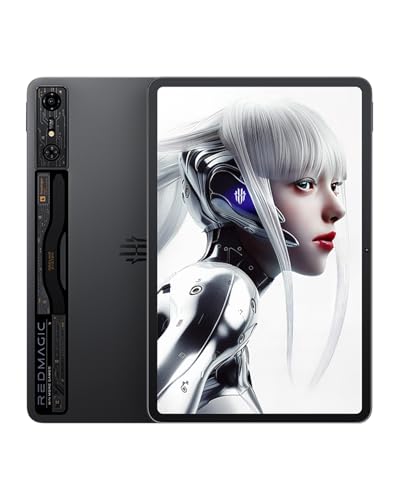
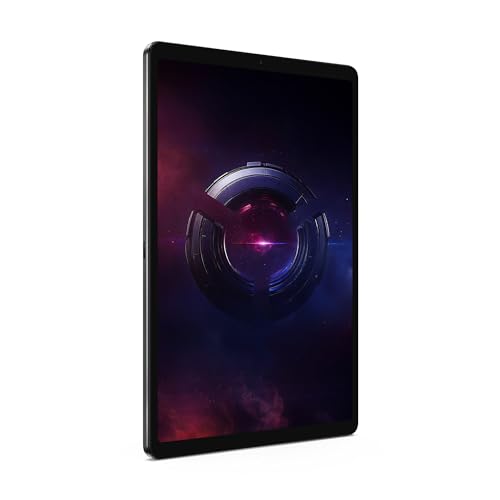
Razer Edge Pro 2023 (6GB + 128GB) review. Compare 168 technical specifications and user reviews to see how it ranks among tablets and if it is worth buying.
Overall score
What it is: An overall evaluation of the smartphone's quality, based on technical analyses and user reviews.
When it matters: When you need a quick reference to identify the best Tablets on the market.
Score components:
90.0%
Technical Score
10.0%
User score
Technical Score
What it is: An assessment of the smartphone's technical performance, covering eight key areas: performance & hardware, software, camera, connectivity, display, battery, audio, and design.
When it matters: When you want to compare Tablets based on technical performance and available features.
Score components:
22.0%
Performance
20.0%
Display
16.0%
Camera
14.0%
Battery
12.0%
Connectivity
8.0%
Software & Features
5.0%
Design
3.0%
Audio & Multimedia
User score
What it is: A rating that combines user reviews and the total number of reviews received by the smartphone
When it matters: When you want to know how a smartphone handles daily tasks and how reliable it remains over time according to user feedback.
Score components:
70.0%
User reviews
30.0%
Popularity

(Reviews last updated: May 2026)
Score components:
25.0%
RAM capacity
20.0%
Refresh rate
20.0%
GPU frequency
20.0%
Chipset
15.0%
Battery capacity
Score components:
20.0%
Chipset
20.0%
Battery life
20.0%
RAM capacity
10.0%
Weight
10.0%
Internal storage
10.0%
Keyboard accessory
10.0%
Screen size
Score components:
30.0%
RAM capacity
25.0%
Chipset
20.0%
Internal storage
15.0%
Screen size
5.0%
Keyboard accessory
5.0%
Stylus included
Score components:
20.0%
Screen size
20.0%
Battery life
20.0%
Weight
20.0%
RAM capacity
20.0%
Chipset
Score components:
25.0%
Battery capacity
25.0%
RAM capacity
15.0%
Weight
15.0%
Internal storage
10.0%
Screen size
10.0%
Price
Score components:
20.0%
RAM capacity
20.0%
Battery life
15.0%
Chipset
15.0%
Weight
10.0%
Cellular module
10.0%
5G connectivity
5.0%
GPS
5.0%
Internal storage
Available: ranking among products currently available (including other versions of this product).
All: ranking among all products in the database.
#112 in Best Windows Tablets
#195 in Best 10-inch Tablets
#524 in Best Tablets For Seniors
#655 in Best Tablets For Students
#1090 in Best Tablets With Keyboard
#1243 in Best Tablets
What it is: An assessment of the smartphone's technical performance, covering eight key areas: performance & hardware, software, camera, connectivity, display, battery, audio, and design.
When it matters: When you want to compare Tablets based on technical performance and available features.
Score components:
22.0%
Performance
20.0%
Display
16.0%
Camera
14.0%
Battery
12.0%
Connectivity
8.0%
Software & Features
5.0%
Design
3.0%
Audio & Multimedia
What it is: A rating that combines user reviews and the total number of reviews received by the smartphone
When it matters: When you want to know how a smartphone handles daily tasks and how reliable it remains over time according to user feedback.
Score components:
70.0%
User reviews
30.0%
Popularity

(Reviews last updated: May 2026)
What it is: An indicator that combines the smartphone's overall rating with its cost.
When it matters: When you are looking for a smartphone with a good balance between quality and price.
Score components:
60.0%
Overall score
40.0%
Price
Importance: MEDIUM
Importance: HIGH
Good value: >=8 GB
Importance: HIGH
Good value: <7 nm
Importance: HIGH
Good value: >=128 GB
Importance: HIGH
Good value: >1300
Importance: HIGH
Importance: HIGH
Importance: HIGH
Importance: MEDIUM
Good value: >3500
Importance: MEDIUM
Good value: >=8 GB
Importance: MEDIUM
Good value: 5
Importance: MEDIUM
Good value: >20 GB/s
Importance: MEDIUM
Importance: MEDIUM
Good value: >7 W
Importance: MEDIUM
Good value: >2500
Importance: MEDIUM
Good value: >800
Importance: MEDIUM
Good value: >8
Importance: MEDIUM
Good value: >900 MHz
Importance: MEDIUM
Importance: MEDIUM
Good value: >3000
Importance: MEDIUM
Good value: >1200
Importance: MEDIUM
Good value: >3200 MHz
Importance: MEDIUM
Good value: >400
Importance: MEDIUM
Importance: MEDIUM
Good value: 8+
Importance: MEDIUM
Importance: MEDIUM
Good value: >800 MHz
Importance: MEDIUM
Importance: MEDIUM
Importance: MEDIUM
Good value: >10000 million
Importance: LOW
Good value: >=4 MB
Importance: LOW
Good value: >64 KB
Importance: LOW
Good value: >=1 MB
Importance: LOW
Importance: LOW
Good value: 4
Importance: LOW
Good value: >=512 GB
Importance: LOW
Good value: 2.0/3.0
Importance: LOW
Good value: 3.2
Importance: LOW
Good value: 3.3
Importance: HIGH
Importance: HIGH
Good value: >=120 Hz
Importance: HIGH
Importance: HIGH
Good value: >250 ppi
Importance: HIGH
Importance: MEDIUM
Good value: >500 nits
Importance: MEDIUM
Good value: >=11 inches
Importance: MEDIUM
Importance: MEDIUM
Good value: >120 Hz
Importance: MEDIUM
Importance: MEDIUM
Importance: MEDIUM
Importance: MEDIUM
Good value: >200 Hz
Importance: MEDIUM
Good value: >250 ppi
Importance: MEDIUM
Good value: >400 nits
Importance: MEDIUM
Importance: LOW
Importance: LOW
Importance: LOW
Importance: HIGH
Importance: HIGH
Importance: HIGH
Good value: >=8 MP
Importance: HIGH
Importance: HIGH
Importance: MEDIUM
Importance: MEDIUM
Importance: MEDIUM
Importance: MEDIUM
Importance: LOW
Importance: LOW
Importance: LOW
Importance: LOW
Importance: LOW
Importance: LOW
Importance: LOW
Importance: LOW
Importance: LOW
Importance: LOW
Importance: LOW
Importance: LOW
Importance: LOW
Importance: LOW
Importance: LOW
Importance: LOW
Importance: LOW
Importance: LOW
Importance: LOW
Importance: LOW
Importance: LOW
Importance: LOW
Importance: LOW
Importance: HIGH
Good value: >8000 mAh
Importance: HIGH
Good value: >30 W
Importance: HIGH
Good value: >10 hours
Importance: MEDIUM
Importance: MEDIUM
Importance: LOW
Importance: LOW
Importance: HIGH
Importance: HIGH
Importance: HIGH
Importance: MEDIUM
Importance: MEDIUM
Importance: MEDIUM
Importance: MEDIUM
Importance: MEDIUM
Importance: MEDIUM
Importance: MEDIUM
Importance: MEDIUM
Importance: MEDIUM
Importance: MEDIUM
Importance: LOW
Good value: >5.2
Importance: LOW
Importance: LOW
Importance: LOW
Good value: 3.1/3.2
Importance: LOW
Importance: LOW
Importance: LOW
Importance: LOW
Importance: LOW
Importance: LOW
Importance: LOW
Importance: LOW
Importance: LOW
Importance: HIGH
Importance: HIGH
Importance: HIGH
Importance: MEDIUM
Importance: MEDIUM
Importance: MEDIUM
Importance: MEDIUM
Importance: MEDIUM
Importance: MEDIUM
Importance: MEDIUM
Importance: MEDIUM
Importance: LOW
Importance: LOW
Importance: LOW
Importance: LOW
Importance: LOW
Importance: LOW
Importance: LOW
Importance: LOW
Importance: LOW
Importance: LOW
Importance: MEDIUM
Importance: MEDIUM
Good value: <500 g
Importance: MEDIUM
Importance: MEDIUM
Importance: MEDIUM
Good value: <10 ms
Importance: MEDIUM
Good value: >7
Importance: MEDIUM
Importance: MEDIUM
Importance: LOW
Good value: <7 mm
Importance: LOW
Importance: LOW
Importance: LOW
Importance: LOW
Importance: LOW
Importance: MEDIUM
Good value: >=2
Importance: MEDIUM
Importance: MEDIUM
Importance: MEDIUM
Good value: >=4
Importance: LOW
Importance: LOW
Importance: LOW
Importance: LOW
Importance: LOW
Importance: LOW
Importance: HIGH
Importance: HIGH
Good value: >=120 Hz
Importance: HIGH
Importance: MEDIUM
Importance: HIGH
Importance: HIGH
Good value: >30 W
Importance: MEDIUM
Importance: HIGH
Good value: >250 ppi
Importance: MEDIUM
Importance: HIGH
Importance: HIGH
Good value: >=8 MP
Importance: HIGH
Importance: HIGH
Importance: MEDIUM
Importance: MEDIUM
Importance: LOW
(Reviews last updated: May 2026)
The Razer Edge (2023) is a high-performance Android handheld designed to bridge mobile gaming and dedicated consoles, featuring a 6.8-inch AMOLED display with a 144Hz refresh rate, powered by the Snapdragon G3x Gen 1 chipset. Packaged with a detachable Razer Kishi V2 Pro controller, it supports both local Android gaming and cloud streaming services like Xbox Cloud Gaming. The device provides a premium, lightweight design with active cooling that ensures smooth performance during intense sessions. Key advantages include its stunning screen quality and superior haptic feedback from the included controller. However, the 20:9 aspect ratio results in significant black bars when playing 16:9 console or PC games. Furthermore, the Android interface can feel unoptimized for a dedicated handheld, and many mobile titles lack proper controller support. The 5G model's high cost and lack of a built-in kickstand make it a niche, expensive option compared to competitors.
In a 2024 re-evaluation, Time Extension describes the Razer Edge as a powerful Android emulation device featuring a standout 6.8-inch, 144Hz AMOLED display and a capable Snapdragon G3X Gen 1 chipset for PS2/GameCube gaming. Despite these strengths, the review notes significant drawbacks, including a 20:9 aspect ratio that causes heavy black bars, a "plasticky" feel to the bundled Kishi V2 Pro controller, and software inconsistencies with portrait-oriented apps. Now available for around $200-$250, the device is positioned as a highly competitive, value-driven option for enthusiasts, serving as a versatile alternative to dedicated, more expensive handhelds.
The Razer Edge Wi-Fi is a high-performance Android handheld featuring a 6.8-inch 144Hz AMOLED display, ideal for cloud streaming and native gaming. It boasts the powerful Snapdragon G3x Gen 1 chipset and the versatile Razer Kishi V2 Pro controller for console-quality controls. While offering excellent Wi-Fi 6E connectivity, drawbacks include a $399.99 price point, an awkward 20:9 screen ratio for 16:9 content, and limited utility for those with modern high-end phones.
The Razer Edge is a high-performance Android handheld featuring a superior 6.8-inch 144Hz AMOLED screen and a Snapdragon G3x Gen 1 processor, excelling in native Android gaming and high-end emulation. However, the 21:9 aspect ratio creates black bars, and the rounded screen corners can cut off game interfaces. While the bundled Kishi V2 Pro controller is comfortable and responsive, the Wi-Fi model’s 6GB of RAM poses limitations, and the device lacks hall-effect sticks. Ultimately, despite its power, the $399 price tag makes it a niche device compared to the Steam Deck, best suited for dedicated remote play and Android gaming.
The Razer Edge 5G is a dedicated Android handheld featuring a 6.8-inch, 144Hz AMOLED display powered by the Snapdragon G3x Gen 1 chipset for high-performance native and cloud gaming. Its versatility is a major strength, allowing the tablet to detach from the included, high-quality Razer Kishi V2 Pro controller for multimedia use. However, the 20:9 screen aspect ratio leads to pillar-boxing in many games, and the device suffers from limited battery life under heavy loads.
The Razer Edge 5G, reviewed by XDA-Developers, is a 6.8-inch Android handheld paired with a Razer Kishi V2 Pro controller, featuring a high-quality 144Hz AMOLED display and solid Snapdragon G3x Gen 1 performance. While it excels at cloud gaming via Verizon 5G, the device is considered a niche, premium product that may be redundant for users with flagship phones. Key drawbacks noted include a 20:9 aspect ratio causing black bars, a noisy cooling fan, and poor battery life in standby, ultimately limiting its appeal to dedicated gaming enthusiasts.
The Android Authority review characterizes the Razer Edge 5G as a high-quality but ultimately redundant luxury, highlighting its stunning 144Hz AMOLED display and excellent Razer Kishi V2 Pro controller as key pros. However, major cons include a high price point for 2022-era performance and a 20:9 aspect ratio that results in significant pillar-boxing for most 16:9 cloud games. The review concludes that with its noisy fan, inconsistent battery life, and high cost, the device is unessential for most users compared to using a standard smartphone with a clip-on controller.
Trusted Reviews describes the Razer Edge as a well-made but difficult-to-recommend device, arguing it fails to justify its cost when compared to using a smartphone with cheaper, detachable controllers. The package, featuring a 6.8-inch Android tablet paired with a Kishi V2 Pro controller, functions more as a showcase for Qualcomm's chipset than a essential consumer product. On the positive side, the handheld delivers high-end performance, boasting a 144Hz AMOLED display with excellent, vibrant picture quality. The included Kishi V2 Pro controller is praised for its ergonomic, textured grips and clicky buttons, ensuring a comfortable experience for long gaming sessions via the powerful Snapdragon G3x Gen 1 chipset. Conversely, the device suffers from a 20:9 aspect ratio that results in distracting black bars during streaming, along with loud internal fans and awkwardly rounded screen bezels. With limited 5-6 hour battery life and a high price point, the review concludes that a dedicated controller for a user's current phone is a superior, more cost-effective choice.
The CNET review-in-progress describes the Razer Edge as an ambitious but imperfect Android handheld that struggles to find its identity between the Nintendo Switch and Steam Deck, offering a 6.8-inch AMOLED display and a detachable Kishi V2 Pro controller. While boasting a high-performance Snapdragon G3x Gen 1 chipset and a vibrant 144Hz screen, the device often feels redundant for users who could achieve similar results by attaching a controller to their existing high-end smartphone. Pros include excellent local and cloud game streaming capabilities (Xbox Game Pass, GeForce Now) and a high-quality AMOLED screen, but cons include a narrow 20:9 aspect ratio that causes significant pillar-boxing, making text small and hard to read. Further criticisms in the review focus on a lack of modular polish, such as the need for physical USB-C connections rather than wireless controllers, and a high $600 price point for the 5G model.
The PCMag UK review describes the Razer Edge as a powerful Android-based handheld, featuring a 6.8-inch 144Hz AMOLED display and Snapdragon G3x Gen 1 chipset, which excels in local gaming, emulation, and streaming via Wi-Fi 6E/5G. The package is highlighted for its excellent performance, impressive battery life exceeding 10 hours in some tests, and the included, highly versatile Razer Kishi V2 Pro controller. Conversely, the review notes drawbacks including an awkward Android interface, frustrating Razer Nexus software, the lack of a built-in kickstand, and black bars on the 20:9 screen during 16:9 gameplay.
The Sypnotix review highlights the Razer Edge as a premium, 6.8-inch FHD+ AMOLED Android tablet featuring a 144Hz refresh rate, emphasizing its versatility as both a handheld gaming device and a standalone media device. Powered by the Snapdragon G3x Gen 1, it excels at emulation, though the review notes a significant marketing error where the Wi-Fi model shipped with 6GB of RAM instead of the advertised 8GB. While the included Kishi V2 Pro controller offers a great experience, the device suffers from severe standby battery drain when attached. Pros include the high-quality 144Hz screen, robust performance for gaming, and excellent, tactile controls, along with the convenience of a 3.5mm headphone jack. Conversely, cons are headlined by the RAM misrepresentation, fast battery depletion in standby mode, and a 4GB file size limit on SD cards. The review concludes that despite strong hardware, the $400 price tag is hard to justify given its limitations and the competition. For more details, visit Sypnotix.
The Razer Edge 5G is a specialized Android handheld aimed at cloud and mobile gaming, featuring a 6.8-inch, 144Hz AMOLED screen and the Snapdragon G3x Gen 1 chipset for high-level, cool performance. It boasts the bundled Kishi V2 Pro controller for tactile, haptic-enabled gaming, alongside 5G connectivity for portable,, cloud-based play. While praised for its performance and dedicated, active-cooled hardware, the device struggles with a 20:9 aspect ratio that leaves black bars in 16:9 streaming, and its battery drains quickly in standby when attached to the controller. Other downsides include the lack of a built-in stand and loud internal cooling fans, making its high price hard to justify over simply using a smartphone with a peripheral. Ultimately, the Trusted Reviews assessment finds the Razer Edge 5G is a well-built, niche device best suited for users looking to strictly separate their mobile gaming from their phone, rather than a necessary upgrade for most gamers.
The Techaeris review describes the Razer Edge 5G as a specialized Android handheld with a stunning 6.8-inch 144Hz AMOLED display and powerful Snapdragon G3x Gen 1 chipset, which is paired with an ergonomic Razer Kishi V2 Pro controller featuring tactile microswitch buttons and immersive HyperSense haptics. However, the device is criticized for a 20:9 aspect ratio that causes distracting black bars during 16:9 cloud streaming, along with unreliable 5G connectivity, large rounded bezels, and noisy internal fans. Despite its performance, the high $599 price point makes it a tough sell compared to the Steam Deck or simply using a Kishi controller with a smartphone, resulting in a mixed recommendation for this niche, dedicated gaming device.
The Razer Edge, a $400 Android-based handheld powered by a Snapdragon G3x Gen 1 chip, acts as a hybrid 6.8-inch tablet and detachable Razer Kishi V2 Pro controller designed for native games and cloud streaming. Pro features include a vibrant 144Hz AMOLED display, active cooling for sustained performance, and the Razer Nexus app's virtual button mapping. However, the device is hindered by an awkward 20:9 aspect ratio causing black bars, significant standby battery drain, and a "bare minimum" software experience.
The PCMag review characterizes the Razer Edge as a specialized Android handheld with a 6.8-inch, 144Hz AMOLED screen and Snapdragon G3x Gen 1 chipset, ideal for cloud gaming and emulation. The device features the Razer Kishi V2 Pro controller for precise, responsive input and offers superior portability over the Steam Deck with a solid 4–6 hour battery life. Despite its performance, the review notes drawbacks including a clunky Android 12 experience, a disorganized Razer Nexus launcher, and a lack of a built-in kickstand or HDMI output.
The Razer Edge is an Android-powered handheld designed primarily for cloud and mobile gaming, consisting of a 6.8-inch tablet bundled with a detachable Razer Kishi V2 Pro controller. Featuring a vivid AMOLED 144Hz display and the Snapdragon G3x Gen 1 chipset with active cooling, it delivers high-end performance for gaming and emulation. The device excels in cloud gaming (Xbox Game Pass, GeForce Now) via Wi-Fi 6E/5G and offers a lightweight, versatile design with a screen that can be used independently. However, the 20:9 aspect ratio results in significant black bars for many games, and the high price is hard to justify when modern smartphones with added controllers offer similar performance. Further drawbacks include a lack of a kickstand, inconsistent standby battery life when docked, and audible fan noise. Overall, the Razer Edge is a strong but niche cloud-focused device that faces stiff competition from versatile alternatives.
The Eurogamer.de review characterizes the Razer Edge as a powerful "gaming tablet" featuring a superior 6.8-inch, 144Hz AMOLED display and the high-performance Snapdragon G3x Gen 1 chipset, ideal for Android gaming and emulation. The bundled Kishi V2 Pro controller provides excellent tactile feedback and "HyperSense" haptics, enhancing the overall, high-quality handheld experience. However, the 20:9 screen aspect ratio creates significant black bars for 16:9 and 4:3 content, effectively reducing usable screen space for streaming and retro games. Design flaws, including rounded screen corners that cut off UI elements and a lack of a built-in stand, are notable disadvantages, coupled with rapid battery drain when the controller is attached. Ultimately, the review questions the necessity of the device, as its features can be replicated by adding a controller to a standard smartphone, or by opting for more versatile handheld PCs like the Steam Deck for a similar price. While the hardware is impressive, its market position remains uncertain.
The Razer Edge is an Android-based handheld featuring a 6.8-inch AMOLED display with a 144Hz refresh rate, bundled with the detachable Kishi V2 Pro controller. Powered by the Snapdragon G3x Gen 1 chipset, it excels at native Android gaming and cloud services like Xbox Game Pass. Despite its high-end display, the device's 20:9 aspect ratio causes significant black bars on 16:9 content, and its functionality can largely be replicated by attaching a controller to a smartphone.
The Razer Edge is a specialized Android gaming handheld boasting a high-performance Snapdragon G3x Gen 1 processor, an impressive 144Hz AMOLED display, and the tactile Razer Kishi V2 Pro controller for superior cloud and local gaming, according to various reviews. Despite its strong performance, the device suffers from significant cons, including severe battery drain from the controller in standby mode, a lack of a built-in kickstand, and a narrow 20:9 aspect ratio. Considered a "glorified mini tablet," it offers premium features like active cooling and expandable storage, but faces stiff competition from high-end smartphones and dedicated devices like the Steam Deck, which may offer better value. Copy
According to Frandroid, the Razer Edge (2023) is a hybrid Android device consisting of a 6.8-inch tablet and a detachable Kishi V2 Pro controller, offering high-end performance for native games and cloud streaming via its Snapdragon G3x Gen 1 chip. While praised for its 144Hz AMOLED screen and active cooling system, the device faces criticism for an awkward 20:9 aspect ratio and rounded screen corners that obscure content, along with average battery life and a loud fan. Ultimately, the review suggests that its identity as a standalone, expensive Android tablet makes it a niche product compared to traditional gaming handhelds or simply using a smartphone with a controller. For more details, visit Frandroid.
The Notebookcheck review positions the Razer Edge as a high-performance Android gaming hybrid featuring a 6.8-inch, 144Hz AMOLED screen and the Snapdragon G3x Gen 1 chipset. It excels in cloud gaming and local performance, with the detachable Kishi V2 Pro controller providing a "console-class" experience. Key pros include excellent screen brightness, robust thermal management, and Wi-Fi 6E connectivity, alongside expandable storage up to 2TB. Cons, however, focus on the 20:9 aspect ratio creating black bars, an outdated Android 12 interface, significant standby battery drain, and the lack of a built-in kickstand.
The Tom's Guide FR review defines the Razer Edge as a high-end, hybrid Android gaming tablet and cloud streaming handheld, featuring a stunning 144Hz AMOLED display and the powerful Qualcomm Snapdragon G3x Gen 1 chip. While praised for its exceptional display, versatility as a standalone tablet, and the tactile quality of the Kishi V2 Pro controller, the device is criticized for inconsistent battery life, significant standby drain, and an awkward aspect ratio for many games. Ultimately, the review suggests its high price makes it hard to recommend over a flagship smartphone with a separate controller, positioning it more as a luxury accessory than a mandatory, cohesive console.
The Presse-Citron review describes the Razer Edge Kishi V2 Pro as a premium, niche Android gaming device featuring a high-performance tablet, an active cooling system, and a 6.8-inch 144Hz AMOLED display. Key highlights include the responsive Kishi V2 Pro controller with microswitch buttons, the 3.5mm headphone jack, and HyperSense haptics. While praising the gaming performance, the review notes significant cons, including a high price point, loud fan noise, large display bezels, and a 20:9 aspect ratio.
According to the Numerama review, the Razer Edge is a high-performance Android handheld bridging the gap between smartphones and dedicated consoles, highlighted by a 6.8-inch AMOLED 144Hz display that offers exceptional, vibrant visuals for gaming. The device features a Snapdragon G3x Gen 1 chipset and a detachable Kishi V2 Pro controller, offering strong raw performance for emulators and modern titles, alongside a versatile, detachable design. However, the review notes significant drawbacks, including a high $399 price point, awkward 20:9 aspect ratio with black bars, and high standby battery drain.
The Razer Edge is a hybrid Android handheld featuring a 6.8-inch, 144Hz AMOLED screen and a Snapdragon G3x Gen 1 chipset with active cooling, providing excellent performance for native games and emulation. While the detachable Kishi V2 Pro controller offers a 3.5mm jack and haptics, the screen's 20:9 aspect ratio causes significant black bars when streaming 16:9 console games. Despite decent active battery life, the device suffers from standby drain when the controller is attached and faces competition from standard phones paired with controllers, making it a niche option for dedicated enthusiasts.
The Razer Edge is an Android-powered handheld that functions as a high-end, 6.8-inch AMOLED tablet paired with a detachable Razer Kishi V2 Pro controller, aiming to bridge the gap between smartphones and dedicated portable consoles. It is built for a mix of high-end Android gaming, emulators, and cloud-based services like Xbox Cloud Gaming, offering a premium and durable feel. Pros include a 144Hz screen, powerful Snapdragon G3x Gen 1 performance for demanding titles, and the versatile Virtual Controller software, which maps physical controls to touch-only games. Conversely, cons center on the 20:9 screen aspect ratio creating awkward "pillar-boxing" on many games, noisy active cooling, and significant battery drain when the controller is attached. The review notes the device runs stock Android 12 without a dedicated console interface, which can feel less polished than competitors, despite the high-quality hardware. Overall, it is praised for its performance but faces criticism regarding its value proposition and software limitations.
The Razer Edge and Kishi V2 Pro bundle is a high-end, dedicated cloud gaming solution featuring a vibrant 6.8-inch 144Hz AMOLED display and a Snapdragon G3x Gen 1 chipset with active cooling, which prevents thermal throttling during intense gaming. The Kishi V2 Pro controller provides "console-class" tactile feedback, featuring HyperSense haptics, microswitch buttons, and a 3.5mm headphone jack, while the Razer Nexus app excels at managing game streaming services. However, the setup is expensive and, despite its performance, carries drawbacks including a loud fan, noticeable battery drain when idle, and a 20:9 aspect ratio that causes pillar-boxing for 16:9 content. Copy
The Razer Edge is a high-performance Android handheld, featuring a 6.8-inch 144Hz AMOLED display and the specialized Snapdragon G3x Gen 1 chipset, which excels at native gaming and cloud streaming. Its primary strengths include robust performance, effective active cooling, and the inclusion of the versatile Razer Kishi V2 Pro controller for tactile, low-latency gaming. However, the device is heavy, lacks a built-in stand, and suffers from significant letterboxing due to its 20:9 aspect ratio, making it a high-priced, niche option for those already owning flagship phones. For more details, visit Gamereactor.es.
The Razer Edge WiFi is a high-performance Android handheld featuring a 6.8-inch 144Hz AMOLED display and the Snapdragon G3x Gen 1 chipset, delivering excellent performance for native gaming, cloud streaming, and emulation. It excels with the included, feature-rich Razer Kishi V2 Pro controller, active cooling for sustained performance, and Wi-Fi 6E connectivity. However, the 20:9 screen causes black bars on 16:9 content, the 6GB RAM on this model can be limiting, and it lacks a built-in kickstand, with a high price point compared to the Steam Deck.
The Razer Edge is a high-performance Android handheld optimized for cloud and native gaming, featuring a 6.8-inch 144Hz AMOLED display and the powerful Snapdragon G3x Gen 1 chipset. While praised for its screen quality, the 20:9 aspect ratio causes significant pillar-boxing in 16:9 games, and the device lacks a built-in kickstand. Despite its portability and excellent detachable controller, the high price point makes it a tough sell against simply using a dedicated mobile controller with an existing smartphone.
The Razer Edge, reviewed by El Chapuzas Informático, is a high-end Android gaming handheld consisting of a 6.8-inch tablet paired with a Razer Kishi V2 Pro controller. It utilizes the Snapdragon G3x Gen 1 chipset with active cooling, featuring 6GB/8GB of RAM, 128GB of expandable storage, and detachable controls for tablet functionality. Pros include the 6.8-inch 144Hz AMOLED display, offering vibrant visuals, and the premium tactile feedback of the Kishi V2 Pro controller with HyperSense haptics. The device excels in cloud streaming and native Android gaming, supplemented by the functional Razer Nexus app for mapping and management. Cons center on the 20:9 aspect ratio causing black bars on 16:9 content, along with a lack of a built-in stand and noticeable noise from the cooling fan. Additionally, it is described as a luxury item with a high price point and potential, and it suffers from some standby battery drain.
The Razer Edge is a high-performance Android gaming handheld featuring a 6.8-inch, 144Hz AMOLED display and the Snapdragon G3x Gen 1 chipset, delivering excellent performance for native games and cloud services. The included Kishi V2 Pro controller provides console-quality, clicky buttons, analog triggers, and haptic feedback, while active cooling ensures sustained performance, earning praise for its ergonomic and premium hardware design. However, the 20:9 aspect ratio creates significant black bars for 16:9 cloud-streamed content, and the high $399 price point makes it a luxury, especially as many smartphones can deliver similar performance with a cheaper controller.
The Razer Edge WiFi functions as a high-end 6.8-inch Android gaming tablet combined with the Razer Kishi V2 Pro controller, offering a 144Hz AMOLED display and an active cooling system for superior performance. Key pros include the powerful Snapdragon G3x Gen 1 chipset for native gaming and emulation, along with versatile control remapping through the Razer Nexus app. However, notable cons include significant pillarboxing due to the 20:9 aspect ratio, large screen bezels, and a high standby battery drain when the controller is attached. While delivering premium hardware, the review suggests that for many users, a smartphone with a separate controller may offer similar utility for a lower cost.
According to an analysis by La Razón, the Razer Edge is a high-performance Android handheld comprising a 6.8-inch, 144Hz AMOLED tablet paired with a detachable Razer Kishi V2 Pro controller for low-latency gaming. It excels in cloud gaming (Xbox Game Pass, NVIDIA GeForce Now) and emulation, driven by the Snapdragon G3x Gen 1 chipset. While the display offers vibrant visuals, drawbacks include a 20:9 aspect ratio causing black bars in 16:9 content, rounded corners that can obscure UI, and a high price point compared to the Steam Deck. The device is praised for its premium build quality, but the active cooling fan can become noisy under heavy loads, and the lack of a built-in kickstand hinders its use as a standalone screen. Battery life varies, lasting between 3–4 hours for demanding local games and up to 10 hours for cloud streaming. Ultimately, the review presents the Razer Edge as a top-tier choice for dedicated Android users despite these limitations.
The Razer Edge is a specialized Android handheld optimized for cloud streaming and high-end gaming, featuring a 6.8-inch 144Hz AMOLED display paired with a detachable Razer Kishi V2 Pro controller. Powered by the Snapdragon G3x Gen 1 chipset with active cooling, it provides superior performance for emulation and streaming services compared to standard smartphones. Key advantages include the tactile, ergonomic Kishi V2 Pro controller with HyperSense haptics and the display's vibrant, smooth visuals. Support for Wi-Fi 6E allows for low-latency streaming on platforms like GeForce Now. However, the device faces criticism for its high price point and niche necessity, as its 20:9 aspect ratio creates black bars for 16:9 content, and the Android OS feels unoptimized for a dedicated device. Other drawbacks include poor standby battery life when the controller is attached and noticeable fan noise during intense sessions. Copy
The Razer Edge Wi-Fi is lauded as a powerful hybrid device, blending a 6.8-inch, 144Hz AMOLED screen with a capable Snapdragon G3x Gen 1 chip to excel at high-end Android gaming and emulation. The included Razer Kishi V2 Pro controller is praised for its tactile, responsive buttons and inclusion of a 3.5mm headphone jack, though the 20:9 screen ratio causes significant black bars on 16:9 content. While the Razer Nexus app efficiently manages games with virtual button mapping, the experience is slightly hindered by a standard Android 12 interface, and the active cooling fan can become noisy under load. For more details, visit MuyComputer. Copy
The Logitech G Cloud is a specialized Android handheld aimed at bringing high-end, cloud-based gaming to a lightweight, 463-gram device, offering a superior ergonomic experience compared to heavier competitors. It features a high-quality 7-inch 1080p screen and an impressive 12-hour battery life, positioning itself as a dedicated hub for services like Xbox Game Pass and NVIDIA GeForce Now. Pros include an excellent, bright display, a polished software interface, and responsive, remappable controls that enhance the streaming experience. However, the device's main drawbacks are its underpowered Snapdragon 720G processor, which struggles with native games, and a reliance on a constant, stable internet connection. Furthermore, its high launch price is cited as a significant barrier when compared to more powerful local-processing alternatives.
The Razer Edge is an Android-based handheld featuring a 6.8-inch, 144Hz AMOLED display powered by the Snapdragon G3x Gen 1, paired with the detachable Kishi V2 Pro controller for tactile, console-quality input. Pros include excellent streaming performance for Xbox Game Pass, responsive controls, and the Razer Nexus app’s virtual mapping for touch-only games. However, cons include a 20:9 aspect ratio that causes black bars in streaming, mediocre battery life, and high standby drain. Critics note that at its high price point, the device is hard to justify when similar performance can be achieved by adding a controller to a smartphone.
The Razer Edge is a high-performance Android handheld designed for cloud gaming and advanced mobile titles, featuring a 6.8-inch 144Hz AMOLED display and a detachable Razer Kishi V2 Pro controller. Powered by the Snapdragon G3x Gen 1 chipset with active cooling, it excels at maintaining high performance for services like Xbox Game Pass and NVIDIA GeForce Now. Pros include the vibrant display, Wi-Fi 6E connectivity, and immersive HyperSense haptics, alongside the versatility of using the tablet independently. Cons highlighted are the 20:9 screen aspect ratio, which causes significant pillar-boxing, a lackluster Android 12 software interface, and high standby battery drain while the controller is attached.
The Razer Edge (Wi-Fi Edition) is a specialized Android handheld highlighted for its strong retro emulation and cloud gaming capabilities, featuring a sharp 6.8-inch AMOLED 144Hz display and the tactile Kishi V2 Pro controller. Powered by the Snapdragon G3x Gen 1 chipset, the device excels in performance, capable of running PSP and PS2 titles smoothly, while Wi-Fi 6E ensures robust cloud streaming via Xbox Game Pass or GeForce Now. However, the 20:9 aspect ratio creates significant letterboxing for older content, and users may face issues with Android 12, lack of advanced software features, and high standby battery drain.
The Razer Edge is a hybrid device featuring a 6.8-inch tablet and a detachable Razer Kishi V2 Pro controller, powered by the Snapdragon G3x Gen 1 chipset for strong native Android, cloud gaming, and emulation capabilities. The device boasts a vibrant 144 Hz AMOLED display with Wi-Fi 6E connectivity, offering impressive visuals for both cloud streaming and local gaming. However, the 20:9 aspect ratio often causes black bars in games, and the high $400 price point makes it hard to justify over dedicated alternatives or high-end smartphones with controllers. For more details, visit Notebookcheck.
Compare