Scored using Tablets Methodology v1.0
Tablets Methodology v1.0
Mathematical & Unbiased Scoring
Products in this category are scored under Frontum Tablets Methodology v1.0: technical specifications plus authentic consumer ratings, with 0% commercial bias.
Explore Tablets Methodology v1.0

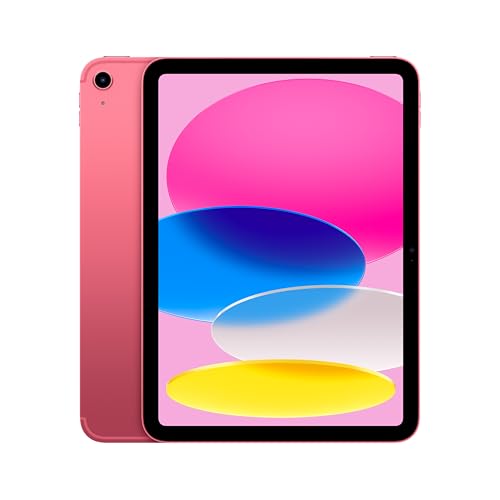
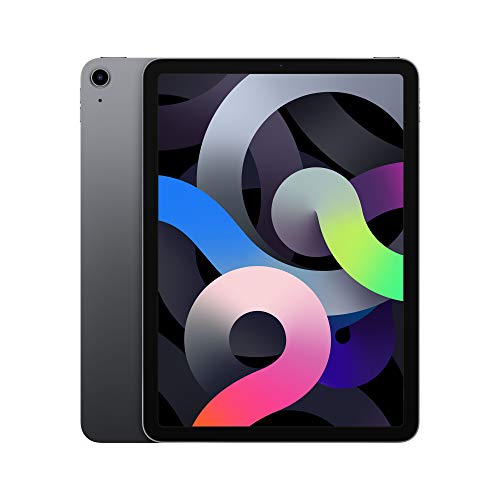
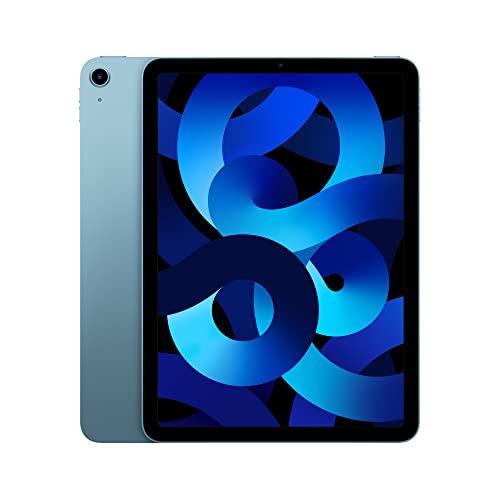
Apple iPad Air 2020 Cellular (4GB + 64GB) Review | 168 Data compared

Avg. price:~£710RAM capacity:4 GBInternal storage:64 GBScreen size:10.9 inchesChipset:Apple A14 Bionic

Apple iPad Air 2020 Cellular (4GB + 64GB) Review: Compare 168 technical specifications and user reviews to see how this product ranks in the Tablets category and whether it is worth buying.

Apple iPad Air 2020 Cellular (4GB + 64GB)
7.7/10

Overall score

Score
7.7/ 10
✕
What it is
An overall evaluation of the smartphone's quality, based on technical analyses and user reviews.
When it matters
When you need a quick reference to identify the best Tablets on the market.
Score distribution
â–¼
<55-66-77-88-99-10
Score components

90%

7.7

Technical score

10%

7.9

User score

â–²Better than 80% of tablets
7.4

Value for money

Value for money
7.4/ 10
✕
What it is
An indicator that combines the smartphone's overall rating with its cost.
When it matters
When you are looking for a smartphone with a good balance between quality and price.
Score distribution
â–¼
<55-66-77-88-99-10
Score components

70%

7.7

Overall score

30%

6.8

Price

â–²Better than 61%
7.7

Technical score

Technical score
7.7/ 10
✕
What it is
An assessment of the smartphone's technical performance, covering eight key areas: performance & hardware, software, camera, connectivity, display, battery, audio, and design.
When it matters
When you want to compare Tablets based on technical performance and available features.
Score distribution
â–¼
<55-66-77-88-99-10
Score components

22%

8.1

Performance

20%

6.8

Display

16%

8.3

Camera

14%

6.4

Battery

12%

8.2

Connectivity

8%

9.4

Software & Features

5%

7.2

Design

3%

5.7

Audio & Multimedia

â–²Better than 80%
7.9

User score

User score
7.9/ 10
✕
What it is
A rating that combines user reviews and the total number of reviews received by the smartphone
When it matters
When you want to know how a smartphone handles daily tasks and how reliable it remains over time according to user feedback.
Score distribution
â–¼
<55-66-77-88-99-10
Score components

70%

8.1

User ratings

30%

7.3

Number of reviews

Based on ratings from across the web.
â–¼Worse than 66%
  • apple-ipad-air-2020-4gb-64gb-cellular
  • apple-ipad-air-2020-4gb-64gb-cellular
  • apple-ipad-air-2020-4gb-64gb-cellular
  • apple-ipad-air-2020-4gb-64gb-cellular
  • apple-ipad-air-2020-4gb-64gb-cellular
  • apple-ipad-air-2020-4gb-64gb-cellular
apple-ipad-air-2020-4gb-64gb-cellular
Where to buy
*As an Amazon Associate, we earn from qualifying purchases.
Available versions:
Loading...
Loading category ranking...

Technical Specifications of tablet Apple iPad Air 2020 Cellular (4GB + 64GB)

Technical score
Technical score
7.7/ 10
✕
What it is
An assessment of the smartphone's technical performance, covering eight key areas: performance & hardware, software, camera, connectivity, display, battery, audio, and design.
When it matters
When you want to compare Tablets based on technical performance and available features.
Score distribution
â–¼
<55-66-77-88-99-10
Score components:

22%

8.1

Performance

20%

6.8

Display

16%

8.3

Camera

14%

6.4

Battery

12%

8.2

Connectivity

8%

9.4

Software & Features

5%

7.2

Design

3%

5.7

Audio & Multimedia

7.7
User score
User score
7.9/ 10
✕
What it is
A rating that combines user reviews and the total number of reviews received by the smartphone
When it matters
When you want to know how a smartphone handles daily tasks and how reliable it remains over time according to user feedback.
Score distribution
â–¼
<55-66-77-88-99-10
Score components

70%

8.1

User ratings

30%

7.3

Number of reviews

Based on ratings from across the web.
7.9
Popularity
Popularity
7.3/ 10
✕
What it is
An indicator based on the number of reviews received by the smartphone.
When it matters
When you prefer to purchase a product chosen and reviewed by many other consumers.
Score distribution
â–¼
<55-66-77-88-99-10
Popularity:
Apple iPad Air 2020 Cellular (4GB + 64GB) has a user popularity of 7.3 points, which is lower than 71.9% of Tablets.
7.3
Value for money
Value for money
7.4/ 10
✕
What it is
An indicator that combines the smartphone's overall rating with its cost.
When it matters
When you are looking for a smartphone with a good balance between quality and price.
Score distribution
â–¼
<55-66-77-88-99-10
Score components:

70%

7.7

Overall score

30%

6.8

Price

7.4
RAM capacity
4 GB
This tablet has a RAM capacity of 4 GB which is larger than the RAM capacity of 47.6% of tablets and equal to that of 17.6% of tablets.
Process node
5 nm
This tablet is built on a 5 nm process node, which is smaller than the node size used in 84.6% of tablets and equal to the node used in 3.6% of tablets.
Internal storage
64 GB
This tablet has an internal storage capacity of 64 GB which is larger than the storage of 39.5% of tablets and equal to that of 17.1% of tablets.
Geekbench 6 single-core benchmark score
2085 points
This tablet scored 2085 points in Geekbench 6 (single-core) which is higher than the score of 84% of tablets and equal to the score of 0.1% of tablets.
Chipset
Apple A14 Bionic
This tablet uses the Apple A14 Bionic chipset, which is more advanced than the chipsets in 90.2% of tablets and equal to those in 0.2% of tablets.
Show more
Screen resolution
2360×1640
This tablet has a screen resolution of 2360×1640 which is higher than that of 75.2% of tablets and equal to that of 1% of tablets.
Refresh rate
60 Hz
This tablet supports a refresh rate of 60 Hz which is equal to that in 73.8% of tablets.
Display type
IPS LCD
This tablet uses a IPS LCD display type. 17% of tablets use this display technology.
Pixel density
264 ppi
This tablet has a pixel density of 264 ppi which is higher than that of 71% of tablets and equal to that of 5.9% of tablets.
Display glass type
Aluminosilicate Glass
This tablet uses Aluminosilicate Glass display glass which is weaker than that on 58% of tablets and equal to that on 7% of tablets.
Show more
Optical image stabilization
no
This tablet does not support optical image stabilization. 0.4% of tablets include OIS.
Main camera megapixels
12 MP
This tablet has a main camera resolution of 12 MP which is higher than that of 69.3% of tablets and equal to that of 4.6% of tablets.
Front camera megapixels
7 MP
This tablet has a front camera resolution of 7 MP which is higher than in 68.5% of tablets and equal to that in 1.2% of tablets.
Main camera aperture
f/1.8
This tablet has a main camera aperture of f/1.8 which is wider than that of 85.9% of tablets and equal to that of 14.1% of tablets.
Optical zoom
1xxx
This tablet supports 1xx optical zoom which is higher than in 18.4% of tablets and equal to that in 80.7% of tablets.
Show more
Battery capacity
7,606 mAh
This tablet has a battery capacity of 7,606 mAh which is larger than the batteries in 65.8% of tablets and equal to those in 0.9% of tablets.
Charging speed
30 W
This tablet supports charging speeds of 30 W which is faster than in 71.2% of tablets and equal to speeds in 3.2% of tablets.
Battery life
10 hours
This tablet has a battery life of 10 hours, which is longer than that of 39.1% of tablets and equal to that of 20.5% of tablets.
video playback
Wireless charging
no
This tablet does not support wireless charging. 1.5% of tablets support wireless charging.
Fast charging
yes
This tablet supports fast charging. 50.4% of tablets support fast charging.
Show more
LTE support
yes
This tablet supports LTE. 36.8% of tablets include LTE connectivity.
Wi-Fi connectivity
yes
This tablet supports Wi-Fi connectivity. 0.2% of tablets offer Wi-Fi support.
GPS
yes
This tablet supports GPS. 17.3% of tablets include GPS functionality.
5G connectivity
no
This tablet does not support 5G connectivity. 11.1% of tablets support 5G.
NFC
no
This tablet does not support NFC. 10.9% of tablets support NFC.
Show more
Operating system
iPadOS
This tablet uses the iPadOS operating system, which is more advanced than the one used by 94.6%.
Update support duration
long
This tablet offers long update support, which is longer than the support period of 80% of tablets and equal to that of 20% of tablets.
Direct OS updates
yes
This tablet receives direct OS updates. 20.3% of tablets receive direct updates.
On-device AI
no
This tablet does not support on-device AI. 28.3% of tablets support this capability.
App tracking protection
yes
This tablet includes app tracking protection. 71.8% of tablets include app tracking protection.
Show more
IP rating
not rated
This tablet has an IP rating of not rated which is lower than that of 16.3% of tablets and equal to that of 83.7% of tablets.
Weight
460 g
This tablet weighs 460 g which is lighter than 62.3% of tablets and equal to the weight of 2.5% of tablets.
Backlit keyboard
yes
This tablet supports a backlit keyboard. 90.3% of tablets support backlit keyboards.
Keyboard accessory
yes
This tablet supports a keyboard accessory. 15.8% of tablets support this option.
Pen latency
9 ms
This tablet has a pen latency of 9 ms, which is lower than that of 43.3% of tablets and equal to that of 26.7% of tablets.
Show more
Number of microphones
2
This tablet includes 2 microphones, which is more than in 55.1% of tablets and equal to the number in 32.7% of tablets.
aptX Adaptive
no
This tablet does not support aptX Adaptive. 6.9% of tablets offer this codec.
Dolby Atmos support
yes
This tablet supports Dolby Atmos. 68.6% of tablets support Dolby Atmos.
N. of speakers
2
This tablet includes 2 speakers, which is more than in 9.8% of tablets and equal to the number in 60.9% of tablets.
FM radio
no
This tablet does not include an FM radio. 19% of tablets offer FM radio functionality.
Show more

Apple iPad Air 2020 Cellular (4GB + 64GB) vs the average tablet

246810TotalPerformanceDisplayCameraBatteryConnectivitySoftware & FeaturesDesignAudio & Multimedia
  • More capable chipset
    This tablet uses the Apple A14 Bionic chipset, while the average tablet uses MediaTek MT8169A.
    Apple A14 Bionic vs MediaTek MT8169A
  • Faster storage type
    This tablet uses NVMe storage, while the average tablet uses eMMC. Storage technology still varies widely across tablets.
    NVMe vs eMMC
  • Better GPU
    This tablet uses the Apple GPU (4-core graphics) GPU, while the average tablet uses Mali-G51. GPU choice is one of the main performance differences between tablets.
    Apple GPU (4-core graphics) vs Mali-G51
  • Better main-camera video
    This tablet supports better main-camera video recording than the average tablet (2160x60 fps vs 1080x30 fps). The average tablet supports 1080x30 fps main-camera video recording.
    2160x60 fps vs 1080x30 fps
  • More advanced operating system
    This tablet has a more advanced operating system than the average tablet (iPadOS vs Android). Operating system choice shapes app support, updates, and ecosystem features.
    iPadOS vs Android
  • 2.86x higher Geekbench 6 single-core benchmark score
    This tablet achieves a higher Geekbench 6 single-core benchmark score than the average tablet (2085 points vs 729 points). The average tablet scores 729 points in Geekbench 6 single-core.
    2,085 points vs 729 points
  • 2.53x higher Geekbench 6 multi-core benchmark score
    This tablet achieves a higher Geekbench 6 multi-core benchmark score than the average tablet (4,779 points vs 1,891 points). The average tablet scores 1,891 points in Geekbench 6 multi-core.
    4,779 points vs 1,891 points
  • Wider main camera aperture
    This tablet has a better main camera aperture than the average tablet (f/1.8 vs f/2.2). The average tablet uses f/2.2 main camera aperture.
    f/1.8 vs f/2.2
  • More capable chipset
    This tablet uses the Apple A14 Bionic chipset, while the average tablet uses MediaTek MT8169A.
    Apple A14 Bionic vs MediaTek MT8169A
  • Faster storage type
    This tablet uses NVMe storage, while the average tablet uses eMMC. Storage technology still varies widely across tablets.
    NVMe vs eMMC
  • Better GPU
    This tablet uses the Apple GPU (4-core graphics) GPU, while the average tablet uses Mali-G51. GPU choice is one of the main performance differences between tablets.
    Apple GPU (4-core graphics) vs Mali-G51
  • 2.86x higher Geekbench 6 single-core benchmark score
    This tablet achieves a higher Geekbench 6 single-core benchmark score than the average tablet (2085 points vs 729 points). The average tablet scores 729 points in Geekbench 6 single-core.
    2,085 points vs 729 points
  • 2.53x higher Geekbench 6 multi-core benchmark score
    This tablet achieves a higher Geekbench 6 multi-core benchmark score than the average tablet (4,779 points vs 1,891 points). The average tablet scores 1,891 points in Geekbench 6 multi-core.
    4,779 points vs 1,891 points
  • 2,400 MHz faster RAM speed
    This tablet has a higher RAM speed than the average tablet (4,266 MHz vs 1,866 MHz). The average tablet has RAM speed of 1,866 MHz.
    4,266 MHz vs 1,866 MHz
  • 64.3% smaller process node
    This tablet uses a smaller process node than the average tablet (5 nm vs 14 nm). The average tablet uses a process node of 14 nm.
    5 nm vs 14 nm
  • 2.29x higher memory bandwidth
    This tablet has a higher memory bandwidth than the average tablet (34.1 GB/s vs 14.9 GB/s). The average tablet has memory bandwidth of 14.9 GB/s.
    34.1 GB/s vs 14.9 GB/s
  • Newer DDR memory version
    This tablet supports a newer DDR version than the average tablet (LPDDR4X vs LPDDR3). The average DDR version is LPDDR3.
    LPDDR4X vs LPDDR3
  • Includes neural engine
    This tablet includes a neural engine, the average tablet does not. 25.7% of tablets include a neural engine.
  • 100 nits higher typical brightness
    This tablet has a higher typical brightness than the average tablet (500 nits vs 400 nits). The average tablet reaches 400 nits typical brightness.
    500 nits vs 400 nits
  • Wider color gamut
    This tablet supports a wider color gamut than the average tablet (DCI-P3 vs sRGB). The average tablet covers sRGB color gamut.
    Wide color P3 support reported.
    DCI-P3 vs sRGB
  • Higher screen resolution
    This tablet has a higher screen resolution than the average tablet (2360×1640 vs 1920×1200). The average tablet resolution is 1920×1200.
    2360×1640 vs 1920×1200
  • Includes anti-reflection coating
    This tablet has anti-reflection coating, the average tablet does not. 24.7% of tablets use anti-reflection coating.
  • 99 nits higher peak brightness
    This tablet has a higher peak brightness than the average tablet (500 nits vs 401 nits). The average tablet reaches 401 nits peak brightness.
    500 nits vs 401 nits
  • 0.8 inches larger screen size
    This tablet has a higher screen size than the average tablet (10.9 inches vs 10.1 inches). The average tablet has screen size of 10.1 inches.
    10.9 inches vs 10.1 inches
  • 17.9% higher pixel density
    This tablet has a higher pixel density than the average tablet (264 ppi vs 224 ppi). The average tablet has pixel density of 224 ppi.
    264 ppi vs 224 ppi
  • Supports HDR10 support
    This tablet supports HDR10, the average tablet does not. 21.8% of tablets are HDR10 compatible.
  • 43 ppi higher screen sharpness
    This tablet has a higher screen sharpness than the average tablet (264 ppi vs 221 ppi). The average tablet has screen sharpness of 221 ppi.
    264 ppi vs 221 ppi
  • Higher contrast ratio
    This tablet has a higher contrast ratio than the average tablet (1300:1 vs 1015:1). The average tablet contrast ratio is 1015:1.
    1,300:1 vs 1,015:1
  • Better main-camera video
    This tablet supports better main-camera video recording than the average tablet (2160x60 fps vs 1080x30 fps). The average tablet supports 1080x30 fps main-camera video recording.
    2160x60 fps vs 1080x30 fps
  • Wider main camera aperture
    This tablet has a better main camera aperture than the average tablet (f/1.8 vs f/2.2). The average tablet uses f/2.2 main camera aperture.
    f/1.8 vs f/2.2
  • Supports PDAF
    This tablet supports PDAF, the average tablet does not. 28.1% of tablets support PDAF.
  • 4 MP higher main camera megapixels
    This tablet has a higher main camera resolution than the average tablet (12 MP vs 8 MP). The average tablet main camera has 8 MP megapixels.
    12 MP vs 8 MP
  • 2 MP higher front camera megapixels
    This tablet has more front camera megapixels than the average tablet (7 MP vs 5 MP). The average tablet has 5 MP front camera resolution.
    7 MP vs 5 MP
  • Supports slow-motion recording
    This tablet supports slow-motion recording, the average tablet does not. 37.5% of tablets offer slow-mo.
  • Supports fast charging
    This tablet supports fast charging, the average tablet does not. 49.7% of tablets feature fast charging.
  • 66.7% faster charging speed
    This tablet supports faster charging than the average tablet (30 W vs 18 W). The average tablet supports charging speed of 18 W.
    30 W vs 18 W
  • 15.6% larger battery capacity
    This tablet has a higher battery capacity than the average tablet (7,606 mAh vs 6,580 mAh). The average tablet battery has capacity of 6,580 mAh.
    7,606 mAh vs 6,580 mAh
  • Supports DisplayPort over USB-C
    This tablet supports DisplayPort over USB-C, the average tablet does not. 21.5% of tablets support DisplayPort over USB-C.
  • Supports eSIM
    This tablet supports eSIM, the average tablet does not. 11.5% of tablets support eSIM.
  • Newer Wi-Fi version
    This tablet supports a newer Wi-Fi version than the average tablet (Wi-Fi 6 (802.11ax) vs Wi-Fi 5 (802.11ac)). The average tablet uses Wi-Fi Wi-Fi 5 (802.11ac).
    Wi-Fi 6 (802.11ax) vs Wi-Fi 5 (802.11ac)
  • Newer USB version
    This tablet supports a newer USB version than the average tablet (USB 3.2 Gen 1 vs USB 2). The average tablet uses USB USB 2.0.
    USB 3.2 Gen 1 vs USB 2.0
  • Supports AirPlay
    This tablet supports AirPlay, the average tablet does not. 7.6% of tablets are AirPlay compatible.
    AirPlay mirroring and streaming to Apple TV
  • Includes fingerprint scanner
    This tablet offers a better fingerprint scanner setup than the average tablet (yes vs no). Fingerprint scanner quality still varies a lot between tablets.
    Fingerprint scanner in the top button.
  • More advanced operating system
    This tablet has a more advanced operating system than the average tablet (iPadOS vs Android). Operating system choice shapes app support, updates, and ecosystem features.
    iPadOS vs Android
  • Longer update support
    This tablet offers longer update support than the average tablet (long vs medium). The average tablet gets medium of update support.
    long vs medium
  • Supports live text recognition
    This tablet supports live text recognition, the average tablet does not. 34.9% of tablets can recognize text from images.
  • Includes app tracking protection
    This tablet includes app tracking protection, the average tablet does not. 28.3% of tablets offer app tracking protection.
  • Allows app offloading
    This tablet allows app offloading, the average tablet does not. 26.4% of tablets support app offloading.
  • Supports extra dim mode
    This tablet features extra dim mode, the average tablet does not. 35.4% of tablets support extra diming.
    Reduce White Point accessibility dimming
  • Includes clipboard warnings
    This tablet has clipboard warnings, the average tablet does not. 39.9% of tablets include clipboard warnings.
  • Suitable for drawing
    This tablet is suitable for drawing, the average tablet is not. 41% of tablets are suitable for drawing.
  • 1.9 mm thinner
    This tablet is thinner than the average tablet (6.1 mm vs 8 mm). The average tablet is 8.0 mm thick.
    6.1 mm vs 8.0 mm
  • Includes backlit keyboard
    This tablet has a backlit keyboard, the average tablet does not. 9.8% of tablets offer a backlit keyboard.
  • Supports stylus tilt
    This tablet supports stylus tilt, the average tablet does not. 33.6% of tablets support stylus tilt.
  • 6.1% lighter
    This tablet is lighter than the average tablet (460 g vs 490 g). The average tablet weighs 490 g.
    460 g vs 490 g
  • Supports Dolby Atmos
    This tablet supports Dolby Atmos, the average tablet does not. 31.5% of tablets support Dolby Atmos.
  • 1 more microphone/s
    This tablet has more microphones than the average tablet (2 vs 1). The average tablet has 1 microphones.
    2 vs 1
  • No manual white balance
    This tablet does not allow manual white balance adjustments, the average tablet does. 51.6% of tablets include white balance controls.
  • No 3.5 mm headphone jack
    This tablet does not have a 3.5 mm headphone jack, the average tablet does. 72.9% of tablets include a headphone jack.
  • No multi-user mode
    User score
    7.9/ 10
    ✕
    What it is
    A rating that combines user reviews and the total number of reviews received by the smartphone
    When it matters
    When you want to know how a smartphone handles daily tasks and how reliable it remains over time according to user feedback.
    Score distribution
    ▼▼
    <55-66-77-88-99-10
    Apple iPad Air 2020 Cellular
    the average tablet
    Apple iPad Air 2020 Cellular (4GB + 64GB) does not support multi-user mode, the average tablet does. 73.6% of tablets allow multiple user profiles.
  • Less durable display glass
    This tablet uses weaker display glass than the average tablet (Aluminosilicate Glass vs Corning Gorilla Glass). Display glass choice still varies across tablets.
    Aluminosilicate Glass vs Corning Gorilla Glass
  • No face recognition
    This tablet does not have face recognition, the average tablet does. 56% of tablets support face recognition.
  • 2.73x more expensive
    Apple iPad Air 2020 Cellular (4GB + 64GB) is more expensive than the average tablet (£710 vs £260).
    £710 vs £260
  • 2 points lower iFixit repairability score
    This tablet has a lower repairability score than the average tablet (2 points vs 4 points). The average tablet repairability score is 4 points.
    2 points vs 4 points
  • 47.6 mm taller
    This tablet is taller than the average tablet (247.6 mm vs 200 mm). The average tablet is 200.0 mm tall.
    247.6 mm vs 200.0 mm
  • 2.73x more expensive
    Apple iPad Air 2020 Cellular (4GB + 64GB) is more expensive than the average tablet (£710 vs £260).
    £710 vs £260
  • Less durable display glass
    This tablet uses weaker display glass than the average tablet (Aluminosilicate Glass vs Corning Gorilla Glass). Display glass choice still varies across tablets.
    Aluminosilicate Glass vs Corning Gorilla Glass
  • No manual white balance
    This tablet does not allow manual white balance adjustments, the average tablet does. 51.6% of tablets include white balance controls.
  • No face recognition
    This tablet does not have face recognition, the average tablet does. 56% of tablets support face recognition.
  • No multi-user mode
    User score
    7.9/ 10
    ✕
    What it is
    A rating that combines user reviews and the total number of reviews received by the smartphone
    When it matters
    When you want to know how a smartphone handles daily tasks and how reliable it remains over time according to user feedback.
    Score distribution
    ▼▼
    <55-66-77-88-99-10
    Apple iPad Air 2020 Cellular
    the average tablet
    Apple iPad Air 2020 Cellular (4GB + 64GB) does not support multi-user mode, the average tablet does. 73.6% of tablets allow multiple user profiles.
  • 2 points lower iFixit repairability score
    This tablet has a lower repairability score than the average tablet (2 points vs 4 points). The average tablet repairability score is 4 points.
    2 points vs 4 points
  • 47.6 mm taller
    This tablet is taller than the average tablet (247.6 mm vs 200 mm). The average tablet is 200.0 mm tall.
    247.6 mm vs 200.0 mm
  • No 3.5 mm headphone jack
    This tablet does not have a 3.5 mm headphone jack, the average tablet does. 72.9% of tablets include a headphone jack.

Video reviews

Hands-on testing, unboxing, and real-world video evaluations

9.0
6 Months Later
≈ estimated
28/05/2021
Long-term review · six months of use
Verdict
Apple iPad Air 2020 Cellular is recommended for casual computing, gaming, media and creative use, but is not a full Mac replacement.
9.0
Hardware Canucks
≈ estimated
09/12/2020
Hands-on review · photo, video editing and battery life
Verdict
Apple iPad Air 2020 Cellular handles about 90 percent of computer tasks, but won't replace a laptop or desktop.
9.0
6 Months Later
≈ estimated
27/11/2020
Long-term test · one month of daily use
Verdict
Apple iPad Air 2020 Cellular is a capable, versatile tablet, but not a full computer replacement for demanding work.
7.0
Linus Tech Tips
≈ estimated
07/11/2020
Hands-on review · laptop use and benchmarks
Verdict
Apple iPad Air 2020 Cellular works as a laptop only for enthusiasts willing to work around iPadOS limits.
9.0
zollotech
≈ estimated
06/11/2020
Daily use review · about two weeks of everyday use
Verdict
Apple iPad Air 2020 Cellular is highly recommended for most buyers, unless you need a LiDAR sensor or the larger display.
9.0
Brandon Butch
≈ estimated
25/10/2020
Unboxing and first impressions · Geekbench and gaming tests
Verdict
Apple iPad Air 2020 Cellular offers good value at this price; gaming is good but better on the Pro model.
9.0
Byte Review
≈ estimated
21/10/2020
Hands-on review · a week of use, design and performance
Verdict
Apple iPad Air 2020 Cellular is an upgrade in every way and worth the higher price, if 64 GB of storage is enough.
9.0
Engadget
≈ estimated
21/10/2020
Hands-on review · battery, performance and Pencil tests
Verdict
Apple iPad Air 2020 Cellular is a good tablet for almost everyone, though iPadOS still falls short of a laptop replacement.
9.5
Nikias Molina
≈ estimated
28/10/2020
Hands-on review · daily use, performance and accessories
Verdict
Apple iPad Air 2020 Cellular is strongly recommended as the best 2020 iPad, with the lower refresh rate as its main gap.
9.0
The Verge
≈ estimated
21/10/2020
Hands-on review · speed, design and battery life
Verdict
Apple iPad Air 2020 Cellular is recommended for almost anyone who can afford it, with a few small quirks.
Not graded yet
Not graded yet

Expert reviews

In-depth analysis and verdict from leading tech publications

theguardian.com
26/10/2020
Full review · Laptop replacement test
Verdict
The iPad Air is a fast, long-lasting tablet that gives most buyers nearly the iPad Pro experience, minus the 120Hz screen and Face ID.
uk.pcmag.com
27/10/2020
Lab test · Benchmarks and battery
Verdict
The iPad Air is a fast tablet with a strong front camera, worth the step up from the base iPad, though battery life and multitasking hold it back.
t3.com
22/09/2021
Full review · Design and value
Verdict
The iPad Air is a stylish, very fast tablet with a good screen and strong Pencil support, but its higher price and lack of 120Hz hold it back.
whathifi.com
04/10/2021
Full review · Sound and picture
Verdict
The iPad Air is a strong all-rounder for most people, with a sharp picture, punchy stereo sound and enough power that you can skip the iPad Pro.
engadget.com
21/10/2020
Week-long test · Everyday use
Verdict
The iPad Air is fast and nearly as capable as the iPad Pro, missing only its 120Hz screen and Face ID, so it's the better buy for now.
pcmag.com
27/10/2020
Lab test · Speed and video calls
Verdict
The iPad Air is a fast tablet with a strong front camera, worth the step up from the base iPad, though battery life and multitasking hold it back.
wired.com
03/12/2020
Hands-on review · Work and video calls
Verdict
The iPad Air is a fast, long-lasting tablet that works nearly like the Pro, but video calls and project management are still frustrating.
techradar.com
07/06/2021
Full review · Pro-style design
Verdict
The iPad Air 4 is a polished, colorful tablet that takes much of the Pro's design and power for less, minus the 120Hz screen.
appleinsider.com
04/11/2020
Full review · Everyday speed
Verdict
The iPad Air 4 is a well-rounded tablet that feels like the fastest iPad yet, though Touch ID is clunkier than Face ID and games run at slightly lower settings.
tomsguide.com
13/12/2022
Full review · Best for most
Verdict
The iPad Air 4 is one of Apple's best iPads, with a fast chip, sharp screen and Pro accessory support, though it lacks Face ID.
techadvisor.com
10/11/2020
Full review · Pro alternative
Verdict
The iPad Air 2020 is a capable tablet that delivers most of the iPad Pro's abilities for less, minus ProMotion and Face ID.
stuff.tv
22/10/2020
Full review · Pro-style update
Verdict
The iPad Air 4 is a big step up in design and power, with Pro-style looks and accessories, but portrait audio and no ProMotion hold it back.
P
pickr.com.au
22/10/2020
Summary of the review
W
whistleout.com.au
17/12/2020
Summary of the review
C
creativebloq.com
19/01/2022
Summary of the review
E
express.co.uk
25/10/2020
Summary of the review
E
expertreviews.co.uk
06/11/2020
Summary of the review
T
test.de
04/12/2020
Summary of the review
C
computerbild.de
30/10/2020
Summary of the review
netzwelt.de
21/10/2020
Hands-on test · Pro alternative
Verdict
The iPad Air 2020 is nearly a Pro, with Pro-style design and accessories, but it lacks ProMotion and Face ID and has a weaker front camera.

Third-party reviews

Based on ratings from across the web.
Reviews last updated: November 2026 · How we calculate this

What customers like about Apple iPad Air 2020 Cellular (4GB + 64GB)

  • Modern all-screen design similar to the iPad Pro with slim bezels
  • Excellent performance from the A14 Bionic chip, capable of heavy multitasking
  • Universal USB-C port for easier charging and peripheral connectivity
  • High-quality 10.9-inch Liquid Retina display with anti-reflective coating
  • Compatible with premium accessories like Apple Pencil 2 and Magic Keyboard
  • Reliable Touch ID integrated into the top power button
  • Great landscape stereo speakers for immersive audio
  • Cellular model provides high-speed LTE/4G connectivity for on-the-go access

What customers don't like about Apple iPad Air 2020 Cellular (4GB + 64GB)

  • Base model starts at only 64GB of storage, which users find limiting
  • Lacks the 120Hz ProMotion display found on Pro models
  • No Face ID support; uses Touch ID only
  • Front-facing camera is awkwardly positioned on the short edge for landscape video calls
  • Battery life can be unimpressive under heavy use compared to rivals
  • Adding necessary accessories (Pencil, Keyboard) significantly increases the total cost
  • Missing a 3.5mm headphone jack

Verdict

The 2020 Apple iPad Air (4th Generation) is a versatile tablet featuring a 10.9-inch Liquid Retina display with 2360 x 1640 resolution, 500 nits of brightness, and full lamination. Powered by the 5nm A14 Bionic chip with 4GB of RAM, this cellular-equipped model supports Gigabit-class LTE and Wi-Fi 6 for reliable on-the-go connectivity. Its modern, edge-to-edge design includes a Touch ID sensor integrated into the top power button, a USB-C port for expanded peripheral support, and compatibility with the 2nd Gen Apple Pencil and Magic Keyboard. Main pros include its Pro-like performance, high-quality stereo speakers, and sleek lightweight build. However, notable cons include the limited 64GB base storage with no room for expansion, the lack of a 120Hz ProMotion high-refresh-rate display, and the absence of Face ID.

Compare Apple iPad Air 2020 Cellular (4GB + 64GB) with other tablets

1Product to compare no. 1
VS
2Product to compare no. 2
VS
3Product to compare no. 3 (optional)

Graphic comparison of Apple iPad Air 2020 Cellular (4GB + 64GB) and other tablets

No results found