Huawei P10 Plus (4GB + 64GB) review. Compare 197 technical specifications and user reviews to see how this product ranks in the Smartphones category and whether it is worth buying.
Overall score
What it is: An overall evaluation of the smartphone's quality, based on technical analyses and user reviews.
When it matters: When you need a quick reference to identify the best smartphones on the market.
Score components:
90.0%
Technical Score
10.0%
User score
Technical Score
What it is: An assessment of the smartphone's technical performance, covering eight key areas: performance & hardware, software, camera, connectivity, display, battery, audio, and design.
When it matters: When you want to compare smartphones based on technical performance and available features.
Score components:
25.0%
Performance & Hardware
18.0%
Camera
15.0%
Display
15.0%
Battery
10.0%
Software
10.0%
Connectivity
4.0%
Audio
3.0%
Design
User score
What it is: A rating that combines user reviews and the total number of reviews received by the smartphone
When it matters: When you want to know how a smartphone handles daily tasks and how reliable it remains over time according to user feedback.
Score components:
70.0%
User reviews
30.0%
Popularity





Available: ranking among products currently available (including other versions of this product).
All: ranking among all products in the database.
#35 in Best Huawei Phones
#98 in Best Compact Smartphones
#189 in Best Camera Smartphones
#760 in Best Chinese Smartphones
#988 in Best NFC Smartphones
#1081 in Best Android Smartphones
#1126 in Best AI Smartphones
#1132 in Best Smartphones
What it is: An assessment of the smartphone's technical performance, covering eight key areas: performance & hardware, software, camera, connectivity, display, battery, audio, and design.
When it matters: When you want to compare smartphones based on technical performance and available features.
Score components:
25.0%
Performance & Hardware
18.0%
Camera
15.0%
Display
15.0%
Battery
10.0%
Software
10.0%
Connectivity
4.0%
Audio
3.0%
Design
What it is: A rating that combines user reviews and the total number of reviews received by the smartphone
When it matters: When you want to know how a smartphone handles daily tasks and how reliable it remains over time according to user feedback.
Score components:
70.0%
User reviews
30.0%
Popularity
What it is: An indicator that combines the smartphone's overall rating with its cost.
When it matters: When you are looking for a smartphone with a good balance between quality and price.
Score components:
60.0%
Overall score
40.0%
Price
Importance: LOW
Importance: HIGH
Importance: HIGH
Good value: >12 GB
Importance: MEDIUM
Good value: >256 GB
Importance: MEDIUM
Good value: >3.2 GHz
Importance: LOW
Importance: MEDIUM
Good value: >1500
Importance: LOW
Good value: >4000
Importance: LOW
Good value: 8+
Importance: LOW
Importance: LOW
Good value: >950 MHz
Importance: LOW
Good value: >700
Importance: LOW
Good value: >1000
Importance: LOW
Good value: >2500
Importance: MEDIUM
Good value: >6000
Importance: LOW
Good value: >8000
Importance: MEDIUM
Good value: >12000
Importance: LOW
Good value: >5000
Importance: LOW
Good value: >1800
Importance: LOW
Good value: >3200 MHz
Importance: LOW
Good value: 5
Importance: LOW
Good value: > 50 GB/s
Importance: LOW
Good value: 4
Importance: LOW
Good value: >16 GB
Importance: MEDIUM
Good value: <6 nm
Importance: MEDIUM
Good value: >9 W
Importance: LOW
Importance: LOW
Good value: >8192 KB
Importance: LOW
Good value: >2048 KB
Importance: LOW
Good value: >512 KB
Importance: LOW
Good value: >100000 million
Importance: LOW
Good value: 3.3
Importance: LOW
Good value: 3.2
Importance: LOW
Good value: 2.0/3.0
Importance: LOW
Importance: LOW
Importance: LOW
Importance: MEDIUM
Importance: LOW
Importance: LOW
Importance: LOW
Importance: LOW
Importance: LOW
Importance: LOW
Importance: LOW
Importance: LOW
Importance: LOW
Importance: LOW
Importance: LOW
Importance: LOW
Importance: LOW
Importance: LOW
Importance: LOW
Importance: LOW
Importance: LOW
Importance: LOW
Importance: LOW
Importance: LOW
Importance: LOW
Importance: LOW
Importance: LOW
Importance: LOW
Importance: LOW
Importance: LOW
Importance: LOW
Importance: LOW
Importance: LOW
Importance: LOW
Importance: LOW
Importance: LOW
Importance: LOW
Importance: MEDIUM
Good value: >50 MP
Importance: MEDIUM
Importance: HIGH
Good value: >60
Importance: LOW
Good value: ≥1.2 µm
Importance: MEDIUM
Good value: >2.5x
Importance: MEDIUM
Importance: LOW
Importance: LOW
Importance: LOW
Importance: LOW
Good value: ≥2
Importance: LOW
Importance: LOW
Importance: LOW
Importance: LOW
Good value: >16 MP
Importance: LOW
Importance: LOW
Importance: LOW
Importance: LOW
Importance: MEDIUM
Importance: LOW
Importance: LOW
Importance: LOW
Importance: LOW
Importance: LOW
Importance: LOW
Importance: LOW
Importance: LOW
Importance: LOW
Importance: LOW
Importance: LOW
Importance: LOW
Importance: LOW
Importance: LOW
Importance: LOW
Importance: LOW
Importance: LOW
Importance: LOW
Importance: LOW
Importance: LOW
Importance: LOW
Good value: >130
Importance: LOW
Good value: >120
Importance: LOW
Good value: ≥2
Importance: LOW
Importance: LOW
Importance: LOW
Importance: LOW
Importance: LOW
Importance: LOW
Good value: >5.2
Importance: LOW
Importance: LOW
Importance: LOW
Importance: LOW
Good value: 3.1/3.2
Importance: LOW
Importance: LOW
Importance: LOW
Good value: ≥2
Importance: LOW
Importance: LOW
Importance: LOW
Importance: LOW
Importance: LOW
Importance: LOW
Importance: LOW
Importance: LOW
Importance: LOW
Importance: LOW
Importance: LOW
Importance: LOW
Importance: LOW
Importance: LOW
Importance: LOW
Importance: LOW
Good value: ≥6.6 inches
Importance: MEDIUM
Importance: LOW
Good value: >400 ppi
Importance: MEDIUM
Importance: MEDIUM
Good value: ≥120 Hz
Importance: LOW
Importance: LOW
Good value: >300 Hz
Importance: LOW
Good value: >800 nits
Importance: LOW
Good value: >1300 nits
Importance: LOW
Good value: >1000 nits
Importance: LOW
Importance: LOW
Importance: LOW
Importance: LOW
Importance: LOW
Importance: LOW
Importance: LOW
Importance: LOW
Importance: HIGH
Good value: >5000 mAh
Importance: MEDIUM
Good value: >60 W
Importance: LOW
Importance: LOW
Good value: <45 min
Importance: LOW
Importance: LOW
Good value: >40 W
Importance: LOW
Importance: LOW
Good value: >10 W
Importance: LOW
Importance: LOW
Importance: MEDIUM
Importance: LOW
Good value: >800
Importance: LOW
Importance: LOW
Importance: LOW
Importance: LOW
Importance: LOW
Good value: ≥3
Importance: LOW
Importance: LOW
Importance: LOW
Importance: LOW
Importance: LOW
Importance: LOW
Importance: LOW
Good value: <162 mm
Importance: LOW
Good value: <75 mm
Importance: LOW
Good value: <8 mm
Importance: LOW
Good value: <190 g
Importance: LOW
Good value: <98cm³
Importance: LOW
Importance: LOW
Importance: LOW
Importance: LOW
Importance: LOW
Importance: LOW
Good value: ≥1.5 m
Importance: LOW
Importance: LOW
Good value: >8
Importance: LOW
Importance: LOW
Importance: MEDIUM
Importance: MEDIUM
Good value: >2.5x
Importance: LOW
Good value: ≥1.2 µm
Importance: LOW
Good value: >400 ppi
Importance: MEDIUM
Importance: LOW
Importance: LOW
Importance: LOW
Importance: HIGH
Importance: MEDIUM
Importance: MEDIUM
Good value: ≥120 Hz
Importance: MEDIUM
Good value: >256 GB
Importance: LOW
Importance: MEDIUM
Importance: LOW
Good value: ≥6.6 inches
Importance: HIGH
Good value: >12 GB
(Reviews last updated: August 2026)
(Reviews last updated: August 2026)
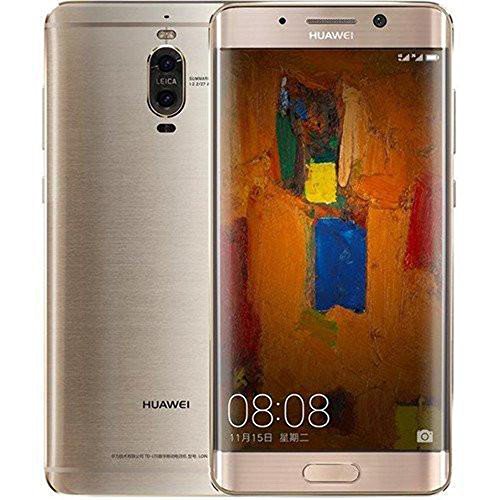
The Huawei P10 Plus is characterized as a premium, well-built smartphone featuring a sharp 5.5-inch QHD display, a responsive Kirin 960 processor, and a capable Leica-branded dual-camera system. However, the device is considered overpriced compared to rivals and lacks an oleophobic coating on the screen, causing it to become quickly covered in fingerprints. While the Leica camera offers good detail and low-light performance, it falls slightly short of the standard set by the Google Pixel. Furthermore, the handset lacks modern flagship features such as waterproofing and wireless charging. Ultimately, the P10 Plus offers solid performance but faces tough competition, as its battery life is disappointing and its high price point makes it difficult to recommend over superior alternatives.
The Huawei P10 and P10 Plus are highlighted as the world's first "4.5G" smartphones, featuring quad-antenna designs capable of theoretical 1Gbit/s download speeds, though this feature lacks immediate utility due to a lack of network support. Pros include the powerful Kirin 960 processor for smooth performance, while a significant con is that the 4.5G capabilities are not immediately supported by UK networks. The devices boast a Leica Dual Camera 2.0 system with a 20MP monochrome/12MP RGB setup, with the Plus model offering a superior f/1.8 aperture for better low-light photography. Additional pros include a front-facing fingerprint sensor that doubles as a gesture-based navigation button, freeing up screen space. However, a notable con is the absence of a dedicated audio DAC on the standard P10, which may disappoint some users. The EMUI 5.1 software, while improved, is still considered a con for users preferring a stock Android experience. IT Pro
The Huawei P10 Plus is described as a high-performance flagship featuring a Kirin 960 processor, 6GB of RAM, and 128GB of expandable storage, with a design inspired by the iPhone 7 and a fast fingerprint sensor. Its dual-sensor Leica camera system includes a 20MP monochrome and a 12MP RGB sensor with a wide f/1.8 aperture for detailed and vibrant photos, although night photography may require a steady hand or manual mode. Cons include the lack of waterproofing, disappointing battery performance despite fast charging, and EMUI 5.1 software being cluttered with bloatware, while the display is noted as lacking vibrancy compared to AMOLED screens and being a "fingerprint magnet".
The Financial Post review highlights the Huawei P10 Plus as a premium flagship phone featuring a sleek design, a 5.5-inch QHD display, and a Leica-branded dual camera system that offers excellent detail and low-light performance. Key advantages include generous storage and RAM, fast charging, and an attractive metal build with accent features. However, the review notes significant drawbacks such as the lack of an oleophobic screen coating resulting in excessive fingerprint smudging, the entire body attracting fingerprints easily, the need for manual software optimization, and slow security updates.
In a 2017 review, the Huawei P10 Plus was recognized as a high-end flagship notable for its premium aluminum design, a vibrant 5.5-inch QHD display, and performance driven by the Kirin 960 processor and 6GB of RAM. A key feature highlighted was the Leica-branded dual-camera system with wider f/1.8 aperture lenses and a front-facing fingerprint sensor that also served as a gesture navigation tool. However, the device was criticized for lacking an oleophobic screen coating and IP68 water resistance, and the EMUI 5.1 software was noted for less appealing default themes and bloatware compared to stock Android.
According to a PCMag UK review, the Huawei P10 Plus is presented as a significantly upgraded version of the standard P10, featuring a larger 5.5-inch Quad HD display, a premium metal design, and a responsive fingerprint sensor that doubles as a navigation key. It excels in performance with a Kirin 960 processor and 6GB of RAM, and its Leica dual camera system is noted for superior low-light capability and detail. However, the review highlights drawbacks including a high price, a screen prone to fingerprints, battery life that doesn't offer a significant boost over the base model despite the higher resolution screen, and a lack of full water and dust resistance.
The Huawei P10 Plus is described as a refined flagship with a superior 5.5-inch Quad HD display and a more powerful Leica Summilux camera setup, offering "lightning-fast" performance from its Kirin 960 chipset, 6GB of RAM, and 128GB of storage. While the EMUI 5.1 interface is praised as an improvement, the phone lacks wireless charging and proper waterproofing (only IPX3 splash-proof), and the screen's absence of an oleophobic coating makes it prone to smudges. Despite being a "solid smartphone" with pros like a fast fingerprint sensor, IR blaster, and a 3750mAh battery, its value is questioned against competitors due to its high price and inconsistent low-light camera results. You can find the full review at Tech Advisor.
The Huawei P10 Plus features a 5.5-inch Quad HD display and a Leica-branded dual camera system, offering 6GB of RAM and 128GB of storage. However, the device lacks an oleophobic screen coating, water resistance, and wireless charging, while its 3,750mAh battery provides only average life. Despite being a competent phone, its high price diminishes its value compared to competitors offering superior screens or additional features.
The Huawei P10 Plus is considered a complete, high-performance flagship with a premium metal design, featuring a sharp 5.5-inch QHD display and a reliable 3750mAh battery. Key advantages include the powerful Kirin 960 chipset with 6GB of RAM and the Leica-branded dual camera system, which offers excellent low-light performance and a dedicated monochrome mode. However, the device is criticized for a missing oleophobic screen coating that causes heavy fingerprint smudging, an iPhone-like design, and an aggressive portrait beauty mode.
Trusted Reviews describes the Huawei P10 Plus as a significant step up from the standard P10, featuring a sharper Quad HD display, a premium Leica dual-camera system, and intuitive gesture controls. It boasts strong performance with the Kirin 960 processor and 6GB of RAM, and offers a generous 128GB of storage. However, the review notes drawbacks including the lack of an oleophobic screen coating and waterproofing, which were standard features on competing flagships at the time.
The Huawei Pura 70 Ultra is characterized as a "camera powerhouse" featuring a 1-inch main sensor, a unique retractable lens, and a 6.8-inch OLED display, yet it faces significant hurdles with a high €1,499 price tag. Pros include elite daylight photography, fast charging, and durable, bright display technology, while cons center on the lack of native Google Mobile Services (GMS) and the absence of 5G support. The review concludes that the device, powered by a Kirin 9010 chipset, is an engineering feat that remains difficult to recommend over competitors for most users.
The Huawei P10 Plus is characterized as a "power-packed" flagship featuring a 5.5-inch Quad HD display, a premium metal body, and an fast, versatile fingerprint sensor. While performance is driven by the robust Kirin 960 processor and 6GB of RAM, the device lacks an oleophobic coating, making it a "fingerprint magnet". Performance is highlighted by the Kirin 960 chip, 128GB of storage, and 3,750 mAh battery with fast SuperCharge capabilities. However, the device can run hot during intensive tasks and lacks water and dust resistance, a standard feature in many competitors. The Leica-branded dual camera system (20MP monochrome/12MP RGB) offers strong low-light performance and, while 4K video is detailed, it suffers from poor stabilization at that resolution. Despite these drawbacks, the P10 Plus offers a versatile photography experience, including bokeh effects.
The Huawei P10 Plus is identified as a premium 2017 flagship featuring a 5.5-inch Quad HD display, a 7mm-thin metal chassis, and a durable "Hyper Diamond-Cut" finish. It delivers high-end performance via the Kirin 960 chipset, up to 6GB of RAM, and 128GB of storage. Key pros include the robust hardware performance and a refined, stylish design. The device highlights the Leica Dual Camera 2.0 Pro Edition with f/1.8 lenses, enhancing low-light photography and enabling a specialized Portrait Mode. A 20MP monochrome sensor delivers detailed black-and-white images. However, the camera software is noted for occasional over-sharpening and white balance inconsistencies. Drawbacks include the absence of an oleophobic coating, resulting in a smudgy screen, and only "good but not exceptional" battery life from the 3,750 mAh cell. Furthermore, the P10 Plus lacks water resistance and wireless charging compared to competitors.
The Huawei P10 Plus is a refined 2017 flagship featuring a 5.5-inch Quad HD display, the Kirin 960 processor, 6GB of RAM, and 128GB of storage. Key pros include a strong Leica-engineered dual-camera system with f/1.8 lenses for excellent low-light, a 3,750mAh battery with fast charging, and a, sharp screen. However, notable cons include the lack of an oleophobic coating leading to a "fingerprint magnet" screen, lack of IP68 waterproofing, no wireless charging, and a high launch price.
The Huawei P10 Plus is characterized as a "modern classic" featuring a premium all-metal, 7mm thin design with a highly-rated 5.5-inch QHD IPS display and a versatile, fast front-mounted fingerprint scanner. Powered by the Kirin 960 processor and 6GB of RAM, the device delivers a smooth, powerful performance, further enhanced by a Leica-branded dual camera with improved f/1.8 aperture for better low-light shots and a 3750 mAh battery with SuperCharge technology. Key drawbacks include the absence of an oleophobic coating on the screen, a lack of full IP-rated water resistance, and the inclusion of jarring default EMUI 5.1 themes.
The Huawei P10 Plus is characterized as a more powerful, large-screen alternative to the standard P10, boasting 6GB of RAM, a 3,750 mAh battery, and a superior 5.5-inch QHD display. Powered by the Kirin 960 processor, the device delivers high-end performance for gaming and multitasking, complemented by an improved dual-lens camera co-engineered with Leica. Notable drawbacks include the lack of an oleophobic screen coating resulting in a smudgy display, absence of water resistance, and a high price point compared to competitors. For more details, visit Leclaireur.fnac.com.
This review highlights the Huawei P10 Plus as a specialized tool for photography, focusing on its partnership with Leica and superior native 20MP monochrome sensor capabilities, which provide exceptional texture and contrast compared to software-based filters. The device is praised for its high-quality 5.5-inch 2K display, fast performance, and effective, natural-looking bokeh, though it receives criticism for slippery ergonomics, limited storage options due to a hybrid SIM slot, and poor battery life during intense shooting sessions. The P10 Plus is recommended for enthusiasts seeking a discrete, powerful black-and-white camera, provided they manage the device's battery limitations.
This long-term, three-month review of the Huawei P10 Plus highlights a device that maintains exceptional performance and camera quality, yet suffers from significant wear and a rapidly aging design. The Kirin 960 processor and 6GB of RAM continue to deliver top-tier performance, while the Leica-branded camera remains a standout feature, and the SuperCharge technology offers impressive battery management. However, the, metal finish shows premature wear, and the device quickly felt dated compared to the emerging trend of bezel-less competitors like the Galaxy S8. The screen and body are also prone to smudges, requiring regular cleaning to maintain a premium feel. DismissMore input optionsMicrophoneStopStartSendAsk about
The Huawei P10 Plus, as reviewed by Frandroid, is a premium 5.5-inch device featuring a sharp Quad HD display, the powerful Kirin 960 processor, and 6GB of RAM for exceptional performance. Key pros include a unique "Hyper Diamond-Cut" finish that resists fingerprints, alongside highly capable Leica Summilux-H lenses (f/1.8 aperture) for superior low-light and portrait shots compared to the smaller P10. However, the device notably lacks a proper screen oleophobic coating, lacks full IP68 waterproofing, and faces a high launch price. The camera system excels in versatility with its 20MP/12MP setup, though it sometimes produces inconsistent white balance. The 3750mAh battery provides solid, all-day endurance, supported by rapid SuperCharge technology. The front-facing fingerprint sensor's integrated gesture navigation is praised for saving screen space. Despite these strengths, the lack of wireless charging and the intense competition make it a considered purchase.
The Huawei P10 Plus is presented as a refined and powerful evolution of the P10, featuring a 5.5-inch Quad HD display and a sleek, compact design. It boasts strong performance with a Kirin 960 processor, 6GB of RAM, and 128GB of internal storage. However, the device is criticized for lacking an oleophobic coating on the screen, leading to excessive smudging. The Leica-engineered dual camera is a highlight, with a 20MP monochrome and 12MP RGB sensor, utilizing a wider f/1.8 aperture for improved low-light performance. The "Pro" mode allows for advanced manual controls, and the front-facing fingerprint sensor acts as a, efficient navigation tool. Despite these strengths, the 3,750mAh battery is often considered just average, sometimes trailing behind the smaller P10.
The Huawei P10 Plus is praised for its Leica-branded dual-camera system, which excels in low-light, and its premium "hyper diamond cut" design, according to Geeko (Le Soir). It offers high performance via the Kirin 960 processor, 6GB of RAM, and fast charging, while supporting "4.5G" speeds and featuring a responsive front-facing fingerprint sensor. Key drawbacks highlighted in the review include the lack of an oleophobic screen coating, the absence of IP-rated water resistance, and a high launch price that positions it against top-tier competitors.
The Huawei P10 Plus features a premium, slim metal unibody design with a sharp 5.5-inch 2K IPS-NEO display, though it lacks an oleophobic coating. Performance is driven by the Kirin 960 processor with 6GB RAM, supported by a 3,750 mAh battery with fast Supercharge technology. The Leica-branded dual-camera system is a major highlight, offering excellent low-light performance and portrait modes, despite lacking full water resistance.
The Pisapapeles review of the Huawei P10 Plus characterizes the device as a significant hardware evolution, featuring a 5.5-inch QHD display, a Kirin 960 processor, and a premium metal build. Key advantages include an exceptional Leica-powered dual-lens camera system with a f/1.8 aperture, 6GB of RAM for strong performance, and rapid SuperCharge technology. However, the device experiences notable thermal issues, specifically heating up during intense tasks like gaming. Furthermore, critics point to a cluttered EMUI software experience, a slippery design, and the absence of expected, high-end features such as IP68 water resistance.
The Huawei P10 Plus, analyzed by Xataka, is a 5.5-inch flagship featuring a 2K (1440p) IPS-NEO display, a Kirin 960 processor, 6GB of RAM, and 128GB of storage, housed in a unique "hyper diamond-cut" metal body without a camera bump. The device boasts an excellent Leica-engineered dual camera (20MP monochrome + 12MP RGB) with f/1.8 aperture, alongside a 3,750 mAh battery that provides solid all-day performance. Key drawbacks, however, include a disappointing lack of an oleophobic coating on the screen, mediocre video stabilization, and a somewhat dated EMUI interface.
The Root-Nation review positions the Huawei P10 Plus as a top 2017 flagship, praising its 5.5-inch QHD display and premium, ergonomic metal build. A key feature is the multifunctional front-facing fingerprint scanner that enables gesture navigation, maximizing screen space. Performance is driven by a Kirin 960 processor and 6GB of RAM, ensuring smooth operation, complemented by Leica Summilux-H optics with an f/1.8 aperture for improved low-light imaging. Root-Nation.com
Plus feature a Leica-powered dual-camera system ( MP monochrome/ MP RGB) Plus -inch QHD display, 6GB RAM, and brighter f/ lenses. Pros include excellent low-light photography, detailed monochrome shots, effective Portrait Mode, fast front-facing fingerprint sensor, and SuperCharge technology. Cons involve a lack of oleophobic coating, average battery life with initial drain, and weak video performance. For more details, visit PCMag UK.
The Huawei P10 Plus is characterized as a conservative 2017 flagship, upgrading the standard model with a 5.5-inch QHD display, Kirin 960 processor, and 6GB of RAM for fluid performance. The Leica Dual Camera 2.0 Pro Edition with a brighter f/1.8 aperture offers improved low-light photography, while the design features an accurate front-facing fingerprint sensor with gesture controls. However, the device suffers from "frustrating missteps," including a lack of an oleophobic screen coating, underwhelming battery life despite a 3,750mAh cell, and only IPX3 water resistance.
The Altroconsumo review highlights the Huawei P10 Plus as a high-quality, metal unibody smartphone featuring a 5.5-inch Quad HD display, a Kirin 960 processor, and up to 6GB of RAM. Key pros include an exceptional dual Leica camera system for low-light performance, long-lasting battery life with fast charging, and a highly responsive fingerprint sensor. Conversely, main cons at launch included a high price point, the lack of official water resistance or wireless charging, and frequent screen smudging.
The Tom’s Hardware Italy review of the Huawei P10 and P10 Plus highlights a refined design evolution focusing on improved ergonomics and a new "Hyper Diamond-Cut" finish that reduces fingerprints. The front-mounted fingerprint sensor is praised for enabling gesture-based navigation, effectively increasing screen real estate. Performance is driven by the Kirin 960 processor and up to 6GB of RAM, ensuring fluid multitasking. The Leica-engineered dual-camera system is a key strength, with the P10 Plus offering superior low-light performance via a wider f/1.8 aperture compared to the standard P10. Battery life on the Plus model is considered merely average, as the high-resolution QHD screen drains the 3,750mAh capacity quickly.
DDay.it defines the Huawei P10 Plus as a premium, "consecration" device featuring a sharp 5.5-inch Quad HD display and a Leica-branded dual camera system (f/1.8) that excels in monochrome, powered by a fast Kirin 960 processor and 6GB of RAM. Notable pros include this high-end performance, a rapid fingerprint sensor/navigation tool, and a robust 3750 mAh battery, although the device tends to run hot during intensive use. Conversely, the review identifies cons like the high €829 launch price, the lack of IP-rated water resistance, and the absence of an oleophobic coating, which makes the screen a fingerprint magnet.
According to the TuttoAndroid review, the Huawei P10 Plus is considered a refined "true flagship" featuring a premium 5.5-inch Quad HD display and a slim 7mm metal body. It introduces a front-mounted fingerprint scanner that supports navigation gestures, enhancing usability. Performance is driven by the Kirin 960 processor and 6GB of RAM, running on the mature EMUI 5.1 software, while the Leica Dual Camera 2.0 Pro Edition with f/1.8 lenses offers excellent low-light capability and bokeh effects. However, the device has limitations, including a 3750 mAh battery that does not consistently deliver two days of heavy use and a lack of IP-certified water resistance. Additionally, the screen lacks an oleophobic coating, making it highly susceptible to smudges, and 4K video stabilization is noted as a weakness.
Andrea Galeazzi highlights the Huawei P10 Plus as a premium, durable upgrade featuring a 5.5-inch QHD IPS display, stereo speakers, and splash resistance. While praising the design, he notes the screen lacks deep blacks and the IPS panel can appear grey at angles, alongside a somewhat unoriginal look. Performance is top-tier thanks to the Kirin 960 processor, 6GB of RAM, and 128GB storage, offering a fluid experience, though the device tends to heat up under load. The Leica camera system with f/1.8 aperture produces excellent photos and bokeh, but the display is not very oleophobic. The 3750 mAh battery reliably lasts a heavy day, supported by a 10/10 responsive front fingerprint sensor. Despite being a solid flagship, potential drawbacks include the high price point and a 'déjà vu' feel compared to older models.
The TechRadar review of the Huawei P10 highlights a compact, premium device with a "Hyper Diamond Cut" finish. Pros include a comfortable, one-handed design, though the lack of water resistance is a notable drawback. Performance is driven by a Kirin 960 chipset and 4GB of RAM, allowing for smooth, daily operations. While the 5.1-inch screen is sharp, the review indicates that the benchmark scores are lower than the previous P9, and the battery life is considered mediocre. The Leica-powered camera is a standout, featuring a 20MP/12MP setup that delivers excellent, high-contrast images, alongside an effective portrait mode. However, the software-driven bokeh effect can be inconsistent, and the overall device struggles to justify its high price against 2017 competitors. For more details, visit TechRadar.
The Huawei P10 is a well-built, compact 5.1-inch smartphone featuring a Leica-engineered dual-camera system, a 20-megapixel monochrome sensor for high-detail, and a snappy Kirin 960 processor with solid, day-long battery life. Key benefits include "best-in-class" 2x lossless zoom, a responsive front-facing fingerprint scanner with gesture support, and a premium design, although it lacks the sharp QHD resolution found in competing 2017 flagships. Drawbacks highlighted in the review include a lack of water resistance, inferior low-light camera performance compared to rivals due to the f/2.2 aperture, and a slightly dated, traditional design.
The Huawei P10 Plus is lauded by Test Aankoop for its high-quality construction, featuring a 5.5-inch WQHD display, a durable metal body, and robust performance driven by the Kirin 960 processor, 6GB of RAM, and 128GB storage. A primary highlight is the Leica-engineered dual camera (12MP color/20MP monochrome) with an f/1.8 aperture for superior low-light performance, complemented by a fast fingerprint sensor and rapid 3750 mAh charging. However, the device is criticized for its high price point relative to competitors, the lack of an oleophobic coating on the screen, limited water resistance, and a potentially cluttered EMUI interface.
The Huawei P10 Plus, as reviewed on Tweakers.net, is a premium 5.5-inch device featuring a sharp 1440p IPS-LCD display, the Kirin 960 chipset, and 6GB of RAM for smooth performance. Key camera enhancements include Leica-branded Summilux lenses with a fast f/1.8 aperture, offering superior low-light capability and a useful 3.5mm headphone jack. Drawbacks include a lack of oleophobic screen coating resulting in high smudging, weak IPX3 splash protection, and missing wireless charging, while the 16:9 design feels traditional. For more details, visit Tweakers.net.
The Huawei P10 Plus is presented as a refined, ergonomic flagship featuring a high-quality metal body and a versatile front-facing fingerprint scanner. It boasts a 5.5-inch Quad HD display with excellent visibility, alongside strong performance from the Kirin 960 chip and fast Supercharge battery technology. While praised for its Leica dual-camera system, the device faces criticism for lacking an oleophobic screen coating and official water/dust resistance.
The Huawei P10 Plus is a high-end 5.5-inch smartphone featuring a Quad HD display, 6GB of RAM, and premium "diamond-cut" metal finishes. Key advantages include a fast, gesture-capable fingerprint sensor, a slim 7mm design, and a powerful Leica-branded dual-camera system with 2x hybrid zoom and strong portrait modes. Despite its performance, the device lacks essential high-end features such as full waterproofing (IPX3 only) and wireless charging. Notably, the screen lacks an oleophobic coating, making it a significant magnet for fingerprints if the factory screen protector is removed. While the 3,750mAh battery provides all-day endurance, the 1440p display results in slightly shorter screen-on time compared to the smaller P10. The high price point is sometimes difficult to justify against rivals, though it remains a powerful, versatile option.
Hardware.info characterizes the Huawei P10 and P10 Plus as solid, refined flagships that lack the "wow factor" of 2017 competitors, featuring durable, fingerprint-resistant builds with a moved front fingerprint sensor. The P10 Plus stands out with a sharper 5.5-inch QHD display and superior f/1.8 Leica dual-camera, while both benefit from the fast Kirin 960 chipset, though they suffer from a significant lack of oleophobic screen coating. Pros include excellent camera performance, rapid SuperCharge technology, and fast, updated EMUI 5.1 software, while cons are centered on the outdated design, smudge-prone screen, and high price point.
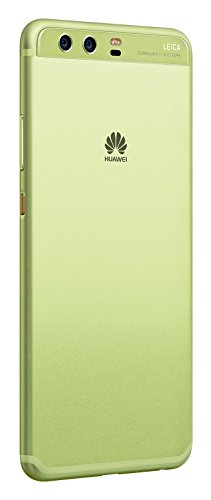
The Huawei P10 Plus is a refined flagship featuring a 5.5-inch QHD display, premium design with options like "Greenery," and a high-performance Kirin 960 processor with 6GB of RAM. Key strengths include the Leica-engineered dual camera system (20MP monochrome/12MP RGB) with portrait bokeh effects and a highly responsive front-mounted fingerprint sensor. However, the device suffers from a lack of oleophobic coating, causing a "grease-fest" without the factory screen protector, and offers disappointing battery endurance for a 3750 mAh cell. Additional drawbacks include the lack of waterproofing and wireless charging compared to competitors.
The Tweakers review characterizes the Huawei P10 and P10 Plus as solid, refined upgrades that focus on improved ergonomics, featuring a comfortable "Hyper Diamond-Cut" finish and a relocated front-facing fingerprint sensor that supports gesture navigation. While the Kirin 960 chipset ensures fast performance, the devices suffer from disappointing battery life and a screen that lacks an oleophobic coating. The Leica-branded dual-camera system is a standout, though the P10 Plus offers superior f/1.8 lenses for low-light over the P10's f/2.2, with both models struggling slightly in high-contrast scenarios. Pros include excellent build quality, fast SuperCharge technology, and retained 3.5mm headphone jack, while cons include subpar battery stamina and a screen that easily gathers fingerprints.

Compare