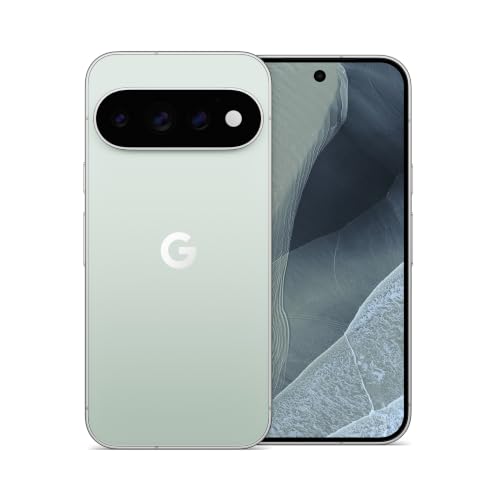
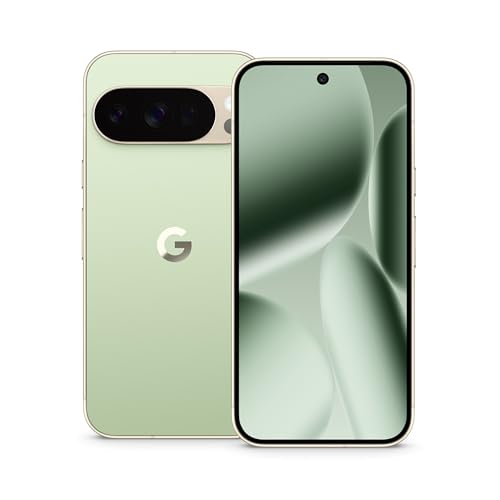
The Google Pixel 11 Pro has a higher overall score than the Xiaomi 17 Pro Max (12GB + 512GB) with us (8.5 vs 8.4). No reviewer has compared these two side by side yet.
The Pixel 11 Pro has excellent cameras, a great display and a solid build, but software glitches, overnight battery drain and stuttering games hold it back.
Likes
Strong, versatile cameras with a larger main sensor
Magic Capture finds surprisingly good stills in videos
Excellent 6.3-inch display
Solid build quality
Dislikes
Frequent software glitches
Battery loses 10-15% overnight on standby
Games stutter on max graphics in Asphalt Legends and Genshin Impact
The Pixel 11 Pro is a stylish, durable phone with an excellent camera and a two-day battery, but HiLight is useless and the 12GB base model may age badly.
Likes
Class-leading low-light photos and Night Sight
Action Pan adds motion blur to photos of moving cars or people
Rambler voice typing removes filler words in any Gboard app
Clean software and seven years of updates
Dislikes
HiLight light is entirely useless for now
Slow charging, at 53% after 30 minutes in testing
12GB RAM on the base model may become a problem later
The Xiaomi 17 Pro Max is a fast phone with a bright screen and battery life few Android rivals match, though it dips in demanding games at top settings.
Likes
Its huge battery gives excellent runtime, rare among Android phones
Holds a stable 60fps in almost every game and mode tested, including Genshin Impact
Very fast UFS 4.1 storage, even with many small transfers
Large web pages load almost instantly
Dislikes
Drops to 40fps in PUBG Mobile at Ultra HD
Runs at 35fps in the 4K Aztec Ruins graphics test, versus about 52fps on most rivals
Google Pixel 11 Pro vs Xiaomi 17 Pro Max (12GB + 512GB): direct comparison
The radar shows each spec group. Next to it: only the specs that differ, the better value ticked. Open a row for the explanation.
Google Pixel 11 ProXiaomi 17 Pro Max (12GB + 512GB)
Performance: Xiaomi 17 Pro Max (12GB + 512GB) wins 6 of 7 · 9.2 vs 7.9
7 differences✓ = better value
SpecGoogle Pixel 11 ProXiaomi 17 Pro Max (12GB + 512GB)
Internal storage256 GB512 GB▶
The Google Pixel 11 Pro has 256 GB, the Xiaomi 17 Pro Max (12GB + 512GB) 512 GB. That's more than 39% of smartphones.What it is: The total built-in space available for apps, media, and files.When it matters: When you keep large libraries of photos, videos, and apps directly on your device.
Main camera sensor area72 mm²32 mm²▶
The Google Pixel 11 Pro has 72 mm², the Xiaomi 17 Pro Max (12GB + 512GB) 32 mm². That's higher than 91% of smartphones.What it is: The total physical surface area of the camera sensor (calculated by multiplying the number of megapixels by the square of the individual pixel size). A larger area captures more light, resulting in better night photos and less digital noise.When it matters: When you want to capture clear, detailed photos in low-light conditions with minimal grain and achieve a natural, professional-looking background blur for portraits.
Screen resolution1344x 2992 px1200x 2608 px▶
Google Pixel 11 Pro has a higher screen resolution than Xiaomi 17 Pro Max (12GB + 512GB) (1344 x 2992 px vs 1200 x 2608 px). The average smartphone resolution is 1080 x 2400 px.What it is: The total number of pixels displayed on the screen, expressed as width x height, determining sharpness.When it matters: When you want crisp text and sharp details in photos and videos.
CPU boost clock speed4.11 GHz4.6 GHz▶
The Google Pixel 11 Pro has 4.11 GHz, the Xiaomi 17 Pro Max (12GB + 512GB) 4.6 GHz. That's higher than 95% of smartphones.What it is: The maximum speed the processor can achieve temporarily under heavy load.When it matters: When you run demanding apps or games that require short bursts of peak performance.
Screen size6.3 inches6.9 inches▶
The Google Pixel 11 Pro has 6.3 inches, the Xiaomi 17 Pro Max (12GB + 512GB) 6.9 inches. That's smaller than 88% of smartphones.What it is: The physical diagonal measurement of the display area, usually expressed in inches.When it matters: When you choose between a compact phone for one-handed use or a large screen for media.
Pixel density497 ppi416 ppi▶
The Google Pixel 11 Pro has 497 ppi, the Xiaomi 17 Pro Max (12GB + 512GB) 416 ppi. That's higher than 93% of smartphones.What it is: The concentration of pixels on the display, measured in pixels per inch (PPI), affecting image clarity.When it matters: When you want the image to look perfectly smooth with no visible pixels.
Main camera pixel size1.2 µm0.8 µm▶
The Google Pixel 11 Pro has 1.2 µm, the Xiaomi 17 Pro Max (12GB + 512GB) 0.8 µm. That's higher than 84% of smartphones.What it is: The physical size of individual pixels on the camera sensor, measured in micrometers. Larger pixels typically capture more light for better low-light performance.When it matters: When you shoot in low light and want reduced noise in your photos.
Wireless charging speed25 W50 W▶
The Google Pixel 11 Pro has 25 W, the Xiaomi 17 Pro Max (12GB + 512GB) 50 W. That's higher than 53% of smartphones.What it is: The maximum power input supported for wireless charging, measured in Watts (W).When it matters: When you want the convenience of wireless charging without the slow speeds.
Multithreadingnoyes▶
Xiaomi 17 Pro Max (12GB + 512GB) supports multithreading, Google Pixel 11 Pro does not. 81.6% of smartphones support multithreading.What it is: Indicates whether the CPU can handle multiple threads per core to improve multitasking.When it matters: When you want better efficiency and speed while running background tasks alongside active apps.
CPU threads78▶
The Google Pixel 11 Pro has 7, the Xiaomi 17 Pro Max (12GB + 512GB) 8. That's lower than 96% of smartphones.What it is: The total number of processing threads that the CPU can execute simultaneously.When it matters: When you run complex apps that split tasks into multiple parallel processes for efficiency.
L2 cache8,192 KB12,000 KB▶
Google Pixel 11 Pro has an L2 cache of 8,192 KB which is larger than the L2 cache of 90.9% of smartphones and equal to that of 3.3% of smartphones. Xiaomi 17 Pro Max (12GB + 512GB) has an L2 cache of 12,000 KB which is larger than the L2 cache of 94.3% of smartphones and equal to that of 3% of smartphones.What it is: A mid-level cache that serves as a buffer between L1 and L3 caches. It provides more storage than L1 and helps reduce latency for repeated tasks.When it matters: When you want fewer delays as the processor retrieves data for ongoing tasks.
Price£880£730Bluetooth version65.4▶
The Google Pixel 11 Pro has 6, the Xiaomi 17 Pro Max (12GB + 512GB) 5.4. That's higher than 96% of smartphones.What it is: The generation of Bluetooth technology supported for wireless communication with peripherals like headphones and smartwatches.When it matters: When you want a stable, low-latency connection to your headphones or smartwatch.
Value for money7.77.9▶
What it is: How much you get for the price: the overall score set against what the product costs. It is not part of the overall score.
Dolby Vision supportnoyes▶
Xiaomi 17 Pro Max (12GB + 512GB) supports Dolby Vision, Google Pixel 11 Pro does not. 17% of smartphones are Dolby Vision compatible.What it is: A proprietary HDR format that provides superior color depth and dynamic scene optimization for supported content.When it matters: When you watch premium streaming content and want cinema-quality color and brightness.
OpenCL version23▶
The Google Pixel 11 Pro has 2, the Xiaomi 17 Pro Max (12GB + 512GB) 3. That's lower than 7% of smartphones.What it is: The supported version of the Open Computing Language, used for general-purpose computations on GPUs and CPUs. It enables parallel processing tasks.When it matters: When you use apps that offload general computation tasks to the graphics processor.
Magnetic wireless chargingyesno▶
Google Pixel 11 Pro supports magnetic wireless charging, while Xiaomi 17 Pro Max (12GB + 512GB) does not. 2% of smartphones support magnetic wireless charging.What it is: Whether the phone has magnets that align it with a matching charger for wireless charging.When it matters: When you use a car mount or stand and want the phone to snap into the right position every time.
aptX Adaptivenoyes▶
Xiaomi 17 Pro Max (12GB + 512GB) supports aptX Adaptive, Google Pixel 11 Pro does not. 32.6% of smartphones include aptX Adaptive support.What it is: A Bluetooth codec that dynamically adjusts bitrate to balance audio quality and connection stability.When it matters: When you want audio that automatically balances quality and stability based on your environment.
Release date20262025▶
The Google Pixel 11 Pro has 2026, the Xiaomi 17 Pro Max (12GB + 512GB) 2025. That's higher than 97% of smartphones.What it is: The specific month and year the smartphone was officially launched or became available for purchase.When it matters: When you want to know if the technology inside is current or aging.
Width71.9 mm77.6 mm▶
The Google Pixel 11 Pro has 71.9 mm, the Xiaomi 17 Pro Max (12GB + 512GB) 77.6 mm. That's smaller than 93% of smartphones.What it is: The horizontal dimension of the device when held in portrait orientation.When it matters: When you care about how easy the phone is to grip and use with one hand.
aptX Losslessnoyes▶
Xiaomi 17 Pro Max (12GB + 512GB) supports aptX Lossless, Google Pixel 11 Pro does not. 12.1% of smartphones include aptX Lossless support.What it is: A Bluetooth technology designed to deliver CD-quality audio without data loss during transmission.When it matters: When you demand CD-quality audio over Bluetooth with no loss of detail.
Waterproof depth rating1.5 m6 m▶
The Google Pixel 11 Pro has 1.5 m, the Xiaomi 17 Pro Max (12GB + 512GB) 6 m. That's thicker than 56% of smartphones.What it is: The maximum depth of water the device is certified to withstand for a specific duration.When it matters: When you take your phone near pools or deep water and want to know its limits.
Thickness8.4 mm8 mm▶
The Google Pixel 11 Pro has 8.4 mm, the Xiaomi 17 Pro Max (12GB + 512GB) 8 mm. That's thicker than 55% of smartphones.What it is: The depth of the device profile, excluding the camera bump unless specified.When it matters: When you prefer a sleek, slim profile that slides easily into tight pockets.
Dolby Vision video recordingnoyes▶
Xiaomi 17 Pro Max (12GB + 512GB) supports Dolby Vision video recording, Google Pixel 11 Pro does not. 10.1% of smartphones support Dolby Vision.What it is: Support for recording video in the Dolby Vision HDR format, which uses dynamic metadata to optimize picture quality frame by frame.When it matters: When you want professional-grade dynamic range and color in your videos.
Height152.7 mm162.9 mm▶
The Google Pixel 11 Pro has 152.7 mm, the Xiaomi 17 Pro Max (12GB + 512GB) 162.9 mm. That's smaller than 93% of smartphones.What it is: The vertical dimension of the device.When it matters: When you are concerned about whether the phone will fit in your pocket or purse.
Secondary displaynoyes▶
Xiaomi 17 Pro Max (12GB + 512GB) features a secondary display, Google Pixel 11 Pro does not. 6.5% of smartphones include a secondary screen.What it is: An additional screen, often found on the outside of foldable phones or the back of standard phones.When it matters: When you need to check notifications or take selfies with the main camera on a foldable phone.
HDMI outputnoyes▶
Xiaomi 17 Pro Max (12GB + 512GB) supports HDMI output, Google Pixel 11 Pro does not. 5.4% of smartphones offer direct HDMI connectivity.What it is: The ability to output video signals to an external display, often requiring a USB-C to HDMI adapter or specialized cable.When it matters: When you want to connect your phone directly to a TV or projector via cable.
Fast bootnoyes▶
Xiaomi 17 Pro Max (12GB + 512GB) supports fast boot, Google Pixel 11 Pro does not. 22.9% of smartphones include fast boot capabilities.What it is: The time it takes for the smartphone to power on and become fully operational.When it matters: When you restart your phone and want to get back to using it quickly.
Infrared sensornoyes▶
Xiaomi 17 Pro Max (12GB + 512GB) includes an infrared sensor, Google Pixel 11 Pro does not. 36.7% of smartphones feature an IR blaster.What it is: A component often used as an IR blaster, allowing the phone to act as a remote control for TVs and appliances.When it matters: When you want to use your phone as a universal remote for your TV or air conditioner.
3D photo/videonoyes▶
The Xiaomi 17 Pro Max (12GB + 512GB) has it, the Google Pixel 11 Pro does not. 2% of smartphones have it.What it is: The ability to capture images or footage with depth information, creating a stereoscopic effect for compatible displays.When it matters: When you want to create spatial content for VR headsets or 3D displays.
Brand nameGoogleXiaomi▶
What it is: The manufacturer or brand under which the smartphone is marketed and sold.When it matters: When you prefer a specific ecosystem, support network, or design philosophy.
0wins for Google Pixel 11 Pro
6wins for Xiaomi 17 Pro Max (12GB + 512GB)
Google Pixel 11 Pro vs Xiaomi 17 Pro Max (12GB + 512GB) in best-of listsA best-of list is an article such as “Best smartwatches” by a test site, a magazine or a YouTube reviewer. We count every list that includes the product and the rank it got there. “#1 or award” means it is ranked first or named the best in a category. Best-of lists make up 30% of the overall score.
Ranks in independent best-of lists from test sites, magazines and YouTube. Click a list to open it.
Google Pixel 11 Pro
On more lists36listsThe number of best-of lists from test sites, magazines and YouTube reviewers that include the Google Pixel 11 Pro.
1#1 or award in 1 of 36 listsLists that rank the Google Pixel 11 Pro first, or name it the best in a category (for example best value or best overall).
2top 3 in 2 of 36Lists that rank the Google Pixel 11 Pro first, second or third, plus the awards.
Named best forOverallAndroid for AICamera Android phoneAndroid for most people and best cameraEveryday use flagship Android phoneAndroid phone for photography
Geekbench 6 and 3DMark scores trail the Samsung Galaxy S26; Base 256GB model has 12GB of RAM, while the 512GB model gets 16GBtechradar.com
Tensor G6 is slower than the A19 Pro and Snapdragon 8 Elite Gen 5 chipsgizmodo.com
Base 256GB model has 12GB of RAM, less than last year's 16GBmashable.com
Processor trails Snapdragon rivals in raw benchmarkscorriere.it
Performance trails top chips from Qualcomm and MediaTek01net.com
Only 12GB of RAM in the base model, 4GB less than in the past two yearsitdaily.fr
Long sessions of demanding games expose heat and graphics limitsmobigeeks.fr
Graphics trail rival flagship chips in demanding games and long sessions; A test unit overheated, froze and drained the battery during heavy useneoteo.com
Trails top Snapdragon and iPhone processors in benchmarkschip.de
3DMark score of 2,957, far below the Galaxy S26 Ultra's 7,161; No memory card slot, so storage cannot be expandednetzwelt.de
Tensor G6 is slower than Tensor G5 under sustained load; The GPU is five years old and far behind rivalscomputerbase.de
Only 12GB of RAM on the 256GB model, down from 16GB; Single-core speed trails iPhone 17 Pro (2,697 vs 3,853)smartzone.de
12GB RAM, down from 16GB on the Pixel 10 Pro; Gets warm running several apps or during long video callsandroidplanet.nl
12GB RAM, down from 16GB; Weak in demanding 3D gamesitdaily.be
Games stutter on max graphics in Asphalt Legends and Genshin Impacttechadvisor.com
12GB RAM on the base model may become a problem laterandroidpolice.com
Tensor G6 trails rivals in synthetic benchmarksmundowin.com
Processor does not match flagship-level performanceGyan Therapy (video)
Less performance than the top Samsung phoneMike O'Brien (video)
Not suited to peak-performance gaming or enthusiasts who chase raw numbers9to5Google (video)
Slower in benchmarks and demanding workloadsAndroid Police (video)
Slower downloads, app installs and video export than rivals; Gaming feels less responsive than cheaper phonesmobiscrub (video)
Base model has only 12 GB of RAM, less than the previous generationJSL Review (video)
12 GB RAM seen as too little for future AI features; Less RAM than last year's Pro modelMelih Gungor - MTG (video)
Base model has less RAM than last year's versionMelih Gungor - MTG (video)
Tensor G6 chip disappoints for performance and gamingMark Linsangan (video)
The 12 GB RAM model is not recommendedC. Scott Brown (video)
Xiaomi 17 Pro Max (12GB + 512GB)
Top performance, above 10,000 points in Geekbench 6 multi-corechina-gadgets.de
Holds a stable 60fps in almost every game and mode tested, including Genshin Impact; Very fast UFS 4.1 storage, even with many small transfers; Large web pages load almost instantlynotebookcheck.net
Snapdragon 8 Elite Gen 5 gives strong performanceIntelekThor (video)
Snapdragon 8 Elite Gen 5 performance is top tierAllround-PC (video)
Photos look consistently good, even in tricky lighting; Night Sight makes dark scenes look like daytime shotsmashable.com
Photos are detailed and natural, with balanced exposure in dim scenes; 5x telephoto separates subject from background cleanly in Portrait mode; Night photos rank among the best, and AI brings out starry skiesmondoandroid.com
Portrait mode edges are cleaner than on the Pixel 10 Pro; Keeps fine texture like brickwork, where the iPhone 17 Pro Max smooths it out; Front selfie camera is sharper and less pixelated when enlargedmondoandroid.com
Portrait mode at 2x separates fine beard hairs without a blurry halo; Skin tones more neutral and faithful than on the Pixel 10 Profrandroid.com
Four color styles (Original, Natural, Shadows, Vanilla) set the look of every photo; Main 50MP and ultra-wide cameras are still excellent, as last yearitdaily.fr
Instant Night Sight takes night photos up to 4.5 times fasterelperiodico.com
Instant Night Sight shortens the wait for low-light shotsneoteo.com
50MP main camera gives crisp, natural photos in all lightingchip.de
Camera seems better, though more tests are neededmobiflip.de
Pro-only Instant Night Sight brightens dark rooms after two seconds of holding the phone steadyt-online.de
Camera Looks gives style choices to avoid the usual Pixel look; The main camera shows more detail than the Pixel 10 Proandroidworld.nl
Photos rank among the best of any smartphone; Four color profiles set the default look for every photoitdaily.be
Strong, versatile cameras with a larger main sensortechadvisor.com
Class-leading low-light photos and Night Sight; Action Pan adds motion blur to photos of moving cars or peopleandroidpolice.com
Instant Night Sight is quick and impressiveengadget.com
Camera described as really good, even greatMatt Gonzalez (video)
Good colours, detail and high dynamic range in main camera photos; Main camera is reliable and among the best on the marketTerritorio Android by Alejandro (video)
Portrait mode edge detection clearly improved and looks less artificial; Camera app is faster with less shutter lagJSL Review (video)
Photos are the standout and beat the iPhone for stillsMelih Gungor - MTG (video)
Camera is easy to use with fast shutter speedTechRight (video)
Camera has a distinctive look with useful pro controlsDan’s Tech House (video)
Strong camera results with new capture modesMark Linsangan (video)
Camera with natural skin tones and strong zoomTechRight (video)
Instant Night Sight is faster than beforeC. Scott Brown (video)
Vanilla camera look is warm and enjoyable; Telephoto camera and night mode improvedKevin The Tech Ninja (video)
Photos look a little flat by default, so colors need a custom Looktechradar.com
On paper, camera hardware barely changes from the Pixel 10 Prolibero.it
Camera Looks filters are hard to reach and don't always beat the standard resultsmondoandroid.com
Night portraits at 2x smooth skin too much, losing natural texture; Ultra wide-angle remains the weakest lensfrandroid.com
The phone does not replace a dedicated camera or professional editing softwareelperiodico.com
Colors look too warm in most shots; Night shadows lifted, with less realistic contrast; Selfie and ultrawide sensors are unchanged from the Pixel 10 Proandroidworld.nl
Third-party apps like Instagram fail to use the camera properly; Night mode brightens scenes so much that the results are unusableStockdroid (video)
Overall camera performance trails other Android phonesVictor Abarca (video)
Camera lacks a final wow factor, especially for video; Photo processing takes too long for quick shotsDiriMania (video)
Portraits look artificial, with background separation that is too sharpEvosmart (video)
Still 13-megapixel cameras, which the creator finds unacceptableCristo Vega (video)
Ultra-wide camera struggles in low lightSmartzone (video)
Instagram camera results are sometimes shakyLuca Crocco (video)
Base model has less camera and zoom than the ProVictor Abarca (video)
Camera upgrade falls short of what was hoped forJen loves Tech (video)
Photos less authentic than camera-focused rivalsMonsieur GRrr (video)
Weaker as a tool for advanced photo and video workRomain PIAUD (video)
Camera looks less true to life than the iPhone; Night photos come out a bit too brightAwesome Olive (video)
Cameras not the best, and performance trails the newest iPhonesUpwards. (video)
Exposure is hard to control with camera looksMark Linsangan (video)
Xiaomi 17 Pro Max (12GB + 512GB)Not mentioned by reviewers.
Battery nearly runs out after 16 hours of uset3.com
Battery life falls behind the competition in lab tests01net.com
Battery lasts 16 hours 7 minutes in PCMark at 60 Hz, nothing special; Battery health feature can't be switched off and slows charging over timeteknofilo.com
Battery only just gets through heavy-use dayst-online.de
Battery struggles on heavy camera and AI use, often low by eveningandroidplanet.nl
Magic Capture turns a video into still photos of moving subjects like kids or trains; Gemini built into the phone, a good fit for people who use it dailytechradar.com
Magic Capture pulls clear still photos from video, useful for fast-moving subjectsmashable.com
Rambler tidies up dictation by removing filler wordsmondoandroid.com
Rambler dictation removes filler words and cleans up spoken textsmartphoneblog.it
Rambler dictation removes filler words and turns rambling speech into clean text; Rambler is exclusive to new Pixel phonesmistergadget.tech
Magic Capture records video and pulls out still images, so shooting is quickmondoandroid.com
Magic Capture picks the best frames from a short clip, handy for kids and pets; Rambler dictation cleans up speech and removes filler wordscorriere.it
Magic Capture turns a video into photos of its best momentsitdaily.fr
Gemini suggestions appear during some conversations, and Gemini Omni makes short video clipsmobigeeks.fr
Magic Capture records a short clip and picks the best frames, handy for kids and pets; Rambler removes filler words from voice dictationneoteo.com
Magic Capture makes photos automatically from the best moments of a videonetzwelt.de
Live translation copies the speaker's voice during callst-online.de
Rambler voice typing removes filler words and stumblesandroidplanet.nl
Magic Capture picks the best moments from a videoitdaily.be
Magic Capture finds surprisingly good stills in videostechadvisor.com
Rambler voice typing removes filler words in any Gboard appandroidpolice.com
Rambler handles mixed languages, including Mandarin, and cleans up filler wordsengadget.com
Strong Gemini integration and AI features; Instant translation and improved voice dictationFrandroid (video)
Voice dictation works very well and removes filler wordsBecca Farsace (video)
Magic Capture pulls still photos from short video clips; Live translation and Gemini phone control are impressiveKevin The Tech Ninja (video)
Gemini grocery ordering took 2 minutes 39 seconds, slower than doing it by handgizmodo.com
The best AI features depend on language, region and Google services, so check availability firstgiulianodipaolo.com
Many AI features take a long time to process, and some edits look unnatural; Some AI tools take so many steps that people switch them off after a few triessmartphoneblog.it
Gemini needs access to your location, notifications and messagescorriere.it
Some AI features may feel minor, depending on habitsmobigeeks.fr
Some AI features need a connection to Google serviceselperiodico.com
Live translation only works in Google's phone app, not WhatsAppt-online.de
Night Sight needs cloud processing, and uploads sometimes never finishBecca Farsace (video)
Most processing goes through Google serversNiccolò Roli (video)
Several new features feel half-bakedTech Spurt (video)
Some AI features are unavailable in EuropeSTEVEN (video)
Gemini personal features unavailable in the EUvidatactil (video)
Some AI features will not arrive in Italy compared with the USEvosmart (video)
Software perks limited to US usersMobileAdvisor (video)
Main smart features come from Gemini, not the phoneTheUnlockr (video)
Voice input depends on the cloud and needs a connection; Some features feel unclear without full adoptionVictor Abarca (video)
Some AI features like proactive support are not available in Germany; Unclear whether new Gemini features will reach older PixelsJen loves Tech (video)
Gemini features are limited in EuropeTecnoandroid (video)
Magic Capture takes quite a lot of storageNightech (video)
Instant translation struggles when several people speakMonsieur GRrr (video)
Heavy AI push, and the free subscription feels like a sales hookMatt Gonzalez (video)
Magnets let iPhone accessories attachSTEVEN (video)
Pixel Snap works well on a wireless chargerDe Tranquis (video)
Wired charging is 30W, slower than the iPhone 17 Pro and Galaxy S26 Ultrapopularmechanics.com
30W wired charging trails the usual flagship speedt3.com
No charger in the box, and fast charging needs a separate 30W PPS charger; The XL needs a 45W charger to reach its faster charging speedgiulianodipaolo.com
Charging is slow, with about 90 minutes needed to reach 100%mondoandroid.com
Charging to 80% takes 56 minutes, versus 48 on the Pixel 10 Pro01net.com
Fast charging stays near 20W even with a 140W Anker charger, not the 30W on offerfrandroid.com
Charging to 80% takes 56 minutes, longer than the Pixel 10 Proitdaily.fr
30W wired charging is modest for a premium phonemobigeeks.fr
Wired charging at 30W is not fast by today's standardsteknofilo.com
Cable charging at 30W is slow for a flagshipneoteo.com
No charger in the box, only a USB-C cablesmartzone.de
Charging takes about an hour and a half on the 30W cableandroidplanet.nl
Charging to 80% takes 56 minutes, versus 48 for the previous modelitdaily.be
Video quality has some limits, though processing hides them wellDan’s Tech House (video)
No Log video recording for pro-style footageMark Linsangan (video)
No log video support despite the creator suiteC. Scott Brown (video)
Xiaomi 17 Pro Max (12GB + 512GB)Not mentioned by reviewers.
not mentioned
Rear displayreviewers
25 praise · 17 criticise
▶
Google Pixel 11 ProNot mentioned by reviewers.
Xiaomi 17 Pro Max (12GB + 512GB)
Back screen shows clock and notifications when the phone is face down; Music playback controls on the back screen are very handy; Selfie preview uses the main camera, far better than the front camera; Customizable clock styles, animated wallpapers and virtual petswired.com
Rear screen shows clock and notifications, and previews selfiescnet.com
The second display is no gimmick, and it makes rear-camera selfies flexiblegsmarena.com
Rear display lets creators film selfies with the main camera, so eye contact looks directandreagaleazzi.com
Rear screen shows clock, Spotify controls and a selfie previewchina-gadgets.de
Rear screen lets you take selfies with the main cameraWyatt H (video)
Games on the tiny back screen are cramped by the camera lenseswired.com
Rear screen feels like a gimmick, since the main display does the same jobs; Back-screen games can't be accessed on the China-only softwarecnet.com
WhatsApp and Instagram alerts arrive late or not at all on the rear displayandreagaleazzi.com
Rear screen notifications come only from a few apps, such as phone, clock and music; Not all apps run on the rear screen, unlike on the Xiaomi Mix Flipchina-gadgets.de
Telephoto and Creator Center features impressBurnerBiits (video)
The 120x zoom is mostly a novelty, and AI sharpening is obvious past 30xdigitaltrends.com
Above 30x zoom, generative AI invents details that weren't capturedcnet.com
Telephoto trails Honor, Oppo, Vivo and Xiaomi models; Honor Magic 8 Pro shows more detail at long zoom; Results at extreme zoom are less certain, and 120x is mainly for showmondoandroid.com
AI zoom can warp faces and animals when magnifiedcorriere.it
The 120x zoom only works well with enough light, the right distance and a steady sceneelperiodico.com
120x AI zoom garbles letters and numbers and makes faces look poor; The 120x zoom first requires downloading an AI model of over 1GBchip.de
Extreme zoom invents details that may not match realityt-online.de
Zoom above 30x looks fake because AI adds detailandroidworld.nl
Generative zoom and long-distance portraits can look artificialtg24.sky.it
Digital zoom and ultrawide video results are weakerGSMArena Official (video)
5x zoom has the weakest stabilizationSmartzone (video)
High-zoom photos look generated rather than naturalTesla Burger (video)
120x zoom pushes image quality too farMark Guim (video)
Telephoto lens is poor at nightAwesome Olive (video)
Telephoto lens falls behind rival zoom cameras from Oppo and Vivo; Digital 120x zoom is not usable in practiceTerritorio Android by Alejandro (video)
Xiaomi 17 Pro Max (12GB + 512GB)Not mentioned by reviewers.
not mentioned
Camerareviewers
21 praise · 12 criticise
▶
Google Pixel 11 ProNot mentioned by reviewers.
Xiaomi 17 Pro Max (12GB + 512GB)
Very low noise, matching the latest flagship phones; Fine detail stays crisp and natural, even in low lightdxomark.com
Few major changes from the previous Pixel generation; Upgrade only makes sense from older phonesTechRight (video)
Xiaomi 17 Pro Max (12GB + 512GB)Not mentioned by reviewers.
not mentioned
Connectivityreviewers
12 criticise
▶
Google Pixel 11 ProNot mentioned by reviewers.
Xiaomi 17 Pro Max (12GB + 512GB)
No Android Auto support, which would be a dealbreaker; Pixel Watch app is not compatible, and an official European release is unlikelyAllround-PC (video)
Android Auto does not connect, even when installed manually; Only physical SIMs, though dual SIM is available; 5G icon stays on even on Wi-Fi or with mobile data offTech My Life (video)
Chinese version has no SIM supportGeekdegafas (video)
Rear game case requires Chinese ID verificationRich Kid DaPrince (video)
Green = reviewers praise it, red = they criticise it. Counts are reviews that mention the topic.
What owners say about the Google Pixel 11 Pro and Xiaomi 17 Pro Max (12GB + 512GB)
From owners' comments under review videos. Open a topic to read what owners report.
Google Pixel 11 Pro
195 owners67% positive12% mixed21% negative
Owners praise the clean Pixel experience, cameras, and battery, while criticizing high full-price cost, weak gaming, and inconsistent software.
Xiaomi 17 Pro Max (12GB + 512GB)
141 owners61% positive16% mixed23% negative
Owners love cameras, battery and the rear screen, while Chinese software limits, missing car integration and notification problems frustrate them.
51 like it · 30 dislike it
Messages, apps and phoneowners mention
18 like it · 40 dislike it
▶
Google Pixel 11 Pro
Fast, responsive everyday performanceOwners find everyday speed, scrolling, app opening, and typing very responsive, though heavy gaming is weaker.20 owners
Clean, smooth software for daily useOwners praise the clean, smooth software and say it feels more customizable and productive than iPhone or Samsung.13 owners
Improved modem, reception, and connectivityOwners report better reception, stronger 5G and Wi-Fi signal, and clearer calls thanks to the new modem.8 owners
Great haptics and voice typingOwners praise the haptic feedback and voice dictation, saying voice typing is more accurate than on iPhone.5 owners
Seamless accessory and device switchingOwners say Pixel Buds and other Google devices switch and pair easily, working well with Pixel phones.5 owners
Weak gaming and demanding-app performanceOwners say heavy games like Genshin Impact and Wuthering Waves run slowly or with screen glitches, and Gemini and some apps feel slower than on rivals.13 owners
Video quality and editing lag behindOwners say video looks oversharpened, focus is slow, microphone audio is weak, and editing apps like CapCut and Insta360 run slower than on other phones.12 owners
Weak speakers and recording audioOwners say the speakers are weak, speakerphone voices are hard to understand, and microphone quality is poor when recording video.5 owners
Xiaomi 17 Pro Max (12GB + 512GB)
Everyday apps work after setupAfter setup, most everyday apps work, including banking, shopping, games, Google apps and ChatGPT, though some need a workaround.7 owners
Strong cameras, zoom and stabilizationOwners say photos come out sharp with little effort, the 5x optical zoom impresses, and it beats their previous Ultra phone.7 owners
Strong gaming features and performanceOwners say a built-in game menu and minimal throttling keep games running smoothly, and a phone emulator lets some play demanding titles.4 owners
Missing car integration supportAndroid Auto does not work on this phone, so drivers who rely on it for in-car use will be disappointed.13 owners
Unreliable or delayed notificationsNotifications from apps like WhatsApp and Signal arrive late or not at all until the app is opened, due to aggressive battery saving.11 owners
App, payment and account compatibility issuesPasskeys and access keys can fail, banking apps may be blocked, and some apps won't download or run properly.8 owners
Wearable and watch compatibility problemsWear OS watches such as Samsung models can't connect, because the China ROM lacks global Wear OS support.4 owners
Bloatware and intrusive softwareSome preinstalled apps can be removed in a few minutes, but others stay, and the software shows ads and upsell prompts.4 owners
12 like it · 21 dislike it
Screenowners mention
14 like it · 4 dislike it
▶
Google Pixel 11 Pro
Helpful AI tools and assistantsOwners say the AI tools like Rambler dictation, Magic Cue reminders, Magic Capture, and call screening are useful day to day.12 owners
Buggy software and missing functionsSome owners report the phone stopped responding to Hey Google, showed tap-to-pay and RCS problems, and had a few software bugs such as a broken screensaver swipe.15 owners
Display dimming, flicker, and reflectionsOwners report screen dimming or flicker at low brightness, and strong reflections because the screen lacks anti-reflection coating.6 owners
Xiaomi 17 Pro Max (12GB + 512GB)
Useful rear screen for daily tasksThe small rear screen shows the clock, music controls, and incoming calls and notifications, so you can check them without unlocking the phone.14 owners
Back screen lacks useful app supportThe back screen works with only some music players, such as the built-in one, and does not show texts or most app notifications.4 owners
27 like it · 8 dislike it
Batteryowners mention
9 like it
▶
Google Pixel 11 Pro
Long-lasting battery and improved efficiencyOwners report battery lasting a full day with heavy use, and some say it beats the Pixel 10 Pro thanks to the new modem and chip.27 owners
Inconsistent or disappointing battery lifeSome owners report battery draining fast, around 6 hours of use, with Wi-Fi searching a major cause, while others see good battery life.8 owners
Xiaomi 17 Pro Max (12GB + 512GB)
Long battery lifeOwners report the battery lasts about two and a half days on a single charge, and it charges faster than their previous phones.5 owners
Fast chargingOwners say the phone charges from zero to full in about 30 minutes using 100W fast charging.4 owners
30 like it
Sports and fitnessowners mention
8 dislike it
▶
Google Pixel 11 Pro
Excellent photo quality and camera upgradesOwners praise the camera for consistent colors, accurate skin tones, strong detail, and a useful 10x zoom with an AI-enhanced or original option.30 owners
Xiaomi 17 Pro Max (12GB + 512GB)
China ROM setup and language limitsThe China ROM needs extra setup steps and is in English, with some Google services and Gemini support limited.8 owners
14 like it · 10 dislike it
Price and valueowners mention
11 like it
▶
Google Pixel 11 Pro
Strong value from deals and trade-insOwners say trade-in and carrier deals bring the price down to roughly the cost of older phones, making it good value.14 owners
Full-price cost feels too highOwners feel the full price is too high for the performance, and say the phone is only worth it with a trade-in or deal.10 owners
Xiaomi 17 Pro Max (12GB + 512GB)
Strong value for the priceOwners say it packs flagship specs like large storage, plenty of RAM and a strong camera for a much lower price than an iPhone.11 owners
14 like it · 17 dislike it
Comfort and sizeowners mention
not mentioned
▶
Google Pixel 11 Pro
Attractive design and compact sizeOwners like the compact 6.3-inch size, which is easier to use one-handed than the XL models.14 owners
Weak HiLight and removed hardware featuresOwners say the new HiLight LED replaced the temperature sensor and makes the flashlight noticeably dimmer.8 owners
Overheating during normal or heavy useOwners report the phone gets hot after 2 to 3 hours of use, and gets hot quickly during gaming or while using Maps and Spotify.5 owners
Bulky, slippery, or uncomfortable designOwners find the phone bulky, heavy, and slippery in the hand, and say a case makes it more comfortable.4 owners
Xiaomi 17 Pro Max (12GB + 512GB)Not mentioned by owners.
not mentioned
Other pointsowners mention
12 like it · 3 dislike it
▶
Google Pixel 11 ProNot mentioned by owners.
Xiaomi 17 Pro Max (12GB + 512GB)
Smooth, powerful performanceOwners find it fast and powerful, with games that do not throttle much and a chip that feels snappier than rival flagships.8 owners
Useful AI and smart featuresOwners use built-in AI tools such as automatic subtitles for video and sound, and AI photo editing.4 owners
eSIM support is missing or unreliableeSIM functions lag, and travel eSIMs may not work at all.3 owners
not mentioned
Build and designowners mention
7 like it · 7 dislike it
▶
Google Pixel 11 ProNot mentioned by owners.
Xiaomi 17 Pro Max (12GB + 512GB)
Premium, innovative design and feelOwners say it feels premium in hand, looks better than in photos, and the back design stands out from other phones.7 owners
Scratches and poor hardware finishOwners report the aluminium frame scratches easily and paint on the volume button came off early.4 owners
Button gesture tools failButton gesture apps like Button Mapper only work while the app is open, even with permissions and battery restrictions turned off.3 owners
All specs: Google Pixel 11 Pro vs Xiaomi 17 Pro Max (12GB + 512GB)
An overall evaluation of the smartphone's quality, based on technical analyses and user reviews.
When it matters
When you need a quick reference to identify the best smartphones on the market.
Score distribution
<55-66-77-88-99-10
Google Pixel 11 Pro
Xiaomi 17 Pro Max
Score components
40%
8.6
Technical score
30%
8.7
List score
25%
8.0
Reviews score
5%
9.8
Sentiment score
8.5
Overall score
8.5/ 10
✕
What it is
An overall evaluation of the smartphone's quality, based on technical analyses and user reviews.
When it matters
When you need a quick reference to identify the best smartphones on the market.
Score distribution
<55-66-77-88-99-10
Google Pixel 11 Pro
Xiaomi 17 Pro Max
Score components
40%
8.6
Technical score
30%
8.7
List score
25%
8.0
Reviews score
5%
9.8
Sentiment score
8.4
Overall score
8.4/ 10
✕
What it is
An overall evaluation of the smartphone's quality, based on technical analyses and user reviews.
When it matters
When you need a quick reference to identify the best smartphones on the market.
Score distribution
<55-66-77-88-99-10
Google Pixel 11 Pro
Xiaomi 17 Pro Max
Score components
40%
9.1
Technical score
30%
?
List score
25%
8.2
Reviews score
5%
9.0
Sentiment score
Technical score
Technical score
8.6/ 10
✕
What it is
An assessment of the smartphone's technical performance, covering eight key areas: performance & hardware, software, camera, connectivity, display, battery, audio, and design.
When it matters
When you want to compare smartphones based on technical performance and available features.
Score distribution
<55-66-77-88-99-10
Google Pixel 11 Pro
Xiaomi 17 Pro Max
Score components
25%
7.9
Performance
18%
9.2
Camera
15%
8.5
Display
15%
8.4
Battery
10%
9.6
Software
10%
8.9
Connectivity
4%
8.0
Audio
3%
8.8
Design
8.6
Technical score
8.6/ 10
✕
What it is
An assessment of the smartphone's technical performance, covering eight key areas: performance & hardware, software, camera, connectivity, display, battery, audio, and design.
When it matters
When you want to compare smartphones based on technical performance and available features.
Score distribution
<55-66-77-88-99-10
Google Pixel 11 Pro
Xiaomi 17 Pro Max
Score components
25%
7.9
Performance
18%
9.2
Camera
15%
8.5
Display
15%
8.4
Battery
10%
9.6
Software
10%
8.9
Connectivity
4%
8.0
Audio
3%
8.8
Design
9.1
Technical score
9.1/ 10
✕
What it is
An assessment of the smartphone's technical performance, covering eight key areas: performance & hardware, software, camera, connectivity, display, battery, audio, and design.
When it matters
When you want to compare smartphones based on technical performance and available features.
Score distribution
<55-66-77-88-99-10
Google Pixel 11 Pro
Xiaomi 17 Pro Max
Score components
25%
9.2
Performance
18%
8.7
Camera
15%
8.6
Display
15%
9.4
Battery
10%
9.7
Software
10%
9.1
Connectivity
4%
9.1
Audio
3%
8.3
Design
Xiaomi 17 Pro Max (12GB + 512GB) has the highest technical score.
Popularity
Popularity
7.0/ 10
✕
What it is
An indicator based on the number of reviews received by the smartphone.
When it matters
When you prefer to purchase a product chosen and reviewed by many other consumers.
Score distribution
<55-66-77-88-99-10
Google Pixel 11 Pro
Xiaomi 17 Pro Max
7.0
Popularity
7.0/ 10
✕
What it is
An indicator based on the number of reviews received by the smartphone.
When it matters
When you prefer to purchase a product chosen and reviewed by many other consumers.
Score distribution
<55-66-77-88-99-10
Google Pixel 11 Pro
Xiaomi 17 Pro Max
Google Pixel 11 Pro is the most popular.
1.0
Popularity
1.0/ 10
✕
What it is
An indicator based on the number of reviews received by the smartphone.
When it matters
When you prefer to purchase a product chosen and reviewed by many other consumers.
Score distribution
<55-66-77-88-99-10
Google Pixel 11 Pro
Xiaomi 17 Pro Max
Reviews score
What it is:
Average grade from independent test sites, magazines and video reviewers, 1–10.
When it matters:
A printed score (stars, x/10, a German grade) is converted to 1–10; without one, we estimate the grade from the review. Experts make up to 15% of the overall score, the full 15% from 4 full tests.
7.8
What it is:
Average grade from independent test sites, magazines and video reviewers, 1–10.
When it matters:
A printed score (stars, x/10, a German grade) is converted to 1–10; without one, we estimate the grade from the review. Experts make up to 15% of the overall score, the full 15% from 4 full tests.
8.1
What it is:
Average grade from independent test sites, magazines and video reviewers, 1–10.
When it matters:
A printed score (stars, x/10, a German grade) is converted to 1–10; without one, we estimate the grade from the review. Experts make up to 15% of the overall score, the full 15% from 4 full tests.
Xiaomi 17 Pro Max (12GB + 512GB): Reviews score
Value for money
Value for money
7.7/ 10
✕
What it is
An indicator that combines the smartphone's overall rating with its cost.
When it matters
When you are looking for a smartphone with a good balance between quality and price.
Score distribution
<55-66-77-88-99-10
Google Pixel 11 Pro
Xiaomi 17 Pro Max
Score components
70%
8.5
Overall score
30%
5.9
Price
7.7
Value for money
7.7/ 10
✕
What it is
An indicator that combines the smartphone's overall rating with its cost.
When it matters
When you are looking for a smartphone with a good balance between quality and price.
Score distribution
<55-66-77-88-99-10
Google Pixel 11 Pro
Xiaomi 17 Pro Max
Score components
70%
8.5
Overall score
30%
5.9
Price
7.9
Value for money
7.9/ 10
✕
What it is
An indicator that combines the smartphone's overall rating with its cost.
When it matters
When you are looking for a smartphone with a good balance between quality and price.
Score distribution
<55-66-77-88-99-10
Google Pixel 11 Pro
Xiaomi 17 Pro Max
Score components
70%
8.4
Overall score
30%
6.7
Price
Xiaomi 17 Pro Max (12GB + 512GB) has the best value for money.
Gaming and performance
Gaming and performance
8.1/ 10
✕
What it is
Evaluates processor speed, RAM capacity, multi-core and GPU benchmark scores, and display refresh rates for gaming and heavy multitasking.
Score distribution
<55-66-77-88-99-10
Google Pixel 11 Pro
Xiaomi 17 Pro Max
Score components
25%
?
Processor model
25%
7.0
RAM capacity
20%
?
Geekbench 6 multi-core benchmark score
15%
?
3DMark Wild Life benchmark
15%
10
Refresh rate
8.1
Gaming and performance
8.1/ 10
✕
What it is
Evaluates processor speed, RAM capacity, multi-core and GPU benchmark scores, and display refresh rates for gaming and heavy multitasking.
Score distribution
<55-66-77-88-99-10
Google Pixel 11 Pro
Xiaomi 17 Pro Max
Score components
25%
?
Processor model
25%
7.0
RAM capacity
20%
?
Geekbench 6 multi-core benchmark score
15%
?
3DMark Wild Life benchmark
15%
10
Refresh rate
8.9
Gaming and performance
8.9/ 10
✕
What it is
Evaluates processor speed, RAM capacity, multi-core and GPU benchmark scores, and display refresh rates for gaming and heavy multitasking.
Score distribution
<55-66-77-88-99-10
Google Pixel 11 Pro
Xiaomi 17 Pro Max
Score components
25%
10
Processor model
25%
7.0
RAM capacity
20%
10
Geekbench 6 multi-core benchmark score
15%
?
3DMark Wild Life benchmark
15%
10
Refresh rate
Camera and photography
Camera and photography
9.3/ 10
✕
What it is
Measures camera sensor size, optical stabilization (OIS), telephoto zoom capabilities, DxOMark scores, and 4K/8K video recording quality.
Score distribution
<55-66-77-88-99-10
Google Pixel 11 Pro
Xiaomi 17 Pro Max
Score components
25%
10
Main camera sensor area
20%
10
Optical image stabilization
20%
10
Optical zoom
20%
?
DxOMark Mobile score
15%
?
Main camera video
9.3
Camera and photography
9.3/ 10
✕
What it is
Measures camera sensor size, optical stabilization (OIS), telephoto zoom capabilities, DxOMark scores, and 4K/8K video recording quality.
Score distribution
<55-66-77-88-99-10
Google Pixel 11 Pro
Xiaomi 17 Pro Max
Score components
25%
10
Main camera sensor area
20%
10
Optical image stabilization
20%
10
Optical zoom
20%
?
DxOMark Mobile score
15%
?
Main camera video
8.3
Camera and photography
8.3/ 10
✕
What it is
Measures camera sensor size, optical stabilization (OIS), telephoto zoom capabilities, DxOMark scores, and 4K/8K video recording quality.
Score distribution
<55-66-77-88-99-10
Google Pixel 11 Pro
Xiaomi 17 Pro Max
Score components
25%
4.9
Main camera sensor area
20%
10
Optical image stabilization
20%
10
Optical zoom
20%
?
DxOMark Mobile score
15%
10
Main camera video
Battery and charging
Battery and charging
8.3/ 10
✕
What it is
Assesses battery milliampere-hours, GSMArena endurance ratings, wired charging wattage, and wireless charging convenience for all-day use.
Score distribution
<55-66-77-88-99-10
Google Pixel 11 Pro
Xiaomi 17 Pro Max
Score components
25%
?
Battery capacity
25%
?
Charging speed
20%
?
GSMArena battery life endurance score
15%
10
Wireless charging
15%
?
PCMark Work 3.0 battery benchmark
8.3
Battery and charging
8.3/ 10
✕
What it is
Assesses battery milliampere-hours, GSMArena endurance ratings, wired charging wattage, and wireless charging convenience for all-day use.
Score distribution
<55-66-77-88-99-10
Google Pixel 11 Pro
Xiaomi 17 Pro Max
Score components
25%
?
Battery capacity
25%
?
Charging speed
20%
?
GSMArena battery life endurance score
15%
10
Wireless charging
15%
?
PCMark Work 3.0 battery benchmark
9.6
Battery and charging
9.6/ 10
✕
What it is
Assesses battery milliampere-hours, GSMArena endurance ratings, wired charging wattage, and wireless charging convenience for all-day use.
Focuses on lightweight handling, pocketable dimensions, Corning Gorilla Glass protection, and IP68 water and dust resistance for daily resilience.
Score distribution
<55-66-77-88-99-10
Google Pixel 11 Pro
Xiaomi 17 Pro Max
Score components
25%
?
Weight
20%
4.4
Screen size
20%
9.7
IP rating
20%
?
Display glass type
15%
9.3
Thickness
7.8
Daily portability and build
7.8/ 10
✕
What it is
Focuses on lightweight handling, pocketable dimensions, Corning Gorilla Glass protection, and IP68 water and dust resistance for daily resilience.
Score distribution
<55-66-77-88-99-10
Google Pixel 11 Pro
Xiaomi 17 Pro Max
Score components
25%
?
Weight
20%
4.4
Screen size
20%
9.7
IP rating
20%
?
Display glass type
15%
9.3
Thickness
9.0
Daily portability and build
9.0/ 10
✕
What it is
Focuses on lightweight handling, pocketable dimensions, Corning Gorilla Glass protection, and IP68 water and dust resistance for daily resilience.
Score distribution
<55-66-77-88-99-10
Google Pixel 11 Pro
Xiaomi 17 Pro Max
Score components
25%
8.2
Weight
20%
10
Screen size
20%
9.7
IP rating
20%
?
Display glass type
15%
9.7
Thickness
Software and longevity
Software and longevity
8.8/ 10
✕
What it is
Measures manufacturer software update commitments, modern Android/iOS versioning, 5G future-proofing, spare parts repairability, and storage.
Score distribution
<55-66-77-88-99-10
Google Pixel 11 Pro
Xiaomi 17 Pro Max
Score components
25%
10
Direct OS updates
20%
10
Operating system
20%
10
5G connectivity
20%
?
French repairability index
15%
4.9
Internal storage
8.8
Software and longevity
8.8/ 10
✕
What it is
Measures manufacturer software update commitments, modern Android/iOS versioning, 5G future-proofing, spare parts repairability, and storage.
Score distribution
<55-66-77-88-99-10
Google Pixel 11 Pro
Xiaomi 17 Pro Max
Score components
25%
10
Direct OS updates
20%
10
Operating system
20%
10
5G connectivity
20%
?
French repairability index
15%
4.9
Internal storage
9.6
Software and longevity
9.6/ 10
✕
What it is
Measures manufacturer software update commitments, modern Android/iOS versioning, 5G future-proofing, spare parts repairability, and storage.
Score distribution
<55-66-77-88-99-10
Google Pixel 11 Pro
Xiaomi 17 Pro Max
Score components
25%
10
Direct OS updates
20%
10
Operating system
20%
10
5G connectivity
20%
?
French repairability index
15%
10
Internal storage
Performance
Performance
7.9/ 10
✕
What it is
An evaluation of the device’s core operational capabilities, including processor speed, internal architecture, thermal management, storage performance, and overall system responsiveness under different workloads.
When it matters
When you need a device that remains fast and responsive during demanding tasks, handles multitasking smoothly, and offers reliable long-term performance through solid processing power and efficient thermal management.
Score distribution
<55-66-77-88-99-10
Google Pixel 11 Pro
Xiaomi 17 Pro Max
Score components
10%
?
Processor model
10%
7.0
RAM capacity
7%
4.9
Internal storage
6%
10
Process node
5%
?
Geekbench 6 single-core benchmark score
4.3%
?
Storage type
4%
10
CPU boost clock speed
4%
?
3DMark Wild Life benchmark
4%
?
PCMark Work 3.0 Performance benchmark
4%
?
TDP (Thermal design power)
3%
4.0
Multithreading
3%
?
GPU frequency
2%
?
CPU base clock speed
2%
?
Geekbench 6 multi-core benchmark score
2%
4.2
CPU threads
2%
?
N. of shading units
2%
?
3DMark Steel Nomad benchmark
2%
?
3DMark Wild Life Extreme benchmark
2%
?
3DMark Wild Life Unlimited benchmark
2%
?
Memory speed
2%
10
DDR memory version
2%
?
Memory bandwidth
2%
?
Maximum RAM
2%
10
big.LITTLE Architecture
2%
?
L3 cache
2%
10
L2 cache
1%
10
Memory channels
1%
?
L1 cache
1%
10
OpenGL ES version
1%
7.6
OpenCL version
1%
4.0
ECC memory support
1%
10
ARM TrustZone
1%
10
NX Bit
0.7%
10
Release date
7.9
Performance
7.9/ 10
✕
What it is
An evaluation of the device’s core operational capabilities, including processor speed, internal architecture, thermal management, storage performance, and overall system responsiveness under different workloads.
When it matters
When you need a device that remains fast and responsive during demanding tasks, handles multitasking smoothly, and offers reliable long-term performance through solid processing power and efficient thermal management.
Score distribution
<55-66-77-88-99-10
Google Pixel 11 Pro
Xiaomi 17 Pro Max
Score components
10%
?
Processor model
10%
7.0
RAM capacity
7%
4.9
Internal storage
6%
10
Process node
5%
?
Geekbench 6 single-core benchmark score
4.3%
?
Storage type
4%
10
CPU boost clock speed
4%
?
3DMark Wild Life benchmark
4%
?
PCMark Work 3.0 Performance benchmark
4%
?
TDP (Thermal design power)
3%
4.0
Multithreading
3%
?
GPU frequency
2%
?
CPU base clock speed
2%
?
Geekbench 6 multi-core benchmark score
2%
4.2
CPU threads
2%
?
N. of shading units
2%
?
3DMark Steel Nomad benchmark
2%
?
3DMark Wild Life Extreme benchmark
2%
?
3DMark Wild Life Unlimited benchmark
2%
?
Memory speed
2%
10
DDR memory version
2%
?
Memory bandwidth
2%
?
Maximum RAM
2%
10
big.LITTLE Architecture
2%
?
L3 cache
2%
10
L2 cache
1%
10
Memory channels
1%
?
L1 cache
1%
10
OpenGL ES version
1%
7.6
OpenCL version
1%
4.0
ECC memory support
1%
10
ARM TrustZone
1%
10
NX Bit
0.7%
10
Release date
9.2
Performance
9.2/ 10
✕
What it is
An evaluation of the device’s core operational capabilities, including processor speed, internal architecture, thermal management, storage performance, and overall system responsiveness under different workloads.
When it matters
When you need a device that remains fast and responsive during demanding tasks, handles multitasking smoothly, and offers reliable long-term performance through solid processing power and efficient thermal management.
Score distribution
<55-66-77-88-99-10
Google Pixel 11 Pro
Xiaomi 17 Pro Max
Score components
10%
10
Processor model
10%
7.0
RAM capacity
7%
10
Internal storage
6%
10
Process node
5%
10
Geekbench 6 single-core benchmark score
4.3%
9.3
Storage type
4%
10
CPU boost clock speed
4%
?
3DMark Wild Life benchmark
4%
10
PCMark Work 3.0 Performance benchmark
4%
4.6
TDP (Thermal design power)
3%
10
Multithreading
3%
10
GPU frequency
2%
10
CPU base clock speed
2%
10
Geekbench 6 multi-core benchmark score
2%
4.9
CPU threads
2%
10
N. of shading units
2%
10
3DMark Steel Nomad benchmark
2%
10
3DMark Wild Life Extreme benchmark
2%
10
3DMark Wild Life Unlimited benchmark
2%
10
Memory speed
2%
10
DDR memory version
2%
10
Memory bandwidth
2%
10
Maximum RAM
2%
10
big.LITTLE Architecture
2%
10
L3 cache
2%
10
L2 cache
1%
10
Memory channels
1%
?
L1 cache
1%
10
OpenGL ES version
1%
8.8
OpenCL version
1%
?
ECC memory support
1%
10
ARM TrustZone
1%
10
NX Bit
0.7%
10
Release date
Processor model
?
Qualcomm Snapdragon 8 Elite Gen 5
What it is
The central System-on-Chip (SoC) that houses the CPU, GPU, modem, and other core processing components.
When it matters
When you want to know the specific engine powering your device's speed and features.
Xiaomi 17 Pro Max (12GB + 512GB) uses the Qualcomm Snapdragon 8 Elite Gen 5 processor which is faster than processors in 98% of smartphones and equal to processors in 1.6% of smartphones.
Priority:
HIGH
Storage type
?
UFS 4.1
What it is
The flash memory standard used for the phone's built-in storage, which sets how fast data can be read and written.
When it matters
When you install large games, shoot 4K video, or notice apps taking longer to launch after a few months of use.
Xiaomi 17 Pro Max (12GB + 512GB) uses UFS 4.1 storage, which is faster than the storage in 90% of smartphones and the same as in 6.2% of smartphones.
Priority:
MEDIUM
RAM capacity
12 GB
What it is
The amount of volatile memory available for running apps and multitasking.
When it matters
When you use multiple apps at once or want smoother multitasking without reloads.
Google Pixel 11 Pro has a RAM capacity of 12 GB which is larger than the RAM capacity of 59.7% of smartphones and equal to that of 23.9% of smartphones.
Good value:
🎯 >12 GB
Priority:
HIGH
12 GB
What it is
The amount of volatile memory available for running apps and multitasking.
When it matters
When you use multiple apps at once or want smoother multitasking without reloads.
Xiaomi 17 Pro Max (12GB + 512GB) has a RAM capacity of 12 GB which is larger than the RAM capacity of 59.7% of smartphones and equal to that of 23.9% of smartphones.
Good value:
🎯 >12 GB
Priority:
HIGH
Internal storage
256 GB
What it is
The total built-in space available for apps, media, and files.
When it matters
When you keep large libraries of photos, videos, and apps directly on your device.
Google Pixel 11 Pro has an internal storage capacity of 256 GB which is larger than the storage of 39.5% of smartphones and equal to that of 38.3% of smartphones.
Good value:
🎯 >256 GB
Priority:
MEDIUM
512 GB
What it is
The total built-in space available for apps, media, and files.
When it matters
When you keep large libraries of photos, videos, and apps directly on your device.
Xiaomi 17 Pro Max (12GB + 512GB) has an internal storage capacity of 512 GB which is larger than the storage of 77.8% of smartphones and equal to that of 16.8% of smartphones.
Good value:
🎯 >256 GB
Priority:
MEDIUM
Xiaomi 17 Pro Max (12GB + 512GB) has the largest internal storage.
CPU boost clock speed
4.11 GHz
What it is
The maximum speed the processor can achieve temporarily under heavy load.
When it matters
When you run demanding apps or games that require short bursts of peak performance.
The CPU boost clock speed of Google Pixel 11 Pro is 4.11 GHz which is higher than the boost speed of 95% of smartphones.
Good value:
🎯 ≥3.2 GHz
Priority:
MEDIUM
4.6 GHz
What it is
The maximum speed the processor can achieve temporarily under heavy load.
When it matters
When you run demanding apps or games that require short bursts of peak performance.
The CPU boost clock speed of Xiaomi 17 Pro Max (12GB + 512GB) is 4.6 GHz which is higher than the boost speed of 98.2% of smartphones and equal to that of 1.6% of smartphones.
Good value:
🎯 ≥3.2 GHz
Priority:
MEDIUM
Xiaomi 17 Pro Max (12GB + 512GB) has the highest CPU boost clock speed.
CPU base clock speed
?
2x 4.6 GHz & 6x 3.62 GHz
What it is
The processor’s standard operating frequency under normal conditions, measured in GHz.
When it matters
When you want consistent, reliable performance for standard daily tasks like browsing or messaging.
The CPU base clock speed of Xiaomi 17 Pro Max (12GB + 512GB) is 2x4.6 GHz & 6x3.62 GHz which is higher than the base speed of 98.4% of smartphones and equal to that of 1.5% of smartphones.
Priority:
LOW
Geekbench 6 single-core benchmark score
?
3,574
What it is
A cross-platform benchmark by Primate Labs that measures single-core CPU performance. It reflects how quickly a device handles everyday tasks that rely on a single processing core.
When it matters
When you want snappy responsiveness in everyday interactions and simple apps.
Xiaomi 17 Pro Max (12GB + 512GB) scored 3,574 in Geekbench 6 (single-core) which is higher than the score of 97.6% of smartphones and equal to the score of 1.3% of smartphones.
Good value:
🎯 >1500
Priority:
MEDIUM
Geekbench 6 multi-core benchmark score
?
10,686
What it is
A cross-platform benchmark by Primate Labs that evaluates multi-core CPU performance. It simulates real-world workloads to measure how efficiently a device handles multitasking and parallel processing.
When it matters
When you perform heavy multitasking or run pro-level apps like video editors.
Xiaomi 17 Pro Max (12GB + 512GB) scored 10,686 in Geekbench 6 (multi-core) which is higher than the score of 98.2% of smartphones and equal to the score of 1.2% of smartphones.
Good value:
🎯 >4000
Priority:
LOW
CPU threads
7
What it is
The total number of processing threads that the CPU can execute simultaneously.
When it matters
When you run complex apps that split tasks into multiple parallel processes for efficiency.
Google Pixel 11 Pro has 7 CPU threads, which is fewer than the number in 95.6% of smartphones.
Good value:
🎯 ≥8
Priority:
LOW
8
What it is
The total number of processing threads that the CPU can execute simultaneously.
When it matters
When you run complex apps that split tasks into multiple parallel processes for efficiency.
Xiaomi 17 Pro Max (12GB + 512GB) has 8 CPU threads, which is more than the number in 4.5% of smartphones and equal to the number in 93.6% of smartphones.
Good value:
🎯 ≥8
Priority:
LOW
Xiaomi 17 Pro Max (12GB + 512GB) supports the most CPU threads.
Multithreading
no
What it is
Indicates whether the CPU can handle multiple threads per core to improve multitasking.
When it matters
When you want better efficiency and speed while running background tasks alongside active apps.
Google Pixel 11 Pro does not support multithreading. 81.6% of smartphones offer this.
Priority:
LOW
yes
What it is
Indicates whether the CPU can handle multiple threads per core to improve multitasking.
When it matters
When you want better efficiency and speed while running background tasks alongside active apps.
Xiaomi 17 Pro Max (12GB + 512GB) supports multithreading. 81.6% of smartphones have this feature.
Priority:
LOW
Xiaomi 17 Pro Max (12GB + 512GB) supports multithreading.
GPU frequency
?
1,200 MHz
What it is
The operating speed of the graphics processing unit, which affects rendering and gaming.
When it matters
When you want smoother frame rates in games and faster rendering in graphics apps.
Xiaomi 17 Pro Max (12GB + 512GB) has a GPU frequency of 1,200 MHz which is higher than the GPU frequency of 88.9% of smartphones and equal to that of 2.4% of smartphones.
Good value:
🎯 >950 MHz
Priority:
LOW
N. of shading units
?
1,536
What it is
GPU components responsible for rendering effects like lighting and shading in graphics.
When it matters
When you play games with complex lighting, shadows, and realistic visual effects.
Xiaomi 17 Pro Max (12GB + 512GB) has 1,536 shading units, which is more than in 85.2% of smartphones and equal to the number in 14.8% of smartphones.
Good value:
🎯 >700
Priority:
LOW
3DMark Steel Nomad benchmark
?
2,384
What it is
A next-generation GPU benchmark developed by UL Solutions to test mobile device graphics performance. It includes modern rendering techniques and provides a more rigorous stress test for mobile GPUs.
When it matters
When you are interested in next-gen gaming performance with advanced rendering features.
Xiaomi 17 Pro Max (12GB + 512GB) achieved a 3DMark Steel Nomad score of 2,384 which is higher than the score of 88.1% of smartphones and equal to that of 2.6% of smartphones.
Good value:
🎯 >1000
Priority:
LOW
3DMark Wild Life Extreme benchmark
?
7,370
What it is
A high-intensity version of the 3DMark Wild Life benchmark developed by UL Solutions. It pushes the GPU to its limits with more graphically demanding tests, useful for evaluating high-end gaming performance.
When it matters
When you play high-end games with demanding graphics settings.
Xiaomi 17 Pro Max (12GB + 512GB) achieved a 3DMark Wild Life Extreme score of 7,370 which is better than the score of 98% of smartphones and equal to that of 1.6% of smartphones.
Good value:
🎯 >2500
Priority:
LOW
3DMark Wild Life benchmark
?
?
3DMark Wild Life Unlimited benchmark
?
11,300
What it is
An off-screen version of the 3DMark Wild Life benchmark by UL Solutions. It evaluates GPU performance without being affected by the device’s screen resolution, providing a more consistent and comparable score.
When it matters
When you want to compare raw graphical power across different devices without screen limitations.
Xiaomi 17 Pro Max (12GB + 512GB) achieved a 3DMark Wild Life Unlimited score of 11,300 which is higher than the score of 79% of smartphones and equal to that of 2.4% of smartphones.
Good value:
🎯 >8000
Priority:
LOW
PCMark Work 3.0 Performance benchmark
?
19,654
What it is
A performance benchmark for Android developed by UL Solutions. It simulates everyday tasks such as web browsing, photo editing, and document writing to measure how well a device handles common productivity workloads.
When it matters
When you use your phone for productivity tasks like document editing and data manipulation.
Xiaomi 17 Pro Max (12GB + 512GB) achieved a PCMark Work 3.0 Performance score of 19,654 which is higher than the score of 97.9% of smartphones and equal to that of 0.2% of smartphones.
Good value:
🎯 >12000
Priority:
MEDIUM
Memory speed
?
5,300 MHz
What it is
The rate at which the device’s RAM can transfer data, measured in MHz or GB/s.
When it matters
When you need faster app loading times and snappier overall system responsiveness.
Xiaomi 17 Pro Max (12GB + 512GB) has a memory speed of 5,300 MHz which is faster than the memory speed of 91.2% of smartphones and equal to that of 2.9% of smartphones.
Good value:
🎯 >3200 MHz
Priority:
LOW
DDR memory version
5
What it is
The generation of DDR (Double Data Rate) RAM used in the device (e.g., LPDDR4X, LPDDR5). Newer versions offer better speed and power efficiency.
When it matters
When you want the latest balance of high speed and improved power efficiency.
Google Pixel 11 Pro uses DDR5 memory, which is a newer version than that used in 53.4% of smartphones and equal to the version used in 46.6% of smartphones.
Good value:
🎯 5
Priority:
LOW
5
What it is
The generation of DDR (Double Data Rate) RAM used in the device (e.g., LPDDR4X, LPDDR5). Newer versions offer better speed and power efficiency.
When it matters
When you want the latest balance of high speed and improved power efficiency.
Xiaomi 17 Pro Max (12GB + 512GB) uses DDR5 memory, which is a newer version than that used in 53.4% of smartphones and equal to the version used in 46.6% of smartphones.
Good value:
🎯 5
Priority:
LOW
Memory bandwidth
?
84.8 GB/s
What it is
The maximum rate at which data can be transferred between the RAM and processor. Higher bandwidth improves performance in memory-intensive tasks.
When it matters
When you run graphics-intensive games or record high-resolution video that moves lots of data.
Xiaomi 17 Pro Max (12GB + 512GB) has a memory bandwidth of 84.8 GB/s which is higher than that of 94.7% of smartphones and equal to that of 2% of smartphones.
Good value:
🎯 >50 GB/s
Priority:
LOW
Memory channels
4
What it is
The number of independent data paths between the RAM and CPU. Dual-channel or more can enhance memory throughput and multitasking efficiency.
When it matters
When you want reduced latency and faster data access for the CPU.
Google Pixel 11 Pro uses 4 memory channels, which is more than in 70.2% of smartphones and equal to the number in 29.3% of smartphones.
Good value:
🎯 ≥4
Priority:
LOW
4
What it is
The number of independent data paths between the RAM and CPU. Dual-channel or more can enhance memory throughput and multitasking efficiency.
When it matters
When you want reduced latency and faster data access for the CPU.
Xiaomi 17 Pro Max (12GB + 512GB) uses 4 memory channels, which is more than in 70.2% of smartphones and equal to the number in 29.3% of smartphones.
Good value:
🎯 ≥4
Priority:
LOW
Maximum RAM
?
16 GB
What it is
The highest amount of RAM that the device’s chipset or architecture can support, regardless of how much is actually installed.
When it matters
When you are considering the long-term potential of the hardware platform.
Xiaomi 17 Pro Max (12GB + 512GB) supports up to 16 GB of RAM, which is more than the maximum supported by 55.3% of smartphones and equal to the maximum supported by 34% of smartphones.
Good value:
🎯 ≥16 GB
Priority:
LOW
Process node
3 nm
What it is
The size of the manufacturing process used to create the chip's transistors, measured in nanometers (nm). Smaller nodes generally indicate more advanced, power-efficient chips.
When it matters
When you want a chipset that is more power-efficient and generates less heat.
Google Pixel 11 Pro is built on a 3 nm process node, which is smaller than the node size used in 93.4% of smartphones and equal to the node used in 6.4% of smartphones.
Good value:
🎯 <6 nm
Priority:
MEDIUM
3 nm
What it is
The size of the manufacturing process used to create the chip's transistors, measured in nanometers (nm). Smaller nodes generally indicate more advanced, power-efficient chips.
When it matters
When you want a chipset that is more power-efficient and generates less heat.
Xiaomi 17 Pro Max (12GB + 512GB) is built on a 3 nm process node, which is smaller than the node size used in 93.4% of smartphones and equal to the node used in 6.4% of smartphones.
Good value:
🎯 <6 nm
Priority:
MEDIUM
TDP (Thermal design power)
?
8 W
What it is
The amount of heat a processor is expected to generate under typical use, measured in watts. It helps determine cooling requirements.
When it matters
When you are concerned about how much heat the device generates under load.
Xiaomi 17 Pro Max (12GB + 512GB) has a TDP of 8 W which is lower than the TDP of 71.7% of smartphones and equal to that of 7.7% of smartphones.
Good value:
🎯 <6 W
Priority:
MEDIUM
big.LITTLE Architecture
yes
What it is
A heterogeneous CPU design that combines high-performance cores ("big") with energy-efficient cores ("LITTLE") to balance performance and power consumption.
When it matters
When you want a balance of battery life for light tasks and power for heavy tasks.
Google Pixel 11 Pro uses a big.LITTLE architecture. 98.5% of smartphones use this architecture.
Priority:
LOW
yes
What it is
A heterogeneous CPU design that combines high-performance cores ("big") with energy-efficient cores ("LITTLE") to balance performance and power consumption.
When it matters
When you want a balance of battery life for light tasks and power for heavy tasks.
Xiaomi 17 Pro Max (12GB + 512GB) uses a big.LITTLE architecture. 98.5% of smartphones use this architecture.
Priority:
LOW
the Xiaomi 17 series uses a 2 efficient + 6 large core design
L3 cache
?
8,192 KB
What it is
A larger, slower cache shared among processor cores. It stores data used across tasks and improves performance in multi-core workloads.
When it matters
When you multitask heavily and need efficient data sharing between processor cores.
Xiaomi 17 Pro Max (12GB + 512GB) has an L3 cache of 8,192 KB which is larger than the L3 cache of 78.2% of smartphones and equal to that of 15.2% of smartphones.
Good value:
🎯 ≥8192 KB
Priority:
LOW
L2 cache
8,192 KB
What it is
A mid-level cache that serves as a buffer between L1 and L3 caches. It provides more storage than L1 and helps reduce latency for repeated tasks.
When it matters
When you want fewer delays as the processor retrieves data for ongoing tasks.
Google Pixel 11 Pro has an L2 cache of 8,192 KB which is larger than the L2 cache of 90.9% of smartphones and equal to that of 3.3% of smartphones.
Good value:
🎯 ≥2048 KB
Priority:
LOW
12,000 KB
What it is
A mid-level cache that serves as a buffer between L1 and L3 caches. It provides more storage than L1 and helps reduce latency for repeated tasks.
When it matters
When you want fewer delays as the processor retrieves data for ongoing tasks.
Xiaomi 17 Pro Max (12GB + 512GB) has an L2 cache of 12,000 KB which is larger than the L2 cache of 94.3% of smartphones and equal to that of 3% of smartphones.
Good value:
🎯 ≥2048 KB
Priority:
LOW
KB
Xiaomi 17 Pro Max (12GB + 512GB) has the largest L2 cache.
L1 cache
?
?
OpenGL ES version
3.2
What it is
A mobile-specific subset of OpenGL used for embedded systems. It defines the device’s compatibility with mobile graphics APIs and game engines.
When it matters
When you play modern mobile games that rely on standard embedded graphics APIs.
Google Pixel 11 Pro supports OpenGL ES version 3.2 which is newer than that supported by 4.9% of smartphones and equal to that of 95.1% of smartphones.
Good value:
🎯 3.2
Priority:
LOW
3.2
What it is
A mobile-specific subset of OpenGL used for embedded systems. It defines the device’s compatibility with mobile graphics APIs and game engines.
When it matters
When you play modern mobile games that rely on standard embedded graphics APIs.
Xiaomi 17 Pro Max (12GB + 512GB) supports OpenGL ES version 3.2 which is newer than that supported by 4.9% of smartphones and equal to that of 95.1% of smartphones.
Good value:
🎯 3.2
Priority:
LOW
OpenCL version
2
What it is
The supported version of the Open Computing Language, used for general-purpose computations on GPUs and CPUs. It enables parallel processing tasks.
When it matters
When you use apps that offload general computation tasks to the graphics processor.
Google Pixel 11 Pro supports OpenCL version 2 which is newer than that supported by 6% of smartphones and equal to that of 87.3% of smartphones.
Good value:
🎯 2.0/3.0
Priority:
LOW
3
What it is
The supported version of the Open Computing Language, used for general-purpose computations on GPUs and CPUs. It enables parallel processing tasks.
When it matters
When you use apps that offload general computation tasks to the graphics processor.
Xiaomi 17 Pro Max (12GB + 512GB) supports OpenCL version 3 which is newer than that supported by 93.3% of smartphones and equal to that of 6.6% of smartphones.
Good value:
🎯 2.0/3.0
Priority:
LOW
Xiaomi 17 Pro Max (12GB + 512GB) supports the latest OpenCL version.
ECC memory support
no
What it is
Indicates whether the device’s memory system includes Error-Correcting Code (ECC) support, which can detect and correct data corruption, typically used in mission-critical or enterprise environments.
When it matters
When you need protection against data corruption, usually in specialized or enterprise scenarios.
Google Pixel 11 Pro does not support ECC memory. 2.2% of smartphones offer this.
Priority:
LOW
?
ARM TrustZone
yes
What it is
A hardware-based security feature of ARM processors that creates a secure execution environment to protect sensitive operations and data.
When it matters
When you perform secure transactions or store sensitive biometric data.
Google Pixel 11 Pro supports ARM TrustZone. 98.1% of smartphones support this feature.
Priority:
LOW
yes
What it is
A hardware-based security feature of ARM processors that creates a secure execution environment to protect sensitive operations and data.
When it matters
When you perform secure transactions or store sensitive biometric data.
Xiaomi 17 Pro Max (12GB + 512GB) supports ARM TrustZone. 98.1% of smartphones support this feature.
Priority:
LOW
NX Bit
yes
What it is
A security feature that marks certain areas of memory as non-executable, preventing malicious code from running in those regions.
When it matters
When you want hardware-level protection against certain types of malicious software attacks.
Google Pixel 11 Pro supports NX Bit. 95% of smartphones include this feature.
Priority:
LOW
yes
What it is
A security feature that marks certain areas of memory as non-executable, preventing malicious code from running in those regions.
When it matters
When you want hardware-level protection against certain types of malicious software attacks.
Xiaomi 17 Pro Max (12GB + 512GB) supports NX Bit. 95% of smartphones include this feature.
Priority:
LOW
Release date
2026
What it is
The specific month and year the smartphone was officially launched or became available for purchase.
When it matters
When you want to know if the technology inside is current or aging.
Google Pixel 11 Pro was released in 2026, which is newer than 96.6% of smartphones and from the same year as 3.5% of smartphones.
Good value:
🎯 ≥2025
Priority:
LOW
August 2026
Google Pixel 11 Pro has the most recent release date.
2025
What it is
The specific month and year the smartphone was officially launched or became available for purchase.
When it matters
When you want to know if the technology inside is current or aging.
Xiaomi 17 Pro Max (12GB + 512GB) was released in 2025, which is newer than 64.2% of smartphones and from the same year as 32.3% of smartphones.
Good value:
🎯 ≥2025
Priority:
LOW
September 2025
Brand name
Google
Xiaomi
Software
Software
9.6/ 10
✕
What it is
An assessment of the operating system and interface features, such as ease of navigation, update frequency, integrated apps, security options, and any AI-powered tools that enhance usability or automation.
When it matters
When you want an intuitive interface, frequent updates, strong security, and smart features that simplify daily use or automate routine actions.
Score distribution
<55-66-77-88-99-10
Google Pixel 11 Pro
Xiaomi 17 Pro Max
Score components
16%
10
Operating system
9%
10
Direct OS updates
7%
10
Location privacy
6%
10
Notification customization
6%
10
Camera/mic privacy
5%
10
On-Device AI
4%
10
Live text recognition
4%
10
Location tracking
4%
?
App tracking protection
3%
?
Android version
3%
10
Dark mode
3%
10
Focus mode
3%
10
Cross-site tracking protection
2%
10
Theme customization
2%
10
Multi-user mode
2%
10
Split-screen
2%
10
Picture-in-picture (PiP)
2%
10
Voice commands
2%
10
Offline voice commands
2%
10
Scrolling screenshots
2%
10
Battery health monitoring
2%
10
Wi-Fi password sharing
1%
10
Extra dim mode
1%
10
Dynamic theme
1%
4.0
Desktop mode
1%
10
Instant markup
1%
4.0
Fast boot
1%
10
App offloading
1%
10
Play while downloading
1%
4.0
AirPlay
1%
4.0
Shareplay
9.6
Software
9.6/ 10
✕
What it is
An assessment of the operating system and interface features, such as ease of navigation, update frequency, integrated apps, security options, and any AI-powered tools that enhance usability or automation.
When it matters
When you want an intuitive interface, frequent updates, strong security, and smart features that simplify daily use or automate routine actions.
Score distribution
<55-66-77-88-99-10
Google Pixel 11 Pro
Xiaomi 17 Pro Max
Score components
16%
10
Operating system
9%
10
Direct OS updates
7%
10
Location privacy
6%
10
Notification customization
6%
10
Camera/mic privacy
5%
10
On-Device AI
4%
10
Live text recognition
4%
10
Location tracking
4%
?
App tracking protection
3%
?
Android version
3%
10
Dark mode
3%
10
Focus mode
3%
10
Cross-site tracking protection
2%
10
Theme customization
2%
10
Multi-user mode
2%
10
Split-screen
2%
10
Picture-in-picture (PiP)
2%
10
Voice commands
2%
10
Offline voice commands
2%
10
Scrolling screenshots
2%
10
Battery health monitoring
2%
10
Wi-Fi password sharing
1%
10
Extra dim mode
1%
10
Dynamic theme
1%
4.0
Desktop mode
1%
10
Instant markup
1%
4.0
Fast boot
1%
10
App offloading
1%
10
Play while downloading
1%
4.0
AirPlay
1%
4.0
Shareplay
9.7
Software
9.7/ 10
✕
What it is
An assessment of the operating system and interface features, such as ease of navigation, update frequency, integrated apps, security options, and any AI-powered tools that enhance usability or automation.
When it matters
When you want an intuitive interface, frequent updates, strong security, and smart features that simplify daily use or automate routine actions.
Score distribution
<55-66-77-88-99-10
Google Pixel 11 Pro
Xiaomi 17 Pro Max
Score components
16%
10
Operating system
9%
10
Direct OS updates
7%
10
Location privacy
6%
10
Notification customization
6%
10
Camera/mic privacy
5%
10
On-Device AI
4%
10
Live text recognition
4%
10
Location tracking
4%
10
App tracking protection
3%
9.4
Android version
3%
10
Dark mode
3%
10
Focus mode
3%
10
Cross-site tracking protection
2%
10
Theme customization
2%
10
Multi-user mode
2%
10
Split-screen
2%
10
Picture-in-picture (PiP)
2%
10
Voice commands
2%
10
Offline voice commands
2%
10
Scrolling screenshots
2%
10
Battery health monitoring
2%
10
Wi-Fi password sharing
1%
10
Extra dim mode
1%
10
Dynamic theme
1%
4.0
Desktop mode
1%
?
Instant markup
1%
10
Fast boot
1%
?
App offloading
1%
?
Play while downloading
1%
4.0
AirPlay
1%
4.0
Shareplay
Operating system
Android
What it is
The primary system software that manages the smartphone's hardware and software resources.
When it matters
When you have a preference for the user interface and app ecosystem.
Google Pixel 11 Pro runs Android, which is more mainstream than the system in 4.8% of smartphones and the same as in 95.2% of smartphones.
Priority:
MEDIUM
Android
What it is
The primary system software that manages the smartphone's hardware and software resources.
When it matters
When you have a preference for the user interface and app ecosystem.
Xiaomi 17 Pro Max (12GB + 512GB) runs Android, which is more mainstream than the system in 4.8% of smartphones and the same as in 95.2% of smartphones.
Priority:
MEDIUM
Android 16 (HyperOS 3)
Android version
?
Android 16
What it is
The specific generation number of the Android operating system installed on the device.
When it matters
When you want to ensure app compatibility and access to the latest software features.
Xiaomi 17 Pro Max (12GB + 512GB) runs Android version Android 16 which is newer than that found in 94.2% of smartphones and equal to that in 5.7% of smartphones.
Priority:
LOW
Direct OS updates
yes
What it is
Indicates whether the device receives operating system updates directly from the manufacturer or Google, ensuring timely security and feature updates.
When it matters
When you want the fastest access to new features and security patches.
Google Pixel 11 Pro receives direct OS updates. 19.8% of smartphones receive direct updates.
Priority:
LOW
yes
What it is
Indicates whether the device receives operating system updates directly from the manufacturer or Google, ensuring timely security and feature updates.
When it matters
When you want the fastest access to new features and security patches.
Xiaomi 17 Pro Max (12GB + 512GB) receives direct OS updates. 19.8% of smartphones receive direct updates.
Priority:
LOW
Promised software updates
?
?
Open-source OS
yes
What it is
Shows whether the device’s operating system is based on open-source code, allowing community contributions and greater transparency.
When it matters
When you value transparency and potential community-driven modifications.
Google Pixel 11 Pro runs an open-source operating system. 5.3% of smartphones offer this.
Priority:
LOW
yes
What it is
Shows whether the device’s operating system is based on open-source code, allowing community contributions and greater transparency.
When it matters
When you value transparency and potential community-driven modifications.
Xiaomi 17 Pro Max (12GB + 512GB) runs an open-source operating system. 5.3% of smartphones offer this.
Priority:
LOW
Dark mode
yes
What it is
A display option that uses dark backgrounds to reduce eye strain and save battery on OLED screens.
When it matters
When you want to reduce eye strain at night or save battery on OLED screens.
Google Pixel 11 Pro offers dark mode. 96.1% of smartphones support this feature.
Priority:
LOW
yes
What it is
A display option that uses dark backgrounds to reduce eye strain and save battery on OLED screens.
When it matters
When you want to reduce eye strain at night or save battery on OLED screens.
Xiaomi 17 Pro Max (12GB + 512GB) offers dark mode. 96.1% of smartphones support this feature.
Priority:
LOW
Extra dim mode
yes
What it is
A screen brightness setting that dims the display beyond the standard minimum for comfortable use in very dark environments.
When it matters
When you use your phone in very dark rooms and find minimum brightness still too harsh.
Google Pixel 11 Pro includes an extra dim mode. 83.8% of smartphones include similar accessibility features.
Priority:
LOW
yes
What it is
A screen brightness setting that dims the display beyond the standard minimum for comfortable use in very dark environments.
When it matters
When you use your phone in very dark rooms and find minimum brightness still too harsh.
Xiaomi 17 Pro Max (12GB + 512GB) includes an extra dim mode. 83.8% of smartphones include similar accessibility features.
Priority:
LOW
Theme customization
yes
What it is
Customization options that allow users to change the device’s appearance, such as icons, fonts, and accent colors.
When it matters
When you want the look of your phone's interface to match your personal style.
Google Pixel 11 Pro offers theme customization. 94.5% of smartphones include theme customization options.
Priority:
LOW
yes
What it is
Customization options that allow users to change the device’s appearance, such as icons, fonts, and accent colors.
When it matters
When you want the look of your phone's interface to match your personal style.
Xiaomi 17 Pro Max (12GB + 512GB) offers theme customization. 94.5% of smartphones include theme customization options.
Priority:
LOW
Dynamic theme
yes
What it is
A feature that adapts the system’s theme and colors automatically based on wallpaper or background content.
When it matters
When you want your system colors to automatically match your wallpaper for a cohesive look.
Google Pixel 11 Pro supports dynamic themes. 82.9% of smartphones support this feature.
Priority:
LOW
yes
What it is
A feature that adapts the system’s theme and colors automatically based on wallpaper or background content.
When it matters
When you want your system colors to automatically match your wallpaper for a cohesive look.
Xiaomi 17 Pro Max (12GB + 512GB) supports dynamic themes. 82.9% of smartphones support this feature.
Priority:
LOW
via HyperOS customization options
Notification customization
yes
What it is
Settings that let users personalize how and when they receive notifications, including sound, priority, and appearance.
When it matters
When you want to control which alerts interrupt you and how they appear.
Google Pixel 11 Pro supports notification customization. 99.1% of smartphones support this feature.
Priority:
LOW
yes
What it is
Settings that let users personalize how and when they receive notifications, including sound, priority, and appearance.
When it matters
When you want to control which alerts interrupt you and how they appear.
Xiaomi 17 Pro Max (12GB + 512GB) supports notification customization. 99.1% of smartphones support this feature.
Priority:
LOW
Multi-user mode
yes
What it is
The ability to create and manage separate user profiles on the same device, useful for sharing while maintaining privacy.
When it matters
When you share your device with family members or keep work and personal profiles separate.
Google Pixel 11 Pro supports multiple users. 96.1% of smartphones support this feature.
Priority:
LOW
yes
What it is
The ability to create and manage separate user profiles on the same device, useful for sharing while maintaining privacy.
When it matters
When you share your device with family members or keep work and personal profiles separate.
Xiaomi 17 Pro Max (12GB + 512GB) supports multiple users. 96.1% of smartphones support this feature.
Priority:
LOW
Split-screen
yes
What it is
A multitasking feature that lets users run two apps side by side on the screen at the same time.
When it matters
When you need to reference one app while typing or working in another.
Google Pixel 11 Pro supports split-screen multitasking. 96.2% of smartphones support this functionality.
Priority:
LOW
yes
What it is
A multitasking feature that lets users run two apps side by side on the screen at the same time.
When it matters
When you need to reference one app while typing or working in another.
Xiaomi 17 Pro Max (12GB + 512GB) supports split-screen multitasking. 96.2% of smartphones support this functionality.
Priority:
LOW
Picture-in-picture (PiP)
yes
What it is
A feature that lets users view a small, resizable video window while using other apps.
When it matters
When you want to watch videos or navigate while using other apps simultaneously.
Google Pixel 11 Pro supports picture-in-picture mode. 98.8% of smartphones include this feature.
Priority:
LOW
yes
What it is
A feature that lets users view a small, resizable video window while using other apps.
When it matters
When you want to watch videos or navigate while using other apps simultaneously.
Xiaomi 17 Pro Max (12GB + 512GB) supports picture-in-picture mode. 98.8% of smartphones include this feature.
Priority:
LOW
Desktop mode
no
What it is
A feature that transforms the smartphone interface into a desktop-like experience when connected to an external monitor, keyboard, and mouse.
When it matters
When you want to use your phone as a PC replacement with a monitor and keyboard.
Google Pixel 11 Pro does not offer desktop mode. 9.4% of smartphones offer this.
Priority:
LOW
no
What it is
A feature that transforms the smartphone interface into a desktop-like experience when connected to an external monitor, keyboard, and mouse.
When it matters
When you want to use your phone as a PC replacement with a monitor and keyboard.
Xiaomi 17 Pro Max (12GB + 512GB) does not offer desktop mode. 9.4% of smartphones offer this.
Priority:
LOW
Focus mode
yes
What it is
A feature that helps users reduce distractions by filtering notifications, limiting app access, or customizing the interface during specific activities or time periods.
When it matters
When you need to silence distractions to concentrate on work or rest.
Google Pixel 11 Pro includes a Focus mode. 64.5% of smartphones include similar productivity features.
Priority:
LOW
yes
What it is
A feature that helps users reduce distractions by filtering notifications, limiting app access, or customizing the interface during specific activities or time periods.
When it matters
When you need to silence distractions to concentrate on work or rest.
Xiaomi 17 Pro Max (12GB + 512GB) includes a Focus mode. 64.5% of smartphones include similar productivity features.
Priority:
LOW
On-Device AI
yes
What it is
AI-powered functionality that processes tasks directly on the device—such as text recognition or voice commands—without needing a cloud connection.
When it matters
When you want faster AI features like translation or voice typing with better privacy and no internet.
Google Pixel 11 Pro includes on-device AI. 99.3% of smartphones support some form of on-device AI.
Priority:
LOW
yes
What it is
AI-powered functionality that processes tasks directly on the device—such as text recognition or voice commands—without needing a cloud connection.
When it matters
When you want faster AI features like translation or voice typing with better privacy and no internet.
Xiaomi 17 Pro Max (12GB + 512GB) includes on-device AI. 99.3% of smartphones support some form of on-device AI.
Priority:
LOW
HyperAI, XiaoAI 6, Circle to Search, AI Interpreter, AI Summary, AI Design, AI Correction, AI Delete Pro, AI Image Expansion
Voice commands
yes
What it is
The capability to control the smartphone using spoken commands through integrated voice assistants like Siri, Google Assistant, or Bixby.
When it matters
When you need hands-free control over your device or smart home.
Google Pixel 11 Pro supports voice commands. 99% of smartphones include voice command functionality.
Priority:
LOW
yes
What it is
The capability to control the smartphone using spoken commands through integrated voice assistants like Siri, Google Assistant, or Bixby.
When it matters
When you need hands-free control over your device or smart home.
Xiaomi 17 Pro Max (12GB + 512GB) supports voice commands. 99% of smartphones include voice command functionality.
Priority:
LOW
Offline voice commands
yes
What it is
The ability to process and respond to voice commands without requiring an internet connection, using on-device speech recognition.
When it matters
When you need to control basic phone functions without an internet connection.
Google Pixel 11 Pro supports offline voice commands. 91.3% of smartphones support offline voice control.
Priority:
LOW
yes
What it is
The ability to process and respond to voice commands without requiring an internet connection, using on-device speech recognition.
When it matters
When you need to control basic phone functions without an internet connection.
Xiaomi 17 Pro Max (12GB + 512GB) supports offline voice commands. 91.3% of smartphones support offline voice control.
Priority:
LOW
Live text recognition
yes
What it is
A feature that can identify and extract text from images, camera viewfinder, or documents in real-time for copying, translating, or other actions.
When it matters
When you need to quickly copy text from a physical document or sign using your camera.
Google Pixel 11 Pro supports live text recognition. 53% of smartphones include this capability.
Priority:
LOW
yes
What it is
A feature that can identify and extract text from images, camera viewfinder, or documents in real-time for copying, translating, or other actions.
When it matters
When you need to quickly copy text from a physical document or sign using your camera.
Xiaomi 17 Pro Max (12GB + 512GB) supports live text recognition. 53% of smartphones include this capability.
Priority:
LOW
Instant markup
yes
What it is
A tool that allows users to quickly annotate screenshots, images, or documents with text, shapes, arrows, and drawings.
When it matters
When you need to quickly draw on or sign a screenshot before sharing it.
Google Pixel 11 Pro includes instant markup tools. 52.5% of smartphones support similar tools.
Priority:
LOW
?
Scrolling screenshots
yes
What it is
The ability to capture extended screenshots that include content beyond what's visible on screen by automatically scrolling and stitching images together.
When it matters
When you want to capture a full webpage or long chat log in a single image.
Google Pixel 11 Pro supports scrolling screenshots. 89.3% of smartphones support this feature.
Priority:
LOW
yes
What it is
The ability to capture extended screenshots that include content beyond what's visible on screen by automatically scrolling and stitching images together.
When it matters
When you want to capture a full webpage or long chat log in a single image.
Xiaomi 17 Pro Max (12GB + 512GB) supports scrolling screenshots. 89.3% of smartphones support this feature.
Priority:
LOW
Camera/mic privacy
yes
What it is
A privacy control that restricts or notifies users about apps accessing the camera or microphone.
When it matters
When you want assurance that no app is secretly recording you.
Google Pixel 11 Pro includes camera and microphone privacy controls. 87.6% of smartphones include these protections.
Priority:
LOW
yes
What it is
A privacy control that restricts or notifies users about apps accessing the camera or microphone.
When it matters
When you want assurance that no app is secretly recording you.
Xiaomi 17 Pro Max (12GB + 512GB) includes camera and microphone privacy controls. 87.6% of smartphones include these protections.
Priority:
LOW
Location privacy
yes
What it is
A privacy feature that allows users to control which apps have access to location data and when they can use it.
When it matters
When you want to control exactly when and how apps track your physical movements.
Google Pixel 11 Pro offers enhanced location privacy. 92.7% of smartphones provide similar privacy features.
Priority:
LOW
yes
What it is
A privacy feature that allows users to control which apps have access to location data and when they can use it.
When it matters
When you want to control exactly when and how apps track your physical movements.
Xiaomi 17 Pro Max (12GB + 512GB) offers enhanced location privacy. 92.7% of smartphones provide similar privacy features.
Priority:
LOW
Location tracking
yes
What it is
The ability to determine and monitor the device's geographic position using GPS, cellular towers, Wi-Fi networks, and other positioning technologies.
When it matters
When you need to navigate, tag photos, or find a lost device.
Google Pixel 11 Pro supports location tracking. 100% of smartphones support this capability.
Priority:
LOW
yes
What it is
The ability to determine and monitor the device's geographic position using GPS, cellular towers, Wi-Fi networks, and other positioning technologies.
When it matters
When you need to navigate, tag photos, or find a lost device.
Xiaomi 17 Pro Max (12GB + 512GB) supports location tracking. 100% of smartphones support this capability.
Priority:
LOW
App tracking protection
?
yes
What it is
A system-level feature that limits how apps track user behavior across other apps and services.
When it matters
When you want to stop apps from following your activity across other companies' apps and websites.
Xiaomi 17 Pro Max (12GB + 512GB) includes app tracking protection. 71.7% of smartphones support this feature.
Priority:
LOW
Cross-site tracking protection
yes
What it is
A privacy safeguard that prevents websites from tracking users across different domains and services.
When it matters
When you browse the web and want to prevent advertisers from following your digital footprint.
Google Pixel 11 Pro includes cross-site tracking protection. 31.2% of smartphones support this feature.
Priority:
LOW
yes
What it is
A privacy safeguard that prevents websites from tracking users across different domains and services.
When it matters
When you browse the web and want to prevent advertisers from following your digital footprint.
Xiaomi 17 Pro Max (12GB + 512GB) includes cross-site tracking protection. 31.2% of smartphones support this feature.
Priority:
LOW
Fast boot
no
What it is
The time it takes for the smartphone to power on and become fully operational.
When it matters
When you restart your phone and want to get back to using it quickly.
Google Pixel 11 Pro does not support fast boot. 22.9% of smartphones offer this.
Priority:
LOW
yes
What it is
The time it takes for the smartphone to power on and become fully operational.
When it matters
When you restart your phone and want to get back to using it quickly.
Xiaomi 17 Pro Max (12GB + 512GB) offers fast boot times. 22.9% of smartphones offer similar boot performance.
Priority:
LOW
Xiaomi 17 Pro Max (12GB + 512GB) boots the fastest.
App offloading
yes
What it is
The ability to remove unused apps from the device while preserving their data for later reinstallation.
When it matters
When you are low on space but want to keep app data for the future.
Google Pixel 11 Pro supports app offloading. 52.7% of smartphones offer similar storage optimization.
Priority:
LOW
?
Battery health monitoring
yes
What it is
A system that tracks and reports the battery's condition, capacity degradation, and overall health over time to help users understand performance changes.
When it matters
When you want to know if your battery is degrading and needs replacement.
Google Pixel 11 Pro includes battery health monitoring. 67.4% of smartphones offer similar battery tools.
Priority:
LOW
yes
What it is
A system that tracks and reports the battery's condition, capacity degradation, and overall health over time to help users understand performance changes.
When it matters
When you want to know if your battery is degrading and needs replacement.
Xiaomi 17 Pro Max (12GB + 512GB) includes battery health monitoring. 67.4% of smartphones offer similar battery tools.
Priority:
LOW
Play while downloading
yes
What it is
The ability to start using or viewing media and apps while they are still being downloaded.
When it matters
When you are eager to start a new game before the full download completes.
Google Pixel 11 Pro supports playing content while downloading. 78.8% of smartphones support this feature.
Priority:
LOW
?
Wi-Fi password sharing
yes
What it is
The capability to securely share Wi-Fi network credentials with nearby devices or contacts without revealing the actual password.
When it matters
When you want to let friends join your network without typing out complex passwords.
Google Pixel 11 Pro supports Wi-Fi password sharing. 58.5% of smartphones include this feature.
Priority:
LOW
yes
What it is
The capability to securely share Wi-Fi network credentials with nearby devices or contacts without revealing the actual password.
When it matters
When you want to let friends join your network without typing out complex passwords.
Xiaomi 17 Pro Max (12GB + 512GB) supports Wi-Fi password sharing. 58.5% of smartphones include this feature.
Priority:
LOW
AirPlay
no
What it is
Apple's wireless streaming technology that allows users to mirror their screen or stream audio/video content to compatible devices like Apple TV or speakers.
When it matters
When you want to stream content seamlessly to Apple TV or compatible speakers.
Google Pixel 11 Pro does not support AirPlay. 2.4% of smartphones offer this.
Priority:
LOW
no
What it is
Apple's wireless streaming technology that allows users to mirror their screen or stream audio/video content to compatible devices like Apple TV or speakers.
When it matters
When you want to stream content seamlessly to Apple TV or compatible speakers.
Xiaomi 17 Pro Max (12GB + 512GB) does not support AirPlay. 2.4% of smartphones offer this.
Priority:
LOW
Shareplay
no
What it is
A feature that enables users to share media experiences like watching videos or listening to music together with others over video calls.
When it matters
When you want to watch movies or listen to music in sync with friends over a call.
Google Pixel 11 Pro does not support SharePlay. 2.2% of smartphones offer this.
Priority:
LOW
no
What it is
A feature that enables users to share media experiences like watching videos or listening to music together with others over video calls.
When it matters
When you want to watch movies or listen to music in sync with friends over a call.
Xiaomi 17 Pro Max (12GB + 512GB) does not support SharePlay. 2.2% of smartphones offer this.
Priority:
LOW
Camera
Camera
9.2/ 10
✕
What it is
An analysis of photo and video performance, covering sensor quality, lens characteristics, stabilization, low-light capability, autofocus speed, and the range of shooting modes or computational photography features.
When it matters
When you want high-quality photos and videos in a variety of conditions, from low-light environments to action shots, with reliable stabilization, fast autofocus, and versatile shooting options.
Score distribution
<55-66-77-88-99-10
Google Pixel 11 Pro
Xiaomi 17 Pro Max
Score components
9%
10
Main camera sensor area
7%
10
Optical image stabilization
6%
?
Main camera megapixels
6%
?
Main camera aperture
6%
10
Optical zoom
6%
?
Main camera video
5%
10
Multi-lens main camera
4%
10
Main camera pixel size
4%
10
Front camera
4%
10
Ultrawide rear camera
3%
?
Front camera megapixels
3%
10
Phase-detection autofocus (PDAF)
3%
10
HDR mode
3%
?
DxOMark Mobile score
2%
10
BSI sensor
2%
10
CMOS sensor
2%
5.6
Front camera aperture
2%
10
Slow-motion recording
2%
10
Timelapse video
2%
10
RAW photo capture
1%
10
Flash
1%
10
Number of flash LEDs
1%
10
Dual-tone LED flash
1%
4.0
Multi-lens front camera
1%
4.0
Under-display front camera
1%
4.0
Front LED flash
1%
10
HDR10 video recording
1%
4.0
Dolby Vision video recording
1%
10
Laser autofocus
1%
10
Touch autofocus
1%
10
Continuous autofocus in video recording
1%
10
Panorama mode
1%
10
360° panorama
1%
10
Burst mode
1%
10
Manual focus
1%
10
Manual ISO
1%
10
Manual shutter speed
1%
10
Manual exposure
1%
10
Manual white balance
9.2
Camera
9.2/ 10
✕
What it is
An analysis of photo and video performance, covering sensor quality, lens characteristics, stabilization, low-light capability, autofocus speed, and the range of shooting modes or computational photography features.
When it matters
When you want high-quality photos and videos in a variety of conditions, from low-light environments to action shots, with reliable stabilization, fast autofocus, and versatile shooting options.
Score distribution
<55-66-77-88-99-10
Google Pixel 11 Pro
Xiaomi 17 Pro Max
Score components
9%
10
Main camera sensor area
7%
10
Optical image stabilization
6%
?
Main camera megapixels
6%
?
Main camera aperture
6%
10
Optical zoom
6%
?
Main camera video
5%
10
Multi-lens main camera
4%
10
Main camera pixel size
4%
10
Front camera
4%
10
Ultrawide rear camera
3%
?
Front camera megapixels
3%
10
Phase-detection autofocus (PDAF)
3%
10
HDR mode
3%
?
DxOMark Mobile score
2%
10
BSI sensor
2%
10
CMOS sensor
2%
5.6
Front camera aperture
2%
10
Slow-motion recording
2%
10
Timelapse video
2%
10
RAW photo capture
1%
10
Flash
1%
10
Number of flash LEDs
1%
10
Dual-tone LED flash
1%
4.0
Multi-lens front camera
1%
4.0
Under-display front camera
1%
4.0
Front LED flash
1%
10
HDR10 video recording
1%
4.0
Dolby Vision video recording
1%
10
Laser autofocus
1%
10
Touch autofocus
1%
10
Continuous autofocus in video recording
1%
10
Panorama mode
1%
10
360° panorama
1%
10
Burst mode
1%
10
Manual focus
1%
10
Manual ISO
1%
10
Manual shutter speed
1%
10
Manual exposure
1%
10
Manual white balance
8.7
Camera
8.7/ 10
✕
What it is
An analysis of photo and video performance, covering sensor quality, lens characteristics, stabilization, low-light capability, autofocus speed, and the range of shooting modes or computational photography features.
When it matters
When you want high-quality photos and videos in a variety of conditions, from low-light environments to action shots, with reliable stabilization, fast autofocus, and versatile shooting options.
Score distribution
<55-66-77-88-99-10
Google Pixel 11 Pro
Xiaomi 17 Pro Max
Score components
9%
4.9
Main camera sensor area
7%
10
Optical image stabilization
6%
7.6
Main camera megapixels
6%
8.4
Main camera aperture
6%
10
Optical zoom
6%
10
Main camera video
5%
10
Multi-lens main camera
4%
3.9
Main camera pixel size
4%
10
Front camera
4%
10
Ultrawide rear camera
3%
9.1
Front camera megapixels
3%
10
Phase-detection autofocus (PDAF)
3%
10
HDR mode
3%
?
DxOMark Mobile score
2%
?
BSI sensor
2%
10
CMOS sensor
2%
5.6
Front camera aperture
2%
10
Slow-motion recording
2%
10
Timelapse video
2%
10
RAW photo capture
1%
10
Flash
1%
10
Number of flash LEDs
1%
10
Dual-tone LED flash
1%
4.0
Multi-lens front camera
1%
4.0
Under-display front camera
1%
4.0
Front LED flash
1%
10
HDR10 video recording
1%
10
Dolby Vision video recording
1%
10
Laser autofocus
1%
10
Touch autofocus
1%
10
Continuous autofocus in video recording
1%
10
Panorama mode
1%
10
360° panorama
1%
10
Burst mode
1%
10
Manual focus
1%
10
Manual ISO
1%
10
Manual shutter speed
1%
10
Manual exposure
1%
10
Manual white balance
Multi-lens main camera
yes
What it is
Indicates that the rear camera system includes multiple lenses (e.g., wide, ultra-wide, telephoto) for versatile shooting options.
When it matters
When you want versatility to shoot wide landscapes, standard shots, and zoomed details.
Google Pixel 11 Pro includes a multi-lens main camera system. 93.9% of smartphones include multi-lens setups.
Priority:
LOW
yes
What it is
Indicates that the rear camera system includes multiple lenses (e.g., wide, ultra-wide, telephoto) for versatile shooting options.
When it matters
When you want versatility to shoot wide landscapes, standard shots, and zoomed details.
Xiaomi 17 Pro Max (12GB + 512GB) includes a multi-lens main camera system. 93.9% of smartphones include multi-lens setups.
Priority:
LOW
Main camera megapixels
?
50 MP & 50 MP & 50 MP
What it is
The resolution of the primary rear camera sensor, measured in millions of pixels (MP). Higher megapixels can capture more detail.
When it matters
When you want to capture high-resolution images that can be cropped or printed large.
Xiaomi 17 Pro Max (12GB + 512GB) has a main camera resolution of 50 MP & 50 MP & 50 MP which is higher than that of 72.2% of smartphones and equal to that of 2.5% of smartphones.
Good value:
🎯 >50 MP
Priority:
MEDIUM
Main camera aperture
?
f/1.67 & f/2.4 & f/2.6
What it is
The size of the lens opening (f-stop) that controls light entry. A lower f-number indicates a wider aperture, allowing better low-light shots.
When it matters
When you want better low-light performance or a natural background blur effect.
Xiaomi 17 Pro Max (12GB + 512GB) has a main camera aperture of f/1.67 & f/2.4 & f/2.6 which is wider than that of 89.7% of smartphones and equal to that of 0.1% of smartphones.
Priority:
MEDIUM
Main camera sensor area
72 mm²
What it is
The total physical surface area of the camera sensor (calculated by multiplying the number of megapixels by the square of the individual pixel size). A larger area captures more light, resulting in better night photos and less digital noise.
When it matters
When you want to capture clear, detailed photos in low-light conditions with minimal grain and achieve a natural, professional-looking background blur for portraits.
Google Pixel 11 Pro has a main camera sensor area of 72 mm² which is larger than the main camera sensor area of 90.6% of smartphones and equal to that of 4.5% of smartphones.
Good value:
🎯 >45 mm²
Priority:
MEDIUM
Google Pixel 11 Pro has the largest main camera sensor area.
32 mm²
What it is
The total physical surface area of the camera sensor (calculated by multiplying the number of megapixels by the square of the individual pixel size). A larger area captures more light, resulting in better night photos and less digital noise.
When it matters
When you want to capture clear, detailed photos in low-light conditions with minimal grain and achieve a natural, professional-looking background blur for portraits.
Xiaomi 17 Pro Max (12GB + 512GB) has a main camera sensor area of 32 mm² which is larger than the main camera sensor area of 42.8% of smartphones and equal to that of 8.1% of smartphones.
Good value:
🎯 >45 mm²
Priority:
MEDIUM
Main camera pixel size
1.2 µm
What it is
The physical size of individual pixels on the camera sensor, measured in micrometers. Larger pixels typically capture more light for better low-light performance.
When it matters
When you shoot in low light and want reduced noise in your photos.
Google Pixel 11 Pro has a main camera pixel size of 1.2 µm which is larger than in 83.8% of smartphones and equal to the size in 4.9% of smartphones.
Good value:
🎯 ≥1.2 µm
Priority:
LOW
Google Pixel 11 Pro has the largest main camera pixel size.
0.8 µm
What it is
The physical size of individual pixels on the camera sensor, measured in micrometers. Larger pixels typically capture more light for better low-light performance.
When it matters
When you shoot in low light and want reduced noise in your photos.
Xiaomi 17 Pro Max (12GB + 512GB) has a main camera pixel size of 0.8 µm which is larger than in 35.2% of smartphones and equal to the size in 22% of smartphones.
Good value:
🎯 ≥1.2 µm
Priority:
LOW
Optical zoom
5xx
What it is
A true zoom feature that adjusts the camera lens to get closer to the subject without losing image quality, unlike digital zoom.
When it matters
When you want to get closer to a distant subject without losing image clarity.
Google Pixel 11 Pro supports 5x optical zoom which is higher than in 95.9% of smartphones and equal to that in 3.4% of smartphones.
Good value:
🎯 >2.5x
Priority:
MEDIUM
5xx
What it is
A true zoom feature that adjusts the camera lens to get closer to the subject without losing image quality, unlike digital zoom.
When it matters
When you want to get closer to a distant subject without losing image clarity.
Xiaomi 17 Pro Max (12GB + 512GB) supports 5x optical zoom which is higher than in 95.9% of smartphones and equal to that in 3.4% of smartphones.
Good value:
🎯 >2.5x
Priority:
MEDIUM
Optical image stabilization
yes
What it is
A hardware mechanism that physically moves the camera lens or sensor to counteract hand shakiness and reduce blur in photos and videos.
When it matters
When you want to reduce blur in photos and shake in videos, especially in low light.
Google Pixel 11 Pro supports optical image stabilization. 47.7% of smartphones include OIS.
Priority:
MEDIUM
yes
What it is
A hardware mechanism that physically moves the camera lens or sensor to counteract hand shakiness and reduce blur in photos and videos.
When it matters
When you want to reduce blur in photos and shake in videos, especially in low light.
Xiaomi 17 Pro Max (12GB + 512GB) supports optical image stabilization. 47.7% of smartphones include OIS.
Priority:
MEDIUM
BSI sensor
yes
What it is
Indicates the use of a Back-Side Illuminated sensor, which arranges the wiring behind the light-receiving surface to improve low-light sensitivity.
When it matters
When you take photos in dim environments and need better light sensitivity.
Google Pixel 11 Pro uses a BSI sensor. 39.5% of smartphones use BSI sensors.
Priority:
LOW
?
CMOS sensor
yes
What it is
Complementary Metal-Oxide-Semiconductor technology used in image sensors for its low power consumption and high readout speeds.
When it matters
When you want a camera that balances high image quality with power efficiency.
Google Pixel 11 Pro uses a CMOS sensor. 100% of smartphones use CMOS sensors.
Priority:
LOW
yes
What it is
Complementary Metal-Oxide-Semiconductor technology used in image sensors for its low power consumption and high readout speeds.
When it matters
When you want a camera that balances high image quality with power efficiency.
Xiaomi 17 Pro Max (12GB + 512GB) uses a CMOS sensor. 100% of smartphones use CMOS sensors.
Priority:
LOW
Flash
yes
What it is
Indicates the presence of an integrated light source to illuminate subjects in low-light conditions.
When it matters
When you need to take photos in total darkness or use the phone as a flashlight.
Google Pixel 11 Pro includes a camera flash feature. 99.9% of smartphones have a flash.
Priority:
LOW
yes
What it is
Indicates the presence of an integrated light source to illuminate subjects in low-light conditions.
When it matters
When you need to take photos in total darkness or use the phone as a flashlight.
Xiaomi 17 Pro Max (12GB + 512GB) includes a camera flash feature. 99.9% of smartphones have a flash.
Priority:
LOW
Number of flash LEDs
2
What it is
The count of individual Light Emitting Diodes used in the camera flash module, often to provide brighter light or better color balance.
When it matters
When you need brighter, more even illumination for your photos in dark settings.
Google Pixel 11 Pro has 2 flash LEDs, which is more than in 57.1% of smartphones and equal to the number in 37.5% of smartphones.
Good value:
🎯 ≥2
Priority:
LOW
2
What it is
The count of individual Light Emitting Diodes used in the camera flash module, often to provide brighter light or better color balance.
When it matters
When you need brighter, more even illumination for your photos in dark settings.
Xiaomi 17 Pro Max (12GB + 512GB) has 2 flash LEDs, which is more than in 57.1% of smartphones and equal to the number in 37.5% of smartphones.
Good value:
🎯 ≥2
Priority:
LOW
Dual-tone LED flash
yes
What it is
A flash module combining cool and warm colored LEDs to produce more natural skin tones and accurate color balance.
When it matters
When you want flash photos with more natural skin tones and accurate colors.
Google Pixel 11 Pro uses a dual-tone LED flash, enhancing color accuracy. 40% of smartphones offer this.
Priority:
LOW
yes
What it is
A flash module combining cool and warm colored LEDs to produce more natural skin tones and accurate color balance.
When it matters
When you want flash photos with more natural skin tones and accurate colors.
Xiaomi 17 Pro Max (12GB + 512GB) uses a dual-tone LED flash, enhancing color accuracy. 40% of smartphones offer this.
Priority:
LOW
RGB LED flash
no
What it is
A customizable notification light or specialized flash that can emit different colors.
When it matters
When you need specific color correction or use the light for notifications.
Google Pixel 11 Pro does not have an RGB LED flash. 3.6% of smartphones offer this.
Priority:
LOW
?
Front camera
yes
What it is
Indicates the presence of a camera on the front face of the device, primarily used for selfies and video calls.
When it matters
When you take selfies or make video calls.
Google Pixel 11 Pro includes a front camera. 99.9% of smartphones include a front-facing camera.
Priority:
LOW
yes
What it is
Indicates the presence of a camera on the front face of the device, primarily used for selfies and video calls.
When it matters
When you take selfies or make video calls.
Xiaomi 17 Pro Max (12GB + 512GB) includes a front camera. 99.9% of smartphones include a front-facing camera.
Priority:
LOW
Ultrawide rear camera
yes
What it is
A rear camera with a wider field of view than the main lens, for fitting groups and landscapes into one frame.
When it matters
When shooting group photos at close range, in tight interiors, or wide landscapes where the main lens cuts off too much.
Google Pixel 11 Pro has an ultrawide rear camera. 38.1% of smartphones offer this.
Priority:
LOW
yes
What it is
A rear camera with a wider field of view than the main lens, for fitting groups and landscapes into one frame.
When it matters
When shooting group photos at close range, in tight interiors, or wide landscapes where the main lens cuts off too much.
Xiaomi 17 Pro Max (12GB + 512GB) has an ultrawide rear camera. 38.1% of smartphones offer this.
Priority:
LOW
Front camera megapixels
?
50 MP
What it is
The resolution of the front-facing camera, measured in megapixels, determining the detail level of selfies.
When it matters
When you want detailed selfies or high-quality video for calls and streaming.
Xiaomi 17 Pro Max (12GB + 512GB) has a front camera resolution of 50 MP which is higher than in 92.4% of smartphones and equal to that in 6.7% of smartphones.
Good value:
🎯 >16 MP
Priority:
LOW
Front camera aperture
f/2.2
What it is
The f-stop value of the front camera lens, affecting light intake and background blur in selfies.
When it matters
When you take selfies in low light and want them to appear brighter.
Google Pixel 11 Pro has a front camera aperture of f/2.2 which is wider than that of 31.4% of smartphones and equal to that of 27.1% of smartphones.
Priority:
LOW
f/2.2
What it is
The f-stop value of the front camera lens, affecting light intake and background blur in selfies.
When it matters
When you take selfies in low light and want them to appear brighter.
Xiaomi 17 Pro Max (12GB + 512GB) has a front camera aperture of f/2.2 which is wider than that of 31.4% of smartphones and equal to that of 27.1% of smartphones.
Priority:
LOW
2.2
Multi-lens front camera
no
What it is
Indicates that the front camera setup includes more than one lens, often for wide-angle selfies or depth sensing.
When it matters
When you need wide-angle selfies for groups or depth data for portrait effects.
Google Pixel 11 Pro does not have a multi-lens front camera. 6.9% of smartphones offer this.
Priority:
LOW
no
What it is
Indicates that the front camera setup includes more than one lens, often for wide-angle selfies or depth sensing.
When it matters
When you need wide-angle selfies for groups or depth data for portrait effects.
Xiaomi 17 Pro Max (12GB + 512GB) does not have a multi-lens front camera. 6.9% of smartphones offer this.
Priority:
LOW
Under-display front camera
no
What it is
A camera technology where the front sensor is placed beneath the screen panel, providing a seamless display without notches or punch-holes.
When it matters
When you prioritize an uninterrupted screen display over ultimate selfie quality.
Google Pixel 11 Pro does not have an under-display front camera. 1.3% of smartphones offer this.
Priority:
LOW
no
What it is
A camera technology where the front sensor is placed beneath the screen panel, providing a seamless display without notches or punch-holes.
When it matters
When you prioritize an uninterrupted screen display over ultimate selfie quality.
Xiaomi 17 Pro Max (12GB + 512GB) does not have an under-display front camera. 1.3% of smartphones offer this.
Priority:
LOW
Front LED flash
no
What it is
A dedicated physical flash unit for the front-facing camera to improve selfie lighting.
When it matters
When you take selfies in low-light clubs or parties and want your face clearly illuminated.
Google Pixel 11 Pro does not have a front LED flash. 7.3% of smartphones offer this.
Priority:
LOW
no
What it is
A dedicated physical flash unit for the front-facing camera to improve selfie lighting.
When it matters
When you take selfies in low-light clubs or parties and want your face clearly illuminated.
Xiaomi 17 Pro Max (12GB + 512GB) does not have a front LED flash. 7.3% of smartphones offer this.
Priority:
LOW
Main camera video
?
4320x 30 fps
What it is
The maximum resolution and frame rate at which the main rear camera can record video.
When it matters
When you want to record memories or content in high definition or 4K.
Xiaomi 17 Pro Max (12GB + 512GB) supports 4320x30 fps video recording on the main camera which is higher quality than in 92.1% of smartphones and equal to that in 8% of smartphones.
Priority:
MEDIUM
Slow-motion recording
yes
What it is
A video mode that captures footage at a high frame rate and plays it back at normal speed to create a slow-motion effect.
When it matters
When you want to capture fast action sequences to see details invisible to the naked eye.
Google Pixel 11 Pro supports slow-motion video recording. 90.6% of smartphones offer this feature.
Priority:
LOW
yes
What it is
A video mode that captures footage at a high frame rate and plays it back at normal speed to create a slow-motion effect.
When it matters
When you want to capture fast action sequences to see details invisible to the naked eye.
Xiaomi 17 Pro Max (12GB + 512GB) supports slow-motion video recording. 90.6% of smartphones offer this feature.
Priority:
LOW
Timelapse video
yes
What it is
A recording mode that captures frames at long intervals to accelerate the passage of time in the final video.
When it matters
When you want to condense long events like sunsets or traffic into short, dynamic clips.
Google Pixel 11 Pro supports time-lapse video. 92.7% of smartphones offer this feature.
Priority:
LOW
yes
What it is
A recording mode that captures frames at long intervals to accelerate the passage of time in the final video.
When it matters
When you want to condense long events like sunsets or traffic into short, dynamic clips.
Xiaomi 17 Pro Max (12GB + 512GB) supports time-lapse video. 92.7% of smartphones offer this feature.
Priority:
LOW
HDR10 video recording
yes
What it is
The ability to record video in High Dynamic Range (HDR10) format, offering a wider range of colors and brightness levels.
When it matters
When you want videos with more vibrant colors and higher contrast on supported displays.
Google Pixel 11 Pro supports HDR10 video recording. 35.7% of smartphones support HDR10.
Priority:
LOW
yes
What it is
The ability to record video in High Dynamic Range (HDR10) format, offering a wider range of colors and brightness levels.
When it matters
When you want videos with more vibrant colors and higher contrast on supported displays.
Xiaomi 17 Pro Max (12GB + 512GB) supports HDR10 video recording. 35.7% of smartphones support HDR10.
Priority:
LOW
Dolby Vision video recording
no
What it is
Support for recording video in the Dolby Vision HDR format, which uses dynamic metadata to optimize picture quality frame by frame.
When it matters
When you want professional-grade dynamic range and color in your videos.
Google Pixel 11 Pro does not record Dolby Vision video. 10.1% of smartphones offer this.
Priority:
LOW
yes
What it is
Support for recording video in the Dolby Vision HDR format, which uses dynamic metadata to optimize picture quality frame by frame.
When it matters
When you want professional-grade dynamic range and color in your videos.
Xiaomi 17 Pro Max (12GB + 512GB) supports Dolby Vision recording. 10.1% of smartphones support this technology.
Priority:
LOW
Xiaomi 17 Pro Max (12GB + 512GB) supports Dolby Vision video recording.
Phase-detection autofocus (PDAF)
yes
What it is
An autofocus technology that splits incoming light into pairs of images to calculate the exact distance of the subject for rapid focusing.
When it matters
When you need the camera to lock focus instantly on moving subjects.
Google Pixel 11 Pro supports phase-detection autofocus. 97.8% of smartphones include PDAF.
Priority:
LOW
yes
What it is
An autofocus technology that splits incoming light into pairs of images to calculate the exact distance of the subject for rapid focusing.
When it matters
When you need the camera to lock focus instantly on moving subjects.
Xiaomi 17 Pro Max (12GB + 512GB) supports phase-detection autofocus. 97.8% of smartphones include PDAF.
Priority:
LOW
Laser autofocus
yes
What it is
A focusing system that emits a laser beam to measure the distance to the subject, ensuring fast and accurate focus even in low light.
When it matters
When you need fast and accurate focusing in very low-light conditions or for close-ups.
Google Pixel 11 Pro supports laser autofocus. 20.4% of smartphones support this feature.
Priority:
LOW
yes
What it is
A focusing system that emits a laser beam to measure the distance to the subject, ensuring fast and accurate focus even in low light.
When it matters
When you need fast and accurate focusing in very low-light conditions or for close-ups.
Xiaomi 17 Pro Max (12GB + 512GB) supports laser autofocus. 20.4% of smartphones support this feature.
Priority:
LOW
Touch autofocus
yes
What it is
Allows the user to tap a specific area on the viewfinder screen to set the focus point manually.
When it matters
When you want creative control to decide exactly which part of the image should be sharp.
Google Pixel 11 Pro supports touch autofocus. 99.8% of smartphones include this feature.
Priority:
LOW
yes
What it is
Allows the user to tap a specific area on the viewfinder screen to set the focus point manually.
When it matters
When you want creative control to decide exactly which part of the image should be sharp.
Xiaomi 17 Pro Max (12GB + 512GB) supports touch autofocus. 99.8% of smartphones include this feature.
Priority:
LOW
Continuous autofocus in video recording
yes
What it is
The camera's ability to automatically adjust focus on moving subjects while recording video without user intervention.
When it matters
When you record moving subjects and need them to stay sharp throughout the clip.
Google Pixel 11 Pro supports continuous autofocus during video. 94.6% of smartphones offer this capability.
Priority:
LOW
yes
What it is
The camera's ability to automatically adjust focus on moving subjects while recording video without user intervention.
When it matters
When you record moving subjects and need them to stay sharp throughout the clip.
Xiaomi 17 Pro Max (12GB + 512GB) supports continuous autofocus during video. 94.6% of smartphones offer this capability.
Priority:
LOW
HDR mode
yes
What it is
High Dynamic Range mode for photos, which combines multiple exposures to retain detail in both shadows and highlights.
When it matters
When you take photos in high-contrast scenes, like a bright sky against a dark landscape.
Google Pixel 11 Pro includes an HDR mode. 97.3% of smartphones include HDR.
Priority:
LOW
yes
What it is
High Dynamic Range mode for photos, which combines multiple exposures to retain detail in both shadows and highlights.
When it matters
When you take photos in high-contrast scenes, like a bright sky against a dark landscape.
Xiaomi 17 Pro Max (12GB + 512GB) includes an HDR mode. 97.3% of smartphones include HDR.
Priority:
LOW
0
Panorama mode
yes
What it is
A feature that stitches together multiple images taken while panning the camera to create a wide-angle scenic shot.
When it matters
When you want to capture a vast landscape or scene that is too wide for a single shot.
Google Pixel 11 Pro supports panorama mode. 99.8% of smartphones include panorama features.
Priority:
LOW
yes
What it is
A feature that stitches together multiple images taken while panning the camera to create a wide-angle scenic shot.
When it matters
When you want to capture a vast landscape or scene that is too wide for a single shot.
Xiaomi 17 Pro Max (12GB + 512GB) supports panorama mode. 99.8% of smartphones include panorama features.
Priority:
LOW
?
360° panorama
yes
What it is
A camera mode that captures a complete spherical view of the surroundings by stitching together multiple images.
When it matters
When you want to capture the full immersive environment around you in a single interactive image.
Google Pixel 11 Pro supports 360° panoramas, a feature available on 24.5%.
Priority:
LOW
yes
What it is
A camera mode that captures a complete spherical view of the surroundings by stitching together multiple images.
When it matters
When you want to capture the full immersive environment around you in a single interactive image.
Xiaomi 17 Pro Max (12GB + 512GB) supports 360° panoramas, a feature available on 24.5%.
Priority:
LOW
3D photo/video
no
What it is
The ability to capture images or footage with depth information, creating a stereoscopic effect for compatible displays.
When it matters
When you want to create spatial content for VR headsets or 3D displays.
Google Pixel 11 Pro does not support 3D photo or video. 1.6% of smartphones offer this.
Priority:
LOW
yes
What it is
The ability to capture images or footage with depth information, creating a stereoscopic effect for compatible displays.
When it matters
When you want to create spatial content for VR headsets or 3D displays.
Xiaomi 17 Pro Max (12GB + 512GB) can capture 3D photos/videos. 1.6% of smartphones include this capability.
Priority:
LOW
Xiaomi 17 Pro Max (12GB + 512GB) supports 3D photo/video capture.
Burst mode
yes
What it is
A shooting mode that captures a rapid sequence of photos when the shutter button is held down, ideal for moving subjects.
When it matters
When you are photographing sports, pets, or kids and don't want to miss the perfect moment.
Google Pixel 11 Pro supports burst mode. 98.2% of smartphones support burst photography.
Priority:
LOW
yes
What it is
A shooting mode that captures a rapid sequence of photos when the shutter button is held down, ideal for moving subjects.
When it matters
When you are photographing sports, pets, or kids and don't want to miss the perfect moment.
Xiaomi 17 Pro Max (12GB + 512GB) supports burst mode. 98.2% of smartphones support burst photography.
Priority:
LOW
Pro camera setup
?
no
What it is
Indicates the presence of advanced hardware or software features geared towards photography enthusiasts, such as manual controls or large sensors.
When it matters
When you are a photography enthusiast who wants advanced controls and superior sensor capabilities.
Xiaomi 17 Pro Max (12GB + 512GB) does not have pro camera setup. 9.4% of smartphones offer this.
Priority:
LOW
RAW photo capture
yes
What it is
The ability to save images in an uncompressed RAW format, preserving all sensor data for advanced post-processing.
When it matters
When you plan to edit your photos professionally and need the most data possible.
Google Pixel 11 Pro supports RAW photo capture. 40.3% of smartphones support RAW formats.
Priority:
LOW
yes
What it is
The ability to save images in an uncompressed RAW format, preserving all sensor data for advanced post-processing.
When it matters
When you plan to edit your photos professionally and need the most data possible.
Xiaomi 17 Pro Max (12GB + 512GB) supports RAW photo capture. 40.3% of smartphones support RAW formats.
Priority:
LOW
Manual focus
yes
What it is
A pro mode feature that allows the user to manually adjust the focus distance using a slider.
When it matters
When the autofocus struggles or you want a specific creative artistic effect.
Google Pixel 11 Pro offers manual focus controls. 91.8% of smartphones include manual focus modes.
Priority:
LOW
yes
What it is
A pro mode feature that allows the user to manually adjust the focus distance using a slider.
When it matters
When the autofocus struggles or you want a specific creative artistic effect.
Xiaomi 17 Pro Max (12GB + 512GB) offers manual focus controls. 91.8% of smartphones include manual focus modes.
Priority:
LOW
Manual ISO
yes
What it is
Allows the user to manually set the camera's light sensitivity (ISO) to control exposure and noise levels.
When it matters
When you want to control the camera's light sensitivity to minimize grain or capture fast motion.
Google Pixel 11 Pro offers manual ISO controls. 98.6% of smartphones include this feature.
Priority:
LOW
yes
What it is
Allows the user to manually set the camera's light sensitivity (ISO) to control exposure and noise levels.
When it matters
When you want to control the camera's light sensitivity to minimize grain or capture fast motion.
Xiaomi 17 Pro Max (12GB + 512GB) offers manual ISO controls. 98.6% of smartphones include this feature.
Priority:
LOW
Manual shutter speed
yes
What it is
Allows the user to control how long the camera shutter remains open, useful for capturing motion or low-light shots.
When it matters
When you want to freeze fast action or create long-exposure light trails.
Google Pixel 11 Pro offers manual shutter speed control. 40.8% of smartphones include this feature.
Priority:
LOW
yes
What it is
Allows the user to control how long the camera shutter remains open, useful for capturing motion or low-light shots.
When it matters
When you want to freeze fast action or create long-exposure light trails.
Xiaomi 17 Pro Max (12GB + 512GB) offers manual shutter speed control. 40.8% of smartphones include this feature.
Priority:
LOW
Manual exposure
yes
What it is
Gives the user control over the overall brightness of the image by adjusting exposure compensation values.
When it matters
When the automatic settings make the image too bright or too dark for your taste.
Google Pixel 11 Pro offers manual exposure control. 94.5% of smartphones include this feature.
Priority:
LOW
yes
What it is
Gives the user control over the overall brightness of the image by adjusting exposure compensation values.
When it matters
When the automatic settings make the image too bright or too dark for your taste.
Xiaomi 17 Pro Max (12GB + 512GB) offers manual exposure control. 94.5% of smartphones include this feature.
Priority:
LOW
Manual white balance
yes
What it is
Allows the user to adjust color temperature settings to ensure accurate color reproduction in different lighting conditions.
When it matters
When you need to correct color casts caused by artificial lighting.
Google Pixel 11 Pro offers manual white balance control. 98.6% of smartphones include this feature.
Priority:
LOW
yes
What it is
Allows the user to adjust color temperature settings to ensure accurate color reproduction in different lighting conditions.
When it matters
When you need to correct color casts caused by artificial lighting.
Xiaomi 17 Pro Max (12GB + 512GB) offers manual white balance control. 98.6% of smartphones include this feature.
Priority:
LOW
DxOMark Mobile score
?
?
Connectivity
Connectivity
8.9/ 10
✕
What it is
A review of communication and network features, including Wi-Fi standards, Bluetooth performance, mobile network compatibility, GPS accuracy, and the presence of additional interfaces such as NFC or wired ports.
When it matters
When you rely on stable, fast connections—whether for streaming, calls, navigation, or accessories—and need broad compatibility with modern standards and ports.
Score distribution
<55-66-77-88-99-10
Google Pixel 11 Pro
Xiaomi 17 Pro Max
Score components
9%
10
5G connectivity
9%
10
LTE support
9%
10
Wi-Fi connectivity
8%
10
GPS
7%
10
NFC
6%
4.0
3D facial recognition
4%
?
Wi-Fi version
4%
10
Bluetooth version
4%
10
USB Type-C
3%
7.0
Number of SIM slots
3%
10
Cellular module
3%
10
eSIM support
3%
10
USB version
3%
4.0
Memory card slot
3%
10
Accelerometer
3%
10
Gyroscope
2%
10
Compass
2%
10
Satellite SOS
2%
10
Crash detection
2%
?
Motion tracking
2%
?
Optical tracking
2%
4.0
Heart rate monitor
1%
4.0
Infrared sensor
1%
4.0
HDMI output
1%
?
External display support
1%
10
Fingerprint scanner
1%
10
Galileo support
1%
10
Barometer
1%
4.0
ANT+
8.9
Connectivity
8.9/ 10
✕
What it is
A review of communication and network features, including Wi-Fi standards, Bluetooth performance, mobile network compatibility, GPS accuracy, and the presence of additional interfaces such as NFC or wired ports.
When it matters
When you rely on stable, fast connections—whether for streaming, calls, navigation, or accessories—and need broad compatibility with modern standards and ports.
Score distribution
<55-66-77-88-99-10
Google Pixel 11 Pro
Xiaomi 17 Pro Max
Score components
9%
10
5G connectivity
9%
10
LTE support
9%
10
Wi-Fi connectivity
8%
10
GPS
7%
10
NFC
6%
4.0
3D facial recognition
4%
?
Wi-Fi version
4%
10
Bluetooth version
4%
10
USB Type-C
3%
7.0
Number of SIM slots
3%
10
Cellular module
3%
10
eSIM support
3%
10
USB version
3%
4.0
Memory card slot
3%
10
Accelerometer
3%
10
Gyroscope
2%
10
Compass
2%
10
Satellite SOS
2%
10
Crash detection
2%
?
Motion tracking
2%
?
Optical tracking
2%
4.0
Heart rate monitor
1%
4.0
Infrared sensor
1%
4.0
HDMI output
1%
?
External display support
1%
10
Fingerprint scanner
1%
10
Galileo support
1%
10
Barometer
1%
4.0
ANT+
9.1
Connectivity
9.1/ 10
✕
What it is
A review of communication and network features, including Wi-Fi standards, Bluetooth performance, mobile network compatibility, GPS accuracy, and the presence of additional interfaces such as NFC or wired ports.
When it matters
When you rely on stable, fast connections—whether for streaming, calls, navigation, or accessories—and need broad compatibility with modern standards and ports.
Score distribution
<55-66-77-88-99-10
Google Pixel 11 Pro
Xiaomi 17 Pro Max
Score components
9%
10
5G connectivity
9%
10
LTE support
9%
10
Wi-Fi connectivity
8%
10
GPS
7%
10
NFC
6%
4.0
3D facial recognition
4%
10
Wi-Fi version
4%
9.4
Bluetooth version
4%
10
USB Type-C
3%
7.0
Number of SIM slots
3%
10
Cellular module
3%
?
eSIM support
3%
10
USB version
3%
4.0
Memory card slot
3%
10
Accelerometer
3%
10
Gyroscope
2%
10
Compass
2%
10
Satellite SOS
2%
10
Crash detection
2%
10
Motion tracking
2%
10
Optical tracking
2%
?
Heart rate monitor
1%
10
Infrared sensor
1%
10
HDMI output
1%
5.5
External display support
1%
10
Fingerprint scanner
1%
10
Galileo support
1%
10
Barometer
1%
4.0
ANT+
Number of SIM slots
2
What it is
The number of physical SIM cards or eSIM profiles the device can support simultaneously.
When it matters
When you need to manage two different phone numbers or travel internationally with a local SIM.
Google Pixel 11 Pro has 2 SIM slots, which is more than in 3.7% of smartphones and equal to the number in 96.3% of smartphones.
Good value:
🎯 ≥2
Priority:
LOW
2
What it is
The number of physical SIM cards or eSIM profiles the device can support simultaneously.
When it matters
When you need to manage two different phone numbers or travel internationally with a local SIM.
Xiaomi 17 Pro Max (12GB + 512GB) has 2 SIM slots, which is more than in 3.7% of smartphones and equal to the number in 96.3% of smartphones.
Good value:
🎯 ≥2
Priority:
LOW
2 Nano-SIM
Cellular module
yes
What it is
The hardware component capable of connecting to mobile cellular networks for voice and data.
When it matters
When you need to stay connected to calls and internet away from Wi-Fi.
Google Pixel 11 Pro includes a cellular module. 100% of smartphones include cellular modules.
Priority:
LOW
yes
What it is
The hardware component capable of connecting to mobile cellular networks for voice and data.
When it matters
When you need to stay connected to calls and internet away from Wi-Fi.
Xiaomi 17 Pro Max (12GB + 512GB) includes a cellular module. 100% of smartphones include cellular modules.
Priority:
LOW
eSIM support
yes
What it is
Lets the phone use a digital SIM profile downloaded from a carrier instead of a physical card.
When it matters
When you switch carriers often, run a second line, or want to activate a plan without visiting a shop.
Google Pixel 11 Pro has eSIM support. 79.4% of smartphones offer this.
Priority:
LOW
?
5G connectivity
yes
What it is
Support for the fifth generation of mobile network technology, offering significantly faster data speeds and lower latency.
When it matters
When you need the fastest possible mobile data speeds for streaming and downloading on the go.
Google Pixel 11 Pro supports 5G connectivity. 65.8% of smartphones support 5G.
Priority:
LOW
yes
What it is
Support for the fifth generation of mobile network technology, offering significantly faster data speeds and lower latency.
When it matters
When you need the fastest possible mobile data speeds for streaming and downloading on the go.
Xiaomi 17 Pro Max (12GB + 512GB) supports 5G connectivity. 65.8% of smartphones support 5G.
Priority:
LOW
LTE support
yes
What it is
Support for Long-Term Evolution (4G) networks, providing high-speed mobile data.
When it matters
When you need reliable mobile internet coverage in areas where 5G isn't available.
Google Pixel 11 Pro supports LTE. 99.7% of smartphones include LTE connectivity.
Priority:
LOW
yes
What it is
Support for Long-Term Evolution (4G) networks, providing high-speed mobile data.
When it matters
When you need reliable mobile internet coverage in areas where 5G isn't available.
Xiaomi 17 Pro Max (12GB + 512GB) supports LTE. 99.7% of smartphones include LTE connectivity.
Priority:
LOW
Wi-Fi connectivity
yes
What it is
The ability to connect to wireless local area networks for internet access and local networking.
When it matters
When you want to save mobile data and connect to home or public networks.
Google Pixel 11 Pro supports Wi-Fi connectivity. 100% of smartphones offer Wi-Fi support.
Priority:
LOW
yes
What it is
The ability to connect to wireless local area networks for internet access and local networking.
When it matters
When you want to save mobile data and connect to home or public networks.
Xiaomi 17 Pro Max (12GB + 512GB) supports Wi-Fi connectivity. 100% of smartphones offer Wi-Fi support.
The specific generation of Wi-Fi standards supported (e.g., Wi-Fi 6, Wi-Fi 7), determining maximum speed and efficiency.
When it matters
When you have a high-speed router and want faster downloads with less congestion.
Xiaomi 17 Pro Max (12GB + 512GB) uses Wi-Fi version Wi-Fi 7 (802.11be), Wi-Fi 6E (802.11ax), Wi-Fi 6 (802.11ax), Wi-Fi 5 (802.11ac), Wi-Fi 4 (802.11n) which is newer than that of 87% of smartphones and equal to that of 13% of smartphones.
Priority:
LOW
Bluetooth version
6.0
What it is
The generation of Bluetooth technology supported for wireless communication with peripherals like headphones and smartwatches.
When it matters
When you want a stable, low-latency connection to your headphones or smartwatch.
Google Pixel 11 Pro supports Bluetooth version 6 which is newer than that supported by 96.1% of smartphones and equal to that of 3.9% of smartphones.
Good value:
🎯 >5.2
Priority:
LOW
Google Pixel 11 Pro supports the latest Bluetooth version.
5.4
What it is
The generation of Bluetooth technology supported for wireless communication with peripherals like headphones and smartwatches.
When it matters
When you want a stable, low-latency connection to your headphones or smartwatch.
Xiaomi 17 Pro Max (12GB + 512GB) supports Bluetooth version 5.4 which is newer than that supported by 78.2% of smartphones and equal to that of 17.8% of smartphones.
Good value:
🎯 >5.2
Priority:
LOW
NFC
yes
What it is
Near Field Communication technology that enables contactless payments, quick pairing, and data exchange over short distances.
When it matters
When you want to make contactless payments or quickly pair with compatible accessories.
Google Pixel 11 Pro supports NFC, a feature offered by 82.9%.
Priority:
LOW
yes
What it is
Near Field Communication technology that enables contactless payments, quick pairing, and data exchange over short distances.
When it matters
When you want to make contactless payments or quickly pair with compatible accessories.
Xiaomi 17 Pro Max (12GB + 512GB) supports NFC, a feature offered by 82.9%.
Priority:
LOW
Infrared sensor
no
What it is
A component often used as an IR blaster, allowing the phone to act as a remote control for TVs and appliances.
When it matters
When you want to use your phone as a universal remote for your TV or air conditioner.
Google Pixel 11 Pro does not have an infrared sensor. 36.7% of smartphones offer this.
Priority:
LOW
yes
What it is
A component often used as an IR blaster, allowing the phone to act as a remote control for TVs and appliances.
When it matters
When you want to use your phone as a universal remote for your TV or air conditioner.
Xiaomi 17 Pro Max (12GB + 512GB) includes an infrared sensor. 36.7% of smartphones have this feature.
Priority:
LOW
Xiaomi 17 Pro Max (12GB + 512GB) has an infrared sensor.
USB Type-C
yes
What it is
A modern, reversible connector used for charging, data transfer, and sometimes audio or video output.
When it matters
When you want a reversible cable that handles charging, data, and accessories universally.
Google Pixel 11 Pro features USB Type-C. 97.1% of smartphones use USB-C ports.
Priority:
LOW
yes
What it is
A modern, reversible connector used for charging, data transfer, and sometimes audio or video output.
When it matters
When you want a reversible cable that handles charging, data, and accessories universally.
Xiaomi 17 Pro Max (12GB + 512GB) features USB Type-C. 97.1% of smartphones use USB-C ports.
Priority:
LOW
USB version
3.2
What it is
The data transfer standard (e.g., USB 2.0, 3.1) supported by the port, affecting file transfer speeds.
When it matters
When you transfer large files to a computer and don't want to wait long.
Google Pixel 11 Pro supports USB version 3.2 which is faster than that of 90.9% of smartphones and equal to that of 9.1% of smartphones.
Good value:
🎯 3.1/3.2
Priority:
LOW
3.2
What it is
The data transfer standard (e.g., USB 2.0, 3.1) supported by the port, affecting file transfer speeds.
When it matters
When you transfer large files to a computer and don't want to wait long.
Xiaomi 17 Pro Max (12GB + 512GB) supports USB version 3.2 which is faster than that of 90.9% of smartphones and equal to that of 9.1% of smartphones.
Good value:
🎯 3.1/3.2
Priority:
LOW
Memory card slot
no
What it is
A physical slot, usually for microSD cards, allowing users to expand the device's storage capacity.
When it matters
When you want to cheaply expand your storage for photos, music, and movies.
Google Pixel 11 Pro does not have a memory card slot. 54.2% of smartphones offer this.
Priority:
LOW
no
What it is
A physical slot, usually for microSD cards, allowing users to expand the device's storage capacity.
When it matters
When you want to cheaply expand your storage for photos, music, and movies.
Xiaomi 17 Pro Max (12GB + 512GB) does not have a memory card slot. 54.2% of smartphones offer this.
Priority:
LOW
HDMI output
no
What it is
The ability to output video signals to an external display, often requiring a USB-C to HDMI adapter or specialized cable.
When it matters
When you want to connect your phone directly to a TV or projector via cable.
Google Pixel 11 Pro does not have HDMI output. 5.4% of smartphones offer this.
Priority:
LOW
yes
What it is
The ability to output video signals to an external display, often requiring a USB-C to HDMI adapter or specialized cable.
When it matters
When you want to connect your phone directly to a TV or projector via cable.
Xiaomi 17 Pro Max (12GB + 512GB) includes HDMI output. 5.4% of smartphones support video-out features.
Priority:
LOW
Xiaomi 17 Pro Max (12GB + 512GB) supports HDMI output.
External display support
?
1
What it is
The capability to connect to and drive external monitors or screens for productivity or entertainment.
When it matters
When you want to use your phone as a computer or media center on a larger screen.
Xiaomi 17 Pro Max (12GB + 512GB) has an external display count of 1, which is higher than 14.1% of smartphones and equal to 64% of smartphones.
Good value:
🎯 ≥2
Priority:
LOW
Fingerprint scanner
yes
What it is
A biometric sensor that reads fingerprints for secure device unlocking and authentication.
When it matters
When you want a fast, secure, and convenient way to unlock your phone.
Google Pixel 11 Pro includes a fingerprint scanner. 96.4% of smartphones provide this security feature.
Priority:
LOW
yes
What it is
A biometric sensor that reads fingerprints for secure device unlocking and authentication.
When it matters
When you want a fast, secure, and convenient way to unlock your phone.
Xiaomi 17 Pro Max (12GB + 512GB) includes a fingerprint scanner. 96.4% of smartphones provide this security feature.
Priority:
LOW
3D facial recognition
no
What it is
A secure biometric authentication method that maps the user's face in three dimensions, often used for unlocking and payments.
When it matters
When you want top-tier security for unlocking your phone, even in the dark.
Google Pixel 11 Pro does not have 3D facial recognition. 4% of smartphones offer this.
Priority:
LOW
no
What it is
A secure biometric authentication method that maps the user's face in three dimensions, often used for unlocking and payments.
When it matters
When you want top-tier security for unlocking your phone, even in the dark.
Xiaomi 17 Pro Max (12GB + 512GB) does not have 3D facial recognition. 4% of smartphones offer this.
Priority:
LOW
Iris scanner
no
What it is
A biometric security feature that scans the unique patterns of the user's iris for authentication.
When it matters
When you want a high-security biometric option that works even if your hands are wet or dirty.
Google Pixel 11 Pro does not have an iris scanner. 0.7% of smartphones offer this.
Priority:
LOW
no
What it is
A biometric security feature that scans the unique patterns of the user's iris for authentication.
When it matters
When you want a high-security biometric option that works even if your hands are wet or dirty.
Xiaomi 17 Pro Max (12GB + 512GB) does not have an iris scanner. 0.7% of smartphones offer this.
Priority:
LOW
GPS
yes
What it is
Support for the Global Positioning System to determine the device's precise location.
When it matters
When you need accurate navigation for driving, walking, or exploring new places.
Google Pixel 11 Pro supports GPS. 100% of smartphones include GPS functionality.
Priority:
LOW
yes
What it is
Support for the Global Positioning System to determine the device's precise location.
When it matters
When you need accurate navigation for driving, walking, or exploring new places.
Xiaomi 17 Pro Max (12GB + 512GB) supports GPS. 100% of smartphones include GPS functionality.
Priority:
LOW
Galileo support
yes
What it is
Support for the European Union's global navigation satellite system for improved positioning accuracy.
When it matters
When you need more precise positioning, particularly in Europe and urban environments.
Google Pixel 11 Pro supports Galileo navigation. 98.9% of smartphones support this satellite system.
Priority:
LOW
yes
What it is
Support for the European Union's global navigation satellite system for improved positioning accuracy.
When it matters
When you need more precise positioning, particularly in Europe and urban environments.
Xiaomi 17 Pro Max (12GB + 512GB) supports Galileo navigation. 98.9% of smartphones support this satellite system.
Priority:
LOW
Compass
yes
What it is
A digital magnetometer that determines the device's orientation relative to the Earth's magnetic north.
When it matters
When you are hiking or navigating on foot and need to know which direction you are facing.
Google Pixel 11 Pro includes a compass sensor. 93.4% of smartphones a compass.
Priority:
LOW
yes
What it is
A digital magnetometer that determines the device's orientation relative to the Earth's magnetic north.
When it matters
When you are hiking or navigating on foot and need to know which direction you are facing.
Xiaomi 17 Pro Max (12GB + 512GB) includes a compass sensor. 93.4% of smartphones a compass.
Priority:
LOW
Satellite SOS
yes
What it is
An emergency feature that allows messaging or location sharing via satellite networks when cellular coverage is unavailable.
When it matters
When you are exploring remote wilderness areas without cellular service and need a safety net.
Google Pixel 11 Pro supports satellite SOS. 7.9% of smartphones provide this safety feature.
Priority:
LOW
yes
What it is
An emergency feature that allows messaging or location sharing via satellite networks when cellular coverage is unavailable.
When it matters
When you are exploring remote wilderness areas without cellular service and need a safety net.
Xiaomi 17 Pro Max (12GB + 512GB) supports satellite SOS. 7.9% of smartphones provide this safety feature.
Priority:
LOW
Crash detection
yes
What it is
A safety feature that uses sensors to detect a vehicle accident and automatically call emergency services.
When it matters
When you want your phone to automatically call for help in a severe car accident.
Google Pixel 11 Pro supports crash detection. 5.7% of smartphones include crash detection systems.
Priority:
LOW
yes
What it is
A safety feature that uses sensors to detect a vehicle accident and automatically call emergency services.
When it matters
When you want your phone to automatically call for help in a severe car accident.
Xiaomi 17 Pro Max (12GB + 512GB) supports crash detection. 5.7% of smartphones include crash detection systems.
Priority:
LOW
Accelerometer
yes
What it is
A sensor that measures proper acceleration, used for screen rotation, step counting, and motion detection.
When it matters
When you want the screen to rotate automatically or track your steps.
Google Pixel 11 Pro includes an accelerometer. 100% of smartphones include this sensor.
Priority:
LOW
yes
What it is
A sensor that measures proper acceleration, used for screen rotation, step counting, and motion detection.
When it matters
When you want the screen to rotate automatically or track your steps.
Xiaomi 17 Pro Max (12GB + 512GB) includes an accelerometer. 100% of smartphones include this sensor.
Priority:
LOW
Gyroscope
yes
What it is
A sensor that measures the device's orientation and rotation, essential for gaming and image stabilization.
When it matters
When you play motion-controlled games or use VR apps that track your orientation.
Google Pixel 11 Pro includes a gyroscope. 84.8% of smartphones a gyroscope.
Priority:
LOW
yes
What it is
A sensor that measures the device's orientation and rotation, essential for gaming and image stabilization.
When it matters
When you play motion-controlled games or use VR apps that track your orientation.
Xiaomi 17 Pro Max (12GB + 512GB) includes a gyroscope. 84.8% of smartphones a gyroscope.
Priority:
LOW
Barometer
yes
What it is
A sensor that measures atmospheric pressure, often used to determine altitude or aid in GPS positioning.
When it matters
When you want more accurate elevation data for hiking or fitness tracking.
Google Pixel 11 Pro includes a barometer. 20.4% of smartphones a barometer.
Priority:
LOW
yes
What it is
A sensor that measures atmospheric pressure, often used to determine altitude or aid in GPS positioning.
When it matters
When you want more accurate elevation data for hiking or fitness tracking.
Xiaomi 17 Pro Max (12GB + 512GB) includes a barometer. 20.4% of smartphones a barometer.
Priority:
LOW
Motion tracking
?
yes
What it is
The ability to track the device's position and movement in space, often used for AR and VR applications.
When it matters
When you use AR apps or games that need to understand device movement in space.
Xiaomi 17 Pro Max (12GB + 512GB) supports motion tracking. 25.5% of smartphones include this capability.
Priority:
LOW
Optical tracking
?
yes
What it is
A tracking method using cameras to monitor movement or environment, often for AR applications.
When it matters
When you use specialized AR or VR applications that map the environment.
Xiaomi 17 Pro Max (12GB + 512GB) supports optical tracking. 11.8% of smartphones offer this feature.
Priority:
LOW
Heart rate monitor
no
What it is
A sensor specifically designed to measure the user's pulse, typically located on the back of the device.
When it matters
When you want to check your pulse quickly without putting on a smartwatch.
Google Pixel 11 Pro does not have a heart rate monitor. 4.3% of smartphones offer this.
Priority:
LOW
?
ANT+
no
What it is
A wireless protocol mainly used for connecting to sports and fitness sensors like heart rate straps and bike power meters.
When it matters
When you connect to specialized sports sensors like bike power meters or heart rate straps.
Google Pixel 11 Pro does not support ANT+. 5.5% of smartphones offer this.
Priority:
LOW
no
What it is
A wireless protocol mainly used for connecting to sports and fitness sensors like heart rate straps and bike power meters.
When it matters
When you connect to specialized sports sensors like bike power meters or heart rate straps.
Xiaomi 17 Pro Max (12GB + 512GB) does not support ANT+. 5.5% of smartphones offer this.
Priority:
LOW
Display
Display
8.5/ 10
✕
What it is
An examination of screen characteristics, such as resolution, brightness, color accuracy, refresh rate, touch response, and panel technology, as well as readability under various lighting conditions.
When it matters
When you want a sharp, bright, and accurate screen for reading, viewing content, gaming, or creative work, with smooth responsiveness and good visibility indoors or outdoors.
Score distribution
<55-66-77-88-99-10
Google Pixel 11 Pro
Xiaomi 17 Pro Max
Score components
12%
10
Display type
11%
8.8
Screen resolution
10%
10
Refresh rate
8%
4.4
Screen size
8%
10
Pixel density
8%
?
Screen brightness
8%
?
Peak brightness
6%
?
Display glass type
5%
8.9
Contrast ratio
4%
?
Touch sampling rate
4%
?
GSMArena max display brightness
4%
10
HDR10 support
3%
10
HDR10+ support
3%
4.0
Dolby Vision support
3%
10
Always-on display
1%
10
Touchscreen
1%
?
Curved display
1%
4.0
Secondary display
8.5
Display
8.5/ 10
✕
What it is
An examination of screen characteristics, such as resolution, brightness, color accuracy, refresh rate, touch response, and panel technology, as well as readability under various lighting conditions.
When it matters
When you want a sharp, bright, and accurate screen for reading, viewing content, gaming, or creative work, with smooth responsiveness and good visibility indoors or outdoors.
Score distribution
<55-66-77-88-99-10
Google Pixel 11 Pro
Xiaomi 17 Pro Max
Score components
12%
10
Display type
11%
8.8
Screen resolution
10%
10
Refresh rate
8%
4.4
Screen size
8%
10
Pixel density
8%
?
Screen brightness
8%
?
Peak brightness
6%
?
Display glass type
5%
8.9
Contrast ratio
4%
?
Touch sampling rate
4%
?
GSMArena max display brightness
4%
10
HDR10 support
3%
10
HDR10+ support
3%
4.0
Dolby Vision support
3%
10
Always-on display
1%
10
Touchscreen
1%
?
Curved display
1%
4.0
Secondary display
8.6
Display
8.6/ 10
✕
What it is
An examination of screen characteristics, such as resolution, brightness, color accuracy, refresh rate, touch response, and panel technology, as well as readability under various lighting conditions.
When it matters
When you want a sharp, bright, and accurate screen for reading, viewing content, gaming, or creative work, with smooth responsiveness and good visibility indoors or outdoors.
Score distribution
<55-66-77-88-99-10
Google Pixel 11 Pro
Xiaomi 17 Pro Max
Score components
12%
?
Display type
11%
6.6
Screen resolution
10%
10
Refresh rate
8%
10
Screen size
8%
8.3
Pixel density
8%
8.0
Screen brightness
8%
10
Peak brightness
6%
?
Display glass type
5%
?
Contrast ratio
4%
7.8
Touch sampling rate
4%
6.5
GSMArena max display brightness
4%
10
HDR10 support
3%
10
HDR10+ support
3%
10
Dolby Vision support
3%
10
Always-on display
1%
10
Touchscreen
1%
10
Curved display
1%
10
Secondary display
Screen size
6.3 inches
What it is
The physical diagonal measurement of the display area, usually expressed in inches.
When it matters
When you choose between a compact phone for one-handed use or a large screen for media.
Google Pixel 11 Pro has a screen size of 6.3 inches which is smaller than the screens of 88.3% of smartphones and equal to those of 2% of smartphones.
Good value:
🎯 ≥6.6 inches
Priority:
LOW
6.9 inches
What it is
The physical diagonal measurement of the display area, usually expressed in inches.
When it matters
When you choose between a compact phone for one-handed use or a large screen for media.
Xiaomi 17 Pro Max (12GB + 512GB) has a screen size of 6.9 inches which is larger than the screens of 93.4% of smartphones and equal to those of 2.9% of smartphones.
Good value:
🎯 ≥6.6 inches
Priority:
LOW
Xiaomi 17 Pro Max (12GB + 512GB) has the largest screen size.
Screen resolution
1344x 2992 px
What it is
The total number of pixels displayed on the screen, expressed as width x height, determining sharpness.
When it matters
When you want crisp text and sharp details in photos and videos.
Google Pixel 11 Pro has a screen resolution of 1344x2992 px which is higher than that of 91.7% of smartphones and equal to that of 0.3% of smartphones.
Priority:
MEDIUM
Google Pixel 11 Pro has the highest screen resolution.
1200x 2608 px
What it is
The total number of pixels displayed on the screen, expressed as width x height, determining sharpness.
When it matters
When you want crisp text and sharp details in photos and videos.
Xiaomi 17 Pro Max (12GB + 512GB) has a screen resolution of 1200x2608 px which is higher than that of 73.5% of smartphones and equal to that of 0.3% of smartphones.
Priority:
MEDIUM
Pixel density
497 ppi
What it is
The concentration of pixels on the display, measured in pixels per inch (PPI), affecting image clarity.
When it matters
When you want the image to look perfectly smooth with no visible pixels.
Google Pixel 11 Pro has a pixel density of 497 ppi which is higher than that of 93.1% of smartphones.
Good value:
🎯 >400 ppi
Priority:
LOW
Google Pixel 11 Pro has the highest pixel density.
416 ppi
What it is
The concentration of pixels on the display, measured in pixels per inch (PPI), affecting image clarity.
When it matters
When you want the image to look perfectly smooth with no visible pixels.
Xiaomi 17 Pro Max (12GB + 512GB) has a pixel density of 416 ppi which is higher than that of 70.9% of smartphones and equal to that of 0.4% of smartphones.
Good value:
🎯 >400 ppi
Priority:
LOW
Display type
OLED/AMOLED
What it is
The specific technology used for the screen panel (e.g., OLED, IPS LCD), influencing contrast, color, and efficiency.
When it matters
When you care about vibrant colors, deep blacks, and battery efficiency.
Google Pixel 11 Pro uses a OLED/AMOLED display type. 57.8% of smartphones use this display technology.
Priority:
MEDIUM
?
Refresh rate
120 Hz
What it is
The number of times per second the display updates the image, measured in Hertz (Hz); higher rates offer smoother motion.
When it matters
When you want scrolling to feel fluid and games to look smoother.
Google Pixel 11 Pro supports a refresh rate of 120 Hz which is higher than in 34.9% of smartphones and equal to that in 55.3% of smartphones.
Good value:
🎯 ≥120 Hz
Priority:
MEDIUM
120 Hz
What it is
The number of times per second the display updates the image, measured in Hertz (Hz); higher rates offer smoother motion.
When it matters
When you want scrolling to feel fluid and games to look smoother.
Xiaomi 17 Pro Max (12GB + 512GB) supports a refresh rate of 120 Hz which is higher than in 34.9% of smartphones and equal to that in 55.3% of smartphones.
Good value:
🎯 ≥120 Hz
Priority:
MEDIUM
Touchscreen
yes
What it is
Indicates that the display acts as an input device, recognizing touch gestures.
When it matters
When you interact with your device using intuitive taps and gestures.
Google Pixel 11 Pro includes a touchscreen. 100% of smartphones support touchscreen input.
Priority:
LOW
yes
What it is
Indicates that the display acts as an input device, recognizing touch gestures.
When it matters
When you interact with your device using intuitive taps and gestures.
Xiaomi 17 Pro Max (12GB + 512GB) includes a touchscreen. 100% of smartphones support touchscreen input.
Priority:
LOW
Touch sampling rate
?
300 Hz
What it is
The frequency at which the screen scans for touch input, with higher rates reducing input lag in games.
When it matters
When you play competitive games and need your inputs to register instantly.
Xiaomi 17 Pro Max (12GB + 512GB) has a touch sampling rate of 300 Hz which is faster than in 64.6% of smartphones and equal to that of 12.7% of smartphones.
Good value:
🎯 >300 Hz
Priority:
LOW
Screen brightness
?
1,026 nits
What it is
The highest sustained brightness level the screen can achieve to remain visible under direct sunlight.
When it matters
When you need to read your screen clearly under direct sunlight.
Xiaomi 17 Pro Max (12GB + 512GB) reaches a screen brightness of 1,026 nits which is brighter than 80.5% of smartphones and equal to that of 0.2% of smartphones.
Good value:
🎯 >800 nits
Priority:
LOW
Peak brightness
?
3,500 nits
What it is
The absolute maximum brightness a small portion of the screen can achieve briefly, usually when displaying HDR content.
When it matters
When you watch HDR content and want highlights like explosions or sunlight to look realistic.
Xiaomi 17 Pro Max (12GB + 512GB) has a peak brightness of 3,500 nits which is higher than that of 88.4% of smartphones and equal to that of 1.3% of smartphones.
Good value:
🎯 >1300 nits
Priority:
LOW
GSMArena max display brightness
?
1,026 nits
What it is
The actual maximum brightness measured during independent testing by GSMArena.
When it matters
When you want an independently verified measure of how bright the screen actually gets.
Xiaomi 17 Pro Max (12GB + 512GB) achieved 1,026 nits max display brightness in GSMArena tests, which is higher than 60.7% of smartphones and equal to 1.4% of smartphones.
Good value:
🎯 >1000 nits
Priority:
LOW
Contrast ratio
2000000:1
What it is
The ratio between the luminance of the brightest white and the darkest black the display can produce.
When it matters
When you want punchy colors and true blacks for an immersive viewing experience.
Google Pixel 11 Pro has a contrast ratio of 2000000:1 which is higher than that of 56% of smartphones and equal to that of 12% of smartphones.
Priority:
LOW
?
HDR10 support
yes
What it is
Compatibility with the HDR10 format for displaying high dynamic range video content.
When it matters
When you stream compatible movies and want to see richer colors and dynamic contrast.
Google Pixel 11 Pro supports HDR10. 45.2% of smartphones offer HDR10 support.
Priority:
LOW
yes
What it is
Compatibility with the HDR10 format for displaying high dynamic range video content.
When it matters
When you stream compatible movies and want to see richer colors and dynamic contrast.
Xiaomi 17 Pro Max (12GB + 512GB) supports HDR10. 45.2% of smartphones offer HDR10 support.
Priority:
LOW
HDR10+ support
yes
What it is
Enhanced HDR format support that uses dynamic metadata to optimize brightness and contrast scene by scene.
When it matters
When you want the best possible picture quality with scene-by-scene optimization in supported video.
Google Pixel 11 Pro supports HDR10+. 30.4% of smartphones support HDR10+.
Priority:
LOW
yes
What it is
Enhanced HDR format support that uses dynamic metadata to optimize brightness and contrast scene by scene.
When it matters
When you want the best possible picture quality with scene-by-scene optimization in supported video.
Xiaomi 17 Pro Max (12GB + 512GB) supports HDR10+. 30.4% of smartphones support HDR10+.
Priority:
LOW
Dolby Vision support
no
What it is
A proprietary HDR format that provides superior color depth and dynamic scene optimization for supported content.
When it matters
When you watch premium streaming content and want cinema-quality color and brightness.
Google Pixel 11 Pro does not support Dolby Vision. 17% of smartphones offer this.
Priority:
LOW
yes
What it is
A proprietary HDR format that provides superior color depth and dynamic scene optimization for supported content.
When it matters
When you watch premium streaming content and want cinema-quality color and brightness.
Xiaomi 17 Pro Max (12GB + 512GB) supports Dolby Vision. 17% of smartphones include Dolby Vision support.
Priority:
LOW
Xiaomi 17 Pro Max (12GB + 512GB) supports Dolby Vision.
Always-on display
yes
What it is
A feature that keeps a portion of the screen active to show time, date, and notifications while the device is asleep.
When it matters
When you want to glance at the time or notifications without touching the phone.
Google Pixel 11 Pro supports always-on display. 48.4% of smartphones include this feature.
Priority:
LOW
yes
What it is
A feature that keeps a portion of the screen active to show time, date, and notifications while the device is asleep.
When it matters
When you want to glance at the time or notifications without touching the phone.
Xiaomi 17 Pro Max (12GB + 512GB) supports always-on display. 48.4% of smartphones include this feature.
Priority:
LOW
Curved display
?
yes
What it is
A screen design where the edges curve over the sides of the device for aesthetics and edge gestures.
When it matters
When you prefer a futuristic look and edge gestures, despite potential accidental touches.
Xiaomi 17 Pro Max (12GB + 512GB) has a curved display. 23.2% of smartphones offer curved screens.
Priority:
LOW
Secondary display
no
What it is
An additional screen, often found on the outside of foldable phones or the back of standard phones.
When it matters
When you need to check notifications or take selfies with the main camera on a foldable phone.
Google Pixel 11 Pro does not have a secondary display. 6.5% of smartphones offer this.
Priority:
LOW
yes
What it is
An additional screen, often found on the outside of foldable phones or the back of standard phones.
When it matters
When you need to check notifications or take selfies with the main camera on a foldable phone.
Xiaomi 17 Pro Max (12GB + 512GB) includes a secondary display. 6.5% of smartphones include extra screens.
Priority:
LOW
Xiaomi 17 Pro Max (12GB + 512GB) features a secondary display.
Display glass type
?
?
Battery
Battery
8.4/ 10
✕
What it is
A measurement of battery autonomy and charging behavior, considering capacity, real-world endurance across different usage scenarios, charging speed, supported charging standards, and energy-saving features.
When it matters
When you require a device that lasts through long days of use, charges quickly, and maintains consistent performance across different usage scenarios.
Score distribution
<55-66-77-88-99-10
Google Pixel 11 Pro
Xiaomi 17 Pro Max
Score components
19%
?
Battery capacity
11%
?
Charging speed
11%
?
GSMArena battery life endurance score
10%
10
Wireless charging
8%
?
GSMArena battery life score
8%
?
PCMark Work 3.0 battery benchmark
6%
?
GSMArena full wired charge time
6%
4.7
Wireless charging speed
4%
10
Fast charging
4%
10
Reverse wireless charging
4%
10
Ultra power-saving mode
3%
10
Magnetic wireless charging
2%
?
Reverse wireless charging speed
2%
10
Reverse wired charging
2%
10
Battery indicator
8.4
Battery
8.4/ 10
✕
What it is
A measurement of battery autonomy and charging behavior, considering capacity, real-world endurance across different usage scenarios, charging speed, supported charging standards, and energy-saving features.
When it matters
When you require a device that lasts through long days of use, charges quickly, and maintains consistent performance across different usage scenarios.
Score distribution
<55-66-77-88-99-10
Google Pixel 11 Pro
Xiaomi 17 Pro Max
Score components
19%
?
Battery capacity
11%
?
Charging speed
11%
?
GSMArena battery life endurance score
10%
10
Wireless charging
8%
?
GSMArena battery life score
8%
?
PCMark Work 3.0 battery benchmark
6%
?
GSMArena full wired charge time
6%
4.7
Wireless charging speed
4%
10
Fast charging
4%
10
Reverse wireless charging
4%
10
Ultra power-saving mode
3%
10
Magnetic wireless charging
2%
?
Reverse wireless charging speed
2%
10
Reverse wired charging
2%
10
Battery indicator
9.4
Battery
9.4/ 10
✕
What it is
A measurement of battery autonomy and charging behavior, considering capacity, real-world endurance across different usage scenarios, charging speed, supported charging standards, and energy-saving features.
When it matters
When you require a device that lasts through long days of use, charges quickly, and maintains consistent performance across different usage scenarios.
Score distribution
<55-66-77-88-99-10
Google Pixel 11 Pro
Xiaomi 17 Pro Max
Score components
19%
10
Battery capacity
11%
10
Charging speed
11%
?
GSMArena battery life endurance score
10%
10
Wireless charging
8%
?
GSMArena battery life score
8%
10
PCMark Work 3.0 battery benchmark
6%
10
GSMArena full wired charge time
6%
10
Wireless charging speed
4%
10
Fast charging
4%
10
Reverse wireless charging
4%
10
Ultra power-saving mode
3%
4.0
Magnetic wireless charging
2%
10
Reverse wireless charging speed
2%
?
Reverse wired charging
2%
10
Battery indicator
Battery capacity
?
7,500 mAh
What it is
The amount of electric charge the battery can hold, measured in milliampere-hours (mAh).
When it matters
When you want a general idea of how large the battery is physically.
Xiaomi 17 Pro Max (12GB + 512GB) has a battery capacity of 7,500 mAh which is larger than the batteries in 91.6% of smartphones and equal to those in 0.7% of smartphones.
Good value:
🎯 >5000 mAh
Priority:
HIGH
Charging speed
?
100 W
What it is
The maximum power input supported for wired charging, measured in Watts (W).
When it matters
When you are in a rush and need to top up your battery quickly.
Xiaomi 17 Pro Max (12GB + 512GB) supports charging speeds of 100 W which is faster than in 89.9% of smartphones and equal to speeds in 4.2% of smartphones.
Good value:
🎯 >60 W
Priority:
MEDIUM
Fast charging
yes
What it is
In the context of modern electronics, "Fast Charging" refers to any technology that delivers power significantly higher than the traditional USB baseline. While the industry standard for a basic charger is 5W (5V at 1A), a charger is generally classified as a fast charger if it provides at least 18W of power.
When it matters
When you want to minimize the time your phone spends tethered to a wall outlet.
Google Pixel 11 Pro supports fast charging. 93.4% of smartphones support fast charging.
Priority:
LOW
yes
What it is
In the context of modern electronics, "Fast Charging" refers to any technology that delivers power significantly higher than the traditional USB baseline. While the industry standard for a basic charger is 5W (5V at 1A), a charger is generally classified as a fast charger if it provides at least 18W of power.
When it matters
When you want to minimize the time your phone spends tethered to a wall outlet.
Xiaomi 17 Pro Max (12GB + 512GB) supports fast charging. 93.4% of smartphones support fast charging.
Priority:
LOW
GSMArena full wired charge time
?
39 min
What it is
The time taken to charge the battery from 0% to 100% using the bundled or recommended charger, as measured by GSMArena.
When it matters
When you want to know exactly how long it takes to charge from 0 to 100% in real-world tests.
Xiaomi 17 Pro Max (12GB + 512GB) reaches a full wired charge in 39 min which is faster than 85.9% of smartphones and equal to the time of 0.4% of smartphones.
Good value:
🎯 <45 min
Priority:
LOW
Wireless charging
yes
What it is
The ability to charge the battery without cables by placing the device on a compatible charging pad.
When it matters
When you prefer the convenience of dropping your phone on a pad without fumbling with cables.
Google Pixel 11 Pro supports wireless charging. 24.8% of smartphones support wireless charging.
Priority:
LOW
yes
What it is
The ability to charge the battery without cables by placing the device on a compatible charging pad.
When it matters
When you prefer the convenience of dropping your phone on a pad without fumbling with cables.
Xiaomi 17 Pro Max (12GB + 512GB) supports wireless charging. 24.8% of smartphones support wireless charging.
Priority:
LOW
Magnetic wireless charging
yes
What it is
Whether the phone has magnets that align it with a matching charger for wireless charging.
When it matters
When you use a car mount or stand and want the phone to snap into the right position every time.
Google Pixel 11 Pro supports magnetic wireless charging. 98.1% of smartphones support magnetic wireless charging.
Priority:
LOW
Google Pixel 11 Pro supports magnetic wireless charging.
no
What it is
Whether the phone has magnets that align it with a matching charger for wireless charging.
When it matters
When you use a car mount or stand and want the phone to snap into the right position every time.
Xiaomi 17 Pro Max (12GB + 512GB) does not support magnetic wireless charging. 2% of smartphones support magnetic wireless charging.
Priority:
LOW
Wireless charging speed
25 W
What it is
The maximum power input supported for wireless charging, measured in Watts (W).
When it matters
When you want the convenience of wireless charging without the slow speeds.
Google Pixel 11 Pro supports wireless charging speeds of 25 W which is faster than 52.9% of smartphones and equal to that of 3.5% of smartphones.
Good value:
🎯 >40 W
Priority:
LOW
50 W
What it is
The maximum power input supported for wireless charging, measured in Watts (W).
When it matters
When you want the convenience of wireless charging without the slow speeds.
Xiaomi 17 Pro Max (12GB + 512GB) supports wireless charging speeds of 50 W which is faster than 66% of smartphones and equal to that of 24.9% of smartphones.
Good value:
🎯 >40 W
Priority:
LOW
Xiaomi 17 Pro Max (12GB + 512GB) has the fastest wireless charging speed.
Reverse wireless charging
yes
What it is
A feature that allows the smartphone to act as a wireless charging pad for other devices like earbuds.
When it matters
When your earbuds or smartwatch die and you need to charge them using your phone.
Google Pixel 11 Pro supports reverse wireless charging. 22.8% of smartphones include reverse wireless charging.
Priority:
LOW
yes
What it is
A feature that allows the smartphone to act as a wireless charging pad for other devices like earbuds.
When it matters
When your earbuds or smartwatch die and you need to charge them using your phone.
Xiaomi 17 Pro Max (12GB + 512GB) supports reverse wireless charging. 22.8% of smartphones include reverse wireless charging.
Priority:
LOW
Reverse wireless charging speed
N/A
22.5 W
What it is
The power output rate when using the phone to wirelessly charge other devices.
When it matters
When you want to quickly share power with accessories or a friend's phone.
Xiaomi 17 Pro Max (12GB + 512GB) supports reverse wireless charging speeds of 22.5 W which is faster than in 97.1% of smartphones and equal to that in 2.4% of smartphones.
Good value:
🎯 ≥10 W
Priority:
LOW
Reverse wired charging
yes
What it is
The ability to use the smartphone's battery to charge another device via a USB cable.
When it matters
When you want to use your phone as a power bank to charge another device via cable.
Google Pixel 11 Pro supports reverse wired charging. 62.3% of smartphones include this capability.
Priority:
LOW
?
GSMArena battery life score
?
?
GSMArena battery life endurance score
?
?
PCMark Work 3.0 battery benchmark
?
1,388 min
What it is
A synthetic benchmark that measures battery life by simulating continuous productivity tasks until depletion.
When it matters
When you want to compare battery endurance under continuous productivity workloads.
Xiaomi 17 Pro Max (12GB + 512GB) reached 1,388 min in the PCMark Work 3.0 battery benchmark which is higher than 89.4% of smartphones and equal to 0.3% of smartphones.
Good value:
🎯 >800
Priority:
LOW
Ultra power-saving mode
yes
What it is
A software mode that restricts background processes and limits app usage to drastically extend battery life.
When it matters
When your battery is critically low and you need to keep the phone alive for emergencies.
Google Pixel 11 Pro includes an ultra power-saving mode. 93.7% of smartphones offer this feature.
Priority:
LOW
yes
What it is
A software mode that restricts background processes and limits app usage to drastically extend battery life.
When it matters
When your battery is critically low and you need to keep the phone alive for emergencies.
Xiaomi 17 Pro Max (12GB + 512GB) includes an ultra power-saving mode. 93.7% of smartphones offer this feature.
Priority:
LOW
Battery indicator
yes
What it is
A visual element in the user interface that displays the current remaining battery charge.
When it matters
When you need to know exactly how much power you have left.
Google Pixel 11 Pro provides a battery indicator. 100% of smartphones include battery indicators.
Priority:
LOW
yes
What it is
A visual element in the user interface that displays the current remaining battery charge.
When it matters
When you need to know exactly how much power you have left.
Xiaomi 17 Pro Max (12GB + 512GB) provides a battery indicator. 100% of smartphones include battery indicators.
Priority:
LOW
Audio
Audio
8.0/ 10
✕
What it is
An overview of the device’s sound capabilities, including speaker quality, volume, clarity, microphone performance, supported audio formats, and enhancements such as spatial audio or noise reduction.
When it matters
When you want clear, powerful sound for calls, media, or gaming, with microphones that perform well in noisy environments and enhancements that improve overall listening quality.
Score distribution
<55-66-77-88-99-10
Google Pixel 11 Pro
Xiaomi 17 Pro Max
Score components
24%
10
Stereo speakers
16%
10
LDAC
14%
10
Number of microphones
14%
4.0
aptX Adaptive
10%
4.0
aptX Lossless
8%
10
aptX HD
6%
4.0
3.5 mm headphone jack
4%
4.0
FM radio
4%
10
aptX
8.0
Audio
8.0/ 10
✕
What it is
An overview of the device’s sound capabilities, including speaker quality, volume, clarity, microphone performance, supported audio formats, and enhancements such as spatial audio or noise reduction.
When it matters
When you want clear, powerful sound for calls, media, or gaming, with microphones that perform well in noisy environments and enhancements that improve overall listening quality.
Score distribution
<55-66-77-88-99-10
Google Pixel 11 Pro
Xiaomi 17 Pro Max
Score components
24%
10
Stereo speakers
16%
10
LDAC
14%
10
Number of microphones
14%
4.0
aptX Adaptive
10%
4.0
aptX Lossless
8%
10
aptX HD
6%
4.0
3.5 mm headphone jack
4%
4.0
FM radio
4%
10
aptX
9.1
Audio
9.1/ 10
✕
What it is
An overview of the device’s sound capabilities, including speaker quality, volume, clarity, microphone performance, supported audio formats, and enhancements such as spatial audio or noise reduction.
When it matters
When you want clear, powerful sound for calls, media, or gaming, with microphones that perform well in noisy environments and enhancements that improve overall listening quality.
Score distribution
<55-66-77-88-99-10
Google Pixel 11 Pro
Xiaomi 17 Pro Max
Score components
24%
10
Stereo speakers
16%
10
LDAC
14%
?
Number of microphones
14%
10
aptX Adaptive
10%
10
aptX Lossless
8%
10
aptX HD
6%
4.0
3.5 mm headphone jack
4%
4.0
FM radio
4%
10
aptX
Stereo speakers
yes
What it is
A setup involving two or more speakers to create a left-right audio separation for immersive sound.
When it matters
When you watch videos or play games without headphones and want immersive sound.
Google Pixel 11 Pro includes stereo speakers. 63.6% of smartphones provide stereo audio.
Priority:
LOW
yes
What it is
A setup involving two or more speakers to create a left-right audio separation for immersive sound.
When it matters
When you watch videos or play games without headphones and want immersive sound.
Xiaomi 17 Pro Max (12GB + 512GB) includes stereo speakers. 63.6% of smartphones provide stereo audio.
Priority:
LOW
3.5 mm headphone jack
no
What it is
A standard analog audio port for connecting wired headphones or auxiliary cables.
When it matters
When you prefer using traditional wired headphones without dongles or adapters.
Google Pixel 11 Pro does not have a headphone jack. 45.3% of smartphones offer this.
Priority:
LOW
no
What it is
A standard analog audio port for connecting wired headphones or auxiliary cables.
When it matters
When you prefer using traditional wired headphones without dongles or adapters.
Xiaomi 17 Pro Max (12GB + 512GB) does not have a headphone jack. 45.3% of smartphones offer this.
Priority:
LOW
Number of microphones
3
What it is
The total count of microphones on the device, used for audio recording, noise cancellation, and voice isolation.
When it matters
When you want clear audio recording and better noise cancellation during calls.
Google Pixel 11 Pro includes 3 microphones, which is more than in 77.2% of smartphones and equal to the number in 19.5% of smartphones.
Good value:
🎯 ≥3
Priority:
LOW
?
FM radio
no
What it is
A built-in receiver allowing users to listen to local FM radio stations using wired headphones as an antenna.
When it matters
When you want to listen to local radio stations without using mobile data.
Google Pixel 11 Pro does not have an FM radio. 34.9% of smartphones offer this.
Priority:
LOW
no
What it is
A built-in receiver allowing users to listen to local FM radio stations using wired headphones as an antenna.
When it matters
When you want to listen to local radio stations without using mobile data.
Xiaomi 17 Pro Max (12GB + 512GB) does not have an FM radio. 34.9% of smartphones offer this.
Priority:
LOW
aptX Lossless
no
What it is
A Bluetooth technology designed to deliver CD-quality audio without data loss during transmission.
When it matters
When you demand CD-quality audio over Bluetooth with no loss of detail.
Google Pixel 11 Pro does not support aptX Lossless Bluetooth audio. 12.1% of smartphones offer this.
Priority:
LOW
yes
What it is
A Bluetooth technology designed to deliver CD-quality audio without data loss during transmission.
When it matters
When you demand CD-quality audio over Bluetooth with no loss of detail.
Xiaomi 17 Pro Max (12GB + 512GB) supports aptX Lossless. 12.1% of smartphones provide aptX Lossless.
Priority:
LOW
Xiaomi 17 Pro Max (12GB + 512GB) supports aptX Lossless.
LDAC
yes
What it is
A high-quality Bluetooth audio codec developed by Sony that supports high-resolution audio streaming.
When it matters
When you have high-end Sony headphones and want the best possible wireless audio quality.
Google Pixel 11 Pro supports LDAC. 59% of smartphones support LDAC audio.
Priority:
LOW
yes
What it is
A high-quality Bluetooth audio codec developed by Sony that supports high-resolution audio streaming.
When it matters
When you have high-end Sony headphones and want the best possible wireless audio quality.
Xiaomi 17 Pro Max (12GB + 512GB) supports LDAC. 59% of smartphones support LDAC audio.
Priority:
LOW
aptX
yes
What it is
A widely used Bluetooth codec that offers better audio quality and lower latency than the standard SBC codec.
When it matters
When you want better sound quality than standard Bluetooth audio allows.
Google Pixel 11 Pro supports aptX. 49.2% of smartphones include aptX codec support.
Priority:
LOW
yes
What it is
A widely used Bluetooth codec that offers better audio quality and lower latency than the standard SBC codec.
When it matters
When you want better sound quality than standard Bluetooth audio allows.
Xiaomi 17 Pro Max (12GB + 512GB) supports aptX. 49.2% of smartphones include aptX codec support.
Priority:
LOW
aptX Adaptive
no
What it is
A Bluetooth codec that dynamically adjusts bitrate to balance audio quality and connection stability.
When it matters
When you want audio that automatically balances quality and stability based on your environment.
Google Pixel 11 Pro does not support aptX Adaptive audio. 32.6% of smartphones offer this.
Priority:
LOW
yes
What it is
A Bluetooth codec that dynamically adjusts bitrate to balance audio quality and connection stability.
When it matters
When you want audio that automatically balances quality and stability based on your environment.
Xiaomi 17 Pro Max (12GB + 512GB) supports aptX Adaptive. 32.6% of smartphones offer this codec.
Priority:
LOW
Xiaomi 17 Pro Max (12GB + 512GB) supports aptX Adaptive.
aptX HD
yes
What it is
A Bluetooth codec capable of transmitting high-definition (24-bit) audio wirelessly.
When it matters
When you want to stream high-definition music over Bluetooth.
Google Pixel 11 Pro supports aptX HD. 46.3% of smartphones include aptX HD.
Priority:
LOW
yes
What it is
A Bluetooth codec capable of transmitting high-definition (24-bit) audio wirelessly.
When it matters
When you want to stream high-definition music over Bluetooth.
Xiaomi 17 Pro Max (12GB + 512GB) supports aptX HD. 46.3% of smartphones include aptX HD.
Priority:
LOW
Design
Design
8.8/ 10
✕
What it is
A description of the device’s physical attributes, covering materials, build quality, dimensions, ergonomics, protection features, and overall aesthetic elements such as finish, color options, and button or port placement.
When it matters
When build quality, ergonomics, durability, and overall aesthetics influence your daily experience, and you need a device that feels good in use and fits well into your environment or lifestyle.
Score distribution
<55-66-77-88-99-10
Google Pixel 11 Pro
Xiaomi 17 Pro Max
Score components
21%
9.7
IP rating
16%
?
French repairability index
14%
?
Weight
9%
10
Width
9%
9.3
Thickness
9%
10
Waterproof depth rating
7%
10
Height
7%
?
Device volume
4%
?
Rugged design
2%
4.0
Foldable
2%
4.0
Stylus included
8.8
Design
8.8/ 10
✕
What it is
A description of the device’s physical attributes, covering materials, build quality, dimensions, ergonomics, protection features, and overall aesthetic elements such as finish, color options, and button or port placement.
When it matters
When build quality, ergonomics, durability, and overall aesthetics influence your daily experience, and you need a device that feels good in use and fits well into your environment or lifestyle.
Score distribution
<55-66-77-88-99-10
Google Pixel 11 Pro
Xiaomi 17 Pro Max
Score components
21%
9.7
IP rating
16%
?
French repairability index
14%
?
Weight
9%
10
Width
9%
9.3
Thickness
9%
10
Waterproof depth rating
7%
10
Height
7%
?
Device volume
4%
?
Rugged design
2%
4.0
Foldable
2%
4.0
Stylus included
8.3
Design
8.3/ 10
✕
What it is
A description of the device’s physical attributes, covering materials, build quality, dimensions, ergonomics, protection features, and overall aesthetic elements such as finish, color options, and button or port placement.
When it matters
When build quality, ergonomics, durability, and overall aesthetics influence your daily experience, and you need a device that feels good in use and fits well into your environment or lifestyle.
Score distribution
<55-66-77-88-99-10
Google Pixel 11 Pro
Xiaomi 17 Pro Max
Score components
21%
9.7
IP rating
16%
?
French repairability index
14%
8.2
Weight
9%
6.5
Width
9%
9.7
Thickness
9%
10
Waterproof depth rating
7%
7.5
Height
7%
9.7
Device volume
4%
4.0
Rugged design
2%
4.0
Foldable
2%
4.0
Stylus included
Height
152.7 mm
What it is
The vertical dimension of the device.
When it matters
When you are concerned about whether the phone will fit in your pocket or purse.
Google Pixel 11 Pro has a height of 152.7 mm which is shorter than 93% of smartphones and equal to that of 0.1% of smartphones.
Good value:
🎯 <162 mm
Priority:
LOW
Google Pixel 11 Pro is the shortest.
162.9 mm
What it is
The vertical dimension of the device.
When it matters
When you are concerned about whether the phone will fit in your pocket or purse.
Xiaomi 17 Pro Max (12GB + 512GB) has a height of 162.9 mm which is shorter than 59.1% of smartphones and equal to that of 1.3% of smartphones.
Good value:
🎯 <162 mm
Priority:
LOW
Width
71.9 mm
What it is
The horizontal dimension of the device when held in portrait orientation.
When it matters
When you care about how easy the phone is to grip and use with one hand.
Google Pixel 11 Pro has a width of 71.9 mm which is narrower than 93.1% of smartphones and equal to that of 0.7% of smartphones.
Good value:
🎯 <75 mm
Priority:
LOW
Google Pixel 11 Pro is the narrowest.
77.6 mm
What it is
The horizontal dimension of the device when held in portrait orientation.
When it matters
When you care about how easy the phone is to grip and use with one hand.
Xiaomi 17 Pro Max (12GB + 512GB) has a width of 77.6 mm which is wider than 78.5% of smartphones and equal to that of 0.8% of smartphones.
Good value:
🎯 <75 mm
Priority:
LOW
Thickness
8.4 mm
What it is
The depth of the device profile, excluding the camera bump unless specified.
When it matters
When you prefer a sleek, slim profile that slides easily into tight pockets.
Google Pixel 11 Pro has a thickness of 8.4 mm which is thicker than 55% of smartphones and equal to that of 4.6% of smartphones.
Good value:
🎯 <8 mm
Priority:
LOW
8.0 mm
What it is
The depth of the device profile, excluding the camera bump unless specified.
When it matters
When you prefer a sleek, slim profile that slides easily into tight pockets.
Xiaomi 17 Pro Max (12GB + 512GB) has a thickness of 8 mm which is thinner than 63.8% of smartphones and equal to that of 6.8% of smartphones.
Good value:
🎯 <8 mm
Priority:
LOW
Xiaomi 17 Pro Max (12GB + 512GB) is the thinnest.
Weight
?
219 g
What it is
The total mass of the smartphone, affecting how heavy it feels in the hand.
When it matters
When you want a phone that feels light in your pocket or substantial in your hand.
Xiaomi 17 Pro Max (12GB + 512GB) weighs 219 g which is heavier than 80.5% of smartphones and equal to the weight of 0.7% of smartphones.
Good value:
🎯 <190 g
Priority:
LOW
Device volume
?
101 cm³
What it is
The calculated total volume of the device's physical body.
When it matters
When you want to understand the overall physical bulk of the device.
Xiaomi 17 Pro Max (12GB + 512GB) has a device volume of 101 cm³ which is smaller than 54.1% of smartphones and equal to that of 4.5% of smartphones.
Good value:
🎯 <98 cm³
Priority:
LOW
Foldable
no
What it is
A form factor featuring a flexible display and hinge mechanism, allowing the device to fold open or closed.
When it matters
When you want a massive screen that can fold down to a compact size.
Google Pixel 11 Pro does not have a foldable screen. 3.9% of smartphones offer this.
Priority:
LOW
no
What it is
A form factor featuring a flexible display and hinge mechanism, allowing the device to fold open or closed.
When it matters
When you want a massive screen that can fold down to a compact size.
Xiaomi 17 Pro Max (12GB + 512GB) does not have a foldable screen. 3.9% of smartphones offer this.
Priority:
LOW
Physical QWERTY keyboard
no
What it is
A hardware keyboard integrated into the device for tactile typing.
When it matters
When you prefer tactile feedback for typing emails and messages.
Google Pixel 11 Pro does not have a physical QWERTY keyboard. 0% of smartphones offer this.
Priority:
LOW
no
What it is
A hardware keyboard integrated into the device for tactile typing.
When it matters
When you prefer tactile feedback for typing emails and messages.
Xiaomi 17 Pro Max (12GB + 512GB) does not have a physical QWERTY keyboard. 0% of smartphones offer this.
Priority:
LOW
Stylus included
no
What it is
Indicates that a digital pen is bundled with the smartphone, often with a dedicated storage slot.
When it matters
When you like to draw, take handwritten notes, or edit documents with precision.
Google Pixel 11 Pro does not include a stylus. 1.3% of smartphones offer this.
Priority:
LOW
no
What it is
Indicates that a digital pen is bundled with the smartphone, often with a dedicated storage slot.
When it matters
When you like to draw, take handwritten notes, or edit documents with precision.
Xiaomi 17 Pro Max (12GB + 512GB) does not include a stylus. 1.3% of smartphones offer this.
Priority:
LOW
Rugged design
?
no
What it is
A build reinforced with shock-absorbing materials to withstand drops, extreme temperatures, and harsh environments.
When it matters
When you work in construction or outdoors and need a phone that can take a beating.
Xiaomi 17 Pro Max (12GB + 512GB) does not have a rugged design. 8.3% of smartphones offer this.
Priority:
LOW
IP rating
IP68
What it is
A standardized code (Ingress Protection) indicating the device's resistance to dust and water intrusion.
When it matters
When you want to know if your phone can survive a splash, a dunk, or a dusty environment.
Google Pixel 11 Pro has an IP rating of IP68 which is higher than that of 52.7% of smartphones and equal to that of 35.6% of smartphones.
Priority:
LOW
IP68
What it is
A standardized code (Ingress Protection) indicating the device's resistance to dust and water intrusion.
When it matters
When you want to know if your phone can survive a splash, a dunk, or a dusty environment.
Xiaomi 17 Pro Max (12GB + 512GB) has an IP rating of IP68 which is higher than that of 52.7% of smartphones and equal to that of 35.6% of smartphones.
Priority:
LOW
Waterproof depth rating
1.5 m
What it is
The maximum depth of water the device is certified to withstand for a specific duration.
When it matters
When you take your phone near pools or deep water and want to know its limits.
Google Pixel 11 Pro has a waterproof depth rating of 1.5 m which is better than that of 55.7% of smartphones and equal to that of 33.8% of smartphones.
Good value:
🎯 ≥1.5 m
Priority:
LOW
6.0 m
What it is
The maximum depth of water the device is certified to withstand for a specific duration.
When it matters
When you take your phone near pools or deep water and want to know its limits.
Xiaomi 17 Pro Max (12GB + 512GB) has a waterproof depth rating of 6 m which is better than that of 96.7% of smartphones and equal to that of 3.3% of smartphones.
Good value:
🎯 ≥1.5 m
Priority:
LOW
Xiaomi 17 Pro Max (12GB + 512GB) has the highest waterproof depth rating.
Suitable for seniors
?
no
What it is
We consider smartphones for seniors if they feature at least a 6.5-inch screen, an OLED/AMOLED display, and a peak brightness of 800+ nits.
When it matters
When you need a simple interface, loud volume, and emergency features for an older relative.
Xiaomi 17 Pro Max (12GB + 512GB) is not designed for seniors. 16.4% of smartphones offer this.
Priority:
LOW
French repairability index
?
?
Brand origin
China
What it is
The country where the smartphone manufacturer's headquarters is located.
When it matters
When you prefer supporting companies from specific regions.
Google Pixel 11 Pro has a reputable brand origin.
Priority:
LOW
China
What it is
The country where the smartphone manufacturer's headquarters is located.
When it matters
When you prefer supporting companies from specific regions.
Xiaomi 17 Pro Max (12GB + 512GB) has a reputable brand origin.
Priority:
LOW
Best alternatives to the Google Pixel 11 Pro and the Xiaomi 17 Pro Max (12GB + 512GB)
Other models worth a look, with one reason each against the Google Pixel 11 Pro and Xiaomi 17 Pro Max (12GB + 512GB).