Scored using Headphones Methodology v1.0
Headphones Methodology v1.0
Mathematical & Unbiased Scoring
Products in this category are scored under Frontum Headphones Methodology v1.0: technical specifications plus authentic consumer ratings, with 0% commercial bias.
Explore Headphones Methodology v1.0

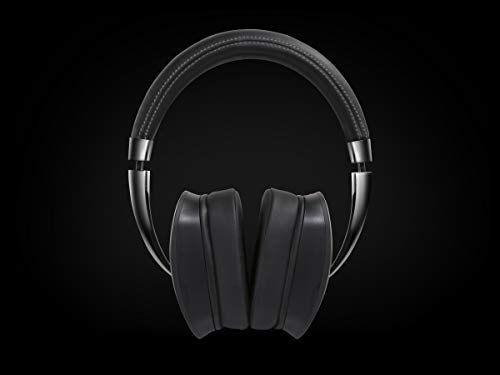
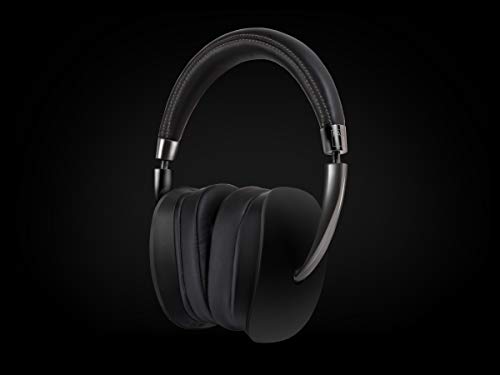
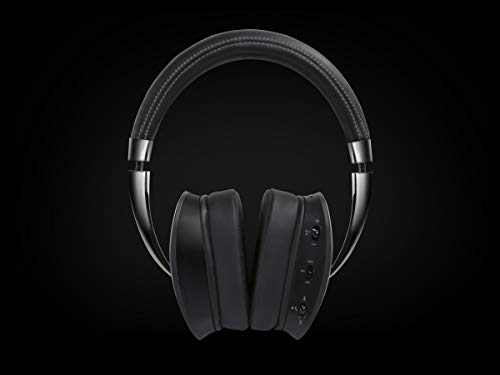
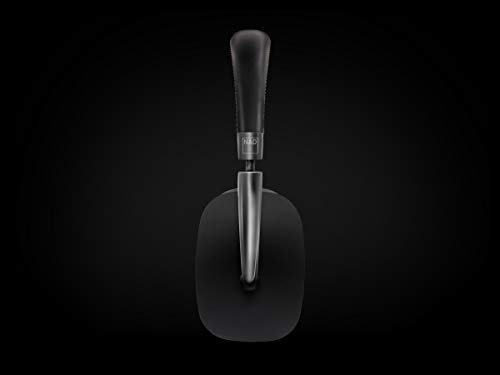
NAD Viso HP70 Review | 93 Data compared

Avg. price:~£350Form factor:over-earConnectivity:wirelessBattery life:15 hoursActive noise cancellation (ANC):yes

NAD Viso HP70 Review: Compare 93 technical specifications and user reviews to see how this product ranks in the Headphones category and whether it is worth buying.
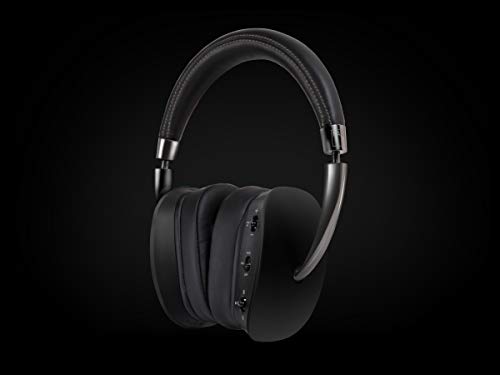
NAD Viso HP70
7.1/10

Overall score

Score
7.1/ 10
✕
What it is
An overall evaluation of the headphones' quality, based on technical analyses and user reviews.
When it matters
When you need a quick reference to identify the best headphones on the market.
Score distribution
▼
<55-66-77-88-99-10
Score components

80%

7.3

Technical score

20%

6.1

User score

▲Better than 76% of headphones
7.6

Value for money

Value for money
7.6/ 10
✕
What it is
An indicator that combines the headphones' overall rating with their cost.
When it matters
When you are looking for headphones that offer a strong balance of performance, features, and price.
Score distribution
▼
<55-66-77-88-99-10
Score components

70%

7.1

Overall score

30%

8.7

Price

▲Better than 66%
7.3

Technical score

Technical score
7.3/ 10
✕
What it is
An assessment of technical performance for products in the Headphones category across these key areas: Sound, Calls & Controls, Connectivity, Features, Battery, Design.
When it matters
When you want to compare headphones based on technical performance and available features.
Score distribution
▼
<55-66-77-88-99-10
Score components

52%

8.6

Sound

20%

6.4

Features

10%

6.1

Design

8%

5.6

Connectivity

6%

2.9

Battery

4%

8.9

Calls & Controls

▲Better than 81%
6.1

User score

User score
6.1/ 10
✕
What it is
A rating that combines user reviews and the total number of reviews received by the headphones.
When it matters
When you want to understand how headphones perform in real listening and how reliable they are in terms of comfort, audio quality, battery life, and long-term use.
Score distribution
▼
<55-66-77-88-99-10
Score components

70%

7.0

User ratings

30%

4.0

Number of reviews

Based on ratings from across the web.
▼Worse than 96%
  • nad-viso-hp70
  • nad-viso-hp70
  • nad-viso-hp70
  • nad-viso-hp70
  • nad-viso-hp70
nad-viso-hp70
nad-viso-hp70
nad-viso-hp70
nad-viso-hp70
nad-viso-hp70
Where to buy
*As an Amazon Associate, we earn from qualifying purchases.
Loading...
Loading category ranking...

Technical Specifications of pair of headphones NAD Viso HP70

Technical score
Technical score
7.3/ 10
✕
What it is
An assessment of technical performance for products in the Headphones category across these key areas: Sound, Calls & Controls, Connectivity, Features, Battery, Design.
When it matters
When you want to compare headphones based on technical performance and available features.
Score distribution
▼
<55-66-77-88-99-10
Score components:

52%

8.6

Sound

20%

6.4

Features

10%

6.1

Design

8%

5.6

Connectivity

6%

2.9

Battery

4%

8.9

Calls & Controls

7.3
User score
User score
6.1/ 10
✕
What it is
A rating that combines user reviews and the total number of reviews received by the headphones.
When it matters
When you want to understand how headphones perform in real listening and how reliable they are in terms of comfort, audio quality, battery life, and long-term use.
Score distribution
▼
<55-66-77-88-99-10
Score components

70%

7.0

User ratings

30%

4.0

Number of reviews

Based on ratings from across the web.
6.1
Popularity
Popularity
4.0/ 10
✕
What it is
An indicator based on the number of reviews received by the headphones.
When it matters
When you prefer headphones that have already been chosen and reviewed by many other users.
Score distribution
▼
<55-66-77-88-99-10
Popularity:
NAD Viso HP70 has a popularity score of 4 points, which is lower than that of 65.9% of products in this category.
4.0
Value for money
Value for money
7.6/ 10
✕
What it is
An indicator that combines the headphones' overall rating with their cost.
When it matters
When you are looking for headphones that offer a strong balance of performance, features, and price.
Score distribution
▼
<55-66-77-88-99-10
Score components:

70%

7.1

Overall score

30%

8.7

Price

7.6
Active noise cancellation (ANC)
yes
This pair of headphones supports active noise cancellation. 72.6% of headphones support active noise cancellation.
Driver type
dynamic
Driver size
40 mm
This pair of headphones uses a driver size of 40 mm, larger driver size than 28.6% of headphones and equal to 53.3% of headphones.
Number of drivers
1
This pair of headphones uses 1 drivers, fewer drivers than 4% of headphones and equal to 96% of headphones.
Lowest frequency
10 Hz
This pair of headphones reaches a lowest frequency of 10 Hz, lower lowest frequency than 67.2% of headphones and equal to 12.6% of headphones.
Show more
Noise-canceling microphone
yes
This pair of headphones supports a noise-canceling microphone. 61.1% of headphones support noise-canceling microphones.
Can be used as a headset
yes
This pair of headphones is headset-ready, 84.8% is not. 15.2% of headphones can be used as headsets.
Number of microphones
4
This pair of headphones has 4 microphones, more microphones than 88% of headphones and equal to 5.1% of headphones.
Boom microphone
no
This pair of headphones does not include a boom microphone. 13.5% of headphones have a boom microphone.
Microphone SNR
?
Show more
Connectivity
wireless
This pair of headphones supports wireless connectivity, more flexible connectivity than 50.8% of headphones and equal to 49.2% of headphones.
Bluetooth version
4
This pair of headphones uses Bluetooth version 4, newer Bluetooth version than 57.3% of headphones and equal to 4.9% of headphones.
Maximum Bluetooth range
10 m
This pair of headphones offers a Bluetooth range of 10 m, higher Bluetooth range than 2.7% of headphones and equal to 80.6% of headphones.
Audio latency
250 ms
This pair of headphones has audio latency of 250 ms, higher audio latency than 93% of headphones and equal to 3.2% of headphones.
Multipoint support
yes
This pair of headphones supports multipoint. 69.4% of headphones support multipoint.
Show more
Ambient sound mode
yes
This pair of headphones supports ambient sound mode. 75.2% of headphones support ambient sound mode.
EQ support
yes
This pair of headphones supports EQ customization. 76.8% of headphones support EQ.
Companion app
no
This pair of headphones does not work with a companion app. 21.6% of headphones support companion apps.
Adjustable ANC levels
N/A
Voice assistant support
yes
This pair of headphones supports voice assistants. 39.2% of headphones support voice assistants.
Show more
Battery life
15 hours
This pair of headphones offers battery life of 15 hours, lower battery life than 79.3% of headphones and equal to 3.8% of headphones.
Battery life with ANC
15 hours
This pair of headphones offers battery life with ANC of 15 hours, lower battery life with ANC than 87.6% of headphones and equal to 3.5% of headphones.
Charging time
4 hours
This pair of headphones needs 4 hours to charge, higher charging time than 90.6% of headphones and equal to 4.6% of headphones.
Quick charge
no
This pair of headphones does not support quick charging. 33.1% of headphones support quick charge.
Battery capacity
600 mAh
This pair of headphones has a battery capacity of 600 mAh, higher battery capacity than 50.2% of headphones and equal to 7.9% of headphones.
Show more
Brand name
NAD
Form factor
over-ear
Weight
320 g
This pair of headphones weighs 320 g, heavier than 84.9% of headphones and equal to 1.4% of headphones.
Acoustic design
closed-back
Clamp force
?
Show more

NAD Viso HP70 vs the average pair of headphones

246810TotalDesignSoundBatteryConnectivityCalls & ControlsFeatures
  • Active noise cancellation
    This pair of headphones supports active noise cancellation, the average pair of headphones does not. 27.5% of headphones support active noise cancellation.
  • Ambient sound mode
    This pair of headphones supports ambient sound mode, the average pair of headphones does not. 24.9% of headphones support ambient sound mode.
  • EQ customization
    This pair of headphones supports EQ customization, the average pair of headphones does not. 23.2% of headphones support EQ.
  • Multipoint support
    This pair of headphones supports multipoint, the average pair of headphones does not. 30.6% of headphones support multipoint.
  • More flexible connectivity
    This pair of headphones offers more flexible connectivity than the average pair of headphones (wireless vs wired). The average headphones support wired connectivity.
    wireless vs wired
  • Clear call microphone
    This pair of headphones offers a clear call microphone, while the average pair of headphones does not. 39% of headphones support noise-canceling microphones.
  • 8 Hz lower bass extension
    This pair of headphones has a lower lowest frequency than the average pair of headphones (10 Hz vs 18 Hz). The average headphones reach a lowest frequency of 18 Hz.
    10 Hz vs 18 Hz
  • AptX HD support
    This pair of headphones supports aptX HD, the average pair of headphones does not. 7.6% of headphones support aptX HD.
  • Foldable design
    This pair of headphones has a foldable design, the average pair of headphones does not. 48.3% of headphones are foldable.
  • Active noise cancellation
    This pair of headphones supports active noise cancellation, the average pair of headphones does not. 27.5% of headphones support active noise cancellation.
  • 8 Hz lower bass extension
    This pair of headphones has a lower lowest frequency than the average pair of headphones (10 Hz vs 18 Hz). The average headphones reach a lowest frequency of 18 Hz.
    10 Hz vs 18 Hz
  • Wireless charging support
    This pair of headphones supports wireless charging, the average pair of headphones does not. 3.9% of headphones support wireless charging.
  • Rechargeable battery
    This pair of headphones has a rechargeable battery, the average pair of headphones does not. 47.9% of headphones have a rechargeable battery.
  • Multipoint support
    This pair of headphones supports multipoint, the average pair of headphones does not. 30.6% of headphones support multipoint.
  • More flexible connectivity
    This pair of headphones offers more flexible connectivity than the average pair of headphones (wireless vs wired). The average headphones support wired connectivity.
    wireless vs wired
  • AptX HD support
    This pair of headphones supports aptX HD, the average pair of headphones does not. 7.6% of headphones support aptX HD.
  • AAC codec support
    This pair of headphones supports AAC, the average pair of headphones does not. 32.2% of headphones support AAC.
  • NFC pairing
    This pair of headphones supports NFC pairing, the average pair of headphones does not. 11.7% of headphones support NFC pairing.
  • AptX support
    This pair of headphones supports aptX, the average pair of headphones does not. 18.4% of headphones support aptX.
  • Multipoint connections
    This pair of headphones supports multipoint connections, while the average pair of headphones does not. 30.2% of headphones support multipoint connections.
    supports multipoint for up to 2 devices.
  • Clear call microphone
    This pair of headphones offers a clear call microphone, while the average pair of headphones does not. 39% of headphones support noise-canceling microphones.
  • On-device controls
    This pair of headphones includes on-device controls, the average pair of headphones does not. 46.8% of headphones support on-device controls.
  • 3 more microphones
    This pair of headphones has more microphones than the average pair of headphones (4 vs 1). The average headphones have 1 microphones.
    4 vs 1
  • Wind noise reduction
    This pair of headphones reduces wind noise, the average pair of headphones does not. 34.3% of headphones support wind noise reduction.
  • Sidetone support
    This pair of headphones supports sidetone, the average pair of headphones does not. 25.3% of headphones support sidetone.
  • Ambient sound mode
    This pair of headphones supports ambient sound mode, the average pair of headphones does not. 24.9% of headphones support ambient sound mode.
  • EQ customization
    This pair of headphones supports EQ customization, the average pair of headphones does not. 23.2% of headphones support EQ.
  • 2 hours longer charging time
    This pair of headphones has a higher charging time than the average pair of headphones (4 hours vs 2 hours). The average headphones need 2 hours to charge.
    4 hours vs 2 hours
  • 46.8% higher weight
    This pair of headphones is heavier than the average pair of headphones (320 g vs 218 g). The average pair of headphones weighs 218 g.
    320 g vs 218 g
  • 100 ms higher audio latency
    This pair of headphones has a higher audio latency than the average pair of headphones (250 ms vs 150 ms). The average headphones have audio latency of 150 ms.
    250 ms vs 150 ms
  • 15 hours shorter ANC battery life
    This pair of headphones has a lower battery life with ANC than the average pair of headphones (15 hours vs 30 hours). The average headphones offer battery life with ANC of 30 hours.
    15 hours vs 30 hours
  • 15 hours shorter battery life
    This pair of headphones has a lower battery life than the average pair of headphones (15 hours vs 30 hours). The average headphones offer battery life of 30 hours.
    15 hours vs 30 hours
  • 14 mm tighter earcup width
    This pair of headphones has tighter earcup width than the average pair of headphones (30 mm vs 44 mm). The average headphones offer an inner earcup width of 44 mm.
    30 mm vs 44 mm
  • 31% lower user score
    User score
    6.1/ 10
    ✕
    What it is
    A rating that combines user reviews and the total number of reviews received by the headphones.
    When it matters
    When you want to understand how headphones perform in real listening and how reliable they are in terms of comfort, audio quality, battery life, and long-term use.
    Score distribution
    ▼
    ▼
    <55-66-77-88-99-10
    NAD Viso HP70
    the average pair of headphones
    NAD Viso HP70 has a lower user score than the average pair of headphones (6.1 vs 8).
    6.1 vs 8
  • 3.89x more expensive
    NAD Viso HP70 is more expensive than the average pair of headphones (£350 vs £90).
    £350 vs £90
  • 46.2% less popular
    NAD Viso HP70 is less popular than the average pair of headphones (4.02 vs 5.9).
    4.02 vs 5.87
  • 46.8% higher weight
    This pair of headphones is heavier than the average pair of headphones (320 g vs 218 g). The average pair of headphones weighs 218 g.
    320 g vs 218 g
  • 14 mm tighter earcup width
    This pair of headphones has tighter earcup width than the average pair of headphones (30 mm vs 44 mm). The average headphones offer an inner earcup width of 44 mm.
    30 mm vs 44 mm
  • No neodymium magnet
    This pair of headphones does not use neodymium magnets, the average pair of headphones does. 81.9% of headphones use neodymium magnets.
  • 2 hours longer charging time
    This pair of headphones has a higher charging time than the average pair of headphones (4 hours vs 2 hours). The average headphones need 2 hours to charge.
    4 hours vs 2 hours
  • 15 hours shorter ANC battery life
    This pair of headphones has a lower battery life with ANC than the average pair of headphones (15 hours vs 30 hours). The average headphones offer battery life with ANC of 30 hours.
    15 hours vs 30 hours
  • 15 hours shorter battery life
    This pair of headphones has a lower battery life than the average pair of headphones (15 hours vs 30 hours). The average headphones offer battery life of 30 hours.
    15 hours vs 30 hours
  • 100 ms higher audio latency
    This pair of headphones has a higher audio latency than the average pair of headphones (250 ms vs 150 ms). The average headphones have audio latency of 150 ms.
    250 ms vs 150 ms

Video reviews

Hands-on testing, unboxing, and real-world video evaluations

6.0
Gadgets tech
≈ estimated
23/09/2018
Hands-on review · subway noise cancelling and wired comparison
Verdict
NAD Viso HP70 is a mixed bag: strong noise cancelling and bass, but its sibling HP 50 sounds clearer.
Shop video
Overview video

Expert reviews

In-depth analysis and verdict from leading tech publications

soundstagesolo.com
20/08/2018
Full review · Bluetooth noise cancelling
Verdict
The NAD Viso HP70 is a solid, warm-sounding headphone with more precise imaging than the HP50, though its sound shifts noticeably between Bluetooth and wired modes.
cnet.com
22/09/2018
Hands-on review · Wireless noise cancelling
Verdict
The NAD VISO HP70 blocks noise well and makes clear calls, but its rich, bass-heavy sound may be too much compared with the leaner HP50.
headphone.guru
06/11/2018
Hands-on review · Wireless noise cancelling
Verdict
The NAD VISO HP70 is a comfortable noise-cancelling headphone with clear, detailed sound, though its noise cancelling falls behind Bose and Sony's top models.
hifitrends.com
22/11/2019
Listening review · Wireless noise-cancelling
Verdict
The NAD VISO HP70 is a well-built, crisp, detailed wireless headphone with effective noise cancelling, though its soundstage feels a little closed-in.
stereonet.com
21/08/2018
Hands-on review · Noise cancelling headphones
Verdict
The NAD Viso HP70 is a big, sturdy headphone with punchy bass, excellent passive isolation and simple controls, though its size may take getting used to.
majorhifi.com
05/05/2018
Review · Wireless over-ear
Verdict
The NAD Viso HP70 has a balanced, deep-bass sound that suits most genres, but it is bulky and overpriced for what it offers.
likehifi.de
27/04/2019
Test · Wireless noise-cancelling
Verdict
The NAD VISO HP70 is a sturdy travel headphone with effective noise cancelling and a balanced, full sound that stays good over Bluetooth.
on-mag.fr
21/08/2018
Lab test · Wireless noise cancelling
Verdict
The NAD VISO HP70 is a sturdy, full-bodied wireless headphone with generous bass, suiting listeners who want rich character more than a neutral sound.

Third-party reviews

Based on ratings from across the web.
Reviews last updated: November 2026 · How we calculate this

What customers like about NAD Viso HP70

  • Superior sound quality with NAD's 'RoomFeel' technology providing a natural, speaker-like experience.
  • Warm and detailed sound signature with deep, impactful bass that doesn't overwhelm the mids.
  • Effective active noise cancellation (ANC) that blocks low-frequency rumbles like airplane engines.
  • Highly comfortable ear padding suitable for long listening sessions and larger ears.
  • Versatile connectivity options including Bluetooth (aptX HD), 3.5mm wired, and USB DAC mode.
  • Includes a comprehensive accessory kit with multiple adapters and a travel case.

What customers don't like about NAD Viso HP70

  • ANC performance trails behind industry leaders like Sony and Bose, particularly for mid-range office noise.
  • Bulky, non-folding design limits portability despite the ear cups rotating flat for storage.
  • Battery life is relatively short at 15 hours compared to modern competitors.
  • Microphone quality for calls is inconsistent and sensitive to head positioning.
  • Passive wired mode (3.5mm) without the internal amp turned on results in significantly poorer sound quality.
  • Charging uses older micro-USB technology rather than the current USB-C standard.
  • Some users report build quality concerns, including loose hinges and non-user-replaceable batteries.

Verdict

The NAD VISO HP70 is a closed-back, wireless over-ear headphone featuring 40mm dynamic drivers and a 32-ohm nominal impedance, designed to deliver an audiophile-grade experience on the go. Its standout characteristic is the proprietary RoomFeel™ technology, which uses DSP to mimic the acoustic response of high-end loudspeakers in a room for a more natural soundstage. Key specifications include Bluetooth with aptX™ HD for high-definition audio, active noise cancellation (ANC), and a tri-mode operation allowing for passive, active, and ANC modes. It offers approximately 15 hours of battery life and supports wired listening via a 3.5mm jack or micro-USB, which also acts as an internal DAC. Main pros include a rich, bass-impactful sound profile, high-quality spring-steel construction with plush leatherette padding, and exceptionally intuitive physical controls. However, notable cons include its relatively heavy 320g weight, a somewhat bulky and non-folding design that limits portability, and a battery life that trails behind many modern competitors.

Compare NAD Viso HP70 with other products in the Headphones category

1Product to compare no. 1
VS
2Product to compare no. 2
VS
3Product to compare no. 3 (optional)

Graphic comparison of NAD Viso HP70 and other products in the Headphones category

No results found