Scored using Headphones Methodology v1.0
Headphones Methodology v1.0
Mathematical & Unbiased Scoring
Products in this category are scored under Frontum Headphones Methodology v1.0: technical specifications plus authentic consumer ratings, with 0% commercial bias.
Explore Headphones Methodology v1.0

Hama Spirit Focused Review | 93 Data compared

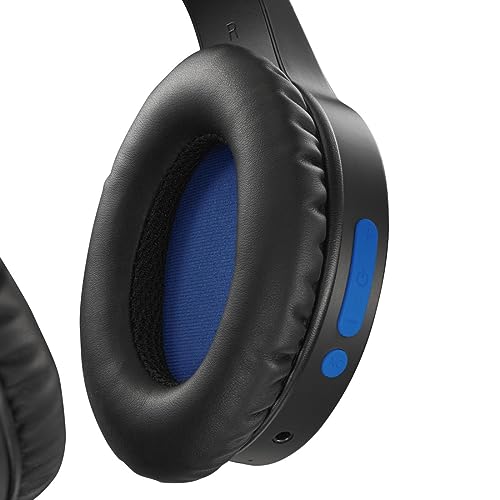
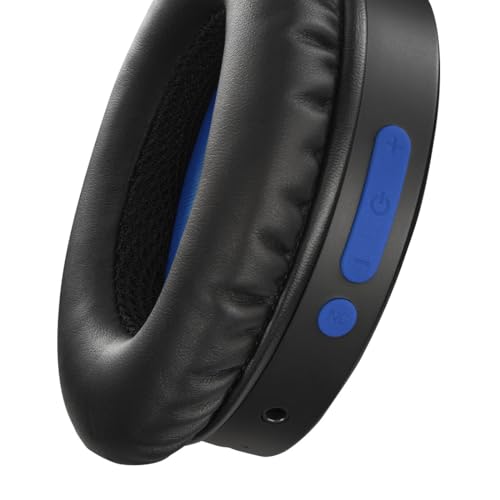
Avg. price:~£25Form factor:over-earConnectivity:wirelessBattery life:23 hoursActive noise cancellation (ANC):yes

Hama Spirit Focused Review: Compare 93 technical specifications and user reviews to see how this product ranks in the Headphones category and whether it is worth buying.

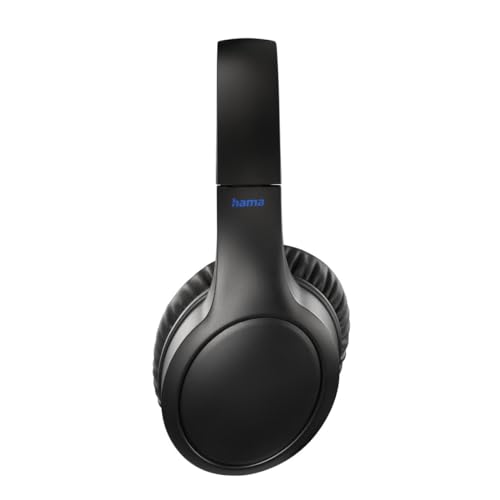
Hama Spirit Focused
6.8/10

Overall score

Score
6.8/ 10
✕
What it is
An overall evaluation of the headphones' quality, based on technical analyses and user reviews.
When it matters
When you need a quick reference to identify the best headphones on the market.
Score distribution
â–¼
<55-66-77-88-99-10
Score components

80%

7.0

Technical score

20%

5.7

User score

â–²Better than 70% of headphones
7.7

Value for money

Value for money
7.7/ 10
✕
What it is
An indicator that combines the headphones' overall rating with their cost.
When it matters
When you are looking for headphones that offer a strong balance of performance, features, and price.
Score distribution
â–¼
<55-66-77-88-99-10
Score components

70%

6.8

Overall score

30%

10

Price

â–²Better than 70%
7.0

Technical score

Technical score
7.0/ 10
✕
What it is
An assessment of technical performance for products in the Headphones category across these key areas: Sound, Calls & Controls, Connectivity, Features, Battery, Design.
When it matters
When you want to compare headphones based on technical performance and available features.
Score distribution
â–¼
<55-66-77-88-99-10
Score components

52%

8.1

Sound

20%

5.4

Features

10%

6.0

Design

8%

6.1

Connectivity

6%

5.0

Battery

4%

8.0

Calls & Controls

â–²Better than 76%
5.7

User score

User score
5.7/ 10
✕
What it is
A rating that combines user reviews and the total number of reviews received by the headphones.
When it matters
When you want to understand how headphones perform in real listening and how reliable they are in terms of comfort, audio quality, battery life, and long-term use.
Score distribution
â–¼
<55-66-77-88-99-10
Score components

70%

6.6

User ratings

30%

3.5

Number of reviews

Based on ratings from across the web.
â–¼Worse than 98%
Loading...
Loading category ranking...

Technical Specifications of pair of headphones Hama Spirit Focused

Technical score
Technical score
7.0/ 10
✕
What it is
An assessment of technical performance for products in the Headphones category across these key areas: Sound, Calls & Controls, Connectivity, Features, Battery, Design.
When it matters
When you want to compare headphones based on technical performance and available features.
Score distribution
â–¼
<55-66-77-88-99-10
Score components:

52%

8.1

Sound

20%

5.4

Features

10%

6.0

Design

8%

6.1

Connectivity

6%

5.0

Battery

4%

8.0

Calls & Controls

7.0
User score
User score
5.7/ 10
✕
What it is
A rating that combines user reviews and the total number of reviews received by the headphones.
When it matters
When you want to understand how headphones perform in real listening and how reliable they are in terms of comfort, audio quality, battery life, and long-term use.
Score distribution
â–¼
<55-66-77-88-99-10
Score components

70%

6.6

User ratings

30%

3.5

Number of reviews

Based on ratings from across the web.
5.7
Popularity
Popularity
3.5/ 10
✕
What it is
An indicator based on the number of reviews received by the headphones.
When it matters
When you prefer headphones that have already been chosen and reviewed by many other users.
Score distribution
â–¼
<55-66-77-88-99-10
Popularity:
Hama Spirit Focused has a popularity score of 3.5 points, which is lower than that of 68% of products in this category.
3.5
Value for money
Value for money
7.7/ 10
✕
What it is
An indicator that combines the headphones' overall rating with their cost.
When it matters
When you are looking for headphones that offer a strong balance of performance, features, and price.
Score distribution
â–¼
<55-66-77-88-99-10
Score components:

70%

6.8

Overall score

30%

10

Price

7.7
Active noise cancellation (ANC)
yes
This pair of headphones supports active noise cancellation. 72.6% of headphones support active noise cancellation.
Driver type
dynamic
Driver size
40 mm
This pair of headphones uses a driver size of 40 mm, larger driver size than 28.6% of headphones and equal to 53.3% of headphones.
Number of drivers
1
This pair of headphones uses 1 drivers, fewer drivers than 4% of headphones and equal to 96% of headphones.
Lowest frequency
20 Hz
This pair of headphones reaches a lowest frequency of 20 Hz, higher lowest frequency than 50.8% of headphones and equal to 47.3% of headphones.
Show more
Noise-canceling microphone
yes
This pair of headphones supports a noise-canceling microphone. 61.1% of headphones support noise-canceling microphones.
Can be used as a headset

yes
This pair of headphones is headset-ready, 84.8% is not. 15.2% of headphones can be used as headsets.
Number of microphones
?
Boom microphone
no
This pair of headphones does not include a boom microphone. 13.5% of headphones have a boom microphone.
Microphone SNR
?
Show more
Connectivity
wireless
This pair of headphones supports wireless connectivity, more flexible connectivity than 50.8% of headphones and equal to 49.2% of headphones.
Bluetooth version
5
This pair of headphones uses Bluetooth version 5, newer Bluetooth version than 70.9% of headphones and equal to 13.1% of headphones.
Maximum Bluetooth range
10 m
This pair of headphones offers a Bluetooth range of 10 m, higher Bluetooth range than 2.7% of headphones and equal to 80.6% of headphones.
Audio latency
200 ms
This pair of headphones has audio latency of 200 ms, higher audio latency than 71.4% of headphones and equal to 13.9% of headphones.
Multipoint support
yes
This pair of headphones supports multipoint. 69.4% of headphones support multipoint.
Show more
Ambient sound mode
yes
This pair of headphones supports ambient sound mode. 75.2% of headphones support ambient sound mode.
EQ support
no
This pair of headphones does not support EQ customization. 23.2% of headphones support EQ.
Companion app
no
This pair of headphones does not work with a companion app. 21.6% of headphones support companion apps.
Adjustable ANC levels
N/A
Voice assistant support
yes
This pair of headphones supports voice assistants. 39.2% of headphones support voice assistants.
Show more
Battery life
23 hours
This pair of headphones offers battery life of 23 hours, lower battery life than 62.2% of headphones and equal to 0.5% of headphones.
Battery life with ANC
15 hours
This pair of headphones offers battery life with ANC of 15 hours, lower battery life with ANC than 87.6% of headphones and equal to 3.5% of headphones.
Charging time
1.5 hours
This pair of headphones needs 1.5 hours to charge, lower charging time than 87.2% of headphones and equal to 7.6% of headphones.
Quick charge
no
This pair of headphones does not support quick charging. 33.1% of headphones support quick charge.
Battery capacity
380 mAh
This pair of headphones has a battery capacity of 380 mAh, lower battery capacity than 78.4% of headphones and equal to 0.7% of headphones.
Show more
Brand name
Hama
Form factor
over-ear
Weight
215 g
This pair of headphones weighs 215 g, lighter than 50.7% of headphones and equal to 0.7% of headphones.
Acoustic design
closed-back
Clamp force
?
Show more

Hama Spirit Focused vs the average pair of headphones

246810TotalDesignSoundBatteryConnectivityCalls & ControlsFeatures
  • Active noise cancellation
    This pair of headphones supports active noise cancellation, the average pair of headphones does not. 27.5% of headphones support active noise cancellation.
  • Ambient sound mode
    This pair of headphones supports ambient sound mode, the average pair of headphones does not. 24.9% of headphones support ambient sound mode.
  • Multipoint support
    This pair of headphones supports multipoint, the average pair of headphones does not. 30.6% of headphones support multipoint.
  • More flexible connectivity
    This pair of headphones offers more flexible connectivity than the average pair of headphones (wireless vs wired). The average headphones support wired connectivity.
    wireless vs wired
  • LDAC support
    This pair of headphones supports LDAC, the average pair of headphones does not. 8.1% of headphones support LDAC.
  • Clear call microphone
    This pair of headphones offers a clear call microphone, while the average pair of headphones does not. 39% of headphones support noise-canceling microphones.
  • On-device controls
    This pair of headphones includes on-device controls, the average pair of headphones does not. 46.8% of headphones support on-device controls.
  • 0.5 hours shorter charging time
    This pair of headphones has a lower charging time than the average pair of headphones (1.5 hours vs 2 hours). The average headphones need 2 hours to charge.
    1.5 hours vs 2 hours
  • 3.6x cheaper
    Hama Spirit Focused is cheaper than the average pair of headphones (£25 vs £90).
    £25 vs £90
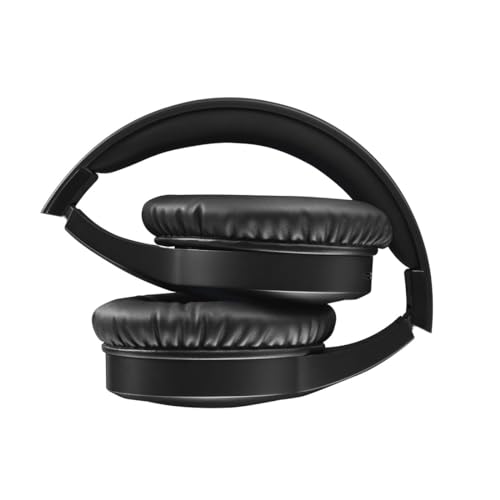
  • Foldable design
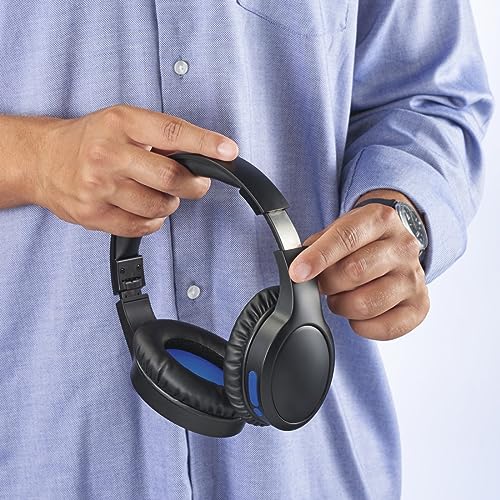
    This pair of headphones has a foldable design, the average pair of headphones does not. 48.3% of headphones are foldable.
  • Active noise cancellation
    This pair of headphones supports active noise cancellation, the average pair of headphones does not. 27.5% of headphones support active noise cancellation.
  • 0.5 hours shorter charging time
    This pair of headphones has a lower charging time than the average pair of headphones (1.5 hours vs 2 hours). The average headphones need 2 hours to charge.
    1.5 hours vs 2 hours
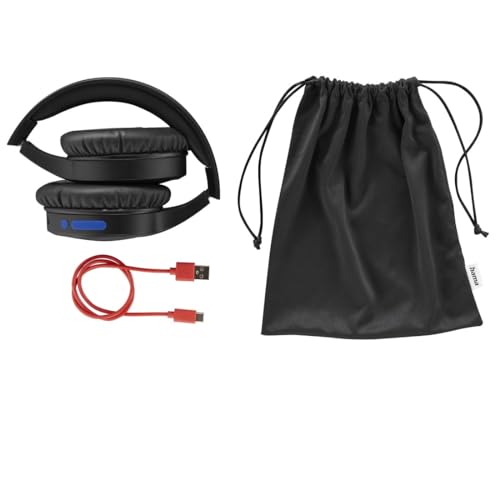
  • USB-C charging
    This pair of headphones uses USB-C charging, the average pair of headphones does not. 29.5% of headphones use USB Type-C.
  • Rechargeable battery
    This pair of headphones has a rechargeable battery, the average pair of headphones does not. 47.9% of headphones have a rechargeable battery.
  • Multipoint support
    This pair of headphones supports multipoint, the average pair of headphones does not. 30.6% of headphones support multipoint.
  • More flexible connectivity
    This pair of headphones offers more flexible connectivity than the average pair of headphones (wireless vs wired). The average headphones support wired connectivity.
    wireless vs wired
  • LDAC support
    This pair of headphones supports LDAC, the average pair of headphones does not. 8.1% of headphones support LDAC.
  • Multipoint connections
    This pair of headphones supports multipoint connections, while the average pair of headphones does not. 30.2% of headphones support multipoint connections.
    supports multipoint for up to 2 devices.
  • Clear call microphone
    This pair of headphones offers a clear call microphone, while the average pair of headphones does not. 39% of headphones support noise-canceling microphones.
  • On-device controls
    This pair of headphones includes on-device controls, the average pair of headphones does not. 46.8% of headphones support on-device controls.
  • Ambient sound mode
    This pair of headphones supports ambient sound mode, the average pair of headphones does not. 24.9% of headphones support ambient sound mode.
  • 7 newer release date
    This pair of headphones was released more recently than the average pair of headphones (2023 vs 2016). The average headphones were released in 2016.
    April 2023
    2023 vs 2016
  • Non-replaceable earpads
    This pair of headphones has non-replaceable earpads, while the average pair of headphones has replaceable ones. 75.6% of headphones have replaceable earpads.
  • 6 dB/mW lower sensitivity
    This pair of headphones has a lower sensitivity than the average pair of headphones (96 dB/mW vs 102 dB/mW). The average headphones have sensitivity of 102 dB/mW.
    96 dB/mW vs 102 dB/mW
  • 15 hours shorter ANC battery life
    This pair of headphones has a lower battery life with ANC than the average pair of headphones (15 hours vs 30 hours). The average headphones offer battery life with ANC of 30 hours.
    15 hours vs 30 hours
  • 50 ms higher audio latency
    This pair of headphones has a higher audio latency than the average pair of headphones (200 ms vs 150 ms). The average headphones have audio latency of 150 ms.
    200 ms vs 150 ms
  • 2 Hz weaker bass extension
    This pair of headphones has a higher lowest frequency than the average pair of headphones (20 Hz vs 18 Hz). The average headphones reach a lowest frequency of 18 Hz.
    20 Hz vs 18 Hz
  • 41.1% lower user score
    User score
    5.7/ 10
    ✕
    What it is
    A rating that combines user reviews and the total number of reviews received by the headphones.
    When it matters
    When you want to understand how headphones perform in real listening and how reliable they are in terms of comfort, audio quality, battery life, and long-term use.
    Score distribution
    â–¼
    â–¼
    <55-66-77-88-99-10
    Hama Spirit Focused
    the average pair of headphones
    Hama Spirit Focused has a lower user score than the average pair of headphones (5.67 vs 8).
    5.67 vs 8
  • No battery indicator
    This pair of headphones does not show battery level clearly, while the average pair of headphones does. 56.3% of headphones have a battery level indicator.
  • 34.5% lower battery capacity
    This pair of headphones has a lower battery capacity than the average pair of headphones (380 mAh vs 580 mAh). The average headphones have a battery capacity of 580 mAh.
    380 mAh vs 580 mAh
  • 41.1% lower user score
    User score
    5.7/ 10
    ✕
    What it is
    A rating that combines user reviews and the total number of reviews received by the headphones.
    When it matters
    When you want to understand how headphones perform in real listening and how reliable they are in terms of comfort, audio quality, battery life, and long-term use.
    Score distribution
    â–¼
    â–¼
    <55-66-77-88-99-10
    Hama Spirit Focused
    the average pair of headphones
    Hama Spirit Focused has a lower user score than the average pair of headphones (5.67 vs 8).
    5.67 vs 8
  • 69.8% less popular
    Hama Spirit Focused is less popular than the average pair of headphones (3.46 vs 5.9).
    3.46 vs 5.87
  • Non-replaceable earpads
    This pair of headphones has non-replaceable earpads, while the average pair of headphones has replaceable ones. 75.6% of headphones have replaceable earpads.
  • Tangle-prone cable
    This pair of headphones uses a tangle-prone cable, while the average pair of headphones is easier to manage. 64.2% of headphones use a tangle-free cable.
  • 6 dB/mW lower sensitivity
    This pair of headphones has a lower sensitivity than the average pair of headphones (96 dB/mW vs 102 dB/mW). The average headphones have sensitivity of 102 dB/mW.
    96 dB/mW vs 102 dB/mW
  • 2 Hz weaker bass extension
    This pair of headphones has a higher lowest frequency than the average pair of headphones (20 Hz vs 18 Hz). The average headphones reach a lowest frequency of 18 Hz.
    20 Hz vs 18 Hz
  • No neodymium magnet
    This pair of headphones does not use neodymium magnets, the average pair of headphones does. 81.9% of headphones use neodymium magnets.
  • 14 dB lower max SPL
    This pair of headphones has a lower max SPL than the average pair of headphones (96 dB vs 110 dB). The average headphones reach a max SPL of 110 dB.
    96 dB vs 110 dB
  • 7 dB SPL lower sound pressure level
    This pair of headphones has a lower sound pressure level than the average pair of headphones (96 dB SPL vs 103 dB SPL). The average headphones reach a sound pressure level of 103 dB SPL.
    96 dB SPL vs 103 dB SPL
  • 15 hours shorter ANC battery life
    This pair of headphones has a lower battery life with ANC than the average pair of headphones (15 hours vs 30 hours). The average headphones offer battery life with ANC of 30 hours.
    15 hours vs 30 hours
  • No battery indicator
    This pair of headphones does not show battery level clearly, while the average pair of headphones does. 56.3% of headphones have a battery level indicator.
  • 34.5% lower battery capacity
    This pair of headphones has a lower battery capacity than the average pair of headphones (380 mAh vs 580 mAh). The average headphones have a battery capacity of 580 mAh.
    380 mAh vs 580 mAh
  • 7 hours shorter battery life
    This pair of headphones has a lower battery life than the average pair of headphones (23 hours vs 30 hours). The average headphones offer battery life of 30 hours.
    23 hours vs 30 hours
  • 50 ms higher audio latency
    This pair of headphones has a higher audio latency than the average pair of headphones (200 ms vs 150 ms). The average headphones have audio latency of 150 ms.
    200 ms vs 150 ms

Third-party reviews

Based on ratings from across the web.
Reviews last updated: November 2026 · How we calculate this

What customers like about Hama Spirit Focused

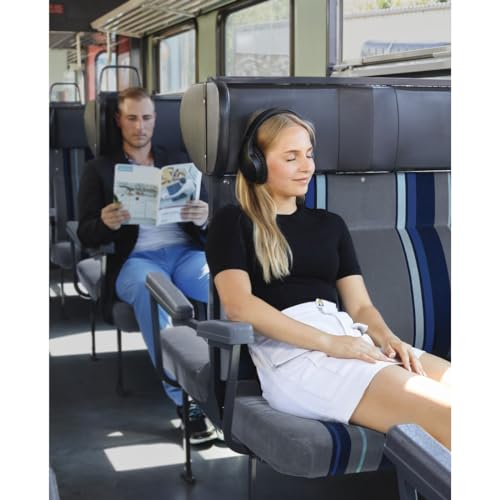
  • Effective Active Noise Cancelling (ANC) for commuting and focus
  • Good battery life of up to 23 hours (15 hours with ANC enabled)
  • Comfortable fit with soft ear pads and adjustable padded headband
  • Lightweight and foldable design, making them highly portable
  • Multipoint connectivity allows pairing with two devices simultaneously
  • Ambient Sound Mode for hearing surroundings without removing headphones
  • Includes a storage bag for protection during travel
  • Fast charging via USB-C (approx. 1.5 hours for full charge)

What customers don't like about Hama Spirit Focused

  • Mixed overall rating (3.3/5 stars) among some early user reviews
  • Lower frequency response (20Hz) compared to some competitors
  • Lack of a battery level indicator on the device itself
  • Uses ferrite magnets instead of more powerful neodymium magnets
  • Bluetooth 5.0 is slightly older compared to newer 5.3 standards
  • No detachable cable option for wired listening

Verdict

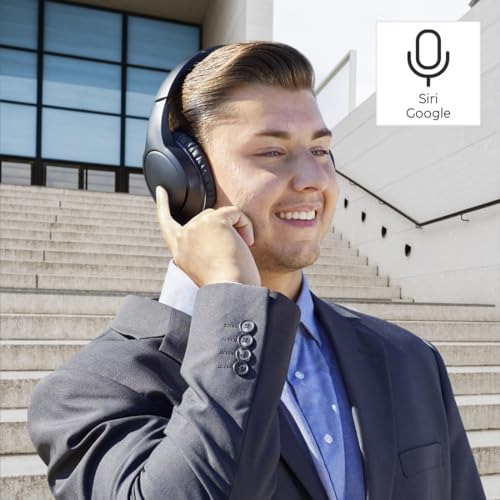
The Hama Spirit Focused are over-ear Bluetooth 5.0 headphones featuring switchable Active Noise Cancellation (ANC) and 40mm drivers delivering a frequency range of 20 Hz to 18 kHz. They offer up to 23 hours of battery life (reduced to 15 hours with ANC enabled) and can be fully recharged via USB-C in 1.5 hours. Key pros include multi-point technology for connecting two devices simultaneously, a lightweight 215g foldable design for portability, and integrated voice assistant support for Siri and Google Assistant. Cons include a lack of water resistance and a frequency response that does not reach the standard 20 kHz high-end limit found in many competitors.

Compare Hama Spirit Focused with other products in the Headphones category

1Product to compare no. 1
VS
2Product to compare no. 2
VS
3Product to compare no. 3 (optional)

Graphic comparison of Hama Spirit Focused and other products in the Headphones category

No results found