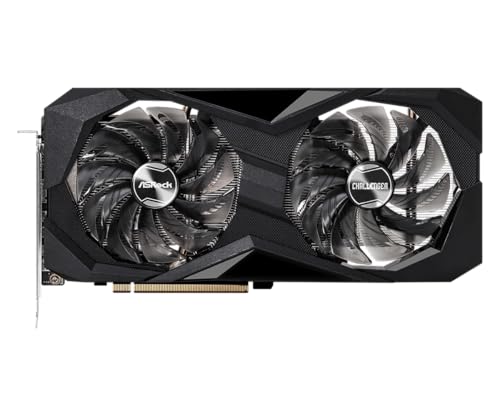
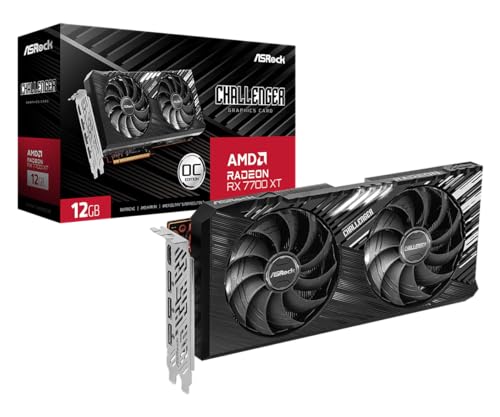
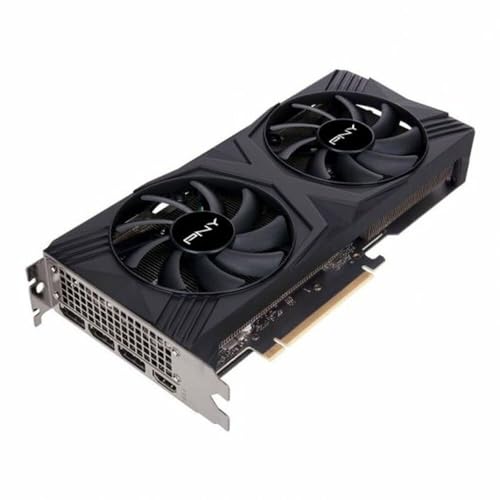
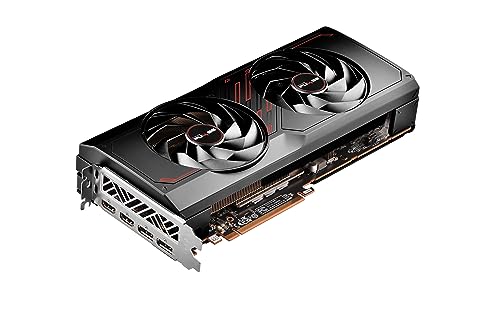
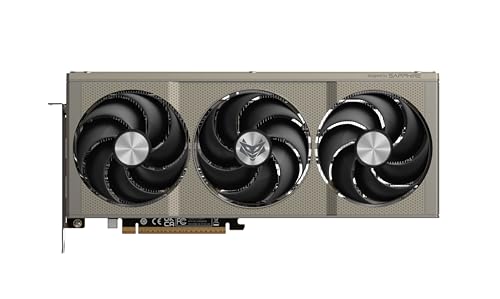
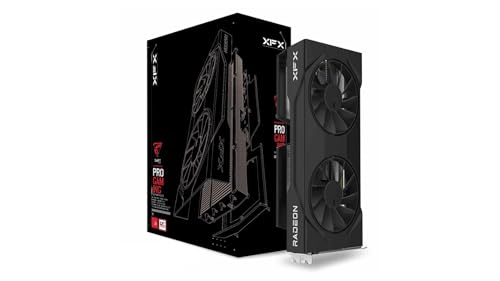
ASRock Radeon RX 6600 XT Challenger D OC Review | 118 Data compared

ASRock Radeon RX 6600 XT Challenger D OC Review | 118 Data compared

double-arrow
  • Avg. price in UK: ~£400
  • Avg. price in US: ~$280
  • VRAM: 8 GB
  • Memory bus width: 128 bit
  • Thermal Design Power (TDP): 160 W

ASRock Radeon RX 6600 XT Challenger D OC review. Compare 118 technical specifications and user reviews to see how this product ranks in the Graphics cards category and whether it is worth buying.

6.4

Overall score

What it is: An overall evaluation of the graphics card's quality, based on technical analyses and user reviews.

When it matters: When you need a quick reference to identify the best graphics cards on the market.

Score components:

90.0%

6.1

Technical Score

10.0%

9.1

User score

Good
6.1

Technical Score

What it is: An assessment of technical performance for products in the Graphics cards category across these key areas: Performance, Memory, Platform & Features, Connectivity & Media, Power & Cooling, Design.

When it matters: When you want to compare graphics cards based on technical performance and available features.

Score components:

44.0%

5.5

Performance

24.0%

3.8

Memory

12.0%

8.4

Power & Cooling

11.0%

9.0

Platform & Features

5.0%

8.8

Design

4.0%

9.1

Connectivity & Media

Good
9.1

User score

What it is: A rating that combines user reviews and the total number of reviews received by the graphics card.

When it matters: When you want to understand how a graphics card performs in real use and how reliable it is in terms of performance, temperatures, noise, stability, and long-term ownership.

Score components:

70.0%

9.6

User reviews

30.0%

7.8

Popularity

User score:
United Kingdom
amazon
4.7
(179)
United States
Amazon_logo.png
4.8
(189)

(Reviews last updated: June 2026)

Exceptional
  • 4.1
    Gaming

    Score components:

    45.0%

    2.5

    Floating-point performance

    25.0%

    4.9

    VRAM

    20.0%

    4.6

    Ray tracing cores / units

    10.0%

    8.8

    PCI Express (PCIe) version

  • 5.7
    Video editing

    Score components:

    35.0%

    7.0

    AV1 encode

    30.0%

    4.9

    VRAM

    20.0%

    2.5

    Floating-point performance

    15.0%

    8.8

    PCI Express (PCIe) version

  • 3.9
    1080p

    Score components:

    55.0%

    2.5

    Floating-point performance

    25.0%

    4.9

    VRAM

    10.0%

    4.6

    Ray tracing cores / units

    10.0%

    8.8

    PCI Express (PCIe) version

  • 3.8
    1440p

    Score components:

    50.0%

    2.5

    Floating-point performance

    30.0%

    4.9

    VRAM

    15.0%

    4.6

    Ray tracing cores / units

    5.0%

    8.8

    PCI Express (PCIe) version

  • 4.1
    4K

    Score components:

    40.0%

    2.5

    Floating-point performance

    35.0%

    4.9

    VRAM

    20.0%

    4.6

    Ray tracing cores / units

    5.0%

    8.8

    PCI Express (PCIe) version

  • asrock-radeon-rx-6600-xt-challenger-d-oc
  • asrock-radeon-rx-6600-xt-challenger-d-oc
  • asrock-radeon-rx-6600-xt-challenger-d-oc
asrock-radeon-rx-6600-xt-challenger-d-oc

Best prices in UK

Best rankings

?

Available: ranking among products currently available (including other versions of this product).
All: ranking among all products in the database.

Verdict

The ASRock Radeon RX 6600 XT Challenger D OC is a dual-fan graphics card featuring 8GB of GDDR6 memory on a 128-bit interface, a boost clock of up to 2593 MHz, and 2048 stream processors. Built on the 7nm RDNA 2 architecture with PCI Express 4.0 support, it delivers excellent 1080p gaming performance with high power efficiency and a compact two-slot design. However, it is limited by a narrow memory bus which hampers 4K performance, and its ray-tracing capabilities are modest compared to competitors.

Technical Specifications of graphics card ASRock Radeon RX 6600 XT Challenger D OC

Technical Score

What it is: An assessment of technical performance for products in the Graphics cards category across these key areas: Performance, Memory, Platform & Features, Connectivity & Media, Power & Cooling, Design.

When it matters: When you want to compare graphics cards based on technical performance and available features.

Score components:

44.0%

5.5

Performance

24.0%

3.8

Memory

12.0%

8.4

Power & Cooling

11.0%

9.0

Platform & Features

5.0%

8.8

Design

4.0%

9.1

Connectivity & Media

6.1
ASRock Radeon RX 6600 XT Challenger D OC has a technical score of 6.14 points, which is lower than that of 69.1% of products in this category.
User score

What it is: A rating that combines user reviews and the total number of reviews received by the graphics card.

When it matters: When you want to understand how a graphics card performs in real use and how reliable it is in terms of performance, temperatures, noise, stability, and long-term ownership.

Score components:

70.0%

9.6

User reviews

30.0%

7.8

Popularity

User score:
United Kingdom
amazon
4.7
(179)
United States
Amazon_logo.png
4.8
(189)

(Reviews last updated: June 2026)

9.1
ASRock Radeon RX 6600 XT Challenger D OC has a user score of 9.06 points, which is higher than that of 85.4% of products in this category.
Popularity
What it is: An indicator based on the number of reviews received by the graphics card.
When it matters: When you prefer a graphics card that has already been chosen and reviewed by many other users.
7.8
ASRock Radeon RX 6600 XT Challenger D OC has a popularity of 7.8 points, which is higher than 73.1% of products in this category.
Ratio quality/price

What it is: An indicator that combines the graphics card's overall rating with its cost.

When it matters: When you are looking for a graphics card that offers a strong balance of performance, features, and price.

Score components:

60.0%

6.4

Overall score

40.0%

8.4

Price

7.0
ASRock Radeon RX 6600 XT Challenger D OC has a quality-to-price ratio of 7 points, which is lower than 58.1% of products in this category.
3DMark Time Spy benchmark score
What it is: Benchmark result from 3DMark Time Spy, a synthetic DirectX 12 test often used as a quick gaming-performance reference.
When it matters: When you need a fast rough performance sort before digging into game-specific reviews and frame-rate data.

Importance: LOW

9,500 points
ASRock Radeon RX 6600 XT Challenger D OC scores 9,500 points in 3DMark Time Spy, which is lower than 72.9% of graphics cards and equal to 0.5% of graphics cards.
3DMark Port Royal score
What it is: Benchmark result from 3DMark Port Royal, a synthetic test focused on ray tracing performance.
When it matters: When ray tracing matters in the games you actually play and you want one quick way to separate stronger and weaker RT cards.

Importance: LOW

5,462 points
ASRock Radeon RX 6600 XT Challenger D OC scores 5,462 points in 3DMark Port Royal, which is lower than 70.6% of graphics cards and equal to 0.1% of graphics cards.
PassMark (G3D) result
What it is: Overall GPU performance score in PassMark G3D benchmark
When it matters: When you need one broad score to sort cards into rough performance tiers.

Importance: LOW

16,448 points
ASRock Radeon RX 6600 XT Challenger D OC scores 16,448 points in PassMark G3D, which is lower than 72.5% of graphics cards and equal to 0.1% of graphics cards.
PassMark (DirectCompute) result
What it is: PassMark score for DirectCompute performance tests
When it matters: When compute workloads matter alongside gaming performance.

Importance: LOW

7,422 points
ASRock Radeon RX 6600 XT Challenger D OC scores 7,422 points in PassMark DirectCompute, which is lower than 74.5% of graphics cards and equal to 0.1% of graphics cards.
Floating-point performance
What it is: Theoretical floating-point compute performance of the GPU.
When it matters: When rendering, AI, or heavy compute work needs strong single-precision throughput.

Importance: LOW

10.62 TFLOPS
ASRock Radeon RX 6600 XT Challenger D OC delivers 10.62 TFLOPS floating-point performance, which is lower than that of 74% of graphics cards and equal to that of 0.1% of graphics cards.
Show more
VRAM
What it is: Total video memory available on the graphics card
When it matters: When you play at high settings, use texture mods, or work with large creative projects.

Importance: HIGH

8 GB
ASRock Radeon RX 6600 XT Challenger D OC has 8 GB of VRAM, which is less than 57.5% of graphics cards and equal to 25.1% of graphics cards.
Memory type
What it is: Type of graphics memory used (GDDR6, HBM2e, etc.)
When it matters: When memory technology is part of the buying decision because it affects bandwidth class, power use, and product positioning.

Importance: LOW

GDDR6
GDDR version
What it is: Generation of GDDR memory used by the graphics card.
When it matters: When you want to separate older memory generations from newer ones before comparing bandwidth, power behavior, and market tier.

Importance: LOW

GDDR6
ASRock Radeon RX 6600 XT Challenger D OC uses GDDR6 memory, which is newer than on 15.9% of graphics cards and equal to 40.3% of graphics cards.
Memory bus width
What it is: Width of the memory interface bus in bits
When it matters: When you care about steadier performance at higher resolutions, heavier texture settings, or ray-traced workloads that stress memory traffic.

Importance: HIGH

128 bit
ASRock Radeon RX 6600 XT Challenger D OC uses a 128 bit memory bus, which is narrower than that of 69.6% of graphics cards and equal to that of 26% of graphics cards.
Maximum memory bandwidth
What it is: Maximum data transfer rate between GPU and its memory
When it matters: When 4K gaming, ray tracing, or creator work can choke a slower memory subsystem.

Importance: HIGH

256 GB/s
ASRock Radeon RX 6600 XT Challenger D OC reaches 256 GB/s memory bandwidth, which is lower than that of 80.2% of graphics cards and equal to that of 2.7% of graphics cards.
Show more
PCI Express (PCIe) version
What it is: Version of PCI Express interface supported
When it matters: When you are pairing the card with an older motherboard and want to avoid leaving bandwidth or future compatibility on the table.

Importance: LOW

4.0
ASRock Radeon RX 6600 XT Challenger D OC supports PCIe 4.0, which is newer than on 22.3% of graphics cards and equal to 52.1% of graphics cards.
PCIe lanes
What it is: Number of PCI Express lanes used for communication
When it matters: When limited lane width could bottleneck the card in some systems.

Importance: LOW

x8
ASRock Radeon RX 6600 XT Challenger D OC uses x8 PCIe lanes, which is fewer than 76.7% of graphics cards and equal to 22.2% of graphics cards.
DirectX version
What it is: Highest supported DirectX API version
When it matters: When you play newer Windows games that depend on the latest graphics features.

Importance: LOW

12 Ultimate
ASRock Radeon RX 6600 XT Challenger D OC supports DirectX 12 Ultimate, which is more advanced than on 22.6% of graphics cards and equal to 77.4% of graphics cards.
Vulkan version
What it is: Highest supported Vulkan API version
When it matters: When modern games, emulators, or creative apps lean on Vulkan support.

Importance: LOW

1.4
ASRock Radeon RX 6600 XT Challenger D OC supports Vulkan 1.4, which is more advanced than on 20.7% of graphics cards and equal to 79.3% of graphics cards.
OpenGL version
What it is: Highest supported OpenGL API version
When it matters: When older games or pro apps still depend on OpenGL compatibility.

Importance: LOW

4.6
ASRock Radeon RX 6600 XT Challenger D OC supports OpenGL 4.6, which is more advanced than on 1.9% of graphics cards and equal to 98.1% of graphics cards.
Show more
Max displays supported
What it is: Total number of external displays supported simultaneously
When it matters: When you run a multi-monitor desk for sim racing, trading, or editing.

Importance: LOW

4
ASRock Radeon RX 6600 XT Challenger D OC supports up to 4 displays, which is more than 8.3% of graphics cards and equal to 88.9% of graphics cards.
Max digital resolution
What it is: Maximum supported digital display resolution
When it matters: When you plan to drive 4K or 8K panels at their native resolution.

Importance: LOW

7680x4320
ASRock Radeon RX 6600 XT Challenger D OC supports a maximum digital resolution of 7680x4320, which is higher than that of 9% of graphics cards and equal to that of 91% of graphics cards.
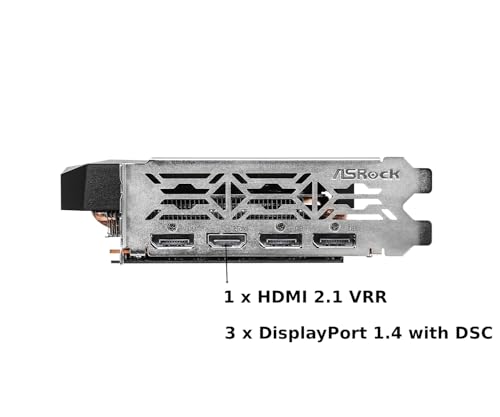
DisplayPort outputs
What it is: Number of DisplayPort video outputs
When it matters: When your setup needs several high-refresh monitors without adapters.

Importance: LOW

3
ASRock Radeon RX 6600 XT Challenger D OC offers 3 DisplayPort outputs, which is more than 21% of graphics cards and equal to 76.8% of graphics cards.
DisplayPort version
What it is: Version of DisplayPort standard supported
When it matters: When your monitor setup depends on newer DisplayPort features for higher refresh rates, higher resolution, or better cable flexibility.

Importance: LOW

1.4
ASRock Radeon RX 6600 XT Challenger D OC supports DisplayPort 1.4, which is older than on 80.6% of graphics cards and equal to 13.3% of graphics cards.
DisplayPort link rates
What it is: Supported data link rates for DisplayPort connections
When it matters: When you are pushing high resolution and refresh rate over DisplayPort.

Importance: LOW

8.1 Gbps
ASRock Radeon RX 6600 XT Challenger D OC supports DisplayPort link rates up to 8.1 Gbps, which is slower than on 65% of graphics cards and equal to 22.7% of graphics cards.
Show more
Thermal Design Power (TDP)
What it is: Typical power consumption under full load (TDP)
When it matters: When you need a realistic idea of power draw before choosing a PSU or case.

Importance: MEDIUM

160 W
ASRock Radeon RX 6600 XT Challenger D OC has a TDP of 160 W, which is lower than that of 68% of graphics cards and equal to that of 4.8% of graphics cards.
Power consumption while under peak load
What it is: Peak power draw of the graphics card under maximum load.
When it matters: When transient-heavy gaming loads could stress your power supply.

Importance: LOW

160 W
ASRock Radeon RX 6600 XT Challenger D OC draws 160 W under peak load, which is lower than 71.2% of graphics cards and equal to 3.8% of graphics cards.
Recommended PSU wattage
What it is: Recommended wattage of the system power supply
When it matters: When you are checking whether your current power supply is enough.

Importance: LOW

500 W
ASRock Radeon RX 6600 XT Challenger D OC recommends a 500 W PSU, which is lower than that of 75.6% of graphics cards and equal to that of 8.9% of graphics cards.
Board power limit
What it is: Maximum configurable power limit for the GPU board
When it matters: When you care about how far the card can be pushed through tuning or factory power settings.

Importance: LOW

160 W
ASRock Radeon RX 6600 XT Challenger D OC has a board power limit of 160 W, which is lower than that of 71.3% of graphics cards and equal to that of 3.6% of graphics cards.
PCIe power spec
What it is: PCIe power delivery specification followed
When it matters: When you are checking whether the slot and external cables match the card's intended power-delivery standard.

Importance: LOW

160 W
Show more
Size
What it is: Physical size of the GPU card
When it matters: When you need the card to fit a compact case without blocking nearby hardware.

Importance: LOW

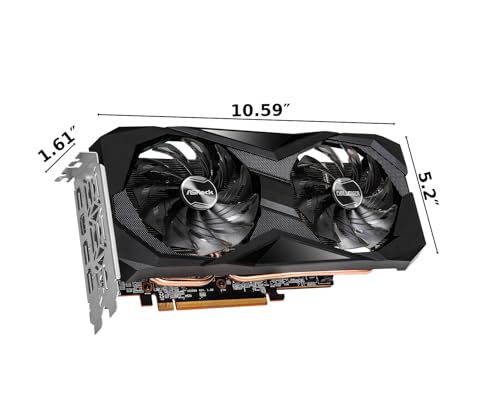
269 x 132 x 41 mm
Length
What it is: Physical length of the GPU card
When it matters: When front radiators or drive cages leave only limited GPU clearance.

Importance: LOW

269 mm
ASRock Radeon RX 6600 XT Challenger D OC is 269 mm long, which is shorter than 58.1% of graphics cards and equal in length to 0.7% of graphics cards.
Height
What it is: Physical height of the GPU card
When it matters: When side panels, brackets, or tight case layouts reduce vertical clearance.

Importance: LOW

41 mm
ASRock Radeon RX 6600 XT Challenger D OC is 41 mm tall, which is shorter than 98.1% of graphics cards and equal in height to 0.5% of graphics cards.
Slot width
What it is: Number of PCIe slots occupied by the card
When it matters: When you need room for another PCIe card or better airflow under the GPU.

Importance: LOW

2 slot/s
ASRock Radeon RX 6600 XT Challenger D OC occupies 2 slot/s, which is slimmer than 53.4% of graphics cards and equal in width to 42.5% of graphics cards.
Weight
What it is: Total weight of the graphics card
When it matters: When sag, bracket support, or shipping stress matters in your build.

Importance: LOW

640 g
ASRock Radeon RX 6600 XT Challenger D OC weighs 640 g, which is lighter than 85.1% of graphics cards and equal in weight to 0.5% of graphics cards.
Show more

ASRock Radeon RX 6600 XT Challenger D OC vs the average graphics card

  • 3.5% higher boost clock speed
    ASRock Radeon RX 6600 XT Challenger D OC has a higher boost GPU clock than the average graphics card (2,593 MHz vs 2,505 MHz). The average graphics card has a boost GPU clock of 2,505 MHz.
    What it is: Maximum boost frequency the GPU can reach under load
    When it matters: When you want a rough idea of peak advertised frequency, while knowing real sustained clocks still depend on cooling and power limits.

    Importance: HIGH

    ASRock Radeon RX 6600 XT Challenger D OC has a higher boost GPU clock than the average graphics card (2,593 MHz vs 2,505 MHz). The average graphics card has a boost GPU clock of 2,505 MHz.2593 MHz vs 2505 MHz
  • 84 mm lower card height
    ASRock Radeon RX 6600 XT Challenger D OC is shorter than the average graphics card (41 mm vs 125 mm). The average graphics card has a height of 125 mm.
    What it is: Physical height of the GPU card
    When it matters: When side panels, brackets, or tight case layouts reduce vertical clearance.

    Importance: LOW

    ASRock Radeon RX 6600 XT Challenger D OC is shorter than the average graphics card (41 mm vs 125 mm). The average graphics card has a height of 125 mm.41 mm vs 125 mm
  • 23.1% lower PSU requirement
    ASRock Radeon RX 6600 XT Challenger D OC has a lower PSU requirement than the average graphics card (500 W vs 650 W). The average graphics card has a PSU requirement of 650 W.
    What it is: Recommended wattage of the system power supply
    When it matters: When you are checking whether your current power supply is enough.

    Importance: LOW

    ASRock Radeon RX 6600 XT Challenger D OC has a lower PSU requirement than the average graphics card (500 W vs 650 W). The average graphics card has a PSU requirement of 650 W.500 W vs 650 W
  • 25.6% lower TDP
    ASRock Radeon RX 6600 XT Challenger D OC has a lower TDP than the average graphics card (160 W vs 215 W). The average graphics card has a TDP of 215 W.
    What it is: Typical power consumption under full load (TDP)
    When it matters: When you need a realistic idea of power draw before choosing a PSU or case.

    Importance: MEDIUM

    ASRock Radeon RX 6600 XT Challenger D OC has a lower TDP than the average graphics card (160 W vs 215 W). The average graphics card has a TDP of 215 W.160 W vs 215 W
  • 0.5 slot/s slimmer design
    ASRock Radeon RX 6600 XT Challenger D OC occupies fewer slots than the average graphics card (2 slot/s vs 2.5 slot/s). The average graphics card occupies 2.5 slot/s.
    What it is: Number of PCIe slots occupied by the card
    When it matters: When you need room for another PCIe card or better airflow under the GPU.

    Importance: LOW

    ASRock Radeon RX 6600 XT Challenger D OC occupies fewer slots than the average graphics card (2 slot/s vs 2.5 slot/s). The average graphics card occupies 2.5 slot/s.2 slot/s vs 2.5 slot/s
  • 14.3% faster VRAM clock
    ASRock Radeon RX 6600 XT Challenger D OC has a higher VRAM clock than the average graphics card (2000 MHz vs 1,750 MHz). The average graphics card runs its VRAM at 1,750 MHz.
    What it is: Speed at which the GPU memory operates
    When it matters: When you want more context on how quickly the card's VRAM can move data.

    Importance: LOW

    ASRock Radeon RX 6600 XT Challenger D OC has a higher VRAM clock than the average graphics card (2000 MHz vs 1,750 MHz). The average graphics card runs its VRAM at 1,750 MHz.2000 MHz vs 1750 MHz
  • 13.2% higher user score
    ASRock Radeon RX 6600 XT Challenger D OC has a higher user score than the average graphics card (9.06 vs 8.000).
    What it is: A rating that combines user reviews and the total number of reviews received by the graphics card.
    When it matters: When you want to understand how a graphics card performs in real use and how reliable it is in terms of performance, temperatures, noise, stability, and long-term ownership.
    ASRock Radeon RX 6600 XT Challenger D OC has a higher user score than the average graphics card (9.06 vs 8.000).9.06 vs 8
  • 28.9% lower board power limit
    ASRock Radeon RX 6600 XT Challenger D OC has a lower board power limit than the average graphics card (160 W vs 225 W). The average graphics card has a board power limit of 225 W.
    What it is: Maximum configurable power limit for the GPU board
    When it matters: When you care about how far the card can be pushed through tuning or factory power settings.

    Importance: LOW

    ASRock Radeon RX 6600 XT Challenger D OC has a lower board power limit than the average graphics card (160 W vs 225 W). The average graphics card has a board power limit of 225 W.160 W vs 225 W
  • 3.5% higher boost clock speed
    ASRock Radeon RX 6600 XT Challenger D OC has a higher boost GPU clock than the average graphics card (2,593 MHz vs 2,505 MHz). The average graphics card has a boost GPU clock of 2,505 MHz.
  • Better FP64 ratio
    ASRock Radeon RX 6600 XT Challenger D OC has a better FP64 ratio than the average graphics card (1:16 vs 1:64).
  • 4.2% higher base clock speed
    ASRock Radeon RX 6600 XT Challenger D OC has a higher base GPU clock than the average graphics card (2000 MHz vs 1920 MHz). The average graphics card has a base GPU clock of 1920 MHz.
  • 14.3% faster VRAM clock
    ASRock Radeon RX 6600 XT Challenger D OC has a higher VRAM clock than the average graphics card (2000 MHz vs 1,750 MHz). The average graphics card runs its VRAM at 1,750 MHz.
  • 8x more Infinity Cache
    ASRock Radeon RX 6600 XT Challenger D OC has more Infinity Cache than the average graphics card (32 MB vs 4 MB). The average graphics card has 4 MB Infinity Cache.
  • 23.1% lower PSU requirement
    ASRock Radeon RX 6600 XT Challenger D OC has a lower PSU requirement than the average graphics card (500 W vs 650 W). The average graphics card has a PSU requirement of 650 W.
  • 25.6% lower TDP
    ASRock Radeon RX 6600 XT Challenger D OC has a lower TDP than the average graphics card (160 W vs 215 W). The average graphics card has a TDP of 215 W.
  • 28.9% lower board power limit
    ASRock Radeon RX 6600 XT Challenger D OC has a lower board power limit than the average graphics card (160 W vs 225 W). The average graphics card has a board power limit of 225 W.
  • 75% lower idle power draw
    ASRock Radeon RX 6600 XT Challenger D OC has a lower idle power draw than the average graphics card (3 W vs 12 W). The average graphics card has an idle power draw of 12 W.
  • 84 mm lower card height
    ASRock Radeon RX 6600 XT Challenger D OC is shorter than the average graphics card (41 mm vs 125 mm). The average graphics card has a height of 125 mm.
  • 0.5 slot/s slimmer design
    ASRock Radeon RX 6600 XT Challenger D OC occupies fewer slots than the average graphics card (2 slot/s vs 2.5 slot/s). The average graphics card occupies 2.5 slot/s.
  • No CUDA support
    ASRock Radeon RX 6600 XT Challenger D OC does not support CUDA, the average graphics card does.
  • 144 fewer AI cores
    ASRock Radeon RX 6600 XT Challenger D OC has fewer AI cores than the average graphics card (0 vs 144). The average graphics card has 144 AI cores.
  • 56 fewer TMUs
    ASRock Radeon RX 6600 XT Challenger D OC has fewer TMUs than the average graphics card (128 vs 184). The average graphics card has 184 TMUs.
  • 8 fewer compute units
    ASRock Radeon RX 6600 XT Challenger D OC has fewer compute units than the average graphics card (32 vs 40). The average graphics card has 40 compute units.
  • 8 fewer ray tracing cores
    ASRock Radeon RX 6600 XT Challenger D OC has fewer ray tracing cores than the average graphics card (32 vs 40). The average graphics card has 40 ray tracing cores.
  • 52.9% lower FP32 performance
    ASRock Radeon RX 6600 XT Challenger D OC has a lower FP32 performance than the average graphics card (10.6 TFLOPS vs 22.57 TFLOPS). The average graphics card has FP32 performance of 22.57 TFLOPS.
  • 13.1% lower texture rate
    ASRock Radeon RX 6600 XT Challenger D OC has a lower texture rate than the average graphics card (331.4 GTexel/s vs 381.2 GTexel/s). The average graphics card has a texture rate of 381.2 GTexel/s.
  • 27.4% lower PassMark score
    ASRock Radeon RX 6600 XT Challenger D OC has a lower PassMark score than the average graphics card (16,448 points vs 22,653 points). The average graphics card has a PassMark score of 22,653 points.
  • 35.3% lower gaming score
    ASRock Radeon RX 6600 XT Challenger D OC has a lower gaming score than the average graphics card (9,500 points vs 14,678.5 points). The average graphics card has a gaming score of 14,678.5 points.
  • 40.4% lower ray tracing score
    ASRock Radeon RX 6600 XT Challenger D OC has a lower ray tracing score than the average graphics card (5,462 points vs 9,166 points). The average graphics card has a ray tracing score of 9,166 points.
  • 38.5% lower compute score
    ASRock Radeon RX 6600 XT Challenger D OC has a lower compute score than the average graphics card (7,422 points vs 12,074 points). The average graphics card has a compute score of 12,074 points.
  • 2,304 fewer FP32 units
    ASRock Radeon RX 6600 XT Challenger D OC has fewer FP32 units than the average graphics card (2048 vs 4,352). The average graphics card has 4,352 FP32 units.
  • 128 bit narrower memory bus
    ASRock Radeon RX 6600 XT Challenger D OC has a narrower memory bus than the average graphics card (128 bit vs 256 bit). The average graphics card has a memory bus width of 256 bit.
  • 4 GB less VRAM
    ASRock Radeon RX 6600 XT Challenger D OC has fewer VRAM than the average graphics card (8 GB vs 12 GB). The average graphics card has 12 GB VRAM.
  • 42.9% lower memory bandwidth
    ASRock Radeon RX 6600 XT Challenger D OC has a lower memory bandwidth than the average graphics card (256 GB/s vs 448 GB/s). The average graphics card has a memory bandwidth of 448 GB/s.
  • 91.7% smaller L2 cache
    ASRock Radeon RX 6600 XT Challenger D OC has fewer L2 cache than the average graphics card (2 MB vs 24 MB). The average graphics card has 24 MB L2 cache.
  • 15.8% slower memory speed
    ASRock Radeon RX 6600 XT Challenger D OC has a lower effective memory speed than the average graphics card (16,000 MHz vs 19,000 MHz). The average graphics card reaches an effective memory speed of 19,000 MHz.
  • No DLSS support
    ASRock Radeon RX 6600 XT Challenger D OC does not support DLSS, the average graphics card does.
  • Fewer PCIe lanes
    ASRock Radeon RX 6600 XT Challenger D OC has fewer PCIe lanes than the average graphics card (x8 vs x16). The average graphics card has x16 PCIe lanes.
  • 40% larger process node
    ASRock Radeon RX 6600 XT Challenger D OC has a higher process node than the average graphics card (7 nm vs 5 nm). The average graphics card uses a process node of 5 nm.
  • Older encoder generation
    ASRock Radeon RX 6600 XT Challenger D OC uses an older encoder generation than the average graphics card (3 vs 8). The average graphics card uses encoder generation 8.
  • 2 older
    ASRock Radeon RX 6600 XT Challenger D OC was released earlier than the average graphics card (2021 vs 2023).
    August 2021
  • 51.5% fewer transistors
    ASRock Radeon RX 6600 XT Challenger D OC has fewer transistors than the average graphics card (11,100 million vs 22,900 million). The average graphics card has 22,900 million transistors.
  • No AV1 encoding
    ASRock Radeon RX 6600 XT Challenger D OC does not support AV1 encoding, the average graphics card does.
  • Older DisplayPort version
    ASRock Radeon RX 6600 XT Challenger D OC supports an older DisplayPort version than the average graphics card (1.4 vs 1.4a).
  • Narrower decode codec support
    ASRock Radeon RX 6600 XT Challenger D OC supports narrower hardware decode codec support than the average graphics card (H.264/H.265/AV1/VP9 vs H.264/H.265/AV1/VP9/MPEG-2/VC-1).
  • 2 fewer monitors per output type
    ASRock Radeon RX 6600 XT Challenger D OC supports fewer monitors per output type than the average graphics card (1 vs 3). The average graphics card supports 3 monitors per output type.
  • Narrower encode codec support
    ASRock Radeon RX 6600 XT Challenger D OC supports narrower hardware encode codec support than the average graphics card (H.264/H.265/AV1 vs H.264/H.265/AV1/VP9).
  • 1 fewer fans
    ASRock Radeon RX 6600 XT Challenger D OC has fewer fans than the average graphics card (2 vs 3).
  • No dual BIOS
    ASRock Radeon RX 6600 XT Challenger D OC does not include dual BIOS, the average graphics card does.
  • 15 °C lower thermal ceiling
    ASRock Radeon RX 6600 XT Challenger D OC has a lower thermal ceiling than the average graphics card (110 °C vs 95 °C). The average graphics card has a thermal ceiling of 95 °C.
  • 3.1 dB noisier under load
    ASRock Radeon RX 6600 XT Challenger D OC has a higher load noise level than the average graphics card (38.5 dB vs 35.4 dB). The average graphics card has a load noise level of 35.4 dB.
  • No RGB lighting
    ASRock Radeon RX 6600 XT Challenger D OC does not include RGB lighting, the average graphics card does.
  • 128 bit narrower memory bus
    ASRock Radeon RX 6600 XT Challenger D OC has a narrower memory bus than the average graphics card (128 bit vs 256 bit). The average graphics card has a memory bus width of 256 bit.
    What it is: Width of the memory interface bus in bits
    When it matters: When you care about steadier performance at higher resolutions, heavier texture settings, or ray-traced workloads that stress memory traffic.

    Importance: HIGH

    ASRock Radeon RX 6600 XT Challenger D OC has a narrower memory bus than the average graphics card (128 bit vs 256 bit). The average graphics card has a memory bus width of 256 bit.128 bit vs 256 bit
  • No CUDA support
    ASRock Radeon RX 6600 XT Challenger D OC does not support CUDA, the average graphics card does.
    What it is: Supports CUDA parallel computing platform
    When it matters: When your apps or AI tools specifically depend on the CUDA software stack.

    Importance: MEDIUM

    ASRock Radeon RX 6600 XT Challenger D OC does not support CUDA, the average graphics card does.
  • 4 GB less VRAM
    ASRock Radeon RX 6600 XT Challenger D OC has fewer VRAM than the average graphics card (8 GB vs 12 GB). The average graphics card has 12 GB VRAM.
    What it is: Total video memory available on the graphics card
    When it matters: When you play at high settings, use texture mods, or work with large creative projects.

    Importance: HIGH

    ASRock Radeon RX 6600 XT Challenger D OC has fewer VRAM than the average graphics card (8 GB vs 12 GB). The average graphics card has 12 GB VRAM.8 GB vs 12 GB
  • 1 fewer fans
    ASRock Radeon RX 6600 XT Challenger D OC has fewer fans than the average graphics card (2 vs 3).
    What it is: Total number of cooling fans
    When it matters: When you compare cooler designs and want one more clue about thermal potential.

    Importance: MEDIUM

    ASRock Radeon RX 6600 XT Challenger D OC has fewer fans than the average graphics card (2 vs 3).2 vs 3
  • No DLSS support
    ASRock Radeon RX 6600 XT Challenger D OC does not support DLSS, the average graphics card does.
    What it is: Supports NVIDIA DLSS upscaling technology
    When it matters: When you play NVIDIA-supported games and want better frame rates at higher settings.

    Importance: LOW

    ASRock Radeon RX 6600 XT Challenger D OC does not support DLSS, the average graphics card does.
  • 144 fewer AI cores
    ASRock Radeon RX 6600 XT Challenger D OC has fewer AI cores than the average graphics card (0 vs 144). The average graphics card has 144 AI cores.
    What it is: Number of tensor or AI processing cores
    When it matters: When AI features, frame generation, or creator tools use dedicated matrix hardware.

    Importance: MEDIUM

    ASRock Radeon RX 6600 XT Challenger D OC has fewer AI cores than the average graphics card (0 vs 144). The average graphics card has 144 AI cores.0 vs 144
  • No dual BIOS
    ASRock Radeon RX 6600 XT Challenger D OC does not include dual BIOS, the average graphics card does.
    What it is: Includes dual BIOS for redundancy or overclocking profiles
    When it matters: When you want a safer recovery path after tweaking fan curves or overclock settings, or you need separate quiet and performance profiles.

    Importance: LOW

    ASRock Radeon RX 6600 XT Challenger D OC does not include dual BIOS, the average graphics card does.
  • 42.9% lower memory bandwidth
    ASRock Radeon RX 6600 XT Challenger D OC has a lower memory bandwidth than the average graphics card (256 GB/s vs 448 GB/s). The average graphics card has a memory bandwidth of 448 GB/s.
    What it is: Maximum data transfer rate between GPU and its memory
    When it matters: When 4K gaming, ray tracing, or creator work can choke a slower memory subsystem.

    Importance: HIGH

    ASRock Radeon RX 6600 XT Challenger D OC has a lower memory bandwidth than the average graphics card (256 GB/s vs 448 GB/s). The average graphics card has a memory bandwidth of 448 GB/s.256 GB/s vs 448 GB/s

Graphic comparison of ASRock Radeon RX 6600 XT Challenger D OC and other products in the Graphics cards category

Attribute category
Attribute
No results found

Third-party reviews

United Kingdom
United States

(Reviews last updated: June 2026)

What customers like about ASRock Radeon RX 6600 XT Challenger D OC?

  • Excellent 1080p performance, often beating the RTX 3060 in standard gaming tests
  • Effective cooling system that maintains low temperatures (often under 60°C) during gameplay
  • Quiet operation with a '0dB Silent Cooling' feature where fans stop under low loads
  • Solid build quality including a stylish metal backplate to prevent PCB bending
  • Good power efficiency with a relatively low 160W TDP
  • Easy to overclock using tools like ASRock Tweak 2.0 for a performance boost

What customers dislike about ASRock Radeon RX 6600 XT Challenger D OC?

  • Weak ray tracing performance compared to Nvidia counterparts
  • Significant performance drop-off when moving from 1080p to higher resolutions like 1440p or 4K
  • Uses a PCIe 4.0 x8 interface, which can lead to minor performance losses on older PCIe 3.0 motherboards
  • 8GB of VRAM and a 128-bit memory bus may limit future-proofing for high-end modern titles
  • Minimalist design with exposed heat pipes may appear 'cheap' to some users
  • Factory fan curves can be conservative, requiring manual adjustment for optimal thermal management

Expert reviews

W
wepc.com
06/09/2024
Summary of the review

Video reviews

Compare ASRock Radeon RX 6600 XT Challenger D OC with other products in the Graphics cards category

VS
VS

Compare