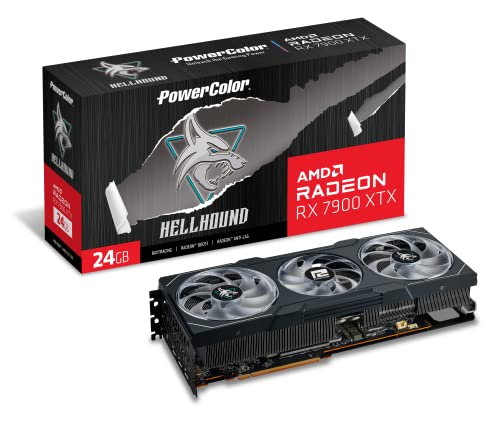
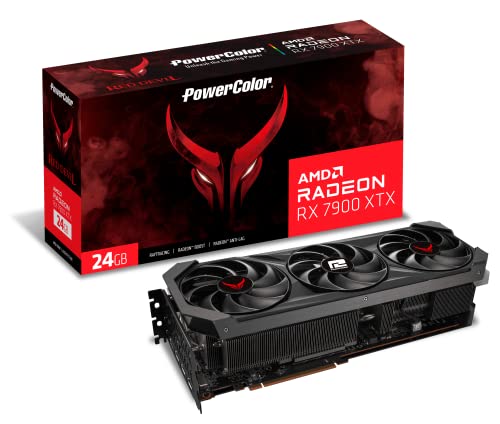
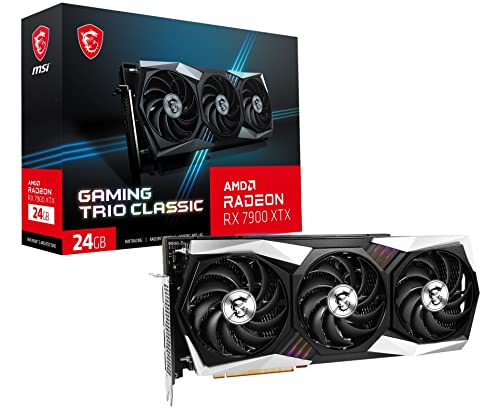
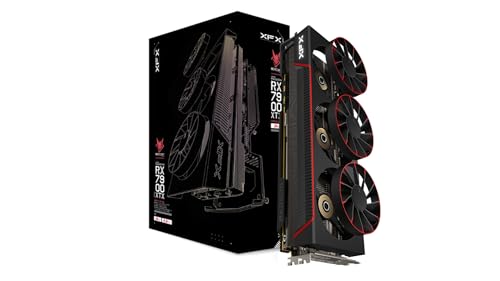
Are Radeon graphics cards good?
Radeon graphics cards are good when the buyer wants broad AMD graphics choice, strong raster value, and a wide spread of budget, mainstream, and high-end RX options.
Radeon is especially attractive when the buyer cares most about raster gaming value, stronger VRAM-per-euro positioning, and a wide spread of RX-based choices from cheap legacy cards up to serious modern 4K hardware.
The main caution is that the Radeon name covers a huge generation spread, from very old legacy cards to modern RX 7000-class models. That makes exact model and generation more important here than the family name alone.
What are the main advantages of Radeon graphics cards?
The main advantages of Radeon graphics cards are as follows:
- Very broad market coverage: Radeon includes low-cost legacy cards, current mainstream gaming models, upper-tier enthusiast cards, and professional Radeon Pro branches. That gives buyers a real spread from cheap display-and-esports hardware to serious 1440p, 4K, and workstation-class products.
- Strong memory presence in modern tiers: Many attractive Radeon cards sit at 8 GB, 12 GB, 16 GB, or higher, which is one of the family's main strengths. That helps modern Radeon products stay relevant in texture-heavy games and mixed-use PCs where memory capacity matters as much as raw core count.
- Healthy raster performance per euro: Radeon is often most convincing when buyers want straightforward gaming output without paying heavily for Nvidia-specific features. That keeps the family especially relevant in value-led 1080p, stronger 1440p, and even some upper-tier 4K comparisons.
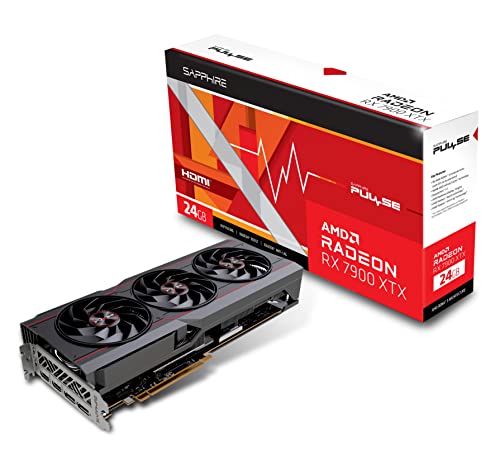
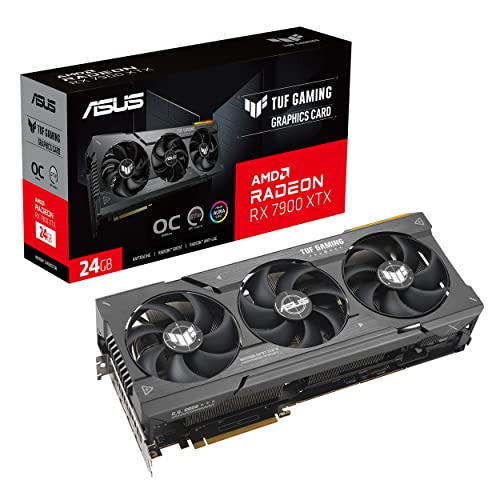
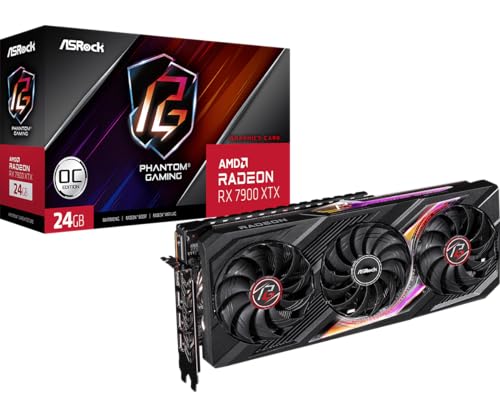
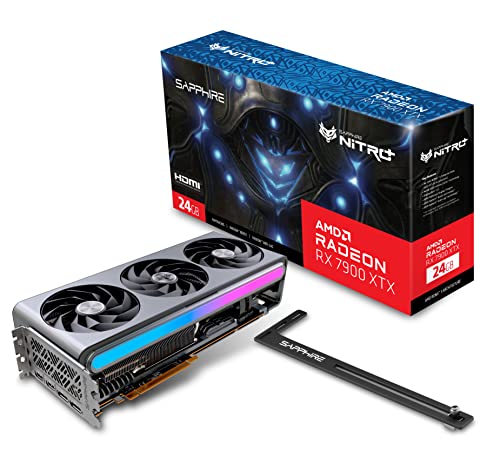
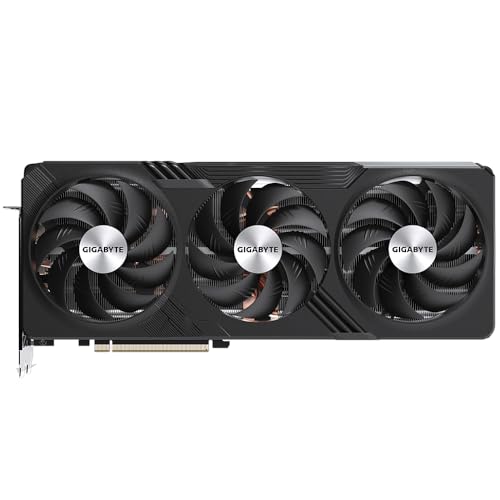
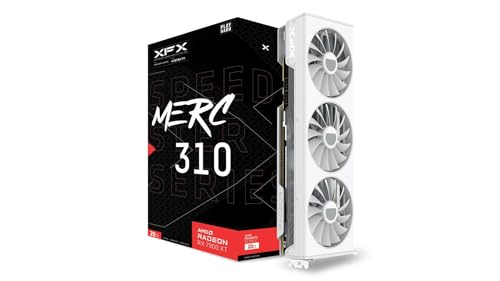
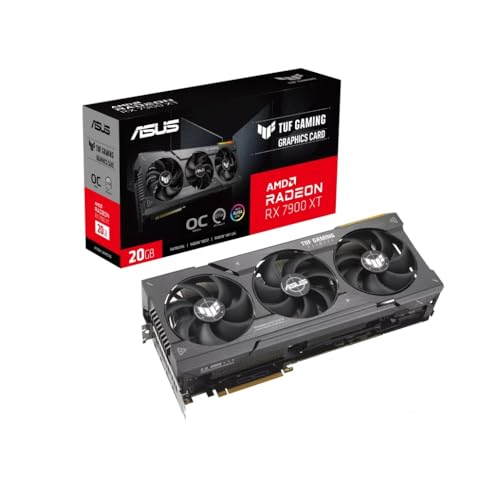
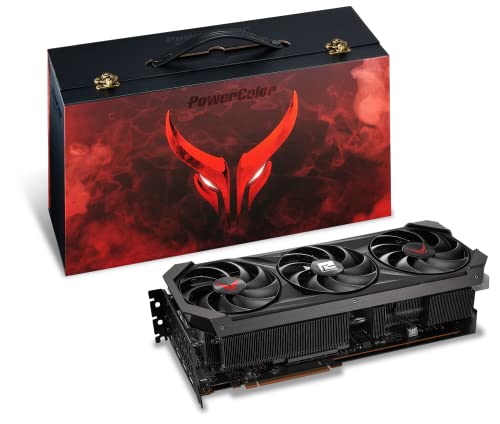
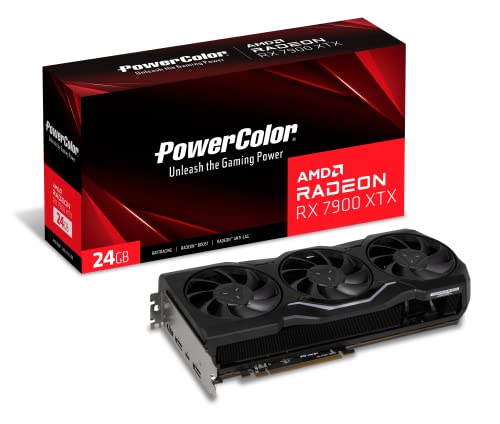
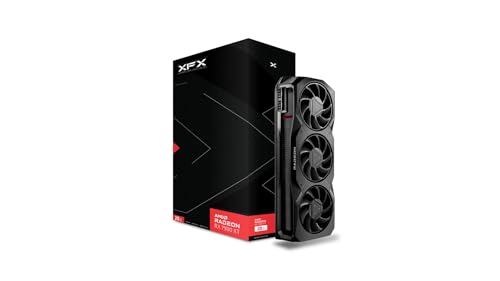
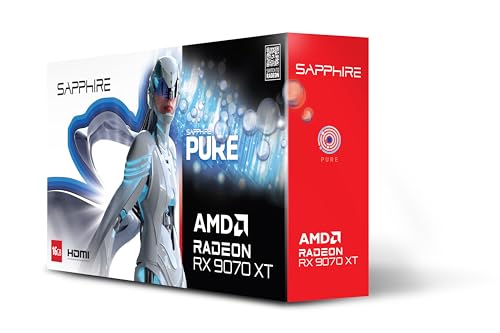
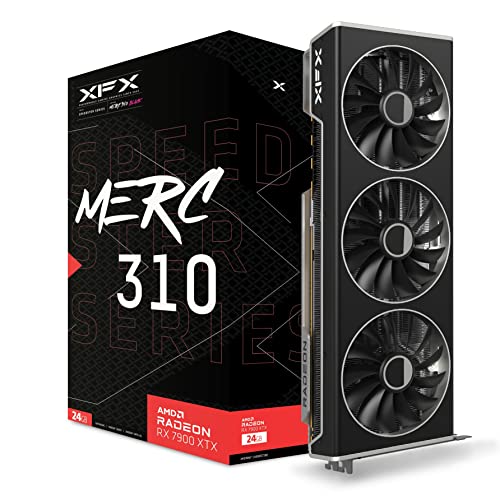
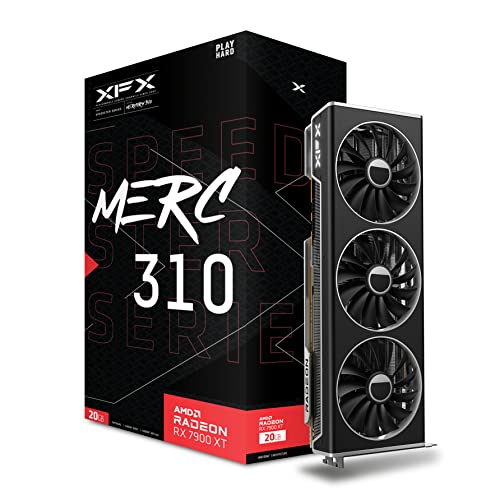
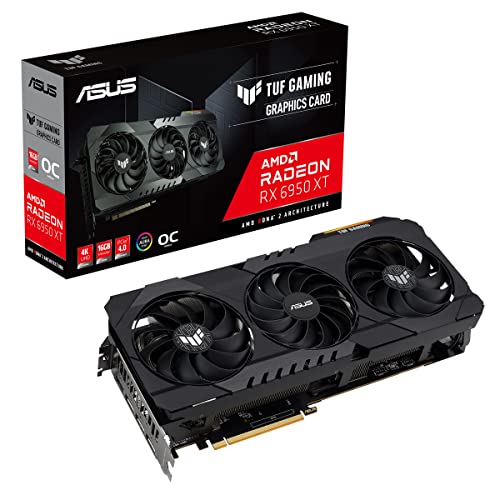
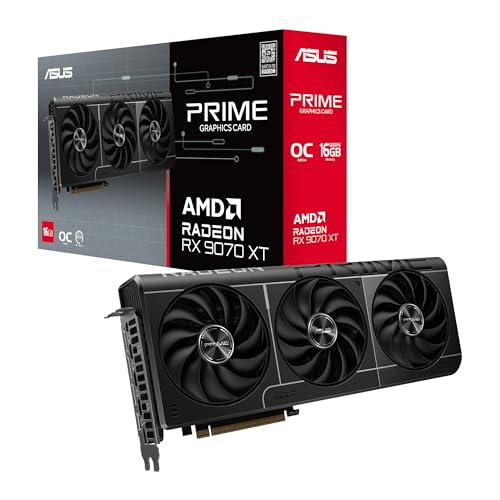
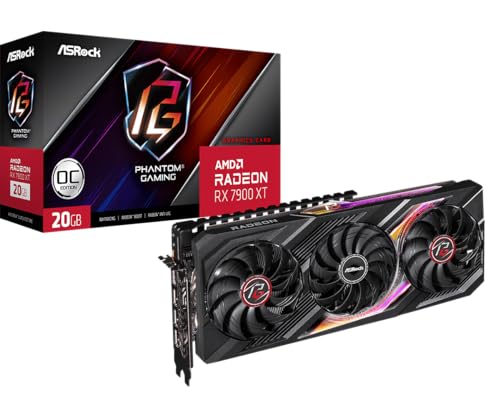
- Large board-partner ecosystem: AMD, Sapphire, XFX, PowerColor, Asus, MSI, Gigabyte, and Asrock all sell Radeon cards. The same GPU tier can therefore appear in very different cooler sizes, noise profiles, white or creator-oriented builds, and compact or premium partner versions.
- Deep second-hand availability: Older Radeon generations such as RX 400, RX 500, Vega, and earlier families are still widely present in the used market. That gives budget buyers more entry points than they would get from a narrower premium-only product family.
- Clear role from budget to enthusiast: Radeon is not only an entry-value name. Modern Radeon cards can cover cheap 1080p systems, balanced 1440p gaming, and premium enthusiast builds, so the family remains relevant far beyond the low-budget segment.
What are the main disadvantages of Radeon graphics cards?
The main disadvantages of Radeon graphics cards are as follows:
- Huge generation spread under one family name: Radeon covers HD, R-series, Vega, RX 400, RX 500, RX 5000, RX 6000, RX 7000, and newer families. That makes buying by name alone risky, because a cheap old Radeon can behave nothing like a newer RDNA-era card.
- Older models age sharply: Many low-priced Radeon cards are now mainly legacy or second-hand products with weaker efficiency, older media support, and limited long-term gaming comfort. A large VRAM number on an old Radeon does not automatically make it a modern-value buy.
- Feature support is inconsistent across the family: Modern Radeon cards can offer AV1, strong display support, and workable ray tracing, but older generations predate most of that. Buyers need to verify the exact feature set per model instead of assuming the whole Radeon umbrella behaves the same way.
- High-end value is not automatic: Radeon is often associated with value, but premium Radeon cards can still cost well above £860. Once you move into that zone, the decision becomes much more about exact tier, cooler, and workload fit than about broad value reputation.
- Naming can confuse casual buyers: Similar-sounding Radeon product names can belong to very different eras and performance classes. Without checking architecture, generation, and exact suffixes, it is easy to overpay for an old card or underrate a much newer one.
- Ray tracing and creator tradeoffs still matter: Radeon can be excellent in raster gaming, but buyers whose priorities are heavy RT workloads, CUDA-led creator tools, or Nvidia-specific software ecosystems still need to compare carefully before assuming Radeon is the cleaner fit.
Who makes Radeon graphics cards?
Radeon graphics cards are made by AMD, while many retail Radeon models are also sold through board partners such as Asus, Sapphire, XFX, MSI, Powercolor, Asrock, and Gigabyte. In other words, Radeon is AMD's graphics-card family, but the exact cooler, clock tuning, noise profile, and physical design often depend on the partner brand.
That distinction matters because two Radeon cards with the same GPU tier can still feel different in real use. AMD defines the broader platform, generation, and feature set, while board partners shape the final product design, price, and cooling quality.
What are the main Radeon graphics card series?
The main Radeon graphics card series are as follows:
- RX 7000 series: This is the main current-generation Radeon gaming branch for buyers who want modern RDNA 3 hardware, ranging from mainstream value cards up to flagship 4K models.
- RX 6000 series: RX 6000 remains one of the most important Radeon families for value-focused buyers because it still offers strong raster performance and a healthy used-market presence.
- RX 5000 series: RX 5000 is an older RDNA-era branch that still appears in used-market comparisons, especially for buyers trying to stay below newer mainstream pricing.
- RX 400 and RX 500 series: These older Polaris families still matter in budget and legacy builds, but they belong much more to low-cost used buying than to serious modern GPU shopping.
- Radeon Pro and older workstation branches: Radeon Pro sits on the professional side of the family, aimed more at workstation use and stability than at mainstream gaming-first buying.
How much do Radeon graphics cards cost?
Radeon graphics cards usually cost about £100 to £1,100, with many practical gaming options sitting closer to roughly £190-£690.
The lower part of the range covers older used Radeon cards and simpler budget options, while the middle of the range is where a lot of the strongest real Radeon buying happens, especially with mainstream and upper-midrange RX cards.
At the top end, you move into flagship Radeon hardware where the buyer is paying for stronger 4K capability, more VRAM, and a more serious overall GPU class. The key is to check the exact generation carefully, because the Radeon name spans too many eras for price alone to tell the full story.
This chart visualizes Radeon graphics card prices.
[vertical-chart-00252850107420488302131571846235222588813879130872]
How do Radeon graphics cards compare with GeForce models?
Radeon graphics cards usually compare with GeForce models as strong alternatives for buyers who care most about gaming value, raster performance, and broader VRAM-per-euro logic. GeForce is more often the feature-first choice when the buyer prioritizes ray tracing, DLSS, or creator-software support.
In practical terms, Radeon is often the easier choice when the build is focused on straightforward gaming performance for the money, especially in mainstream and upper-midrange tiers. GeForce is usually the safer choice when the buyer wants the widest feature ecosystem around the GPU rather than just raw raster value.
That means the better family depends on what matters most in the real system. Radeon often wins on value logic, while GeForce often wins on software depth and feature breadth.
What should you consider while choosing the best Radeon graphics card?
You should consider the following factors when choosing the best Radeon graphics card:
- Exact generation: Radeon covers very old HD and RX 500 cards as well as modern RX 6000 and RX 7000 models. Generation is one of the most important filters because it changes performance, efficiency, features, and resale value immediately.
- Real gaming target: Radeon can cover everything from cheap legacy 1080p gaming to serious 4K builds. Start with the real resolution, settings target, and game type, because a budget RX 570 and an RX 7900 XTX solve completely different problems.
- VRAM and memory class: Radeon is often attractive because it gives you strong VRAM-per-euro positioning. Check memory size, bus width, and the overall tier carefully instead of buying by the family name alone.
- Feature priorities: Radeon is usually bought for raster value first. If your real priority is heavier RT use, the strongest upscaling ecosystem, or creator software that clearly leans Nvidia, you need to weigh those trade-offs directly.
- Cooler quality and board-partner design: Two Radeon cards using the same GPU can still differ a lot in noise, temperatures, PCB quality, and overall polish. Board-partner execution often matters more than small clock differences.
- Price logic against nearby rivals: Radeon wins most easily when the price gap versus GeForce is clear, or when a used Radeon tier undercuts the next stronger class cleanly. If pricing drifts too high, the value story changes quickly.