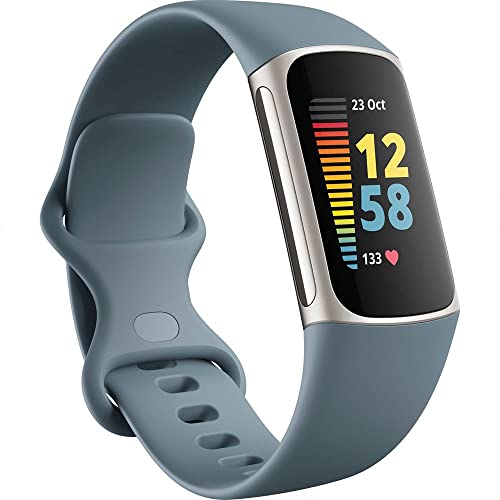
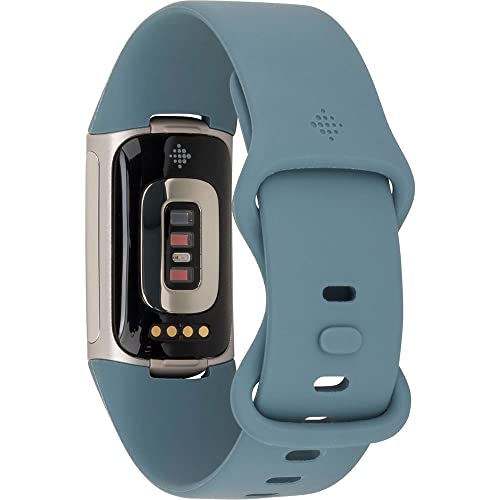
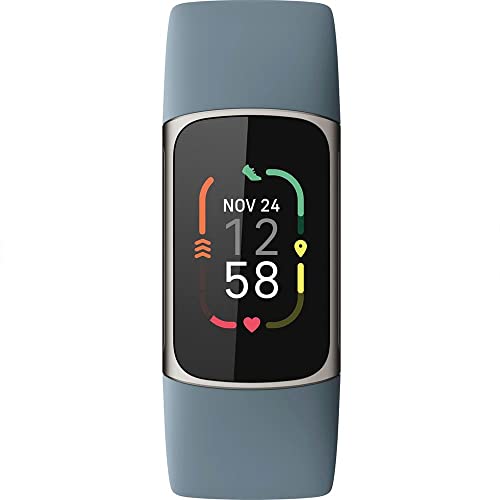
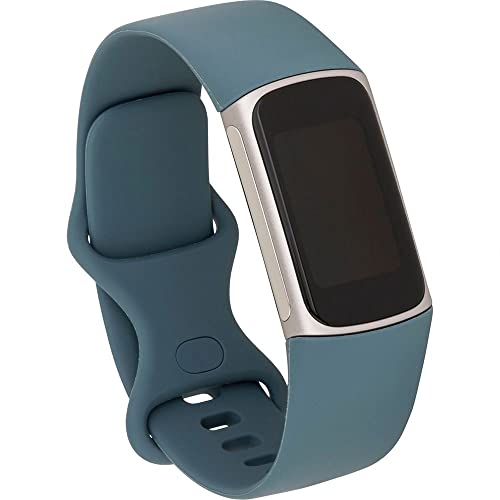
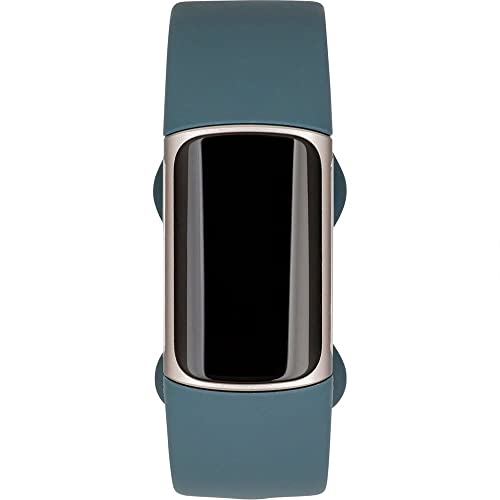
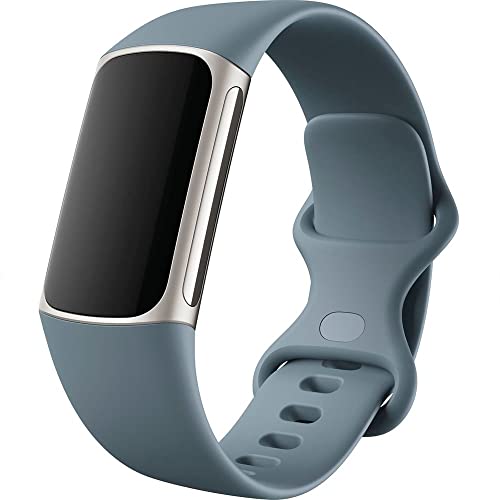
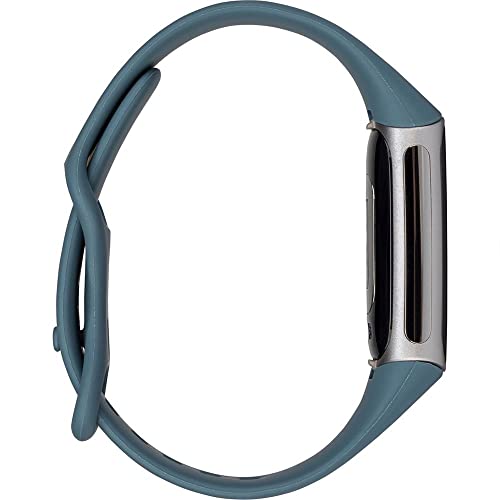
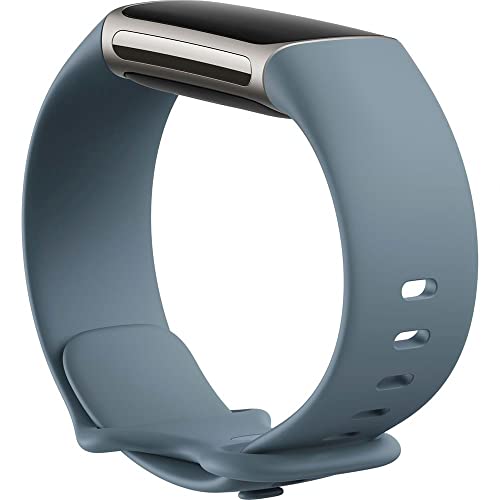
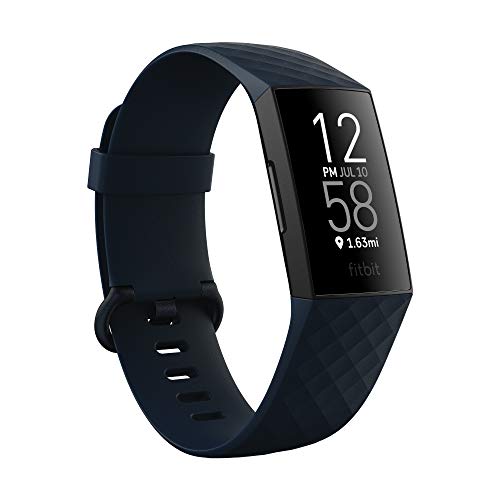
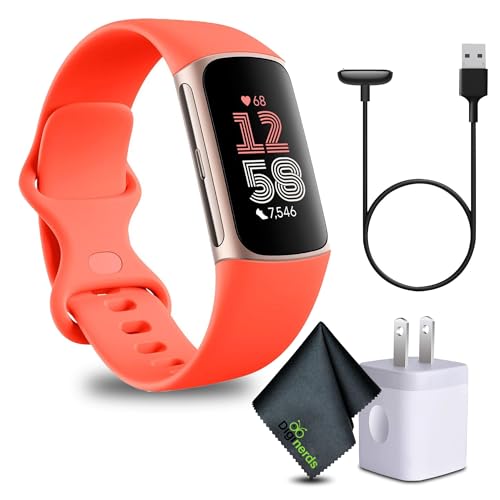
Fitbit Charge 5 Review | 171 Data compared

double-arrow
  • Avg. price in UK: ~£120
  • Avg. price in US: ~$150
  • Form factor: wristband
  • Battery life: 7 days
  • Screen size: 1.04 inch

Fitbit Charge 5 review. Compare 171 technical specifications and user reviews to see how it ranks among fitness trackers and if it is worth buying.

8.2

Overall score

What it is: An overall evaluation of the fitness tracker's quality, based on technical analyses and user reviews.

When it matters: When you need a quick reference to identify the best fitness trackers on the market.

Score components:

80.0%

8.0

Technical Score

20.0%

8.9

User score

Excellent
8.0

Technical Score

What it is: An assessment of the fitness tracker's technical performance, covering eight key areas: health tracking, sports features, connectivity, display, battery, smart features, design, and app support.

When it matters: When you want to compare fitness trackers based on technical performance and available features.

Score components:

20.0%

8.9

Sports & Navigation

20.0%

4.1

Battery

18.0%

9.8

Health

18.0%

8.2

Display

8.0%

9.2

Smart Features

8.0%

9.7

App & Wellness

4.0%

8.1

Connectivity

4.0%

8.4

Design & Durability

Excellent
8.9

User score

What it is: A rating that combines user reviews and the total number of reviews received by the fitness tracker.

When it matters: When you want to know how a fitness tracker performs in daily use and how reliable it remains over time according to user feedback.

Score components:

70.0%

8.4

User reviews

30.0%

10

Popularity

User score:
United Kingdom
amazon
4.2
(56099)
amazon
3.8
(1000)
amazon
3.7
(975)
amazon
3.5
(342)
amazon
3.6
(132)

(Reviews last updated: June 2026)

Excellent
  • 7.5
    Swimming

    Score components:

    28.0%

    10

    ATM rating

    24.0%

    4.0

    Open-water swim mode

    18.0%

    10

    Waterproof depth rating

    15.0%

    10

    GPS

    15.0%

    3.0

    Battery life

  • 6.3
    Kids

    Score components:

    30.0%

    3.0

    Battery life

    25.0%

    6.4

    Weight

    20.0%

    10

    ATM rating

    15.0%

    5.6

    Screen size

    10.0%

    9.9

    Price

  • fitbit-charge-5
  • fitbit-charge-5
  • fitbit-charge-5
  • fitbit-charge-5
  • fitbit-charge-5
  • fitbit-charge-5
  • fitbit-charge-5
  • fitbit-charge-5
fitbit-charge-5
fitbit-charge-5
fitbit-charge-5
fitbit-charge-5
fitbit-charge-5
fitbit-charge-5
fitbit-charge-5
fitbit-charge-5

Best prices in UK

Best rankings

?

Available: ranking among products currently available (including other versions of this product).
All: ranking among all products in the database.

Verdict

The Fitbit Charge 5 is a premium fitness tracker featuring a vibrant 1.04-inch AMOLED color touchscreen with an always-on display option and a sleek, buttonless stainless steel casing that is 10% thinner than its predecessor. Key specifications include built-in GPS for pace and distance tracking, a 50m water resistance rating, and a comprehensive suite of health sensors, including an ECG for heart rhythm, an EDA scan for stress management, and SpO2 for blood oxygen monitoring. Its main strengths are its impressive battery life of up to 7 days, its lightweight and comfortable design, and its robust sleep and health metrics integrated within the user-friendly Fitbit ecosystem. However, notable drawbacks include the lack of a physical side button, which can make navigation during sweaty workouts difficult, the absence of music controls or storage, and the requirement of a paid Fitbit Premium subscription to unlock advanced data like the Daily Readiness Score.

Technical Specifications of Fitbit Charge 5

Technical Score

What it is: An assessment of the fitness tracker's technical performance, covering eight key areas: health tracking, sports features, connectivity, display, battery, smart features, design, and app support.

When it matters: When you want to compare fitness trackers based on technical performance and available features.

Score components:

20.0%

8.9

Sports & Navigation

20.0%

4.1

Battery

18.0%

9.8

Health

18.0%

8.2

Display

8.0%

9.2

Smart Features

8.0%

9.7

App & Wellness

4.0%

8.1

Connectivity

4.0%

8.4

Design & Durability

8.0
Fitbit Charge 5 has a technical score of 8.01 points, which is higher than 85.9% of fitness trackers.
User score

What it is: A rating that combines user reviews and the total number of reviews received by the fitness tracker.

When it matters: When you want to know how a fitness tracker performs in daily use and how reliable it remains over time according to user feedback.

Score components:

70.0%

8.4

User reviews

30.0%

10

Popularity

User score:
United Kingdom
amazon
4.2
(56099)
amazon
3.8
(1000)
amazon
3.7
(975)
amazon
3.5
(342)
amazon
3.6
(132)

(Reviews last updated: June 2026)

8.9
Fitbit Charge 5 has a user score of 8.85 points, which is higher than 77.5% of fitness trackers.
Popularity
What it is: An indicator based on the number of reviews received by the fitness tracker.
When it matters: When you prefer to buy a product chosen and reviewed by many other consumers.
10
Fitbit Charge 5 has a popularity of 10 points, which is higher than 60.1% of products in this category.
Ratio quality/price

What it is: An indicator that combines the fitness tracker's overall rating with its cost.

When it matters: When you are looking for a fitness tracker with a good balance between quality and price.

Score components:

60.0%

8.2

Overall score

40.0%

9.9

Price

8.7
Fitbit Charge 5 has a quality-to-price ratio of 8.7 points, which is higher than 83.1% of products in this category.
Heart rate monitor
What it is: Sensor that measures heart rate in real time.
When it matters: When you care about live heart-rate feedback during training or resting trends outside of workouts.

Importance: HIGH

yes
Fitbit Charge 5 supports heart rate monitoring. 40.2% of fitness trackers support heart rate monitoring.
Resting heart rate
What it is: Measures heart rate while resting.
When it matters: When deeper insight into sleep quality, recovery, or overall readiness matters more than raw numbers alone.

Importance: MEDIUM

yes
Fitbit Charge 5 supports Resting heart rate. 52% of fitness trackers support Resting heart rate.
Tracks resting heart rate.
Fast/slow heart rate alerts
What it is: Alerts for heart rates that are too fast or too slow.
When it matters: When you want the tracker to warn you about unusual changes instead of only logging them.

Importance: LOW

yes
Fitbit Charge 5 supports high and low heart rate alerts. 66.8% of fitness trackers support high and low heart rate alerts.
High and low resting heart rate alerts.
Irregular heart rate alerts
What it is: Warns of irregular or abnormal heart rhythms.
When it matters: When you want the tracker to warn you about unusual changes instead of only logging them.

Importance: LOW

yes
Fitbit Charge 5 supports irregular heart rate alerts. 89% of fitness trackers support irregular heart rate alerts.
AFib alerts.
Blood oxygen sensor
What it is: Sensor that measures blood oxygen saturation.
When it matters: When blood oxygen readings are part of the health picture you want from the device instead of relying on heart rate and step count alone.

Importance: MEDIUM

yes
Fitbit Charge 5 has a blood oxygen sensor. 74.4% of fitness trackers have a blood oxygen sensor.
Show more
GPS
What it is: Satellite navigation capability for positioning and tracking.
When it matters: When you train outdoors and want pace, distance, and route tracking without depending completely on your phone.

Importance: LOW

yes
Fitbit Charge 5 has GPS. 89.5% of fitness trackers have GPS.
Satellite systems supported
What it is: States which satellite navigation systems the device can use for positioning.
When it matters: When you train outdoors and want stronger positioning, route guidance, and navigation independence from your phone.

Importance: LOW

GPS + GLONASS
Fitbit Charge 5 supports GPS + GLONASS satellite systems which is more versatile than that of 89.3% of fitness trackers and the same as that of 5.1% of fitness trackers.
Multi-GNSS support.
GNSS bands supported
What it is: Number and type of GNSS frequency bands supported.
When it matters: When you train outdoors and want stronger positioning, route guidance, and navigation independence from your phone.

Importance: LOW

yes
Fitbit Charge 5 supports advanced GNSS bands. 91.7% of fitness trackers support advanced GNSS bands.
supports GNSS L1 band.
Galileo support
What it is: Supports Galileo satellite system.
When it matters: When you train outdoors and want stronger positioning, route guidance, and navigation independence from your phone.

Importance: LOW

yes
Fitbit Charge 5 supports Galileo. 95.6% of fitness trackers support Galileo.
Galileo named in the GNSS set.
Acquires GPS faster
What it is: Shows whether the tracker includes features that help it lock onto satellite positioning more quickly at the start of an outdoor activity.
When it matters: When you train outdoors and want stronger positioning, route guidance, and navigation independence from your phone.

Importance: LOW

yes
Fitbit Charge 5 supports faster GPS acquisition. 93.3% of fitness trackers support faster GPS acquisition.
Faster satellite lock claimed.
Show more
Notifications
What it is: Delivers smartphone notifications on the watch.
When it matters: When getting calls, messages, and app alerts on your wrist saves you from checking your phone constantly.

Importance: MEDIUM

yes
Fitbit Charge 5 supports notifications. 27.5% of fitness trackers support notifications.
Vibrating alerts
What it is: Provides vibration-based notifications and alerts.
When it matters: When staying reachable from your wrist helps you avoid checking your phone constantly.

Importance: LOW

yes
Fitbit Charge 5 supports vibration alerts. 16.3% of fitness trackers support vibration alerts.
Call control
What it is: Allows control of phone calls from the device.
When it matters: When staying reachable from your wrist helps you avoid checking your phone constantly.

Importance: LOW

yes
Fitbit Charge 5 supports call controls. 59.4% of fitness trackers support call controls.
Accept/reject on the tracker; audio stays on the phone.
Call answering
What it is: Allows answering calls directly from the device.
When it matters: When staying reachable from your wrist helps you avoid checking your phone constantly.

Importance: LOW

no
Fitbit Charge 5 does not support call answering. 1% of fitness trackers support call answering.
Calendar sync
What it is: Syncs calendar events with the connected device.
When it matters: When staying reachable from your wrist helps you avoid checking your phone constantly.

Importance: LOW

yes
Fitbit Charge 5 supports calendar sync. 80.6% of fitness trackers support calendar sync.
Uses an agenda app for on-device event viewing.
Show more
Activity reports
What it is: Generates summaries and insights from activity data.
When it matters: When you want the app to motivate you with goals, reports, coaching, or progress feedback over time.

Importance: LOW

yes
Fitbit Charge 5 supports activity reports. 5.7% of fitness trackers support activity reports.
via Fitbit app
Goal setting
What it is: Allows setting personal fitness or activity goals.
When it matters: When you want the app to motivate you with goals, reports, coaching, or progress feedback over time.

Importance: LOW

yes
Fitbit Charge 5 supports goal setting. 2.4% of fitness trackers support goal setting.
Achievements
What it is: Rewards progress and completed milestones.
When it matters: When you want the app to motivate you with goals, reports, coaching, or progress feedback over time.

Importance: LOW

yes
Fitbit Charge 5 supports achievements. 24.3% of fitness trackers support achievements.
Includes milestone trophies.
Inactivity alerts
What it is: Alerts when the user has been inactive for too long.
When it matters: When account rules, app costs, exports, or software flexibility affect whether the ecosystem suits you long term.

Importance: LOW

yes
Fitbit Charge 5 supports inactivity alerts. 23.7% of fitness trackers support inactivity alerts.
Move reminders supported.
Coaching
What it is: Provides guided training and workout advice.
When it matters: When you want the app to motivate you with goals, reports, coaching, or progress feedback over time.

Importance: LOW

yes
Fitbit Charge 5 supports coaching. 67.5% of fitness trackers support coaching.
Via Fitbit Premium in the Fitbit app.
Show more
Bluetooth version
What it is: Version of Bluetooth supported by the device.
When it matters: When wireless stability, pairing quality, and long-term phone compatibility matter more than Bluetooth being a simple checkbox.

Importance: LOW

Good value: >=5.0

5.0
Fitbit Charge 5 supports Bluetooth 5.0 which is newer than in 74.8% of fitness trackers and equal to that in 16.7% of fitness trackers.
Maximum Bluetooth range
What it is: States the maximum Bluetooth connection range supported under normal conditions.
When it matters: When compatibility with your phone, computer, accessories, or wireless setup affects how well the tracker fits into your ecosystem.

Importance: LOW

Good value: >=10 m

30 m
Fitbit Charge 5 offers a Bluetooth range of 30 m which is higher than that of 90.8% of fitness trackers and equal to that of 6.2% of fitness trackers.
NFC
What it is: Supports near-field communication for contactless features.
When it matters: When compatibility with your phone, computer, accessories, or wireless setup affects how well the tracker fits into your ecosystem.

Importance: LOW

yes
Fitbit Charge 5 has NFC. 90.5% of fitness trackers have NFC.
Wi-Fi connectivity
What it is: Connects to wireless internet networks.
When it matters: When the tracker should sync, update, or download data directly without always routing everything through the phone.

Importance: LOW

no
Fitbit Charge 5 does not support Wi-Fi. 1.8% of fitness trackers support Wi-Fi.
Wi-Fi version
What it is: Version of Wi-Fi standard supported.
When it matters: When compatibility with your phone, computer, accessories, or wireless setup affects how well the tracker fits into your ecosystem.

Importance: LOW

no
Fitbit Charge 5 does not support modern Wi-Fi. 1% of fitness trackers support modern Wi-Fi.
no Wi-Fi support.
Show more
Battery life
What it is: Total time the battery lasts on a full charge.
When it matters: When the tracker needs to last through travel, sleep tracking, long workouts, or several days between charges.

Importance: HIGH

Good value: >5 days

7 days
Fitbit Charge 5 offers a battery life of 7 days which is shorter than that of 53.5% of fitness trackers and equal to that of 22.8% of fitness trackers.
Battery life with GPS on
What it is: Battery duration when GPS tracking is active.
When it matters: When you want fewer charging breaks during travel, longer workouts, sleep tracking, or continuous use.

Importance: LOW

Good value: >=8 hours

5 h
Fitbit Charge 5 offers a GPS-on battery life of 5 h which is shorter than that of 60% of fitness trackers and equal to that of 33.3% of fitness trackers.
Battery life in training mode
What it is: Battery duration during active training sessions.
When it matters: When you want fewer charging breaks during travel, longer workouts, sleep tracking, or continuous use.

Importance: LOW

5 h
Fitbit Charge 5 offers a training-mode battery life of 5 h which is shorter than that of 74.1% of fitness trackers and equal to that of 22.2% of fitness trackers.
Using built-in GPS.
Battery life in power-saving mode
What it is: Battery duration when using power-saving mode.
When it matters: When you want fewer charging breaks during travel, longer workouts, sleep tracking, or continuous use.

Importance: LOW

N/A
Battery capacity
What it is: Energy storage capacity of the battery.
When it matters: When you want rough battery context behind the runtime claim instead of trusting the advertised hours alone.

Importance: MEDIUM

Good value: >=100 mAh

65 mAh
Fitbit Charge 5 has a battery capacity of 65 mAh which is lower than that of 79.6% of fitness trackers and equal to that of 0.7% of fitness trackers.
Show more
Display
What it is: Main interface showing information and metrics.
When it matters: When easier reading at a glance and better day-to-day screen comfort matter to you.

Importance: LOW

yes
Fitbit Charge 5 has a display. 24.1% of fitness trackers have a display.
Built-in touch display.
Screen size
What it is: Physical size of the device’s display measured diagonally.
When it matters: When easier reading at a glance and better day-to-day screen comfort matter to you.

Importance: MEDIUM

1.04 inch
Fitbit Charge 5 has a screen size of 1.04 inch which is larger than that of 49.7% of fitness trackers and equal to that of 1.4% of fitness trackers.
Display type
What it is: Technology used for the screen, such as AMOLED or LCD.
When it matters: When display technology affects contrast, color quality, power efficiency, or how premium the screen feels.

Importance: MEDIUM

AMOLED
Fitbit Charge 5 uses AMOLED display technology which is more advanced than that of 75.3% of fitness trackers and the same as that of 24.8% of fitness trackers.
Screen resolution
What it is: Total number of pixels displayed on the screen.
When it matters: When easier reading at a glance and better day-to-day screen comfort matter to you.

Importance: MEDIUM

260 x 170
Fitbit Charge 5 has a screen resolution of 260x170 which is higher than that of 81.8% of fitness trackers.
Pixel density
What it is: Number of pixels per inch determining screen sharpness.
When it matters: When easier reading at a glance and better day-to-day screen comfort matter to you.

Importance: LOW

Good value: >=280 ppi

326 ppi
Fitbit Charge 5 has a pixel density of 326 ppi which is higher than that of 85.3% of fitness trackers and equal to that of 12.8% of fitness trackers.
Show more
Form factor
What it is: Overall physical design and shape.
When it matters: When materials, shape, and build details affect comfort, durability, or how discreet the device feels.

Importance: LOW

wristband
Hybrid design
What it is: Combines analog and digital display elements.
When it matters: When materials, shape, and build details affect comfort, durability, or how discreet the device feels.

Importance: LOW

no
Fitbit Charge 5 does not support Hybrid design. 2.4% of fitness trackers support Hybrid design.
Designed for kids
What it is: Indicates whether the fitness tracker is explicitly designed for children, with child-focused sizing, branding, safety limits, or kid-oriented activity features.
When it matters: This matters when you want a tracker that is genuinely child-focused rather than just a smaller adult model.

Importance: LOW

no
Fitbit Charge 5 is not designed for kids. 2.4% of fitness trackers are designed for kids.
No child-specific positioning found.
Replaceable watch band
What it is: Ability to replace the wristband with other styles.
When it matters: When strap comfort, fit, or the ability to swap bands matters for sport, style, or replacement.

Importance: LOW

yes
Fitbit Charge 5 has a replaceable watch band. 24.4% of fitness trackers have a replaceable watch band.
Band width
What it is: Width of the strap where it connects to the watch.
When it matters: When strap comfort, fit, or the ability to swap bands matters for sport, style, or replacement.

Importance: LOW

20 mm
Show more

Fitbit Charge 5 vs the average fitness tracker

  • Blood oxygen monitoring
    Fitbit Charge 5 has a blood oxygen sensor, while the average fitness tracker does not. 26% of fitness trackers have a blood oxygen sensor.
    What it is: Sensor that measures blood oxygen saturation.
    When it matters: When blood oxygen readings are part of the health picture you want from the device instead of relying on heart rate and step count alone.

    Importance: MEDIUM

    Fitbit Charge 5 has a blood oxygen sensor, while the average fitness tracker does not. 26% of fitness trackers have a blood oxygen sensor.
  • Always-on display
    Fitbit Charge 5 has an always-on display, while the average fitness tracker does not. 25.7% of fitness trackers have an always-on display.
    Optional always-on mode available.
    What it is: Screen remains visible continuously without turning off.
    When it matters: When you want to check time or key stats instantly without waking the screen first.

    Importance: LOW

    Fitbit Charge 5 has an always-on display, while the average fitness tracker does not. 25.7% of fitness trackers have an always-on display.
  • Built-in GPS
    Fitbit Charge 5 has GPS, while the average fitness tracker does not. 11% of fitness trackers have GPS.
    What it is: Satellite navigation capability for positioning and tracking.
    When it matters: When you train outdoors and want pace, distance, and route tracking without depending completely on your phone.

    Importance: LOW

    Fitbit Charge 5 has GPS, while the average fitness tracker does not. 11% of fitness trackers have GPS.
  • Tracks HRV
    Fitbit Charge 5 supports HRV tracking, while the average fitness tracker does not. 9.1% of fitness trackers support HRV tracking.
    Sleep only.
    What it is: Tracks heart rate variability over time.
    When it matters: When recovery, stress, or readiness trends matter and you want more than just simple heart-rate readings.

    Importance: LOW

    Fitbit Charge 5 supports HRV tracking, while the average fitness tracker does not. 9.1% of fitness trackers support HRV tracking.
  • Measures VO2 max
    Fitbit Charge 5 supports VO2 max tracking, while the average fitness tracker does not. 22.5% of fitness trackers support VO2 max tracking.
    Cardio Fitness Score.
    What it is: Measures maximum oxygen uptake during exercise.
    When it matters: When deeper insight into sleep quality, recovery, or overall readiness matters more than raw numbers alone.

    Importance: LOW

    Fitbit Charge 5 supports VO2 max tracking, while the average fitness tracker does not. 22.5% of fitness trackers support VO2 max tracking.
  • Lower resting heart rate
    Fitbit Charge 5 supports Resting heart rate, while the average fitness tracker does not. 48.2% of fitness trackers support Resting heart rate.
    Tracks resting heart rate.
    What it is: Measures heart rate while resting.
    When it matters: When deeper insight into sleep quality, recovery, or overall readiness matters more than raw numbers alone.

    Importance: MEDIUM

    Fitbit Charge 5 supports Resting heart rate, while the average fitness tracker does not. 48.2% of fitness trackers support Resting heart rate.
  • Touchscreen
    Fitbit Charge 5 has a touchscreen, while the average fitness tracker does not. 43.8% of fitness trackers have a touchscreen.
    What it is: Ability of the display to recognize touch input.
    When it matters: When smooth touch response and quicker on-screen interaction matter during workouts or daily use.

    Importance: LOW

    Fitbit Charge 5 has a touchscreen, while the average fitness tracker does not. 43.8% of fitness trackers have a touchscreen.
  • Smart alarm
    Fitbit Charge 5 supports a smart alarm, while the average fitness tracker does not. 28.1% of fitness trackers support a smart alarm.
    30-minute wake window.
    What it is: Alarm that adjusts wake-up time based on sleep cycle.
    When it matters: When you want more discreet or more context-aware alerts than a standard alarm gives you.

    Importance: LOW

    Fitbit Charge 5 supports a smart alarm, while the average fitness tracker does not. 28.1% of fitness trackers support a smart alarm.
  • Blood oxygen monitoring
    Fitbit Charge 5 has a blood oxygen sensor, while the average fitness tracker does not. 26% of fitness trackers have a blood oxygen sensor.
  • Tracks HRV
    Fitbit Charge 5 supports HRV tracking, while the average fitness tracker does not. 9.1% of fitness trackers support HRV tracking.
  • Measures VO2 max
    Fitbit Charge 5 supports VO2 max tracking, while the average fitness tracker does not. 22.5% of fitness trackers support VO2 max tracking.
  • Lower resting heart rate
    Fitbit Charge 5 supports Resting heart rate, while the average fitness tracker does not. 48.2% of fitness trackers support Resting heart rate.
  • Heart rate alerts
    Fitbit Charge 5 supports high and low heart rate alerts, while the average fitness tracker does not. 33.5% of fitness trackers support high and low heart rate alerts.
  • Tracks respiration rate
    Fitbit Charge 5 supports respiratory rate tracking, while the average fitness tracker does not. 13.2% of fitness trackers support respiratory rate tracking.
  • Built-in temperature sensor
    Fitbit Charge 5 has a temperature sensor, while the average fitness tracker does not. 10.2% of fitness trackers have a temperature sensor.
  • Irregular heart rate alerts
    Fitbit Charge 5 supports irregular heart rate alerts, while the average fitness tracker does not. 11.5% of fitness trackers support irregular heart rate alerts.
  • Tracks menstrual cycle
    Fitbit Charge 5 supports menstrual cycle tracking, while the average fitness tracker does not. 41.7% of fitness trackers support menstrual cycle tracking.
  • Tracks skin temperature
    Fitbit Charge 5 supports skin temperature tracking, while the average fitness tracker does not. 11.3% of fitness trackers support skin temperature tracking.
  • Period notifications
    Fitbit Charge 5 has period notifications, while the average fitness tracker does not. 32% of fitness trackers have period notifications.
  • ECG support
    Fitbit Charge 5 supports ECG, while the average fitness tracker does not. 5.7% of fitness trackers support ECG.
  • Readiness score support
    Fitbit Charge 5 shows a readiness score, while the average fitness tracker does not. 4.5% of fitness trackers show a readiness score.
  • Fertile window notifications
    Fitbit Charge 5 displays fertile window notifications, while the average fitness tracker does not. 24.4% of fitness trackers display fertile window notifications.
  • Ovulation prediction
    Fitbit Charge 5 predicts ovulation, while the average fitness tracker does not. 41.4% of fitness trackers predict ovulation.
  • Cycle start prediction
    Fitbit Charge 5 predicts the start date, while the average fitness tracker does not. 42.2% of fitness trackers predict the start date.
  • ECG lead type
    Fitbit Charge 5 supports advanced ECG leads, while the average fitness tracker does not. 5.7% of fitness trackers support advanced ECG leads.
  • EDA sensor
    Fitbit Charge 5 has an EDA sensor, while the average fitness tracker does not. 6.6% of fitness trackers have an EDA sensor.
  • Built-in GPS
    Fitbit Charge 5 has GPS, while the average fitness tracker does not. 11% of fitness trackers have GPS.
  • Tracks elevation
    Fitbit Charge 5 supports elevation tracking, while the average fitness tracker does not. 27.2% of fitness trackers support elevation tracking.
  • Tracks training load
    Fitbit Charge 5 supports training load tracking, while the average fitness tracker does not. 15.1% of fitness trackers support training load tracking.
  • Built-in route tracker
    Fitbit Charge 5 supports route tracking, while the average fitness tracker does not. 49.8% of fitness trackers support route tracking.
  • Supports Galileo
    Fitbit Charge 5 supports Galileo, while the average fitness tracker does not. 4.8% of fitness trackers support Galileo.
  • Advanced GNSS band support
    Fitbit Charge 5 supports advanced GNSS bands, while the average fitness tracker does not. 8.8% of fitness trackers support advanced GNSS bands.
  • Fast GPS lock
    Fitbit Charge 5 supports faster GPS acquisition, while the average fitness tracker does not. 7.1% of fitness trackers support faster GPS acquisition.
  • Broad satellite support
    Fitbit Charge 5 supports more satellite systems than the average fitness tracker (GPS + GLONASS vs no). The average fitness tracker supports no satellite systems.
  • Always-on display
    Fitbit Charge 5 has an always-on display, while the average fitness tracker does not. 25.7% of fitness trackers have an always-on display.
  • Touchscreen
    Fitbit Charge 5 has a touchscreen, while the average fitness tracker does not. 43.8% of fitness trackers have a touchscreen.
  • 32% higher pixel density
    Fitbit Charge 5 has a higher pixel density than the average fitness tracker (326 ppi vs 247 ppi). The average fitness tracker has a pixel density of 247 ppi.
  • Color display
    Fitbit Charge 5 has a color display, while the average fitness tracker does not. 37.9% of fitness trackers have a color display.
  • Branded damage-resistant glass
    Fitbit Charge 5 uses branded damage-resistant glass, while the average fitness tracker does not. 22.2% of fitness trackers use branded damage-resistant glass.
  • Durable display glass
    Fitbit Charge 5 uses more durable display glass than the average fitness tracker (Gorilla Glass 3 vs glass). The average fitness tracker uses glass display glass.
  • Modern Bluetooth version
    Fitbit Charge 5 supports a newer Bluetooth version than the average fitness tracker (5 vs 4.0). The average fitness tracker supports Bluetooth 4.0.
  • 20 m longer Bluetooth range
    Fitbit Charge 5 has a longer Bluetooth range than the average fitness tracker (30 m vs 10 m). The average fitness tracker offers a Bluetooth range of 10 m.
  • NFC
    Fitbit Charge 5 has NFC, while the average fitness tracker does not. 10.1% of fitness trackers have NFC.
  • Smart alarm
    Fitbit Charge 5 supports a smart alarm, while the average fitness tracker does not. 28.1% of fitness trackers support a smart alarm.
  • Phone finder support
    Fitbit Charge 5 supports phone finding, while the average fitness tracker does not. 49.5% of fitness trackers support phone finding.
  • Passcode protection
    Fitbit Charge 5 supports passcode protection, while the average fitness tracker does not. 17.2% of fitness trackers support passcode protection.
  • Call control
    Fitbit Charge 5 supports call controls, while the average fitness tracker does not. 40.9% of fitness trackers support call controls.
  • Calendar sync
    Fitbit Charge 5 supports calendar sync, while the average fitness tracker does not. 19.8% of fitness trackers support calendar sync.
  • Coaching features
    Fitbit Charge 5 supports coaching, while the average fitness tracker does not. 32.8% of fitness trackers support coaching.
  • Tracks calorie intake
    Fitbit Charge 5 supports calorie intake tracking, while the average fitness tracker does not. 39.3% of fitness trackers support calorie intake tracking.
  • Water intake tracking
    Fitbit Charge 5 supports water intake tracking, while the average fitness tracker does not. 47% of fitness trackers support water intake tracking.
  • Tracks temperature
    Fitbit Charge 5 supports temperature tracking, while the average fitness tracker does not. 12.9% of fitness trackers support temperature tracking.
  • Points-based system
    Fitbit Charge 5 supports a points-based system, while the average fitness tracker does not. 39.1% of fitness trackers support a points-based system.
  • 3 days shorter battery life
    Fitbit Charge 5 has a lower battery life than the average fitness tracker (7 days vs 10 days). The average fitness tracker has 10 days of battery life.
  • 40.9% smaller battery capacity
    Fitbit Charge 5 has a lower battery capacity than the average fitness tracker (65 mAh vs 110 mAh). The average fitness tracker has 110 mAh of battery capacity.
  • 2 h shorter GPS battery life
    Fitbit Charge 5 has a lower battery life with GPS on than the average fitness tracker (5 h vs 7 h). The average fitness tracker has 7 h of battery life with GPS on.
  • 3.5 h shorter training-mode battery life
    Fitbit Charge 5 has a lower battery life in training mode than the average fitness tracker (5 h vs 8.5 h). The average fitness tracker has 8.5 h of battery life in training mode.
    Using built-in GPS.
  • Lower screen resolution
    Fitbit Charge 5 has a lower screen resolution than the average fitness tracker (260x170 vs 194x368). The average fitness tracker has a screen resolution of 194x368.
  • 16% heavier
    Fitbit Charge 5 is heavier than the average fitness tracker (29 g vs 25 g). The average fitness tracker weighs 25 g.
  • 10 °C higher minimum operating temperature
    Fitbit Charge 5 has a higher minimum operating temperature than the average fitness tracker (-10 °C vs 0 °C). The average fitness tracker supports a minimum operating temperature of 0 °C.
  • Ads in app
    Fitbit Charge 5 shows ads in the app, while the average fitness tracker does not. 50.6% of fitness trackers have an ad-free app.
  • 3 days shorter battery life
    Fitbit Charge 5 has a lower battery life than the average fitness tracker (7 days vs 10 days). The average fitness tracker has 10 days of battery life.
    What it is: Total time the battery lasts on a full charge.
    When it matters: When the tracker needs to last through travel, sleep tracking, long workouts, or several days between charges.

    Importance: HIGH

    Good value: >5 days

    Fitbit Charge 5 has a lower battery life than the average fitness tracker (7 days vs 10 days). The average fitness tracker has 10 days of battery life.7 days vs 10 days
  • 40.9% smaller battery capacity
    Fitbit Charge 5 has a lower battery capacity than the average fitness tracker (65 mAh vs 110 mAh). The average fitness tracker has 110 mAh of battery capacity.
    What it is: Energy storage capacity of the battery.
    When it matters: When you want rough battery context behind the runtime claim instead of trusting the advertised hours alone.

    Importance: MEDIUM

    Good value: >=100 mAh

    Fitbit Charge 5 has a lower battery capacity than the average fitness tracker (65 mAh vs 110 mAh). The average fitness tracker has 110 mAh of battery capacity.65 mAh vs 110 mAh
  • 2 h shorter GPS battery life
    Fitbit Charge 5 has a lower battery life with GPS on than the average fitness tracker (5 h vs 7 h). The average fitness tracker has 7 h of battery life with GPS on.
    What it is: Battery duration when GPS tracking is active.
    When it matters: When you want fewer charging breaks during travel, longer workouts, sleep tracking, or continuous use.

    Importance: LOW

    Good value: >=8 hours

    Fitbit Charge 5 has a lower battery life with GPS on than the average fitness tracker (5 h vs 7 h). The average fitness tracker has 7 h of battery life with GPS on.5 h vs 7 h
  • 16% heavier
    Fitbit Charge 5 is heavier than the average fitness tracker (29 g vs 25 g). The average fitness tracker weighs 25 g.
    What it is: Weight of the device including strap.
    When it matters: When overall size, thickness, or weight affects comfort during all-day wear, sleep, or exercise.

    Importance: LOW

    Good value: <25 g

    Fitbit Charge 5 is heavier than the average fitness tracker (29 g vs 25 g). The average fitness tracker weighs 25 g.29 g vs 25 g
  • 3.5 h shorter training-mode battery life
    Fitbit Charge 5 has a lower battery life in training mode than the average fitness tracker (5 h vs 8.5 h). The average fitness tracker has 8.5 h of battery life in training mode.
    Using built-in GPS.
    What it is: Battery duration during active training sessions.
    When it matters: When you want fewer charging breaks during travel, longer workouts, sleep tracking, or continuous use.

    Importance: LOW

    Fitbit Charge 5 has a lower battery life in training mode than the average fitness tracker (5 h vs 8.5 h). The average fitness tracker has 8.5 h of battery life in training mode.5 h vs 8.5 h
  • Ads in app
    Fitbit Charge 5 shows ads in the app, while the average fitness tracker does not. 50.6% of fitness trackers have an ad-free app.
    What it is: Operates without advertisements.
    When it matters: When account rules, app costs, exports, or software flexibility affect whether the ecosystem suits you long term.

    Importance: LOW

    Fitbit Charge 5 shows ads in the app, while the average fitness tracker does not. 50.6% of fitness trackers have an ad-free app.
  • Lower screen resolution
    Fitbit Charge 5 has a lower screen resolution than the average fitness tracker (260x170 vs 194x368). The average fitness tracker has a screen resolution of 194x368.
    What it is: Total number of pixels displayed on the screen.
    When it matters: When easier reading at a glance and better day-to-day screen comfort matter to you.

    Importance: MEDIUM

    Fitbit Charge 5 has a lower screen resolution than the average fitness tracker (260x170 vs 194x368). The average fitness tracker has a screen resolution of 194x368.260x170 vs 194x368
  • 71.4% more expensive
    Fitbit Charge 5 is more expensive than the average fitness tracker (£120 vs £70).
    Fitbit Charge 5 is more expensive than the average fitness tracker (£120 vs £70).£120 vs £70

Graphic comparison of Fitbit Charge 5 and

Attribute category
Attribute
No results found

Third-party reviews

What customers like about Fitbit Charge 5?

  • Vibrant, full-colour AMOLED touchscreen that is easy to read in various lighting conditions.
  • Slim, lightweight, and comfortable design suitable for all-day wear and sleep.
  • Built-in GPS allows for tracking outdoor activities like running and cycling without needing a phone.
  • Advanced health sensors including ECG for heart rhythm and EDA for stress tracking.
  • Solid battery life lasting up to 7 days depending on usage settings.
  • User-friendly mobile app that provides a clear overview of health and fitness data.

What customers dislike about Fitbit Charge 5?

  • No built-in altimeter, meaning it cannot track floors climbed or elevation changes.
  • Lack of music controls or internal storage, a removal of a feature present in previous models.
  • Many advanced data insights and features are locked behind a paid Fitbit Premium subscription.
  • No physical buttons, which can make navigation through menus solely via touch frustrating for some.
  • Small screen size can make reading long notifications or navigating detailed menus difficult.
  • Reports of syncing issues and GPS connectivity delays from some users.

Expert reviews

D
dcrainmaker.com
24/09/2021
Summary of the review
R
radiotimes.com
26/10/2021
Summary of the review
C
cgmagonline.com
22/11/2021
Summary of the review
W
womanandhome.com
31/10/2022
Summary of the review
S
self.com
19/10/2021
Summary of the review
T
trustedreviews.com
17/02/2023
Summary of the review
T
t3.com
29/10/2021
Summary of the review
T
techadvisor.com
03/11/2021
Summary of the review
E
engadget.com
29/09/2021
Summary of the review
U
uk.pcmag.com
21/09/2021
Summary of the review
C
cnet.com
09/11/2021
Summary of the review
W
wired.com
21/09/2021
Summary of the review
T
techradar.com
05/12/2022
Summary of the review
T
theverge.com
21/09/2021
Summary of the review
S
stuff.tv
07/10/2021
Summary of the review
L
livescience.com
26/10/2022
Summary of the review
M
mashable.com
16/11/2021
Summary of the review
W
wifihifi.com
02/11/2021
Summary of the review
R
reviewed.com
24/09/2021
Summary of the review
A
androidauthority.com
13/03/2024
Summary of the review
A
androidcentral.com
10/02/2023
Summary of the review
D
digitaltrends.com
13/05/2022
Summary of the review
H
healthline.com
18/03/2022
Summary of the review
A
androidpolice.com
15/12/2021
Summary of the review
T
tomsguide.com
30/11/2021
Summary of the review
G
gq-magazine.co.uk
06/10/2021
Summary of the review
P
pcmag.com
21/09/2021
Summary of the review
C
coachweb.com
12/07/2022
Summary of the review
B
buzzpoint.co.uk
03/02/2023
Summary of the review
N
notebookcheck.com
10/11/2021
Summary of the review
T
test.de
22/12/2021
Summary of the review
F
fitness-factory.net
15/10/2024
Summary of the review
G
game2gether.de
14/11/2022
Summary of the review
N
netzwelt.de
26/02/2022
Summary of the review
P
pcwelt.de
19/12/2021
Summary of the review
H
heise.de
23/11/2021
Summary of the review
C
computerbild.de
11/11/2021
Summary of the review
C
chip.de
20/12/2021
Summary of the review
S
sport-passion.fr
26/10/2021
Summary of the review
0
01net.com
18/01/2022
Summary of the review
L
lesnumeriques.com
01/12/2021
Summary of the review
F
frandroid.com
24/09/2024
Summary of the review
M
muycomputer.com
10/11/2021
Summary of the review
E
es.digitaltrends.com
28/09/2021
Summary of the review
T
teknofilo.com
12/11/2021
Summary of the review
E
educaciontrespuntocero.com
02/12/2021
Summary of the review
E
elespanol.com
05/11/2021
Summary of the review
A
androidauthority.com
13/03/2024
Summary of the review
C
computerhoy.20minutos.es
13/11/2021
Summary of the review
C
codigoespagueti.com
30/09/2021
Summary of the review
R
recensioniorologi.it
07/12/2021
Summary of the review
T
tg24.sky.it
17/02/2022
Summary of the review
R
robadainformatici.it
28/10/2025
Summary of the review
T
tomshw.it
21/12/2021
Summary of the review
M
macitynet.it
07/11/2021
Summary of the review
T
tech.everyeye.it
23/11/2021
Summary of the review
D
dday.it
18/11/2021
Summary of the review
S
smartworld.it
06/11/2021
Summary of the review
N
nextgentech.it
11/07/2022
Summary of the review
A
androidworld.nl
22/10/2021
Summary of the review
W
want.nl
18/02/2022
Summary of the review
A
androidplanet.nl
08/11/2021
Summary of the review
I
iphoned.nl
04/10/2021
Summary of the review
N
notebookcheck.nl
17/11/2021
Summary of the review
S
smarthealth.live
25/11/2021
Summary of the review

Video reviews

Compare Fitbit Charge 5 with

VS
VS

Compare