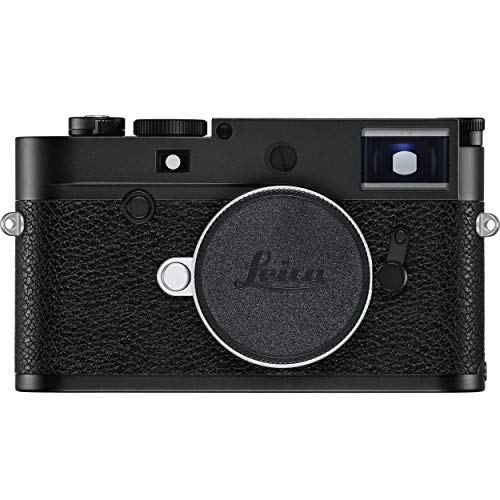
Leica M9 P Review | 108 Data compared

double-arrow
  • Avg. price in UK: ~£3,510
  • Avg. price in US: ~$3,940
  • Sensor size: full frame
  • Lens mount: Leica M
  • Main camera pixel size: 6.8 µm
  • Weight: 600 g
  • Battery life (CIPA): 350 shots

Leica M9 P review. Compare 108 technical specifications and user reviews to see how it ranks among cameras and if it is worth buying.

3.8

Overall score

What it is: An overall evaluation of the camera's quality, based on technical analyses and user reviews.

When it matters: When you need a quick reference to identify the best cameras on the market.

Score components:

90.0%

3.8

Technical Score

10.0%

?

User score

Poor
3.8

Technical Score

What it is: An assessment of the camera's technical performance, covering eight key areas: image quality, autofocus, video features, stabilization, lens compatibility, connectivity, battery, and design.

When it matters: When you want to compare cameras based on technical performance and available features.

Score components:

28.0%

5.8

Sensor & Image

25.0%

1.9

Photo Features

18.0%

2.2

Video & Audio

14.0%

4.2

Display & Design

8.0%

6.9

Battery & Power

7.0%

2.0

Connectivity & Storage

Poor
?

User score

What it is: A rating that combines user reviews and the total number of reviews received by the camera.

When it matters: When real-world owner satisfaction and review volume matter to your decision.

Score components:

70.0%

?

User reviews

30.0%

?

Popularity

  • 6.2
    Professional photography

    Score components:

    25.0%

    9.7

    Sensor size

    20.0%

    6.2

    Main camera megapixels

    20.0%

    1.0

    Dual card slots

    15.0%

    ?

    N. of focus points

    10.0%

    10

    RAW photo capture

    10.0%

    1.0

    Phase-detection autofocus (photos)

  • 3.7
    Travel

    Score components:

    35.0%

    5.2

    Weight

    30.0%

    5.1

    Battery life (CIPA)

    20.0%

    1.0

    Sensor-shift stabilization

    15.0%

    1.0

    GPS

  • 2.7
    Beginners

    Score components:

    30.0%

    1.0

    Price

    20.0%

    5.2

    Weight

    20.0%

    1.0

    AF tracking

    20.0%

    5.1

    Battery life (CIPA)

    10.0%

    1.0

    Touchscreen

  • 7.4
    Landscape photography

    Score components:

    30.0%

    6.2

    Main camera megapixels

    25.0%

    9.7

    Sensor size

    20.0%

    10

    Main camera pixel size

    15.0%

    1.0

    Sensor-shift stabilization

    10.0%

    10

    RAW photo capture

  • 5.6
    Street photography

    Score components:

    30.0%

    5.2

    Weight

    25.0%

    8.7

    Thickness

    20.0%

    ?

    AF low-light sensitivity

    15.0%

    1.0

    Sensor-shift stabilization

    10.0%

    1.0

    Eye detection AF (human)

  • 6.6
    Portraits

    Score components:

    30.0%

    9.7

    Sensor size

    25.0%

    10

    Main camera pixel size

    20.0%

    1.0

    Eye detection AF (human)

    15.0%

    6.2

    Main camera megapixels

    10.0%

    1.0

    Sensor-shift stabilization

  • 3.6
    Hiking

    Score components:

    30.0%

    5.2

    Weight

    25.0%

    5.1

    Battery life (CIPA)

    20.0%

    2.8

    Min operating temperature

    15.0%

    1.0

    Sensor-shift stabilization

    10.0%

    1.0

    GPS

  • No image
No image

Best prices in UK

    N/A~ £3,510

Best rankings

?

Available: ranking among products currently available (including other versions of this product).
All: ranking among all products in the database.

Verdict

The Leica M9-P is a high-end digital rangefinder camera featuring an 18-megapixel full-frame (36 x 24 mm) Kodak CCD sensor without an anti-aliasing filter, housed in a durable magnesium-alloy body with brass plates. Key characteristics and pros include its understated aesthetics—omitting the iconic red dot for a classic top-plate engraving—an upgraded scratch-proof sapphire crystal 2.5-inch LCD, and legendary, film-like color rendition with superb per-pixel sharpness and micro-contrast. However, notable cons include its fragile sensor glass that is prone to irreversible corrosion, limited high ISO performance beyond ISO 800, a low-resolution 230k-dot display, a slow 2 frames per second burst rate, and a complete lack of live view or video recording.

Technical Specifications of Leica M9 P

Technical Score

What it is: An assessment of the camera's technical performance, covering eight key areas: image quality, autofocus, video features, stabilization, lens compatibility, connectivity, battery, and design.

When it matters: When you want to compare cameras based on technical performance and available features.

Score components:

28.0%

?

Sensor & Image

25.0%

?

Photo Features

18.0%

?

Video & Audio

14.0%

?

Display & Design

8.0%

?

Battery & Power

7.0%

?

Connectivity & Storage

3.8
Leica M9 P has a technical score of 3.77 points, which is lower than 92.7% of cameras.
User score

What it is: A rating that combines user reviews and the total number of reviews received by the camera.

When it matters: When real-world owner satisfaction and review volume matter to your decision.

Score components:

70.0%

0.0

User reviews

30.0%

1.0

Popularity

?
Popularity
What it is: An indicator based on the number of reviews received by the camera.
When it matters: When you want to see which cameras attract the most buyer attention and review activity.
1.0
Leica M9 P has a popularity of 1 points, which is higher than 0% of products in this category.
Ratio quality/price

What it is: An indicator that combines the camera's overall rating with its cost.

When it matters: When you want to know how much overall quality you get for the price.

Score components:

60.0%

3.8

Overall score

40.0%

1.0

Price

2.9
Leica M9 P has a quality-to-price ratio of 2.9 points, which is lower than 99.8% of products in this category.
Sensor size
What it is: The sensor format value describes the physical light-collecting area.
When it matters: When you shoot in more difficult lighting.

Importance: HIGH

Good value: Full frame or larger

full frame
Leica M9 P uses a sensor classified as full frame; it is larger than the sensor in 83.7% of cameras and the same size as the sensor in 14% of cameras.
Main camera megapixels
What it is: The effective resolution of the camera sensor, measured in megapixels (MP). Higher megapixels can capture more detail.
When it matters: When you want high-resolution photos that allow more cropping or larger prints.

Importance: HIGH

Good value: At least 20 MP

18.1 MP
Leica M9 P has a main camera resolution of 18.1 MP, which is higher than that of 57.6% of cameras and equal to that of 0.7% of cameras.
Main camera pixel size
What it is: The physical size of individual pixels on the camera sensor, measured in micrometers. Larger pixels typically capture more light for better low-light performance.
When it matters: When you shoot in low light and want reduced noise in your photos.

Importance: HIGH

Good value: At least 3.5 µm

6.8 µm
Leica M9 P has a main camera pixel size of 6.8 µm which is larger than in 97.2% of cameras and equal to the size in 0.2% of cameras.
Base ISO
What it is: The native ISO setting that delivers the sensor’s standard balance of image quality and dynamic range.
When it matters: When you want the best native image quality and compare cameras at their most optimal sensitivity setting.

Importance: LOW

160
Leica M9 P has a base ISO of 160 which is higher than that of 80.7% of cameras and equal to that of 4.1% of cameras.
Max ISO
What it is: The ISO ceiling shows the highest sensor sensitivity available for darker scenes.
When it matters: When you shoot in more difficult lighting.

Importance: MEDIUM

Good value: At least ISO 25,600

2,500
Leica M9 P reaches a maximum sensitivity of ISO 2,500, which is lower than that of 85.6% of cameras and equal to that of 0.2% of cameras.
Show more
Lens mount
What it is: The mechanical and electronic interface that determines which interchangeable lenses the camera can use.
When it matters: When lens availability, upgrade options, and long-term system compatibility are central to your buying decision.

Importance: LOW

Leica M
Built-in focus motor
What it is: Indicates whether the camera body includes an internal autofocus motor for driving compatible lenses.
When it matters: When you plan to use older or budget lenses that depend on the camera body for autofocus drive.

Importance: LOW

no
Leica M9 P does not have a built-in focus motor. 11% of cameras have a built-in focus motor.
N. of focus points
What it is: The total number of selectable autofocus points available for positioning and tracking focus.
When it matters: When you want more flexibility in placing focus precisely or tracking subjects across the frame.

Importance: HIGH

Good value: At least 200 points

N/A
Phase-detection autofocus (photos)
What it is: Autofocus technology that measures phase differences to lock focus quickly and accurately for still photography.
When it matters: When you want faster and more reliable autofocus for still photos, especially with moving subjects.

Importance: HIGH

no
Leica M9 P does not support phase-detection autofocus for photos. 37.5% of cameras support phase-detection autofocus for photos.
AF tracking
What it is: An autofocus mode that continuously follows a moving subject to keep it sharp during shooting.
When it matters: When your subjects move unpredictably and you need the camera to keep focus on them automatically.

Importance: MEDIUM

no
Leica M9 P does not support AF tracking. 88.1% of cameras support this feature.
Show more
Max video resolution
What it is: The highest video resolution the camera can record, defining the maximum level of captured image detail.
When it matters: When you care about recording the highest level of detail for cropping, editing, or future-proof video work.

Importance: HIGH

Good value: At least 3840 px

N/A
Video bitrate
What it is: The amount of video data recorded per second, which affects file size and potential recording quality.
When it matters: When you compare potential video quality and want fewer compression artifacts in demanding scenes.

Importance: MEDIUM

Good value: At least 200 Mbps

N/A
Video bit depth
What it is: The number of bits used per color channel in recorded video, affecting gradation smoothness and editing flexibility.
When it matters: When you color grade video and want smoother gradients with fewer banding issues.

Importance: MEDIUM

Good value: At least 10-bit

N/A
Video chroma subsampling
What it is: The color sampling format used in video recording, indicating how much color detail is retained relative to brightness detail.
When it matters: When color grading, keying, or serious post-production work is important in your video workflow.

Importance: LOW

N/A
Video codecs
What it is: The video compression formats the camera can use when recording, affecting compatibility, efficiency, and workflow.
When it matters: When compatibility, editing performance, and file efficiency matter in the way you handle video.

Importance: LOW

N/A
Show more
Type
What it is: The camera type identifies the overall design, such as mirrorless, DSLR, compact, or bridge.
When it matters: When you want a camera style that matches how you shoot, carry, and swap lenses.

Importance: LOW

rangefinder
Weight
What it is: The total weight of the camera body, which affects comfort while carrying and shooting.
When it matters: When you carry the camera all day, travel often, or prefer a lighter setup.

Importance: MEDIUM

Good value: 500 g or less

600 g
Leica M9 P weighs 600 g which is heavier than 73.8% of cameras and equal to the weight of 0.3% of cameras.
Width
What it is: The width of the camera body, measured from side to side.
When it matters: When compact packing, grip comfort, or bag fit matters to you.

Importance: LOW

139 mm
Leica M9 P has a width of 139 mm which is wider than 85.9% of cameras and equal to that of 1.8% of cameras.
Height
What it is: The height of the camera body, measured from top to bottom.
When it matters: When you care about how compact the camera feels in a bag or in hand.

Importance: LOW

80 mm
Leica M9 P has a height of 80 mm which is taller than 54.5% of cameras and equal to that of 2.4% of cameras.
Thickness
What it is: The depth of the device profile, excluding the camera bump unless specified.
When it matters: When you prefer a sleek, slim profile that slides easily into tight pockets.

Importance: LOW

37 mm
Leica M9 P has a thickness of 37 mm which is thinner than 64.5% of cameras and equal to that of 0.6% of cameras.
Show more
Battery life (CIPA)
What it is: The official battery endurance estimate measured under CIPA test methodology, usually expressed in shots per charge.
When it matters: When you need realistic expectations for how many shots you can take before carrying a spare battery.

Importance: MEDIUM

Good value: At least 400 shots

350 shots
Leica M9 P has a CIPA-rated battery life of 350 shots, which is longer than that of 54.5% of cameras and equal to that of 5% of cameras.
Battery capacity
What it is: The amount of electric charge the battery can hold, measured in milliampere-hours (mAh).
When it matters: When you want a general idea of how large the battery is physically.

Importance: LOW

Good value: At least 1,500 mAh

1900 mAh
Leica M9 P has a battery capacity of 1900 mAh which is larger than the batteries in 86.2% of cameras and equal to those in 2.1% of cameras.
Removable battery
What it is: Indicates whether the flight battery can be removed and swapped by the user.
When it matters: When you want to swap batteries quickly between flights.

Importance: LOW

yes
Leica M9 P has a removable battery, and 98.7% of cameras include one.
USB Power Delivery (PD)
What it is: Support for the USB Power Delivery standard for higher-power charging or external power supply over USB-C.
When it matters: When you want faster USB-C charging or the ability to power the camera externally for longer sessions.

Importance: LOW

no
Leica M9 P does not support USB Power Delivery. 10.1% of cameras support USB Power Delivery.
Wi-Fi connectivity
What it is: Indicates whether the camera has built-in Wi-Fi for image transfer, remote control, or network features.
When it matters: When you want to transfer photos wirelessly, control the camera from a phone, or use supported network workflows.

Importance: LOW

no
Leica M9 P does not support Wi-Fi. 47.9% of cameras include this feature.
Wi-Fi version
What it is: The specific generation of Wi-Fi standards supported (e.g., Wi-Fi 6, Wi-Fi 7), determining maximum speed and efficiency.
When it matters: When you have a high-speed router and want faster downloads with less congestion.

Importance: LOW

N/A
Bluetooth connectivity
What it is: Indicates whether the camera supports Bluetooth for pairing, remote control, or file transfer.
When it matters: When you want quick wireless pairing with a phone, remote control, or location syncing.

Importance: LOW

no
Leica M9 P does not have Bluetooth. 22.7% of cameras support Bluetooth.
Bluetooth version
What it is: The Bluetooth version supported by the camera for wireless pairing and low-power connections.
When it matters: When you want more efficient wireless pairing, better range, or newer Bluetooth features.

Importance: LOW

N/A
USB Type-C
What it is: A modern, reversible connector used for charging, data transfer, and sometimes audio or video output.
When it matters: When you want a reversible cable that handles charging, data, and accessories universally.

Importance: LOW

no
Leica M9 P does not include USB Type-C. 14.6% of cameras use USB-C.
Data only.
Show more

Leica M9 P vs the average camera

  • 3.46 µm larger main-camera pixels
    Leica M9 P has a higher main camera pixel size than the average camera (6.8 µm vs 3.34 µm). The average camera has a main camera pixel size of 3.34 µm.
    What it is: The physical size of individual pixels on the camera sensor, measured in micrometers. Larger pixels typically capture more light for better low-light performance.
    When it matters: When you shoot in low light and want reduced noise in your photos.

    Importance: HIGH

    Good value: At least 3.5 µm

    Leica M9 P has a higher main camera pixel size than the average camera (6.8 µm vs 3.34 µm). The average camera has a main camera pixel size of 3.34 µm.6.8 µm vs 3.34 µm
  • Larger sensor
    Leica M9 P has a larger sensor than the average camera (full frame vs APS-C).
    What it is: The sensor format value describes the physical light-collecting area.
    When it matters: When you shoot in more difficult lighting.

    Importance: HIGH

    Good value: Full frame or larger

    Leica M9 P has a larger sensor than the average camera (full frame vs APS-C).full frame vs APS-C
  • 780 mAh larger battery capacity
    Leica M9 P has a higher battery capacity than the average camera (1900 mAh vs 1,120 mAh). The average camera has a battery capacity of 1,120 mAh.
    What it is: The amount of electric charge the battery can hold, measured in milliampere-hours (mAh).
    When it matters: When you want a general idea of how large the battery is physically.

    Importance: LOW

    Good value: At least 1,500 mAh

    Leica M9 P has a higher battery capacity than the average camera (1900 mAh vs 1,120 mAh). The average camera has a battery capacity of 1,120 mAh.1900 mAh vs 1120 mAh
  • Better viewfinder type
    Leica M9 P uses a more advanced viewfinder than the average camera (optical vs none).
    What it is: The type of viewfinder the camera uses to frame the shot, such as optical, electronic, hybrid, or none.
    When it matters: When you strongly prefer the clarity of an optical finder, the preview benefits of an electronic one, or no viewfinder at all.

    Importance: MEDIUM

    Leica M9 P uses a more advanced viewfinder than the average camera (optical vs none).optical vs none
  • 210 s longer maximum exposure
    Leica M9 P supports a longer maximum exposure than the average camera (240 s vs 30 s). The average camera supports a longest shutter speed of 30 s.
    What it is: The longest exposure time the camera can set, useful for night photography and intentional motion blur.
    When it matters: When you shoot night scenes, light trails, or creative long-exposure images without external accessories.

    Importance: LOW

    Leica M9 P supports a longer maximum exposure than the average camera (240 s vs 30 s). The average camera supports a longest shutter speed of 30 s.240 vs 30
  • 1.9 MP higher resolution on the main camera
    Leica M9 P has a higher main camera resolution than the average camera (18.1 MP vs 16.2 MP). The average camera has a main camera resolution of 16.2 MP.
    What it is: The effective resolution of the camera sensor, measured in megapixels (MP). Higher megapixels can capture more detail.
    When it matters: When you want high-resolution photos that allow more cropping or larger prints.

    Importance: HIGH

    Good value: At least 20 MP

    Leica M9 P has a higher main camera resolution than the average camera (18.1 MP vs 16.2 MP). The average camera has a main camera resolution of 16.2 MP.18.1 MP vs 16.2 MP
  • Better viewfinder type
    Leica M9 P uses a more advanced viewfinder than the average camera (optical vs none).
  • 3.46 µm larger main-camera pixels
    Leica M9 P has a higher main camera pixel size than the average camera (6.8 µm vs 3.34 µm). The average camera has a main camera pixel size of 3.34 µm.
  • Larger sensor
    Leica M9 P has a larger sensor than the average camera (full frame vs APS-C).
  • 1.9 MP higher resolution on the main camera
    Leica M9 P has a higher main camera resolution than the average camera (18.1 MP vs 16.2 MP). The average camera has a main camera resolution of 16.2 MP.
  • 210 s longer maximum exposure
    Leica M9 P supports a longer maximum exposure than the average camera (240 s vs 30 s). The average camera supports a longest shutter speed of 30 s.
  • 780 mAh larger battery capacity
    Leica M9 P has a higher battery capacity than the average camera (1900 mAh vs 1,120 mAh). The average camera has a battery capacity of 1,120 mAh.
  • 0.5 in smaller screen
    Leica M9 P has a smaller screen than the average camera (2.5 in vs 3 in). The average camera has a screen size of 3 in.
  • 51.9% heavier
    Leica M9 P is heavier than the average camera (600 g vs 395 g). The average camera weighs 395 g.
  • No flash
    Leica M9 P does not have a built-in flash, the average camera does. 73.4% of cameras have a flash.
  • 12.8% lower magnification
    Leica M9 P has a lower viewfinder magnification than the average camera (0.7x vs 0.78x). The average camera has a viewfinder magnification of 0.78x.
  • 19.1 mm wider
    Leica M9 P is wider than the average camera (139 mm vs 119.9 mm). The average camera has a width of 119.9 mm.
  • Lacks HDR mode
    Leica M9 P does not support HDR mode, the average camera does. 55.1% of cameras include HDR mode.
  • 3,900 lower max ISO
    Leica M9 P has a lower max ISO than the average camera (2,500 vs 6,400). The average camera reaches a max ISO of 6,400.
  • Lower DxOMark landscape score
    Leica M9 P has a lower DxOMark landscape score than the average camera (11.6 vs 12.4). The average camera scores 12.4.
  • 2 older
    Leica M9 P is older than the average camera (2011 vs 2013). The average camera was released in 2013.
    June 2011
  • 5 points lower DxOMark sensor score
    Leica M9 P has a lower DxOMark sensor score than the average camera (68 points vs 73 points). The average camera has a DxOMark sensor score of 73 points.
  • Lower DxOMark portrait score
    Leica M9 P has a lower DxOMark portrait score than the average camera (22.5 vs 23.0). The average camera scores 23.0.
  • No AF tracking
    Leica M9 P does not support AF tracking, the average camera does. 88% of cameras support it.
  • 3.7 fps slower mechanical burst
    Leica M9 P has a slower mechanical burst rate than the average camera (2 fps vs 5.7 fps). The average camera shoots at 5.7 fps.
  • 2 fewer microphones
    Leica M9 P has fewer microphones than the average camera (0 vs 2). The average camera has 2 microphones.
  • No continuous video AF
    Leica M9 P does not support continuous autofocus in video, the average camera does.
    no video recording
  • No HDMI output
    Leica M9 P does not support HDMI output, the average camera does. 78.7% of cameras support HDMI output.
  • No AF tracking
    Leica M9 P does not support AF tracking, the average camera does. 88% of cameras support it.
    What it is: An autofocus mode that continuously follows a moving subject to keep it sharp during shooting.
    When it matters: When your subjects move unpredictably and you need the camera to keep focus on them automatically.

    Importance: MEDIUM

    Leica M9 P does not support AF tracking, the average camera does. 88% of cameras support it.
  • 0.5 in smaller screen
    Leica M9 P has a smaller screen than the average camera (2.5 in vs 3 in). The average camera has a screen size of 3 in.
    What it is: The physical diagonal measurement of the display area, usually expressed in inches.
    When it matters: When you want a larger display for reviewing shots, using menus, or shooting from awkward angles.

    Importance: MEDIUM

    Good value: At least 3 in

    Leica M9 P has a smaller screen than the average camera (2.5 in vs 3 in). The average camera has a screen size of 3 in.2.5 in vs 3 in
  • 2 fewer microphones
    Leica M9 P has fewer microphones than the average camera (0 vs 2). The average camera has 2 microphones.
    What it is: The number of built-in microphones used to capture audio while recording video.
    When it matters: More built-in microphones can capture broader, clearer sound when you record without an external microphone.

    Importance: LOW

    Good value: At least 2 microphones

    Leica M9 P has fewer microphones than the average camera (0 vs 2). The average camera has 2 microphones.0 vs 2
  • Lacks HDR mode
    Leica M9 P does not support HDR mode, the average camera does. 55.1% of cameras include HDR mode.
    What it is: High Dynamic Range mode for photos, which combines multiple exposures to retain detail in both shadows and highlights.
    When it matters: When you take photos in high-contrast scenes, like a bright sky against a dark landscape.

    Importance: LOW

    Leica M9 P does not support HDR mode, the average camera does. 55.1% of cameras include HDR mode.
  • 3.7 fps slower mechanical burst
    Leica M9 P has a slower mechanical burst rate than the average camera (2 fps vs 5.7 fps). The average camera shoots at 5.7 fps.
    What it is: The maximum burst rate the camera can achieve using its mechanical shutter, measured in frames per second.
    When it matters: When you photograph sports, wildlife, or action and want more chances to catch the exact moment.

    Importance: MEDIUM

    Good value: At least 10 fps

    Leica M9 P has a slower mechanical burst rate than the average camera (2 fps vs 5.7 fps). The average camera shoots at 5.7 fps.2 fps vs 5.7 fps
  • No continuous video AF
    Leica M9 P does not support continuous autofocus in video, the average camera does.
    no video recording
    What it is: The ability of the camera to keep adjusting focus automatically while video recording is in progress.
    When it matters: When you film while subjects or camera distance keep changing and manual refocusing is impractical.

    Importance: LOW

    Leica M9 P does not support continuous autofocus in video, the average camera does.
  • 51.9% heavier
    Leica M9 P is heavier than the average camera (600 g vs 395 g). The average camera weighs 395 g.
    What it is: The total weight of the camera body, which affects comfort while carrying and shooting.
    When it matters: When you carry the camera all day, travel often, or prefer a lighter setup.

    Importance: MEDIUM

    Good value: 500 g or less

    Leica M9 P is heavier than the average camera (600 g vs 395 g). The average camera weighs 395 g.600 g vs 395 g
  • 3,900 lower max ISO
    Leica M9 P has a lower max ISO than the average camera (2,500 vs 6,400). The average camera reaches a max ISO of 6,400.
    What it is: The ISO ceiling shows the highest sensor sensitivity available for darker scenes.
    When it matters: When you shoot in more difficult lighting.

    Importance: MEDIUM

    Good value: At least ISO 25,600

    Leica M9 P has a lower max ISO than the average camera (2,500 vs 6,400). The average camera reaches a max ISO of 6,400.2,500 vs 6,400

Graphic comparison of Leica M9 P and

Attribute category
Attribute
No results found

Third-party reviews

What customers like about Leica M9 P?

  • Unique CCD sensor that produces organic, film-like colors and skin tones
  • Exceptional build quality with a minimalist, discreet design (no red dot)
  • Simplified and intuitive menu system focused on core photography functions
  • Large optical viewfinder with 0.68x magnification for easy rangefinder focusing
  • Improved durability over the standard M9 due to a scratch-resistant sapphire crystal LCD cover
  • Full-frame 18MP sensor that provides high image clarity and detail

What customers dislike about Leica M9 P?

  • Known sensor corrosion issues that can be difficult or impossible to repair now
  • Poor high ISO performance with noticeable noise above ISO 800
  • Very low-resolution rear LCD screen (230k dots) making critical image review difficult
  • Slow operation including long write times, sluggish image playback, and slow startup
  • Inconvenient access to battery and SD card requiring removal of the bottom plate
  • Limited modern features such as no video recording, no live view, and small buffer size

Expert reviews

S
shutterbug.com
26/07/2011

The Leica M9-P is a traditional, hands-on rangefinder featuring a clear viewfinder with effective parallax correction, capable of producing exceptional black-and-white images with rich, deep contrast. It offers broad compatibility with older lenses, allowing for a modern shooting experience with classic glass. Shutterbug.com However, the camera lacks Live View or rear screen...Read more

D
digital-photography-school.com
09/08/2011

In his first impression review on Digital Photography School, Darren Rowse describes the Leica M9-P as an 18-megapixel full-frame rangefinder camera that deeply polarises photographers due to its high price and intentionally stripped-back feature set. Geared toward maximum user control, the camera lacks modern automated features, missing autofocus, face recognition, and live view...Read more

D
dpreview.com
06/05/2012

The DPReview article "Shooting with the Leica M9-P" details a real-world assessment of the digital rangefinder, highlighting its exceptional build quality, compact, rugged design, and intuitive external controls. The 18-megapixel CCD sensor is praised for delivering superb image acuity and film-like color rendition, particularly at lower ISO settings. Conversely, the review outlines...Read more

E
erickoke.wordpress.com
01/08/2019

The Leica M9-P is a highly desirable yet flawed digital rangefinder camera defined by its unique rendering capabilities and persistent mechanical liabilities. Photographers praise the device for its 18-megapixel CCD sensor, which lacks an anti-aliasing filter to produce remarkably sharp images with a rich, film-like color tonality. The camera’s manual-focus interface enables...Read more

K
keithwee.com
10/07/2025

In his 2025 review, Keith Wee provides a reflective hands-on evaluation of the 14-year-old Leica M9-P. He concludes that the camera's legendary "magic" is a collective harmony between its Kodak 18-megapixel CCD sensor, Leica's optical microcontrast, a distinct magenta-red colour calibration, and optimal lighting environments. The camera stands out for producing deeply saturated...Read more

Q
qimago.de
08/09/2020

The Qimago review profiles the Leica M9-P as a charming, stripped-down digital rangefinder that stands out for its high-quality brass haptics and distinct image look. On the positive side, the author heavily praises the full-frame CCD sensor, noting that it produces exceptional, vibrant color rendering in JPEG files straight out of the camera. The mechanical tactile...Read more

D
digitalkamera.de
01/09/2011

The Falkemedia review highlights the Leica M9-P as a premium, discreet rangefinder featuring a durable sapphire crystal screen and a 18-megapixel CCD sensor that produces distinct "filmic" image quality. Proponents emphasize its suitability for street photography due to its minimal branding, exceptional M-mount lens compatibility, and accurate DNG color rendering, which offers a...Read more

D
dxomark.fr
21/06/2011

The Leica M9-P is a professional full-frame digital rangefinder camera announced in January 2011 with a launch price of $6,950. It features an 18.11-megapixel CCD sensor (5216 × 3472 resolution) that lacks an anti-aliasing (low-pass) filter to prioritize sharp, highly detailed images. Geared strictly toward manual photography, the camera does not support video recording, Live View,...Read more

L
lesnumeriques.com
10/09/2009

Based on the review, the Leica M9 marks a major transition for the brand by introducing a full-frame (24x36 mm) 18.5-megapixel CCD sensor into a compact, rangefinder body, allowing photographers to utilize classic M-mount lenses without any focal length crop factor. Reviewers praise the camera's exceptional image quality, highlighting its legendary build, fantastic sharpness...Read more

C
camerarace.com
21/06/2011

The Leica M9-P is highlighted for its exceptional image quality, featuring an 18.0MP full-frame sensor, and its compact, lightweight design (600g) ideal for street and portrait photography. While physically portable, the camera is severely limited by poor speed performance, slow processing, and a lack of modern features like wireless connectivity, resulting in a below-average...Read more

C
coolframe.wordpress.com
28/12/2015

The Leica M9 is a unique digital camera with a 18-megapixel Kodak CCD sensor lacking a low-pass filter, producing detailed, "organic" images that feel less digital than its competitors. The reviewer notes that its 0.68x magnification viewfinder works perfectly with a 35mm focal length, which is optimal for quick zone focusing and preventing camera shake. Furthermore, the sensor does...Read more

J
jipvankuijk.nl
16/01/2015

The provided review page highlights several premium camera bodies and high-performance lenses, focusing heavily on their distinct design philosophies and practical handling. A standout pro across the featured gear is the exceptional, enduring build quality and compact minimalism. For instance, the Leica M-A (Typ 127) is praised for its robust longevity and purely mechanical,...Read more

Video reviews

Compare Leica M9 P with

VS
VS

Compare