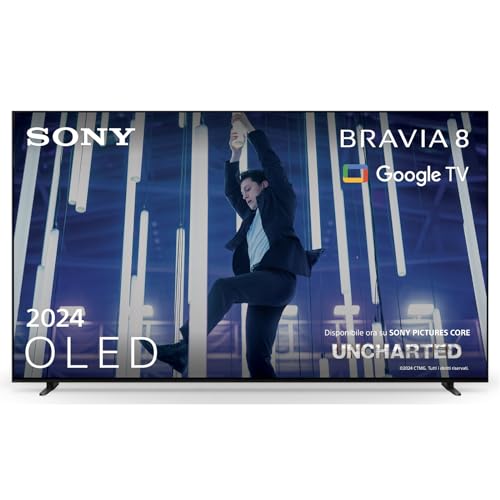
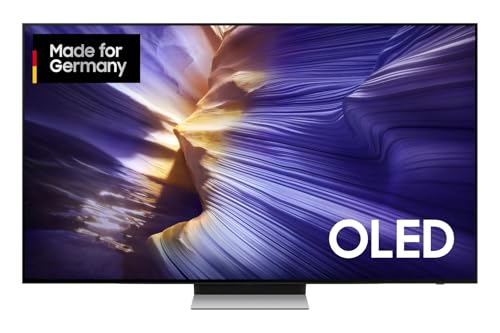
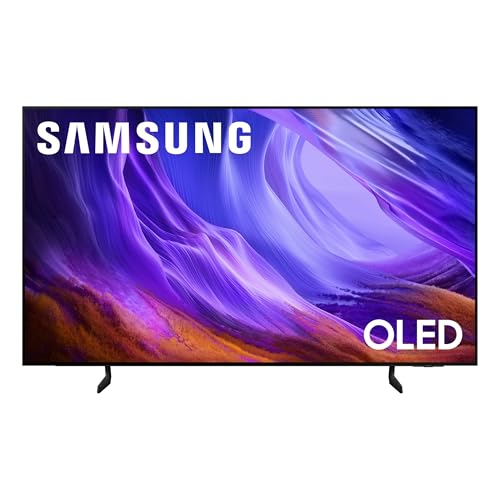
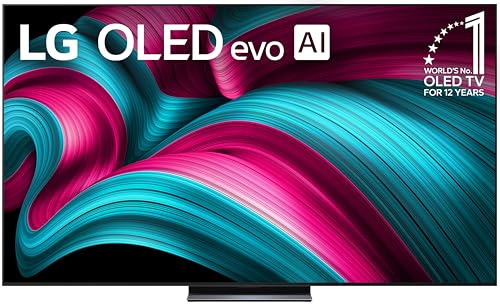
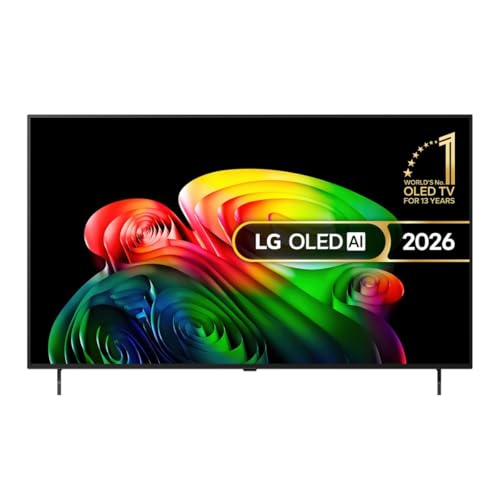
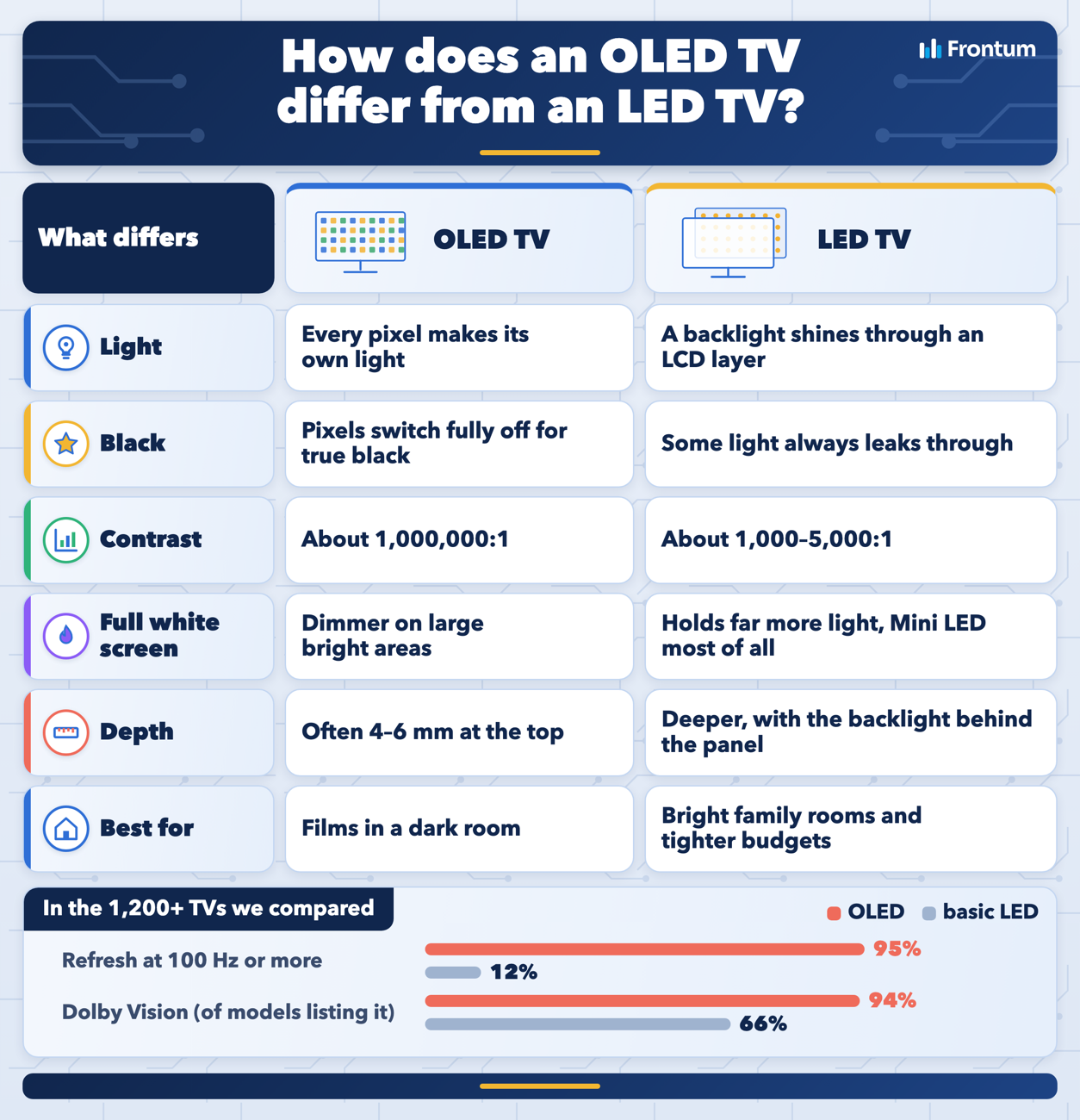
OLED TVs can suffer from burn-in, but normal home viewing rarely causes it. Burn-in happens when a static element, such as a channel logo or game HUD, stays on screen for hundreds or thousands of hours and wears those pixels faster than the rest. The result is a faint permanent ghost of that shape. Mixed viewing of films, series and games spreads the wear evenly.
Modern panels fight this in several ways. Pixel shift moves the image by a few pixels every few minutes, and logo detection dims static areas. A pixel refresh cycle runs for about 5–10 minutes in standby after a few hours of use. Newer heat sinks and emitter materials also let pixels run cooler at the same brightness.
The risk is real for one type of user: someone who watches a single news channel with a fixed ticker 8–10 hours a day, or leaves a PC desktop up for long work sessions. In that case you should hide the taskbar, use a screensaver and keep brightness moderate, or pick a Mini LED set instead. For everyone else, burn-in is a minor concern over a 7–10 year life.