


Are Panasonic TVs good?
Panasonic TVs have an average overall score of 7.9, ranking #7 among all TV brands.
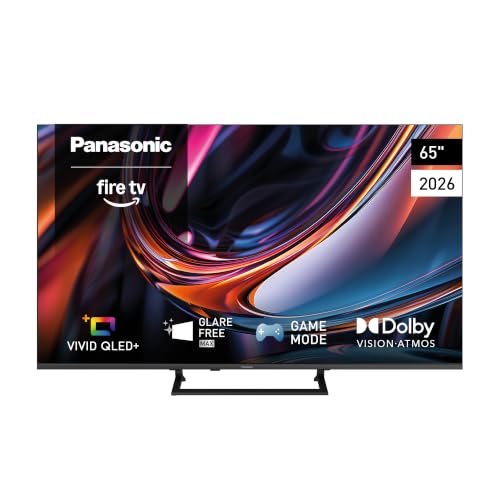
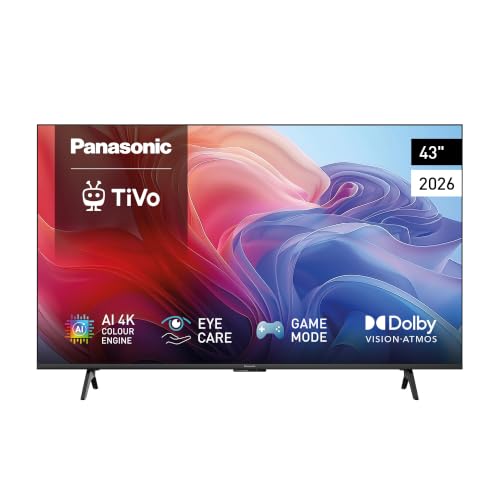
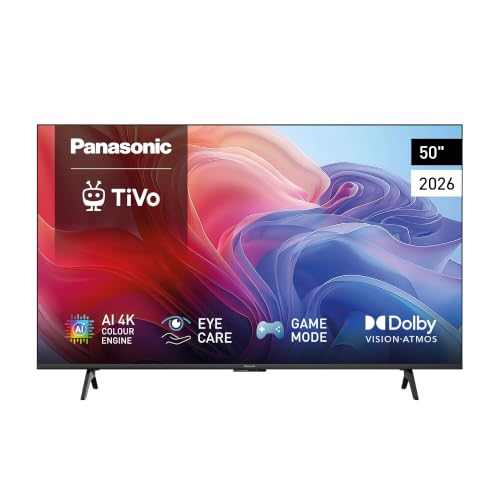
Panasonic is known for accurate colour and strong built-in sound. Its OLEDs, led by the Z95AE, are tuned with Hollywood colourists and use upward-firing speakers tuned by Technics. The W90C brings Mini LED to about £600. Recent OLEDs such as the Z90AE run Amazon's Fire TV with Alexa built in and support Dolby Vision, HDR10+ and HLG.
The range is narrow next to the big Korean and Chinese brands. OLED choice above 65 inches is thin, and the cheapest 24- and 32-inch sets stay at HD resolution with basic speakers. Several models on sale are also older generations that no longer get new features.
(Note: A total of 23 brands were evaluated in the comparison in the first paragraph. Only those with at least 6 TV models in our database were included.)
The chart below ranks TV brands by average overall score.
[horizontal-chart-12523077739936695688099635610845944800213591056259]What are the main advantages of Panasonic TVs?
The main advantages of Panasonic TVs are as follows:
- Accurate colour: The Z95AE and Z90AE come with Filmmaker Mode and picture modes tuned with Hollywood colourists. Skin tones and film grain look natural without changing settings.
- Built-in sound: The Z95AE has a 150 W Technics-tuned system with upward-firing drivers. Even the 85-inch MX800E delivers 40 W, well above the 10–20 W of typical budget sets.
- Every HDR format: Models from the W85B to the Z95AE play Dolby Vision, HDR10+ and HLG. Netflix, Disney+ and Prime Video titles all get dynamic HDR.
- Gaming support: The Z90AE and Z95AE run at up to 144 Hz with VRR and a dedicated low-lag game mode. PS5, Xbox and PC games look smooth at 4K.
- Mid-range value: The 55-inch W90C brings Mini LED for about £600. The W85B adds quantum-dot colour from about £520.
- Fire TV with Alexa: The Z90AE and W95AE run Fire TV with a large app store and Alexa voice control. Smart-home devices and Echo speakers link up directly.
What are the main disadvantages of Panasonic TVs?
The main disadvantages of Panasonic TVs are the following:
- Few large sizes: The W95AE stops at 75 inches and the MX800E at 85 inches. Brands such as LG and Hisense go up to 98–100 inches.
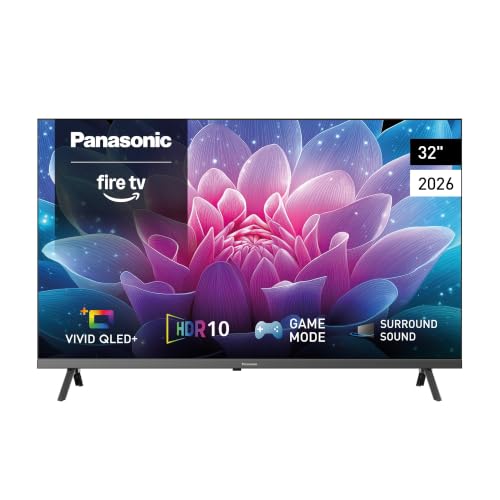
- HD budget models: The 24-inch S40A uses 1280 × 720 pixels and the 32-inch S40A 1366 × 768. Text and menus look soft from closer than about 1.5 m.
- Dim entry panels: The 32-inch S40A peaks at about 300 nits. HDR barely differs from SDR, and a bright kitchen washes the picture out.
- 60 Hz LED range: The W60C and LX650E run at 60 Hz with simple backlights. Blacks look grey in a dark room, and 120 fps games are not possible.
- Older models on sale: Sets such as the JZ2000 and CXW684 are several generations old. Apps and features lag behind newer models.
- High OLED prices: The 65-inch MZ700E costs about £2,200 and the 55-inch Z95AE about £1,700. Rival OLEDs of the same size often cost less.