
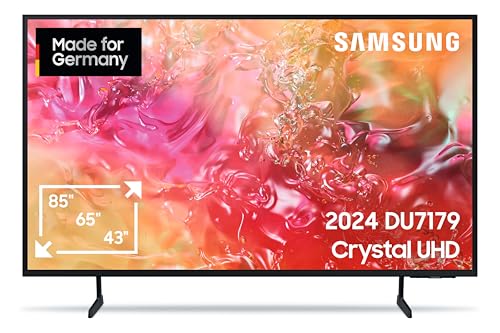


Are Samsung TVs good?
Samsung TVs have an average overall score of 8.2, ranking #5 among all TV brands.
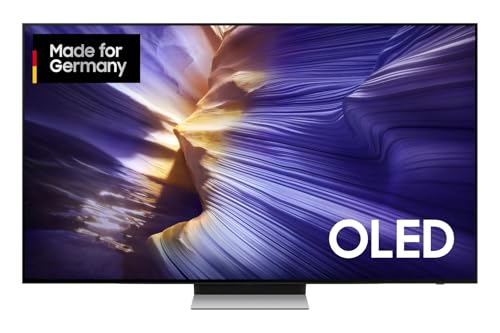
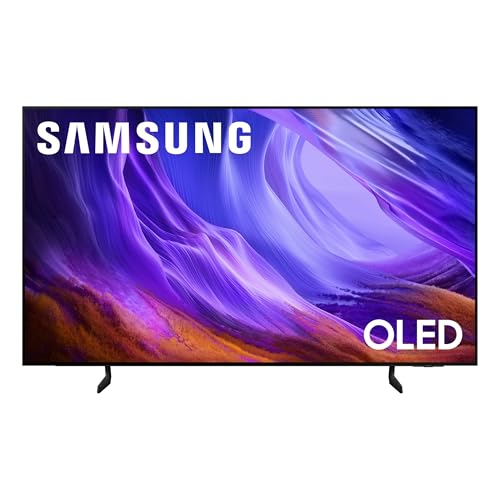
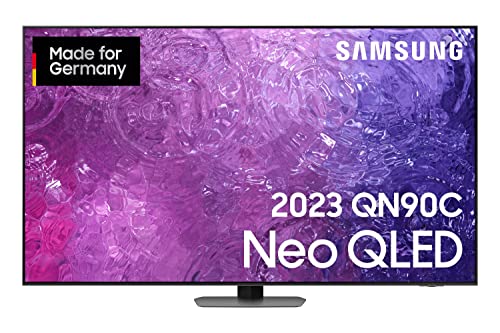
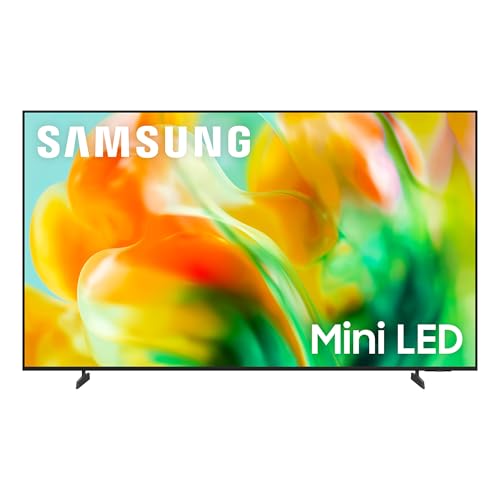
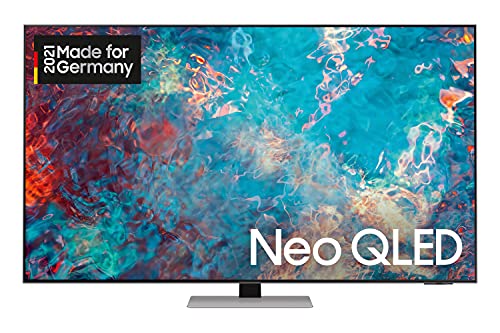
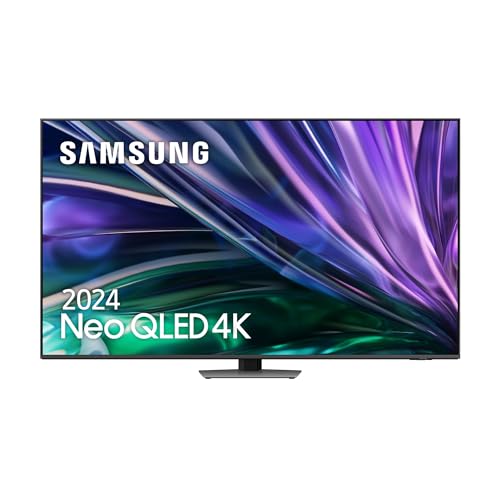
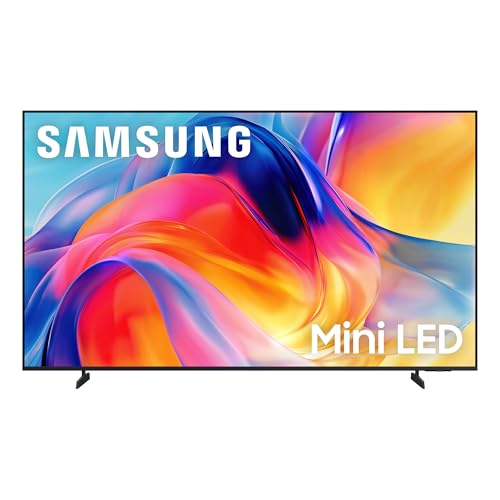
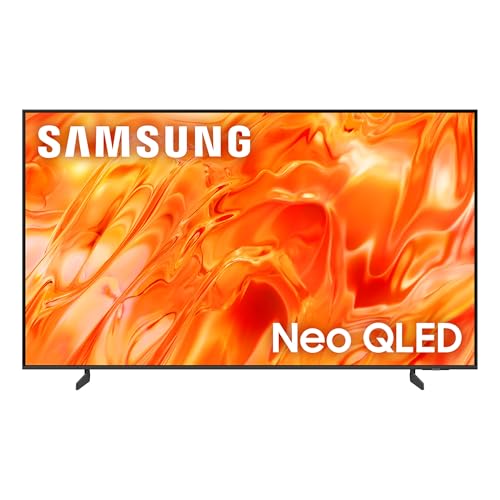
Samsung is best known for bright LCD TVs with quantum-dot colour and for its Neo QLED Mini LED range. Sets like the QN90D use thousands of small LEDs in local dimming zones and hold strong brightness for sport and daytime viewing. At the top, QD-OLED models such as the S93H combine per-pixel black with more saturated colour than classic OLED. Nearly every model above 32 inches uses a 4K panel and the same Tizen software.
The real weakness is HDR format support. Samsung backs HDR10+ but not Dolby Vision, so Dolby Vision titles on Netflix or Disney+ play as plain HDR10 with static metadata. Budget lines such as the U7000H also use edge-lit panels at 50–60 Hz, and their blacks turn grey in a dark room.
(Note: A total of 23 brands were evaluated in the comparison in the first paragraph. Only those with at least 6 TV models in our database were included.)
The chart below ranks TV brands by average overall score.
[horizontal-chart-12523077739936695688099635610845944800213591056259]What are the main advantages of Samsung TVs?
The main advantages of Samsung TVs are the following:
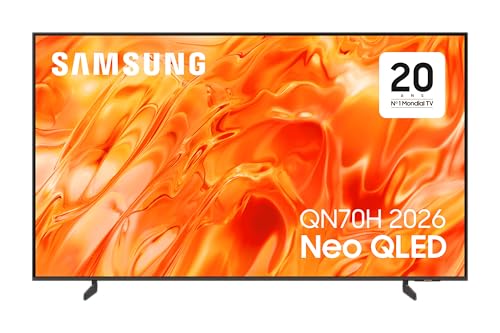
- Bright Mini LED: The QN90D peaks at about 2,000 nits, and the QN70H brings Mini LED dimming to mid-range prices. HDR highlights stay vivid even with daylight on the screen.
- QD-OLED contrast: The S93H and S95H switch off each pixel for perfect black. Quantum dots keep saturated reds and greens bright in HDR scenes.
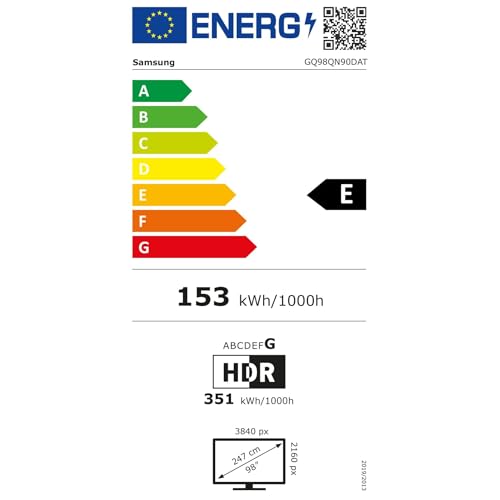
- Huge size choice: The range spans the 24-inch F6000 up to 98-inch sets such as the DU9000. You find one family in almost any size, from a kitchen to a home-cinema wall.
- Gaming features: Sets like the QN70H and S90D offer 4K at 120 Hz or more, VRR and an automatic game mode. Input lag in game mode sits around 10 ms, low enough for fast shooters.
- Art design: Frame models such as the LS03H hang flush on the wall and show artwork when idle. Their matte screen cuts reflections from windows.
- Connected home: Tizen on sets like the U8000H runs all major apps and works as a SmartThings hub. Galaxy phones mirror to the screen with one tap.
What are the main disadvantages of Samsung TVs?
The main disadvantages of Samsung TVs are as follows:
- No Dolby Vision: Even flagship sets like the S90D and QN90D support only HDR10 and HDR10+. Dolby Vision streams fall back to HDR10 with fixed tone mapping.
- Weak entry panels: Budget lines such as the DU7172 and U7000H use edge-lit LED panels at 50–60 Hz. Blacks look greyish at night and fast pans show blur.
- Thin built-in sound: The M70H and many mid-range sets have 20 W speakers. Dialogue lacks body at higher volume, so a soundbar often ends up on the shopping list.
- Confusing model codes: The U8000H, U8072H and U8090F differ mainly in stand, colour or remote. Picture quality is near identical, which makes price comparisons tricky.
- Ads in the menus: Tizen on sets such as the QN70H shows sponsored tiles on the home screen. Turning off tracking and ads takes several menu steps.