


Are LG TVs good?
LG TVs have an average overall score of 8.5, ranking #1 among all TV brands.
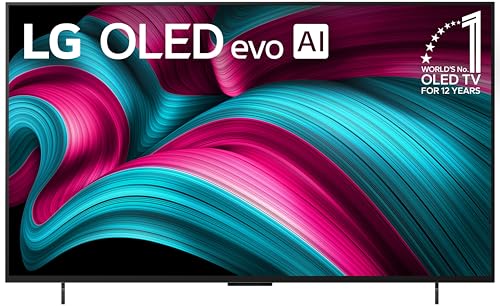
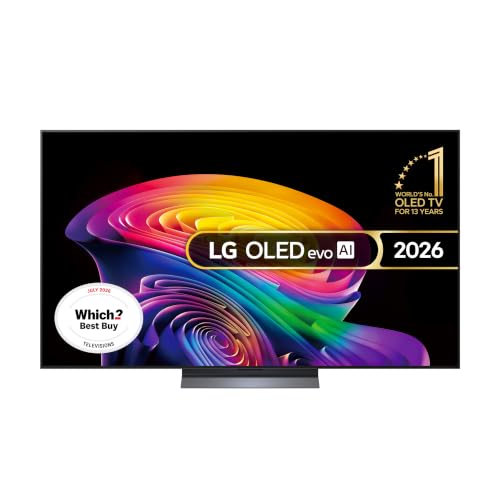
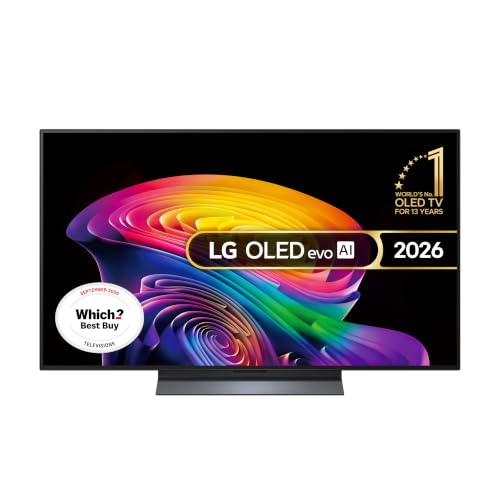
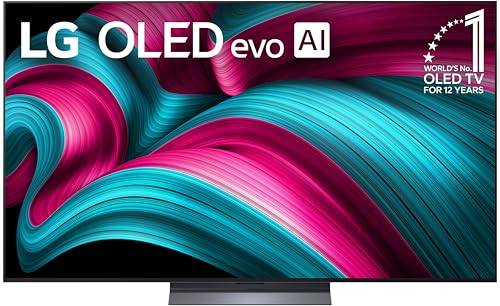
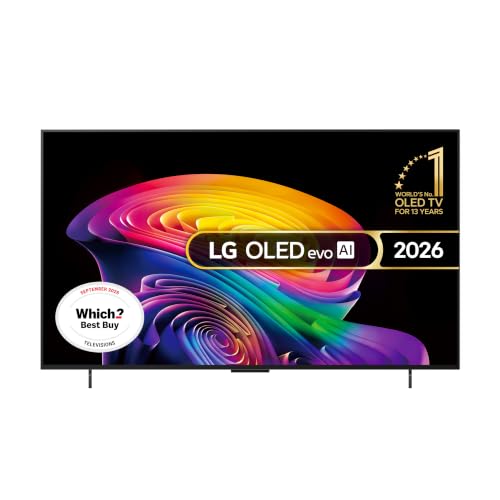
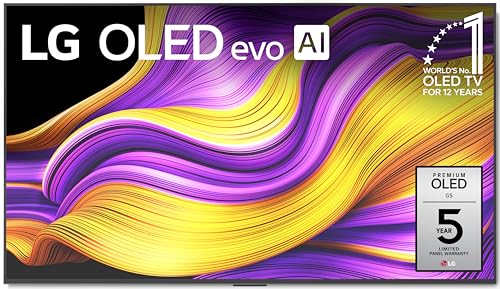
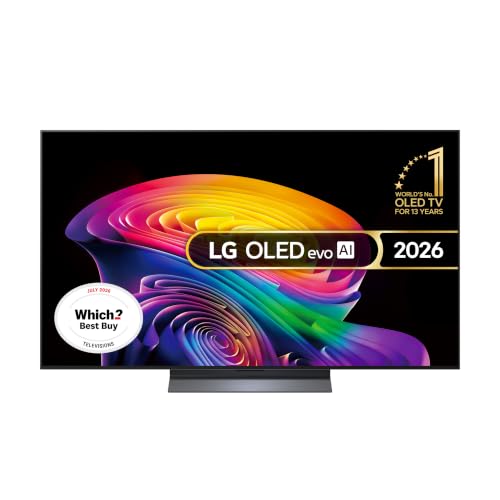
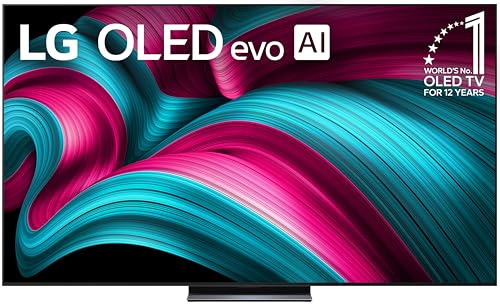
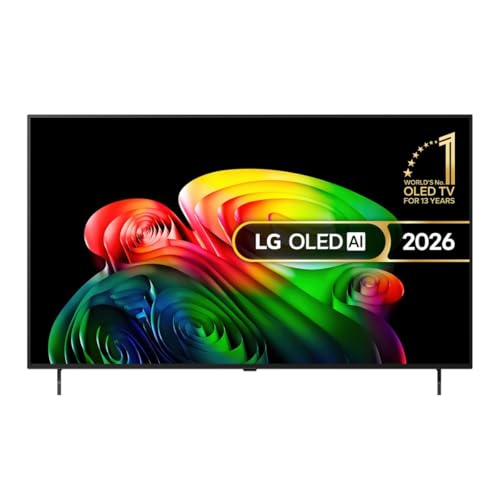
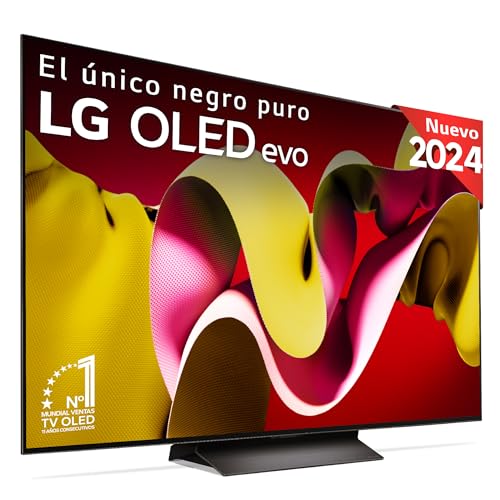
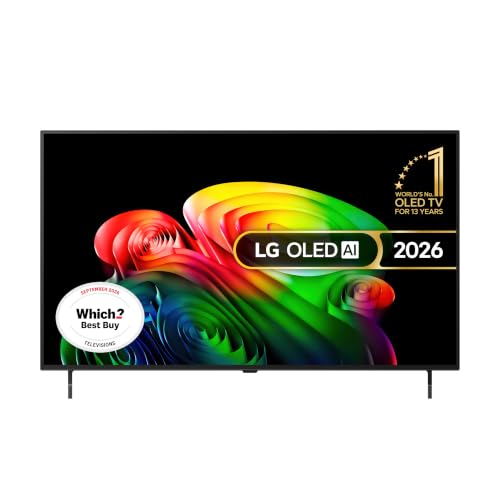
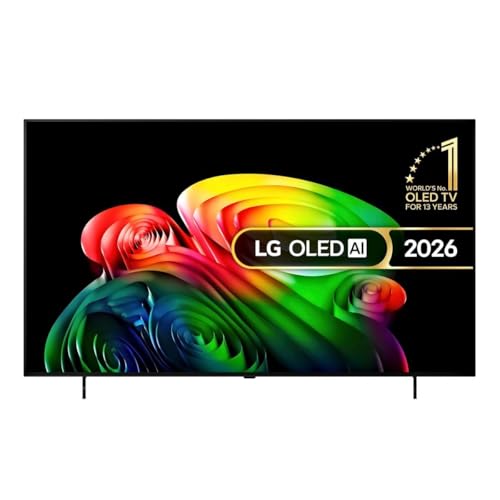
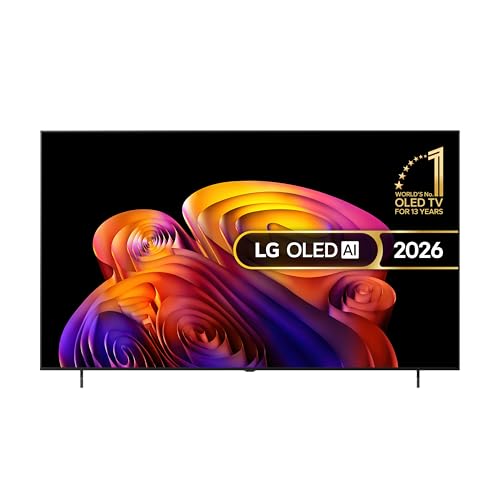
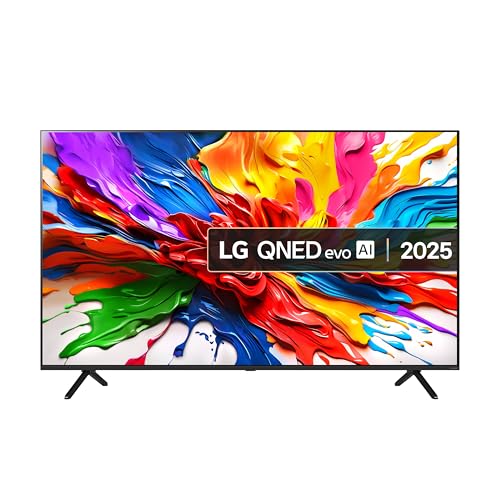
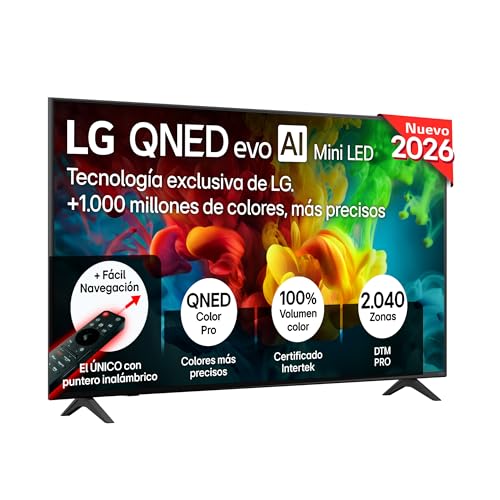
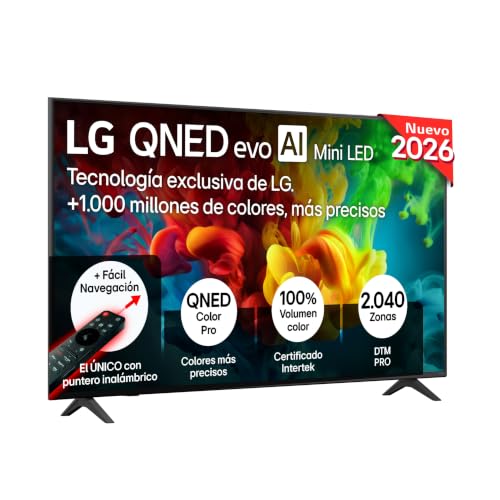
LG is best known for OLED, with a range that spans 42 to 83 inches. The OLED C5 is the usual sweet spot, with 120–144 Hz, four HDMI 2.1 ports and Dolby Vision. Below the OLEDs sit QNED sets with Mini LED backlights such as the QNED85B. Plain 4K LED models like the UA7300 cover tight budgets. Every smart model runs webOS with AirPlay and a pointer-style remote.
The weak spot is the cheaper LED and QNED ranges. Many run at 60 Hz with simple backlights and few or no dimming zones. Blacks turn dark grey in a dim room, and peak brightness of around 300–400 nits leaves HDR looking flat. LG also skips HDR10+, the dynamic format that many Prime Video titles use.
(Note: A total of 23 brands were evaluated in the comparison in the first paragraph. Only those with at least 6 TV models in our database were included.)
The chart below ranks TV brands by average overall score.
[horizontal-chart-12523077739936695688099635610845944800213591056259]What are the main advantages of LG TVs?
The main advantages of LG TVs are the following:
- Perfect black: LG OLED sets such as the OLED B5 and OLED C5 switch off each pixel on its own. Contrast is effectively infinite, so dark films keep shadow detail with no glow around subtitles.
- Gaming features: The OLED C6 and OLED G6 run at up to 144 Hz with four HDMI 2.1 ports. VRR, ALLM and near-instant pixel response suit a PS5, an Xbox Series X and a gaming PC.
- Wide size range: The OLED C5 starts at 42 inches for a desk or small room, and the OLED B6 goes up to 83 inches. The MRGB96B even reaches 100 inches.
- Dolby Vision: LG OLEDs such as the OLED B5 and OLED G5 support Dolby Vision. Netflix, Disney+ and Apple TV+ titles then play with scene-by-scene HDR.
- Smart system: webOS runs on everything from the UA7300 to the OLED G6 with the same menus. AirPlay, a pointer remote and apps such as Netflix, Prime Video, Disney+ and DAZN come built in.
- Design choices: The OLED G6 hangs almost flush on the wall, and the OLED W6 Wallpaper is only millimetres thick with a separate connection box. The ART10A puts a 27-inch screen on a rolling stand with a battery.
What are the main disadvantages of LG TVs?
The main disadvantages of LG TVs are as follows:
- No HDR10+: Even flagships such as the OLED G6 and OLED W6 lack HDR10+. Prime Video titles mastered in that format fall back to static HDR10.
- Weak budget contrast: Cheaper LED models like the UA7300 and NU800B use basic backlights without proper local dimming. Blacks look dark grey in a dim room, and HDR highlights stay dull.
- 60 Hz entry models: The UA7500 and UR7800 run at 60 Hz. Fast sport and 120 fps console games look less smooth than on an OLED C5.
- OLED full-screen brightness: An OLED B5 dims on bright full-screen scenes such as ski races or snooker to around 150–250 nits. A sunny room makes that visible.
- Thin speakers: Small sets like the LQ6300 have 10 W and many mid-range models such as the QNED85B have 20 W. Only flagships like the OLED W6 reach 60 W.
- Steep top end: The 83-inch OLED G6 and OLED W6 cost about £3,400. The 100-inch MRGB96B sits at about £8,600.