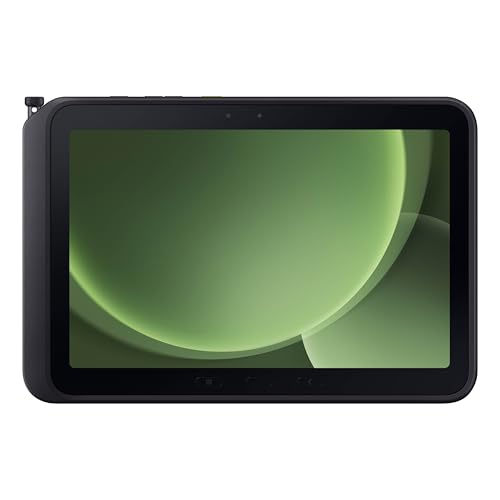
Google Nexus 9 WiFi (2GB + 32GB) review. Compare 168 technical specifications and user reviews to see how this product ranks in the Tablets category and whether it is worth buying.
Overall score
What it is: An overall evaluation of the smartphone's quality, based on technical analyses and user reviews.
When it matters: When you need a quick reference to identify the best Tablets on the market.
Score components:
90.0%
Technical Score
10.0%
User score
Technical Score
What it is: An assessment of the smartphone's technical performance, covering eight key areas: performance & hardware, software, camera, connectivity, display, battery, audio, and design.
When it matters: When you want to compare Tablets based on technical performance and available features.
Score components:
22.0%
Performance
20.0%
Display
16.0%
Camera
14.0%
Battery
12.0%
Connectivity
8.0%
Software & Features
5.0%
Design
3.0%
Audio & Multimedia
User score
What it is: A rating that combines user reviews and the total number of reviews received by the smartphone
When it matters: When you want to know how a smartphone handles daily tasks and how reliable it remains over time according to user feedback.
Score components:
70.0%
User reviews
30.0%
Popularity
Score components:
25.0%
RAM capacity
20.0%
Refresh rate
20.0%
GPU frequency
20.0%
Chipset
15.0%
Battery capacity
Score components:
20.0%
Chipset
20.0%
Battery life
20.0%
RAM capacity
10.0%
Weight
10.0%
Internal storage
10.0%
Keyboard accessory
10.0%
Screen size
Score components:
30.0%
RAM capacity
25.0%
Chipset
20.0%
Internal storage
15.0%
Screen size
5.0%
Keyboard accessory
5.0%
Stylus included
Score components:
20.0%
Screen size
20.0%
Battery life
20.0%
Weight
20.0%
RAM capacity
20.0%
Chipset
Score components:
25.0%
Battery capacity
25.0%
RAM capacity
15.0%
Weight
15.0%
Internal storage
10.0%
Screen size
10.0%
Price
Score components:
20.0%
RAM capacity
20.0%
Battery life
15.0%
Chipset
15.0%
Weight
10.0%
Cellular module
10.0%
5G connectivity
5.0%
GPS
5.0%
Internal storage
Available: ranking among products currently available (including other versions of this product).
All: ranking among all products in the database.
#272 in Best Tablets For Seniors
#327 in Best Tablets With SIM Card
#355 in Best Android Tablets
#418 in Best Tablets With Keyboard
#486 in Best Tablets
What it is: An assessment of the smartphone's technical performance, covering eight key areas: performance & hardware, software, camera, connectivity, display, battery, audio, and design.
When it matters: When you want to compare Tablets based on technical performance and available features.
Score components:
22.0%
Performance
20.0%
Display
16.0%
Camera
14.0%
Battery
12.0%
Connectivity
8.0%
Software & Features
5.0%
Design
3.0%
Audio & Multimedia
What it is: A rating that combines user reviews and the total number of reviews received by the smartphone
When it matters: When you want to know how a smartphone handles daily tasks and how reliable it remains over time according to user feedback.
Score components:
70.0%
User reviews
30.0%
Popularity
What it is: An indicator that combines the smartphone's overall rating with its cost.
When it matters: When you are looking for a smartphone with a good balance between quality and price.
Score components:
60.0%
Overall score
40.0%
Price
Importance: MEDIUM
Good value: >=8 GB
Importance: LOW
Good value: <7 nm
Importance: MEDIUM
Good value: >=128 GB
Importance: MEDIUM
Good value: >1300
Importance: MEDIUM
Importance: MEDIUM
Importance: MEDIUM
Importance: MEDIUM
Good value: >3500
Importance: LOW
Good value: >=8 GB
Importance: LOW
Good value: 5
Importance: LOW
Good value: >20 GB/s
Importance: LOW
Importance: LOW
Good value: >7 W
Importance: LOW
Good value: >2500
Importance: LOW
Good value: >800
Importance: LOW
Good value: >8
Importance: LOW
Good value: >900 MHz
Importance: LOW
Importance: LOW
Good value: >3000
Importance: LOW
Good value: >1200
Importance: LOW
Good value: >3200 MHz
Importance: LOW
Good value: >400
Importance: LOW
Importance: LOW
Good value: 8+
Importance: LOW
Importance: LOW
Good value: >800 MHz
Importance: MEDIUM
Importance: LOW
Importance: LOW
Good value: >10000 million
Importance: LOW
Good value: >=4 MB
Importance: LOW
Good value: >64 KB
Importance: LOW
Good value: >=1 MB
Importance: LOW
Importance: LOW
Good value: 4
Importance: LOW
Good value: >=512 GB
Importance: LOW
Good value: 2.0/3.0
Importance: LOW
Good value: 3.2
Importance: LOW
Good value: 3.3
Importance: LOW
Importance: MEDIUM
Importance: MEDIUM
Good value: >=120 Hz
Importance: HIGH
Importance: MEDIUM
Good value: >250 ppi
Importance: LOW
Importance: MEDIUM
Good value: >500 nits
Importance: MEDIUM
Good value: >=11 inches
Importance: LOW
Importance: LOW
Good value: >120 Hz
Importance: LOW
Importance: LOW
Importance: LOW
Importance: LOW
Good value: >200 Hz
Importance: LOW
Good value: >250 ppi
Importance: MEDIUM
Good value: >400 nits
Importance: LOW
Importance: LOW
Importance: LOW
Importance: LOW
Importance: LOW
Importance: MEDIUM
Importance: HIGH
Good value: >=8 MP
Importance: LOW
Importance: LOW
Importance: MEDIUM
Importance: MEDIUM
Importance: LOW
Importance: LOW
Importance: LOW
Importance: LOW
Importance: LOW
Importance: LOW
Importance: LOW
Importance: LOW
Importance: LOW
Importance: LOW
Importance: LOW
Importance: LOW
Importance: LOW
Importance: LOW
Importance: LOW
Importance: LOW
Importance: LOW
Importance: LOW
Importance: LOW
Importance: LOW
Importance: LOW
Importance: LOW
Importance: LOW
Importance: LOW
Importance: LOW
Importance: MEDIUM
Good value: >8000 mAh
Importance: MEDIUM
Good value: >30 W
Importance: HIGH
Good value: >10 hours
Importance: LOW
Importance: LOW
Importance: LOW
Importance: LOW
Importance: LOW
Importance: MEDIUM
Importance: LOW
Importance: LOW
Importance: LOW
Importance: LOW
Importance: LOW
Importance: LOW
Importance: LOW
Importance: LOW
Importance: LOW
Importance: LOW
Importance: LOW
Importance: LOW
Good value: >5.2
Importance: LOW
Importance: LOW
Importance: LOW
Good value: 3.1/3.2
Importance: LOW
Importance: LOW
Importance: LOW
Importance: LOW
Importance: LOW
Importance: LOW
Importance: LOW
Importance: LOW
Importance: LOW
Importance: MEDIUM
Importance: MEDIUM
Importance: LOW
Importance: LOW
Importance: LOW
Importance: LOW
Importance: LOW
Importance: LOW
Importance: LOW
Importance: LOW
Importance: LOW
Importance: LOW
Importance: LOW
Importance: LOW
Importance: LOW
Importance: LOW
Importance: LOW
Importance: LOW
Importance: LOW
Importance: LOW
Importance: LOW
Importance: LOW
Importance: LOW
Good value: <500 g
Importance: LOW
Importance: LOW
Importance: LOW
Good value: <10 ms
Importance: LOW
Good value: >7
Importance: LOW
Importance: LOW
Importance: LOW
Good value: <7 mm
Importance: LOW
Importance: LOW
Importance: LOW
Importance: LOW
Importance: LOW
Importance: LOW
Good value: >=2
Importance: LOW
Importance: LOW
Importance: LOW
Good value: >=4
Importance: LOW
Importance: LOW
Importance: LOW
Importance: LOW
Importance: LOW
Importance: LOW
Importance: MEDIUM
Good value: >250 ppi
Importance: LOW
Importance: MEDIUM
Good value: >400 nits
Importance: LOW
Good value: >8
Importance: MEDIUM
Importance: MEDIUM
Importance: MEDIUM
Importance: LOW
Good value: >250 ppi
Importance: HIGH
Good value: >=8 MP
Importance: LOW
Importance: LOW
Good value: 8+
Importance: LOW
Importance: MEDIUM
Importance: MEDIUM
Good value: >=8 GB
Importance: MEDIUM
Good value: >30 W
Importance: LOW
(Reviews last updated: May 2026)
(Reviews last updated: May 2026)
The HTC-built Google Nexus 9 acts as the Android 5.0 Lollipop flagship, featuring a powerful Nvidia Tegra K1 processor for exceptional gaming performance and a high-resolution 8.9-inch 4:3 screen. Pros include its "pure" Android experience, premium build with a "soft-touch" back, and front-facing stereo speakers. However, significant cons include poor-performing cameras, noted software lag at launch, lack of expandable storage, and a higher price point. While battery life is acceptable for media consumption, the device lacks fast-charging. For a full analysis of the pros and cons, read the PCMag review at PCMag UK.
The Nexus 9, a premium-priced tablet featuring a 4:3 aspect ratio and the Nvidia Tegra K1 processor, delivers top-tier performance and 64-bit architecture, yet it is marred by inconsistent build quality. While offering a fast, smooth Android 5.0 Lollipop experience and excellent BoomSound speakers, the device suffers from a "hollow" back panel, noticeable light bleed, and unpolished, non-tactile buttons. Despite solid, all-day battery life and powerful gaming capabilities, the Nexus 9 falls short of its high-end branding due to subpar construction and a mediocre camera, making it a good, but not great, option primarily for pure Android enthusiasts.
The Google Nexus 9, a premium 8.9-inch tablet built by HTC, features a sharp, 4:3 aspect ratio display ideal for web browsing and is powered by the fast 64-bit Nvidia Tegra K1 processor. Key highlights include loud front-facing BoomSound speakers and a strong 12-hour video playback battery life, though it suffers from slight build quality issues, specifically a flexing plastic back and difficult-to-press buttons. Major drawbacks include the lack of a microSD card slot and a mediocre 8-megapixel rear camera with slow autofocus.
The Tech Advisor review positions the Google Nexus 9 as a premium-priced tablet that struggles to compete with rivals, despite serving as a clean, flagship Android 5.0 Lollipop experience. Pros highlighted include impressive front-facing stereo speakers, solid 6,700mAh battery life, and a 4:3 screen ratio suited for media consumption and browsing. However, the device is hindered by significant cons, such as a lack of expandable storage, backlight bleed, a mediocre camera, and reported build quality issues like rear panel flex. Tech Advisor
The SlashGear review positions the Nexus 9 as a high-end "iPad-killer" that shifts the line from budget to premium, serving as a primary showcase for Android 5.0 Lollipop. Key advantages include robust performance from the NVIDIA Tegra K1 processor, excellent battery life, and a sharp 8.9-inch 4:3 display, along with high-quality front-facing speakers. However, the device is criticized for a mid-level design with noticeable backlight bleeding, an average camera, and a higher price point that challenges its market position.
The KitGuru review highlights the HTC Google Nexus 9 as a performance-focused device featuring a "beastly" Nvidia Tegra K1 processor that excels at gaming and multitasking. However, the review critiques the physical design, noting that the matte plastic back feels cheap and lacks the premium quality expected of a flagship, especially when compared to competitors like the iPad Air. While the 8.9-inch display provides excellent viewing angles and sharpness, it suffers from high reflectivity and slightly washed-out colors. Pros include front-facing stereo speakers that deliver an immersive audio experience, along with reliable, multi-day battery life for moderate use. The 8MP rear camera is deemed capable, though it can struggle with exposure in bright conditions. Ultimately, the Nexus 9 is positioned as an "Android king" for power users, though its build quality and display drawbacks prevent it from feeling like a top-tier premium device.
The Google Nexus 9, built by HTC, features a high-end 64-bit Nvidia Tegra K1 processor and a 4:3 aspect ratio screen, offering a fluid, "pure" Android 5.0 Lollipop experience. While the device delivers strong performance and front-facing BoomSound speakers, it is marred by build inconsistencies, including a spongy back panel, light bleed, and a lack of expandable storage. Despite excellent multitasking capabilities, the premium-priced tablet is hindered by an app ecosystem still lagging behind iPad optimization.
The Stuff.tv review highlights the Google Nexus 9 as a powerful, 4:3 aspect ratio tablet featuring an excellent 8.9-inch IPS display and a high-performance Nvidia Tegra K1 processor. Key advantages include its loud front-facing stereo speakers and a faster, more productive Android experience compared to predecessors. However, the review notes drawbacks, including a build quality that feels less premium than competitors, noticeable backlight bleed, and the absence of a microSD card slot. Additionally, the 8MP rear camera is considered underwhelming due to slow autofocus, and the device faced early software performance issues with Android 5.0. Ultimately, while lauded as a significant step for Android hardware, the device's higher price point puts it in direct competition with premium tablets, marking a shift from the Nexus line's budget focus.
The Guardian's review describes the Google Nexus 9 as a "mixed bag" that fails to match the premium quality of competitors like Apple and Samsung. While featuring a sharp 8.9-inch display and loud, clear front-facing speakers, the tablet is plagued by performance issues, including significant lag, stuttering, and slow app loading despite its powerful processor. The build quality is also criticized, with a plastic back that feels "cheap" and flexes, which is considered a step down from HTC’s usual standards. Pros of the device include a lightweight design—lighter than the iPad Air 2—and solid battery life lasting roughly a full day of use. However, notable cons, such as the lack of expandable storage, a mediocre camera, and a high price tag relative to its performance, undermine its value proposition. Ultimately, the review concludes the Nexus 9 falls short of providing a polished experience, making it difficult to recommend over the competition.
The New Atlas review characterizes the Nexus 9 as a premium 8.9-inch tablet adopting an "iPad-like" 4:3 aspect ratio and utilizing the high-performance Nvidia Tegra K1 processor. Key strengths include rapid multitasking, a capable 8MP rear camera with flash, and the clean, pure Android software experience. However, the review highlights significant drawbacks, specifically noting that the build quality does not fully justify its high price point compared to competitors, along with only average battery life. Ultimately, the review concludes that while the $400, 16GB/32GB device offers strong performance, it lacks a compelling value proposition and struggles to match the overall polish of the iPad Air 2.
The IGN review of the Google Nexus 9 highlights its powerful, top-tier performance powered by the Nvidia Tegra K1 chipset and the clean Android 5.0 Lollipop experience, making it a strong contender for gaming. The device also impresses with its front-facing stereo speakers that deliver loud, clear audio, though the 8-megapixel rear camera is merely average. Despite its speed, the tablet suffers from subpar build quality, featuring difficult-to-locate, flush-mounted side buttons. Additionally, while the 4:3 screen ratio is ideal for reading, it causes significant letterboxing during video playback. A major drawback noted is the lack of expandable storage and the scarcity of optimized Android tablet apps, forcing many to use stretched phone applications. Ultimately, the review finds that while it excels in software, the hardware drawbacks prevent it from being a perfect, premium device.
What Hi-Fi? describes the Google Nexus 9 as an ambitious yet underwhelming tablet, struggling to justify its premium price against competitors like the iPad Air 2. While Android 5.0 Lollipop and the 8.9-inch screen are initial positives, the device is ultimately outclassed in key areas, including audio quality and build, which feels less premium than its metal-rimmed edges suggest. Key criticisms, or "cons," include the disappointing 8MP camera with slow autofocus, distorted audio at high volumes, and a lack of microSD storage. What Hi-Fi?
In a 2014 review, Time characterized the HTC-manufactured Google Nexus 9 as a solid, functional tablet that introduced Android 5.0 Lollipop's "Material Design" and featured a productive 4:3 aspect ratio. While praising its excellent battery life and high-quality front-facing BoomSound speakers, the review noted that the plastic construction felt less premium than competitors. Despite holding a powerful 64-bit Nvidia Tegra K1 processor, the device was held back by inconsistent performance and the absence of expandable storage. Time Magazine
The PCMag review highlights the Google Nexus 9 as a high-performance tablet, powered by a 64-bit Nvidia Tegra K1 processor that excels in gaming and benchmarks. It serves as a flagship for Android 5.0 Lollipop, offering a "pure" software experience and immediate updates, making it ideal for developers and enthusiasts. While the HTC-manufactured hardware features a sharp 2,048-by-1,536-pixel display, it falls short of competitors in brightness and color saturation. Significant drawbacks include the lack of microSD storage expansion, a sealed battery, and the omission of physical HDMI/SlimPort outputs, limiting media options. Furthermore, the camera quality is poor, producing noisy images compared to rivals like the iPad Air 2. Despite solid, front-facing stereo speakers, the device's physical design lacks the premium feel found in some competitors. Ultimately, the Nexus 9 received a "Good" (3.5/5) rating, failing to secure the top spot in the tablet market. The review suggests alternatives like the Samsung Galaxy Tab S for superior screen quality or the Nvidia Shield for better connectivity and value.
The Google Nexus 9 is identified as a powerful 8.9-inch tablet featuring Android 5.0 Lollipop and an NVIDIA Tegra K1 processor, offering a premium, pure Android experience. Key advantages include a bright 4:3 IPS display suitable for productivity, loud HTC BoomSound speakers, and competitive battery life lasting over 9 hours. However, significant drawbacks include a plastic back panel that feels less premium, the lack of microSD storage, and slow, inconsistent camera performance. Additionally, users noted the device can run warm and takes over three hours to charge fully.
The Economic Times review by Karan Bajaj positions the HTC-manufactured Google Nexus 9 as a premium, high-performance 8.9-inch tablet shifting away from Google's budget-friendly strategy. Featuring an NVIDIA Tegra K1 processor, the device delivers top-tier performance and debuts Android 5.0 Lollipop with a 4:3 ratio display, boasting excellent build quality with a metal frame and loud, front-facing BoomSound speakers. Despite solid battery life, the review notes significant cons, including a steep starting price, lack of expandable storage, and limited low-light camera capabilities.
The HTC-manufactured Google Nexus 9 features a high-performance 64-bit Nvidia Tegra K1 processor, Android 5.0 Lollipop, and a bright 8.9-inch 2048x1536 display, though it suffers from significant build quality issues like a creaking, flexible back cover. Performance is top-tier with fast storage and strong BoomSound audio, but the display exhibits noticeable screen bleeding, and the camera lacks advanced features. While offering a smooth software experience, the device lacks a microSD card slot and, despite its power, faces challenges due to a higher price point and hardware imperfections compared to competitors.
The Google Nexus 9, an 8.9-inch tablet manufactured by HTC, features a 4:3 aspect ratio display, the NVIDIA Tegra K1 processor, and loud front-facing BoomSound speakers, marking a shift toward premium, iPad-like design. While the tablet runs the latest Android 5.0 Lollipop and excels in graphics, it is criticized for a somewhat plain soft-touch plastic back, significant screen light bleed, and tiny, difficult-to-press physical buttons. Ultimately deemed a strong choice for Android purists seeking early software updates and high-end performance, it is noted for its capable, though not premium-feeling, hardware and excellent 4:3 screen for productivity.
The Nexus 9, featuring a 64-bit NVIDIA Tegra K1 processor and a 4:3 display, delivers top-tier performance and a premium build with excellent BoomSound speakers. While the software experience is fluid, the device suffers from inconsistent hardware quality, including difficult-to-press buttons and display light bleed. Ultimately, despite its speed, the tablet is limited by a lack of tablet-optimized Android apps and a premium price point that does not fully match its fit-and-finish.
The Liliputing review characterizes the Google Nexus 9 as a high-performance tablet featuring a fast 64-bit NVIDIA Tegra K1 processor and a quality 8.9-inch 4:3 display, making it excellent for gaming and media. Pros include the rapid performance and clear front-facing "BoomSound" speakers. However, cons involve its higher $399 price point compared to previous models, the absence of a microSD card slot, and mediocre camera quality. The review concludes that while the device offers strong, future-proofed performance for power users, the premium price and lack of storage expansion might make it less appealing to budget-conscious consumers.
The Google Nexus 9, reviewed by HiFi Test, is characterized as a high-performance 8.9-inch tablet featuring an Nvidia Tegra K1 64-bit processor that delivers strong, responsive performance for gaming and multitasking. Its 2048 x 1536 resolution display, adopting a 4:3 aspect ratio, is highlighted as ideal for web browsing and productivity, paired with a, clean Android 5.0 Lollipop software experience. While the front-facing "BoomSound" speakers offer excellent audio, the device is noted for potential heating issues under heavy load and a plastic build quality that feels less premium than its competitors. Pros and Cons: Pros: Powerful 64-bit performance, excellent stereo speakers, high-resolution screen, and clean software.Cons: Plastic build issues (backlight bleed), no expandable storage, average camera, and thermal throttling.
The Google Nexus 9, reviewed by NextPit, is a high-performance tablet featuring a 64-bit Nvidia Tegra K1 processor and the debut of Android 5.0 Lollipop, optimized with a 4:3 aspect ratio display. While praised for its fast performance and front-facing BoomSound speakers, the device's physical build is inconsistent, characterized by a flimsy, flexing back panel. Significant drawbacks include poor battery performance, noticeable software lags, and a lack of microSD storage, ultimately creating a "glass half full" experience that underdelivers on its high-end potential.
The n-tv.de review highlights the Google Nexus 9 as a high-performance 8.9-inch tablet featuring a 4:3 aspect ratio display, perfect for productivity, and powered by the 64-bit Nvidia Tegra K1 processor. Pros include premium build quality with a sturdy metal frame, loud front-facing BoomSound speakers, and the immediate, clean user experience of Android 5.0 Lollipop. Cons identified in the review include noticeable backlight bleeding, a lack of microSD storage expansion, and a high price tag that makes it less competitive, along with some occasional software stutters. For more details, visit n-tv.de.
The Heise review describes the Google Nexus 9, built with HTC, as a powerful 64-bit tablet designed to showcase Android 5.0 Lollipop with a 4:3 aspect ratio, 8.9-inch IPS display. While the Nvidia Tegra K1 processor offers top-tier gaming performance, the device is criticized for lacking a microSD card slot and having limited internal storage. Pros highlighted include the sharp screen, front-facing BoomSound speakers offering loud, clear audio, and the pure, updated Android experience. Conversely, cons focus on slow charging times with the included adapter, minor screen light bleeding, and a soft-touch plastic back that feels less premium than competitors. The review concludes that the Nexus 9 is a fast, capable device, but its limited storage and high price make it a "powerhouse with caveats" rather than a market leader. For more details, visit Heise. YouTube
The Google Nexus 9, reviewed by Spiegel Online, is a high-performance tablet featuring the Nvidia Tegra K1 processor and Android 5.0, offering excellent speed and a sharp 8.9-inch 4:3 display. However, the device suffers from inconsistent build quality, including a hollow-feeling plastic back and significant screen light bleed. Despite its power, performance issues stemming from unoptimized software and a high price point make it difficult to recommend over competitors.
The Computer Bild review of the Google Nexus 9 characterizes the tablet as a high-performance, premium-focused device featuring a sharp 8.9-inch 4:3 display and the powerful Nvidia Tegra K1 processor, serving as a flagship for Android 5.0 Lollipop. Key advantages include its lightweight 425g design, excellent front-facing stereo speakers with HTC BoomSound, and strong battery life exceeding 12 hours of video playback. However, the review notes significant drawbacks, specifically a plasticky build that feels less premium than competitors, occasional, unexpected system, and the lack of a microSD card slot for storage expansion.
The HTC Google Nexus 9 is an 8.9-inch tablet featuring a 2048x1536 IPS display and a 64-bit Nvidia Tegra K1 processor, showcasing the Android 5.0 Lollipop operating system. It is noted for its high-performance, 4:3 aspect ratio display, and front-facing BoomSound speakers, making it a capable device for media consumption and productivity. The build includes a metal frame, though it is paired with a plastic back that some find less premium. Key pros include the fast processing power, clean software experience, and a 6,700 mAh battery that provides solid, long-lasting performance. The device also offers a "double-tap to wake" feature, enhancing user convenience. However, the tablet has significant cons, such as the lack of a microSD slot, limiting storage to 16GB or 32GB. Reports also highlight that the device can suffer from excessive heating during gaming and occasional software-based stuttering.
The Google Nexus 9, a high-end 8.9-inch tablet manufactured by HTC, features a 4:3 display ratio, 2048 x 1536 resolution, and the powerful 64-bit Nvidia Tegra K1 processor running Android 5.0 Lollipop. Key pros include exceptional performance, fluid gaming capabilities, bright screen, and high-quality front-facing BoomSound speakers. However, the device suffers from a flexible plastic build, lacks a microSD slot, and experiences very slow charging times.
The HTC-manufactured Google Nexus 9 features an 8.9-inch IPS display with a 2048 x 1536 resolution and a 4:3 aspect ratio, offering a "pure" Android 5.0 experience. Key pros include powerful performance from the Nvidia Tegra K1 processor and excellent front-facing stereo speakers, while notable cons involve significant display reflectivity, backlight bleeding, and a plastic back that lacks a premium feel. The device offers decent battery life but suffers from slow charging and lacks expandable storage. For more details, visit connect.de.
The Google Nexus 9 review by NextPit highlights the tablet's high performance, driven by the Nvidia Tegra K1 64-bit processor, and its quality 8.9-inch IPS display. Key pros include excellent HTC BoomSound front-facing speakers and the clean Android 5.0 Lollipop experience. However, the device is criticized for its build quality, specifically a plastic back panel that flexes, and buttons that are difficult to locate, according to reviews. Other downsides include slow charging times, with full charges taking over four hours, and occasional software stutters, notes. Ultimately, the tablet is positioned as a strong, pure Android device that struggles to match the refined design and value of competitors like the iPad Air 2, according to analyses. The lack of a microSD slot and the high cost of storage upgrades are highlighted as significant drawbacks, say.
The Frandroid review highlights the Nexus 9's high performance, driven by the 64-bit Nvidia Tegra K1 processor, and praises the 8.9-inch 4:3 display for productivity, complemented by quality BoomSound speakers. However, the device is criticized for a flimsy plastic back, lack of expandable storage, and tendency to overheat under load, which contradicts its premium positioning. Running stock Android 5.0 Lollipop provides a clean experience, but slow charging times and a high price point were noted as significant drawbacks.
The HTC-manufactured Google Nexus 9 represents a shift toward a premium, 8.9-inch tablet experience, featuring a high-resolution 4:3 display and the powerful 64-bit Nvidia Tegra K1 processor. As a launch device for Android 5.0 Lollipop, it provides a clean, fast software experience with solid build quality thanks to its metal frame. Key strengths include superior front-facing BoomSound speakers, a vibrant display suitable for browsing, and excellent performance for gaming, according to multiple reviews. The inclusion of double-tap to wake functionality and direct, long-term software support from Google are also highlighted as major advantages. However, the tablet faced criticism for its high price point and reported build issues, such as screen light bleed and a flexible plastic back. Users and reviewers noted that the device tends to overheat, the physical buttons are too flush, and it lacks expandable storage, while the camera suffers from slow autofocus.
The Phonandroid review highlights the HTC-built Nexus 9 as a premium device featuring a rigid brushed aluminium frame and an 8.9-inch 2K display with vibrant colors. Key pros include the high-performance Nvidia Tegra K1 processor and superior front-facing BoomSound speakers. However, notable cons include significant heating during intense tasks and occasional software stutters. Hardware limitations serve as major cons, specifically the lack of a microSD slot for expandable storage and an average-performing 8-megapixel rear camera. Additionally, battery life is considered merely average compared to competitors like the iPad Air 2. Despite these drawbacks, the device is praised for its role in showcasing Android 5.0 Lollipop's Material Design.
The Darty review highlights the Google Nexus 9 as an 8.9-inch tablet featuring a 4:3 aspect ratio and a 64-bit Nvidia Tegra K1 processor, making it a powerful device for gaming, though the build features a flexible, smudge-prone plastic back. Pros include high-performance processing, a sharp 2048 x 1536 IPS display, and effective front-facing HTC BoomSound speakers, while cons include early Android 5.0 software lag and minor backlight bleeding. Despite solid battery life, the tablet is limited by the lack of expandable storage, slow charging, and an underwhelming 8-megapixel camera with poor autofocus. What Hi-Fi?
The Google Nexus 9, manufactured by HTC, is positioned as a high-quality, 8.9-inch tablet featuring a 4:3 IPS LCD display and Android 5.0 Lollipop with Material Design. Powered by the 64-bit NVIDIA Tegra K1, the device delivers exceptional 3D gaming performance and speed, complemented by high-quality HTC BoomSound speakers and strong battery life. However, the review notes drawbacks including a flexible brushed plastic back, difficult-to-locate buttons, lack of a microSD slot, and potential display light bleed.
The Google Nexus 9, reviewed by L'Éclaireur Fnac, delivers a premium, fast user experience driven by the Nvidia Tegra K1 processor, Android 5.0, and an 8.9-inch 4:3 display, with front-facing BoomSound speakers offering excellent audio quality. While the metal frame is a plus, significant drawbacks include a flexing plastic back panel, the absence of a microSD card slot, and hard-to-reach, flush physical buttons. The device features an adequate 8MP camera and a 6,700 mAh battery with slow charging times, ultimately positioning it as a high-priced but pure Android option with notable design flaws.
The Les Androïdes review positions the HTC Google Nexus 9 as a powerful, high-performance tablet, featuring a 64-bit Nvidia Tegra K1 processor ideal for gaming and Android 5.0, alongside a sharp 8.9-inch 4:3 display. While front-facing BoomSound speakers provide excellent audio, the design receives mixed feedback, with the soft-touch back noted for picking up fingerprints and less premium feel compared to competitors. Despite these drawbacks, including a lack of expandable storage and slow charging, the device is recommended for users seeking pure Android software and high-end performance. You can find more details on this review at Les Androïdes.
The HTC-manufactured Google Nexus 9 is characterized as a high-performance 8.9-inch tablet featuring a 4:3 screen ratio with a sharp 2048 x 1536 resolution, which L'Express notes is excellent for productivity but can appear somewhat bland. Powered by the 64-bit Nvidia Tegra K1, it offers top-tier performance for gaming and multitasking, complemented by the clean user experience of Android 5.0 Lollipop and high-quality front-facing BoomSound speakers. However, the review highlights significant drawbacks in build quality, specifically a flimsy, creaking plastic back, along with a lack of microSD storage expansion, average camera performance, and noticeable backlight bleed.
The Google Nexus 9, tested by 01net, is recognized for its exceptional performance driven by the 64-bit Nvidia Tegra K1 processor, earning high marks as a "beast" for gaming. It features a sharp 2048 x 1536 resolution display with a 4:3 aspect ratio, which is ideal for web browsing and reading, though it produces letterboxing in videos. However, the review heavily criticizes the device's poor battery life, assigning a 0/5 score due to it failing to meet daily usage expectations. Furthermore, the HTC-built design received mixed reviews for feeling less premium, featuring a plastic back that is prone to flexing. The 01net review concludes that while the tablet offers top-tier processing power and loud front-facing speakers, these pros are significantly overshadowed by the lack of endurance and slow charging speeds.
The HTC-manufactured Google Nexus 9 enters the premium tablet market with an 8.9-inch 4:3 IPS display, offering high brightness (454 cd/m²) and a resolution of 2048x1536. While designed for productivity, the 4:3 ratio results in black bars for video, and the build is marked by a flexible plastic back, according to Notebookcheck. Performance is a key strength, driven by a 64-bit Nvidia Tegra K1 Dual Denver CPU and 192-core Kepler GPU, providing excellent performance for the 5.0 Lollipop OS. The tablet features high-quality front-facing BoomSound speakers and offers competitive battery life, lasting 9-11 hours in web tests. Drawbacks include the lack of expandable storage (microSD) and inconsistent build quality, such as light bleed and a slow charging time of four hours. The 8-megapixel camera is considered average, while the premium price tag makes the flexible build more concerning.
El Confidencial's review characterizes the Nexus 9 as a high-performance tablet signaling Google's shift to premium, high-cost hardware. While praised for the power of the Nvidia Tegra K1 processor and the debut of Android 5.0, the device suffers from a high price point, weak build quality compared to the iPad Air 2, and lack of storage expansion. Despite excellent HTC BoomSound audio and an 8.9-inch 4:3 screen good for productivity, users may find the flexible plastic back and sluggish charging frustrating.
The Gizmodo review positions the 8.9-inch Nexus 9 as a premium HTC-built Android tablet featuring a 4:3 IPS display, which excels for web browsing and reading, alongside the powerful NVIDIA Tegra K1 chip and Android 5.0 Lollipop. Key pros highlighted include strong gaming performance via the 192-core GPU, excellent front-facing BoomSound speakers, and solid battery life that can exceed 11 hours of video playback. However, cons include poor build quality with a flexing plastic back, screen light bleed, and performance issues such as software stuttering and lag.
The Teknófilo review identifies the Google Nexus 9 as a high-performance, 4:3 aspect ratio tablet featuring a powerful Nvidia Tegra K1 processor and excellent front-facing speakers, though it suffers from noticeable light bleed. The 8.9-inch display is praised for web browsing, and the pure Android 5.0 experience is a significant advantage, despite the device running warm during intensive tasks. However, cons include a subpar build quality with a flexible plastic back, lack of microSD storage, and a high price point compared to competitors.
The Google Nexus 9 features a high-performance 64-bit Nvidia Tegra K1 processor, a sharp 8.9-inch IPS display with 2048 x 1536 resolution, and loud front-facing HTC BoomSound speakers. However, the device is criticized for its build quality, specifically a flexible soft-touch plastic back, hard-to-press buttons, and potential backlight bleed. While offering a clean Android 5.0 experience with useful features like "double tap to wake," the tablet lacks expandable storage, features slow charging, and has a premium price point.
The Google Nexus 9, reviewed by Xataka, marks a shift toward high-end, 4:3 aspect ratio tablets featuring a sharp 8.9-inch display and powerful 64-bit Nvidia Tegra K1 performance. Key strengths include front-facing BoomSound speakers and the clean, updated experience of Android 5.0 Lollipop. However, the device often runs hot during intensive use and suffers from disappointing charging speeds. Build quality is inconsistent, highlighted by a plastic back that flexes, alongside frustratingly flush physical buttons. Furthermore, the lack of a microSD card slot for storage expansion limits versatility.
The HTC-manufactured Nexus 9 offers premium performance with its 64-bit Nvidia Tegra K1 processor and features a clean Android 5.0 Lollipop experience, supported by solid front-facing BoomSound speakers. While the 4:3 aspect ratio screen is excellent for productivity, the device suffers from a mediocre plastic build, subpar battery life with slow charging, and a lackluster camera. The review notes limitations in display brightness, backlight bleeding, and the absence of a microSD slot. The full review is available at Xataka.
The Xataka Android review highlights the Nexus 9 as a 64-bit, 8.9-inch tablet boasting top-tier performance with its Nvidia Tegra K1 processor, 2GB of RAM, and the Android 5.0 Lollipop interface. Its 4:3 IPS display, front-facing HTC BoomSound speakers, and clean software experience are identified as primary pros, alongside solid 6700 mAh battery life. However, the device is criticized for build inconsistencies like panel flex, minor backlight bleed, and difficult-to-press buttons, plus a lack of microSD storage.
The MuyComputer review highlights the Nexus 9 as a significant, high-performance tablet featuring the 64-bit Nvidia Tegra K1 processor and a sharp 8.9-inch 4:3 display, marking HTC's return to the market and the debut of Android 5.0. However, the analysis identifies build quality issues, specifically a flexing plastic back, flush buttons, and noticeable backlight bleeding. While it offers front-facing BoomSound speakers, the review notes inconsistencies, including aggressive audio EQ and occasional software stuttering, making its premium price hard to justify. For more details, visit MuyComputer.
The Google Nexus 9, reviewed by Corriere della Sera, is a high-performance 8.9-inch tablet featuring a 4:3 aspect ratio screen and the 64-bit Nvidia Tegra K1 processor, running Android 5.0 Lollipop. Pros include front-facing HTC BoomSound speakers, a durable metal frame with a secure soft-touch back, and a pure Android experience. However, cons involve premium pricing, notable backlight bleeding, hard-to-press buttons, slow charging, and no microSD storage. Watch the review at Corriere della Sera.
The HTC-manufactured Google Nexus 9 (2015) aimed to rival the iPad with a 4:3 aspect ratio, 8.9-inch IPS display (2048 x 1536), and the 64-bit NVIDIA Tegra K1 processor running Android 5.0 Lollipop. The device is lauded for its powerful performance, loud front-facing BoomSound speakers, and comfortable, lightweight design. However, the tablet is critiqued for a creaky build quality, noticeable backlight bleed on the display, slow charging speeds, and a lack of expandable storage.
The Smartworld review of the HTC Nexus 9 highlights a premium-focused 8.9-inch tablet featuring a 4:3 aspect ratio, excellent IPS display, and high-quality front-facing BoomSound speakers. As a launch device for Android 5.0 Lollipop, it provides a clean, fast software experience. The 64-bit Nvidia Tegra K1 processor delivers significant raw power for gaming and benchmarking, though it is prone to noticeable overheating under heavy loads and occasional software stuttering. While battery life is considered acceptable, the device is noted for being slow to charge. The build quality receives mixed feedback, with the metal frame being offset by a somewhat flimsy-feeling soft-touch plastic back. Additionally, the tablet suffers from a lack of expandable microSD storage and features difficult-to-press, low-profile physical buttons. Ultimately, the review suggests that despite its high performance, the Nexus 9 struggles to fully justify its premium price tag when compared to competitors like the iPad. It is positioned as a powerful, but imperfect, alternative for those seeking a pure Android tablet experience.
The HTC Nexus 9 features a premium 8.9-inch IPS display with a 4:3 aspect ratio and powerful front-facing BoomSound speakers, making it excellent for media consumption. Performance is driven by the Nvidia Tegra K1 chip, offering high-speed gaming capabilities, although the device often runs hot during intensive tasks. While it offers a pure Android 5.0 experience, the build quality is mixed, featuring a metal frame paired with a flimsy, flexible plastic back, alongside volume/power buttons that are difficult to press. However, the 2GB of RAM is noted as a significant bottleneck, resulting in performance lag and stuttering during multitasking. Other drawbacks highlighted include slow charging times, the lack of microSD storage expansion, and early software instability. Overall, reviewers found the Nexus 9 to be a powerful, yet compromised, tablet experience.
The Google HTC Nexus 9 serves as a premium 8.9-inch tablet featuring a 4:3 aspect ratio, a high-resolution 2048 x 1536 display, and HTC BoomSound speakers, marking a shift toward higher-end, sturdy, and comfortable design. Powered by the 64-bit Nvidia Tegra K1, it offers strong performance and the latest stock Android 5.0 Lollipop, though it can suffer from occasional stuttering and heat issues during heavy usage. Major drawbacks include the lack of expandable storage, inconsistent battery life, slow charging, and mediocre low-light camera performance.
The Tweakers review positions the HTC-manufactured Nexus 9 as Google’s entry into the high-end tablet market, featuring a 4:3 aspect ratio screen, a premium metal frame, and Android 5.0 Lollipop, though with notable concerns regarding a "flimsy" plastic back. Performance is a strong point, driven by the 64-bit Nvidia Tegra K1 processor and enhanced by front-facing BoomSound speakers, offering a high-resolution display. However, the device is hindered by inconsistent performance, a lack of microSD storage, slow charging times for the 6,700mAh battery, and noticeable heat generation. Pros: Powerful 64-bit Nvidia Tegra K1, front-facing BoomSound speakers, pure Android 5.0 experience, and high-resolution 4:3 screen. Cons: Subpar build quality, no expandable storage, slow charging, and inconsistent software performance.
The HTC-manufactured Google Nexus 9 is a high-end 8.9-inch tablet featuring a sharp 2048 x 1536 resolution display, a 4:3 aspect ratio suitable for productivity, and loud, high-quality front-facing BoomSound speakers. Powered by the 64-bit Nvidia Tegra K1 processor and running Android 5.0 Lollipop, the device offers, swift performance, strong multitasking capabilities, and a 6,700 mAh battery with a useful new power-saving mode. Despite these strengths, the tablet faces criticism for its build quality, specifically a flexible plastic back, alongside frustratingly flush buttons, limited 32GB storage with no microSD expansion, and mediocre camera performance.
The HTC Google Nexus 9 (32 GB Wi-Fi) acts as a high-performance, 8.9-inch flagship for Android 5.0, featuring a 2048x1536 4:3 IPS display suitable for reading but prone to backlight bleeding. While boasting a premium metal frame and powerful Nvidia Tegra K1 (Denver) processor for fast gaming and browsing, the device suffers from poor build quality, including a flimsy back cover and noticeable torsion issues. Key advantages include loud front-facing BoomSound speakers, though notable drawbacks involve weak, hard-to-reach physical buttons, long charging times, and the lack of a MicroSD slot.
The HTC-manufactured Google Nexus 9 is a high-performance 8.9-inch tablet featuring a 4:3 display, Nvidia Tegra K1 processor, and Android 5.0 Lollipop, optimized for speed and media consumption withBoomSound speakers. While powerful, the device faces criticism for inconsistent build quality—notably a hollow-feeling plastic back—and significant backlight bleeding, alongside the absence of expandable storage. Although offering robust performance for multitasking and gaming, its high price, slow charging, and early software bugs make it difficult to recommend over alternatives like the iPad Air 2, according to the review from ID.nl.
The HTC-manufactured Google Nexus 9 features an 8.9-inch display with a 4:3 aspect ratio, which is ideal for productivity and web browsing. As the launch device for Android 5.0 Lollipop, it offers a clean interface, smooth performance via the NVIDIA Tegra K1, and quality audio through HTC BoomSound speakers. Despite its premium positioning, the tablet suffers from significant build quality issues, including a flexible, "hollow" feeling plastic back and hard-to-press, flush physical buttons. Furthermore, many units suffer from backlight bleeding, impacting the viewing experience. While the device provides solid 9-hour battery life and strong, albeit hot-running, gaming performance, it faces limitations. The 8-megapixel rear camera is merely functional, and the lack of a microSD card slot is a major drawback for storage-heavy users.

Compare