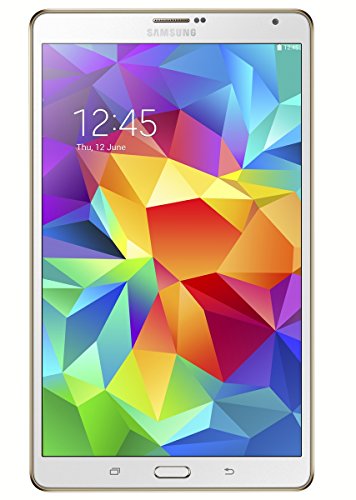
Asus Memo (1GB + 32GB) review. Compare 168 technical specifications and user reviews to see how this product ranks in the Tablets category and whether it is worth buying.
Overall score
What it is: An overall evaluation of the smartphone's quality, based on technical analyses and user reviews.
When it matters: When you need a quick reference to identify the best Tablets on the market.
Score components:
90.0%
Technical Score
10.0%
User score
Technical Score
What it is: An assessment of the smartphone's technical performance, covering eight key areas: performance & hardware, software, camera, connectivity, display, battery, audio, and design.
When it matters: When you want to compare Tablets based on technical performance and available features.
Score components:
22.0%
Performance
20.0%
Display
16.0%
Camera
14.0%
Battery
12.0%
Connectivity
8.0%
Software & Features
5.0%
Design
3.0%
Audio & Multimedia
User score
What it is: A rating that combines user reviews and the total number of reviews received by the smartphone
When it matters: When you want to know how a smartphone handles daily tasks and how reliable it remains over time according to user feedback.
Score components:
70.0%
User reviews
30.0%
Popularity
Score components:
25.0%
RAM capacity
20.0%
Refresh rate
20.0%
GPU frequency
20.0%
Chipset
15.0%
Battery capacity
Score components:
20.0%
Chipset
20.0%
Battery life
20.0%
RAM capacity
10.0%
Weight
10.0%
Internal storage
10.0%
Keyboard accessory
10.0%
Screen size
Score components:
30.0%
RAM capacity
25.0%
Chipset
20.0%
Internal storage
15.0%
Screen size
5.0%
Keyboard accessory
5.0%
Stylus included
Score components:
20.0%
Screen size
20.0%
Battery life
20.0%
Weight
20.0%
RAM capacity
20.0%
Chipset
Score components:
25.0%
Battery capacity
25.0%
RAM capacity
15.0%
Weight
15.0%
Internal storage
10.0%
Screen size
10.0%
Price
Score components:
20.0%
RAM capacity
20.0%
Battery life
15.0%
Chipset
15.0%
Weight
10.0%
Cellular module
10.0%
5G connectivity
5.0%
GPS
5.0%
Internal storage
Available: ranking among products currently available (including other versions of this product).
All: ranking among all products in the database.
#79 in Best Asus Tablets
#1742 in Best Android Tablets
#2568 in Best Tablets
What it is: An assessment of the smartphone's technical performance, covering eight key areas: performance & hardware, software, camera, connectivity, display, battery, audio, and design.
When it matters: When you want to compare Tablets based on technical performance and available features.
Score components:
22.0%
Performance
20.0%
Display
16.0%
Camera
14.0%
Battery
12.0%
Connectivity
8.0%
Software & Features
5.0%
Design
3.0%
Audio & Multimedia
What it is: A rating that combines user reviews and the total number of reviews received by the smartphone
When it matters: When you want to know how a smartphone handles daily tasks and how reliable it remains over time according to user feedback.
Score components:
70.0%
User reviews
30.0%
Popularity
What it is: An indicator that combines the smartphone's overall rating with its cost.
When it matters: When you are looking for a smartphone with a good balance between quality and price.
Score components:
60.0%
Overall score
40.0%
Price
Importance: MEDIUM
Good value: >=8 GB
Importance: LOW
Good value: <7 nm
Importance: MEDIUM
Good value: >=128 GB
Importance: MEDIUM
Good value: >1300
Importance: MEDIUM
Importance: MEDIUM
Importance: MEDIUM
Importance: MEDIUM
Good value: >3500
Importance: LOW
Good value: >=8 GB
Importance: LOW
Good value: 5
Importance: LOW
Good value: >20 GB/s
Importance: LOW
Importance: LOW
Good value: >7 W
Importance: LOW
Good value: >2500
Importance: LOW
Good value: >800
Importance: LOW
Good value: >8
Importance: LOW
Good value: >900 MHz
Importance: LOW
Importance: LOW
Good value: >3000
Importance: LOW
Good value: >1200
Importance: LOW
Good value: >3200 MHz
Importance: LOW
Good value: >400
Importance: LOW
Importance: LOW
Good value: 8+
Importance: LOW
Importance: LOW
Good value: >800 MHz
Importance: MEDIUM
Importance: LOW
Importance: LOW
Good value: >10000 million
Importance: LOW
Good value: >=4 MB
Importance: LOW
Good value: >64 KB
Importance: LOW
Good value: >=1 MB
Importance: LOW
Importance: LOW
Good value: 4
Importance: LOW
Good value: >=512 GB
Importance: LOW
Good value: 2.0/3.0
Importance: LOW
Good value: 3.2
Importance: LOW
Good value: 3.3
Importance: LOW
Importance: MEDIUM
Importance: MEDIUM
Good value: >=120 Hz
Importance: HIGH
Importance: MEDIUM
Good value: >250 ppi
Importance: LOW
Importance: MEDIUM
Good value: >500 nits
Importance: MEDIUM
Good value: >=11 inches
Importance: LOW
Importance: LOW
Good value: >120 Hz
Importance: LOW
Importance: LOW
Importance: LOW
Importance: LOW
Good value: >200 Hz
Importance: LOW
Good value: >250 ppi
Importance: MEDIUM
Good value: >400 nits
Importance: LOW
Importance: LOW
Importance: LOW
Importance: LOW
Importance: LOW
Importance: MEDIUM
Importance: HIGH
Good value: >=8 MP
Importance: LOW
Importance: LOW
Importance: MEDIUM
Importance: MEDIUM
Importance: LOW
Importance: LOW
Importance: LOW
Importance: LOW
Importance: LOW
Importance: LOW
Importance: LOW
Importance: LOW
Importance: LOW
Importance: LOW
Importance: LOW
Importance: LOW
Importance: LOW
Importance: LOW
Importance: LOW
Importance: LOW
Importance: LOW
Importance: LOW
Importance: LOW
Importance: LOW
Importance: LOW
Importance: LOW
Importance: LOW
Importance: LOW
Importance: LOW
Importance: MEDIUM
Good value: >8000 mAh
Importance: MEDIUM
Good value: >30 W
Importance: HIGH
Good value: >10 hours
Importance: LOW
Importance: LOW
Importance: LOW
Importance: LOW
Importance: LOW
Importance: MEDIUM
Importance: LOW
Importance: LOW
Importance: LOW
Importance: LOW
Importance: LOW
Importance: LOW
Importance: LOW
Importance: LOW
Importance: LOW
Importance: LOW
Importance: LOW
Importance: LOW
Good value: >5.2
Importance: LOW
Importance: LOW
Importance: LOW
Good value: 3.1/3.2
Importance: LOW
Importance: LOW
Importance: LOW
Importance: LOW
Importance: LOW
Importance: LOW
Importance: LOW
Importance: LOW
Importance: LOW
Importance: MEDIUM
Importance: MEDIUM
Importance: LOW
Importance: LOW
Importance: LOW
Importance: LOW
Importance: LOW
Importance: LOW
Importance: LOW
Importance: LOW
Importance: LOW
Importance: LOW
Importance: LOW
Importance: LOW
Importance: LOW
Importance: LOW
Importance: LOW
Importance: LOW
Importance: LOW
Importance: LOW
Importance: LOW
Importance: LOW
Importance: LOW
Good value: <500 g
Importance: LOW
Importance: LOW
Importance: LOW
Good value: <10 ms
Importance: LOW
Good value: >7
Importance: LOW
Importance: LOW
Importance: LOW
Good value: <7 mm
Importance: LOW
Importance: LOW
Importance: LOW
Importance: LOW
Importance: LOW
Importance: LOW
Good value: >=2
Importance: LOW
Importance: LOW
Importance: LOW
Good value: >=4
Importance: LOW
Importance: LOW
Importance: LOW
Importance: LOW
Importance: LOW
Importance: LOW
Importance: LOW
Good value: <500 g
Importance: LOW
Importance: MEDIUM
Importance: HIGH
Good value: >=8 MP
Importance: LOW
Importance: MEDIUM
Importance: MEDIUM
Good value: >=8 GB
Importance: MEDIUM
Importance: MEDIUM
Importance: LOW
Importance: MEDIUM
Good value: >=11 inches
The PCMag review of the $150 ASUS MeMO Pad ME172V identifies the 7-inch Android tablet as a budget-friendly option for entry-level users. Pros include its low price, a microSD card slot for storage expansion, and a textured, albeit slightly heavy, design. While performance is adequate for basic tasks with its 1GHz VIA processor, the device struggles with gaming, and user experience is hampered by a 1,024-by-600-pixel screen with poor viewing angles. Furthermore, the battery life is rated as poor, lasting just over four hours in testing. For more details, visit PCMag.
The ASUS MeMO Pad 10 is a budget-focused 10.1-inch Android tablet with a functional, if somewhat cheap, plastic design, featuring a 1,280 x 800 resolution display. Performance is solid for everyday tasks, with a quad-core processor and microSD expansion, although the screen suffers from low brightness and the speakers are underwhelming. While it is a serviceable, affordable option, its lackluster cameras and stiff competition make it a hard recommendation over other models.
The Asus MeMO Pad Smart 10 (ME301T) is a budget-friendly, 10.1-inch Android tablet featuring a plastic construction, a 1.2GHz NVIDIA Tegra 3 processor, and practical ports including micro HDMI and microSD. It serves as a larger, cost-effective alternative to the Nexus 7, offering solid performance for casual gaming and media consumption. The device features an IPS display with wide viewing angles, though its 1280 x 800 resolution results in a lower pixel density (149 ppi) that may appear grainy to some users. Battery life is adequate for daily tasks, lasting roughly 8.5 to 9 hours, and the tablet includes beneficial, pre-installed software additions. Key pros include the affordable $299 price point, expandable storage, and loud stereo speakers. Cons focus on the lower-resolution screen, plastic build, and cameras that underperform in low-light situations.
The Asus MeMO Pad Smart 10 is a $299, 10-inch Android tablet acting as a larger, budget-friendly alternative to the Nexus 7. It boasts a 5-megapixel rear camera, decent stereo speakers, and expandable storage via a microSD card slot. The device offers a lightweight, 1.3-pound design with a roughly 9-hour battery life, though it features a micro-HDMI port rather than a USB-C connection. CNETThe 1,280x800 resolution display is considered low for a 10-inch device, resulting in a less sharp image. The all-plastic construction feels inexpensive, and the screen is notably prone to fingerprint smudges due to a lack of oleophobic coating. While the Nvidia Tegra 3 processor provides capable performance, it struggled with high-end gaming and felt sluggish in certain tasks.
The Asus MeMO Pad 8 is an 8-inch budget Android tablet praised for its comfortable, portable design and superior screen real estate compared to 7-inch alternatives, featuring excellent battery life and a microSD expansion slot. While the 1280x800 IPS display is bright, its low 188ppi pixel density results in visible pixels, and the 1GB of RAM causes performance lag during heavy multitasking. Overall, it is considered a solid, affordable all-rounder, despite lacking an ambient light sensor and having a weak camera, with added value from the intuitive Asus ZenUI software.
The ASUS MeMO Pad 8 is described as a stylish, well-built budget tablet featuring a thin 8.3mm design and a 5MP rear camera. While the device is commended for its sturdy construction and vibrant 8-inch IPS display, a key disadvantage is the screen’s low pixel density (188ppi) and high reflectivity, which makes it prone to smudges. Tech AdvisorPowered by a quad-core processor, the tablet delivers smooth performance for casual gaming and daily tasks, outperforming some rivals in benchmark tests. The user interface, enhanced by Asus's ZenUI, is praised for its responsiveness and intuitive design, though a notable con includes a persistent, frustrating lag when waking the device from sleep. Tech AdvisorUltimately, the review highlights that while the camera produces grainy, dull images, the tablet is a strong contender for those prioritizing portability and solid, budget-friendly performance over high-resolution displays. Tech Advisor
The Asus MeMO Pad 7 is reviewed as a high-quality, budget-friendly tablet costing approximately £99, featuring a slim, lightweight, and vibrant design ideal for families. It is noted for efficient performance, quick loading times, and a screen coating that resists fingerprints. The device, which includes a 5MP rear camera and a 0.3MP front camera, offers great value and portability for users, say Baby Budgeting. While generally positive, potential, minor drawbacks noted for this model type include a highly reflective display and average low-light camera performance, according to user feedback. However, the primary, high-value, and sturdy construction make it a recommended, affordable option.
The Asus MeMO Pad 7 (ME176CX) sets a high standard for budget tablets at its £120 price point, featuring a 7-inch 1,280 x 800 IPS display with excellent viewing angles and colour accuracy. It is highly portable, weighing only 295g, and boasts a powerful quad-core processor that handles daily tasks and casual gaming with ease. Significant advantages include a microSD card slot for storage expansion and an impressive battery that lasted up to 10 hours of video playback in tests. However, the tablet has compromises, including a 5MP rear camera that produces noisy images and a 2MP front camera suitable only for basic calls. The display, while accurate, is prone to reflections and smudges, which can affect outdoor visibility. Additionally, while good for general use, the device may struggle with demanding 3D gaming performance. Overall, the MeMO Pad 7 is highly recommended for users seeking a capable, affordable tablet, offering superior value compared to many competitors. It successfully balances performance, portability, and battery life within a very tight budget.
The Asus MeMO Pad 7 (ME176CX) is highlighted as a high-performance, £120 budget tablet featuring a sturdy design, a comfortable 7-inch IPS display, and a powerful quad-core Intel Atom Z3745 processor. It runs Android 4.4 KitKat with Asus's ZenUI, offering user-friendly productivity tools and a valuable microSD card slot for storage expansion up to 64GB. While the device excels in speed and build quality, compromises include a lower-resolution 1280x800 screen that is reflective, subpar 5MP camera quality, and underwhelming rear speakers. Tech Advisor
The Asus MeMO Pad HD 7 is a budget-friendly 7-inch tablet featuring a sharp 1280 x 800 IPS display, loud stereo speakers, and a microSD card slot. While lauded for its price-to-performance ratio and useful software enhancements, the device is held back by a poor 5MP rear camera and a flimsy, glossy plastic design. Despite these drawbacks, the tablet offers a fast, comfortable user experience suitable for daily tasks, serving as a solid, budget-conscious alternative to more expensive, premium devices. For more details, visit TechRadar.
The Asus MeMO Pad HD 7 is identified by CNET as a budget-friendly, 7-inch tablet offering high value, featuring a vibrant IPS screen with superior color accuracy and useful additions like a microSD slot and 5-megapixel camera. However, the device is held back by a 1.2GHz processor, which results in significant performance lag, unresponsiveness, and slow app loading times. While the plastic, toy-like design feels cheap, its lightweight construction makes it portable, though it may not be comfortable for long-term use, according to CNET. CNET Copy
The PCMag review characterizes the $149.99 ASUS MeMO Pad ME172V as a budget 7-inch Android tablet for light users, sacrificing performance to compete with the Nexus 7. Pros include its low price, expandable storage via a microSD card slot, and useful software additions like the "Floating Apps" feature, which make it suitable for basic tasks. However, the device suffers from a poor display with narrow viewing angles, weak battery life lasting just over 4 hours, and a slow single-core processor that struggles with intensive apps. Copy
The ASUS MeMO Pad 8 (ME181C) is identified by The Rock Father as a capable, budget-friendly 8-inch tablet featuring an Intel Bay Trail quad-core processor that delivers smooth performance for streaming and daily tasks. Key pros include a sharp, bright HD display, 16GB of expandable storage, and solid battery life lasting up to 9 hours. The device also benefits from functional ASUS ZenUI software and good audio output. The Conversely, the tablet has notable limitations, with cons including a lack of an ambient light sensor for automatic brightness and a screen surface prone to fingerprints. While cameras are sufficient for a budget device, they offer lower-quality, "soft" imaging compared to premium alternatives. Furthermore, the 1GB of RAM can cause performance bottlenecks during heavy multitasking, despite the capable processor. The
The ASUS MeMO Pad 7 ME176CX-A1 is characterized as a high-performance, $150 budget tablet, with its Intel Atom processor providing a significantly smoother experience than typical low-cost, ARM-based alternatives. While boasting a lightweight design, vibrant 7-inch IPS screen, and a useful 64GB microSD slot, the device features a reflective, low-brightness display unsuitable for direct sunlight and lacks an ambient light sensor. Despite having weak speakers, a top-mounted USB port, and reduced battery life during heavy use, the reviewer recommends it as a "nifty" budget option that delivers impressive speed for daily tasks and media consumption.
The Asus MeMO Pad 7 (ME176CX) is a budget-friendly 7-inch Android tablet featuring a thinner, lighter design and a 1,280-by-800 IPS LCD screen with narrower bezels than many competitors in its price range. Powered by a zippy Intel Atom Z3745 processor, it handles app launches and casual gaming well, though it lacks high-end features such as 5GHz Wi-Fi and NFC. While offering a good value with updated software, the tablet is hindered by below-average cameras, a dim display, and a short battery life of under seven hours.
The Asus MeMO Pad FHD 10 is an affordable 10.1-inch Android tablet featuring a sharp 1920x1200 IPS display and an Intel Atom Z2560 processor, aimed at providing a quality multimedia experience. It boasts a comfortable, textured design with 16GB/32GB internal storage, expandable via microSD, and includes a micro-HDMI port for external display connectivity. While the stereo speakers and 5-megapixel camera perform well for the price, the tablet can struggle with intensive 3D gaming and suffers from average battery life and display glare, according to reviews from CNET and PhoneArena.
The Hardwareluxx review identifies the ASUS MeMO Pad FHD 10 as a competitive 10-inch Android tablet, highlighting its high-resolution 1920x1200 IPS display and solid price-performance ratio. Key pros include a lightweight design, useful micro-HDMI/microSD connectivity, and strong multimedia features powered by an Intel Atom processor, though an LTE version with a Snapdragon SoC was also noted. However, the analysis highlights cons such as a dim, highly reflective screen and inconsistent performance under heavy loads.
The Asus MeMO Pad FHD 10 is a budget-friendly 10-inch tablet highlighted for its high-quality 1,920 x 1,200 IPS screen and comfortable, lightweight, and grippy design. Performance is driven by a 1.6GHz Intel Atom processor and 2GB of RAM, with a notable pro being the inclusion of a microSD card slot. However, the device suffers from inconsistent responsiveness, featuring a slow-to-wake screen, lag with intensive apps, and, at times, unreliable touch input. For the full, detailed review from Notebookcheck's analysis, you can search for the original article.
The Asus MeMo Pad FHD 10 (ME302C) is characterized by CHIP.de as a high-value tablet featuring a sharp 10.1-inch IPS display (1,920 x 1,200) with good contrast and low reflection, all for a competitive mid-range price. While the 1.6 GHz Intel Atom processor ensures decent multimedia performance, the user interface suffers from consistent Android lag, and gaming is hindered by long loading times. Key advantages include a lightweight design, expandable storage, and a micro-HDMI port, though it lacks NFC and a rear camera flash.
The Asus MeMO Pad 7 ME176C, powered by an Intel Atom Z3745 "Bay Trail" processor, is highlighted as a high-value budget tablet delivering snappy performance, 1080p video capability, and solid build quality in a 9.6mm plastic chassis. Its 7-inch IPS display offers good, adjustable color reproduction, while battery life lasts approximately 9 hours under moderate use. Notable pros include the inclusion of a microSD slot, ZenUI features, and a competitive price point. However, the review notes significant drawbacks, including reports of inconsistent Wi-Fi performance on certain units. Other downsides mentioned are the lack of an ambient light sensor and a highly reflective screen, which hinders outdoor visibility. Furthermore, the tablet can run warm during intensive gaming and features a disappointing 5MP rear camera. For more details, visit Notebookcheck.
The Asus MeMO Pad 7 (ME176C) is a budget-friendly 7-inch tablet featuring a powerful Intel Atom Z3745 processor, delivering smooth performance for its price point, alongside a lightweight 295g, plastic construction. The device features a vibrant 1280x800 IPS display and 9+ hour battery life, though it suffers from high reflectivity, no ambient light sensor, and a weak camera. Key pros include strong processing power and a microSD slot, while cons include a poor camera, lack of 5GHz Wi-Fi, and a 1GB RAM limit, making it a strong budget alternative to the Nexus 7.
According to a CHIP.de review, the Asus MeMO Pad 7 (ME176C) is recognized for excellent value and superior battery life, positioning it as a strong, budget-friendly mobile device powered by an Intel Atom Z3745 processor. Key advantages include solid daily performance, a 7-inch form factor suitable for mobility, and a useful microSD card slot for expanding storage. However, the device features a relatively basic build with some minor performance lags, a reflective screen, and mediocre camera quality, according to the review. For more details, visit CHIP.de.
The CHIP review of the Asus Memo Pad Smart ME301T-1B023A identifies it as a solid, budget-friendly 10.1-inch tablet powered by an NVIDIA Tegra 3 processor, offering a smooth user experience. It features a 1280x800 IPS display, which, despite lower resolution, is lauded for its reduced reflectivity. Key advantages include a microSD slot for expansion, micro-HDMI, and robust build quality, accompanied by unexpectedly good dual speakers. Conversely, the device is held back by average screen brightness, a cramped virtual keyboard, and underwhelming battery life, which lasts roughly 5 to 9 hours. Additionally, the hardware was already considered slightly dated at release compared to higher-resolution competitors.
The PC-WELT review identifies the ASUS MeMo Pad 10 as a budget-friendly, functional tablet ideal for basic everyday tasks, social media, and light media consumption. While featuring a simple, thicker plastic design, it boasts a solid IPS display with good brightness, accurate colors, useful ASUS software, and a microSD card slot for expansion. However, the 1280 x 800 resolution is considered low for a 10-inch screen, causing noticeable pixelation, while the 1.6 GHz processor struggles with high-end gaming and the 2-megapixel rear camera produces weak, noisy images.
The Asus MeMO Pad 10 (ME102A) is reviewed by Computerwoche as a budget-friendly 10-inch Android tablet providing a functional, under-200 Euro entry point, though it lacks premium features. It runs Android 4.2 on a 1.6GHz quad-core processor with 1GB of RAM, offering sufficient performance for basic daily tasks like web browsing. The device is praised for its solid battery life and loud, front-facing stereo speakers. Key advantages identified include the bright 10.1-inch IPS display and practical connectivity features such as a microSD card slot and micro-HDMI output. However, the tablet has notable limitations, including a low 1280x800 resolution that causes visible pixelation. Furthermore, the plastic construction feels cheap, and the screen is prone to fingerprints. In summary, the MeMO Pad 10 is considered a solid, albeit entry-level, option for budget-conscious consumers seeking a large display for media consumption. While it struggles with demanding applications and lacks high-end display clarity, its functional performance justifies the low price point. For more details, visit Computerwoche.
The ASUS MeMO Pad FHD 10 LTE is a mid-range tablet featuring a Qualcomm Snapdragon S4 Pro processor, differentiating it from the Wi-Fi-only model with better app compatibility. It boasts a sharp 10.1-inch IPS display (1920x1200) and offers functional connectivity options, including a microSD slot and micro HDMI port. While praised for its design and decent stereo speakers, the display suffers from low brightness, and performance can drag with long load times and high standby consumption.
The ASUS MeMO Pad 8 ME181CX (ProSieben Entertainment Pad) is a budget-friendly 8-inch tablet offering strong value for money with a sturdy, lightweight design and good performance, particularly noted for its Intel Atom Z3745 processor. While the IPS display is praised for its quality, the 1280x800 resolution is a compromise, accompanied by excellent 10-hour battery life. Major drawbacks include limited 1GB RAM causing multitasking issues and poor-quality cameras.
The Asus MeMo Pad 8 (ME581CL) is a 299g, 7.45mm thick, high-performance, mid-range tablet featuring a sharp 8-inch Full HD IPS display, impressive 64-bit Intel Atom processor performance, and unique "AnyPen" technology for stylus input. Key pros include its lightweight portability, high color accuracy, and extensive connectivity options like 4G LTE and NFC. However, the device has notable cons, including underwhelming battery life due to a 4,000mAh capacity and a design with an exposed, unprotected microSD slot. While the speakers are clear, their rear placement can muffle sound in landscape, and the 5MP camera lacks a flash.
The Asus MeMO Pad 8 (ME181C) is a budget-friendly 8-inch Android tablet featuring an Intel Atom Z3745 processor, 1GB of RAM, and ZenUI over Android 4.4, providing a solid, lightweight option for daily tasks. While praised for its 1280 x 800 IPS display, decent 7-9 hour battery life, and overall portability, the device suffers from performance lag during heavy multitasking and underwhelming camera quality. Notable limitations include restricted multitasking due to limited RAM and the lack of an ambient light sensor, requiring manual brightness adjustments.
The ASUS MeMO Pad 7 (ME176C) is reviewed as a stylish, affordable 7-inch tablet, featuring a 9.6mm thick, 295g frame that offers comfortable one-handed usability. It boasts a 1280 x 800 IPS display, which is praised for its brightness and wide viewing angles, though it lacks the high-end sharpness of competitors like the Nexus 7. Under the hood, the device is powered by a 64-bit Intel Atom quad-core processor (Z3745) and 1GB of RAM, providing solid performance for daily tasks and web browsing, supported by Android 4.4 and the efficient ZenUI interface. A significant advantage, highlighted in the review, is the inclusion of a microSD card slot for storage expansion, which is often missing in similarly priced alternatives. However, the tablet has notable limitations, including a glossy plastic build that attracts fingerprints, and a 5MP rear camera that produces soft, low-quality photos. Furthermore, the device is restricted to 2.4GHz Wi-Fi (lacking 5GHz support), and the rear-facing speakers are described as mediocre in sound quality. For more details, visit Androidmag.de.
The Asus MeMO Pad ME172V is a budget-friendly 7-inch Android tablet designed for basic tasks, featuring a solid build with a textured plastic back available in multiple colors. Its main advantages include an aggressive low price, a microSD card slot for expandable storage, and useful "Floating Apps" software, although it lacks a rear-facing camera. However, the device suffers from significant performance bottlenecks due to a 1GHz single-core processor, a low-resolution (1024x600) TN display with poor viewing angles, and the lack of Bluetooth connectivity. Battery life is underwhelming, offering only 4 to 6 hours of active use, and the overall user experience is frequently described as sluggish compared to competitors. While functional for light media consumption, the consensus suggests that investing slightly more in alternative devices yields a superior experience. Copy
The 2013 Asus MeMO Pad ME172V is a budget-friendly, 7-inch Android 4.1 tablet designed for cost-conscious users, featuring acceptable build quality and a MicroSD card slot. Despite its low entry price, the tablet suffers from a weak single-core 1GHz VIA processor that causes sluggish performance and poor 3D gaming capability. The 1024x600 TN panel suffers from narrow viewing angles and poor color reproduction, and with no Bluetooth and only 3-4 hours of heavy battery life, it is limited to basic tasks. For more details, visit Notebookcheck. Copy
The Asus MeMO Pad 8 is highlighted as a stylish, well-built budget tablet featuring a vibrant 8-inch IPS display and a comfortable, lightweight design, although it lacks an ambient light sensor and suffers from wake-up lag. Performance is generally smooth for daily tasks due to its quad-core processor, but the 1GB of RAM can cause issues with heavy multitasking or intensive gaming, and the 5MP camera often produces grainy images. Despite these drawbacks, the tablet offers good value with expandable storage, effective GPS, and intuitive ZenUI software.
The ASUS MeMO Pad 8 ME181CX is characterized as a high-value 8-inch tablet featuring a slim, lightweight design and a bright IPS display with thin bezels. Performance is driven by an Intel Atom processor, offering fluid daily operation and strong battery life, complemented by expandable storage via a microSD slot. While generally well-received, drawbacks include poor rear camera performance, lack of an ambient light sensor, and occasional touchscreen input lag.
The 2013 Asus MeMO Pad ME172V is a budget-focused 7-inch tablet priced around $149/150€, offering a microSD card slot for expandable storage as a key pro. However, it features a textured plastic design inferior to the Nexus 7, with a 1024x600 TN panel displaying narrow viewing angles and causing text to appear fuzzy. Powered by a 1GHz single-core VIA processor, the device is plagued by a sluggish interface, stuttering in 2D games, and overall poor performance. Additional downsides include a 4 to 6-hour battery life, the absence of Bluetooth connectivity, and only a basic front-facing camera, making its performance limitations difficult to justify.
The Asus MeMO Pad FHD 10 is praised by Les Numériques as a balanced mid-range tablet, boasting a high-definition 10.1-inch IPS screen and strong, responsive daily performance. Key advantages include an impressive 12-hour battery life, high-quality stereo speakers, and useful micro-HDMI/microSD connectivity. Conversely, the tablet suffers from a plasticky build quality and is not ideal for high-end 3D gaming, according to the review. Copy
The Asus MeMO Pad HD 7 is a budget 7-inch tablet with a 1280x800 IPS screen that offers vibrant colors and wide viewing angles. Powered by a MediaTek MT8125 processor, it delivers smooth daily performance, though it struggles with heavy 3D gaming. Key pros include excellent battery life (9–10 hours), a lightweight design, and the inclusion of a microSD card slot. Software additions, such as "floating apps" and Splendid display calibration, enhance usability. Cons focus on the creaky, plastic build quality that attracts fingerprints. Other drawbacks include a mediocre 5-megapixel camera and the lack of an ambient light sensor, requiring manual brightness adjustments. For more details, visit TechRadar.
The Asus MeMO Pad HD7 is a highly competitive, low-cost 7-inch tablet, featuring a bright IPS display with 1280x800 resolution that challenges the original Nexus 7, according to Les Numériques and similar reviews. Notable pros include the sharp screen, a microSD card slot for expanded storage, and solid battery life. While the quad-core processor manages daily tasks, the device is criticized for poor 3D gaming performance, including slow load times. The design is marked by a cheap-feeling glossy plastic chassis, which, combined with awkward rear-mounted buttons, acts as a significant drawback for some users. Ultimately, the tablet is praised for its high value, making it an excellent choice for users focused on media consumption rather than high-performance gaming. Despite its limitations in build quality and raw power, the combination of a quality screen and expandable storage makes it a strong contender in the budget market.
The Asus MeMO Pad 10 FHD is a budget-friendly 10.1-inch Android tablet featuring a high-quality 1920x1200 IPS display,, sharp text, and a lightweight design with a "micro-weave" textured back. It offers solid, smooth performance for daily tasks, powered by a 1.6GHz Intel Atom Z2560 processor and 2GB of RAM, while including micro-HDMI and microSD card expansion. Go for 2 & 5 However, the tablet experiences long load times and struggles with demanding 3D games, and the battery life is limited to around 5-6 hours of active use, which is below expectations. Despite these drawbacks, the device provides good value through its strong display and decent audio capabilities, as noted in the analysis of the ASUS MeMO Pad FHD 10 review on CNET.
The Les Androids review identifies the ASUS MeMO Pad HD 7 (ME173X) as a high-value budget tablet, highlighting its 7-inch IPS display (1280x800 resolution) as a major pro for its excellent brightness and color accuracy. The device features a quad-core MediaTek processor and 1GB of RAM, providing solid performance for daily tasks, along with microSD storage expansion and a functional 5-megapixel rear camera, which are notable advantages. The tablet offers around 10 hours of battery life and runs Android 4.2.1 with the useful "Floating Apps" feature from ASUS, making it a competitive option for consumers seeking performance without a high cost. However, the review outlines that the tablet suffers from a cheap-feeling glossy plastic chassis, which acts as a "fingerprint magnet" and can creak during use. Other cons include poor 3D gaming performance and inconvenient button placement, with the power and volume controls located on the back.
The ASUS MeMo Pad 10 (ME102A) is a budget-focused 10.1-inch Android tablet designed for multimedia, featuring a 1280x800 IPS display and a 1.6GHz quad-core processor. The device is built with plastic, creating a lightweight design that runs on Android 4.2 Jelly Bean, with notable features including a microSD slot for expanded storage. Key advantages of this tablet include its impressive 5,070mAh battery, which delivers roughly 9.5 hours of use, and loud, clear front-facing dual speakers. Users benefit from a decent, lag-free experience for standard applications and useful software additions from ASUS. Drawbacks include a lackluster 2-megapixel rear camera, a highly reflective, glossy screen, and a relatively low-resolution display that can make text appear grainy. Additionally, the plastic build feels less premium, and the device may struggle with high-end, graphics-intensive gaming.
The ASUS MeMO Pad 7 ME172V is an entry-level 7-inch Android tablet designed for budget-conscious users, featuring a low price point and a MicroSD card slot for storage expansion. However, the device suffers from significant performance issues, including a slow single-core processor, 1GB of RAM, and a low-resolution TN display with poor viewing angles. While suitable for basic tasks like reading, the tablet struggles with modern apps, exhibits sluggish navigation, and offers underwhelming battery life, leading reviewers to suggest alternatives for a better user experience.
The Asus MeMO Pad 7 (ME176C/ME176CX) is a $149 budget tablet featuring an Intel Atom Z3745 quad-core processor and Android 4.4 KitKat with ZenUI, offering solid build quality. Pros include a 7-inch 1280x800 IPS display, strong performance, and a microSD slot. Cons involve poor camera quality, difficult-to-locate physical buttons, and a lack of 5GHz Wi-Fi support. For more details, visit PCMag.
The Asus MeMO Pad 8, reviewed by SmartWorld, is a competitive 8-inch, 350g tablet praised for its bright, colorful screen and comfortable, portable design. While the quad-core processor handles daily tasks and media consumption well, the device is held back by a lack of an ambient light sensor and mediocre camera performance. Despite limited multitasking capabilities and a slippery, glossy plastic casing, the tablet offers good value, featuring a useful microSD card slot and roughly 9 hours of battery life. What Hi-Fi?
The Asus MeMo Pad FHD 10 is an affordable 10-inch Android tablet featuring a high-resolution 1920x1200 IPS display and a comfortable, grippy plastic design. Powered by an Intel Atom processor, it offers solid performance for multimedia, supported by SonicMaster audio and useful ports like micro-HDMI and microSD. However, the tablet suffers from performance lags in heavy apps, a dim screen in bright light, and an underwhelming build quality compared to premium alternatives. Copy
The Androidworld review of the ASUS MeMO Pad FHD 10 highlights a strong mid-range multimedia tablet featuring a 10.1-inch 1920x1200 IPS display, powered by an Intel Atom Z2560 processor and 2GB of RAM. Praised for its excellent screen quality, comfortable "micro-weave" back finish, and loud SonicMaster stereo speakers, it offers a solid, budget-friendly package. However, the device suffers from mediocre "screen-on" battery life, a noticeable gap between the screen and glass, and awkward power button placement. Copy
The ASUS MeMO Pad HD 7 (ME173) is a budget-friendly 7-inch Android tablet offering high value, featuring a 1280 x 800 IPS display that delivers sharp, vibrant, and wide-angled visuals, standing out as a pro in its price range. Performance is driven by a quad-core processor suitable for daily tasks, though it can lag during intensive gaming, and while the 16GB of storage is expandable via microSD, the glossy plastic build feels inexpensive and attracts fingerprints. With a strong 10-hour battery life and a lightly customized Android 4.2 interface, the device is a top choice for media consumption despite average cameras, though rear-positioned buttons may be awkward for some users. Copy
The Asus MeMO Pad series, highlighted by the HD 7 model, is positioned as a feature-rich, high-value budget alternative to the Nexus 7. Key pros include a vibrant 1280x800 IPS display, inclusion of a microSD slot for storage expansion, and approximately 10 hours of battery life. Performance is a notable con, as the 1.2 GHz quad-core processor struggles with resource-heavy multitasking and gaming, resulting in sluggish, choppy performance. Additional cons involve a somewhat "cheap" all-plastic chassis and occasional touchscreen unresponsiveness. While the 5MP rear camera performs adequately in bright light, it suffers in low-light conditions, and built-in speakers are generally considered weak. Overall, the series is commended for delivering essential functionality at a budget price point. For more details, visit Notebookcheck. Copy
The Asus MeMO Pad HD 7 is a budget 7-inch tablet featuring a 1280 x 800 IPS display, which provides a sharp and vibrant viewing experience for its price point. Driven by a 1.2GHz quad-core MediaTek processor and 1GB of RAM, it handles daily tasks like browsing well, though it struggles with intensive 3D gaming. Key advantages over competitors include a microSD card slot, a 5-megapixel rear camera, loud speakers, and useful software, though the camera's image quality is mediocre. The device's lower price point is reflected in its, at times, creaky and fingerprint-prone glossy plastic build. While rear-mounted buttons may be awkward for some, the tablet offers solid 7 to 10-hour battery life. Despite some limitations in premium feel, it remains a competitive option for affordable media consumption. Copy
The Asus MeMO Pad 7 (ME176C) is a budget-friendly 7-inch tablet, noted for its high performance-to-price ratio driven by the Intel Atom Z3745 Bay Trail processor. Pros include snappy performance, a clean ZenUI interface, and a 1280x800 resolution display. Despite solid performance, the device features a reflective, low-brightness IPS screen and a 5MP rear camera that produces grainy, pixelated images. It also includes a microSD card slot for storage expansion, catering to budget-conscious users. Battery life provides a reliable 9 to 10 hours for typical tasks, though it drains faster under heavy use. The design includes rear-facing speakers that can be muffled and an unusual button layout. For full details, read the review at Notebookcheck.net. Copy
The Asus MeMO Pad 7 (ME176C) is highlighted as a high-value budget tablet featuring a premium design, including a "fancy jacket" aesthetic, that closely mimics higher-end models like the Nexus 7. Performance is driven by a strong quad-core Intel Atom Z3745 processor, which provides smooth, capable operation, while the 7-inch IPS LCD display offers good color reproduction. Additional benefits include expandable storage via a microSD slot and the functional ZenUI overlay. However, the device falls short in camera quality, with the 5MP rear and 2MP front sensors producing poor, low-quality images. The display suffers from low maximum brightness and high reflectivity, limiting its usability in direct sunlight. Other notable drawbacks include the awkward placement of physical buttons and 1GB of RAM occasionally causing lag during intense multitasking. Overall, the review positions this tablet as a compelling, well-built option for the price point, despite the mentioned limitations in imaging and screen brightness. The combination of capable processing power and design makes it a strong contender in the budget segment. Copy
The Asus MeMo Pad 7 (ME572C) is a budget-friendly, "clutch bag" inspired 7-inch tablet featuring a sharp Full HD (1920 x 1200) IPS display with excellent, vivid picture quality. It boasts strong performance from a 64-bit Intel Atom Z3560 processor, alongside 2GB of RAM, and offers a microSD card slot for expandable storage. Despite these advantages, the device includes significant "bloatware" in its ZenUI skin, and the 5MP camera often produces grainy images in low-light conditions. For a detailed look, read the review at TechRadar. Copy

Compare