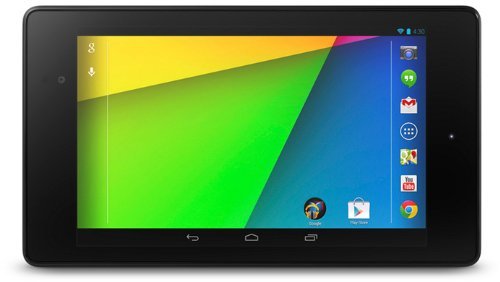
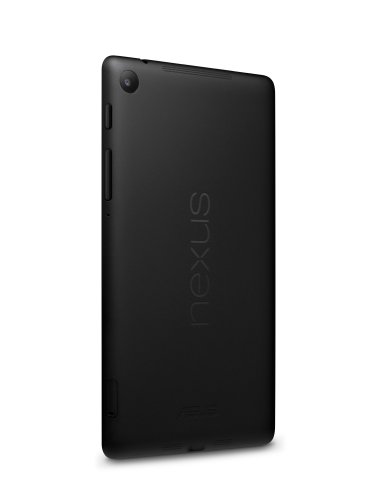
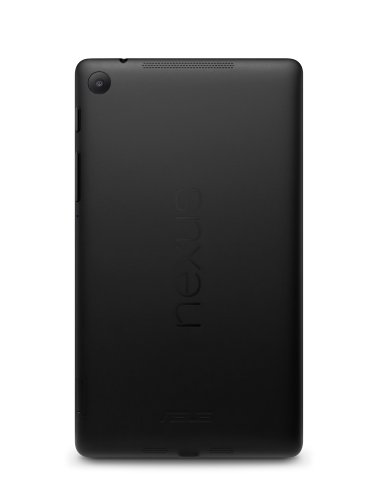
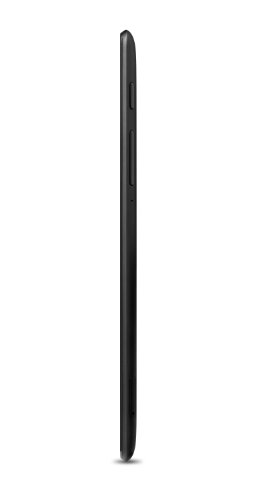
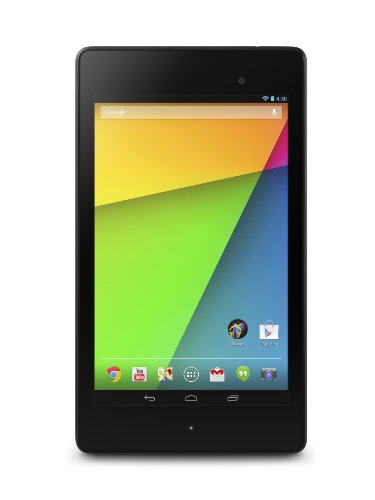
Google Nexus 7 2013 LTE (2GB + 32GB) review. Compare 168 technical specifications and user reviews to see how it ranks among tablets and if it is worth buying.
Overall score
What it is: An overall evaluation of the smartphone's quality, based on technical analyses and user reviews.
When it matters: When you need a quick reference to identify the best Tablets on the market.
Score components:
90.0%
Technical Score
10.0%
User score
Technical Score
What it is: An assessment of the smartphone's technical performance, covering eight key areas: performance & hardware, software, camera, connectivity, display, battery, audio, and design.
When it matters: When you want to compare Tablets based on technical performance and available features.
Score components:
22.0%
Performance
20.0%
Display
16.0%
Camera
14.0%
Battery
12.0%
Connectivity
8.0%
Software & Features
5.0%
Design
3.0%
Audio & Multimedia
User score
What it is: A rating that combines user reviews and the total number of reviews received by the smartphone
When it matters: When you want to know how a smartphone handles daily tasks and how reliable it remains over time according to user feedback.
Score components:
70.0%
User reviews
30.0%
Popularity

Score components:
25.0%
RAM capacity
20.0%
Refresh rate
20.0%
GPU frequency
20.0%
Chipset
15.0%
Battery capacity
Score components:
20.0%
Chipset
20.0%
Battery life
20.0%
RAM capacity
10.0%
Weight
10.0%
Internal storage
10.0%
Keyboard accessory
10.0%
Screen size
Score components:
30.0%
RAM capacity
25.0%
Chipset
20.0%
Internal storage
15.0%
Screen size
5.0%
Keyboard accessory
5.0%
Stylus included
Score components:
20.0%
Screen size
20.0%
Battery life
20.0%
Weight
20.0%
RAM capacity
20.0%
Chipset
Score components:
25.0%
Battery capacity
25.0%
RAM capacity
15.0%
Weight
15.0%
Internal storage
10.0%
Screen size
10.0%
Price
Score components:
20.0%
RAM capacity
20.0%
Battery life
15.0%
Chipset
15.0%
Weight
10.0%
Cellular module
10.0%
5G connectivity
5.0%
GPS
5.0%
Internal storage
Available: ranking among products currently available (including other versions of this product).
All: ranking among all products in the database.
#432 in Best Tablets With SIM Card
#473 in Best Android Tablets
#641 in Best Tablets
What it is: An assessment of the smartphone's technical performance, covering eight key areas: performance & hardware, software, camera, connectivity, display, battery, audio, and design.
When it matters: When you want to compare Tablets based on technical performance and available features.
Score components:
22.0%
Performance
20.0%
Display
16.0%
Camera
14.0%
Battery
12.0%
Connectivity
8.0%
Software & Features
5.0%
Design
3.0%
Audio & Multimedia
What it is: A rating that combines user reviews and the total number of reviews received by the smartphone
When it matters: When you want to know how a smartphone handles daily tasks and how reliable it remains over time according to user feedback.
Score components:
70.0%
User reviews
30.0%
Popularity
What it is: An indicator that combines the smartphone's overall rating with its cost.
When it matters: When you are looking for a smartphone with a good balance between quality and price.
Score components:
60.0%
Overall score
40.0%
Price
Importance: MEDIUM
Importance: HIGH
Good value: >=8 GB
Importance: HIGH
Good value: <7 nm
Importance: HIGH
Good value: >=128 GB
Importance: HIGH
Good value: >1300
Importance: HIGH
Importance: HIGH
Importance: HIGH
Importance: MEDIUM
Good value: >3500
Importance: MEDIUM
Good value: >=8 GB
Importance: MEDIUM
Good value: 5
Importance: MEDIUM
Good value: >20 GB/s
Importance: MEDIUM
Importance: MEDIUM
Good value: >7 W
Importance: MEDIUM
Good value: >2500
Importance: MEDIUM
Good value: >800
Importance: MEDIUM
Good value: >8
Importance: MEDIUM
Good value: >900 MHz
Importance: MEDIUM
Importance: MEDIUM
Good value: >3000
Importance: MEDIUM
Good value: >1200
Importance: MEDIUM
Good value: >3200 MHz
Importance: MEDIUM
Good value: >400
Importance: MEDIUM
Importance: MEDIUM
Good value: 8+
Importance: MEDIUM
Importance: MEDIUM
Good value: >800 MHz
Importance: MEDIUM
Importance: MEDIUM
Importance: MEDIUM
Good value: >10000 million
Importance: LOW
Good value: >=4 MB
Importance: LOW
Good value: >64 KB
Importance: LOW
Good value: >=1 MB
Importance: LOW
Importance: LOW
Good value: 4
Importance: LOW
Good value: >=512 GB
Importance: LOW
Good value: 2.0/3.0
Importance: LOW
Good value: 3.2
Importance: LOW
Good value: 3.3
Importance: HIGH
Importance: HIGH
Good value: >=120 Hz
Importance: HIGH
Importance: HIGH
Good value: >250 ppi
Importance: HIGH
Importance: MEDIUM
Good value: >500 nits
Importance: MEDIUM
Good value: >=11 inches
Importance: MEDIUM
Importance: MEDIUM
Good value: >120 Hz
Importance: MEDIUM
Importance: MEDIUM
Importance: MEDIUM
Importance: MEDIUM
Good value: >200 Hz
Importance: MEDIUM
Good value: >250 ppi
Importance: MEDIUM
Good value: >400 nits
Importance: MEDIUM
Importance: LOW
Importance: LOW
Importance: LOW
Importance: HIGH
Importance: HIGH
Importance: HIGH
Good value: >=8 MP
Importance: HIGH
Importance: HIGH
Importance: MEDIUM
Importance: MEDIUM
Importance: MEDIUM
Importance: MEDIUM
Importance: LOW
Importance: LOW
Importance: LOW
Importance: LOW
Importance: LOW
Importance: LOW
Importance: LOW
Importance: LOW
Importance: LOW
Importance: LOW
Importance: LOW
Importance: LOW
Importance: LOW
Importance: LOW
Importance: LOW
Importance: LOW
Importance: LOW
Importance: LOW
Importance: LOW
Importance: LOW
Importance: LOW
Importance: LOW
Importance: LOW
Importance: HIGH
Good value: >8000 mAh
Importance: HIGH
Good value: >30 W
Importance: HIGH
Good value: >10 hours
Importance: MEDIUM
Importance: MEDIUM
Importance: LOW
Importance: LOW
Importance: HIGH
Importance: HIGH
Importance: HIGH
Importance: MEDIUM
Importance: MEDIUM
Importance: MEDIUM
Importance: MEDIUM
Importance: MEDIUM
Importance: MEDIUM
Importance: MEDIUM
Importance: MEDIUM
Importance: MEDIUM
Importance: MEDIUM
Importance: LOW
Good value: >5.2
Importance: LOW
Importance: LOW
Importance: LOW
Good value: 3.1/3.2
Importance: LOW
Importance: LOW
Importance: LOW
Importance: LOW
Importance: LOW
Importance: LOW
Importance: LOW
Importance: LOW
Importance: LOW
Importance: HIGH
Importance: HIGH
Importance: HIGH
Importance: MEDIUM
Importance: MEDIUM
Importance: MEDIUM
Importance: MEDIUM
Importance: MEDIUM
Importance: MEDIUM
Importance: MEDIUM
Importance: MEDIUM
Importance: LOW
Importance: LOW
Importance: LOW
Importance: LOW
Importance: LOW
Importance: LOW
Importance: LOW
Importance: LOW
Importance: LOW
Importance: LOW
Importance: MEDIUM
Importance: MEDIUM
Good value: <500 g
Importance: MEDIUM
Importance: MEDIUM
Importance: MEDIUM
Good value: <10 ms
Importance: MEDIUM
Good value: >7
Importance: MEDIUM
Importance: MEDIUM
Importance: LOW
Good value: <7 mm
Importance: LOW
Importance: LOW
Importance: LOW
Importance: LOW
Importance: LOW
Importance: MEDIUM
Good value: >=2
Importance: MEDIUM
Importance: MEDIUM
Importance: MEDIUM
Good value: >=4
Importance: LOW
Importance: LOW
Importance: LOW
Importance: LOW
Importance: LOW
Importance: LOW
Importance: MEDIUM
Importance: MEDIUM
Importance: MEDIUM
Good value: >200 Hz
Importance: HIGH
Good value: >250 ppi
Importance: MEDIUM
Good value: >500 nits
Importance: HIGH
Importance: MEDIUM
Good value: >400 nits
Importance: MEDIUM
Good value: <500 g
Importance: HIGH
Good value: >=8 MP
Importance: MEDIUM
Importance: MEDIUM
Importance: HIGH
Good value: >8000 mAh
Importance: MEDIUM
Good value: >=11 inches
Importance: HIGH
Good value: >=8 GB
Importance: MEDIUM
Importance: HIGH
Good value: >30 W
(Reviews last updated: May 2026)
The 2013 Google Nexus 7 is highlighted as a landmark 7-inch tablet featuring a vibrant 1920x1200 IPS display, 323 ppi density, and a slim, lightweight 8.7mm chassis optimized for one-handed, long-term use. Powered by a 1.5 GHz Snapdragon S4 Pro and 2GB of RAM, the device maintains strong performance with Android Lollipop/Marshmallow updates, supported by 5MP rear camera, stereo speakers, and Qi wireless charging. Cons include the absence of microSD storage expansion, low-light camera issues, and potential speaker muffling, though it remains a top-tier small tablet if found at a low price.
The 2013 Nexus 7 features a 1920x1200 IPS display, offering exceptional sharpness and color accuracy that sets a new standard for small-form-factor Android tablets. It provides a fluid, lag-free experience for gaming and multitasking, powered by a Snapdragon S4 Pro processor and 2GB of RAM. Refined hardware includes a minimalist, matte black design that is lighter and easier to hold, complemented by stereo speakers and convenient Qi wireless charging. While it lacks a microSD card slot for storage expansion and has a mediocre 5MP rear camera, the device is considered a premium, budget-friendly option.
The 2013 Nexus 7 is a 7-inch tablet featuring a 1920 x 1200 resolution screen, delivering exceptional sharpness and deep black levels that make it a standout for media consumption. Its design is thinner and lighter than its predecessor, allowing for comfortable one-handed operation despite large bezels. Performance is smooth, powered by a 1.5GHz Snapdragon S4 Pro and 2GB of RAM, complemented by a clean Android interface that handles gaming well. Audio quality is notably strong, offering a balanced, rhythmic sound when paired with headphones, surpassing many competitors in its price bracket. Weaknesses include mediocre performance from the 5MP rear camera, which struggles in low-light scenarios. Furthermore, the lack of a microSD card slot limits storage expansion, and while battery life is competent, it does not set new industry records, yet the device remains a high-value, five-star option.
The 2013 Nexus 7 is hailed as the premier small tablet, featuring a significantly upgraded 1920 x 1200 display and a faster Snapdragon S4 Pro processor in a lighter, more refined body. Key advantages include impressive stereo speakers, wireless charging, a functional rear camera, and the enhanced capabilities of Android 4.3. Despite these improvements, the high-resolution screen leads to slightly reduced battery life compared to its predecessor, and the design retains large, dated bezels. Other drawbacks include the lack of microSD storage expansion and mediocre low-light camera performance. Nonetheless, its $229 price point offers exceptional value.
The 2012 Google Nexus 7 was lauded as a top-tier, 7-inch tablet, setting a high standard with its 1,280x800-pixel IPS display, competitive price, and comfortable design featuring a dimpled plastic back. Its Nvidia Tegra 3 quad-core processor enabled smooth performance, while the "pure" Android 4.1 Jelly Bean experience, inclusive of "Project Butter," ensured high responsiveness. Key advantages included impressive battery life exceeding 10 hours and NFC support, though the tablet lacked a rear-facing camera and a microSD slot. Despite lacking premium extras, the device was considered the best value in its class, forcing market competition through its superior, low-cost performance.
The 2013 Nexus 7 features a 1920x1200 IPS display with 323 PPI, offering excellent color accuracy in a thinner, lighter design, though with significant top and bottom bezels. Performance is driven by a 1.5GHz Qualcomm Snapdragon S4 Pro and 2GB of RAM, ensuring a smooth, lag-free experience with Android 4.3. Pros include dual-band Wi-Fi, wireless charging, and improved multitasking, while the 5MP rear camera is considered mediocre and lacks a flash. The tablet features a clean "Stock" Android interface and represents a substantial upgrade in hardware over its predecessor. Compromises include a lack of microSD expansion for the 16GB base model and battery life that, while solid, does not surpass all competitors. Despite a higher price point, the device is considered the benchmark for 7-inch tablets upon its release.
The 2013 Nexus 7, featuring a high-resolution 1920 x 1200 display and a thinner, lighter design, is praised as a significant refinement over its predecessor. It delivers exceptional value for its $229 price point, combining smooth performance from its Snapdragon S4 Pro processor with useful additions like wireless charging. While the device offers a superior, bloatware-free Android experience, it falls short of Google’s promised battery life during heavy usage. Furthermore, the tablet app ecosystem remains subpar compared to iOS, and large bezels make the device unnecessarily tall.
The 2013 Google Nexus 7 is hailed as a significant, refined upgrade over its predecessor, offering improved build quality, a "gorgeous" 1920x1200 display, and a "silky smooth" performance powered by a Snapdragon S4 Pro processor. Key pros highlighted include Qi wireless charging, a 5MP rear camera, and a thinner, lighter chassis with a tactile matte finish, though the stereo speakers can lack richness at lower volumes and the edges can feel harsh, which are noted as cons. Running clean Android 4.3, the device offers excellent software stability, but the lack of a microSD card slot is a major con, forcing users to choose carefully between storage capacities.
The 2013 Nexus 7, reviewed by MobileSyrup, is a significant, premium refinement over its predecessor featuring a high-resolution 1920x1200 IPS display, Snapdragon S4 Pro processor, 2GB of RAM, and a slimmer, lighter design. It offers a "pure" Android 4.3 experience with added functional upgrades like a 5-megapixel rear camera, stereo speakers, and Qi wireless charging. While performance is fluid, the review highlights drawbacks including the lack of expandable storage (no microSD slot), poor low-light camera quality, and a build with a slightly less grippy texture than the 2012 model. Key pros include the sharp screen and fast performance, while the main cons are the limited storage options and mediocre camera.
The 2013 Google Nexus 7 review by NextPit praises the tablet as a premier 7-inch device featuring a refined, lightweight design that is significantly more portable than its predecessor. Key advantages include a high-resolution 1080p display with excellent color accuracy and strong performance driven by the Snapdragon S4 Pro processor, which effectively eliminates lag. While a 5-megapixel rear camera was added, the device still lacks expandable storage via microSD, and the glossy finish makes it slightly slippery. Ultimately, the review deems the 2013 Nexus 7 a "must-buy" tablet that sets a high standard for Android devices at its price point.
The Google Nexus 7 (2013) is a refined, lightweight 7-inch tablet with a soft-touch back, providing high-end specs at a competitive price. Key advantages include a high-resolution 1920-by-1200 display, fast performance, excellent battery life, wireless charging, and NFC, making it a superior, versatile device, as discussed in the review, which is available on PCMag UK. Notable limitations include the lack of expandable storage (no microSD card slot) and the need for a separate SlimPort adapter for wired video output, along with slightly tinny speakers.
HotHardware's review of the 2013 Google Nexus 7 highlights a refined, thinner design and a high-resolution 1920x1200 7-inch display as major upgrades, complemented by the addition of a 5-megapixel rear camera and Qi wireless charging. Performance is strong, driven by a 1.5GHz Snapdragon S4 Pro, 2GB of RAM, and clean Android 4.3 software, while battery life impresses with nearly 12 hours of video playback. However, the device lacks microSD storage expansion, the rear camera struggles in low light, and the base price increased to $229.
The 2013 Google Nexus 7 is a high-performance 7-inch tablet featuring a sharp 1920 x 1200 display, a faster Snapdragon S4 Pro processor, and a slim, lightweight design. It offers a clean Android 4.3 experience with added,5-megapixel rear camera and wireless charging capabilities, making it a strong competitor in the small tablet market. While praised for its value, the device lacks expandable storage, has mediocre camera performance, and features wide bezels.
The 2013 Google Nexus 7 is identified by Laptop Mag as the premier 7-inch tablet of its era, featuring a 1920 x 1200-pixel display with a sharp 323 PPI density that exceeds the iPad mini, alongside a slim, lightweight design. Performance is driven by a 1.5-GHz Qualcomm Snapdragon S4 Pro processor, offering strong multitasking capabilities, along with stereo speakers and a "pure Google" Android 4.3 experience. Key drawbacks noted include the lack of a microSD card slot, only adequate camera quality, and slightly shorter battery life compared to its predecessor.
The 2013 Google Nexus 7, manufactured by Asus, offers a significant upgrade over its predecessor with a superior 7-inch, 1920 x 1200 IPS display, which MobileTechReview calls sharp and vibrant. The tablet boasts a lighter, thinner design with a premium soft-touch matte back, improving one-handed comfort and portability. Performance is a highlight, driven by a 1.5GHz Qualcomm Snapdragon S4 Pro quad-core CPU and 2GB of RAM that provides smooth operation, alongside added features like a 5-megapixel rear camera and Qi wireless charging. Despite these improvements, the review notes the lack of a microSD card slot as a major drawback, limiting storage capacity. Additionally, while performance is high, the battery capacity is actually lower than the first-generation model. The device also features large top and bottom bezels, which some users might consider a downside to the overall footprint. Copy
The 2013 Nexus 7 review from Android Community praises the tablet for its refined, lightweight design and a superior 7-inch 1920 x 1200 display, which offers 323 pixels-per-inch. It highlights impressive performance from the Snapdragon S4 Pro processor and 2GB of RAM, enabling a "buttery smooth" experience with Android 4.3 and high-end gaming with OpenGL ES 3.0. androidcommunity.comWhile praised for its speed and display, the device has a few minor drawbacks, such as a slightly lopsided power button and a rear speaker placement that can lead to muffled sound. The primary, ongoing limitation for the Nexus line, noted in the review, is the absence of a microSD card slot for expanding the storage capacity. androidcommunity.comThe 5-megapixel rear camera is described as adequate for basic tasks, though it struggles with exposure in challenging lighting, according to Android Community. Ultimately, the review concludes the device is the best 7-inch tablet for the money, offering a premium experience at a competitive price point. androidcommunity.com Copy
The TweakTown review of the 2013 Google Nexus 7 highlights it as a massive leap forward, driven by an unrivaled 1920x1200 Full HD+ display and a $229 starting price point. Performance is a major pro, with the Qualcomm Snapdragon S4 Pro and 2GB of RAM providing a "blazingly fast" experience, complemented by impressive, loud stereo speakers. Conversely, noted drawbacks include a rear casing that scratches easily, lack of expandable storage, and a mediocre 5-megapixel rear camera. As of late 2013, the review concluded the device was the best Android tablet on the market. Copy
The 2013 Google Nexus 7 features a 1920 x 1200 resolution display, significantly upgrading image sharpness with 323 PPI, housed in a lighter, thinner chassis with improved stereo speakers. Performance is driven by a 1.5 GHz Qualcomm Snapdragon S4 Pro processor and 2GB of RAM, delivering a smooth experience running Android 4.3 Jelly Bean with strong, multi-day battery life. While the 5MP rear camera is only mediocre, and the device lacks a microSD card slot, it is considered a major improvement over the previous generation. Android Central Copy
The 2013 Asus Google Nexus 7 is a top-tier 7-inch tablet featuring a 1920 x 1200 IPS display, offering sharp 323 ppi visuals and a sleeker design than its predecessor. Pros include superior performance from a 1.5 GHz Snapdragon S4 Pro, 2GB of RAM, and Qi wireless charging capabilities. Cons include the lack of a microSD card slot for storage expansion, slightly reduced battery life, and large bezels.
The 2013 Nexus 7 review highlights a significant design evolution, featuring a lighter, thinner chassis with a premium matte black finish that replaces the previous model's rubberized back. While large top and bottom bezels offer functional grip for landscape usage, the tablet boasts a superior 1920x1200 display that surpasses competitors in sharpness and color accuracy. Performance is deemed "silky smooth" due to the Snapdragon S4 Pro processor and 2GB of RAM, although the lack of a microSD card slot is cited as a major storage limitation. For more details, visit Expert Reviews at Expert Reviews.
The 2013 Google Nexus 7 (manufactured by ASUS) is a significant upgrade over its predecessor, characterized by an exceptional 7-inch IPS display (1920 x 1200 pixels) and a slimmer, more premium-feeling design. Powered by a 1.5 GHz Snapdragon S4 Pro with 2GB of RAM, the tablet delivers smooth performance for navigation and gaming while introducing advanced features like wireless charging. Key advantages include the high-resolution, pixel-dense screen for sharp visuals, improved one-handed handling due to a narrower build, and solid, responsive software performance. The addition of NFC, dual-band Wi-Fi, and a 5-megapixel rear camera enhance its versatility, with the camera functioning well for daylight photography. However, the device lacks a microSD card slot for storage expansion, which is a major limitation, and the screen bezels remain relatively thick. While generally impressive, the high-resolution display causes slightly shorter battery life compared to the 2012 model, and the cameras produce noisy, low-detail images in low-light conditions.
The Computer Bild review highlights the Asus-manufactured Google Nexus 7 as a standout 7-inch tablet, praised for its exceptional value, sharp 1280x800 IPS display, and solid build quality with a "grippy" rubberized back. Performance is a major pro, utilizing an Nvidia Tegra 3 quad-core processor and Android 4.1 Jelly Bean for a smooth, lag-free experience, alongside NFC support and a highly portable, lightweight design. Conversely, the tablet lacks a rear-facing camera, HDMI output, and, critically, a microSD card slot for storage expansion, while early units exhibited minor software inconsistencies.
According to the Heise online review, the 2013 Google Nexus 7 represents a significant upgrade over its predecessor, boasting a vastly improved 7-inch IPS display with a sharp 1920x1200 resolution. The device features a thinner, lighter design for better handling, faster performance via a Snapdragon S4 Pro processor, and added functionality like Qi-compatible wireless charging. Pros highlighted in the review include the high-quality screen, robust stereo speakers, and improved gaming capabilities. Cons primarily focus on the lack of a microSD card slot for storage expansion, forcing reliance on internal 16GB or 32GB options. Furthermore, the review notes the large display bezels compared to newer designs and the mediocre low-light performance of the 5-megapixel rear camera. Despite these shortcomings, the tablet is praised for offering premium specifications at an affordable price point.
The ASUS-manufactured second-generation Nexus 7 (2013) refined its predecessor with a slimmer design, a high-resolution 1920x1200 IPS display, and a 5-megapixel camera. Performance is driven by a 1.5 GHz Qualcomm Snapdragon S4 Pro, delivering a stable, fast experience with stock Android. However, key limitations include the lack of expandable storage, mediocre camera quality in low light, and aesthetic complaints regarding the device's bezels.
The 2013 Nexus 7, produced by Asus and Google, offers a significant upgrade over its predecessor with a 1920 x 1200 IPS display, delivering 323 ppi for sharp visuals. The refined, thinner design and lighter weight improve portability, while the addition of a 5-megapixel rear camera and dual stereo speakers improves functionality. Internally, the 1.5 GHz Snapdragon S4 Pro processor and 2GB of RAM provide a smooth, fast user experience with capable performance for gaming. The device excels in battery efficiency, lasting roughly 9 to 10 hours for typical tasks despite the high-resolution screen. While Android 4.3 Jelly Bean introduces useful features like restricted profiles and enhanced graphics support, some users have reported issues with touchscreen sensitivity. Conversely, a lack of a microSD card slot limits storage expansion, and the new matte finish is less grippy than the original model. The 2013 Nexus 7 (2nd Gen) review on Clubic outlines its strengths and weaknesses compared to modern tablets. For more information on the specs and performance, visit Clubic
The 2013 Nexus 7, manufactured by Asus, delivers a premium experience with a 7-inch 1920x1200 IPS display, 1.5 GHz Snapdragon S4 Pro processor, and 2GB of RAM in a thinner, lighter design. Key pros include the sharp screen, stereo speakers, 5-megapixel rear camera, stock Android 4.3, and Qi wireless charging, making it a high-performance, budget-friendly device. Cons include the lack of microSD storage expansion, noticeable bezels, and mediocre low-light performance from the rear camera, though it remains a top-tier 7-inch tablet.
The 2013 Nexus 7, manufactured by Asus, features a refined, lightweight design with an exceptional 7-inch Full HD display (323 ppi) that offers superior brightness and color accuracy [Frandroid review]. Powered by a Snapdragon S4 Pro and 2GB of RAM, the tablet delivers smooth performance, enhanced by the addition of a 5-megapixel rear camera and improved stereo speakers [Frandroid review]. While lauded for its value, premium screen, and fast performance, the device is criticized for its large top and bottom bezels and the lack of a microSD card slot for expandable storage [Frandroid review]. For more details, visit the Frandroid review at
The 2013 Google Nexus 7 by Asus improves upon its predecessor with a superior 7-inch 1920x1200 Full HD display and a lighter, thinner design. Performance is driven by a Qualcomm Snapdragon S4 Pro processor, ensuring a smooth experience. Key advantages include stereo speakers and wireless charging. Conversely, drawbacks include the lack of a microSD card slot for storage expansion and mediocre 5-megapixel rear camera performance. For more details, visit Les Mobiles.
The 2013 Generation-NT review highlights the Asus-manufactured Nexus 7 as a significant, lightweight (290g) upgrade featuring a 7-inch "retina" IPS display (1920x1200, 323 PPI) with excellent brightness and color accuracy. Powered by a 1.5 GHz Qualcomm Snapdragon S4 Pro and 2GB of RAM, it offers "silky smooth" performance for Android 4.3, 3D gaming, and media consumption, enhanced by stereo speakers. Key additions include Qi wireless charging, NFC, a 5-megapixel rear camera, and competitive battery life, though the unit lacks microSD storage expansion and features dated, large bezels. Despite these improvements, the review notes drawbacks including reported touchscreen sensitivity issues when lying flat and the absence of a microSD card slot for expanded storage. The newly added 5-megapixel rear camera performs poorly in low-light, producing grainy images. Nonetheless, the combination of a high-resolution display and strong performance makes it a standout, albeit flawed, 7-inch tablet option at its price point.
The 2013 Nexus 7, developed by Google and Asus, is a highly refined successor to the original, featuring a thinner 8.7mm design, lighter 290g weight, and a sharp 7.02-inch IPS display (1920x1200) that outperforms rivals. Powered by a 1.5 GHz Qualcomm Snapdragon S4 Pro with 2GB of RAM, the device delivers a smooth, lag-free experience across apps and games, supported by rich stereo sound and Qi wireless charging. Despite these strengths, the review notes the lack of a microSD card slot for expandable storage, an inadequate 5-megapixel rear camera, and potential fast battery drain during intensive tasks. For more details, visit NextPit.
The 2013 Asus Google Nexus 7 features a significantly upgraded 7-inch Full HD display (1920x1200) that offers superior sharpness. The tablet is lighter, thinner, and boasts improved performance with a Snapdragon S4 Pro processor and 2GB of RAM. The addition of a 5-megapixel rear camera and enhanced stereo sound makes it an excellent, portable multimedia device. Key drawbacks include the continued lack of a microSD card slot for expanding storage, restricting users to 16GB or 32GB models. While the display is high quality, the bezel size is relatively large by modern standards. Battery life is solid but can drain quickly during intense 3D gaming. Overall, the second-generation Nexus 7 is a massive upgrade over its predecessor, delivering a "pure Android" experience and great value. It remains a top contender for the best 7-inch tablet in its class, despite minor design and storage limitations. Copy
The 2013 Google Nexus 7 by Asus establishes a new standard for 7-inch tablets with its sharp Full HD (1920x1200) display, slimmer, lighter design, and the addition of a 5-megapixel rear camera and wireless charging. Powered by a Snapdragon S4 Pro processor and 2GB of RAM, the device delivers exceptional performance, running a clean version of Android 4.3 that handles multitasking and gaming with ease, complemented by improved stereo speakers. Despite the high performance, the review notes drawbacks including mediocre rear camera quality, lack of expandable storage via microSD, and only moderate improvements to battery life compared to the previous model. The device is recommended as a top value-for-money option for its time. Copy
Les Numériques awarded the 2013 Google Nexus 7 a 5-star rating, highlighting it as a significant upgrade with a superior 1920 x 1200 IPS display, excellent contrast, and a more compact design for one-handed use. Performance is driven by a 1.5 GHz Snapdragon S4 Pro and 2GB of RAM, offering a fluid experience with added value from stereo speakers and Qi wireless charging. Key drawbacks noted include the lack of microSD expansion, average rear camera performance in low light, and slightly lower battery life compared to some competitors. Copy
The 2013 Asus-manufactured Google Nexus 7 is highlighted as a premier small tablet featuring a sharp 1920x1200 display, a slimmer, lighter design, and robust performance driven by a 1.5 GHz Snapdragon S4 Pro processor. Key advantages include dual stereo speakers, convenient Qi wireless charging, a functional 5-megapixel rear camera, and strong battery life lasting up to 10 hours of web browsing. However, the device lacks a microSD slot for storage expansion, features large bezels, has a less grippy casing, and may suffer from potential touchscreen sensitivity issues.
The 2013 ASUS-manufactured Google Nexus 7 features a 1.5 GHz Snapdragon S4 Pro processor, 2GB of RAM, and a significantly lighter, thinner, and more ergonomic design compared to its predecessor, ensuring a fluid user experience. Its standout 7-inch IPS display (1920x1200 resolution, 323 PPI) provides excellent color accuracy and brightness, complemented by a 5-megapixel rear camera and stereo sound for enhanced media consumption. However, the tablet lacks a microSD slot for storage expansion, lacks a dedicated HDMI port, and has only average battery life, with mediocre low-light camera performance.
a little longerThinking a little longer The 2013 Google Nexus 7 is hailed by DDay.it as the definitive Android tablet, offering superior build quality with a thinner, lighter design, and a premium matte finish. Its standout feature is the 7-inch Full HD display with 323 PPI, providing exceptional sharpness and color accuracy, while the quad-core Snapdragon S4 Pro and 2GB of RAM ensure a smooth user experience. Despite these advancements, the device lacks a microSD card slot, and the added 5-megapixel rear camera performs poorly in low-light conditions. Furthermore, the high-resolution screen impacts battery efficiency, yielding shorter, though still competitive, runtimes compared to its predecessor.
The 2013 Asus Nexus 7 is hailed as a significant, refined upgrade over its predecessor, boasting a superior 7-inch IPS display (1920x1200, 323 ppi) and improved ergonomics with a lighter, narrower, and thinner design. Performance is driven by a 1.5 GHz Snapdragon S4 Pro processor and 2GB of RAM, ensuring a smooth, fluid experience with Android 4.3, complemented by surprisingly high-quality stereo speakers. While it offers great value, limitations include a lack of microSD storage, large bezels, and only average performance from the 5-megapixel rear camera in low-light.
The 2013 Nexus 7 is hailed as a refined successor, featuring a superior 7-inch Full HD display (1920x1200, 323 ppi) and a slim, lightweight design suitable for one-handed use. Pros include a sharp, high-contrast screen and smooth performance powered by a 1.5 GHz Snapdragon S4 Pro processor and 2GB of RAM. The tablet also introduces practical features like Qi wireless charging and robust 3D gaming performance. Despite its advancements, the device has notable cons, including the absence of a microSD card slot for expandable storage and large top/bottom bezels. While the 5MP rear camera is a new addition, its performance is mediocre in low-light conditions. The design is described as functional but not groundbreaking. Running stock Android 4.3 (Jelly Bean), the tablet provides a responsive, bloatware-free experience and introduces helpful restricted profiles for families. Battery life remains solid, lasting over 9 hours, and it boasts strong value for money compared to competitors like the iPad mini. The 2013 Nexus 7 is positioned as the best 7-inch tablet of its time.
The 2013 Google Nexus 7 by Asus features a high-resolution 1920x1200 7-inch IPS display, significantly upgraded stereo speakers, and a thinner, lighter design compared to its predecessor. Performance is driven by a 1.5 GHz Qualcomm Snapdragon S4 Pro processor with 2GB of RAM, enabling smooth operation, while added features include Qi wireless charging and a 5-megapixel rear camera. Despite a smaller battery, efficiency provides roughly 9-10 hours of active use, and it launched with a pure Android 4.3 experience. However, the tablet lacks a microSD card slot for expandable storage, limiting users to the internal capacity. The rear camera produces mediocre, noisy, and color-shifted images, particularly in low light. Additionally, some users reported issues with touchscreen sensitivity ("ghost touches"), and the design features thick top and bottom bezels. Overall, the 2013 Nexus 7 is identified as a top-tier small Android tablet for its time, balancing a high-quality display and fast performance with a competitive price point, despite the mentioned limitations in storage and camera quality. For more details, visit Android Central.
The 2013 Nexus 7 review from Androidworld highlights the tablet as a significant refinement, featuring a sharp 1920x1200 Full HD display, a fast Snapdragon S4 Pro processor, and a slim, lightweight design. Key advantages include pure Android 4.3, dual stereo speakers, Qi wireless charging, and improved performance for multitasking and gaming. Limitations noted include the lack of a microSD card slot for storage expansion, an average rear camera, and relatively large bezels.
The 2013 Asus Nexus 7 is hailed as a significant, premium upgrade over its predecessor, featuring a 7-inch 1920x1200 IPS display that delivers a sharp, high-density 323 ppi image suitable for HD media. The tablet sports a slimmer, rubberized design that improves handling, while performance is driven by a 1.5GHz Snapdragon S4 Pro processor and 2GB of RAM for smooth gaming and operation. Additional features include a clean Android 4.3 experience, wireless charging, and improved stereo speakers. However, the 2013 Nexus 7 lacks a microSD card slot, limiting storage expansion for users. Furthermore, while a 5-megapixel rear camera is included, it performs poorly in low-light conditions, and the screen is surrounded by relatively thick, "chunky" bezels. Read a detailed review at What Hi-Fi?.
The 2013 Tweakers review identifies the new Nexus 7 as a significant, high-quality update, highlighting its 1920x1200 IPS display, thinner design, and "soft-touch" finish. Powered by a Snapdragon S4 Pro, the tablet offers fast performance alongside improved hardware features like a 5-megapixel rear camera and stereo speakers. While considered a top small tablet, drawbacks included the lack of microSD storage, a high price increase, and a rear camera that struggles in low light. For the full, detailed review in Dutch, visit Tweakers.
The 2013 Asus Google Nexus 7 features a refined, slimmer, and lighter design with a 1920 x 1200 IPS display that offers exceptional sharpness and color accuracy. Driven by a 1.5 GHz Snapdragon S4 Pro processor and 2GB of RAM, it delivers improved performance and stability compared to its predecessor, alongside the addition of a 5-megapixel rear camera and enhanced stereo speakers. While praising the screen and speed, the review notes the lack of a microSD card slot and that the battery life, though supporting Qi wireless charging, falls slightly short of the original model.
The Hardware.info review highlights the ASUS Google Nexus 7 (2013) as a significant upgrade, featuring a superior 1920x1200 IPS display, faster Snapdragon S4 Pro processor, and 2GB of RAM that delivers excellent performance. The tablet features a refined, lighter design, stock Android 4.3, and adds functional improvements like wireless charging, although it lacks a MicroSD card slot and suffers from shorter battery life compared to its predecessor due to the high-resolution screen. While offering a premium 7-inch experience with great screen quality, the device's camera shows poor low-light performance.
The 2013 Google Nexus 7 represents a significant upgrade over its predecessor, featuring a 7-inch IPS display with a sharp 1920x1200 resolution and a thinner, lighter design weighing 290g. Performance is driven by a Qualcomm Snapdragon S4 Pro processor and 2GB of RAM, providing a smooth experience, while notable improvements include stereo speakers and Qi wireless charging. Pros include the high-resolution, high-contrast screen with excellent viewing angles and solid build quality, along with the added functionality of a 5-megapixel rear camera. The device is highly portable and considered a top-tier budget tablet for its time. Cons highlighted in the evaluation include the lack of microSD card support for expanded storage and a battery capacity that is smaller than the 2012 model, resulting in only average battery life. Additionally, camera performance in low-light conditions is poor. For more details, visit Notebookcheck.
Compare