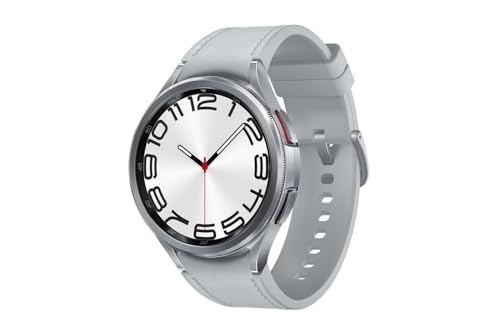
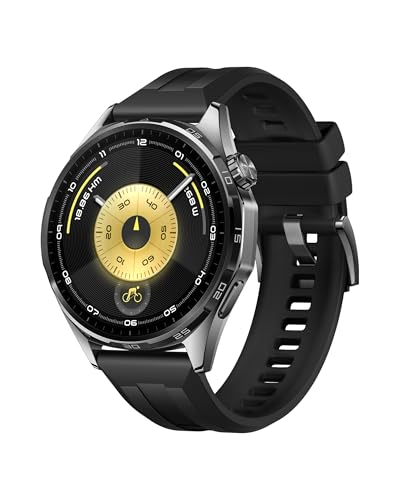
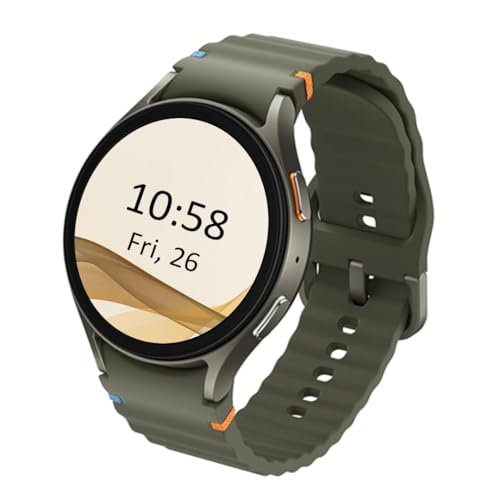
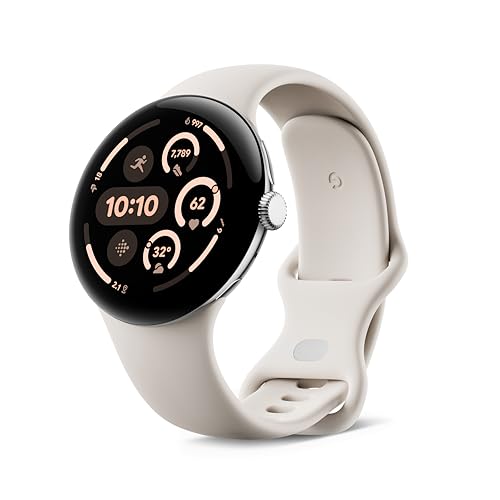
Samsung Galaxy Watch Review | 126 Data compared

double-arrow
  • Avg. price: ~£190
  • Screen size: ?
  • Battery life: ?
  • Display type: AMOLED

Samsung Galaxy Watch review. Compare 126 technical specifications and user reviews to see how it ranks among smartwatches and if it is worth buying.

8.1

Overall score

What it is: An overall evaluation of the smartwatch's quality, based on technical analyses and user reviews.

When it matters: When you need a quick reference to identify the best Smartwatches on the market.

Score components:

90.0%

7.9

Technical Score

10.0%

9.4

User score

Excellent
7.9

Technical Score

What it is: An assessment of the smartwatch's technical performance, covering eight key areas: performance & hardware, software, camera, connectivity, display, battery, audio, and design.

When it matters: When you want to compare Smartwatches based on technical performance and available features.

Score components:

24.0%

7.6

Health

21.0%

9.6

Fitness

16.0%

6.4

Battery

14.0%

7.6

Smart features

12.0%

8.0

Connectivity

9.0%

8.8

Display & Design

4.0%

5.8

Hardware

Very good
9.4

User score

What it is: A rating that combines user reviews and the total number of reviews received by the smartwatch

When it matters: When you want to know how a smartwatch handles daily tasks and how reliable it remains over time according to user feedback.

Score components:

70.0%

9.1

User reviews

30.0%

10

Popularity

User score:
United Kingdom
amazon
4.5
(6169)
amazon
4.5
(1907)
amazon
4.4
(1588)
amazon
4.3
(500)
amazon
4.6
(101)
amazon
4.0
(72)
amazon
4.2
(11)
amazon
5.0
(1)
amazon
4.0
(1)
United States
Amazon_logo.png
4.6
(7269)
Amazon_logo.png
4.5
(6019)

(Reviews last updated: April 2026)

Exceptional
    • samsung-galaxy-watch
    samsung-galaxy-watch

    Best prices in UK

    Best rankings

    ?

    Available: ranking among products currently available (including other versions of this product).
    All: ranking among all products in the database.

    Verdict

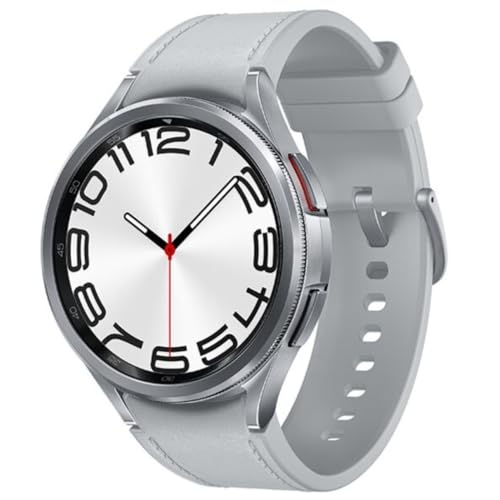
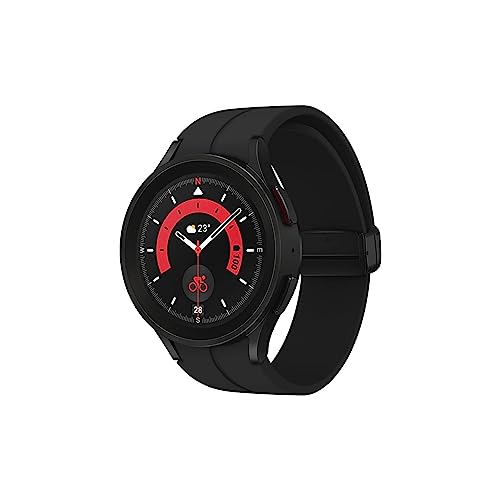
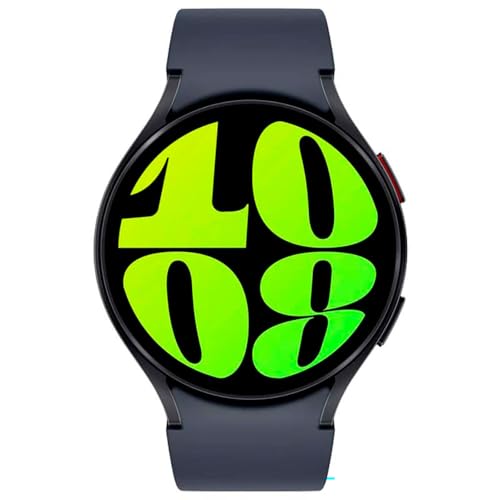
    The Samsung Galaxy Watch 7 series features a powerful 3nm Exynos W1000 processor, 2GB of RAM, and 32GB of internal storage, delivering a highly responsive user experience on Wear OS 5. Available in 40mm and 44mm aluminum cases, it boasts a vibrant Super AMOLED display protected by sapphire crystal and offers comprehensive health tracking via an advanced BioActive sensor, including ECG, blood oxygen, and AI-powered 'Energy Scores.' Main pros include its sleek circular design, accurate heart rate and sleep monitoring, and new dual-frequency GPS for improved outdoor navigation. However, it is limited by a lackluster battery life that typically requires daily charging, and some of its most advanced health features remain restricted exclusively to Samsung smartphone users.

    Technical Specifications of smartwatch Samsung Galaxy Watch

    Technical Score

    What it is: An assessment of the smartwatch's technical performance, covering eight key areas: performance & hardware, software, camera, connectivity, display, battery, audio, and design.

    When it matters: When you want to compare Smartwatches based on technical performance and available features.

    Score components:

    24.0%

    7.6

    Health

    21.0%

    9.6

    Fitness

    16.0%

    6.4

    Battery

    14.0%

    7.6

    Smart features

    12.0%

    8.0

    Connectivity

    9.0%

    8.8

    Display & Design

    4.0%

    5.8

    Hardware

    7.9
    Samsung Galaxy Watch has a technical score of 7.93 points, which is higher than 85.4% of smartwatches.
    User score

    What it is: A rating that combines user reviews and the total number of reviews received by the smartwatch

    When it matters: When you want to know how a smartwatch handles daily tasks and how reliable it remains over time according to user feedback.

    Score components:

    70.0%

    9.1

    User reviews

    30.0%

    10

    Popularity

    User score:
    United Kingdom
    amazon
    4.5
    (6169)
    amazon
    4.5
    (1907)
    amazon
    4.4
    (1588)
    amazon
    4.3
    (500)
    amazon
    4.6
    (101)
    amazon
    4.0
    (72)
    amazon
    4.2
    (11)
    amazon
    5.0
    (1)
    amazon
    4.0
    (1)
    United States
    Amazon_logo.png
    4.6
    (7269)
    Amazon_logo.png
    4.5
    (6019)

    (Reviews last updated: April 2026)

    9.4
    Samsung Galaxy Watch has a user score of 9.35 points, which is higher than 94.2% of smartwatches.
    Popularity
    What it is: An indicator based on the number of reviews received by the smartwatch.
    When it matters: When you prefer to purchase a product chosen and reviewed by many other consumers.
    10
    Samsung Galaxy Watch has a popularity of 10 points, which is higher than 52.6% of products in this category.
    Ratio quality/price

    What it is: An indicator that combines the smartwatch's overall rating with its cost.

    When it matters: When you are looking for a smartwatch with a good balance between quality and price.

    Score components:

    60.0%

    8.1

    Overall score

    40.0%

    9.5

    Price

    8.5
    Samsung Galaxy Watch has a quality-to-price ratio of 8.5 points, which is higher than 89.8% of products in this category.
    Brand name
    What it is: The company that designs, sells, and supports the watch.
    When it matters: When brand ecosystem, style, or support matters to you.

    Importance: MEDIUM

    Samsung
    Heart rate monitor
    What it is: A built-in sensor that measures your pulse directly from the wrist.
    When it matters: When you want health data from your wrist during the day or night.

    Importance: HIGH

    yes
    Samsung Galaxy Watch includes a heart rate monitor. 90.4% of smartwatches include a heart rate monitor.
    Blood oxygen monitoring
    What it is: A wrist-based feature that estimates blood oxygen saturation over time.
    When it matters: When you want health data from your wrist during the day or night.

    Importance: HIGH

    yes
    Samsung Galaxy Watch supports blood oxygen monitoring. 64.4% of smartwatches support blood oxygen monitoring.
    ECG
    What it is: The ability to record a single-lead electrocardiogram from the wrist.
    When it matters: When you want health data from your wrist during the day or night.

    Importance: HIGH

    no
    Samsung Galaxy Watch does not support ECG. 15.1% of smartwatches support ECG.
    Irregular heart rate warnings
    What it is: Notifications that flag heart-rate patterns which appear unusually irregular.
    When it matters: When you want health data from your wrist during the day or night.

    Importance: MEDIUM

    no
    Samsung Galaxy Watch does not support irregular heart rate warnings. 43.7% of smartwatches support irregular heart rate warnings.
    Show more
    Accelerometer
    What it is: A motion sensor that measures acceleration, steps, gestures, and general movement.
    When it matters: When you track workouts and want better training data.

    Importance: MEDIUM

    yes
    Samsung Galaxy Watch includes an accelerometer. 99.1% of smartwatches include an accelerometer.
    Barometer
    What it is: A pressure sensor used for altitude changes, elevation estimates, and weather-related context.
    When it matters: When you run, ride, hike, or navigate without relying on your phone.

    Importance: MEDIUM

    yes
    Samsung Galaxy Watch includes a barometer. 45.6% of smartwatches include a barometer.
    Gyroscope
    What it is: A motion sensor that measures rotation and helps interpret wrist movement more accurately.
    When it matters: When you track workouts and want better training data.

    Importance: MEDIUM

    yes
    Samsung Galaxy Watch includes a gyroscope. 64.6% of smartwatches include a gyroscope.
    Cadence sensor
    What it is: A sensor input used to measure step or pedal rhythm during training.
    When it matters: When you track workouts and want better training data.

    Importance: MEDIUM

    no
    Samsung Galaxy Watch does not include a cadence sensor. 20.1% of smartwatches include a cadence sensor.
    Distance tracking
    What it is: The ability to measure how far you move during walks, runs, rides, or other activities.
    When it matters: When you track workouts and want better training data.

    Importance: MEDIUM

    yes
    Samsung Galaxy Watch supports distance tracking. 95.7% of smartwatches support distance tracking.
    Show more
    Battery life
    What it is: The typical endurance the watch can deliver on a full charge under the stated usage pattern.
    When it matters: When you do not want to charge the watch too often.

    Importance: HIGH

    Good value: >=7 days

    ?
    Battery life in training mode
    What it is: The expected endurance while workout tracking and related training functions are active.
    When it matters: When you do not want to charge the watch too often.

    Importance: HIGH

    Good value: >=36.8 h

    8 h
    Samsung Galaxy Watch lasts 8 h in training mode which is shorter than 73.8% of smartwatches and equal to that of 3.8% of smartwatches.
    Battery life with GPS on
    What it is: The expected runtime when satellite tracking stays active throughout use.
    When it matters: When you do not want to charge the watch too often.

    Importance: HIGH

    Good value: >=35 h

    24 h
    Samsung Galaxy Watch lasts 24 h with GPS on which is longer than 60.6% of smartwatches and equal to that of 2.5% of smartwatches.
    Battery power
    What it is: The battery capacity, usually measured in milliampere-hours (mAh).
    When it matters: When you do not want to charge the watch too often.

    Importance: HIGH

    Good value: >=397 mAh

    394 mAh
    Samsung Galaxy Watch has a battery capacity of 394 mAh which is larger than the batteries in 74.2% of smartwatches of smartwatches.
    Battery capacity varies by case size/model variant.
    Charge time
    What it is: The time needed to recharge the battery from empty to full or to a stated percentage.
    When it matters: When you want to top up the battery quickly.

    Importance: HIGH

    Good value: <=102 min

    120 min
    Samsung Galaxy Watch charges in 120 min which is faster than 12.9% of smartwatches and equal to the charge time of 43.4% of smartwatches.
    Show more
    Operating system
    What it is: The software platform that runs the watch interface, apps, and core functions.
    When it matters: When you care about apps, features, and long-term support.

    Importance: HIGH

    Tizen
    Samsung Galaxy Watch runs Tizen which is more advanced than the operating system in 55.1% of smartwatches and the same as that in 2.3% of smartwatches.
    Software update frequency
    What it is: Shows how actively the watch is still updated: regular means ongoing updates throughout active support, occasional means updates every few months or only from time to time, and ended means active software support has mostly stopped.
    When it matters: When you care how actively the watch is still supported with fixes, patches, and new features.

    Importance: MEDIUM

    ended
    Samsung Galaxy Watch has ended software update support which is less active than that of 42.6% of smartwatches and equal to that of 57.5% of smartwatches.
    Software support appears ended or discontinued.
    Third-party app support
    What it is: Support for installing or using apps from developers beyond the watch maker.
    When it matters: When you care about apps, features, and long-term support.

    Importance: MEDIUM

    yes
    Samsung Galaxy Watch supports third-party apps. 47.6% of smartwatches support third-party apps.
    Notifications
    What it is: Mirroring of calls, messages, apps, or other alerts on the watch.
    When it matters: When you want to check alerts without taking out your phone.

    Importance: MEDIUM

    yes
    Samsung Galaxy Watch supports notifications. 99.9% of smartwatches support notifications.
    Voice assistant support
    What it is: Support for a voice assistant that can answer queries or trigger actions from the wrist.
    When it matters: When you want to control the watch or reply without typing.

    Importance: MEDIUM

    yes
    Samsung Galaxy Watch supports voice assistants. 68% of smartwatches support voice assistants.
    Show more
    Cellular module
    What it is: Built-in mobile connectivity that can keep the watch online away from the phone.
    When it matters: When you want calls, messages, or data without your phone nearby.

    Importance: HIGH

    ?
    SIM cards
    What it is: The number or type of SIM options the watch accepts for cellular service.
    When it matters: When you want calls, messages, or data without your phone nearby.

    Importance: LOW

    Good value: eSIM support

    ?
    GPS
    What it is: Built-in satellite positioning that lets the watch record location during outdoor activity.
    When it matters: When you run, ride, hike, or navigate without relying on your phone.

    Importance: HIGH

    yes
    Samsung Galaxy Watch supports GPS. 56.1% of smartwatches support GPS.
    Galileo support
    What it is: Support for Galileo satellites alongside other positioning systems.
    When it matters: When you run, ride, hike, or navigate without relying on your phone.

    Importance: MEDIUM

    no
    Samsung Galaxy Watch does not support Galileo navigation. 38.7% of smartwatches support Galileo navigation.
    Compass
    What it is: A directional sensor that helps the watch determine heading and orientation.
    When it matters: When you run, ride, hike, or navigate without relying on your phone.

    Importance: MEDIUM

    no
    Samsung Galaxy Watch does not include a compass. 49.3% of smartwatches include a compass.
    Show more
    Screen size
    What it is: The diagonal measurement of the visible display area, usually expressed in inches.
    When it matters: When you want the screen to be easy to read at a glance.

    Importance: HIGH

    Good value: >=1.5 inch

    ?
    Display type
    What it is: The screen technology used by the watch, such as AMOLED, OLED, or memory-in-pixel LCD.
    When it matters: When you want the screen to be easy to read at a glance.

    Importance: HIGH

    AMOLED
    Samsung Galaxy Watch uses a AMOLED display type which is more advanced than that of 48.8% of smartwatches and the same as that of 51.3% of smartwatches.
    Resolution
    What it is: The total number of pixels available on the watch display.
    When it matters: When you want the screen to be easy to read at a glance.

    Importance: MEDIUM

    Good value: >=416 x 416

    360 x 360
    Samsung Galaxy Watch has a display resolution of 360x360 which is higher than that of 50.2% of smartwatches and equal to that of 6.7% of smartwatches.
    Pixel density
    What it is: The number of pixels packed into each inch of the display.
    When it matters: When you want the screen to be easy to read at a glance.

    Importance: MEDIUM

    Good value: >=326 ppi

    278 ppi
    Samsung Galaxy Watch has a pixel density of 278 ppi which is lower than that of 70.5% of smartwatches and equal to that of 0.9% of smartwatches.
    Display brightness
    What it is: The peak brightness the display can reach, usually expressed in nits.
    When it matters: When you want the screen to stay readable outdoors and in strong sunlight.

    Importance: HIGH

    Good value: >=1000 nits

    2000 nits
    Samsung Galaxy Watch reaches 2000 nits nits of display brightness, which is higher than that of 88.9% of smartwatches and equal to that of 5.8% of smartwatches.
    Show more
    CPU speed
    What it is: The clock speed of the watch processor, usually expressed in GHz or MHz.
    When it matters: When you want apps and menus to feel smooth.

    Importance: MEDIUM

    Good value: Modern standard

    2 x 1.15 GHz
    Samsung Galaxy Watch uses a CPU configuration of 2x1.15 GHz which is faster than that in 69.6% of smartwatches and equal to that in 2% of smartwatches.
    Derived from core-count and per-core clock notation
    Processor model
    What it is: The processor model is the chipset or SoC that powers the watch's performance, connectivity, and efficiency.
    When it matters: When you care about app responsiveness, platform generation, and long-term feature support.

    Importance: LOW

    Good value: modern smartwatch chipset

    Exynos 9110
    Samsung Galaxy Watch uses the Exynos 9,110 processor model.
    RAM
    What it is: The amount of working memory available for apps, watch faces, and background tasks.
    When it matters: When you want apps and menus to feel smooth.

    Importance: MEDIUM

    Good value: >=1 GB

    0.768 GB
    Samsung Galaxy Watch has 0.768 GB of RAM which is smaller than the RAM in 68.1% of smartwatches and equal to that of 0.8% of smartwatches.
    Internal storage
    What it is: Built-in storage for apps, music, watch faces, and other local data.
    When it matters: When you want more room for apps, music, or offline data.

    Importance: MEDIUM

    Good value: >=8 GB

    4 GB
    Samsung Galaxy Watch uses 4 GB for internal storage which is larger than that of 40.5% of smartwatches and equal to that of 26.9% of smartwatches.
    External memory slot
    What it is: A slot for expandable storage such as a memory card, if the watch provides one.
    When it matters: When you want more room for apps, music, or offline data.

    Importance: LOW

    no
    Samsung Galaxy Watch does not include an external memory slot. 0.3% of smartwatches include an external memory slot.
    Show more

    Samsung Galaxy Watch vs the average smartwatch

    • 1,400 nits higher display brightness
      Samsung Galaxy Watch has higher display brightness than the average smartwatch (2000 nits nits vs 600 nits nits). The average smartwatch reaches 600 nits nits.
      What it is: The peak brightness the display can reach, usually expressed in nits.
      When it matters: When you want the screen to stay readable outdoors and in strong sunlight.

      Importance: HIGH

      Good value: >=1000 nits

      Samsung Galaxy Watch has higher display brightness than the average smartwatch (2000 nits nits vs 600 nits nits). The average smartwatch reaches 600 nits nits.2000 nits vs 600 nits
    • Includes wireless charging
      Samsung Galaxy Watch supports wireless charging, the average smartwatch does not. 24.9% of smartwatches support wireless charging.
      What it is: Support for recharging the watch through a charging pad, puck, or other cable-free method.
      When it matters: When you want to top up the battery quickly.

      Importance: MEDIUM

      Samsung Galaxy Watch supports wireless charging, the average smartwatch does not. 24.9% of smartwatches support wireless charging.
    • Has blood pressure monitoring
      Samsung Galaxy Watch supports blood pressure monitoring, the average smartwatch does not. 21.7% of smartwatches support blood pressure monitoring.
      Availability may vary by model or region.
      What it is: Blood pressure measurement or estimation features available through the watch ecosystem.
      When it matters: When you want health data from your wrist during the day or night.

      Importance: HIGH

      Samsung Galaxy Watch supports blood pressure monitoring, the average smartwatch does not. 21.7% of smartwatches support blood pressure monitoring.
    • Stronger display glass
      Samsung Galaxy Watch uses Corning Gorilla Glass DX+ display glass, while the average smartwatch uses mineral glass.
      What it is: The glass material or protective cover used over the display.
      When it matters: When you want the screen to be easy to read at a glance.

      Importance: MEDIUM

      Good value: Sapphire or Gorilla Glass

      Samsung Galaxy Watch uses Corning Gorilla Glass DX+ display glass, while the average smartwatch uses mineral glass.Corning Gorilla Glass DX+ vs mineral glass
    • Has NFC
      Samsung Galaxy Watch supports NFC, the average smartwatch does not. 42.5% of smartwatches support NFC.
      What it is: Near-field communication hardware used for payments, pairing, or quick tap-based actions.
      When it matters: When you want to pay quickly or pair devices with a tap.

      Importance: HIGH

      Samsung Galaxy Watch supports NFC, the average smartwatch does not. 42.5% of smartwatches support NFC.
    • Has HRV tracking
      Samsung Galaxy Watch supports HRV tracking, the average smartwatch does not. 38.2% of smartwatches support HRV tracking.
      HRV tracking may depend on companion or third-party apps.
      What it is: Measurement of heart-rate variability, the change in timing between heartbeats.
      When it matters: When you want health data from your wrist during the day or night.

      Importance: MEDIUM

      Samsung Galaxy Watch supports HRV tracking, the average smartwatch does not. 38.2% of smartwatches support HRV tracking.
    • Supports Emergency SOS
      Samsung Galaxy Watch includes Emergency SOS, the average smartwatch does not. 42.4% of smartwatches include Emergency SOS.
      What it is: An emergency feature that can contact help or alert trusted people from the watch.
      When it matters: When you want extra help in an emergency.

      Importance: HIGH

      Samsung Galaxy Watch includes Emergency SOS, the average smartwatch does not. 42.4% of smartwatches include Emergency SOS.
    • Has multi-sport mode
      Samsung Galaxy Watch includes a multi-sport mode, the average smartwatch does not. 49.4% of smartwatches include a multi-sport mode.
      What it is: A training mode designed to handle multiple sports within a single session.
      When it matters: When you track workouts and want better training data.

      Importance: MEDIUM

      Samsung Galaxy Watch includes a multi-sport mode, the average smartwatch does not. 49.4% of smartwatches include a multi-sport mode.
    • Has blood pressure monitoring
      Samsung Galaxy Watch supports blood pressure monitoring, the average smartwatch does not. 21.7% of smartwatches support blood pressure monitoring.
    • Has HRV tracking
      Samsung Galaxy Watch supports HRV tracking, the average smartwatch does not. 38.2% of smartwatches support HRV tracking.
    • Supports calorie tracking
      Samsung Galaxy Watch supports calorie tracking, the average smartwatch does not. 43.8% of smartwatches support calorie tracking.
    • Has weight tracking
      Samsung Galaxy Watch supports weight tracking, the average smartwatch does not. 39.2% of smartwatches support weight tracking.
    • Supports water intake tracking
      Samsung Galaxy Watch tracks water intake, the average smartwatch does not. 48.2% of smartwatches track water intake.
    • Has multi-sport mode
      Samsung Galaxy Watch includes a multi-sport mode, the average smartwatch does not. 49.4% of smartwatches include a multi-sport mode.
    • Has barometer
      Samsung Galaxy Watch includes a barometer, the average smartwatch does not. 45.6% of smartwatches include a barometer.
    • Has external HR monitor
      Samsung Galaxy Watch supports external heart rate monitor compatibility, the average smartwatch does not. 41.3% of smartwatches support external heart rate monitor compatibility.
    • Includes wireless charging
      Samsung Galaxy Watch supports wireless charging, the average smartwatch does not. 24.9% of smartwatches support wireless charging.
    • 94 mAh larger battery capacity
      Samsung Galaxy Watch has a larger battery capacity than the average smartwatch (394 mAh vs 300 mAh). The average smartwatch battery is 300 mAh.
    • Better battery type
      Samsung Galaxy Watch uses a Li-Po battery, while the average smartwatch uses Li-ion.
    • 4 h longer GPS battery life
      Samsung Galaxy Watch lasts longer with GPS on than the average smartwatch (24 h vs 20 h). The average smartwatch lasts 20 h.
    • Has NFC
      Samsung Galaxy Watch supports NFC, the average smartwatch does not. 42.5% of smartwatches support NFC.
    • Supports Wi-Fi
      Samsung Galaxy Watch supports Wi-Fi, the average smartwatch does not. 43.4% of smartwatches support Wi-Fi.
    • 1,400 nits higher display brightness
      Samsung Galaxy Watch has higher display brightness than the average smartwatch (2000 nits nits vs 600 nits nits). The average smartwatch reaches 600 nits nits.
    • Stronger display glass
      Samsung Galaxy Watch uses Corning Gorilla Glass DX+ display glass, while the average smartwatch uses mineral glass.
    • Has rugged design
      Samsung Galaxy Watch has a rugged design, the average smartwatch does not. 34.5% of smartwatches have a rugged design.
    • Better case material
      Samsung Galaxy Watch uses stainless steel for the case material, while the average smartwatch uses polycarbonate.
    • Supports Emergency SOS
      Samsung Galaxy Watch includes Emergency SOS, the average smartwatch does not. 42.4% of smartwatches include Emergency SOS.
    • Supports third-party apps
      Samsung Galaxy Watch supports third-party apps, the average smartwatch does not. 47.6% of smartwatches support third-party apps.
    • More advanced operating system
      Samsung Galaxy Watch runs a more advanced operating system than the average smartwatch (Tizen vs Proprietary OS).
    • Faster CPU speed
      Samsung Galaxy Watch uses a CPU configuration of 2x1.15 GHz, while the average smartwatch uses 1 GHz.
    • 41 fewer exercise profiles
      Samsung Galaxy Watch supports fewer exercise modes than the average smartwatch (39 vs 80). The average smartwatch supports 80 exercise modes.
    • 12 h shorter training battery life
      Samsung Galaxy Watch lasts less in training mode than the average smartwatch (8 h vs 20 h). The average smartwatch lasts 20 h.
    • Older Bluetooth version
      Samsung Galaxy Watch supports an older Bluetooth version than the average smartwatch (4.2 vs 5.0). The average smartwatch uses 5.0.
    • 48 ppi lower pixel density
      Samsung Galaxy Watch has a lower pixel density than the average smartwatch (278 ppi vs 326 ppi). The average smartwatch display reaches 326 ppi.
    • 18 g heavier weight
      Samsung Galaxy Watch is heavier than the average smartwatch (63 g vs 45 g). The average smartwatch weighs 45 g.
    • 1.1 mm thicker watch body
      Samsung Galaxy Watch is thicker than the average smartwatch (12.7 mm vs 11.60 mm). The average smartwatch thickness is 11.60 mm.
    • No smart alarm
      Samsung Galaxy Watch does not support a smart alarm, the average smartwatch does. 52.7% of smartwatches support this feature.
      No native smart alarm; third-party app required.
    • 0.23 GB less RAM
      Samsung Galaxy Watch has less RAM than the average smartwatch (0.8 GB vs 1 GB). The average smartwatch includes 1 GB of RAM.
    • 3 year/s older release date
      Samsung Galaxy Watch is an older model than the average smartwatch (2018 vs 2021). The average smartwatch was released in 2021.
      August 2018
    • Less advanced processor model
      Samsung Galaxy Watch uses the Exynos 9,110 processor model, while the average smartwatch uses Snapdragon 400.
    • No smart alarm
      Samsung Galaxy Watch does not support a smart alarm, the average smartwatch does. 52.7% of smartwatches support this feature.
      No native smart alarm; third-party app required.
      What it is: A smart alarm tries to wake you during a lighter sleep phase within a chosen time window instead of at one fixed minute.
      When it matters: It matters if you wear your smartwatch overnight and want a gentler wake-up based on your sleep pattern rather than a standard fixed alarm.

      Importance: LOW

      Samsung Galaxy Watch does not support a smart alarm, the average smartwatch does. 52.7% of smartwatches support this feature.
    • 12 h shorter training battery life
      Samsung Galaxy Watch lasts less in training mode than the average smartwatch (8 h vs 20 h). The average smartwatch lasts 20 h.
      What it is: The expected endurance while workout tracking and related training functions are active.
      When it matters: When you do not want to charge the watch too often.

      Importance: HIGH

      Good value: >=36.8 h

      Samsung Galaxy Watch lasts less in training mode than the average smartwatch (8 h vs 20 h). The average smartwatch lasts 20 h.8 h vs 20 h
    • 48 ppi lower pixel density
      Samsung Galaxy Watch has a lower pixel density than the average smartwatch (278 ppi vs 326 ppi). The average smartwatch display reaches 326 ppi.
      What it is: The number of pixels packed into each inch of the display.
      When it matters: When you want the screen to be easy to read at a glance.

      Importance: MEDIUM

      Good value: >=326 ppi

      Samsung Galaxy Watch has a lower pixel density than the average smartwatch (278 ppi vs 326 ppi). The average smartwatch display reaches 326 ppi.278 ppi vs 326 ppi
    • 18 g heavier weight
      Samsung Galaxy Watch is heavier than the average smartwatch (63 g vs 45 g). The average smartwatch weighs 45 g.
      What it is: The total mass of the watch body, usually expressed in grams.
      When it matters: When you wear the watch all day or sleep with it on.

      Importance: HIGH

      Good value: <=37 g

      Samsung Galaxy Watch is heavier than the average smartwatch (63 g vs 45 g). The average smartwatch weighs 45 g.63.0 g vs 45 g
    • 0.23 GB less RAM
      Samsung Galaxy Watch has less RAM than the average smartwatch (0.8 GB vs 1 GB). The average smartwatch includes 1 GB of RAM.
      What it is: The amount of working memory available for apps, watch faces, and background tasks.
      When it matters: When you want apps and menus to feel smooth.

      Importance: MEDIUM

      Good value: >=1 GB

      Samsung Galaxy Watch has less RAM than the average smartwatch (0.8 GB vs 1 GB). The average smartwatch includes 1 GB of RAM.0.768 GB vs 1 GB
    • Older Bluetooth version
      Samsung Galaxy Watch supports an older Bluetooth version than the average smartwatch (4.2 vs 5.0). The average smartwatch uses 5.0.
      What it is: The Bluetooth standard supported for pairing with phones, earbuds, and sensors.
      When it matters: When you want the watch to work smoothly with your phone and accessories.

      Importance: MEDIUM

      Good value: >=5.1

      Samsung Galaxy Watch supports an older Bluetooth version than the average smartwatch (4.2 vs 5.0). The average smartwatch uses 5.0.4.2 vs 5.0
    • 1.1 mm thicker watch body
      Samsung Galaxy Watch is thicker than the average smartwatch (12.7 mm vs 11.60 mm). The average smartwatch thickness is 11.60 mm.
      What it is: The depth of the watch body from front to back.
      When it matters: When you wear the watch all day or sleep with it on.

      Importance: HIGH

      Good value: <=10.9 mm

      Samsung Galaxy Watch is thicker than the average smartwatch (12.7 mm vs 11.60 mm). The average smartwatch thickness is 11.60 mm.12.70 mm vs 11.60 mm
    • 3 year/s older release date
      Samsung Galaxy Watch is an older model than the average smartwatch (2018 vs 2021). The average smartwatch was released in 2021.
      August 2018
      What it is: The period when the watch first reached the market.
      When it matters: When you want a newer watch with longer support.

      Importance: MEDIUM

      Good value: 2023 or newer

      Samsung Galaxy Watch is an older model than the average smartwatch (2018 vs 2021). The average smartwatch was released in 2021.2018 vs 2021

    Graphic comparison of Samsung Galaxy Watch and other Smartwatches

    Attribute category
    Attribute
    No results found

    Third-party reviews

    What customers like about Samsung Galaxy Watch?

    • Vibrant and bright Super AMOLED displays (up to 3,000 nits on Ultra/Watch 8 models) for excellent outdoor visibility
    • Lightweight and comfortable design suitable for 24/7 wear and sleep tracking
    • Highly accurate heart rate monitoring and fitness tracking using improved BioActive sensors
    • Advanced health features including FDA-authorised sleep apnoea detection and a new Energy Score
    • Premium build quality with high durability (Sapphire Crystal glass and MIL-STD-810H certification)
    • Smooth and responsive user interface powered by updated Exynos processors and Wear OS
    • Large selection of third-party apps and watch faces available via the Google Play Store

    What customers dislike about Samsung Galaxy Watch?

    • Generally poor battery life, typically requiring daily charging (24-30 hours) for standard models
    • Several key features (ECG, blood pressure, sleep apnoea detection) are restricted to users with Samsung Galaxy smartphones
    • Charging speeds are relatively slow, often taking over an hour for a full charge
    • The 'Ultra' model can feel bulky or oversized, especially for users with smaller wrists
    • Lack of a physical rotating bezel on standard models, making digital bezel navigation less intuitive
    • No compatibility with iOS devices (iPhones) since the shift to Wear OS

    Expert reviews

    T
    techradar.com
    16/06/2021
    Summary of the review
    A
    au.pcmag.com
    08/09/2018
    Summary of the review
    H
    hifitest.de
    09/08/2018
    Summary of the review
    C
    chip.de
    26/10/2018
    Summary of the review
    M
    markdeu.com
    20/03/2021
    Summary of the review
    N
    nextpit.de
    13/10/2018
    Summary of the review
    G
    giga.de
    01/12/2018
    Summary of the review
    H
    heise.de
    14/10/2018
    Summary of the review
    N
    netzwelt.de
    13/12/2018
    Summary of the review
    S
    sport-passion.fr
    23/02/2019
    Summary of the review
    L
    lesnumeriques.com
    02/10/2018
    Summary of the review
    M
    montre-cardio-gps.fr
    05/12/2018
    Summary of the review
    N
    nakan.ch
    04/02/2019
    Summary of the review
    L
    lesnumeriques.com
    02/11/2018
    Summary of the review
    0
    01net.com
    02/10/2018
    Summary of the review
    F
    frandroid.com
    16/10/2018
    Summary of the review
    E
    es.gizmodo.com
    03/09/2018
    Summary of the review
    S
    smartworld.it
    23/10/2018
    Summary of the review
    T
    techdifferent.it
    19/12/2018
    Summary of the review
    G
    global.techradar.com
    01/10/2019
    Summary of the review
    E
    evosmart.it
    23/10/2018
    Summary of the review
    A
    andreagaleazzi.com
    21/09/2018
    Summary of the review
    G
    global.techradar.com
    23/06/2019
    Summary of the review
    A
    androidplanet.nl
    01/06/2021
    Summary of the review
    T
    tweakers.net
    28/04/2020
    Summary of the review
    G
    global.techradar.com
    23/06/2019
    Summary of the review
    A
    androidworld.nl
    18/12/2018
    Summary of the review
    T
    tweakers.net
    08/09/2018
    Summary of the review

    Video reviews

    Compare Samsung Galaxy Watch with other Smartwatches

    VS
    VS

    Compare