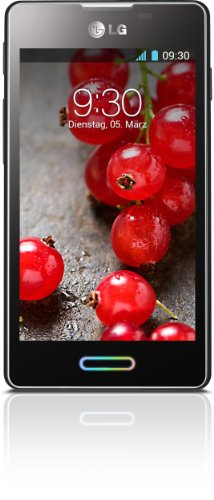
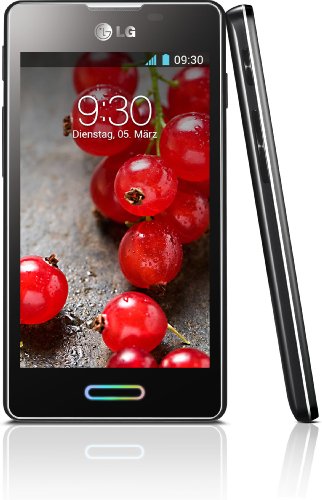
LG Optimus L5 II (512MB + 4GB) review. Compare 197 technical specifications and user reviews to see how this product ranks in the Smartphones category and whether it is worth buying.
Overall score
What it is: An overall evaluation of the smartphone's quality, based on technical analyses and user reviews.
When it matters: When you need a quick reference to identify the best smartphones on the market.
Score components:
90.0%
Technical Score
10.0%
User score
Technical Score
What it is: An assessment of the smartphone's technical performance, covering eight key areas: performance & hardware, software, camera, connectivity, display, battery, audio, and design.
When it matters: When you want to compare smartphones based on technical performance and available features.
Score components:
25.0%
Performance & Hardware
18.0%
Camera
15.0%
Display
15.0%
Battery
10.0%
Software
10.0%
Connectivity
4.0%
Audio
3.0%
Design
User score
What it is: A rating that combines user reviews and the total number of reviews received by the smartphone
When it matters: When you want to know how a smartphone handles daily tasks and how reliable it remains over time according to user feedback.
Score components:
70.0%
User reviews
30.0%
Popularity
Available: ranking among products currently available (including other versions of this product).
All: ranking among all products in the database.
#24 in Best LG Smartphones
#197 in Best Compact Smartphones
#1005 in Best Smartphones Under £200
#1318 in Best Smartphones Under £250
#1550 in Best Smartphones Under £300
#1887 in Best Smartphones Under £400
#2084 in Best Smartphones Under £500
#2300 in Best NFC Smartphones
#2623 in Best Android Smartphones
#2659 in Best Value Smartphones
#2766 in Best Smartphones
What it is: An assessment of the smartphone's technical performance, covering eight key areas: performance & hardware, software, camera, connectivity, display, battery, audio, and design.
When it matters: When you want to compare smartphones based on technical performance and available features.
Score components:
25.0%
Performance & Hardware
18.0%
Camera
15.0%
Display
15.0%
Battery
10.0%
Software
10.0%
Connectivity
4.0%
Audio
3.0%
Design
What it is: A rating that combines user reviews and the total number of reviews received by the smartphone
When it matters: When you want to know how a smartphone handles daily tasks and how reliable it remains over time according to user feedback.
Score components:
70.0%
User reviews
30.0%
Popularity
What it is: An indicator that combines the smartphone's overall rating with its cost.
When it matters: When you are looking for a smartphone with a good balance between quality and price.
Score components:
60.0%
Overall score
40.0%
Price
Importance: LOW
Importance: HIGH
Importance: HIGH
Good value: >12 GB
Importance: MEDIUM
Good value: >256 GB
Importance: MEDIUM
Good value: >3.2 GHz
Importance: LOW
Importance: MEDIUM
Good value: >1500
Importance: LOW
Good value: >4000
Importance: LOW
Good value: 8+
Importance: LOW
Importance: LOW
Good value: >950 MHz
Importance: LOW
Good value: >700
Importance: LOW
Good value: >1000
Importance: LOW
Good value: >2500
Importance: MEDIUM
Good value: >6000
Importance: LOW
Good value: >8000
Importance: MEDIUM
Good value: >12000
Importance: LOW
Good value: >5000
Importance: LOW
Good value: >1800
Importance: LOW
Good value: >3200 MHz
Importance: LOW
Good value: 5
Importance: LOW
Good value: > 50 GB/s
Importance: LOW
Good value: 4
Importance: LOW
Good value: >16 GB
Importance: MEDIUM
Good value: <6 nm
Importance: MEDIUM
Good value: >9 W
Importance: LOW
Importance: LOW
Good value: >8192 KB
Importance: LOW
Good value: >2048 KB
Importance: LOW
Good value: >512 KB
Importance: LOW
Good value: >100000 million
Importance: LOW
Good value: 3.3
Importance: LOW
Good value: 3.2
Importance: LOW
Good value: 2.0/3.0
Importance: LOW
Importance: LOW
Importance: LOW
Importance: MEDIUM
Importance: LOW
Importance: LOW
Importance: LOW
Importance: LOW
Importance: LOW
Importance: LOW
Importance: LOW
Importance: LOW
Importance: LOW
Importance: LOW
Importance: LOW
Importance: LOW
Importance: LOW
Importance: LOW
Importance: LOW
Importance: LOW
Importance: LOW
Importance: LOW
Importance: LOW
Importance: LOW
Importance: LOW
Importance: LOW
Importance: LOW
Importance: LOW
Importance: LOW
Importance: LOW
Importance: LOW
Importance: LOW
Importance: LOW
Importance: LOW
Importance: LOW
Importance: LOW
Importance: LOW
Importance: MEDIUM
Good value: >50 MP
Importance: MEDIUM
Importance: HIGH
Good value: >60
Importance: LOW
Good value: ≥1.2 µm
Importance: MEDIUM
Good value: >2.5x
Importance: MEDIUM
Importance: LOW
Importance: LOW
Importance: LOW
Importance: LOW
Good value: ≥2
Importance: LOW
Importance: LOW
Importance: LOW
Importance: LOW
Good value: >16 MP
Importance: LOW
Importance: LOW
Importance: LOW
Importance: LOW
Importance: MEDIUM
Importance: LOW
Importance: LOW
Importance: LOW
Importance: LOW
Importance: LOW
Importance: LOW
Importance: LOW
Importance: LOW
Importance: LOW
Importance: LOW
Importance: LOW
Importance: LOW
Importance: LOW
Importance: LOW
Importance: LOW
Importance: LOW
Importance: LOW
Importance: LOW
Importance: LOW
Importance: LOW
Importance: LOW
Good value: >130
Importance: LOW
Good value: >120
Importance: LOW
Good value: ≥2
Importance: LOW
Importance: LOW
Importance: LOW
Importance: LOW
Importance: LOW
Importance: LOW
Good value: >5.2
Importance: LOW
Importance: LOW
Importance: LOW
Importance: LOW
Good value: 3.1/3.2
Importance: LOW
Importance: LOW
Importance: LOW
Good value: ≥2
Importance: LOW
Importance: LOW
Importance: LOW
Importance: LOW
Importance: LOW
Importance: LOW
Importance: LOW
Importance: LOW
Importance: LOW
Importance: LOW
Importance: LOW
Importance: LOW
Importance: LOW
Importance: LOW
Importance: LOW
Importance: LOW
Good value: ≥6.6 inches
Importance: MEDIUM
Importance: LOW
Good value: >400 ppi
Importance: MEDIUM
Importance: MEDIUM
Good value: ≥120 Hz
Importance: LOW
Importance: LOW
Good value: >300 Hz
Importance: LOW
Good value: >800 nits
Importance: LOW
Good value: >1300 nits
Importance: LOW
Good value: >1000 nits
Importance: LOW
Importance: LOW
Importance: LOW
Importance: LOW
Importance: LOW
Importance: LOW
Importance: LOW
Importance: LOW
Importance: HIGH
Good value: >5000 mAh
Importance: MEDIUM
Good value: >60 W
Importance: LOW
Importance: LOW
Good value: <45 min
Importance: LOW
Importance: LOW
Good value: >40 W
Importance: LOW
Importance: LOW
Good value: >10 W
Importance: LOW
Importance: LOW
Importance: MEDIUM
Importance: LOW
Good value: >800
Importance: LOW
Importance: LOW
Importance: LOW
Importance: LOW
Importance: LOW
Good value: ≥3
Importance: LOW
Importance: LOW
Importance: LOW
Importance: LOW
Importance: LOW
Importance: LOW
Importance: LOW
Good value: <162 mm
Importance: LOW
Good value: <75 mm
Importance: LOW
Good value: <8 mm
Importance: LOW
Good value: <190 g
Importance: LOW
Good value: <98cm³
Importance: LOW
Importance: LOW
Importance: LOW
Importance: LOW
Importance: LOW
Importance: LOW
Good value: ≥1.5 m
Importance: LOW
Importance: LOW
Good value: >8
Importance: LOW
Importance: LOW
Importance: LOW
Importance: LOW
Good value: <190 g
Importance: LOW
Good value: <75 mm
Importance: LOW
Good value: <162 mm
Importance: LOW
Importance: LOW
Importance: LOW
Good value: <98cm³
Importance: HIGH
Importance: MEDIUM
Importance: MEDIUM
Good value: ≥120 Hz
Importance: MEDIUM
Good value: >256 GB
Importance: MEDIUM
Importance: LOW
Importance: MEDIUM
Good value: <6 nm
Importance: MEDIUM
Good value: >50 MP
The LG Optimus L5 II E610 is a budget-friendly, compact Android device featuring a superior 4-inch IPS LCD screen for its price point, offering good brightness and viewing angles despite lacking an auto-brightness sensor. The design includes a customizable "Quick Button" and a functional, though basic, plastic build with a unique LED-lit home button. While the 1GHz single-core processor and 512MB RAM ensure a smooth, basic user experience, performance falters with heavy multitasking or gaming. The 5-megapixel camera includes a voice-activated shutter but generally produces mediocre, washed-out images, compounded by the significant drawback of lacking a front-facing camera. However, the device provides reliable, slightly above-average battery life, often lasting over a full day. Ultimately, it is a serviceable, entry-level phone for basic tasks, but it lacks the power and camera quality found in higher-end models.
TechRadar's review of the LG Optimus L5 II identifies it as a budget-friendly handset with a compact, comfortable design, a good 4-inch display, and useful features like a customizable "Quick Button" and an LED-lit home button. While the plastic body is noted as a fingerprint magnet, the screen's quality is considered a strong point for its price, though it lacks an automatic brightness sensor. Performance is driven by a 1GHz single-core processor and 512MB of RAM, which is generally adequate for basic tasks with the intuitive LG UI, though it can suffer from lag and stutter during moderate usage. The device features NFC, but the limited 4GB internal storage is a significant drawback, forcing reliance on a microSD card for media, as apps cannot be moved to it. The 5-megapixel rear camera is a weak point, producing washed-out, noisy images and offering only VGA video recording, with no front-facing camera for video calls. A major highlight is the 1,700mAh battery, which provides impressive, long-lasting power, often lasting a full day to a day-and-a-half.
The Expert Reviews assessment of the LG Optimus L5 II highlights a budget-friendly, entry-level smartphone featuring a capable 4-inch IPS display and a 1GHz processor. While the device offers a decent, user-friendly interface, it is constrained by limited internal storage and significant lag under heavy, multitasking workloads. A major drawback identified is the underperforming 5-megapixel camera, which produces low-quality images, although it does feature a functional voice-activated shutter. Despite these camera limitations, the handset stands out for its strong battery life and useful, customizable "Quick Button". The review concludes that while the L5 II is a serviceable, stylish device, competitors like the Huawei Ascend G510 offer better value.
The LG Optimus L5 II is a budget-friendly smartphone that aims to provide essential features at a competitive price point, originally retailing for approximately £115. It features a 4-inch LCD touchscreen with an 800x480 resolution, offering a significant improvement over its predecessor, though it lacks the sharpness of high-end HD displays. A notable design element is the LED-lit home button that changes color for different notifications, alongside a programmable function button and a lightweight plastic build designed to look like brushed aluminum. The device's performance is driven by a 1GHz processor and Android 4.1.2 Jelly Bean, which provides a functional but occasionally slow user experience, particularly when loading busy web pages. A primary strength is its decent battery life, which can last nearly two full days under heavy use. Additionally, it includes "Safety Care," a specialized app for elderly or vulnerable users that sends automated alert texts during emergencies or periods of inactivity. However, the phone has several significant drawbacks, most notably its poor camera quality and lack of a front-facing lens for video calls. The 5-megapixel rear camera often...
Netzwelt identifies the LG Optimus L5 II as a compact, solid entry-level smartphone featuring a bright 4-inch IPS display and unique software, including a "Quick Button" and Safety Care app. Pros include smooth performance for basic tasks on Android 4.1.2 via its 1 GHz processor, impressive two-day battery life from the 1,700 mAh battery, and rare NFC support in its budget class. Cons focus on the 5-megapixel camera, which lacks detail and a front-facing lens, alongside very limited 1.4 GB usable storage, no app-to-SD support, and a lack of auto-brightness.
The LG Optimus L5 II is a compact, 4-inch, entry-level smartphone featuring an impressive IPS LCD screen with high brightness (374 cd/m²) and a stylish "L-Style" design, according to. It provides essential modern connectivity, including NFC and HSPA, within a lightweight 9mm body. Powered by a 1 GHz processor, the device is considered snappy for daily tasks and includes practical features like QuickMemo and Cheese Shutter. Key limitations include the lack of a front camera, a mediocre 5-megapixel rear camera that struggles with color accuracy, and only 512 MB of RAM, which limits performance for heavy multitasking or gaming. Despite these, it is a solid budget choice for basic smartphone usage, offering good value.
The LG Optimus L5 II is a lightweight, 4-inch Android 4.1.2 device featuring a 1 GHz single-core processor, NFC, and a 5-megapixel camera that performs well in daylight. Key limitations include limited internal storage—with only about 1.5 GB usable for apps—and a low 800 x 480 display resolution, though it offers decent battery life of over 6 hours of browsing. PC-WELT concludes it is a capable sub-200 euro budget phone, provided users accept its limitations in handling multitasking and high-definition media.
The LG Optimus L5 is a budget-friendly, compact smartphone that prioritizes aesthetic design and comfortable one-handed use, featuring a stylish, angular chassis. Key advantages include the inclusion of NFC for mobile payments and a highly customizable user interface. However, the device is held back by a 4-inch, low-resolution screen (320x480) with poor viewing angles, and a sluggish 800 MHz processor that struggles with multitasking. Performance, particularly when running multiple applications, is frequently described as slow, while the 5-megapixel camera produces only adequate, sometimes noisy, results. The device's main strengths, aside from its design, lie in its good battery life, which can last nearly two days, and a user-friendly interface. Overall, it is considered a suitable option for first-time users or those on a strict budget who prioritize form over raw performance.
The LG Optimus L5 II (E460) is an entry-level Android smartphone noted for its compact 103g design and high-quality 4.0-inch IPS LCD display, which features solid viewing angles. However, the device lacks an automatic brightness sensor and suffers from limited internal storage, with only about 1.4 GB to 2 GB available for user applications. Performance is driven by a single-core 1 GHz processor and 512 MB of RAM, resulting in significant bottlenecks during multitasking or when running demanding apps. Despite these drawbacks, the device offers excellent battery longevity from its 1,700 mAh cell and functional software features like QuickMemo. For more details on the LG Optimus L5 II, visit Notebookcheck.
The LG Optimus L5 II is a compact, entry-level smartphone featuring a bright 4-inch IPS LCD, a lightweight 100g design with a functional, multi-colored LED notification light, and a dedicated "Quick Button". While the 1 GHz processor is sufficient for daily navigation, it struggles with heavy tasks, and users must contend with limited storage, offering only about 1.4GB for apps and media. However, the device boasts strong battery life, lasting nearly two days on a single 1,700 mAh charge. The 5-megapixel rear camera is considered a weak point, producing grainy, low-detail photos in low light, with video recording limited to a low-resolution VGA setting. Despite these drawbacks, the phone is appreciated for its practical, pocket-friendly design. For a detailed analysis of the LG Optimus L5 II, you can review the technical specs and tests at PhoneArena.
The LG Optimus L5 II features a refined, rounded design with a 4-inch IPS display and a distinct, functional LED-lit home button, offering superior build quality and aesthetics compared to its predecessor. While the 1 GHz single-core processor provides a smooth experience for basic, everyday use, the device struggles with demanding games and heavy multitasking. The camera offers average performance with a unique voice-command shutter, while the 1,700 mAh battery delivers excellent, long-lasting performance.
The LG Optimus L5 II (E460) is a compact, 103g entry-level smartphone featuring a functional plastic design and a distinct, multi-colored LED notification light around the home button. Its 4-inch IPS display offers good brightness and viewing angles, but the 480x800 resolution is low, and performance is limited by a 1 GHz single-core processor with 512MB of RAM. Key drawbacks include a mediocre 5MP camera and only 1.4GB of usable internal storage, though these are balanced by excellent battery life lasting up to two days. For a more detailed analysis, visit Notebookcheck.
The Xataka review highlights the LG Optimus L5 II as a balanced, entry-level smartphone featuring an improved 4-inch WVGA IPS display and a compact design. Powered by a 1 GHz processor and 512 MB of RAM, the device offers functional performance for daily tasks, supported by a 1,700 mAh battery, although it struggles with heavy multitasking. Key drawbacks include limited user-available internal storage, a mediocre 5 MP camera, and the absence of a front-facing camera.
The Everyeye.it review highlights the LG Optimus L5 as a stylish, budget-friendly device with a well-executed, compact design and notable NFC support. While praised for its slim, lightweight build, the phone suffers from a poor 4-inch display with low resolution and weak viewing angles. Performance is constrained by an 800MHz processor, though battery life is considered above average. The 5-megapixel camera is adequate in good light but struggles in low-light conditions, and the device lacks a front-facing camera.
The LG Optimus L5 II, as reviewed on SmartWorld, is a compact, 103g, entry-level device featuring a high-quality 4-inch IPS LCD screen and a functional LED-lit home button. The 1 GHz single-core processor and 512 MB of RAM constitute a significant drawback, resulting in sluggish performance and multitasking limitations. While the 5-megapixel camera and VGA video recording are weak points, the device includes useful features like NFC, a microSD slot, and a programmable QuickButton.
The LG Optimus L5 II E460 is an entry-level Android 4.1.2 device featuring a 4.0-inch IPS display (800x480) with good brightness (416 cd/m²) and a, compact, 100g design. Key pros include the vibrant screen, a unique multi-colored LED notification light, and reliable battery life that can last nearly two days, though performance is limited by a 1GHz single-core processor and 512MB RAM. Storage is a major drawback, with only about 1.4GB of the 4GB internal memory available to the user, although it is expandable. The 5-megapixel rear camera produces mediocre, often washed-out results with only VGA video recording, and the device lacks a front-facing camera.

Compare