Are Gigaset smartphones good?
Gigaset smartphones achieve an average overall score of 5.4, placing them #68 among all smartphone brands, and have a user rating of 8, ranking #25 in user reviews.
Gigaset smartphones are a solid choice if you value simple design, decent performance, and affordable pricing. The brand focuses on practicality, with models that often feature sturdy build quality, clear displays, and reliable battery life. You usually get Android-based devices with clean software and without heavy customizations, which helps keep the user experience straightforward.
These phones tend to target the entry-level to mid-range market, so you should not expect flagship-level performance or advanced camera systems. They work well for everyday tasks like calling, messaging, browsing, and light app use. If you want a dependable device for a reasonable price and do not need top-tier specs, Gigaset smartphones can meet your needs.
(Note: A total of 64 brands were evaluated in the comparison in the first paragraph.
What are the main advantages of Gigaset smartphones?
The main advantages of Gigaset smartphones are as follows:
- German manufacturing: Gigaset smartphones are produced in Germany, which results in high build quality and strict production standards. This adds durability and reliability to the devices.
- Replaceable battery: Many Gigaset models have a removable battery, so users can replace it easily when performance drops instead of replacing the entire phone.
- Sustainable design: Gigaset uses eco-friendly materials and recyclable packaging, and offers repair-friendly construction to extend product life. This reduces environmental impact and supports long-term use.
- Solid durability: Some models have water and dust resistance (IP68) and reinforced casings, which protect against shocks and harsh conditions.
- Affordable pricing: Gigaset smartphones are generally priced in the budget to mid-range segment, giving a good balance between features and cost.
- Long software support: Selected models receive regular security updates for several years, which keeps the device secure and functional over time.
What are the main disadvantages of Gigaset smartphones?
Gigaset smartphones have the following disadvantages:
- Limited hardware performance: Many models use entry-level or mid-range processors, so performance can lag in heavy gaming or multitasking.
- Smaller market availability: Gigaset phones are mainly sold in Europe, so availability and accessories are limited in other regions.
- Modest camera systems: Camera quality is adequate for daily use but does not match higher-end competitors, especially in low light.
- Limited 5G support: Not all Gigaset models support 5G, which can be a drawback for users seeking the fastest mobile connectivity.
Who makes Gigaset smartphones?
Gigaset Technologies GmbH produces Gigaset smartphones. This German company bases its operations in Bocholt and focuses on communications technology. It manufactures these devices in Germany, which sets it apart as the only firm in Europe that does so. The brand emphasizes DECT and Cat-iq standards in its products, and it sells them in over 50 countries. Gigaset employs about 500 people, who handle development, design, and production tasks. VTech Holdings Limited owns the company as a subsidiary since April 2024.
What are the main Gigaset smartphone series?
The main Gigaset smartphone series are as follows.
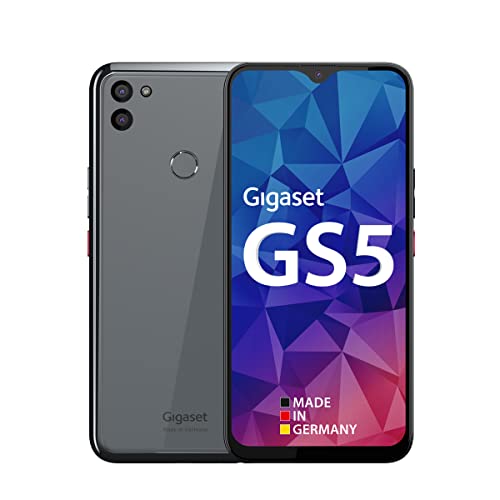
- GS series: This line includes entry-level and mid-range models like GS3, GS4, GS5, and GS5 Lite. Gigaset designs them for everyday use with features such as HD displays and long battery life. Users get stock Android and Made in Germany quality.
- GX series: Gigaset focuses this rugged series on durability with models like GX4, GX6, GX290, and pro versions. They have IP68 certification for dust and water resistance, plus MIL-STD-810H standards. The series suits active lifestyles and demanding work.
- ME series: An older lineup from 2015 includes ME, ME Pro, and ME Pure models. Gigaset built them with aluminum-stainless steel alloys and FHD displays. They target users who want premium build at mid-range prices.
How much do Gigaset smartphone costs?
Gigaset smartphone costs start at about £170 for entry-level models and go up to around £510 for the most advanced versions. Lower-priced models such as the GS4 or GS5 Lite focus on basic functions, while higher-end devices like the GS5 Pro include better cameras, more storage, and faster processors.
The mid-range segment, typically between £255 and £385, includes smartphones with larger displays, improved battery life, and better build quality. These devices often have features such as dual SIM support and expandable storage, which increase their versatility.
The top range models, close to £510, add higher resolution displays, better camera sensors, and faster charging speeds, so they appeal to users who want more advanced specifications while keeping a relatively low price compared to premium brands.
Gigaset smartphones have an average price of £250 €, ranking #34 in price among smartphone brands (from cheapest to most expensive), and an average quality-price ratio score of 6.6, placing them in position #67.
Note: A total of 64 brands were evaluated—each with at least one product in our database released after 2020.
What should you consider while choosing the best Gigaset smartphone?
When choosing the best Gigaset smartphone for you, consider the following key factors:
- Processor: The processor determines how smoothly your phone runs apps and multitasking operations. Gigaset offers different options across their lineup - the GX6 PRO features a MediaTek Dimensity 900 5G Octa-Core for high-end performance, while the GS3 uses a more basic Helio A25 entry-level SoC. Higher-end processors handle demanding apps, games, and video editing better, but budget processors work fine for basic tasks like calling, messaging, and light app usage.
- RAM: RAM affects how many apps you can run simultaneously without slowdowns or crashes. Gigaset models range from 2GB in older devices to 8GB in premium models like the GX6 PRO. More RAM means better multitasking - 4GB handles everyday use well, while 6-8GB suits power users who switch between many apps or use memory-intensive applications.
- Storage: Internal storage holds your apps, photos, videos, and files. Most Gigaset phones offer 128GB internal storage with microSD expansion up to 1TB. Consider your media consumption habits - heavy photo and video users need more storage, while light users can manage with less. All models support external storage expansion for flexibility.
- Camera: Camera specifications vary significantly across Gigaset models. The GX6 features a dual camera setup with 50MP wide-angle plus optical image stabilization and 2MP macro lens, while basic models offer simpler single-camera systems. Advanced cameras capture better photos in low light and offer features like 4K video recording, but increase the phone's cost and complexity.
- Battery: Battery capacity directly impacts daily usage time without charging. Gigaset phones feature batteries ranging from 2500mAh in budget models to 5000mAh in premium outdoor phones. Larger batteries last longer but add weight - the GX6 with its 5000mAh battery can play music for 55 hours or videos for 15 hours. Consider your usage patterns and access to charging throughout the day.
- 5G connectivity: Some newer Gigaset models like the GX6 PRO support 5G networks for faster mobile data speeds, while others stick to 4G LTE. 5G matters if your carrier offers coverage in your area and you frequently use mobile data for streaming or downloads. However, 5G phones typically cost more and consume more battery power.
- Build Quality: Gigaset offers rugged outdoor models like the GX series with enhanced durability features, while standard models focus on everyday use. Consider your lifestyle - outdoor workers or adventure enthusiasts benefit from ruggedized designs, while office users can choose lighter, more stylish options.