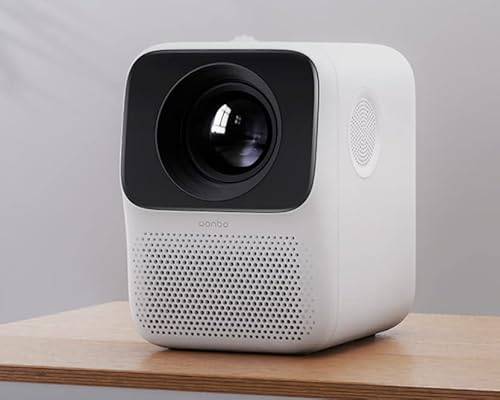
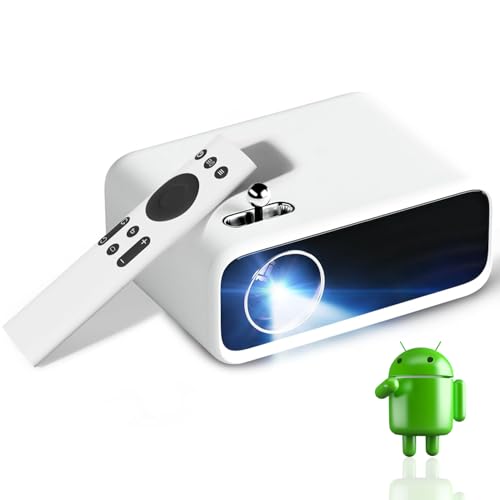
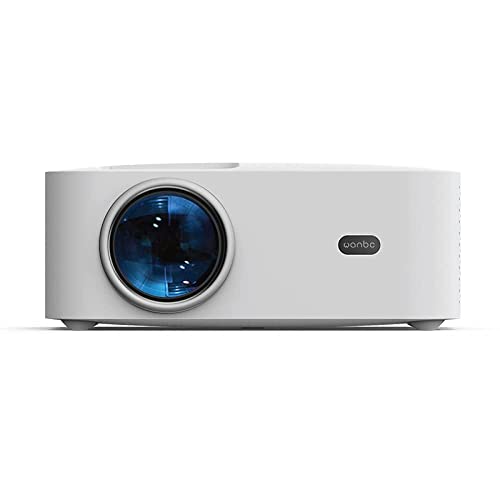
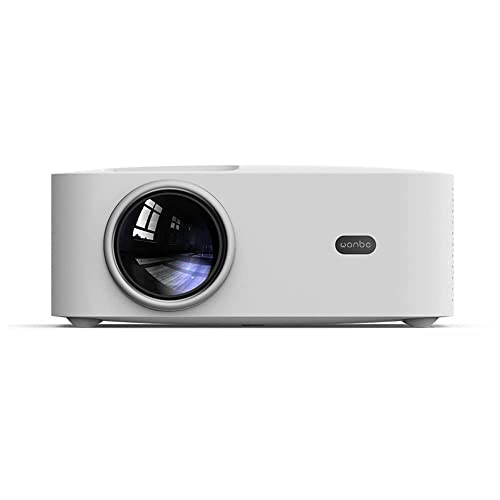
Are Xiaomi projectors good?
Xiaomi projectors have an average overall score of 6.6, ranking #18 among comparable projector brands, and a user rating of 8.7, placing them at #9 in user reviews.
Xiaomi is especially interesting when it offers laser or ultra-short-throw products, where the company can deliver a lot of large-screen appeal for less money than premium lifestyle rivals. Even its smaller smart projectors often feel well designed and easier to integrate into modern homes than generic no-name mini models.
The catch is that Xiaomi's projector ecosystem can feel fragmented. Software, regional availability, warranty support, and exact branding vary more than with Epson or BenQ, and some buyers will prefer Xgimi or LG for a more polished out-of-the-box experience. Even so, Xiaomi is often a strong value-led brand in smart projection.
The chart below compares projector brands by average overall score.
[horizontal-chart-06222294491359464560168876188160252806382230551488]
What are the main advantages of Xiaomi projectors?
The main advantages of Xiaomi projectors are as follows.
- Good price-to-features balance: Xiaomi often packages smart streaming, tidy design, and respectable picture quality at prices that undercut more premium lifestyle brands.
- Strong laser and UST appeal: Some Xiaomi projector models use laser light sources and TV-replacement positioning, giving buyers access to big-screen living-room projection without top-tier flagship pricing.
- Modern compact design: Xiaomi products usually look cleaner and more space-friendly than traditional office-style projector boxes.
- Useful smart ecosystem integration: For buyers already comfortable with Xiaomi's wider consumer-tech world, the software and setup approach can feel more familiar than on old-school projector brands.
- Better than many generic budget alternatives: Compared with many low-cost marketplace projectors, Xiaomi usually offers a more credible mix of engineering, design, and brand support.
What are the main disadvantages of Xiaomi projectors?
The main disadvantages of Xiaomi projectors are as follows.
- Regional software differences: Depending on the model and market, the software experience can vary, which makes some Xiaomi projectors less straightforward for international buyers.
- Lineup can feel fragmented: Xiaomi's projector naming and product ecosystem are not always as easy to understand as BenQ's or Epson's more traditional catalogues.
- Warranty and support can be less direct: Support quality may depend more on retailer channels and local distribution than with bigger established AV brands in some regions.
- Not every model is equally bright: Smaller Xiaomi smart projectors are convenient, but compact chassis still limit real-world lumen output compared with larger home-theatre units.
- Global availability can be patchy: Some of Xiaomi's more interesting projector models are easier to find in China than through stable official channels in other markets.
- Enthusiast features are not the main focus: Buyers who need deep installation controls, lens shift, or cinema-first calibration may prefer specialist projector brands.
Who makes Xiaomi projectors?
Xiaomi projectors are made by Xiaomi and by closely related ecosystem partners working within Xiaomi's broader smart-device platform. The core idea is still the same: these are projector products built around Xiaomi's design language, software-led consumer electronics strategy, and value-focused positioning.
That matters because Xiaomi approaches projectors more like connected lifestyle electronics than like classic pro-AV hardware. The brand is strongest when it combines modern industrial design, smart-TV-style convenience, and competitive pricing rather than when it tries to imitate high-end dedicated home-cinema specialists.
What are the main Xiaomi projector series?
The main Xiaomi projector series are as follows.
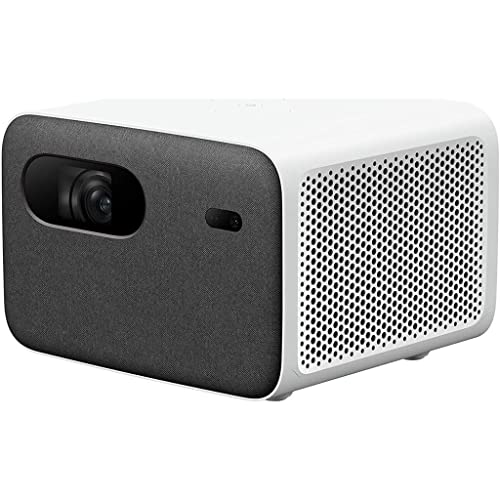
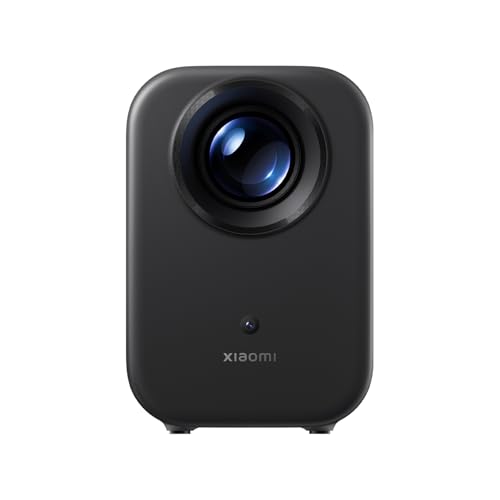
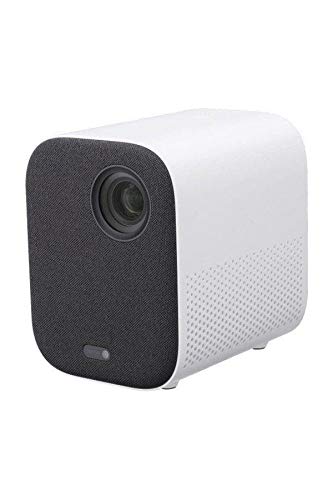
- Mi Smart Projector series: Compact smart home projectors designed for everyday streaming, easier setup, and general living-room or bedroom use.
- Mi Laser Projector series: Xiaomi's laser-led family, including larger-screen and ultra-short-throw products for buyers who want a more TV-replacement-style setup.
- 4K Laser Cinema models: The higher-end Xiaomi home-cinema-oriented laser products, aimed at bigger images and more ambitious living-room viewing.
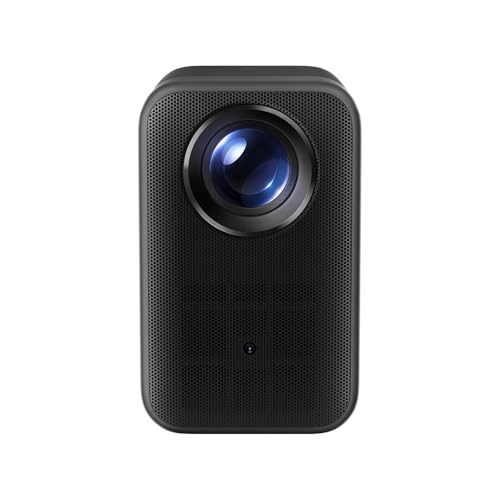
- Redmi projector models: Value-led sister-brand options that usually target affordability and mainstream smart projection rather than premium performance.
How much do Xiaomi projectors cost?
Xiaomi projectors usually cost about £220 to £2,200 from compact smart models to more ambitious laser and ultra-short-throw designs. The lower end is often attractive because Xiaomi packs in sleek design and connected features, but the cheapest options still make clear compromises in brightness and large-room performance.
\n
The range becomes much more interesting around £430 to £1,000 where native 1080p, better sound, and more convincing smart-projector usability start to come together. That is also where Xiaomi begins to feel less like a cheap gadget brand and more like a serious lifestyle-projector option.
\n
Above roughly £1,300 Xiaomi shifts from mainstream smart value into premium laser and TV-replacement territory. Spending more there can improve brightness and room-friendliness, but returns depend heavily on whether you specifically want the sleek all-in-one lifestyle format rather than the best raw projector performance for the money.
How do Xiaomi projectors compare with Xgimi projectors?
Xiaomi and Xgimi overlap heavily in smart lifestyle projection, but they usually appeal for slightly different reasons. Xiaomi is often more aggressive on value and can be especially appealing in laser and ultra-short-throw products. Xgimi is usually the more polished projector-first brand, with stronger auto-setup tools, cleaner portable-product identity, and a more consistent international smart-projector experience.
If you want the smoother plug-and-play experience and clearer portable/home product ladder, Xgimi is often the safer choice. If you want strong features for the money or a compelling laser living-room model at a more accessible price, Xiaomi can be very attractive. Xiaomi usually wins on value; Xgimi usually wins on refinement.
What should you consider while choosing the best Xiaomi projector?
Keep the following points in mind when comparing Xiaomi projectors.
- Product type: Xiaomi sells both compact smart projectors and laser TV style ultra-short-throw models, so decide which family you actually need. The right choice changes placement, brightness, screen type, and budget far more than small spec differences.
- Smart platform: Software matters a lot on Xiaomi projectors because many buyers want an all-in-one streamer. Check the exact OS, region support, and whether key apps such as Netflix are properly certified, because that can vary by market and model.
- Brightness and screen: Cheaper Xiaomi models are often fine only in darker rooms, while brighter laser units are designed for larger living-room images. If you want a TV replacement, look for several thousand ANSI lumens and consider whether an ALR screen is part of the budget.
- Resolution and light source: At the higher end, Xiaomi's laser models can justify their price with brighter output and a more TV-like setup. Lower down the range, make sure you are not paying mostly for design and software when the panel resolution and image engine stay modest.
- Ports and audio: A stylish chassis is not enough if the connection layout is weak. Check HDMI inputs, audio return options, USB playback, and whether you will still need an external soundbar or streamer for the way you actually watch.
- Placement discipline: Auto focus and digital correction are convenient, but the cleanest image still comes from good physical placement. That is especially important on larger Xiaomi images, where any softness from keystone processing becomes easier to see.