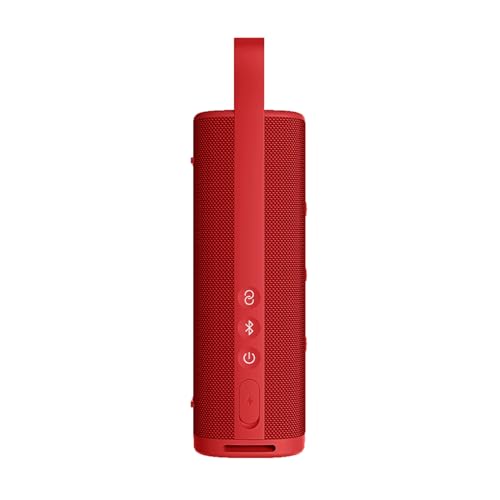
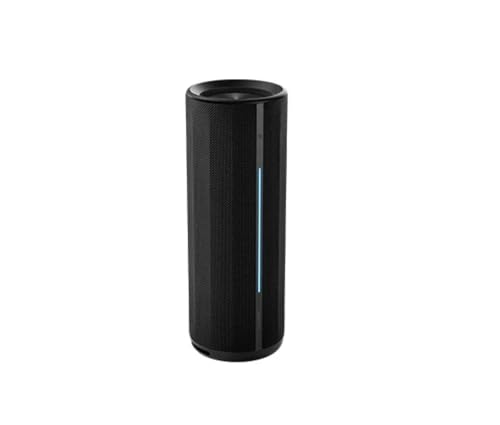
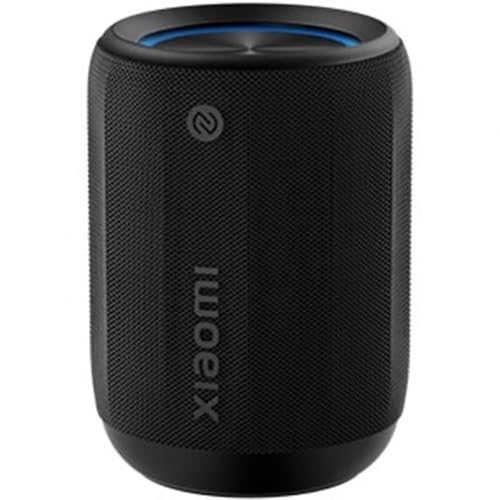
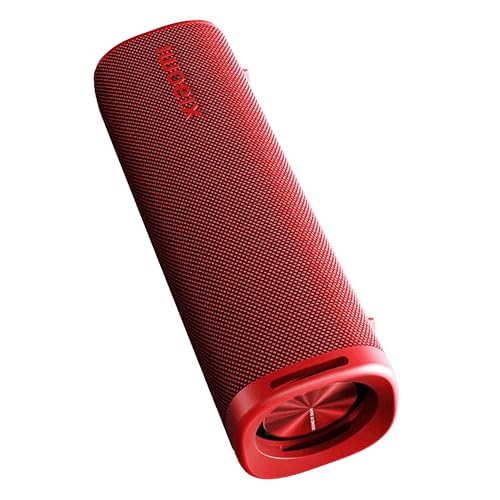
Are Xiaomi portable speakers good?
Xiaomi portable speakers have an average overall score of 7.4, ranking #14 among comparable portable-speaker brands, and a user rating of 9.3, placing them at #9 based on user reviews.
Xiaomi portable speakers are strongest for affordable everyday listening, compact travel formats, IP-rated outdoor models, and app or phone integration that feels familiar to Xiaomi users. Several models also offer long runtimes and stereo pairing without a premium-brand price.
Xiaomi portable speakers are less suitable if you need a clearly organised multi-room platform, consistent app support across generations, or a high-output party system with professional inputs. Mi, Redmi, and Sound names span different hardware and regional availability, so the exact model matters.
The following chart compares portable-speaker brands by average overall score.
[horizontal-chart-16826570532110669241166463899741574182283116530753]
What are the main advantages of Xiaomi portable speakers?
The main advantages of Xiaomi portable speakers are as follows:
- Low entry prices: Compact Xiaomi and Redmi speakers make Bluetooth listening accessible at roughly £10-£30. They provide useful battery operation and USB-C on many current models without requiring a premium-brand budget.
- Good outdoor coverage: Sound Outdoor, Mi Portable, and several Redmi or Bluetooth Speaker models carry IP66 or IP67-style protection. This makes them more practical for rain, dust, and beach use than ordinary indoor mini speakers.
- Phone and app integration: Xiaomi users can benefit from familiar Mi Home or phone-level controls on supported products. Firmware, EQ, and pairing features are convenient when the speaker and phone are from the same ecosystem.
- Clear size progression: The line moves from Compact and Pocket through Mi Portable and Sound Outdoor to Sound Party, Sound Pro, and Sound 2 Max. Buyers can gain output and battery capacity without immediately jumping to a premium audio brand.
- Strong everyday battery options: Mid-size models often target around 10–21 hours, while larger Sound products can extend further. Moderate-volume playback is the realistic basis for these claims; maximum bass and lighting shorten runtime.
What are the main disadvantages of Xiaomi portable speakers?
The main disadvantages of Xiaomi portable speakers are as follows:
- Uneven regional availability: Xiaomi speaker names, apps, and bundled features can differ by market. A model sold in one country may not have the same firmware, assistant support, or service integration elsewhere.
- Busy product naming: Mi, Redmi, Sound, and generic Bluetooth Speaker labels cover many generations. Compare exact model codes, charging ports, IP ratings, and pairing support instead of assuming a newer name is a direct upgrade.
- Limited smart audio depth: Xiaomi offers useful phone and IoT links, but most portable models do not behave like a full Sonos-style Wi-Fi multi-room system. Buyers seeking network playback across brands may need another platform.
- Variable sound balance: Small Compact and Pocket models prioritise size and price, while Sound Party or Max products emphasise bass and volume. The logo does not define one consistent tuning, and loud modes can reduce vocal clarity.
- Sparse pro inputs: Most Xiaomi portable speakers lack microphone or instrument inputs, and party lighting or FM radio is model-specific. Check the actual use case before buying a visually similar Bluetooth speaker.
Who makes Xiaomi portable speakers?
Xiaomi portable speakers are made by Xiaomi Corporation, the Chinese consumer-electronics and smart-manufacturing company founded in April 2010. Xiaomi built its business around smartphones, smart hardware, and an IoT platform, later extending the same value-oriented approach to audio products.
Xiaomi is headquartered in Beijing and operates as a publicly listed company on the Hong Kong Stock Exchange. Its ecosystem includes smartphones, wearables, home devices, and connected products sold across more than 100 countries, with manufacturing and supply-chain partners supporting global distribution.
Portable speakers sit within Xiaomi's smart-hardware portfolio and use both Xiaomi and Redmi naming. Product design prioritises compact dimensions, accessible prices, USB-C, battery operation, and integration with the wider phone or home ecosystem, while acoustic character and network features depend on each series.
What are the main series of Xiaomi portable speakers?
The main Xiaomi portable-speaker series are as follows:
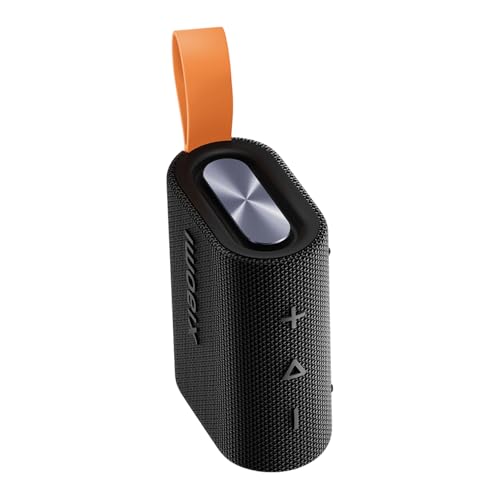
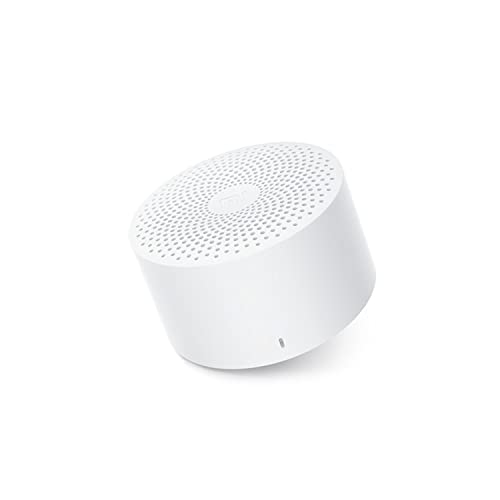
- Compact, Mini, and Pocket: These are the smallest models for desks, bags, and short listening sessions. They minimise weight and price, but their tiny drivers have limited low-bass extension at high volume.
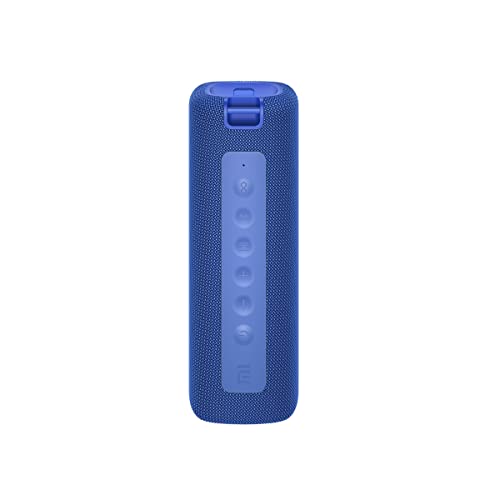
- Mi Portable and Redmi Bluetooth speakers: These mainstream cylinders and boxes add stronger batteries, stereo pairing, and in some cases IP protection. They are the practical everyday step above the cheapest Compact products.
- Sound Outdoor and Sound Move: Sound Outdoor targets protected garden and travel use, while Sound Move provides a larger movable cabinet with more room-filling output. Both require attention to exact generation, codec, and app support.
- Sound Party and Sound Pro: These models add lighting, larger batteries, and a more social presentation. They suit gatherings better than backpacks and may sacrifice simplicity for bass modes and effects.
- Sound 2 Max: Sound 2 Max is the largest home-oriented product in the family, with substantially more output and cabinet volume. It is better treated as a movable room speaker than a compact portable model.
How much do Xiaomi portable speakers cost?
Xiaomi portable speakers generally cost about £10-£430. Compact, Pocket, and entry Redmi models sit around £10-£30, Mi Portable and Sound Outdoor products commonly cost about £30-£130, and Sound Move or Sound Party models reach roughly £130-£170. The step up usually buys larger drivers, longer runtime, stronger protection, or lighting rather than a completely different app.
Sound Pro and Sound 2 Max occupy the premium end, from about £150 to £430, because they add larger cabinets and room-filling output. Check regional availability and exact model code carefully: Xiaomi discounts older speakers heavily, but older firmware, charging, and pairing support can differ from current products.
How do Xiaomi portable speakers compare with Anker models?
Xiaomi portable speakers compare with Anker models across the following areas:
- Price and features: Xiaomi often wins on entry price and compact design, while Anker Soundcore supplies more consistent app EQ, firmware, and pairing features across its larger ladder. Compare the exact model rather than the logo.
- Outdoor use: Both brands offer IP66/IP67 or IPX7 choices, USB-C, and long batteries. Xiaomi's Sound Outdoor is a strong value option, while Anker has more waterproof Motion and Select variants to choose from.
- Sound and tuning: Xiaomi ranges from small, clear personal speakers to bass-focused Sound Party and Max products. Anker offers more EQ presets and BassUp controls, which gives buyers greater control but also creates more mode-dependent sound.
- Ecosystem: Xiaomi can fit naturally beside Mi phones and smart-home products; Anker is more brand-centred around the Soundcore app. Neither should be confused with a full Wi-Fi multi-room platform such as Sonos.
- Buying fit: Choose Xiaomi for low prices, compact travel speakers, and phone ecosystem convenience. Choose Anker for broader model depth, stronger app adjustment, more pairing options, or a clearer path from Mini to Boom.
What should you consider when choosing the best Xiaomi portable speaker?
When choosing the best Xiaomi portable speaker, consider the following factors:
- Family and size: Compact and Pocket models weigh roughly 54–330 g and produce 2–6 W, Mi Portable and Sound Outdoor are about 400–600 g and 16–30 W, Sound Party is about 1.2 kg and 50 W, and Sound 2 Max reaches roughly 8.1 kg and 100 W. Compare handle design as well as output; the party models are for gardens, not a travel bag.
- Output and listening area: Compact models are best kept near the listener, Mi Portable or Sound Outdoor gives a useful room-and-garden step, and Sound Party or Sound 2 Max adds group-level headroom. As a practical reference, 5–16 W covers personal or small-room use, 30–50 W suits a garden, and 100 W targets a larger gathering; compare clean output, not only peak power.
- Weather protection: Sound Outdoor and selected Mi or Redmi models may carry IP67 or IPX7, while indoor-oriented Sound Party or older products can have less protection. Verify the exact model code and complete IP rating, keep USB covers closed, and do not assume a similar Xiaomi or Redmi name means the same dust or immersion resistance.
- Battery and charging: Larger Sound Party and Sound 2 Max speakers can run longer but are heavier, while Compact and Pocket models recharge more easily during travel. Pocket models are commonly rated around 6–11 hours, Mi Portable about 10–13 hours, Sound Outdoor around 12 hours, Sound Party about 26 hours, and Sound Move about 21 hours. Aim for at least 10–12 hours for daily use or about 20 hours for long outdoor sessions, then check USB-C, charge time, lighting impact, and the regional charger.
- Phone, app, and regional support: Confirm whether the speaker uses Xiaomi Home, Mi Home, or a dedicated speaker app in your market, and check Android/iOS support and firmware availability. Regional versions can differ in EQ, stereo pairing, codecs, voice functions, and services, so verify the exact model rather than relying on an international product page.
- Inputs, lighting, and pairing: Sound Party models may add RGB effects, microphones, AUX, or party controls, while Compact and Mi Portable models are usually simpler Bluetooth speakers. Prices start around £10-£30 for Compact, Pocket, and Mi Portable models, reach roughly £30-£130 for Sound Outdoor or Sound Party, and rise to about £400 for Sound 2 Max. Check FM radio, USB or memory playback, microphone support, stereo pairing, and compatible-unit limits individually because a Sound Party feature should not be assumed on a smaller sibling.