
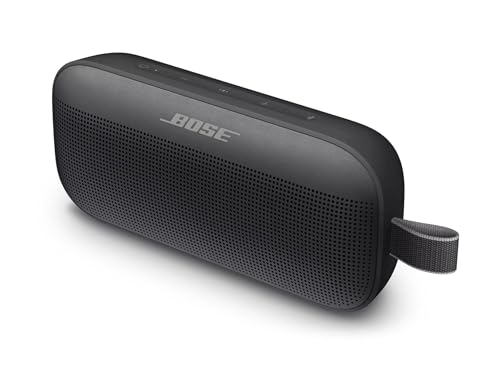
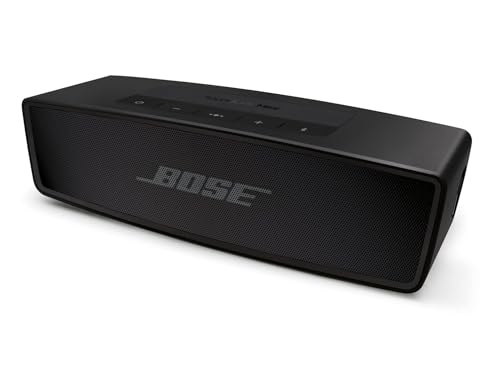
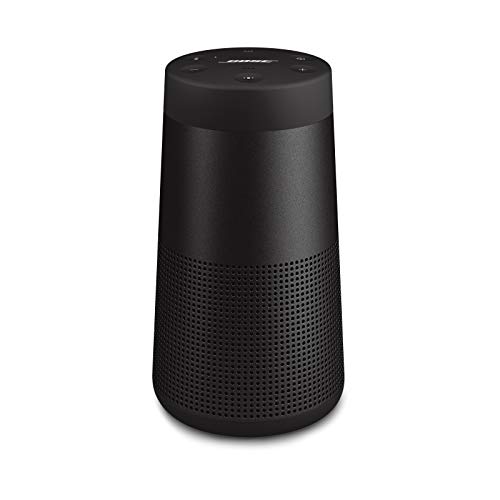
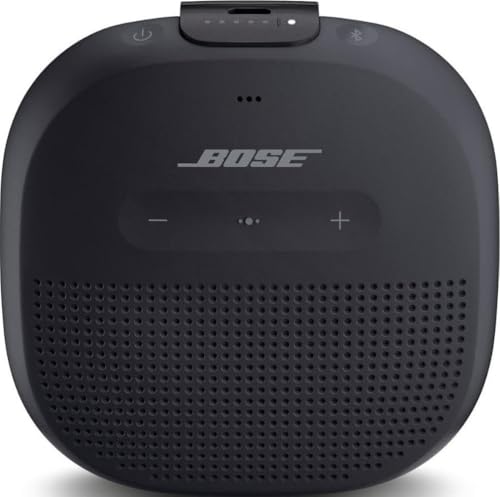
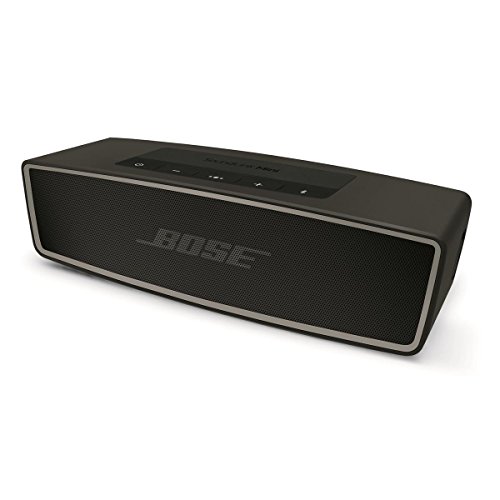
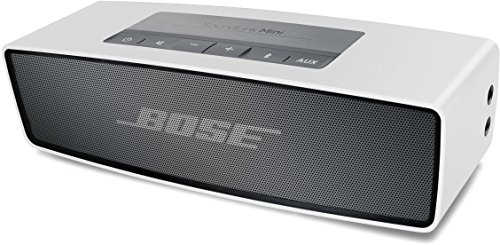
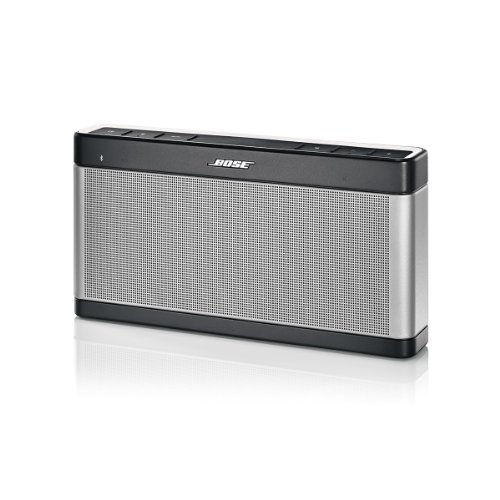


Are Bose portable speakers good?
Bose portable speakers have an average overall score of 7.3, ranking #9 among comparable portable-speaker brands, and a user rating of 9.5, placing them at #2 based on user reviews.
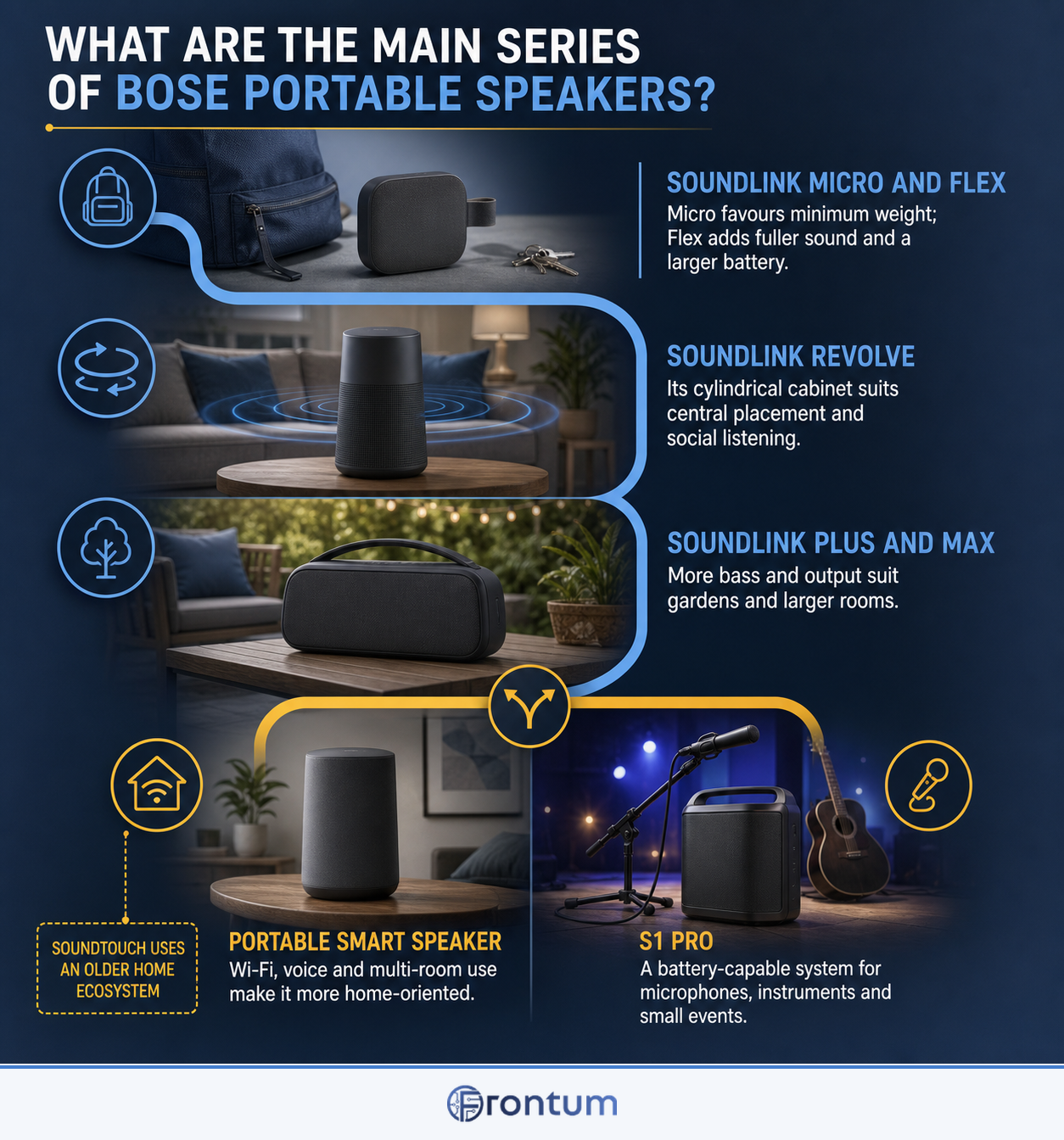
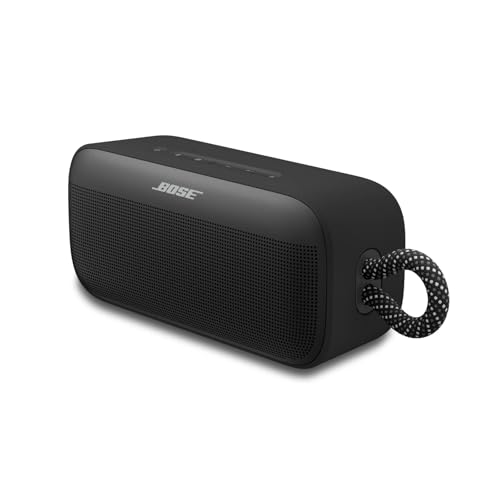
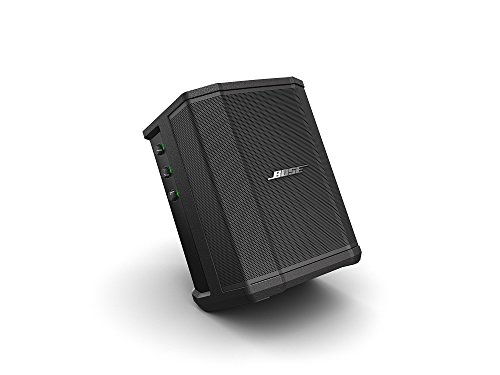
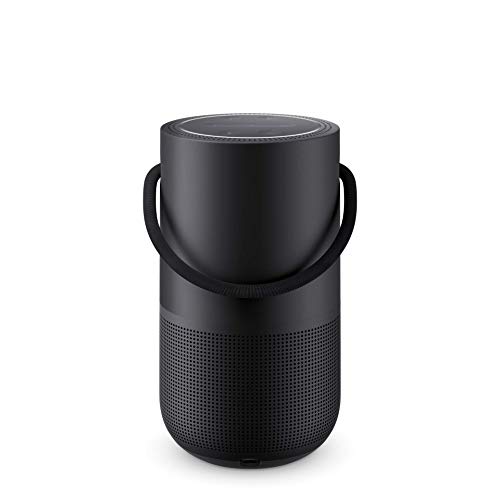
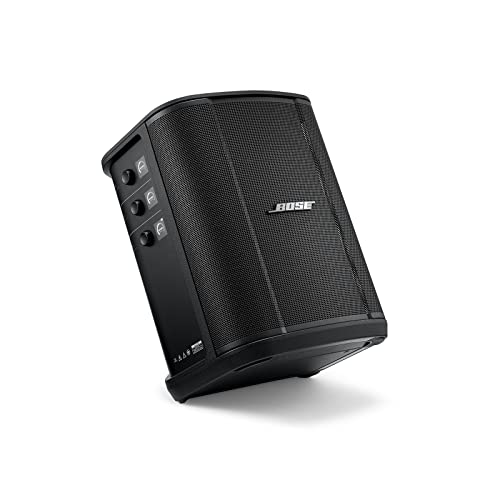
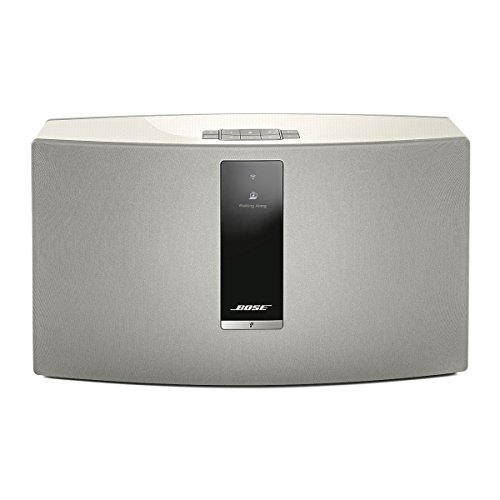
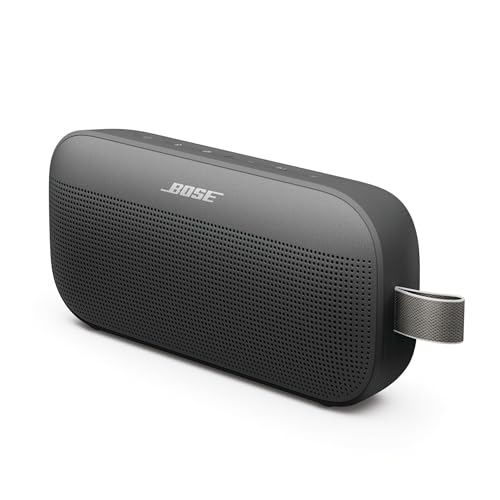
Bose portable speakers are strongest when you want polished tuning, clear vocals, compact enclosures, and models designed for different spaces, from SoundLink Flex outdoors to Revolve indoors and S1 Pro for amplified performance.
Bose portable speakers are less compelling if low price, RGB lighting, broad legacy-port support, or cross-brand party linking is important. App and multi-room compatibility also varies between SoundLink, older SoundTouch, and newer smart-speaker generations.
The following chart compares portable-speaker brands by average overall score.
[horizontal-chart-16826570532110669241166463899741574182283116530753]What are the main advantages of Bose portable speakers?
The main advantages of Bose portable speakers are as follows:
- Balanced tuning: Bose usually prioritises clear vocals, controlled bass, and a smooth presentation that works across music, podcasts, and television. The sound is designed for long listening rather than maximum brightness or exaggerated impact.
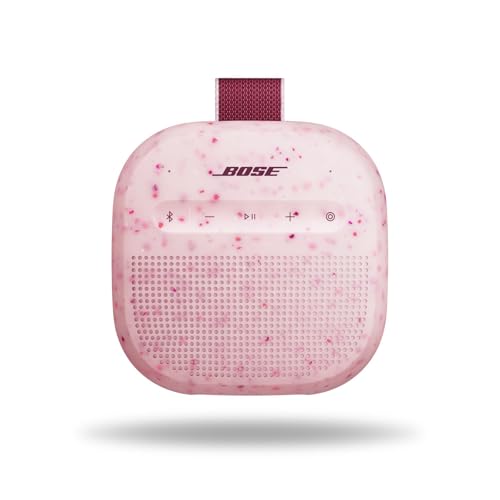
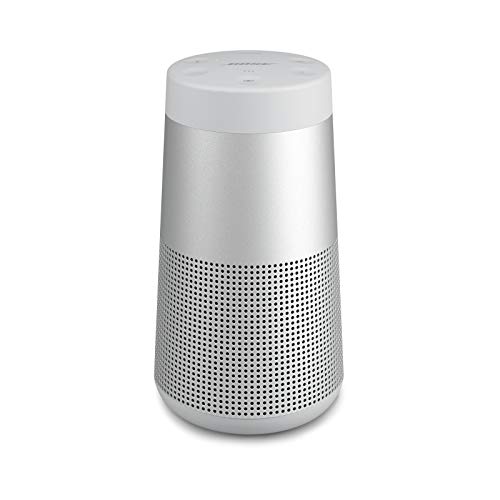
- Compact engineering: SoundLink Micro and Flex deliver useful output from small sealed cabinets, while Revolve spreads sound more evenly around a room. This makes Bose attractive when placement and appearance matter as much as raw wattage.
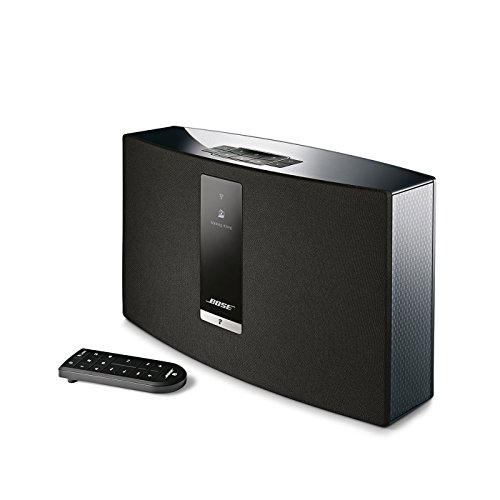
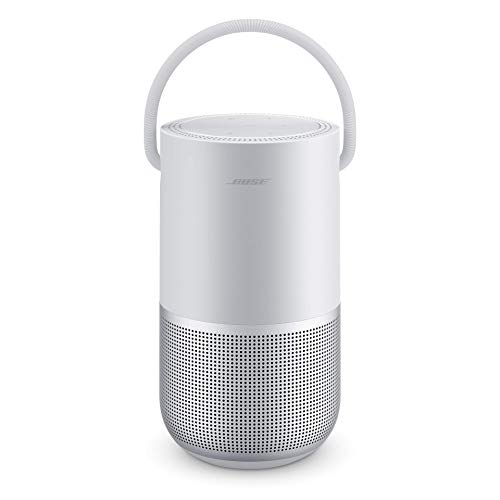
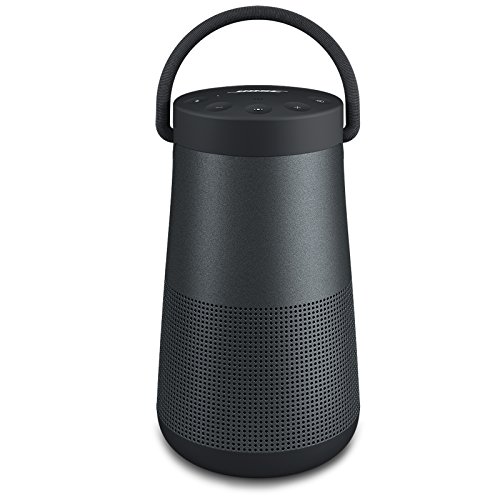
- Purpose-built families: The range covers rugged compact models, 360-degree room speakers, larger SoundLink designs, Wi-Fi-capable smart speakers, and S1 Pro performance systems. Buyers can choose a real use-case family instead of only changing size.
- Build and controls: Recent portable models generally use stable bases, tactile buttons, and water-resistant construction where outdoor use is intended. The physical design is usually restrained and easy to integrate into a home.
- App and pairing features: Compatible models offer EQ, firmware updates, stereo or party pairing, and multipoint Bluetooth. These controls are useful when every unit belongs to the same supported Bose generation.
What are the main disadvantages of Bose portable speakers?
The main disadvantages of Bose portable speakers are as follows:
- Premium pricing: Bose models often cost more than similarly sized mainstream rivals. The extra spend is easier to justify for tuning, design, or ecosystem fit than for maximum output per euro.
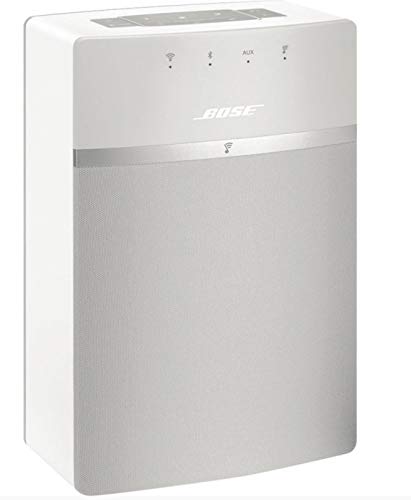
- Fragmented generations: SoundTouch, Portable Smart, Bose Music, and ordinary SoundLink products do not all share the same grouping or app features. A buyer building a multi-speaker system must check exact generation compatibility.
- Limited visual and party features: Bose rarely prioritises RGB lighting, karaoke controls, or extreme party modes. JBL and Sony offer broader choices when visual effects or very high-output event use matters.
- Inconsistent connections: AUX, USB-C, Wi-Fi, microphone input, and charging-cradle support vary widely across the range. A USB connector may charge without carrying audio, so every required input needs separate confirmation.
- Battery serviceability: Most compact models use sealed internal batteries rather than user-swappable packs. Long-term ownership therefore depends on battery health and available authorised service.