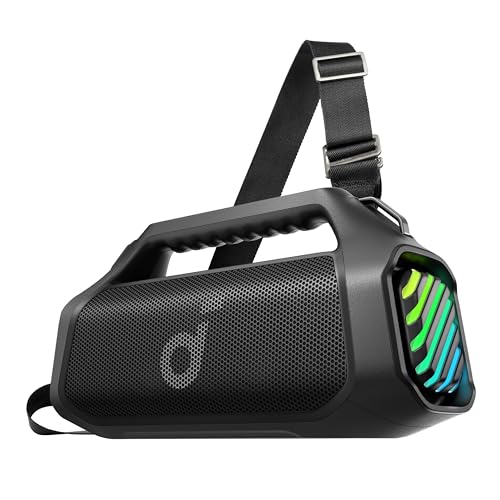

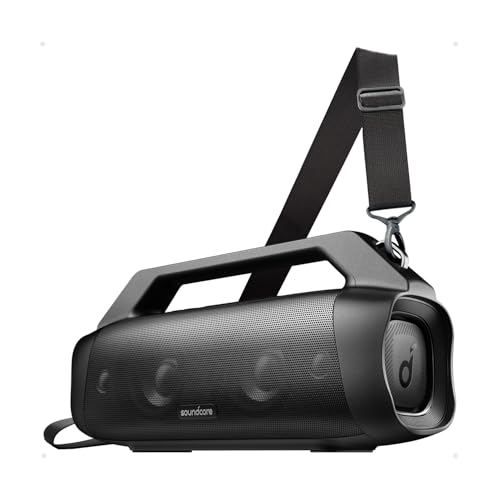
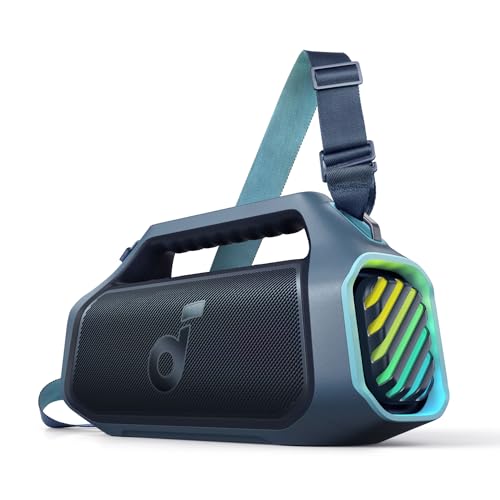
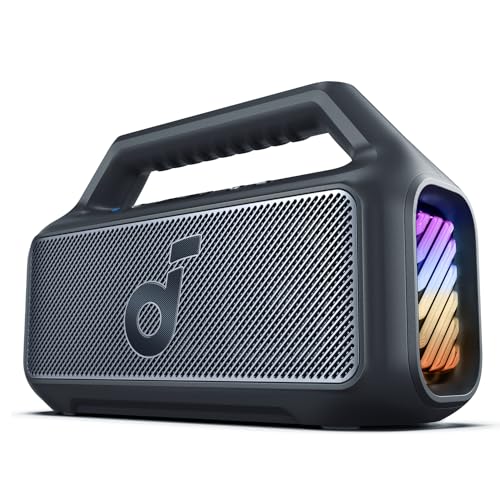
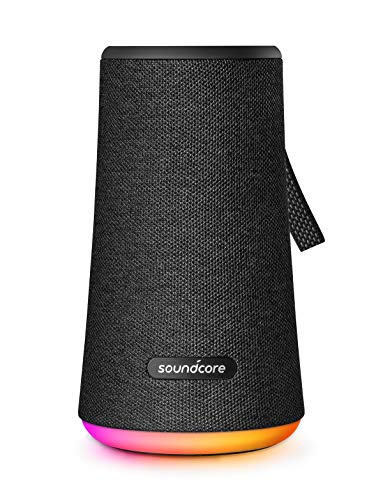
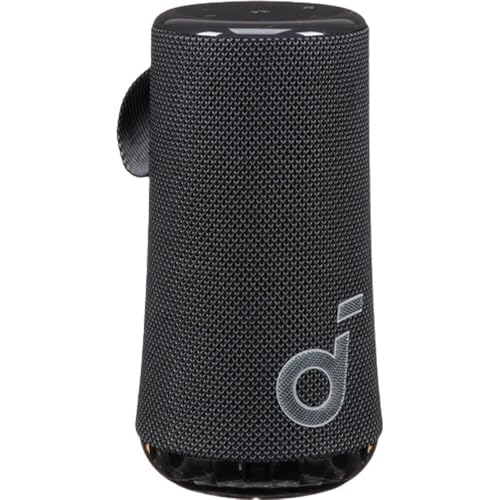
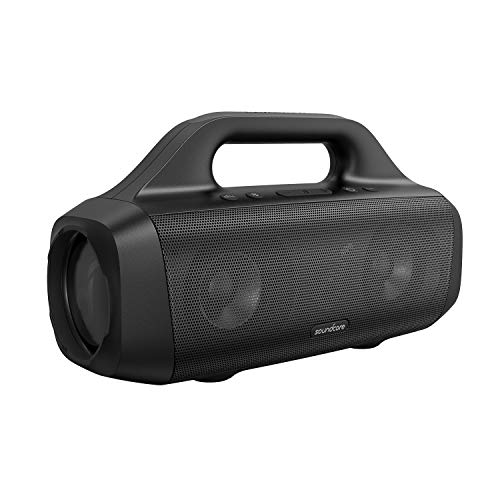
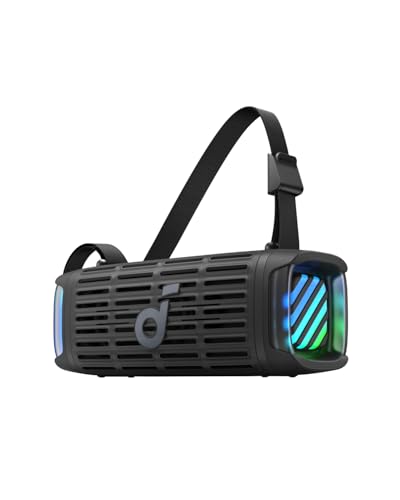
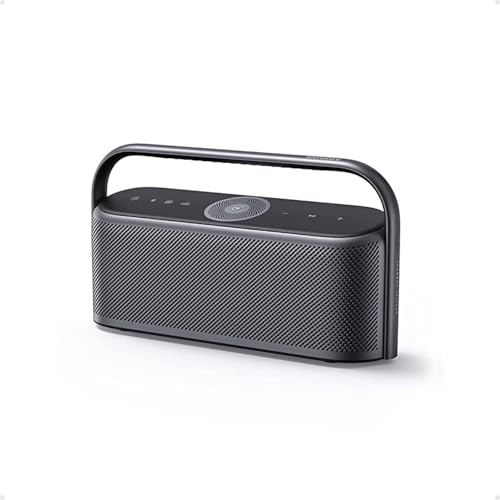
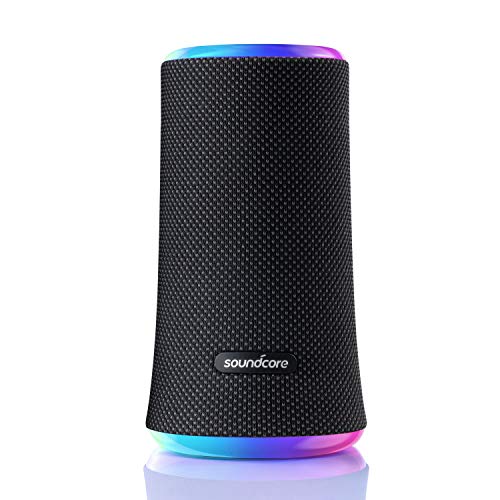
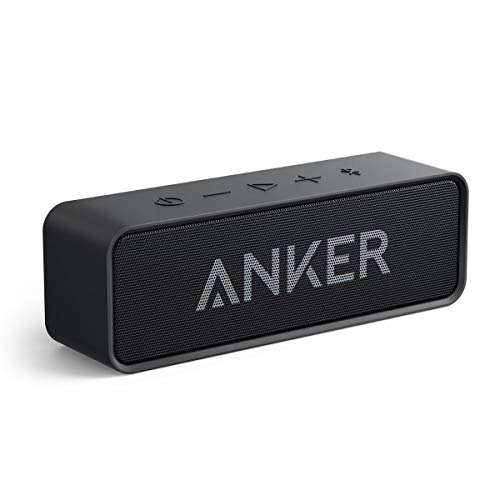
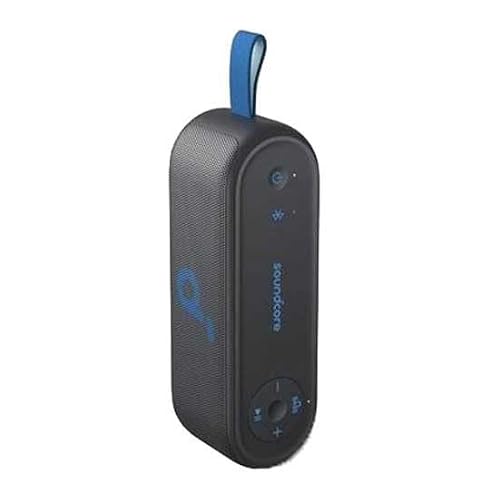
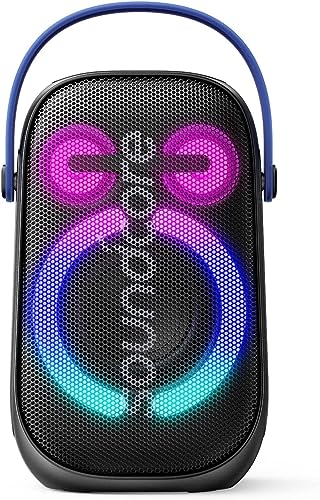
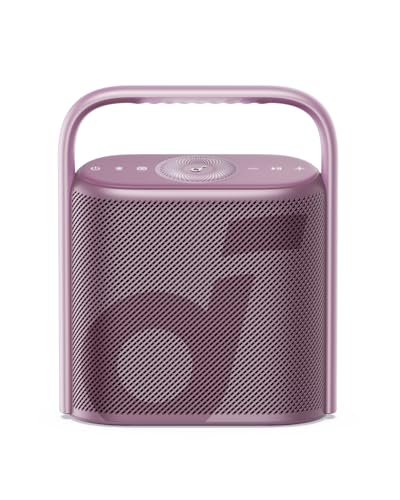
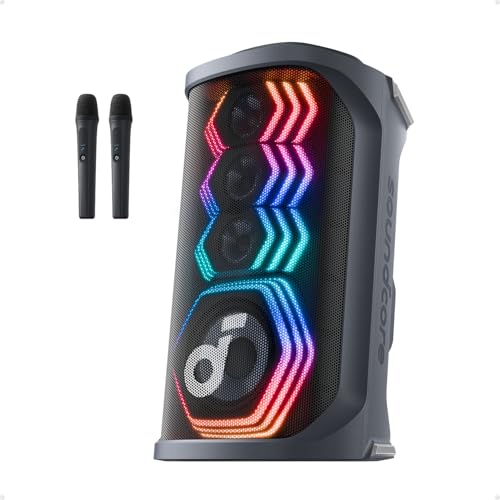
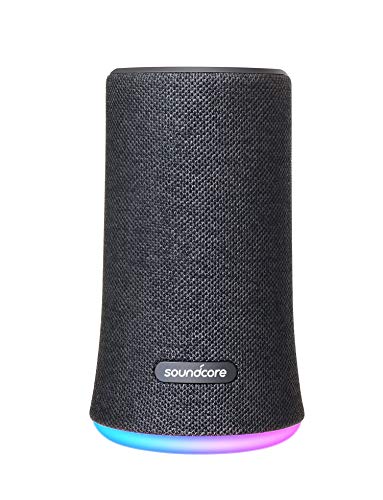
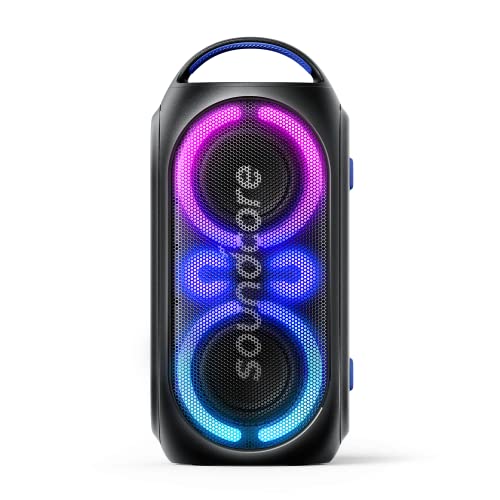
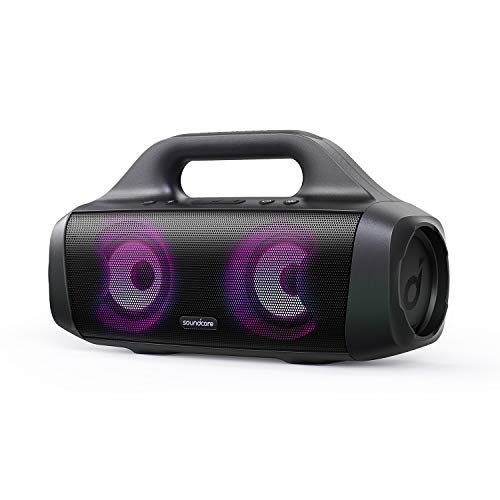
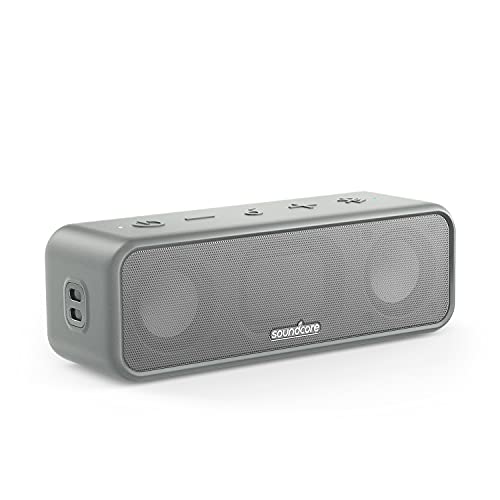
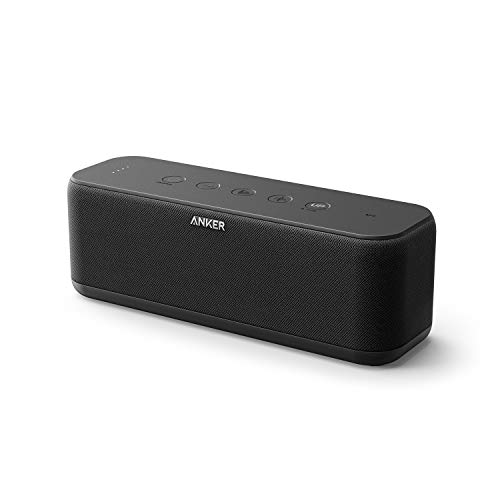


Are Anker portable speakers good?
Anker portable speakers have an average overall score of 7.7, ranking #5 among comparable portable-speaker brands, and a user rating of 9.4, placing them at #3 based on user reviews.
Anker portable speakers are strongest when you want feature-rich Soundcore products at competitive prices, with many compact models offering high water resistance, long batteries, app EQ, and easy stereo pairing. The range extends from pocket speakers to serious party cabinets.
Anker portable speakers are less suitable if you need Wi-Fi multi-room audio, AirPlay, premium furniture-grade materials, or a simple model hierarchy. Soundcore names and generations overlap, and some low-cost models trade bass depth, USB-C, or input options for portability.
The following chart compares portable-speaker brands by average overall score.
[horizontal-chart-16826570532110669241166463899741574182283116530753]What are the main advantages of Anker portable speakers?
The main advantages of Anker portable speakers are as follows:
- Strong value: Soundcore products often include useful battery capacity, water resistance, EQ, and pairing at prices below premium-brand alternatives. The best value comes from choosing the right family rather than simply buying the cheapest model.
- Broad size ladder: Nano, Mini, Select, Motion, Boom, and Rave families cover personal listening, rooms, gardens, and parties. The naming is busy, but it gives buyers more output and battery steps than a single compact line.
- Long runtimes: Many Motion and Boom models target roughly 12–24 hours, with larger cabinets adding still more capacity. Real runtime depends on volume, bass mode, and lighting, so the largest quoted figure is not a universal expectation.
- Outdoor protection: A large share of Soundcore models carries IPX7, IP67, or another useful rating. This makes several inexpensive speakers practical for beaches, showers, and wet gardens, provided the exact port covers are closed.
- Useful software: The Soundcore app can provide EQ presets, firmware updates, PartyCast or stereo pairing, and lighting control. It lets a modest speaker be tuned for speech, podcasts, or bass-heavy music instead of forcing one fixed profile.
What are the main disadvantages of Anker portable speakers?
The main disadvantages of Anker portable speakers are as follows:
- Busy model naming: Soundcore, Motion, Flare, Glow, Boom, Rave, Select, and Trance names overlap across years. A newer number is not always a full replacement, so compare protection, battery, codecs, and pairing generation by generation.
- Limited smart-home integration: Most models are Bluetooth-only and do not provide Wi-Fi multi-room playback or AirPlay. Buyers invested in Sonos, Bose smart products, or Apple Home audio may prefer a more integrated platform.
- Feature inconsistency: USB-C, microphone inputs, AAC, stereo pairing, voice assistants, and PartyCast are not universal. A product page can look similar to a sibling while omitting the one connection you need.
- Sound at high volume: Small Nano, Mini, and Select speakers prioritise size and price, so bass depth and clarity fall as volume approaches the limit. Larger Boom or Rave models improve impact but add weight and cost.
- Plastic-focused construction: Soundcore cases are generally practical and light rather than luxury objects. That helps price and durability, but buyers seeking metal, leather, or a furniture-grade finish should look to Bang & Olufsen or selected Bose models.